
Introduction
For years, most advice about sleep sounded like a simple math problem: hit eight hours and everything should fall into place. Research from Yale and other leading centers shows that idea misses how the body actually works. Sleep is not a checkbox; it is a rhythm that links muscle, metabolism, and the brain.
When we designed The 2025 Sync Stack: Yale MD's Guide for Optimal Sleep & Recovery, we started with that newer science. Skeletal muscle acts like an engine for blood sugar control, hormone balance, and even brain repair. Sleep is the nightly pit stop where that engine gets rebuilt. If muscle and metabolism are off, sleep suffers. If sleep is shallow or poorly timed, recovery stalls and aging speeds up.
At Synchronicity Health, we bring this muscle‑centric view into a single daily system. We combine resistance training, protein timing, light exposure, wearables, and physician‑backed supplements delivered with advanced nasal spray technology. Each piece is designed to support the others instead of acting like a random add‑on.
“Sleep is the single most effective thing we can do to reset our brain and body each day.”
— Dr. Matthew Walker, neuroscientist and sleep researcher
By the end of this guide, we will walk through the full 2025 Sync Stack framework: the Yale‑inspired sleep model, the new muscle science, the latest drugs and devices, and the core nutrition and nutraceutical protocols. The aim is clear: a science‑grounded way to sleep deeper, recover faster, and age on our own terms.
Key Takeaways
-
Multidimensional sleep health looks beyond hours in bed. It covers timing, regularity, depth, and next‑day alertness—explaining why two people can both sleep seven hours yet feel very different.
-
Skeletal muscle acts as an organ of longevity. When training and protein intake are dialed in, muscle supports blood sugar, hormones, and brain health, giving sleep better raw material for repair.
-
New 2025 medical tools for sleep disorders range from GLP‑1 therapies for sleep apnea to orexin agonists for narcolepsy. Lifestyle and nutraceutical work sit beside these treatments, not in place of them.
-
Wearables and at‑home tests now provide near clinical‑grade sleep data. Tracking heart rate variability, sleep stages, and timing lets people test changes in light, training, protein, and supplements instead of guessing.
-
Synchronicity Health’s Sync Stack links protein protocols, resistance training, core sleep supplements, nasal spray delivery, and daily routines into one system that can be adjusted step by step.
What Is Multidimensional Sleep Health? Understanding the Yale Framework
Sleep researchers use the term multidimensional sleep health to move past the “just get eight hours” rule. Many people log seven to eight hours on a tracker yet wake up foggy, sore, or on edge. The Yale‑inspired framework breaks sleep into several connected pieces so you can see what is actually off instead of guessing.
Key dimensions include:
-
Sleep Regularity – Going to bed and waking up at similar times each day anchors the brain’s internal clock, guiding hormones, body temperature, and even when muscles are most ready to train.
-
Sleep Quality And Satisfaction – How rested you feel in the morning reflects smooth cycling through light, deep, and REM sleep with few wake‑ups. Deep sleep favors muscle repair and immune function; REM supports mood and memory.
-
Daytime Alertness – Stable energy, clear thinking, and emotional steadiness are signs that sleep timing and depth are working. Reliance on caffeine just to feel normal often signals fragmented sleep.
-
Sleep Timing (Chronotype) – Early and late types exist, but all brains still follow light‑and‑dark cues. Sleeping at times that fit both your chronotype and daylight pattern lines up melatonin, cortisol, and growth hormone.
-
Sleep Efficiency And Duration – Efficiency is the share of time in bed actually spent asleep (about 85% or higher is a common target). Duration for most adults sits around seven to nine hours, but those numbers only matter when timing and quality are also in place.
This multidimensional framework underpins the 2025 Sync Stack. Choices such as when you train, eat protein, or use a nasal spray are aimed at lifting several dimensions at once, not just racking up more minutes in bed.
The Muscle-Centric Revolution: Why Skeletal Muscle Is the Organ of Longevity

Skeletal muscle can make up nearly forty percent of body weight, yet for decades it was treated mainly as a vanity metric. New research shows muscle behaves like a metabolic and endocrine organ that shapes how we age.
Active muscle acts as a sink for glucose. After a meal, it pulls sugar from the blood and stores it as glycogen, through both insulin‑driven pathways and contractions during movement. When muscles sit idle, they become insulin‑resistant, leaving more sugar in the bloodstream and nudging markers like triglycerides, fasting insulin, A1c, and C‑reactive protein in the wrong direction—even in people with “normal” weight.
Contracting muscle also releases myokines—chemical messengers that travel to fat tissue, the liver, and the brain. They influence fuel use, inflammation, and even new brain cell growth. During deep sleep, the body rebuilds muscle, restores glycogen, and clears brain waste. Strong, well‑used muscle soaks up nutrients and sends more helpful myokines during that repair window; weak, underused muscle does far less.
At Synchronicity Health, we treat muscle as the recovery engine. The 2025 Sync Stack weaves resistance training, a clear protein plan, and targeted nasal‑spray nutraceuticals so what you do during the day writes the repair order that sleep fills at night.
“Muscle is the organ of longevity.”
— Dr. Gabrielle Lyon, physician and muscle health specialist
The Myokine Effect: How Exercise Becomes Medicine
Myokines help explain why exercise behaves like medicine instead of just a way to burn calories. These small proteins are released when muscle fibers contract, and the mix changes with training type, intensity, and duration.
-
During moderate to hard effort, muscles release interleukin‑6 (IL‑6). When IL‑6 comes from immune cells it often signals inflammation; when it comes from muscle it tends to reduce chronic, low‑grade inflammation—a frequent disruptor of deep sleep.
-
Myokines such as irisin and cathepsin B reach the brain and raise levels of brain‑derived neurotrophic factor (BDNF). Higher BDNF is linked to better mood, sharper thinking, and lower risk of cognitive decline, all of which support steadier sleep patterns.
-
Other myokines improve metabolic crosstalk, nudging the liver and fat tissue toward better fuel handling and less inflammatory behavior. That stabilizes blood sugar and reduces nighttime spikes and crashes that can wake you up.
Inside the Sync Stack, workouts are planned not only to grow muscle but to send regular pulses of these helpful myokines—lowering inflammation, supporting the brain, and setting up better sleep and recovery.
2025 Pharmaceutical & Therapeutic Breakthroughs for Sleep Disorders
Lifestyle and nutraceutical work can reshape sleep for many people, but clear sleep disorders often need medical treatment as well. The 2025 toolkit for conditions such as obstructive sleep apnea and narcolepsy is expanding fast.
One major shift is the use of GLP‑1–based therapies in sleep apnea. The FDA approval of tirzepatide (Zepbound) for adults with moderate to severe obstructive sleep apnea and obesity highlights the tight link between metabolic health and airway collapse. By improving insulin sensitivity and driving weight loss, these drugs can reduce fat around the airway and lessen apnea severity.
Alongside this, companies are testing oral drugs that act on the upper airway, such as Apnimed’s AD109 (aroxybutynin plus atomoxetine) and Incannex’s IHL‑42X (dronabinol plus acetazolamide). These aim to raise muscle tone in the throat or adjust breathing control for people who cannot tolerate standard devices.
For disorders of wakefulness like narcolepsy, orexin‑2 receptor agonists (including ALKS 2680 and TAK‑861) are designed to mimic orexin, a brain signal that stabilizes sleep‑wake states. Device therapy is advancing too: hypoglossal nerve stimulation systems, such as Nyxoah’s Genio, gently activate the nerve that controls the tongue so it does not collapse into the airway during sleep.
A final area of progress sits close to Synchronicity Health’s work. Mosanna Therapeutics is developing an OSA‑focused nighttime nasal spray, exploring the same route our team uses for nutraceutical delivery. Sprays can move active compounds through nasal membranes directly into the bloodstream, bypassing gut and liver breakdown.
Anyone with loud snoring, gasping at night, or heavy daytime sleepiness should prioritize medical evaluation first. Once disorders such as sleep apnea or narcolepsy are treated, the 2025 Sync Stack adds a second layer by supporting muscle health, circadian alignment, and neurochemistry.
The Technology Stack: Wearables, AI, and At-Home Diagnostics for Better Sleep
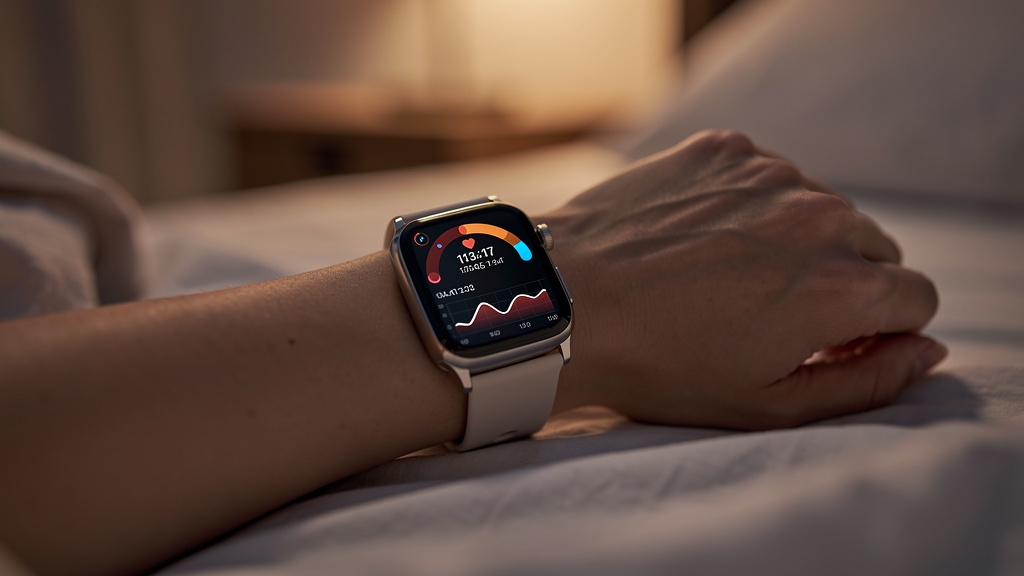
Until recently, understanding sleep meant spending a night in a lab covered in wires. In 2025, many people can gain near clinical‑grade insight while sleeping in their own bed. At‑home diagnostics and smart wearables now supply continuous, real‑world data that plug directly into a Sync Stack.
Several home sleep apnea tests rival lab studies for many cases. Devices such as Compumedics’ Falcon HST record breathing patterns, oxygen levels, and body position through the night, while tools like PranaQ’s TipTraQ use artificial intelligence to catch subtle patterns of airway narrowing.
On the wrist or finger, clinically validated wearables do far more than count steps. The Happy Ring, for example, holds FDA clearance as an at‑home apnea test in specific settings. It tracks heart rate, movement, and other markers to estimate sleep stages, time awake, and breathing quality—useful for seeing how training days, late meals, or supplement timing change sleep depth.
Behind the scenes, AI‑powered platforms such as AASM Link help clinicians interpret complex sleep data and stay current with new findings. As this software matures, more guidance will reach users through simple dashboards instead of dense reports.
For Synchronicity Health, these tools act as the feedback loop for the 2025 Sync Stack. Heart rate variability, resting heart rate, and sleep efficiency help reveal whether changes in protein timing, nasal sprays, or bedtime routines are moving things in the right direction, so people can adjust based on data rather than guesswork.
The Foundational Protein Protocol: Fueling Recovery and Overcoming Anabolic Resistance
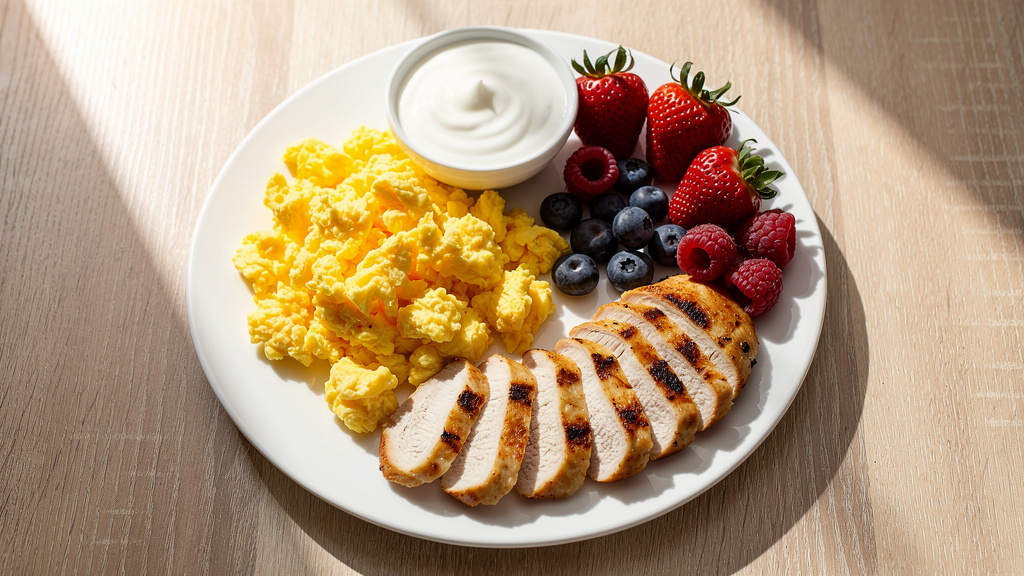
No training or supplement plan can fix a chronic lack of protein. Amino acids are both the raw material and the signal for muscle repair, yet many adults still aim for the old 0.8 grams per kilogram guideline—set to avoid deficiency, not to support strength or recovery.
For muscle health and sleep‑driven repair, a more realistic target for most active adults is around 1.6 grams of protein per kilogram of ideal body weight (roughly 0.7–1 gram per pound). Spreading that across the day keeps amino acids available for ongoing repair and steadies hunger and blood sugar.
Three principles matter most:
-
Front‑load protein. The first meal after waking is powerful. After an overnight fast, taking in 30–50 grams of high‑quality protein within one to two hours shifts the body from breakdown toward repair and preserves lean mass during fat loss.
-
Hit the leucine threshold. The amino acid leucine flips on muscle protein synthesis once it crosses a certain level in the bloodstream. Animal proteins usually reach that level in a 30–40 gram serving; plant proteins often require higher doses or mixed sources.
-
Address anabolic resistance. With age, muscles respond less to small protein doses. Many people over forty need larger servings and do best when they consume a protein‑rich meal or shake within 30–60 minutes after resistance training, when blood flow to muscle is already high.
Inside the 2025 Sync Stack, this protein protocol is non‑negotiable. Nasal‑spray nutraceuticals and sleep routines work best when deep sleep has the building blocks it needs to repair tissue and improve recovery metrics on wearables.
Quality Matters: Animal vs. Plant Protein for Muscle Synthesis
Not all protein sources behave the same. Animal proteins—eggs, dairy, poultry, fish, meat—contain a full mix of essential amino acids in highly digestible form, so more of what you eat reaches the bloodstream.
Plant proteins can absolutely support muscle, but many lack one or more essential amino acids or are less digestible because of fiber and plant compounds. People relying mostly on plants often need about 30% more total protein or a smart mix of sources (for example, legumes plus grains or blended plant protein powders) to match the muscle‑building impact of a smaller animal‑protein serving.
The real goal is reliable essential amino acid delivery at each meal—with special attention to leucine—regardless of whether it comes from Greek yogurt and eggs or carefully combined plant foods.
The Resistance Training Protocol: Stimulating Muscle Hypertrophy for Better Recovery
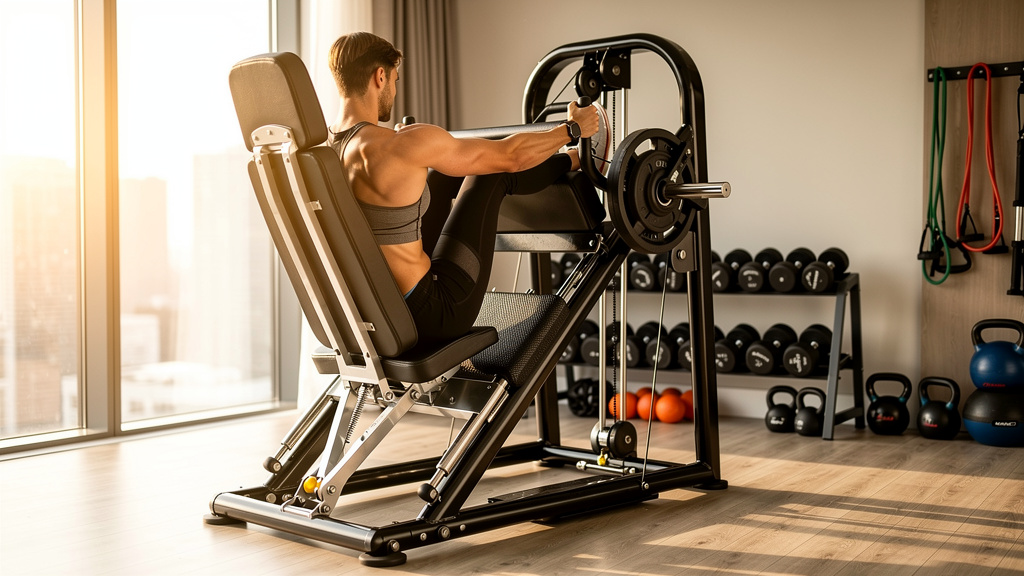
With protein in place, the next step is giving muscles a clear reason to grow. That signal comes from resistance training that challenges fibers close to their limits and promotes muscle hypertrophy (growth of muscle fibers).
Key guidelines:
-
Train hard, not endlessly. Sets with heavier weights and fewer reps or lighter weights and more reps can both work—as long as the last few reps feel difficult and you come close to muscular failure with good form.
-
Aim for 2–3 full‑body sessions per week. Focus on big movements that cover legs, hips, chest, back, and shoulders. Short, focused sessions done with intent usually beat long, distracted workouts.
-
Use “high‑ground” positions. Machines or exercises where the body has several contact points (leg press, hack squat, chest press, seated row) provide stability, lower injury risk, and let you direct more effort into the target muscle instead of balance.
-
Progress gradually. Add a small amount of weight, a repetition, or a set over time while keeping technique clean. The first six to eight weeks often bring rapid strength gains from better nerve patterns; visible muscle changes follow with continued consistency.
Resistance training helps sleep by raising adenosine (which builds sleep pressure), improving blood sugar control, and flooding the body with myokines that support brain health and reduce inflammation. In the 2025 Sync Stack, your workouts specify the repair work; protein and Synchronicity Health’s nasal‑spray sleep stack help your body follow through overnight.
Foundational Nutraceuticals: The Core Sleep Support Stack

Once daily rhythm, protein, and resistance training are in place, many people still benefit from targeted nutraceuticals that help the brain and body settle into sleep. These are not sedative drugs; they nudge the systems that control calm, body temperature, and sleep onset.
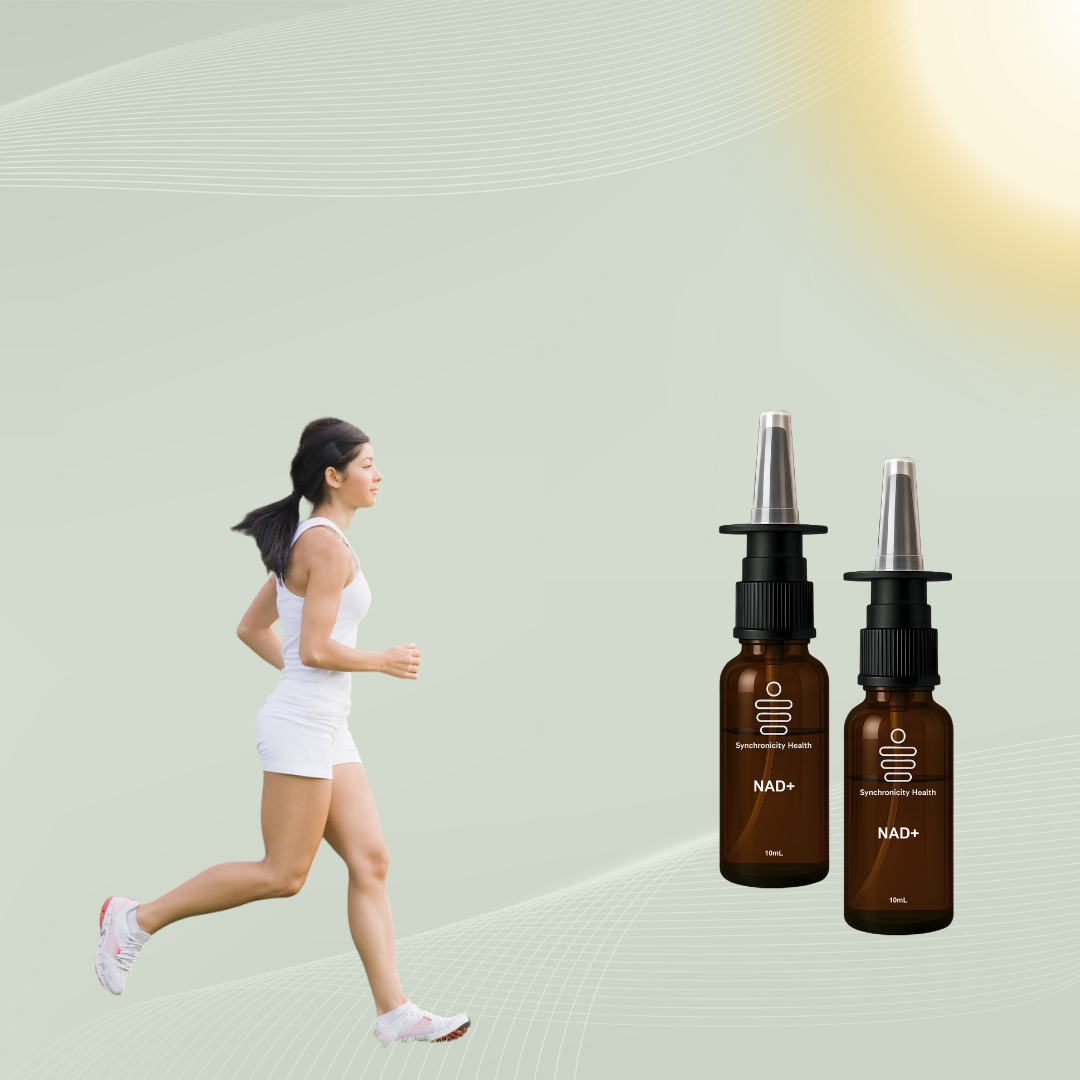
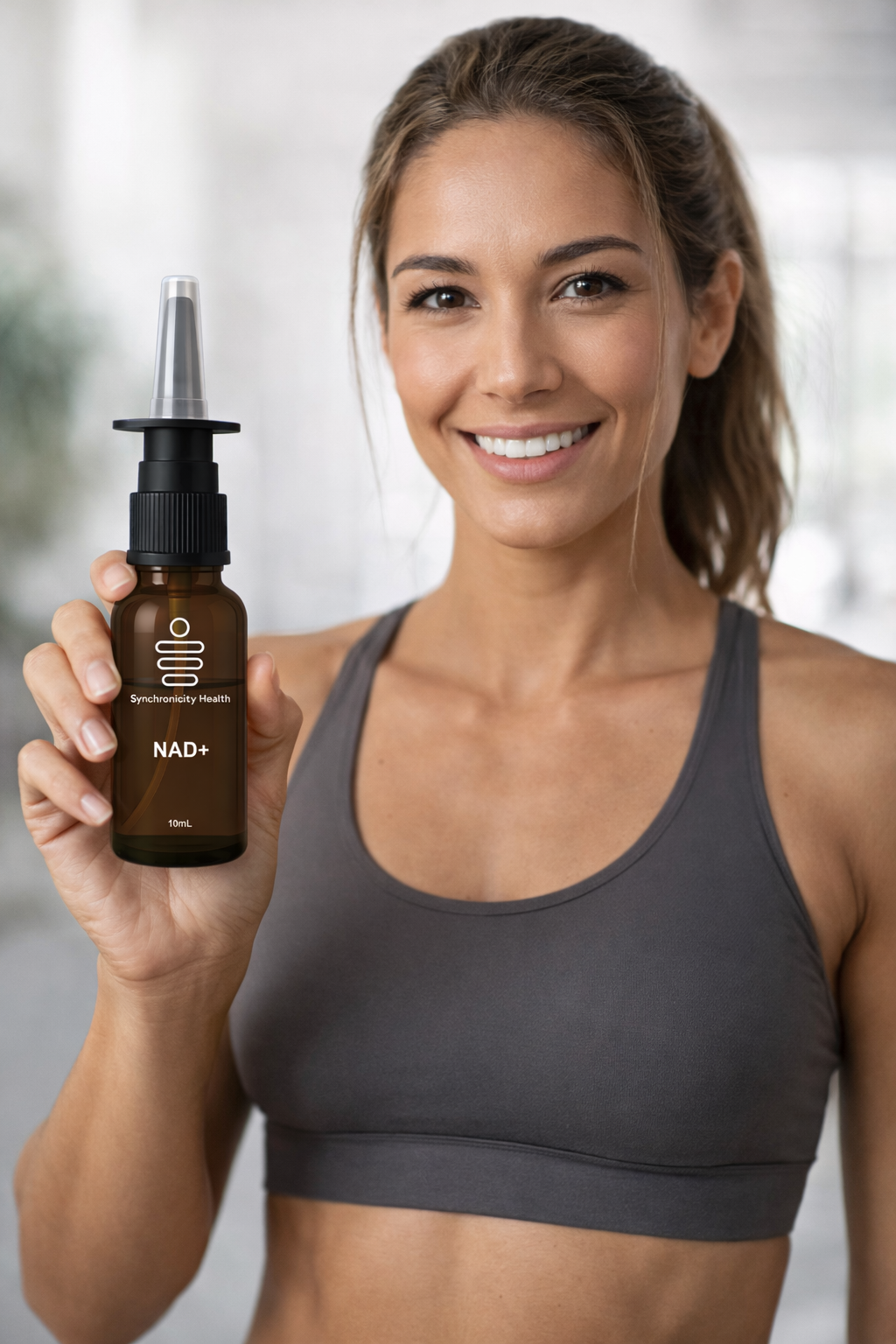
At Synchronicity Health, we use advanced nasal spray delivery for key sleep and recovery nutrients. This route moves active compounds through nasal membranes into the bloodstream quickly, avoiding gut and liver breakdown. The result is often lower effective doses, faster onset, and more predictable effects than standard capsules.
A practical core sleep stack often includes:
-
Magnesium (typically glycinate or threonate) at 200–400 mg in the evening to support the calming GABA system and ease muscle tension.
-
L‑theanine at 200–400 mg to promote relaxed alertness and reduce mental over‑activity without causing grogginess.
-
Glycine at 3–5 grams before bed to gently lower core body temperature and deepen subjective sleep quality.
-
Apigenin at around 50 mg in the hour before bed to quiet anxious thinking by acting on calming brain receptors.
Our physician‑designed formulations combine these compounds in balanced ratios and use third‑party testing to verify purity and potency. Delivered through nasal sprays where appropriate, they form the supplement layer of the 2025 Sync Stack for people who want support that goes beyond trial‑and‑error with over‑the‑counter products.
The Integrated Daily Protocol: Your 2025 Sync Stack in Action
Pulling these pieces together turns scattered tips into a coherent daily plan. The 2025 Sync Stack lines up light, food, movement, and supplements with your internal clocks.
-
Morning (6–9 a.m.)
-
Get 10–15 minutes of natural light outside soon after waking to suppress melatonin and set the clock for the next night.
-
Within one to two hours, eat a first meal with 30–50 grams of protein to shift from overnight breakdown toward repair.
-
-
Midday (10 a.m.–2 p.m.)
-
Place your main resistance training session here when body temperature and coordination are often highest.
-
For adults over forty, follow training with a protein‑rich meal or shake within about an hour.
-
-
Afternoon (2–6 p.m.)
-
Avoid long sitting blocks. Take 5–10 minute walks every hour or two to keep muscles active, stabilize blood sugar, and reduce stress.
-
-
Evening (6–10 p.m.)
-
Begin winding down two to three hours before bed: dim overhead lights, shift screens farther away, and keep stimulating tasks earlier.
-
About an hour before bed, take your Sync Stack sleep nutraceuticals—for many, a nasal‑spray blend of magnesium, L‑theanine, glycine, and apigenin—then keep the bedroom cool, dark, and quiet.
-
-
Overnight
-
Deep sleep drives muscle repair, glycogen refilling, brain waste clearance, and memory consolidation. Growth hormone and other repair signals peak in the first half of the night, especially when sleep is uninterrupted.
-
-
Next Morning
-
If you use a wearable, review simple markers: total sleep time, efficiency, resting heart rate, and heart rate variability. Compare them with how you feel and any changes you made the day before. Adjust your Sync Stack gradually over weeks rather than chasing nightly perfection.
-
“What gets measured gets managed.”
— Peter Drucker
In this framework, Synchronicity Health provides the supplementation piece—especially nasal sprays—while your light, food, and training habits complete the system that guides stress and recovery.
Conclusion
The science of sleep and recovery in 2025 pushes us beyond quick fixes. Deep rest rarely comes from a single pill, a gadget, or a new mattress. It comes from a coordinated plan that respects how muscle, metabolism, and the brain communicate around the clock.
Skeletal muscle sits at the center of that plan as an organ of longevity. Strong, active muscle clears sugar, sends healing signals, and gives sleep something meaningful to rebuild. When muscle is supported with adequate protein, thoughtful resistance training, steady circadian cues, and carefully designed nutraceuticals, sleep shifts from a passive state into a nightly rebuild session.
The 2025 Sync Stack is Synchronicity Health’s way of turning this science into daily practice. A practical starting point is straightforward: set a consistent sleep‑wake schedule, get morning light, hit protein targets with a strong first meal, and commit to two or three weekly resistance sessions. Then layer in wearable tracking and our physician‑backed, third‑party tested nasal‑spray stacks to support sleep onset and depth. With steady practice, this integrated approach lets people steer their health based on clear evidence rather than trends.
FAQs
Question 1: What Makes the 2025 Sync Stack Different From Just Taking Melatonin for Sleep?
Melatonin mainly acts as a timing signal that tells the brain when night has arrived. It can help when shifting time zones or nudging bedtime earlier, but it does little for shallow sleep, poor recovery, or weak muscle.
The 2025 Sync Stack targets several levers at once: neurotransmitters, body temperature, muscle protein synthesis, and circadian rhythm. By combining protein timing, resistance training, light exposure, and a multi‑ingredient sleep stack (delivered by Synchronicity Health in nasal‑spray form), we aim to create the conditions for deep, restorative sleep rather than simple sedation.
Question 2: How Long Does It Take to See Results From Implementing This Protocol?
Timelines vary, but common patterns look like this:
-
First 3–7 days: Morning light, an earlier wind‑down, and a well‑designed sleep stack often shorten time to fall asleep and reduce nighttime wake‑ups.
-
Weeks 2–4: Resistance training and protein timing improve coordination and day‑to‑day energy; many people notice fewer afternoon crashes.
-
Weeks 8–12: Deeper changes in insulin sensitivity, inflammation markers, and body composition tend to show up—often visible on wearables or lab work before they are obvious by feel.
The more consistently you apply each part of the Sync Stack, the more these effects tend to compound.
Question 3: Can I Implement This Protocol If I'm Over 50 or New to Resistance Training?
Yes—with proper guidance, this group often gains the most. After about forty, anabolic resistance makes muscle less responsive unless protein and training are planned carefully.
The Sync Stack’s high‑ground approach favors machine‑based or stable exercises that are friendly to joints and easier to learn. Someone over fifty can start with:
-
Two full‑body sessions per week
-
Slow, controlled movements
-
Stopping one to two reps short of failure on early sessions
Pair those workouts with higher‑protein meals—especially after training—and you can meaningfully rebuild muscle and support better sleep. If you have medical conditions or are unsure where to start, discuss the plan with your healthcare provider or a qualified coach.
Question 4: Do I Need Expensive Wearable Technology to Benefit From the Sync Stack?
Wearables are helpful but not required. You can make strong progress by tracking simple signals:
-
Bedtime and wake time
-
How rested you feel on waking
-
Daytime energy and mood
-
Training sessions and protein intake
A notebook or basic app works well for this. Once habits are in place, adding a clinically validated wearable can refine the plan with metrics like sleep stages, heart rate variability, and resting heart rate—but the core of the Sync Stack rests on behavior and nutrition, not on devices.
Question 5: How Does Synchronicity Health's Nasal Spray Delivery Compare to Traditional Oral Supplements?
Many oral supplements face first‑pass metabolism, where a large share of the active ingredient is broken down in the gut and liver before reaching the bloodstream. Nasal sprays use the rich blood supply in nasal tissues to absorb compounds directly.
For certain sleep‑support nutrients, this can mean:
-
Higher bioavailability at a given dose
-
Faster onset of effect
-
Less stomach upset than some pills or powders
At Synchronicity Health, we design nasal‑spray formulations with these pharmacology principles in mind and confirm through third‑party testing that each bottle delivers the stated dose.
Question 6: What If I Have a Diagnosed Sleep Disorder Like Sleep Apnea? Should I Still Follow This Protocol?
If you have obstructive sleep apnea, central sleep apnea, narcolepsy, or another diagnosed condition, prescribed medical care comes first. That may include CPAP, oral appliances, positional therapy, GLP‑1 drugs, or nerve‑stimulation devices.
The 2025 Sync Stack is meant to support these treatments, not replace them. Improving muscle mass, metabolic health, and circadian timing can increase the benefits of medical therapy and may reduce symptom burden over time. New at‑home tests and wearables can help you and your clinician track how both medical care and lifestyle adjustments affect your sleep.
Before starting any new supplement or exercise plan with a known sleep disorder, review it with your healthcare provider so all parts of your care work in the same direction.

Leave a comment
All comments are moderated before being published.
This site is protected by hCaptcha and the hCaptcha Privacy Policy and Terms of Service apply.