

Berberine With Ceylon Cinnamon: How This Duo Supports Metabolic Health
|
|
Time to read 11 min
|
|
Time to read 11 min
Berberine with Ceylon cinnamon has become a favorite stack for people who care deeply about blood sugar, cholesterol, and long-term performance. From health optimization enthusiasts and biohackers to athletes and busy professionals, many are turning to this pairing as a research-backed way to support metabolic health alongside training, nutrition, and sleep.
This guide explains:
what berberine with Ceylon cinnamon is
how it works in the body
what the clinical research shows
how to take it in real life
what to look for in a high-quality supplement
You’ll also see how it can fit inside a broader cardiometabolic strategy.
If you prefer a ready-made formula, Synchronicity Health offers a combined capsule of berberine with Ceylon cinnamon designed for daily use as part of a structured routine.
Many clinicians who focus on metabolic health like to remind people that "supplements work best when they ride on top of consistent nutrition, movement, and sleep."

At its core, berberine with Ceylon cinnamon is a combination of two botanicals that each have a long traditional history and a growing modern evidence base for metabolic support.
Berberine – an isoquinoline alkaloid found in plants such as Indian barberry, Oregon grape, goldenseal, and others. It has been used for centuries in Traditional Chinese Medicine and Ayurveda for gut, immune, and metabolic support. If you want to go deep on forms and absorption, see Synchronicity’s guide on Berberine.
Ceylon cinnamon (Cinnamomum verum / zeylanicum) – often called “true cinnamon,” distinct from common Cassia cinnamon. It is valued for its gentle flavor, low coumarin content, and its impact on blood sugar and vascular health. You can learn more on Synchronicity’s Ceylon cinnamon page.
Many advanced formulas also add supportive micronutrients such as chromium picolinate, a trace mineral that helps insulin work more effectively and supports blood sugar already in the normal range.
The goal of putting berberine with Ceylon cinnamon into one capsule is straightforward: target several key metabolic pathways at once in a predictable, standardized way.
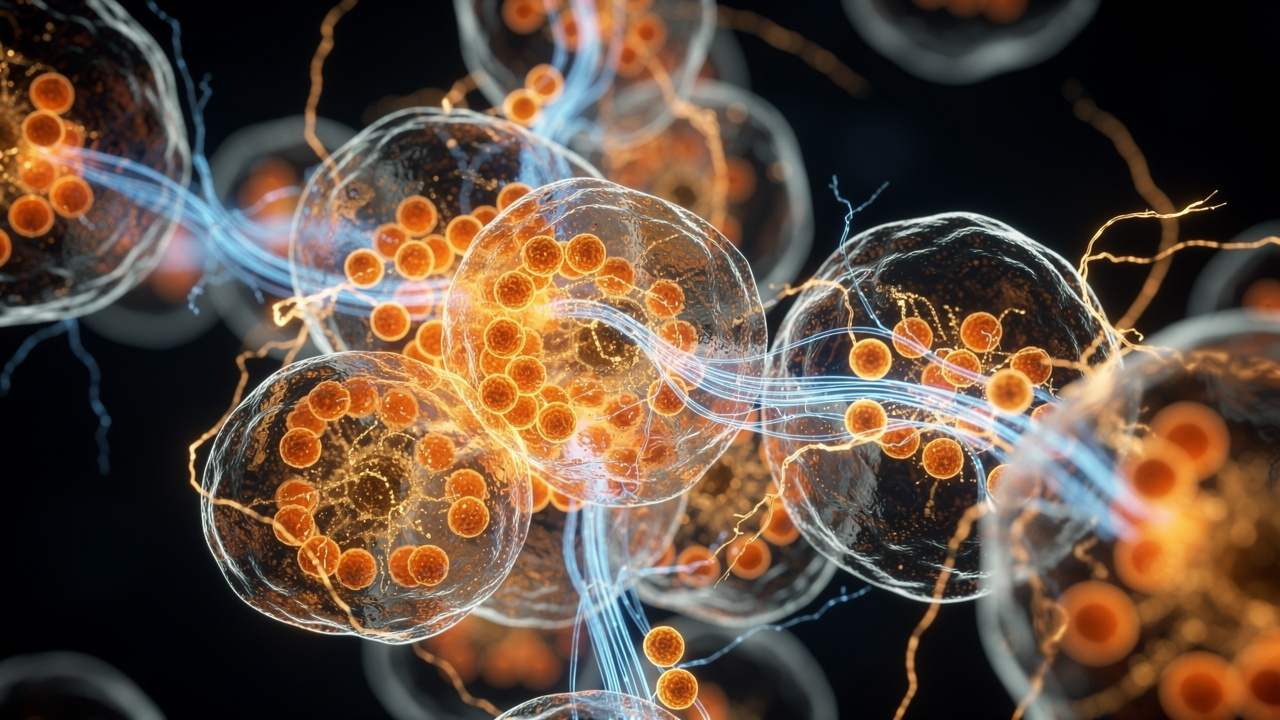
Berberine’s appeal starts with its deep impact on cellular energy regulation and metabolic signaling.
One of its best-characterized actions is activation of AMP-activated protein kinase (AMPK), sometimes referred to as the cell’s “energy sensor” or “fuel gauge.” When AMPK switches on, it signals cells that energy is low and it’s time to:
Pull more glucose out of the bloodstream
Burn more fatty acids for fuel
Reduce the liver’s production of new glucose
Decrease synthesis of cholesterol and triglycerides
Through these pathways, berberine may:
Support healthier fasting glucose and hemoglobin A1c
Improve insulin sensitivity
Help lower LDL cholesterol
Improve overall mitochondrial efficiency and energy production
Many researchers refer to AMPK as a "metabolic master switch" because it helps match energy supply with demand at the cellular level.
This AMPK effect partly overlaps with what you see from caloric restriction, intermittent fasting, and high-intensity training—which is why many biohackers and longevity-focused individuals pay close attention to Berberine.
Beyond glucose and lipids, berberine also:
Modulates the gut microbiome, often reducing unfriendly microbes while sparing beneficial species
Shows anti-inflammatory and antioxidant activity in preclinical models
May support brain health by protecting neurons against metabolic and oxidative stress
On its own, berberine is already a strong tool for cardiometabolic support. Pairing it with Ceylon cinnamon extends that effect.
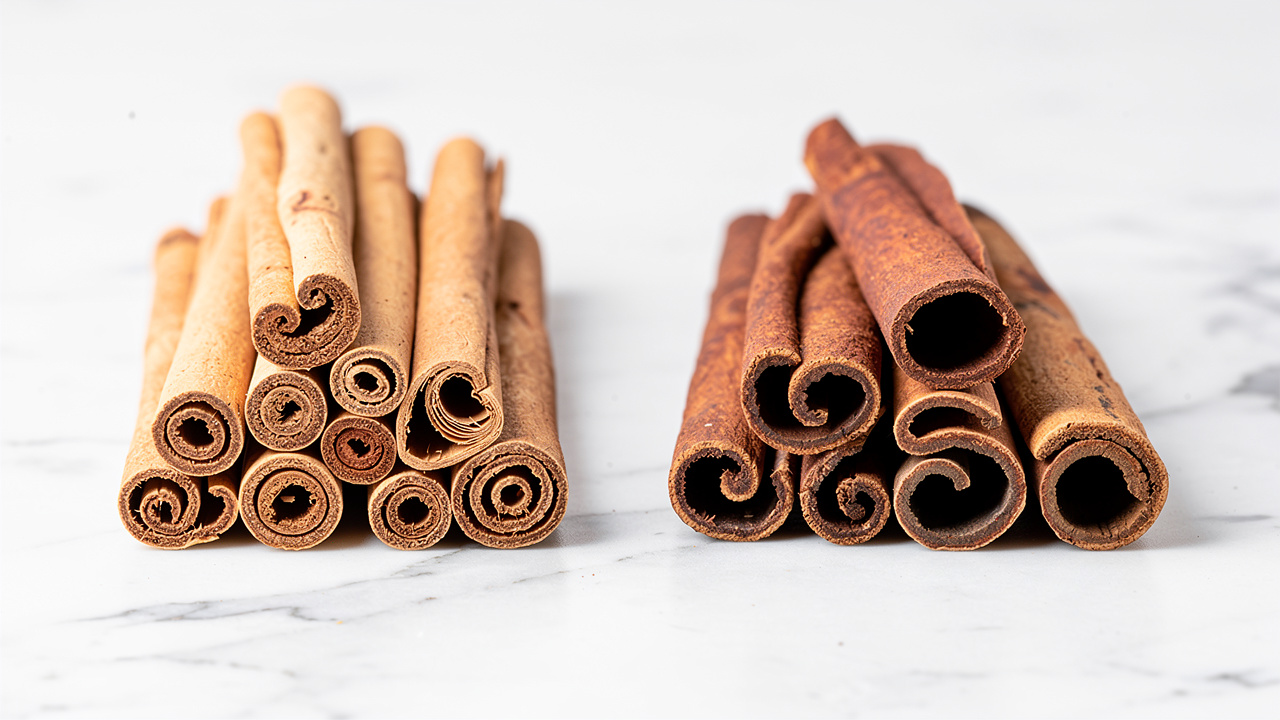
Not all cinnamon belongs in a daily supplement.
Most spice jars in grocery stores contain Cassia cinnamon (Cinnamomum cassia and related species). Cassia has higher levels of coumarin, a compound that, in large amounts over time, can stress the liver in sensitive individuals.
Ceylon cinnamon, by contrast, contains only trace amounts of coumarin. That’s why high-end formulas and many functional practitioners specifically insist on Cinnamomum verum / zeylanicum for long-term use. Synchronicity has a detailed overview on Ceylon cinnamon if you want to compare it to Cassia.
A quick side-by-side view helps clarify the difference:
|
Feature |
Ceylon Cinnamon (C. verum) |
Cassia Cinnamon (C. cassia) |
|---|---|---|
|
Typical Use |
Higher-quality teas, supplements |
Common household spice jars |
|
Flavor Profile |
Milder, slightly sweet |
Stronger, more pungent |
|
Coumarin Content |
Very low |
Considerably higher |
|
Fit For Long-Term Use |
Better suited for daily intake |
More of an occasional kitchen spice |
Modern research suggests that Ceylon cinnamon:
Supports insulin signaling and insulin receptor sensitivity
Encourages glucose uptake into muscle and other tissues
Helps lower fasting blood sugar and A1c in people with elevated levels
May slow gastric emptying, blunting sharp post-meal glucose spikes
Provides antioxidant and mild anti-inflammatory support
The clinical data summarized in Ceylon cinnamon research highlight its ability to support blood sugar and vascular function with a safer coumarin profile than Cassia, especially when taken daily.
Bringing berberine with Ceylon cinnamon into one formula is about stacking complementary mechanisms instead of leaning on a single pathway:
Berberine activates AMPK, reduces liver glucose output, improves insulin sensitivity, and supports LDL reduction.
Ceylon cinnamon improves insulin signaling, supports better post-meal glucose handling, and contributes antioxidant effects.
Together, berberine with Ceylon cinnamon can touch multiple aspects of metabolic health at once:
Glycemic Control
Better fasting blood sugar
Smoother post-meal glucose curves
Improved insulin sensitivity
Cardiovascular Markers
Lower LDL-C
Support for endothelial function and blood pressure in some studies
Energy And Appetite
Fewer “spikes and crashes”
Reduced sugar cravings for many users
Easier adherence to lower-carb or calorie-conscious nutrition plans
Some practitioners also suggest that cinnamon may support berberine’s absorption in the gut, potentially helping you get more from each milligram, although this needs more human data.
For different groups, the pairing plays slightly different roles:
Health optimization enthusiasts / biohackers: A targeted add-on to fasting, CGM tracking, and strength + conditioning programs
Busy professionals: A way to support steadier energy, focus, and mood throughout demanding days
Athletes and lifters: Better glucose handling and insulin sensitivity can support nutrient partitioning, so more carbs go toward muscle rather than fat—especially when paired with heavy compound lifts and hinge variations such as the Kickstand RDL
Longevity-focused individuals: A long-term tool that supports cardiometabolic markers linked to aging and chronic disease
The most informative human data on berberine with Ceylon cinnamon come from a randomized, double-blind, placebo-controlled clinical trial in adults with type 2 diabetes.
Study design highlights:
Type: Parallel, double-blind, placebo-controlled, randomized trial
Duration: 12 weeks
Dosage:
1200 mg berberine per day
600 mg cinnamon per day
Given in divided doses
Objective: Assess effects on cardiometabolic risk factors, including blood sugar and lipids
Key results compared to placebo:
Fasting Blood Sugar (FBS):
Significant reduction in the berberine + cinnamon group
Indicates better baseline glucose control after an overnight fast
Hemoglobin A1c (HbA1c):
Significant decrease after 12 weeks
Reflects improved average blood sugar over the prior 2–3 months
LDL Cholesterol (LDL-C):
Significant reduction in “bad” cholesterol
Likely driven largely by berberine’s effect on LDL receptors in the liver
Importantly, the study did not find meaningful changes in:
HDL cholesterol
Total cholesterol
Triglycerides
Body weight or other anthropometric measures over 12 weeks
The takeaway: taken consistently for at least several weeks, berberine with Ceylon cinnamon and chromium picolinate can help improve key markers—fasting glucose, A1c, and LDL-C—especially in people who start with elevated numbers. It is best viewed as a supportive adjunct to nutrition, movement, sleep, and medical care, not a replacement for prescribed treatment.
Although cardiometabolic support is the primary reason most people use berberine with Ceylon cinnamon, research and clinical experience point to other possible benefits:
Gut Health
Berberine has broad antimicrobial effects against certain bacteria, yeasts, and parasites
It may support a more balanced microbiome and reduce some forms of intestinal inflammation
Brain And Cognitive Support
Preclinical studies suggest both berberine and cinnamon may protect neurons from oxidative stress and metabolic dysfunction
Early research hints at support for memory and learning, though human data remain limited
Immune Balance
By reducing chronic low-grade inflammation and improving metabolic health, berberine with Ceylon cinnamon may indirectly support immune resilience
Body Composition And Appetite
Better insulin sensitivity and glucose control often translate to more stable appetite and fewer “must-eat-now” crashes
When combined with resistance training and high-protein, nutrient-dense meals, some people find it easier to reduce fat mass while maintaining performance
For a broader look at how these botanicals intersect with wellness, see Synchronicity’s feature on berberine with Ceylon cinnamon.

Most berberine with Ceylon cinnamon supplements fall within these daily ranges:
Berberine: 800–1200 mg per day, usually as berberine HCl
Ceylon cinnamon: 150–600 mg per day
In the clinical diabetes trial described above, participants took:
1200 mg berberine per day
600 mg cinnamon per day
In divided doses over 12 weeks
By contrast, many commercial products designed for daily wellness support are slightly lower in dose. A common example is:
400 mg berberine + 150 mg Ceylon cinnamon per capsule
Suggested use: 1 capsule twice daily with meals
Total per day: 800 mg berberine, 300 mg Ceylon cinnamon
Higher-dose regimens (up to about 1500 mg of berberine daily) are sometimes used under the guidance of a qualified clinician, particularly for those with more significant metabolic concerns.
To get the most from berberine with Ceylon cinnamon while keeping side effects low:
Take with meals
Breakfast and dinner are common choices
Taking berberine on an empty stomach increases the chance of GI discomfort in some people
Use divided doses
Split the total daily amount into two doses (e.g., morning and evening) to keep blood levels steadier
Be consistent
Benefits for A1c, fasting glucose, and LDL-C build over weeks to months, not days
Sporadic use is far less effective
A simple guiding principle with combination formulas such as Synchronicity Health’s Berberine With Ceylon Cinnamon is: start low, go slow. Many people, in collaboration with their clinician, will:
Begin with one capsule daily with a main meal.
Increase to twice daily after a week or two if well tolerated.
Reassess energy, digestion, and—when appropriate—lab markers over the next few months.
Some people fold berberine with Ceylon cinnamon into a wider metabolic or performance protocol. Common complements include:
A lipid messenger that supports satiety signaling and can make calorie control more manageable
Theobromine
A cocoa-derived compound often used for mood, circulation, and smooth, sustained energy
Lifestyle elements that pair especially well:
Resistance training and conditioning
Heavy compound lifts, sprints, and hip hinge work (such as Kickstand RDLs) all improve insulin sensitivity and encourage better nutrient partitioning
Heat exposure (sauna or hot baths)
May support cardiovascular function, recovery, and stress management
Sleep and circadian rhythm care
Regular sleep/wake times, morning light, a dark bedroom, and earlier dinners
More stable blood sugar sometimes means fewer nighttime awakenings and less 3 a.m. snacking
If you want to see how all of this fits into a large-scale cardiometabolic strategy, Synchronicity’s cardiometabolic health overview is a good starting point.
Berberine with Ceylon cinnamon is generally well tolerated, but it is pharmacologically active and deserves respect—especially if you’re already using medications.
Most reported side effects are digestive and tend to be dose-related:
Stomach discomfort or cramping
Nausea
Loose stools or, less often, constipation
Bitter aftertaste from berberine in some people
Ceylon cinnamon is usually gentle, but in higher doses it can occasionally cause:
Mild mouth or throat irritation
Digestive upset
Allergic reactions in sensitive individuals
Taking berberine with Ceylon cinnamon with food, starting at a lower dose, and staying hydrated reduces the likelihood of issues.
Berberine affects several enzyme systems and can interact with medications, including:
Diabetes drugs (metformin, insulin, sulfonylureas, and others)
Blood thinners
Certain antibiotics and antifungals
Drugs metabolized through CYP450 liver enzymes
Ceylon cinnamon, especially in concentrated extract form, may also interact with medications that stress or are processed by the liver.
You should speak with a qualified clinician before using berberine with Ceylon cinnamon if:
You take prescription medications for blood sugar, blood pressure, lipids, or clotting
You have known liver, kidney, or significant cardiovascular disease
You are pregnant, trying to conceive, or breastfeeding
You are under 18
For anyone actively managing diabetes with medication, adding berberine with Ceylon cinnamon can lower blood sugar further. This can be helpful, but only with medical supervision and proper monitoring.
The quality of your berberine with Ceylon cinnamon product influences how well it works and how safe it is over the long term.
Here’s what to look for:
Berberine should be labeled as berberine HCl (or clearly specified as a standardized extract), with a defined milligram amount per serving.
Ceylon cinnamon should be explicitly listed as Ceylon or Cinnamomum verum / zeylanicum.
High-end products use concentrated root and bark extracts, not simple ground plant powders, so you get consistent levels of active compounds.
You should know exactly how much berberine and Ceylon cinnamon you are getting:
Milligrams per capsule
Capsules per serving
Total daily intake at the suggested use
Some formulas also include around 200 mcg of chromium picolinate to further support insulin function and blood sugar already in the normal range.
Look for brands that:
Manufacture in a cGMP-certified facility (Current Good Manufacturing Practices)
Use third-party testing to confirm identity, potency, and purity
Screen for contaminants such as heavy metals, microbes, and pesticides
Provide clear information on “other ingredients” and avoid unnecessary fillers, artificial colors, and preservatives
Many quality-conscious companies also emphasize that their products are:
Non-GMO
Gluten-free
Soy-free
Dairy-free
Suitable for vegans (no gelatin capsules or animal-derived additives)
If you are browsing products on the Synchronicity Health site, review each product page for details on sourcing, testing, and dosing. Reading labels carefully—and, when available, reviewing Certificates of Analysis—adds an extra layer of confidence in your choice.
While everyone should work with their own clinician, people in the following groups often discuss berberine with Ceylon cinnamon with their healthcare team:
Adults with elevated fasting glucose, A1c, or LDL-C who are already working on nutrition, training, and sleep
Health optimization enthusiasts who track lab markers and want a targeted botanical stack instead of a long list of random herbs
Busy professionals who experience energy crashes, intense afternoon sugar cravings, or brain fog tied to blood sugar swings
Athletes and serious lifters who are cycling carbs around training and want better insulin sensitivity and nutrient partitioning
Longevity-minded individuals who focus on cardiometabolic factors as a foundation for healthy aging
No supplement removes the need for core behaviors—strength training, movement throughout the day, nutrient-dense food, deep sleep, and stress management—but berberine with Ceylon cinnamon can sit on top of that base as a targeted metabolic tool.
Berberine with Ceylon cinnamon brings together two botanicals with centuries of traditional use and a growing modern evidence base:
Berberine activates AMPK, supports glucose control, and helps manage LDL-C and other metabolic parameters.
Ceylon cinnamon improves insulin function, supports healthy blood sugar, and offers vascular and antioxidant benefits with very low coumarin exposure.
Used consistently and thoughtfully—ideally under medical guidance when you have existing conditions or medications—berberine with Ceylon cinnamon can support:
Healthier blood sugar patterns
More favorable cholesterol profiles, especially LDL-C
Steadier daily energy and fewer crashes
Better alignment of nutrition, training, and long-term cardiometabolic health
Combined with purposeful training, nutrient-dense food, quality sleep, and practical stress management, berberine with Ceylon cinnamon can be a grounded, evidence-informed ally in your strategy for performance, longevity, and overall wellness.


