

Introduction: Why Nicotinamide Riboside And Inflammation Matter
For biohackers, athletes, and anyone chasing better aging, the anti-inflammatory effects of nicotinamide riboside (NR) are one of the most interesting topics in longevity science. NR is a form of vitamin B3 that the body converts into nicotinamide adenine dinucleotide (NAD+), a coenzyme at the center of metabolism, cellular repair, and immune regulation.
As NAD+ levels drop with age, infections, and metabolic stress, low-grade inflammation often rises—a pattern sometimes called inflammaging. That has led researchers and NAD IV clinics to ask a simple question: can restoring NAD+ through NR calm inflammatory signaling and support performance, recovery, and long-term health?
This guide from Synchronicity Health walks through what we actually know about the anti-inflammatory effects of nicotinamide riboside, how it works, what the human data show, who seems to benefit most, and how it fits alongside tools like NAD nasal spray, IV therapy, energy support vitamin B12, and mushroom-based blends such as energy support cordyceps mushroom and mushroom cocoa lions mane cordyceps.
How NAD+ Links Metabolism, Immunity, And Inflammation
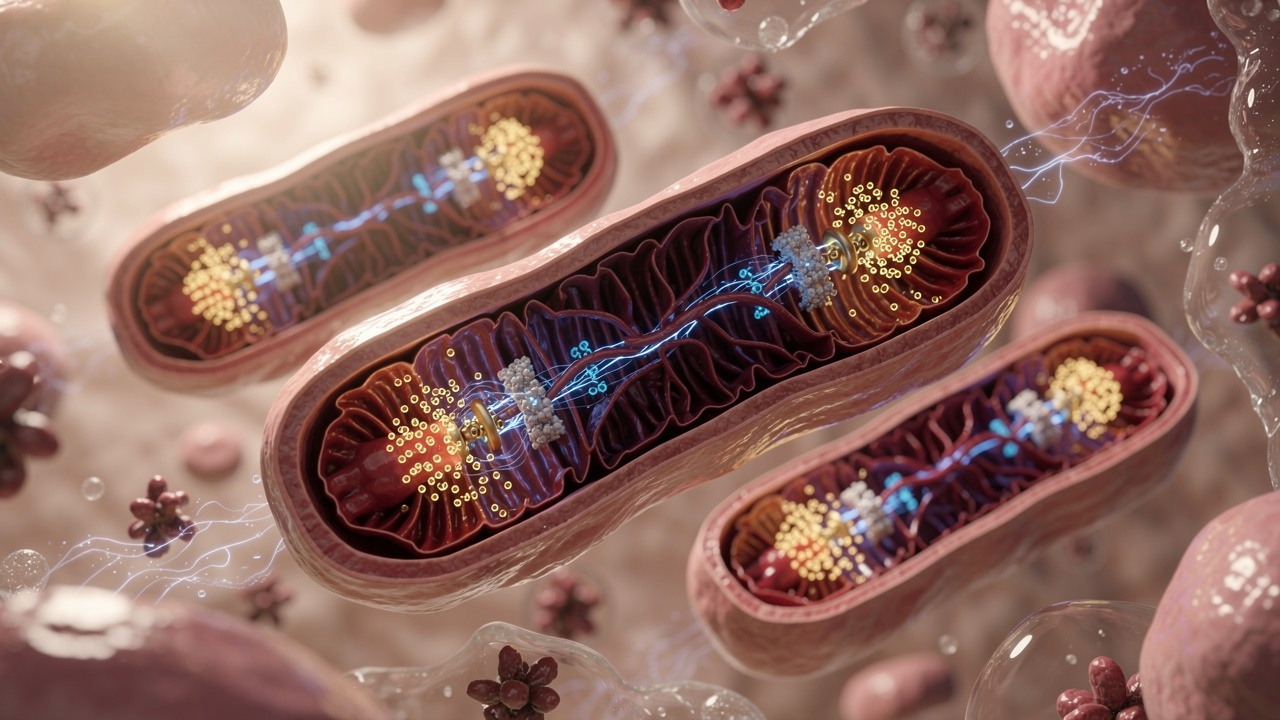
NAD+ is present in every cell and does more than help turn food into ATP:
-
Energy production: In its reduced form (NADH), it shuttles electrons into the mitochondrial electron transport chain to make ATP.
-
DNA repair: NAD+ is consumed by poly (ADP-ribose) polymerases (PARPs), enzymes that repair DNA damage and support genomic stability.
-
Stress and longevity pathways: Sirtuins, another NAD+-dependent enzyme family, help regulate metabolism, inflammation, and cellular stress resistance.
-
Immune signaling: Enzymes such as CD38, CD157, and SARM1 also consume NAD+ and shape inflammatory and neurodegenerative pathways.
When the body faces viral infections, metabolic overload, or aging, demand for NAD+ rises sharply. PARPs and CD38 ramp up their activity, burning through NAD+ in the process. Studies in severe viral illness and in older adults often show:
-
Lower circulating NAD+ and altered NAD metabolites
-
Mitochondrial dysfunction and impaired redox balance
-
Elevated inflammatory markers and immune dysregulation
This sets up a loop: inflammation burns NAD+; low NAD+ makes inflammation harder to control. NR’s appeal comes from its ability to refill that NAD+ pool.
As many NAD+ researchers point out, restoring NAD+ is less about chasing “more energy” and more about helping cells repair, adapt, and respond to stress.
How Nicotinamide Riboside Boosts NAD+ And Tamps Down Inflammation
The anti-inflammatory effects of nicotinamide riboside start with how it feeds into the NAD+ network.
NR As An NAD+ Precursor
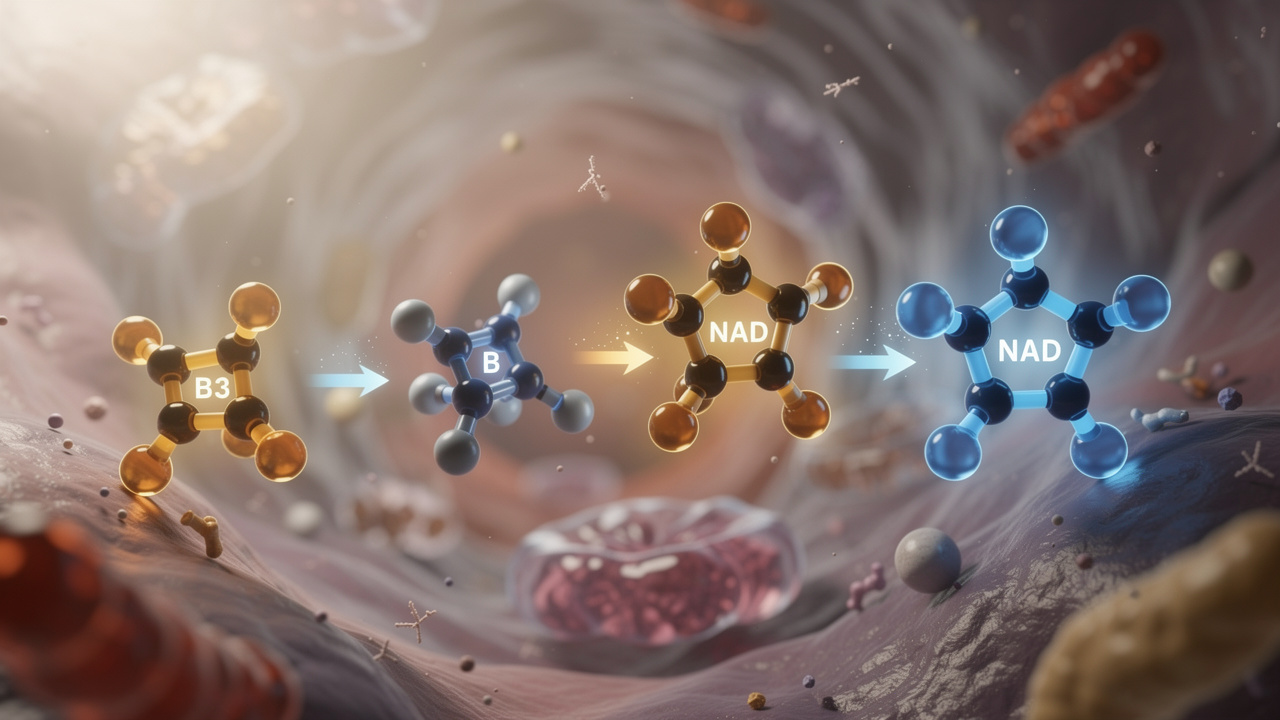
NR is absorbed in the gut, enters cells through nucleoside transporters, and is converted to NAD+ mainly through the salvage pathway:
-
NR is phosphorylated by NR kinases (NRK1/NRK2) to nicotinamide mononucleotide (NMN).
-
NMN is converted to NAD+ by NMN adenylyltransferase (NMNAT).
-
NR can also be broken down to nicotinamide (NAM), which re-enters the salvage pathway through the NAMPT enzyme.
In humans, much of oral NR is converted to NAM and nicotinic acid (NA) in the gut and liver. Those metabolites are then used tissue by tissue to rebuild NAD+. Blood and brain NAD+ often rise reliably; muscle responses are more variable, which helps explain why performance outcomes differ across trials.
Even with these nuances, multiple studies show that daily NR can raise whole-blood NAD+ about two- to three-fold within several weeks at higher doses.
Core Mechanisms Behind NR’s Anti-Inflammatory Effects
Once NAD+ is restored, several anti-inflammatory pathways appear to shift:
-
Sirtuin Activation And NF-κB Suppression
-
Sirtuins (especially SIRT1) depend on NAD+.
-
When NAD+ rises, SIRT1 more effectively deacetylates NF-κB, a master transcription factor that drives pro-inflammatory gene expression.
-
Result: lower production of cytokines such as IL-6 and TNF-α in many preclinical models.
-
-
Balanced PARP Activity And NAD+ Conservation
-
In chronic inflammation, overactive PARPs consume large amounts of NAD+, worsening energy failure and cell death.
-
By replenishing NAD+, NR helps keep PARP activity in a range that supports DNA repair without draining cellular energy.
-
-
Improved Mitochondrial Function And Lower Oxidative Stress
-
Higher NAD+ supports mitochondrial biogenesis and more efficient ATP production.
-
Healthier mitochondria generate fewer reactive oxygen species (ROS), which strongly trigger inflammation.
-
In animal studies, NR often lowers oxidative stress markers alongside inflammatory cytokines.
-
-
Impact On Cellular Senescence And The SASP
-
Senescent cells secrete inflammatory molecules known as the senescence-associated secretory phenotype (SASP).
-
By supporting DNA repair, mitochondrial health, and stress resistance, NR appears to reduce senescent cell burden in several animal models, which in turn lowers SASP-driven chronic inflammation.
-
-
Modulation Of Type I Interferon Signaling
-
Several human and ex vivo studies show that NR can dampen type I interferon pathways, especially interferon beta (IFN-β) and chemokines like CXCL10.
-
Overactive type I interferon signaling is common in many viral and autoimmune conditions, so this pathway is central to NR’s anti-inflammatory profile.
-
-
Immune Cell Reprogramming
-
In monocytes, T cells, macrophages, and microglia, NR-induced NAD+ shifts metabolism toward more efficient, less inflammatory states.
-
This favors immune profiles that clear threats while reducing unnecessary collateral damage.
-
Together, these mechanisms explain why the anti-inflammatory effects of nicotinamide riboside show up in such different systems: brain, heart, skeletal muscle, and immune cells.
Preclinical Evidence: What Animal Studies Tell Us

Before NR reached human trials or NAD clinics, it was tested in animal models of inflammation, aging, and neurodegeneration. Several patterns are consistent:
-
Diabetes And Brain Inflammation
In diabetic mouse models, NR supplementation boosted brain NAD+, reduced neuroinflammatory markers, and improved cognitive performance. -
Acute Brain Injury
In models of intracerebral hemorrhage and other acute neurological injuries, NR replenished depleted NAD+, reduced oxidative stress, and lessened neuroinflammation, leading to smaller lesion sizes and better functional recovery. -
Alzheimer’s Disease And Neurodegeneration
Mouse models treated with NAD-boosting strategies showed:-
Reduced microglial activation and neuroinflammation
-
Improvements in mitochondrial function and oxidative metabolism
-
Slower progression of cognitive decline
-
-
Aging, Stem Cells, And Inflammaging
In aged mice, NR raised NAD+ in multiple tissues, improved stem cell function, and lowered inflammatory markers. Some studies reported extended healthspan and fewer age-related degenerative changes.
Taken together, animal research strongly supports the anti-inflammatory effects of nicotinamide riboside, especially where NAD+ depletion and mitochondrial dysfunction are prominent.
Human Data: How Nicotinamide Riboside Affects Inflammatory Markers

Human trials paint a more nuanced picture. The anti-inflammatory effects of NR are promising but context-dependent.
Effects On Circulating Cytokines
Several trials, including recent research on the Effects of nicotinamide riboside in various populations, have examined standard inflammatory markers:
-
Interleukin-6 (IL-6)
-
Some studies in older adults report significant reductions in IL-6 after NR supplementation (around 1000 mg/day for several weeks).
-
Reviews note that IL-6 is one of the most consistently improved markers, especially in people with higher baseline inflammation.
-
-
Tumor Necrosis Factor-Alpha (TNF-α)
-
A few trials in elderly participants show decreases in TNF-α.
-
Other studies, particularly in overweight or obese individuals, do not find meaningful changes.
-
-
Other Cytokines (IL-2, IL-5, MCP-1, hsCRP)
-
Some reductions in IL-2 and IL-5 have been reported, but results are not uniform.
-
High-sensitivity C-reactive protein (hsCRP) has shown minor changes in some NR or NRPT combinations, but often not beyond what placebo achieves.
-
A key pattern: the clearest anti-inflammatory effects of nicotinamide riboside tend to appear in older or more inflamed populations, not in young, healthy adults with normal NAD+ status.
Effects On Neuroinflammatory Markers
One of the most compelling trials followed individuals with newly diagnosed Parkinson’s disease:
-
NR raised NAD+ levels and
-
Reduced certain inflammatory markers in cerebrospinal fluid (CSF), suggesting central nervous system effects.
Serum cytokines also dropped, but similar improvements in the placebo group make those peripheral data harder to interpret. The CSF changes point to a real neuroinflammatory effect that deserves more study in neurodegenerative and cognitive conditions.
Gene Expression And Signaling: Deeper Mechanistic Evidence
Beyond blood cytokines, several studies looked inside immune cells to see how NR changes inflammatory programming.
Peripheral Blood Mononuclear Cells (PBMCs)
In heart failure patients:
-
A pilot study showed that a short course of NR decreased mRNA expression of IL-6 and IL-18 in PBMCs.
-
Another trial found a link between the size of the NAD+ increase and changes in NLRP3 inflammasome gene expression, hinting at possible inflammasome modulation.
In Parkinson’s disease:
-
RNA sequencing in PBMCs revealed changes in genes involved in mitochondrial, ribosomal, and proteasomal function.
-
Pathways linked to type I interferon signaling appeared among the affected gene sets, matching other interferon findings.
Monocytes And Type I Interferon Pathways
A standout study examined monocytes from healthy volunteers and from people with systemic lupus erythematosus (SLE):
-
NR reduced expression of IFNB (interferon beta) and CXCL10, both central to type I interferon responses.
-
This led to lower secretion of IFN-β protein, while TNF-α levels stayed the same.
These results suggest that the anti-inflammatory effects of nicotinamide riboside are selective, with a particular impact on interferon-driven pathways that matter in viral immunity and autoimmunity.
Skeletal Muscle
Skeletal muscle biopsies from Parkinson’s patients taking NR showed altered expression of genes tied to proteasomal function, RNA transport, and again, type I interferon–related pathways. Even where direct increases in muscle NAD+ were hard to detect, NR still appeared to modulate inflammatory and stress-response gene networks.
Where Nicotinamide Riboside May Help Most
Current evidence suggests that the anti-inflammatory effects of NR matter most where NAD+ is already under pressure.
Aging And “Inflammaging”
In older adults, chronic low-grade inflammation and declining NAD+ often travel together. NR may:
-
Lower IL-6 and possibly TNF-α
-
Support vascular function and arterial stiffness in some studies
-
Improve subjective energy and resilience, especially when paired with movement and diet
For longevity-focused individuals, this makes NR an appealing base supplement alongside strength training, sleep work, and nutrient-dense eating.
Cardiometabolic Stress And Heart Failure
In heart failure pilot trials, NR improved NAD+ status and shifted inflammatory gene expression in immune cells. Larger studies have mixed findings but support continued research in:
-
Heart failure
-
Metabolic syndrome
-
Insulin resistance with systemic inflammation
Neurodegeneration And Brain Health
Given the neuroinflammatory data:
-
Parkinson’s disease trials show CSF cytokine changes and gene expression shifts.
-
Preclinical models of Alzheimer’s disease and brain injury show strong benefits.
For those already exploring NAD IV treatments or NAD nasal spray for cognitive support, oral NR may serve as a steady, daily NAD+ foundation.
Autoimmunity And Type I Interferon–Driven Conditions
In lupus monocytes, NR blunted overactive interferon signaling. While full clinical trials in SLE and related autoimmune conditions are early, the mechanism supports cautious interest in:
-
Lupus and interferon-driven autoimmunity
-
Post-viral syndromes with interferon elevation
-
Experimental Long-COVID protocols, where mitochondrial dysfunction and immune dysregulation overlap
Anyone in these categories should work closely with a clinician; NR here is a research-backed candidate, not a proven therapy.
To summarize these contexts:
|
Context |
Signals NR Might Help |
Practical Notes |
|---|---|---|
|
Aging / Inflammaging |
Higher IL-6, fatigue, arterial stiffness |
Often used as a daily base supplement with lifestyle changes |
|
Cardiometabolic Stress / Heart Failure |
Elevated inflammatory markers, low exercise tolerance |
Early trials promising but still small; medical supervision is essential |
|
Neurodegeneration (e.g., Parkinson’s) |
Motor symptoms, cognitive decline, CSF inflammation |
NR may complement other NAD strategies such as NAD nasal spray or IV therapy |
|
Autoimmunity / Post-Viral Syndromes |
High interferon activity, chronic inflammation |
Mechanistic rationale is strong; clinical data are still developing |
Practical Use: Dosing, Delivery, And Stacking Strategies
For performance-oriented and longevity-focused readers, the next question is, “How do I actually use this?”
Typical Dosing Ranges From Human Trials
Human studies have used a wide range of doses:
-
Low to moderate: 100–300 mg/day for general NAD+ support
-
Common research range: 500–1000 mg/day
-
High-end research doses: Up to 2000 mg/day in some longer trials
Higher doses tend to produce larger increases in blood NAD+, but may also bring more side effects in sensitive individuals. For many healthy adults, clinicians often favor starting in the 250–500 mg/day range and adjusting based on response, lab work, and tolerance.
Nothing in this article is medical advice; always discuss dosing with a qualified healthcare professional, especially if you have chronic conditions or take medications.
Oral NR, NAD Nasal Spray, And IV Infusions
Different NAD+ strategies can be combined thoughtfully:
-
Oral NR
-
Builds a steady baseline of NAD+ in blood and some tissues
-
Convenient for daily use and long-term maintenance
-
-
NAD Nasal Spray
-
Designed for faster delivery toward the central nervous system
-
May appeal to those targeting cognitive function or neuroinflammation more directly
-
-
NAD IV Therapy
-
Provides large amounts of NAD+ or precursors directly into circulation
-
Often used in clinics for intensive protocols (for example, multi-hour infusions)
-
For individuals already using IV therapy clinics, NR can act as a bridge between infusions, helping maintain NAD+ availability and potentially sustaining some anti-inflammatory benefits over time.
Stacking NR With Other Supportive Nutrients

Thoughtful combinations can support the same pathways NR influences:
-
Energy Support Vitamin B12
-
B12 is essential for methylation, red blood cell production, and nervous system health.
-
Pairing NR with energy support vitamin B12 can support both mitochondrial ATP production and healthy homocysteine levels, which are tied to vascular inflammation.
-
-
Energy Support Cordyceps Mushroom
-
Cordyceps has a long history of use for stamina and oxygen utilization.
-
Modern data suggest it may support mitochondrial function and reduce oxidative stress.
-
Combining NR with energy support cordyceps mushroom may help both athletic performance and recovery, especially under high training loads.
-
-
Mushroom Cocoa Lions Mane Cordyceps And Related Blends
-
Products like mushroom cocoa lions mane cordyceps bring together cognitive and immune support.
-
Lion’s mane has been studied for nerve growth factor support; cordyceps for endurance and immune modulation.
-
Stacking these with NR may support both brain-focused and systemic anti-inflammatory goals.
-
When stacking, introduce one variable at a time, track how you feel, and—ideally—pair subjective notes with objective markers (labs, HRV, training metrics).
Who Is Most Likely To Benefit From NR’s Anti-Inflammatory Effects?
Based on current evidence, the anti-inflammatory effects of nicotinamide riboside tend to be more noticeable in:
-
Older adults with elevated inflammatory markers
-
People with cardiometabolic stress (for example, heart failure, metabolic syndrome)
-
Individuals with neurodegenerative conditions (for example, early Parkinson’s disease)
-
Those with autoimmune or post-viral inflammation where interferon pathways are overactive
By contrast, young, lean, highly active individuals with low baseline inflammation may see:
-
Clearer changes in NAD+ blood levels
-
Smaller shifts in inflammatory markers or performance, unless they are under unusual stress (overtraining, chronic sleep loss, heavy travel, and so on)
For athletes and high performers, NR may still support recovery and resilience, but the benefits might show up more in how you feel and bounce back than in dramatic lab changes.
Safety, Side Effects, And Open Questions
Across multiple human trials, NR has shown a strong safety profile, even at doses up to 2000 mg/day over several months.
Commonly Reported Side Effects
When side effects occur, they are usually mild and short-lived:
-
Nausea or gastrointestinal discomfort
-
Headache or lightheadedness
-
Flushing or mild rash
-
Muscle or leg cramps in some high-dose studies
Serious adverse events have been rare and usually judged unrelated to NR itself.
Lab Markers And Organ Function
Most controlled trials report:
-
Liver and kidney markers: No significant changes in ALT, AST, or creatinine compared with placebo.
-
Blood counts: Minor shifts have been seen in small open-label studies, but not in a consistent or clinically worrisome pattern.
-
Blood pressure and vascular markers: One study in older adults found decreased systolic blood pressure and arterial stiffness with NR; others did not reproduce this, so it remains an open area of interest.
-
Lipids: NR alone has not shown a clear negative effect on cholesterol. However, combination products like NR plus pterostilbene (NRPT) have been associated with higher LDL in some trials, likely driven by pterostilbene rather than NR.
Special Populations
Extra caution and medical guidance are important for:
-
Pregnant or breastfeeding individuals
-
Children and adolescents
-
People with significant liver, kidney, or autoimmune disease
-
Anyone taking immunomodulatory drugs or chemotherapy
The long-term implications of decades of NAD+ boosting are still being studied. So far, data look reassuring, but truly long-duration, large-scale trials are still ahead.
Putting It All Together In Your Protocol
For Synchronicity Health readers who are serious about performance and anti-aging, NR can be thought of as a foundation-layer supplement that supports both energy metabolism and balanced inflammation.
A practical approach might include:
-
Clarify Your Objective
-
Better recovery and training capacity?
-
Support for aging and long-term brain health?
-
Adjunct to an existing NAD IV, NAD+ nasal spray, or autoimmune protocol?
-
-
Establish A Baseline
-
Where possible, track labs such as hsCRP, IL-6 (if available), fasting glucose, and lipids.
-
Monitor subjective variables: energy, sleep quality, soreness, cognitive clarity, HRV.
-
-
Introduce NR Thoughtfully
-
Start with a moderate dose (for example, 250–500 mg/day) and stay consistent for at least 4–8 weeks.
-
Add supporting nutrients like energy support vitamin B12 or mushroom cocoa lions mane cordyceps only after you understand your response to NR alone.
-
-
Evaluate And Adjust
-
If you are older, have inflammatory or cardiometabolic issues, or are under heavy physical stress, consider discussing higher research-style doses with your clinician.
-
Recheck markers and performance indicators after several months.
-
-
Integrate With Lifestyle
-
NR works best alongside training, sleep, stress management, and nutrient-dense nutrition.
-
Think of it as amplifying the signal from your existing habits, not replacing them.
-
Clinicians at Synchronicity Health often remind patients that supplements “work best when they support, not substitute for, the basics—sleep, nutrition, movement, and stress control.”
Conclusion: The Emerging Anti-Inflammatory Role Of Nicotinamide Riboside
The anti-inflammatory effects of nicotinamide riboside are supported by strong preclinical data and a growing number of human studies, especially in older and inflamed populations. By rebuilding NAD+ levels, NR can:
-
Support sirtuin and PARP activity
-
Improve mitochondrial efficiency and lower oxidative stress
-
Reduce specific inflammatory cytokines like IL-6 in some groups
-
Reprogram immune and neural cells away from chronic, interferon-driven inflammation
For biohackers, busy professionals, athletes, and NAD therapy users, NR offers a science-backed way to support cellular energy and more balanced inflammatory signaling from the inside out.
It is not a stand-alone cure for chronic disease, but as part of a broader strategy—including nutrition, movement, sleep, and, when appropriate, tools like NAD nasal spray, IV infusions, energy support vitamin B12, energy support cordyceps mushroom, and mushroom cocoa lions mane cordyceps—nicotinamide riboside stands out as a grounded, research-informed option for those serious about long-term performance and healthy aging.


Leave a comment
All comments are moderated before being published.
This site is protected by hCaptcha and the hCaptcha Privacy Policy and Terms of Service apply.