

Glutathione Nasal Spray Vs Oral Supplementation: Which Is Better For You?
If you care about brain performance, long-term resilience, and healthy aging, glutathione is probably on your radar. Often called the body’s master antioxidant, it sits at the center of detoxification, mitochondrial function, and protection against oxidative stress. Two popular ways to raise glutathione levels are glutathione nasal spray and oral glutathione supplements—but they behave very differently in the body.
This guide breaks down how glutathione works, why the delivery method matters, and how glutathione nasal spray compares with capsules or tablets. You’ll see what research shows so far, where the data is still emerging, and how to think through the right approach for your goals—whether that’s sharper focus, smoother breathing, faster recovery, or long-term brain protection.
What Is Glutathione And Why It Matters
Glutathione is a small molecule made from three amino acids: cysteine, glutamate, and glycine, though research on glutathione as a skin whitening agent has sparked debates about its broader applications beyond antioxidant defense. Your cells make it continuously, and it exists in two main forms:
-
Reduced glutathione (GSH): the active, protective form
-
Oxidized glutathione (GSSG): the “used” form after it neutralizes free radicals
A high GSH:GSSG ratio signals a healthy redox balance. When this ratio drops, it reflects higher oxidative stress, which is linked to aging and many chronic conditions.
Key roles of glutathione include:
-
Antioxidant defense: Directly neutralizes reactive oxygen species (ROS) and works with glutathione peroxidase to convert peroxides into water.
-
Detoxification: Conjugates (binds) to heavy metals, pollutants, and metabolic byproducts so they can be excreted through the liver and kidneys.
-
Mitochondrial support: Helps protect mitochondria—the cell’s energy producers—from oxidative damage.
-
Cellular regulation: Involved in cell proliferation, immune balance, and programmed cell death (apoptosis).
As many researchers in redox biology point out, “glutathione sits at the heart of the cellular antioxidant network and redox control.”
The brain is especially sensitive to glutathione status. It consumes a large share of the body’s oxygen, contains fats that are prone to oxidation, and has relatively fewer antioxidant systems compared with other organs. Glutathione in neurons and glial cells is a primary defense against this constant oxidative load.
Glutathione levels tend to decline with age, chronic inflammation, toxin exposure, infections, and poor nutrition. That drop is one reason many people look to targeted glutathione strategies like glutathione nasal spray or oral supplements.
Why Delivery Method Matters For Glutathione
Not all glutathione products behave the same once you take them.
-
Oral glutathione must survive stomach acid and digestive enzymes. Much of it is broken down before absorption, and what does get absorbed goes through the liver first (first-pass metabolism). Traditional oral glutathione has low bioavailability, which has pushed researchers to look for better routes.
-
Intravenous (IV) glutathione bypasses digestion and can raise blood levels effectively, but it requires clinic visits, needles, and medical supervision. That makes long-term or daily use inconvenient for many people.
-
Glutathione nasal spray offers an alternative route—through the nasal mucosa directly into circulation and, potentially, into the brain and upper airways. This has made it especially interesting for people focused on cognition, neuroprotection, and respiratory health.
Understanding these differences is the foundation for comparing glutathione nasal spray vs oral supplementation in a realistic way.
How Glutathione Nasal Spray Works
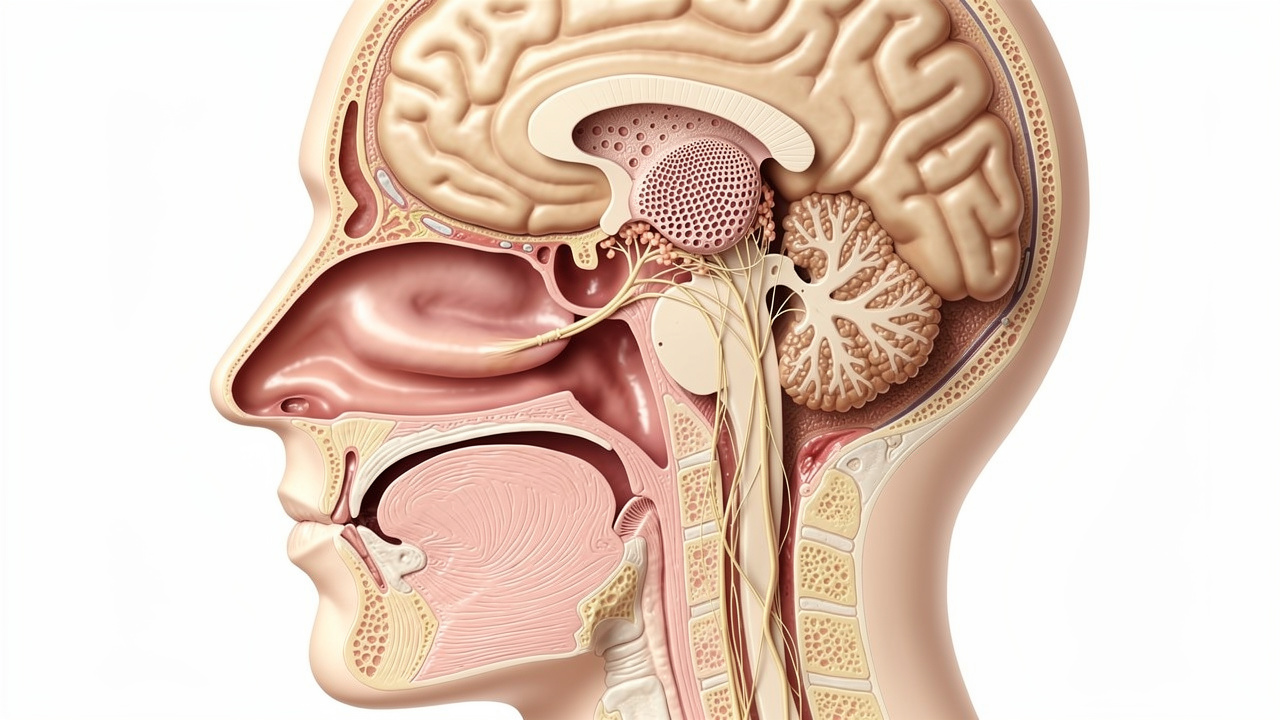
Glutathione nasal spray delivers a fine mist of reduced glutathione to the nasal passages. From there, it has two main potential routes.
1. Direct Nose-To-Brain Transport
The upper nasal cavity contains:
-
Olfactory nerves (smell-related)
-
Trigeminal nerves (sensory nerves for the face and nasal passages)
Compounds delivered as a nasal spray can reach the brain through:
-
Intraneuronal transport: Uptake into olfactory and trigeminal neurons followed by transport into brain tissue. This route is slower—hours to days.
-
Extraneuronal transport: Diffusion across the nasal mucosa and the thin bony plate beneath (cribriform plate) into cerebrospinal fluid. This can be relatively fast (minutes).
Because glutathione is small (307.33 Da), water-soluble, and polar, it fits within the size range that tends to be absorbed well through nasal tissues. Magnetic resonance spectroscopy (¹H-MRS) studies in people with Parkinson’s disease have shown that brain glutathione levels can rise within 20–45 minutes after intranasal dosing, supporting nose-to-brain delivery.
2. Systemic Absorption Through Nasal Mucosa
The nasal passages are highly vascular. Glutathione nasal spray can also be absorbed into local blood vessels and enter general circulation, bypassing first-pass metabolism in the liver. From there, glutathione or its metabolites can reach other organs.
Local Respiratory Effects
Because the spray directly contacts nasal and sinus tissues, glutathione nasal spray may also influence:
-
Local oxidative stress in the upper airways
-
Inflammatory signaling in sinus and nasal tissue
-
Mucus characteristics and clearance
This is one reason it has been explored for chronic sinusitis and allergy-related symptoms.
What Research Shows About Glutathione Nasal Spray

Research on glutathione nasal spray is still developing. Most of the formal work so far focuses on neurological conditions and respiratory or sensitivity-related disorders.
Parkinson’s Disease
In Parkinson’s disease (PD), depletion of glutathione in the substantia nigra is one of the earliest measurable changes in the brain, appearing years before motor symptoms. That makes glutathione a logical therapeutic target.
Key findings:
-
Small randomized trials:
-
Phase I/IIa and Phase IIb double-blind trials tested 300 mg/day and 600 mg/day intranasal glutathione in people with PD.
-
The spray was generally safe and well tolerated.
-
Symptom scores improved slightly in the high-dose group—but the placebo group improved about as much, likely due to a strong placebo effect and small sample size.
-
Researchers concluded that doses used may have been too low to meaningfully restore brain glutathione levels, and that future work should focus on long-term, disease-modifying potential rather than short-term symptom relief.
-
-
Brain imaging (¹H-MRS):
-
In a small ¹H-MRS study, brain glutathione levels increased 20–45 minutes after a single dose of intranasal glutathione.
-
The response varied between individuals, and the duration of the increase beyond an hour remains unclear.
-
Chronic Sinusitis, Allergies, And Upper Respiratory Issues
Oxidative stress and depleted local antioxidants are linked to chronic inflammatory disorders of the nasal passages and sinuses. Studies have reported:
-
Lower levels of reduced glutathione in the nasal mucosa of people with chronic sinus issues
-
In one study using nasal glutathione aerosol in children with chronic otitis media, researchers observed:
-
Rapid increases in nasal mucosal glutathione
-
Improved symptoms such as nasal obstruction, runny nose, and ear fullness
-
In a real-world patient survey of intranasal glutathione users, many respondents reported:
-
Fewer sinus infections
-
Easier breathing
-
Less congestion or pressure
Multiple Chemical Sensitivity (MCS) And Other Conditions
Some clinicians prescribe glutathione nasal spray for:
-
Multiple chemical sensitivity (MCS)
-
Fatigue syndromes
-
Lyme disease
-
Autistic spectrum conditions
-
Neurodegenerative diseases beyond PD
A survey of patients using pharmacy-compounded intranasal glutathione found:
-
78.8% reported an overall positive experience
-
62.1% felt they had specific health benefits
-
Commonly cited improvements included symptom relief, better sense of well-being, fewer sinus infections, and improved energy
These survey data are encouraging but self-reported and not a substitute for controlled trials. They do, however, support the general tolerability and perceived usefulness of glutathione nasal spray among different user groups.
Potential Benefits People Seek From Glutathione Nasal Spray

Based on early research, clinical practice, and user reports, people turn to glutathione nasal spray for several reasons.
Brain Performance And Cognitive Support
Because it may partially bypass the blood–brain barrier, glutathione nasal spray is attractive to:
-
Professionals looking for clearer thinking and reduced “brain fog”
-
People who track neuroperformance and want long-term brain support
-
Individuals at risk for neurodegenerative conditions under medical care
Glutathione contributes to:
-
Protecting neurons from oxidative damage
-
Supporting mitochondrial function in brain cells
-
Maintaining redox balance that influences signaling and inflammation
While clinical trials have not yet shown large symptomatic effects in Parkinson’s disease, the mechanistic rationale for brain support is strong enough that researchers continue to study nose-to-brain delivery.
As one neurologist explained to a patient, “We can’t stop every stressor the brain faces, but we can strengthen its antioxidant defenses.”
Detoxification And Mitochondrial Support
Glutathione is central to phase II detox pathways and helps conjugate heavy metals and other toxins. People exposed to environmental pollutants, mold, or high oxidative stress sometimes use glutathione nasal spray under practitioner guidance to:
-
Support glutathione-dependent detox reactions
-
Reduce subjective symptoms related to “toxic load”
-
Help protect mitochondria from oxidative damage
Human data here are mostly experiential rather than large-scale randomized trials, so expectations should stay measured and grounded in what is known.
Immune, Respiratory, And Sinus Health
Because glutathione nasal spray acts directly on nasal and sinus tissues, it may help:
-
Support local antioxidant defenses in the upper airways
-
Reduce oxidative stress that contributes to chronic sinusitis or allergies
-
Decrease frequency or severity of sinus infections in some users
Surveys and small studies suggest a meaningful subset of users experience easier breathing, fewer infections, and relief from congestion.
Energy, Recovery, And Aging
Glutathione is tightly linked to mitochondrial efficiency and cellular resilience. Athletes and high-performing professionals often use glutathione strategies to support:
-
Daytime energy
-
Exercise recovery
-
Resistance to oxidative stress from training or long workdays
Some people also use glutathione nasal spray as part of a broader anti-aging and skin-health plan, aiming to reduce systemic oxidative damage that contributes to visible aging and cellular wear over time.
Safety And Side Effects Of Glutathione Nasal Spray
Across clinical trials and patient surveys, glutathione nasal spray has generally shown a favorable safety profile, with mostly mild and localized side effects.
Commonly Reported Effects
In surveys of intranasal glutathione users:
-
Sinus or nasal irritation: ~18%
-
Headaches: ~9%
-
Nosebleeds (epistaxis): ~7–8%
Most of these effects were mild and temporary. People with multiple chemical sensitivity reported side effects about twice as often as other users, suggesting a need for slower titration and closer monitoring in this group.
In clinical trials:
-
Sinus irritation rates were similar in glutathione and placebo (saline spray) groups, suggesting that some discomfort is due to the act of nasal spraying rather than glutathione itself.
-
Routine lab tests (blood counts, liver and kidney markers, urinalysis) did not show meaningful differences between treatment and placebo groups at studied doses.
Rare But Notable Events
One high-dose participant (600 mg/day) in a PD trial developed tachycardia and was later diagnosed with cardiomyopathy. The rapid heart rate resolved after stopping intranasal glutathione, and investigators suspected a possible treatment relationship.
They proposed “reductive stress” as a potential mechanism: just as too many free radicals can damage cells, excessively high levels of antioxidants—especially in combination with other strong antioxidant supplements—might stress heart muscle cells in rare cases.
As toxicologist Paracelsus famously said, “The dose makes the poison.”
This underscores the importance of:
-
Medical supervision for high doses or complex health conditions
-
Being cautious when stacking many potent antioxidant products together
What You Need To Know About Oral Glutathione Supplementation
Oral glutathione comes in several forms:
-
Standard reduced glutathione capsules or tablets
-
Liposomal glutathione designed to protect it through digestion
-
Precursors such as N-acetylcysteine benefits (NAC), which support your own glutathione production
Advantages Of Oral Glutathione
-
Convenient and familiar: Easy to add to a daily supplement routine.
-
Systemic coverage: Once absorbed, glutathione and its metabolites can circulate widely, supporting antioxidant capacity throughout the body.
-
Over-the-counter access: Most oral formulations are available without a prescription in the US.
For many people, oral glutathione is a straightforward way to support baseline glutathione status, especially when combined with good nutrition and lifestyle.
Limitations Of Oral Glutathione
-
Digestive breakdown: Standard oral glutathione is vulnerable to enzymes in the gut that break it into individual amino acids. This limits how much intact glutathione reaches circulation.
-
First-pass metabolism: Whatever survives digestion is processed by the liver before reaching the rest of the body.
-
Variable data: Some studies show modest increases in blood glutathione with certain oral forms; others show minimal change. Results depend heavily on formulation and dose.
Compared with glutathione nasal spray, oral products are:
-
Less likely to influence the brain rapidly
-
Less targeted for sinus and upper respiratory issues
-
More geared toward steady, whole-body support over time
Glutathione Nasal Spray Vs Oral Supplementation: Head-To-Head

The best choice depends on your goals, preferences, and medical situation. Here is a side-by-side look at glutathione nasal spray vs oral supplementation:
|
Feature |
Glutathione Nasal Spray |
Oral Glutathione Supplements |
|---|---|---|
|
Primary Route |
Nasal mucosa with potential nose-to-brain and systemic absorption |
Gastrointestinal tract → liver → systemic circulation |
|
Onset Of Action |
Minutes to hours (brain and nasal tissues) |
Hours to days; more gradual systemic changes |
|
Brain Delivery |
Supported by small ¹H-MRS studies and mechanistic rationale |
Limited by digestion and blood–brain barrier |
|
Local Respiratory Effects |
Direct contact with nasal and sinus tissues |
Indirect and systemic only |
|
Bioavailability Challenges |
Dependent on nasal anatomy, congestion, and formulation |
Degradation in gut and liver; formulation-dependent |
|
Convenience |
Requires nasal spraying multiple times per day in some protocols |
Simple capsules or liquids; once or twice daily for most users |
|
Evidence Base |
Early trials and surveys; promising but not definitive |
More general antioxidant data; variable for standard oral glutathione |
|
Access |
Often prescription or from specialized pharmacies |
Widely available over the counter |
|
Typical Users |
Those focused on brain health, sinus issues, MCS, targeted detox, or performance under clinical guidance |
Those seeking broad antioxidant support and long-term wellness habits |
For many health-focused individuals, a combined approach—oral strategies to maintain baseline glutathione and glutathione nasal spray for brain or sinus–focused goals under clinician supervision—can make sense.
How To Choose The Right Approach For Your Goals
When you compare glutathione nasal spray vs oral supplementation, consider these factors.
1. Your Primary Goal
-
Brain performance, cognitive resilience, or neurodegenerative risk under medical care?
Intranasal delivery has a clear mechanistic rationale for nose-to-brain support. -
Chronic sinusitis, recurring sinus infections, or allergy-related nasal symptoms?
Local antioxidant support from glutathione nasal spray may be especially relevant. -
General wellness, healthy aging, or broad antioxidant support?
Oral glutathione (especially higher-quality or liposomal forms) and glutathione precursors may be sufficient as daily staples.
2. How Quickly You Want To Feel An Effect
-
Faster, more targeted support: Nasal delivery is more likely to influence brain and nasal tissues on the scale of minutes to hours.
-
Gradual, long-term support: Oral strategies tend to build effects over weeks to months.
3. Your Tolerance And Lifestyle
Ask yourself:
-
Are you comfortable with using nasal sprays and multiple daily doses?
-
Do you prefer simple capsules you can take with other supplements?
-
Do you have sensitive nasal passages or a history of nosebleeds?
These answers may favor starting low and slow with glutathione nasal spray, or leaning more heavily on oral forms.
As many clinicians remind their patients, “The best supplement plan is the one you can follow consistently and that fits your health picture.”
4. Medical Context
If you have:
-
Neurodegenerative disease
-
Cardiovascular disease
-
Multiple chemical sensitivity
-
Complex chronic illness
-
Pregnancy or are breastfeeding
consult a qualified clinician before starting glutathione nasal spray or high-dose oral glutathione. Prescription intranasal formulations are typically used under practitioner guidance for exactly this reason.
If you and your clinician decide that intranasal delivery is appropriate, choosing a stabilized, well-tested product matters. A pharmacy-grade formula such as Synchronicity Health’s Glutathione nasal spray is designed to maintain the reduced (active) form of glutathione so the spray delivers what the label promises.
How To Use Glutathione Nasal Spray Safely
Always follow the instructions from your healthcare provider and the product label. General principles from research and clinical practice include:
-
Start with the lowest effective dose: Especially if you are chemically sensitive or prone to headaches or nasal irritation.
-
Watch for local side effects: Mild burning, irritation, or brief congestion are relatively common early on. Persistent nosebleeds, significant headaches, or chest symptoms warrant medical evaluation.
-
Be cautious with “antioxidant stacking”: If you already take high doses of vitamin C, vitamin E, NAC, lipoic acid, or other strong antioxidants, discuss the overall regimen with your clinician to avoid excessive antioxidant load.
-
Avoid use during acute nasal infections unless cleared by your provider: Congestion can change absorption and may increase irritation.
-
Use consistent formulation and timing: Stability of the glutathione solution matters. Research formulations that maintained over 90% reduced glutathione for 30–60 days used specific stabilization strategies. Stick with products from reputable pharmacies or brands.
For oral glutathione, similar principles apply: use quality products, be realistic about expectations, and give enough time (often several weeks) to assess benefits.
The Bottom Line: Nasal Spray Or Oral Glutathione?
Both glutathione nasal spray and oral glutathione can have a place in a modern health strategy:
-
Glutathione nasal spray stands out when the goals include brain support, complex sensitivity or detox cases under practitioner care, or upper-respiratory and sinus health. It offers a noninvasive way to reach tissues that are difficult to influence with standard supplements, though the research base is still developing.
-
Oral glutathione supplementation is familiar, accessible, and better suited for broad, long-term antioxidant support—especially when combined with lifestyle, nutrition, and other glutathione-building habits.
The most effective plan depends on your biology, your goals, and your health potential. Partnering with a knowledgeable clinician and choosing high-quality formulations—whether a prescription-grade glutathione nasal spray or a well-made oral supplement—can help you get the most from this central antioxidant system while staying on the right side of safety.


Leave a comment
All comments are moderated before being published.
This site is protected by hCaptcha and the hCaptcha Privacy Policy and Terms of Service apply.