
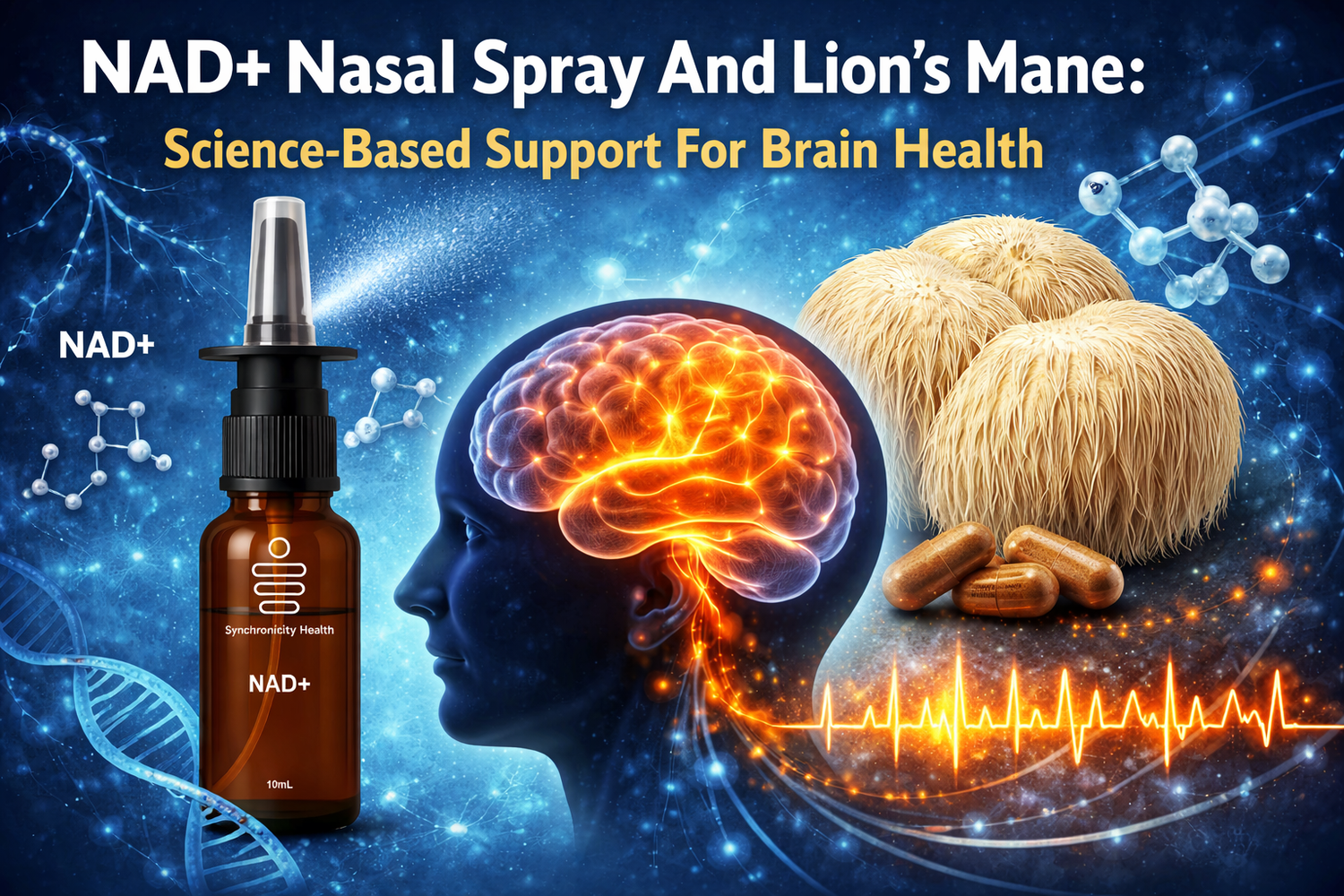
If you care about mental performance, you probably think a lot about caffeine, sleep, or nootropics. One combination that now has strong attention from researchers, clinicians, and biohackers is NAD+ nasal spray paired with Lion’s Mane mushroom.
NAD+ is a core cellular coenzyme for energy production and DNA repair, while Lion’s Mane supports nerve growth and brain structure. Used together, NAD+ nasal spray can give neurons the energy they need, and Lion’s Mane supplies growth and repair signals that help those neurons stay healthy over time.
Many brain-focused practitioners think of this pairing as “energy plus structure” for long-term cognitive support.
This guide breaks down how NAD+ nasal spray works, what Lion’s Mane actually does in the brain, how they complement each other, how to use them, and what safety considerations to keep in mind.
Why Brain Energy And Resilience Matter
Your brain is about 2% of your body weight yet burns roughly 20% of your daily energy. That enormous energy demand is why molecules that control cellular energy—like NAD+—matter so much for focus, memory, and reaction time.
As the years go by, several processes can wear down cognitive performance, and research comparing various treatment approaches helps us understand how different interventions may support brain health:
-
A steady decline in NAD+ levels
-
Rising oxidative stress and low-grade inflammation
-
Accumulating DNA damage in neurons
-
Impaired mitochondrial function (less efficient energy generation)
This can show up as:
-
Brain fog or slower recall
-
Reduced stress tolerance
-
Harder time staying focused for long stretches
-
Less motivation for mentally demanding work
NAD+ nasal spray targets the cellular energy side of this equation, while Lion’s Mane supports structural and signaling changes in the brain that relate to learning, memory, and nerve repair. Stacking them means you are supporting both the “fuel supply” and the “wiring” that uses that fuel.
What Is NAD+ And Why Does It Matter For Your Brain?
Nicotinamide adenine dinucleotide (NAD+) is a coenzyme found in every cell. It flips between two main forms—NAD+ and NADH—as it shuttles electrons through energy-producing pathways.
NAD+ is often described as the “cellular currency” of energy metabolism because so many reactions depend on it.
Key Roles Of NAD+ In The Nervous System
NAD+ is central to several processes that are especially important for brain health:
-
Energy production (ATP): NAD+ participates in glycolysis, the Krebs cycle, and the electron transport chain. Without enough NAD+, mitochondria cannot efficiently produce ATP, the energy currency your neurons depend on.
-
DNA repair: Enzymes called PARPs consume NAD+ while coordinating DNA repair. Neurons are long-lived cells, so keeping DNA intact is essential for maintaining long-term function.
-
Cell stress response and longevity pathways: NAD+-dependent enzymes called sirtuins help regulate metabolism, inflammation, circadian rhythm, and cell survival, all of which affect brain aging.
-
Redox balance and antioxidant defenses: The related forms NADP+ and NADPH support the regeneration of glutathione, one of the body’s main antioxidants, which helps buffer oxidative stress in brain tissue.
Why NAD+ Levels Decline With Age
NAD+ levels are highest early in life and fall steadily with aging. Key contributors include:
-
Increased activity of enzymes (like CD38) that break down NAD+
-
Ongoing DNA damage that keeps PARP enzymes active and consuming NAD+
-
Chronic low-grade inflammation and oxidative stress that interfere with NAD+ recycling
Lower NAD+ means less efficient mitochondrial function, more oxidative damage, and increased vulnerability to age-related metabolic and neurodegenerative conditions.
This is where NAD+ nasal spray comes in: it may help replenish cellular NAD+ more directly than standard oral approaches.
What Makes NAD+ Nasal Spray Different?
NAD+ nasal spray delivers NAD+ through the nasal mucosa instead of through the gut. This route offers two important advantages:
-
Bypasses digestion and first-pass liver metabolism
When NAD+ or its precursors are taken orally, a portion is broken down in the gut and liver before it ever reaches circulation. Intranasal delivery can reduce that loss, potentially improving systemic availability. -
Nose-to-brain access
The nasal cavity has direct anatomical connections to the brain via the olfactory and trigeminal nerves. For certain molecules, this path can allow relatively rapid access to the central nervous system, supporting more direct effects on neuronal NAD+ pools.
Intranasal routes are often explored when researchers want a “shortcut” between the nose and the brain without using injections.
Potential Benefits Reported With NAD+ Nasal Spray
While human data are still emerging and larger clinical trials are needed, mechanistic research on NAD+ and user experiences suggest that NAD+ nasal spray may:
-
Support clearer thinking and sharper focus
-
Help reduce sensations of brain fog
-
Improve mental and physical energy
-
Support healthy sleep-wake cycles and circadian rhythm
-
Promote cellular resilience and healthy aging pathways
-
Support recovery after intense cognitive or physical exertion
For more detail on NAD+ science and delivery methods, see Synchronicity Health’s overview of NAD and this deep-dive on NAD nasal spray.
NAD+ Nasal Spray: Dosing, Timing, And Storage Basics
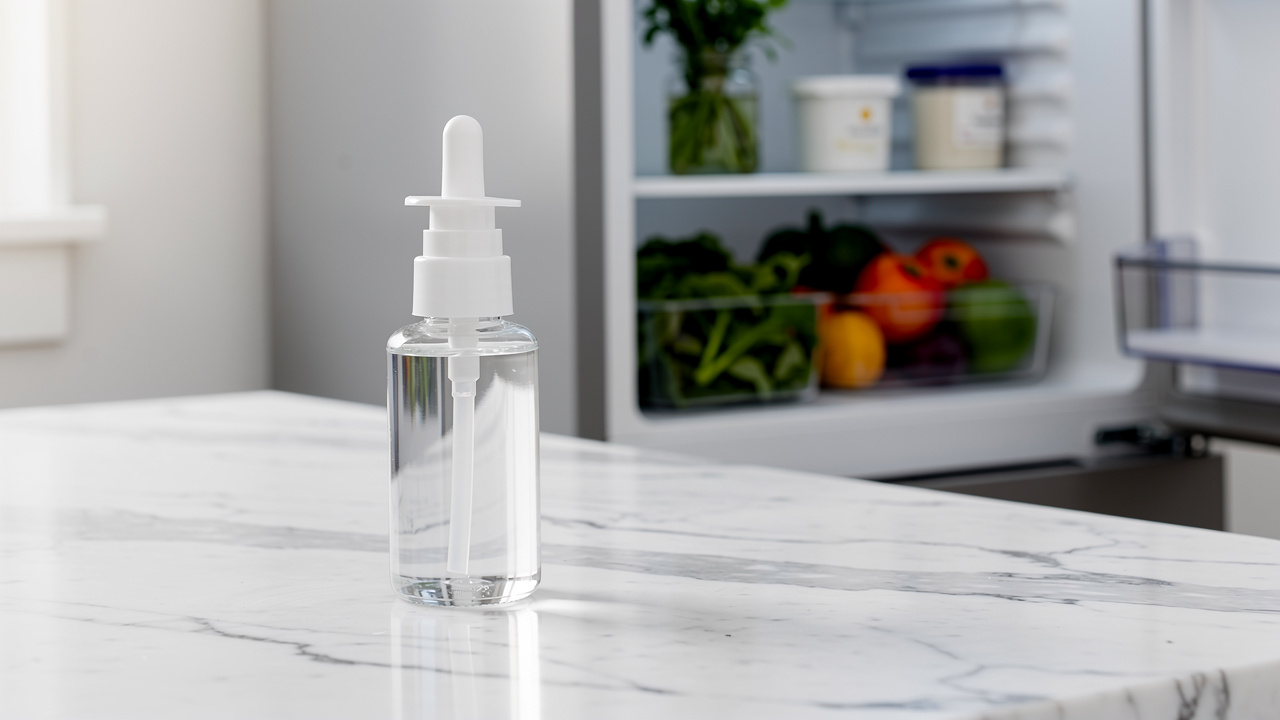
Formulations and protocols can vary by prescriber and compounding pharmacy, but a common NAD+ nasal spray format looks like this:
-
Formulation: Intranasal spray
-
Typical concentration: Around 300 mg/mL
-
Bottle size: ~15 mL
-
Approximate dose per spray: ~30 mg
-
Total sprays per bottle: Roughly 150
Always follow the dosing instructions given by your own healthcare provider or the product label.
How People Commonly Use NAD+ Nasal Spray
Many users and clinicians favor:
-
Frequency: Once or twice daily
-
Timing: Often in the morning, with an optional second dose early afternoon (to avoid interfering with sleep for sensitive individuals)
-
Consistency: Daily use for several weeks to assess the full effect, since rebuilding NAD+ pools and downstream pathways can take time
Storage Guidelines
NAD+ is sensitive to temperature and light. Proper storage of NAD+ nasal spray generally includes:
-
Keep refrigerated at 36°F–46°F (2°C–8°C)
-
Do not freeze
-
Protect from light (store in original packaging)
-
Keep out of reach of children
-
Discard after the beyond-use date on the label; do not flush or pour down drains
Lion’s Mane: Mushroom Support For Nerves, Memory, And Mood
Lion’s Mane (Hericium erinaceus) is a culinary and medicinal mushroom with a long history of use and growing modern research. It contains compounds such as hericenones and erinacines that appear to support nerve growth factor (NGF) signaling and neuronal health.
Lion’s Mane is sometimes described as “fertilizer for nerve cells” because of its impact on nerve growth factor pathways.
For a detailed comparison with another popular mushroom, see Synchronicity Health’s guide to Lion's Mane.
How Lion’s Mane May Support The Brain
Research (mostly in animals and small human trials) suggests Lion’s Mane may:
-
Promote the growth and maintenance of neurons (neurogenesis and neurite outgrowth)
-
Support NGF production, which is important for nerve survival and repair
-
Help maintain healthy myelin (the insulation around nerve fibers)
-
Support learning, memory, and mental clarity
-
Modulate inflammation and oxidative stress in the brain
Lion’s Mane is usually taken orally as a capsule or powder. Standardized extracts (often 8:1 or similar) are favored among serious users because they can provide consistent levels of active compounds.
How NAD+ Nasal Spray And Lion’s Mane Work Together
NAD+ nasal spray and Lion’s Mane address different but complementary aspects of brain function.
Energy + Structure
-
NAD+ nasal spray
Helps replenish cellular NAD+, which supports mitochondrial ATP production, DNA repair, sirtuin activity, and redox balance in neurons. -
Lion’s Mane
Provides compounds that support NGF signaling, neurogenesis, and nerve repair, which may help maintain or improve neural networks.
|
Component |
Primary Focus In The Brain |
|---|---|
|
NAD+ Nasal Spray |
Cellular energy production, mitochondrial support, DNA repair, redox balance |
|
Lion’s Mane |
Nerve growth factor signaling, neurogenesis, myelin integrity, synaptic plasticity |
-
Without structural support, extra energy can feel like pushing a worn engine harder.
-
Without enough energy, structural support may not translate into better day-to-day performance.
Combining both approaches may provide a more complete foundation for brain function.
Potential Outcomes Of This Combination
Although formal trials on the exact stack are limited, the mechanisms suggest the combination may help:
-
Support sustained focus during long workdays or study sessions
-
Improve mental resilience under stress by supporting both neuronal energy and repair
-
Support healthy cognitive aging by targeting mitochondrial function and structural brain health
-
Assist athletes and high performers with recovery, coordination, and reaction time
-
Complement strategies for better sleep and circadian balance, since both NAD+ and neurotrophic factors interact with clock and stress pathways
How To Use NAD+ Nasal Spray And Lion’s Mane In A Daily Routine
Here is a framework many health-focused users consider when adding NAD+ nasal spray and Lion’s Mane to their protocol. This is educational, not personal medical advice.
1. Morning: Set Your Baseline
-
On waking or with breakfast, take your first dose of NAD+ nasal spray as directed by your clinician or product label.
-
Take Lion’s Mane capsules or powder with the same meal or shortly afterward. Many people use 500–1,500 mg of a concentrated extract daily, following manufacturer guidance.
Pairing both early in the day lines up with natural circadian rhythms for alertness and may support daytime focus.
2. Midday: Support Focus (Optional)
-
If a second NAD+ nasal spray dose is recommended, many users take it by early afternoon.
-
Those who are sensitive to stimulation or have trouble sleeping may want to avoid dosing later in the evening.
3. Combine With Foundational Habits
To get the most from this stack:
-
Nutrition: Aim for protein-rich meals, colorful plants, and stable blood sugar to support mitochondrial function and reduce excess inflammation.
-
Movement: Regular exercise stimulates mitochondrial biogenesis and supports neuroplasticity. Even brisk walking can complement what NAD+ nasal spray does at the cellular level.
-
Sleep: Deep, consistent sleep is when much of the brain’s repair and clearance work happens. If you need support here, review Synchronicity Health’s sleep collection.
4. Track Your Response
Because NAD+ pathways and neurotrophic support affect many systems, it helps to track:
-
Energy and focus throughout the day
-
Mood stability and stress tolerance
-
Sleep quality and recovery
-
Workout performance and post-exercise soreness
-
Any side effects (see below)
Many people use a simple journal or app to keep notes on these variables. Give the combination at least 3–4 weeks of consistent use before drawing conclusions, unless you experience adverse effects.
Safety, Side Effects, And Precautions
Both NAD+ nasal spray and Lion’s Mane are generally well tolerated, but they are still bioactive substances. Individual responses vary.
A helpful rule of thumb is: “If you feel worse instead of better, pause and reassess with a professional.”
NAD+ Nasal Spray: Safety Overview
Potential side effects reported with NAD+ administration (mostly from IV studies) include:
-
Headache
-
Shortness of breath
-
Constipation
-
Transient changes in liver enzymes and bilirubin (usually remaining within normal ranges)
With nasal use, additional possible effects include:
-
Mild nasal irritation, dryness, or burning
-
Temporary congestion or post-nasal drip
If you experience persistent headache, breathing difficulty, chest discomfort, or any other concerning symptoms, stop NAD+ nasal spray and speak with a healthcare professional.
Precautions:
-
Do not use if you have a known allergy to NAD+ or any ingredient in the formulation.
-
Safety has not been established in pregnancy, breastfeeding, or in children. Avoid use in these groups unless specifically supervised by a qualified clinician.
-
If you have liver disease, kidney disease, cardiovascular disease, or complex chronic illness, consult your healthcare provider before starting NAD+ nasal spray.
Lion’s Mane: Safety Overview
Lion’s Mane is widely consumed as both food and supplement. Reported side effects are usually mild and may include:
-
Digestive discomfort, bloating, or loose stools
-
Nausea when taken on an empty stomach
-
Rare allergic reactions (rash, itching, or breathing difficulty)
Stop use and seek medical care immediately if you notice signs of allergy.
Medication interactions to consider:
-
Blood thinners or antiplatelet medications
-
Diabetes medications or insulin (due to possible effects on blood sugar)
Always discuss Lion’s Mane with your prescribing clinician if you take any of these.
Who This Combination May Be Best For
Based on mechanisms and user patterns, a stack of NAD+ nasal spray and Lion’s Mane may appeal to:
-
Health optimization enthusiasts and biohackers who track labs, HRV, and cognitive metrics and want deeper cellular support
-
Busy professionals needing sustained focus, mental clarity, and resilience under high workloads
-
Wellness-focused individuals interested in long-term brain health, healthy aging, and mitochondrial support
-
Athletes and fitness enthusiasts aiming for better recovery, coordination, and mental sharpness in training and competition
-
People focused on circadian rhythm and sleep quality, who want to support the cellular and structural brain processes that underlie restorative rest
This combination is not a diagnosis or treatment for medical conditions such as dementia, depression, ADHD, or neurodegenerative disease. Anyone with symptoms or diagnoses in those areas should work directly with a licensed healthcare professional.
Getting Started With NAD+ Nasal Spray And Lion’s Mane
If you’re ready to explore this stack:
-
Learn the science.
Review Synchronicity Health’s resources on NAD and the detailed guide to NAD nasal spray so you understand how NAD+ biology relates to your goals. -
Choose a trusted NAD+ nasal spray.
Work with a qualified provider or reputable source such as Synchronicity Health’s NAD nasal spray offering, and follow the prescribed dosing and storage guidelines carefully. -
Select a high-quality Lion’s Mane supplement.
Look for standardized extracts with third-party testing. You can also compare Lion’s Mane with other mushrooms using Synchronicity Health’s Lion's Mane overview. -
Layer on fundamentals.
Support the stack with nutrient-dense food, regular movement, stress management, and consistent sleep.
As many integrative clinicians like to remind patients, “No supplement stack can make up for chronic sleep loss, poor diet, and relentless stress.”
Used thoughtfully and with medical guidance where needed, NAD+ nasal spray combined with Lion’s Mane offers a grounded, science-informed way to support brain energy, resilience, and long-term cognitive health.


Leave a comment
All comments are moderated before being published.
This site is protected by hCaptcha and the hCaptcha Privacy Policy and Terms of Service apply.