

Nicotinamide adenine dinucleotide (NAD+) has become a centerpiece of advanced wellness: from biohackers fine-tuning performance, to busy professionals looking for clean energy, to athletes focused on recovery and longevity. As interest grows, one question keeps coming up: NAD+ nasal spray vs injection – which delivery method actually makes sense for your goals?
Because NAD+ is a large, fragile molecule, the way you deliver it into your body matters as much as the dose. It influences how much reaches your cells, how fast you feel it, how long it lasts, and how realistic it is to keep using over time.
Alongside NAD+ nasal sprays, other intranasal formulas such as glutathione nasal spray and NAC nasal spray are also gaining attention for brain and detox support. Understanding how these nose-to-brain and nose-to-blood routes compare with injectable NAD+ helps you build a strategy that fits your lifestyle, budget, and health priorities.
This guide breaks down the science, pros and cons, and real-world use cases of NAD+ nasal spray vs injection so you can make an informed, evidence-based choice based on your current health and long-term goals.
What NAD+ Actually Does – And Why Delivery Route Matters

NAD+ is present in every cell and is involved in hundreds of reactions. Some of its most important roles include:
-
Cellular Energy (ATP) Production
NAD+ shuttles electrons in the mitochondria, enabling the conversion of food into ATP. When NAD+ is low, energy output drops and fatigue, brain fog, and slower recovery are common. -
DNA Repair And Genomic Protection
NAD+ fuels enzymes that repair DNA damage caused by normal metabolism, toxins, and radiation. Over time, insufficient repair contributes to aging and disease risk. -
Sirtuin Activation And Longevity Signaling
Sirtuins are NAD+-dependent enzymes that influence inflammation, mitochondrial health, stress resistance, and how cells age. Without enough NAD+, these “maintenance” systems slow down. -
Cellular Stress And Oxidative Balance
NAD+ participates in redox reactions and works alongside antioxidant systems, with AI-based Clinical Decision Support tools increasingly helping clinicians optimize these therapeutic combinations in primary care settings. Many people pair NAD+ support with antioxidants like glutathione nasal spray or NAC to help manage oxidative stress. -
Circadian Rhythm And Sleep-Wake Cycles
NAD+ is tied to clock genes that regulate circadian rhythms. Supporting healthy levels may help stabilize sleep, energy timing, and daily performance.
The challenge: NAD+ levels decline with age, chronic stress, poor sleep, and inflammatory burdens. That’s one reason older adults and high-performing individuals often feel a noticeable difference when NAD+ is restored.
"NAD+ sits at the center of metabolism; when it falls, cells struggle to keep up." — Summary of findings across modern longevity research
However, NAD+ taken by mouth is largely broken down in the gut and liver. Oral precursors like NMN or NR help but still have modest bioavailability. That’s why NAD+ nasal spray vs injection has become such a focus: both routes bypass digestion, but they do it in very different ways.
Key concepts for evaluating any NAD+ delivery method:
-
Bioavailability – what percentage actually reaches circulation
-
Onset – how quickly levels rise and effects are felt
-
Duration – how long higher levels last
-
Dose Range – whether high, therapeutic doses are realistic
-
Practicality – how easy it is to stick with the protocol
How NAD+ Injections Work: IV, IM, And SubQ
NAD+ injections deliver the molecule directly into the body’s fluids or tissues, bypassing the digestive tract entirely. There are two main approaches.
Intravenous (IV) NAD+

IV NAD+ is often considered the most intensive form of supplementation.
-
How It Works
A healthcare professional mixes NAD+ with sterile saline and infuses it into a vein over several hours using a drip or pump. This route offers essentially 100% bioavailability because NAD+ enters the bloodstream directly. -
What This Means In Practice
-
Very high plasma levels are achievable – often far above what any non-invasive method can reach.
-
Effects can appear during or shortly after the infusion: clearer thinking, steadier energy, deeper calm, or reduced withdrawal symptoms in addiction protocols.
-
Higher NAD+ levels can persist for 24–72 hours or more, with downstream benefits sometimes lasting days to weeks.
-
-
Common Use Cases
-
Chronic fatigue or “burnout” with debilitating low energy
-
Recovery from illness, intensive training, or overwork
-
Addiction and withdrawal support
-
Intensive anti-aging and longevity programs
-
Clinics may combine IV NAD+ with IV glutathione or recommend intranasal antioxidant support such as glutathione nasal spray to help manage oxidative stress during high-dose therapy.
Intramuscular (IM) And Subcutaneous (SubQ) NAD+
IM injections deliver NAD+ into muscle (e.g., shoulder or glute). SubQ injections place it into the fatty tissue just beneath the skin.
-
Bioavailability is still very high (often estimated above 90%), since the NAD+ slowly diffuses into the bloodstream.
-
Onset is somewhat slower than IV, but the effect can be smoother and more prolonged.
-
Duration usually runs 12–24 hours or longer, depending on dose and individual metabolism.
IM and SubQ injections are sometimes used:
-
As a maintenance strategy following a series of IV infusions
-
By people who want strong systemic effects but not long clinic visits
-
In protocols where patients are trained to self-inject under medical guidance
Benefits Of NAD+ Injections
-
Maximum bioavailability and potency
-
Ability to deliver high therapeutic doses (500–1000+ mg in a single IV session)
-
Precise dosing under professional supervision
-
Longer duration of effect compared with non-invasive approaches
Limitations Of NAD+ Injections
-
Invasive: needles and venous access are required
-
Must be administered or overseen by a healthcare professional
-
Sessions (especially IV) can take several hours
-
Higher upfront cost per treatment
-
Side effects such as flushing, nausea, chest tightness, or light-headedness can occur, especially if infused too quickly
How NAD+ Nasal Sprays Work: The Intranasal Route
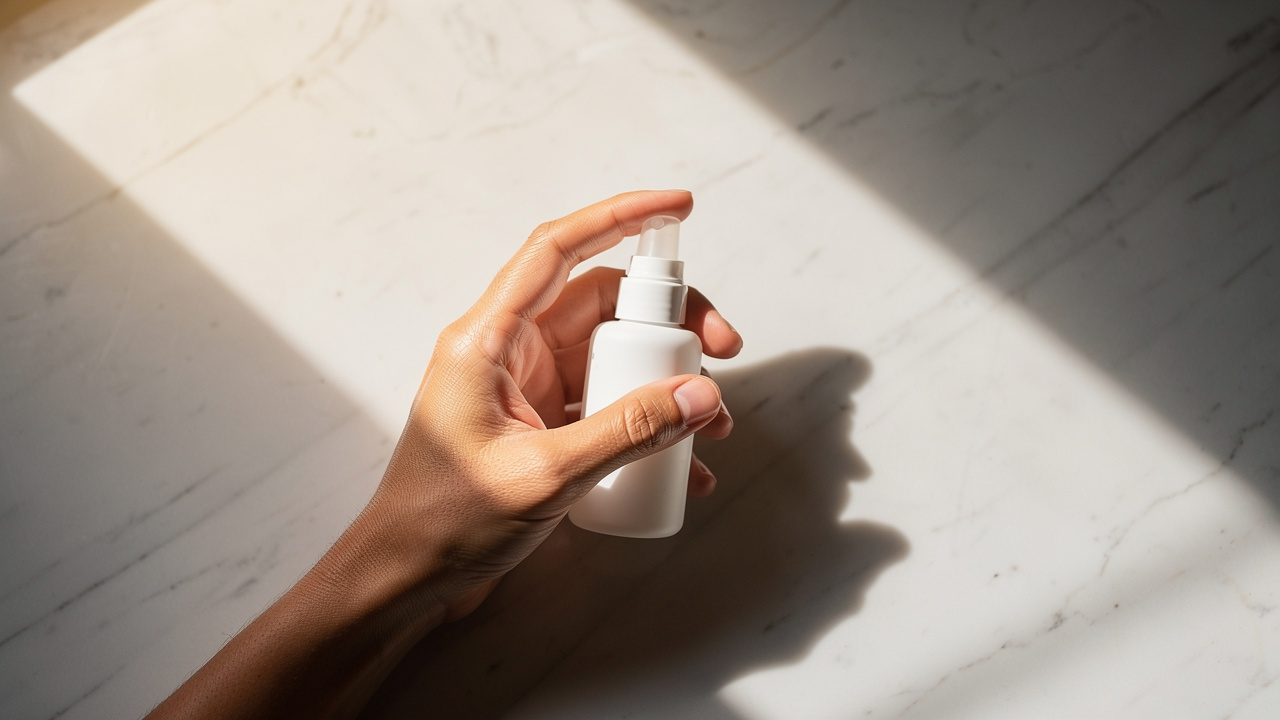
NAD+ nasal sprays use the highly vascular nasal mucosa as a fast absorption surface.
Mechanism Of Intranasal NAD+
-
The spray produces a fine mist that coats the inside of the nose.
-
NAD+ crosses the thin nasal lining and enters nearby capillaries, moving quickly into the bloodstream.
-
Some portion may travel along the olfactory and trigeminal pathways, offering more direct access to the brain and central nervous system than systemic routes alone.
Because the nasal passages bypass the stomach and first-pass liver metabolism, bioavailability is significantly higher than oral forms, with estimates typically in the 15–25% range, although research is still emerging and numbers can vary between individuals.
This same route underpins other intranasal therapeutics, including glutathione nasal spray and NAC nasal spray, which many people use for antioxidant and detox support.
Benefits Of NAD+ Nasal Sprays
-
Non-invasive and needle-free – no clinic visit required
-
Fast onset: many users feel effects within 15–30 minutes
-
Easy to self-administer at home, at work, or while traveling
-
Allows flexible, lower-dose daily use, which suits long-term maintenance
-
May be especially relevant for focus, mental clarity, mood, and sleep-wake rhythm because of nose-to-brain access
-
Lower risk of systemic side effects than high-dose IV infusions
NAD+ nasal sprays can be paired with other intranasal formulas like glutathione nasal spray or NAC nasal spray to support antioxidant defenses while targeting NAD+ for energy and cellular repair.
Limitations Of NAD+ Nasal Sprays
-
Total dose per application is limited by the volume the nose can handle
-
Bioavailability, while decent, is still far lower than injections
-
Effects usually last 4–8 hours, so multiple doses may be needed each day
-
Congestion, allergies, or structural issues can reduce absorption
-
Some users experience nasal dryness, irritation, or mild stinging, similar to what can occur with glutathione nasal spray or other intranasal products
NAD+ Nasal Spray Vs Injection: Side-By-Side Comparison
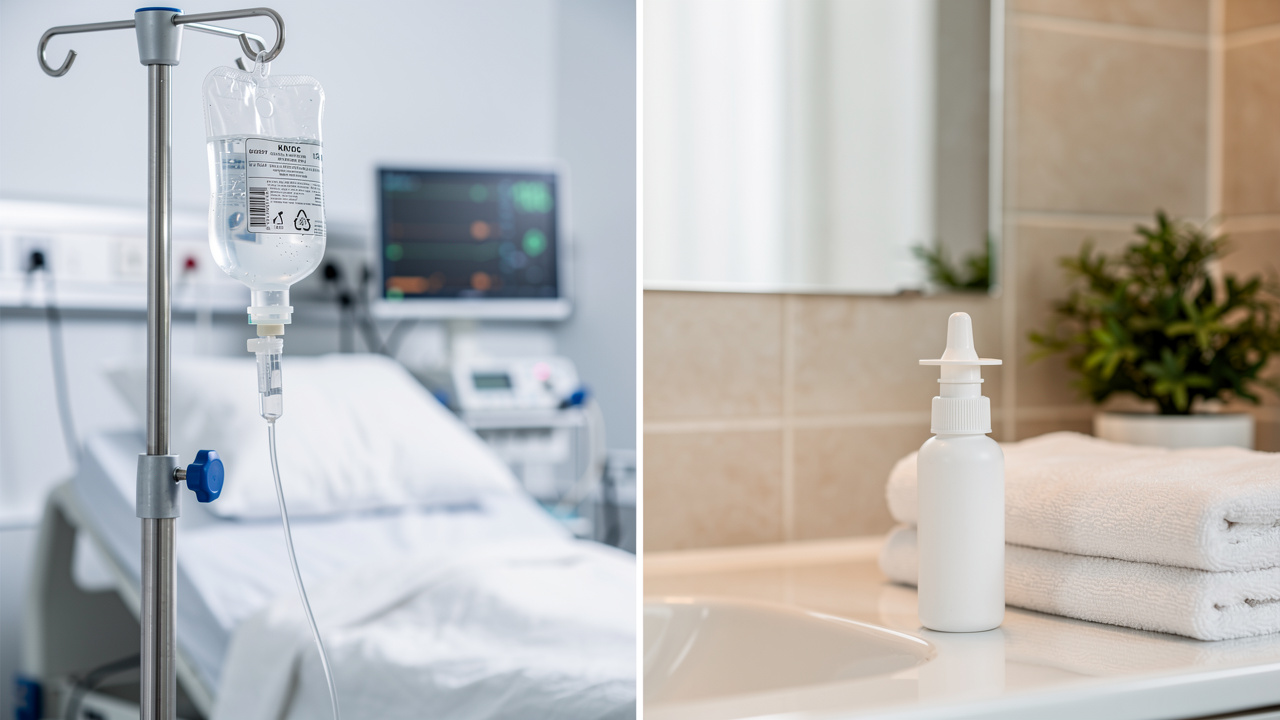
When comparing NAD+ nasal spray vs injection, a few core variables matter most: how much gets in, how fast, how long it lasts, and how practical it is for your life.
Quick Comparison Table
|
Feature |
NAD+ Injection (IV / IM / SubQ) |
NAD+ Nasal Spray |
|---|---|---|
|
Bioavailability |
IV: ~100%; IM/SubQ: >90% |
~15–25% |
|
Onset |
IV: 5–15 min; IM/SubQ: 30–60 min |
~15–30 min |
|
Duration Of Effects |
IV: 24–72 hours; IM/SubQ: 12–24+ hours |
~4–8 hours |
|
Dose Range |
Very high; appropriate for intensive protocols |
Low–moderate; best for daily maintenance |
|
Therapeutic Intensity |
Strong; suitable for significant NAD+ depletion |
Moderate; suited for wellness and brain-focused support |
|
Administration Setting |
Clinic or medical office |
At home or on the go |
|
Invasiveness |
Requires needles and sterile technique |
Needle-free, non-invasive |
|
Upfront Cost Per Session |
Higher |
Lower |
|
Long-Term Cost |
Fewer, more intensive sessions |
Frequent dosing over time |
|
Best Suited For |
Aggressive therapy, addiction, severe fatigue, longevity programs |
Daily support for energy, cognition, mood, and aging |
Which Method Fits Your Goals?

Different people come to NAD+ for different reasons. Thinking in terms of goals makes the NAD+ nasal spray vs injection decision much clearer.
For Longevity And Anti-Aging
-
Injections
Ideal if you want deep, systemic shifts: stronger mitochondrial function, better DNA repair, and strong sirtuin activation. High-dose IV or IM protocols can rapidly refill depleted NAD+ stores, then taper to maintenance. -
Nasal Spray
Well-suited as ongoing maintenance after a loading phase with injections, or as a gentle, steady approach for people focused on healthy aging without intensive clinical visits.
Pairing longer protocols with antioxidants (for example, an intranasal antioxidant such as glutathione nasal spray) may further support cellular resilience as NAD+ activity increases.
For Focus, Cognitive Performance, And Mood
-
Nasal Spray
Often preferred for cognition because:-
It can reach the brain more directly via nasal pathways.
-
Dosing can match your workday: morning for focus, afternoon for mental stamina.
-
It’s easy to combine with other intranasal tools like glutathione nasal spray or NAC nasal spray aimed at oxidative and neuroinflammatory balance.
-
-
Injections
Helpful when cognitive issues are part of a deeper problem: long COVID, chronic fatigue, neurodegenerative conditions, or a history of substance use.
For Athletes And High-Output Performers
-
Injections
Strong option for:-
Heavy training blocks
-
Competition prep
-
Recovery after intense events or overreaching
The high and sustained NAD+ levels can support mitochondrial recovery, muscle repair, and overall resilience.
-
-
Nasal Spray
Great for:-
Day-to-day training support
-
Travel days when you still need clear thinking and energy
-
Stacking with intranasal antioxidants like glutathione nasal spray to help manage exercise-induced oxidative stress
-
For Sleep, Stress, And Circadian Rhythm
NAD+ interacts closely with circadian clock genes.
-
Nasal Spray
Can be timed earlier in the day to reinforce daytime alertness and support a natural sleep-wake cycle. Some users find that regular daytime dosing improves:-
Sleep quality at night
-
Ability to handle stress
-
Morning alertness without stimulants
-
-
Injections
Better when sleep disruption is part of a broader energy-collapse picture or when serious burnout, overtraining, or withdrawal are in play. However, timing matters; high-dose infusions are usually scheduled earlier in the day to avoid overstimulation at night.
Safety, Side Effects, And Who Should Be Cautious
Both delivery methods are generally well-tolerated when used appropriately, but they carry different risk profiles.
NAD+ Nasal Spray: Safety And Side Effects
Most side effects are local and mild:
-
Nasal dryness or irritation
-
Mild burning or stinging on application
-
Sneezing or temporary congestion
-
Occasional headache
These reactions are similar to what some people experience with glutathione nasal spray or NAC nasal spray, since all rely on the same mucosal surfaces.
Be cautious or talk with a clinician if:
-
You have chronic sinusitis, nasal polyps, frequent nosebleeds, or a deviated septum
-
You regularly use other medicated nasal sprays (e.g., steroids or decongestants)
-
You experience persistent irritation or nosebleeds after starting intranasal NAD+
NAD+ Injections: Safety And Side Effects
Common short-term reactions include:
-
Pain, redness, or bruising at the injection site
-
Warmth, flushing, or a sense of pressure in the chest
-
Nausea, dizziness, or light-headedness during IV infusions
-
Temporary fatigue after a session, especially in high-dose protocols
More serious but less common risks:
-
Infection or phlebitis if sterile technique is not followed
-
Infiltration or vein irritation with IV therapy
-
Adverse reactions in people with certain cardiovascular or metabolic conditions
Extra caution is warranted if:
-
You have heart disease, uncontrolled high blood pressure, or arrhythmias
-
You take blood thinners or have a bleeding disorder
-
You’re pregnant, breastfeeding, or managing complex chronic illness
Because injections are medical procedures, they should always be administered or supervised by qualified professionals who can adjust infusion rates and dosing based on your response.
How Nasal Spray And Injections Compare To Other NAD+ Options
To understand where NAD+ nasal spray vs injection fits, it helps to see the wider menu of NAD+-related tools.
Oral NAD+ (Capsules Or Tablets)
-
Very low bioavailability (often estimated at 2–10%)
-
Most of the NAD+ is broken down before it reaches the bloodstream
-
Generally not favored for serious NAD+ repletion
Oral Precursors: NMN And NR
-
Better absorbed than oral NAD+ itself
-
Converted inside cells to NAD+
-
Bioavailability typically in the 20–40% range
-
Effects are gradual and require consistent daily use
-
Best suited for long-term, low-intensity maintenance
Sublingual NAD+
-
Held under the tongue to access the sublingual venous network
-
Avoids some digestive breakdown, but a portion is still swallowed
-
Bioavailability around 10–20%
-
Faster onset than oral, but less consistent and potent than nasal or injection
Intranasal And Injection In The Bigger Picture
-
Nasal spray sits between oral precursors and injections: more effective and faster than oral routes, but gentler and more convenient than high-dose infusions.
-
Injections (IV, IM, SubQ) stand at the top of the potency scale, particularly for therapeutic and high-intensity applications.
Intranasal routes used for NAD+, glutathione nasal spray, and NAC nasal spray offer a practical middle ground: better delivery than pills with far less disruption than frequent clinic-based infusions.
How To Choose Between NAD+ Nasal Spray And Injections
There is no single “right” method for everyone. A good decision reflects your biology, goals, preferences, and resources.
"The best NAD+ protocol is the one you can actually follow consistently," is a common piece of advice from integrative clinicians who work with fatigue and aging.
Choose NAD+ Nasal Spray If You:
-
Want daily support for energy, focus, and healthy aging
-
Prefer a needle-free, non-invasive method
-
Have a busy schedule and need something that takes seconds, not hours
-
Travel often and want portable NAD+ support
-
Are budget-conscious and want a lower-cost entry point
-
Plan to stack NAD+ with other intranasal tools, such as glutathione nasal spray or NAC nasal spray, for antioxidant and detox support
Choose NAD+ Injections If You:
-
Need intensive support for chronic fatigue, metabolic dysfunction, or addiction recovery
-
Are pursuing aggressive longevity or performance protocols with professional guidance
-
Prefer fewer, more powerful sessions rather than daily dosing
-
Are comfortable with medical procedures and have access to a good clinic
-
Want the highest level of control over dosing and infusion parameters
Smart Strategy Many People Use
A common, clinically sensible approach:
-
Loading Phase With Injections
Use IV or IM NAD+ to rapidly replenish depleted stores and “reset” your baseline. -
Maintenance With Nasal Spray And Precursors
Transition to intranasal NAD+, sometimes combined with NMN/NR and intranasal antioxidants like glutathione nasal spray, to maintain gains with a lower ongoing burden.
This phased method gives you early momentum while keeping long-term routines more manageable. Always work with a healthcare professional familiar with NAD+ therapy, especially if you have medical conditions or take prescription medications.
Frequently Asked Questions About NAD+ Nasal Spray Vs Injection
Is NAD+ Nasal Spray As Effective As Injections?
For high-dose therapeutic goals (addiction protocols, severe fatigue, intensive anti-aging), injections are more effective because they deliver much higher and more predictable NAD+ levels.
For general wellness, cognition, mood, and steady daily support, many people find nasal sprays effective, easier to maintain, and more practical.
Can I Combine NAD+ Nasal Spray And Injections?
Yes. Many clinicians use a combined strategy:
-
Injections for initial repletion or periodic “boosts”
-
NAD+ nasal spray between sessions for day-to-day energy and brain support
-
Intranasal antioxidants like glutathione nasal spray or NAC nasal spray to support detox pathways and oxidative balance during high NAD+ activity
Always coordinate combination protocols with a qualified provider.
How Long Does It Take To Feel NAD+ Working?
-
IV Injections: Some people notice shifts during the infusion or within hours; others feel more gradual changes over days.
-
IM/SubQ Injections: Often felt within several hours, with benefits lasting into the next day.
-
Nasal Spray: Typically felt within 15–30 minutes, with effects lasting several hours. Consistent use over days to weeks often produces more noticeable cumulative benefits.
Is NAD+ Therapy Safe Long-Term?
Current research and clinical experience suggest that NAD+ support is generally safe when dosed appropriately. Long-term data are still emerging, especially for high-dose IV use. Regular follow-up with a health professional helps keep dosing, frequency, and lab monitoring aligned with your needs.
Key Takeaways On NAD+ Nasal Spray Vs Injection
-
NAD+ is central to energy production, DNA repair, sirtuin activity, and circadian rhythm – and its levels decline with age and stress.
-
NAD+ injections (IV, IM, SubQ) deliver the strongest, most predictable boost, with very high bioavailability and long-lasting effects, but they are invasive, time-intensive, and higher cost.
-
NAD+ nasal sprays offer a convenient, needle-free, at-home alternative with moderate bioavailability, fast onset, and shorter duration – ideal for regular support of cognition, energy, mood, and healthy aging.
-
Many people benefit from a hybrid approach, starting with injections and moving to nasal spray for maintenance, sometimes combined with intranasal antioxidants like glutathione nasal spray or NAC nasal spray.
-
The best choice in the NAD+ nasal spray vs injection decision depends on your goals, tolerance for procedures, budget, and access to care.
Work with a practitioner who understands NAD+ biology and delivery methods, and you can build a personalized plan that supports your performance now while investing in long-term cellular health.


Leave a comment
All comments are moderated before being published.
This site is protected by hCaptcha and the hCaptcha Privacy Policy and Terms of Service apply.