

Glutathione Nasal Spray: The Ultimate Detox Solution?
Glutathione nasal spray has become a favorite tool among biohackers, high-performing professionals, and wellness enthusiasts who want deeper detox support, sharper thinking, and better energy. Glutathione is often called the body’s master antioxidant, and delivering it as a nasal spray aims to get it where it matters most—your brain, sinuses, and cells—without relying on the digestive system.
Interest in intranasal supplements has expanded beyond glutathione nasal spray to options like NAC nasal spray, NAD nasal spray, theanine nasal spray with GABA, and melatonin nasal spray. Together, these tools are designed to support detoxification, cognition, sleep, stress balance, and cellular energy.
This guide takes a clear, evidence-based look at how glutathione nasal spray works, what the research actually shows, who might benefit, how to use it correctly, and how it fits alongside other advanced wellness strategies.
Glutathione 101: The Body’s Master Antioxidant
Before deciding whether glutathione nasal spray fits into your routine, it helps to understand what glutathione does.
Glutathione is a tripeptide made from three amino acids: cysteine, glutamate, and glycine. Every cell in your body produces it, and it exists in two forms:
-
GSH (reduced glutathione): the active, antioxidant form
-
GSSG (oxidized glutathione): the “used” form after it neutralizes free radicals
The ratio of GSH to GSSG reflects your cell’s redox balance. A high GSH:GSSG ratio signals strong antioxidant defenses; a low ratio suggests significant oxidative stress.
Key roles of glutathione include:
-
Detoxification:
Glutathione binds to toxins, heavy metals, and metabolic byproducts, making them water-soluble so the liver and kidneys can excrete them. -
Antioxidant Defense:
It directly neutralizes reactive oxygen species (ROS) and works with glutathione peroxidase to reduce peroxides in the cytosol, membranes, and mitochondria. -
Immune Regulation:
Glutathione is essential for the function and proliferation of lymphocytes and other immune cells. -
Cellular Regulation:
It helps control cell growth and programmed cell death (apoptosis), influencing how damaged or old cells are cleared.
Low glutathione has been linked with conditions affecting the brain (such as Parkinson’s and Alzheimer’s), lungs, immune system, and chronic inflammatory states. That connection helps explain the interest in targeted delivery methods like glutathione nasal spray for people who want focused support rather than relying only on diet or oral supplements.
Functional medicine physician Dr. Mark Hyman has called glutathione “the mother of all antioxidants” because of its central role in cellular protection and detoxification.
Why Deliver Glutathione Through A Nasal Spray?
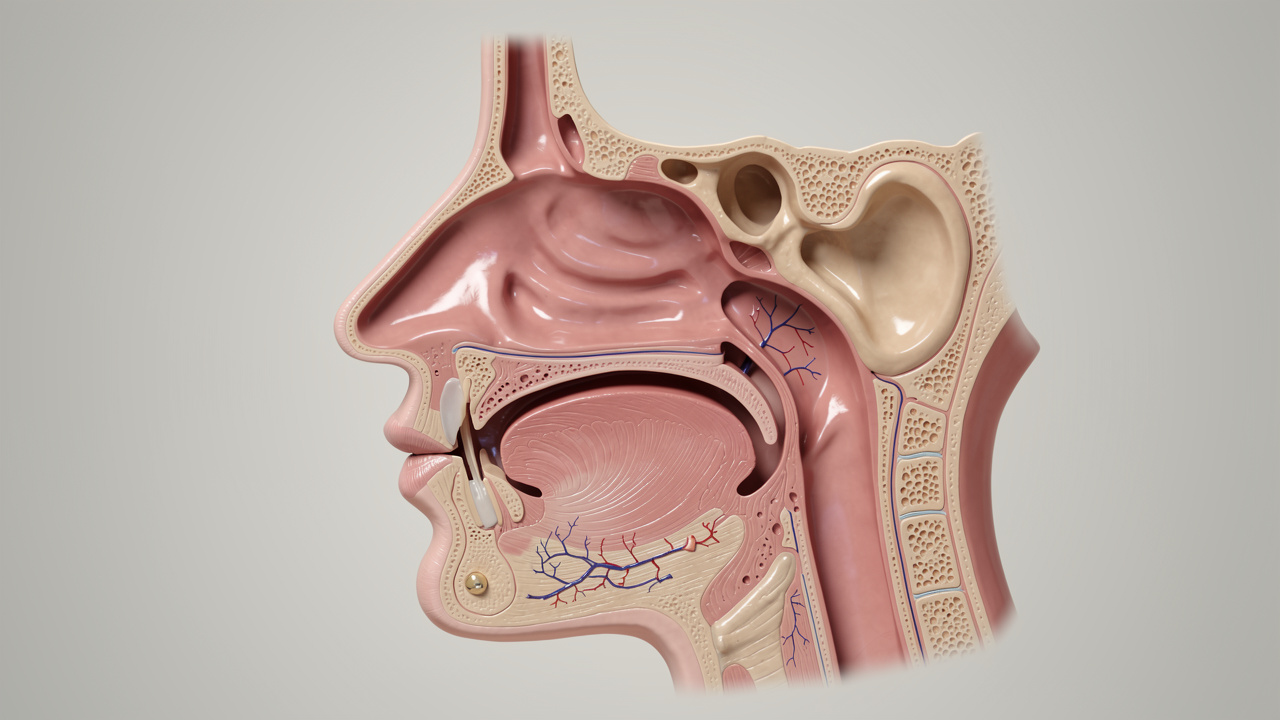
Oral glutathione is convenient but not very efficient. Enzymes in the digestive tract break it down before much reaches the bloodstream. Intravenous (IV) glutathione works, but it requires office visits, needles, and costs that many people cannot or do not want to sustain long term.
Glutathione nasal spray takes a different route with several advantages:
-
Bypasses The Digestive System And First-Pass Liver Metabolism
When you use a glutathione nasal spray, the compound is absorbed across the nasal mucosa instead of going through the stomach and intestines first. That can improve how much intact glutathione reaches circulation. -
Rapid Absorption And Brain Access
The nasal cavity is rich in blood vessels and sits close to the brain. Research suggests two pathways:-
Intraneuronal pathway: uptake through olfactory and trigeminal nerves, transporting glutathione into the central nervous system over hours to days
-
Extraneuronal pathway: diffusion across the nasal mucosa and olfactory plate into nearby tissues and cerebrospinal fluid, providing faster access
Glutathione is a small, water-soluble molecule (~307 Da), which makes it a good candidate for this type of absorption without heavy use of penetration enhancers, and research continues to explore glutathione as a skin whitening agent while examining its broader biological effects.
-
-
Direct Contact With The Respiratory Tract
Glutathione nasal spray delivers antioxidant support directly to nasal and sinus tissues, which is relevant for people dealing with chronic sinus irritation, allergies, or frequent upper respiratory issues. -
Non-Invasive And Convenient
Compared with IV infusions, glutathione nasal spray can be self-administered in seconds and easily integrated into daily routines.
At the same time, nasal delivery is not perfect. Congestion can interfere with absorption, some people experience nasal irritation, and researchers are still clarifying exactly how much glutathione reaches specific brain regions and how long levels stay higher. Glutathione nasal spray is promising, but the science is still maturing.
How Glutathione Nasal Spray Works In The Body And Brain
Glutathione nasal spray aims to support several interconnected systems by raising glutathione availability where oxidative stress is high.
1. Detoxification And Cellular Defense
Once absorbed, glutathione nasal spray supports the same detox pathways as endogenous glutathione:
-
Conjugation: Glutathione binds to reactive toxins and chemicals, making them more water-soluble so they can be excreted in bile or urine.
-
Antioxidant Protection: It neutralizes free radicals and helps regenerate other antioxidants such as vitamins C and E.
-
Protection Of DNA, Proteins, And Lipids: By limiting oxidative damage, glutathione helps maintain cellular structure and function.
NAC is a direct precursor to glutathione, which is why some users pair glutathione nasal spray with nac nasal spray for additional support.
2. Mitochondrial And Energy Support
Mitochondria produce ATP, but they also generate significant ROS as a byproduct. Glutathione inside mitochondria is critical for keeping that oxidative burden in check.
By supporting mitochondrial redox balance, glutathione nasal spray may help:
-
Maintain ATP production
-
Limit oxidative damage to mitochondrial membranes and enzymes
-
Support recovery after intense physical or mental effort
Some individuals combine glutathione nasal spray with NAD nasal spray and energy-supporting botanicals like cordyceps mushroom to further support cellular energy pathways.
3. Brain And Nervous System Support

In the brain, glutathione:
-
Protects neurons from oxidative stress
-
Supports mitochondrial function in dopaminergic and other neurons
-
Modulates inflammation and redox-sensitive signaling pathways
Imaging research (using 1H-MRS) has shown that a single intranasal dose of reduced glutathione can acutely increase brain glutathione levels within 20–45 minutes in people with Parkinson’s disease. That confirms that glutathione nasal spray can reach the brain, although the ideal dosing and distribution patterns still require further study.
Many high performers pair glutathione nasal spray with nootropic-style supports such as NAD nasal spray or Synchronicity Health’s clarity formula to support attention, focus, and mental stamina.
Potential Benefits Of Glutathione Nasal Spray

Glutathione nasal spray is often marketed as a broad detox and performance tool. The sections below outline potential applications supported by early research and user reports, along with where evidence remains limited.
Neurological And Cognitive Support
-
Parkinson’s Disease (PD):
Reduced glutathione is one of the earliest biochemical changes observed in the substantia nigra of PD patients. While small trials of intranasal glutathione have not yet shown clear symptom improvements compared with placebo, imaging confirms increases in brain glutathione levels. More large, well-designed trials are needed, but this remains an active area of investigation. -
Alzheimer’s Disease And Cognitive Aging:
Studies have documented lower brain glutathione in regions affected by Alzheimer’s (like the hippocampus and frontal cortex), and lower levels appear linked with worse cognitive scores and higher amyloid burden. Intranasal glutathione has not been thoroughly tested in Alzheimer’s yet, but the rationale is strong enough that many brain-focused biohackers are considering glutathione nasal spray as part of broader cognitive support strategies.
For busy professionals and knowledge workers, glutathione nasal spray is often used alongside NAD nasal spray and theanine nasal spray GABA formulas to support calm focus and mental clarity.
Respiratory, Sinus, And Ear Health
Excessive free-radical formation and low antioxidant defenses are common features in chronic respiratory and sinus conditions.
Early findings suggest that glutathione nasal spray may:
-
Support antioxidant defenses in nasal and sinus tissues
-
Help people with chronic sinusitis and allergic rhinitis feel less congested
-
Improve symptoms in conditions like chronic otitis media
One study in children with chronic otitis media used a glutathione nasal aerosol (600 mg/day) and found improved nasal glutathione levels and reductions in nasal obstruction, rhinorrhea, and ear fullness. In patient surveys, allergies and sinusitis were among the most common reasons for using intranasal glutathione.
Glutathione nasal spray is sometimes paired with nac nasal spray, which also supports mucus clearance and antioxidant status in the airways.
Environmental Sensitivity And Multiple Chemical Sensitivity (MCS)
People with Multiple Chemical Sensitivity often experience symptoms—fatigue, headaches, brain fog, difficulty breathing—after very low-level chemical exposures. Research has reported:
-
Reduced reduced and oxidized glutathione in red blood cells
-
Lower activity of glutathione-related enzymes
In a safety and outcomes survey of intranasal glutathione users, MCS was the most common indication, and a significant portion of these individuals reported symptom improvement with continuous use of glutathione nasal spray.
Detox, Energy, And General Wellness
In a survey of intranasal glutathione users:
-
45.5% reported improvement in disease-specific symptoms
-
28.8% noted better overall sense of well-being
-
27.3% reported fewer sinus infections
-
24.2% experienced improved energy
These are self-reported outcomes, not controlled trial data, but they mirror what many health-focused individuals describe anecdotally when they add glutathione nasal spray to a program that already includes a nutrient-dense diet, regular movement, and good sleep.
Some athletes and fitness enthusiasts pair glutathione nasal spray with adaptogens such as cordyceps mushroom and NAD nasal spray for recovery, resilience, and training capacity.
Sleep, Stress, And Mood (When Combined With Other Nasal Sprays)
On its own, glutathione nasal spray is not a sedative. However, it often appears in stacks designed for rest and emotional balance, especially when combined with:
-
melatonin nasal spray for circadian rhythm support
-
Theanine nasal spray with GABA for relaxation without sedation
The idea is simple: glutathione nasal spray targets oxidative stress and detox balance, while melatonin, theanine, and GABA support the nervous system’s ability to downshift at night and stay steady during the day.
What The Research Says About Glutathione Nasal Spray
The evidence base for glutathione nasal spray includes imaging studies, small clinical trials, and longer-term patient surveys. Together they paint a picture of strong biological plausibility, good tolerability, and early—but incomplete—data on clinical effects.
Patient-Reported Outcomes
A safety and outcomes survey of people prescribed intranasal glutathione (median use ~24 months) found:
-
78.8% reported an overall positive experience
-
62.1% reported some health benefit they attributed to the spray
-
Most common reasons for use:
-
Multiple chemical sensitivity (42.0%)
-
Allergies/sinusitis (36.2%)
-
Parkinson’s disease (10.1%)
-
Limitations included a low response rate, self-reported diagnoses, and subjective outcomes. Still, the data suggest that many users find glutathione nasal spray helpful enough to continue long term.
Clinical Trials In Parkinson’s Disease
Two randomized, double-blind trials tested intranasal glutathione in PD:
-
Phase 1/2a trial: compared saline vs. 100 mg or 200 mg glutathione three times daily
-
Phase 2b trial: compared placebo vs. 300 mg/day vs. 600 mg/day glutathione
Neither study showed a clear advantage of glutathione over placebo on the Unified Parkinson’s Disease Rating Scale (UPDRS). Investigators suggested:
-
The studies were underpowered to detect modest effects
-
Placebo response was high
-
Doses may not have been sufficient to raise glutathione in disease-relevant brain regions long term
In other words, glutathione nasal spray clearly reaches the brain, but the right dose, frequency, and duration for neurodegenerative disease have not been established.
Brain Imaging (1H-MRS)
A magnetic resonance spectroscopy study in PD patients showed that a single intranasal dose of reduced glutathione raised brain glutathione levels within 20–45 minutes. There was wide variability between individuals, and researchers still do not know:
-
How long brain levels remain higher
-
How glutathione distributes across specific brain regions
-
How dosing should be adjusted for different conditions
Respiratory And ENT Studies
In children with chronic otitis media, glutathione delivered as a nasal aerosol increased nasal mucosal glutathione and improved symptoms, pointing toward a role for localized antioxidant support. This aligns with survey findings where users of glutathione nasal spray reported fewer sinus infections and better nasal comfort over time.
Bottom Line On Evidence
Glutathione nasal spray:
-
Clearly increases local and sometimes central nervous system glutathione levels
-
Appears well tolerated in most users
-
Shows encouraging, but early, signs for conditions involving oxidative stress and low glutathione
However, large, well-powered trials with objective outcome measures are still needed. For now, glutathione nasal spray is best viewed as a promising tool with a reasonable biological basis rather than a guaranteed treatment for any specific disease.
Safety, Side Effects, And Precautions
Most people tolerate glutathione nasal spray well, but no intervention is completely free of risk.
As many integrative clinicians like to remind their patients, “there is no such thing as a free lunch in biology—every intervention has trade-offs.”
Common Mild Side Effects
From surveys and clinical data, the most frequently reported issues include:
-
Nasal or sinus irritation (burning, tingling, mild dryness)
-
Sneezing or temporary congestion after spraying
-
Mild headaches
-
Occasional nosebleeds
These effects are usually transient and often improve as users adjust their technique or frequency.
Less Common Concerns
-
Allergic Reactions: Very rare, but any swelling, rash, or difficulty breathing should be treated as an emergency and the glutathione nasal spray should be stopped.
-
Cardiac Concerns At High Doses: In one PD trial, a participant on 600 mg/day intranasal glutathione developed cardiomyopathy and tachycardia that resolved after discontinuation. Researchers proposed that excessive antioxidant exposure might contribute to “reductive stress” in susceptible individuals.
Who Should Be Especially Cautious?
People in the following groups should be particularly careful and seek medical guidance first:
-
People with chronic nasal conditions (polyps, chronic rhinosinusitis, active infections)
-
Those with histories of frequent nosebleeds
-
Pregnant or breastfeeding individuals (limited safety data)
-
Anyone already taking high-dose antioxidant regimens or multiple intranasal products
If you fall into these categories and are considering glutathione nasal spray, discuss the idea with a knowledgeable clinician first.
As with other advanced tools—whether that’s nac nasal spray, NAD nasal spray, or energy supports like cordyceps mushroom—clear communication with your healthcare provider is essential.
How To Use Glutathione Nasal Spray Effectively
Correct technique matters. Using glutathione nasal spray the right way improves comfort and may help with absorption.
A simple rule many practitioners share is, “start low, go slow, and track how you feel.”
1. Read The Label And Instructions
-
Review the recommended dose, frequency, and storage conditions.
-
Different formulas of glutathione nasal spray may vary in concentration and additives.
-
If you are combining it with other sprays like nac nasal spray, melatonin nasal spray, or theanine nasal spray with GABA, note the suggested spacing between products.
2. Prepare The Spray
-
Gently shake the bottle to distribute the ingredients evenly. This is especially relevant if your glutathione nasal spray includes cofactors or botanical extracts such as cordyceps mushroom for energy support.
-
Remove the protective cap and make sure the nozzle is clean.
3. Clear Your Nasal Passages
-
Blow your nose gently to remove mucus or blockage.
-
If your nose is very dry or irritated, a saline spray used a few minutes before your glutathione nasal spray can improve comfort.
4. Position Your Head And Nozzle
-
Sit or stand upright with your head slightly tilted forward.
-
Insert the nozzle just inside one nostril and angle it slightly outward, toward the outer wall of the nostril rather than straight up. This targets the highly vascular area of the nasal cavity.
5. Spray And Breathe Normally
-
Press the pump firmly to deliver the recommended number of sprays while gently inhaling through your nose.
-
Avoid snorting deeply; pulling the mist straight into your throat may reduce local absorption.
-
Repeat in the other nostril if the label calls for it.
6. After You Spray
-
Try not to blow your nose for several minutes so the glutathione nasal spray has time to absorb.
-
Wipe and recap the nozzle. Store the bottle in a cool, dry place away from direct light to preserve the stability of glutathione and any included compounds such as NAD or melatonin.
7. Track Your Response Over Time
To get meaningful feedback, many users:
-
Keep a brief log of energy, mental clarity, sinus comfort, and sleep quality over the first few weeks
-
Note the timing of other products such as theanine nasal spray with GABA, melatonin nasal spray, or NAD nasal spray
-
Review patterns with a clinician if they have complex health conditions
Consistency over several weeks usually offers a clearer picture than a few isolated doses.
Glutathione Nasal Spray Versus Other Detox Strategies
Glutathione nasal spray is one tool among many. Understanding how it compares helps you design a balanced approach.
|
Method |
Pros |
Cons |
|---|---|---|
|
Oral glutathione |
Easy, widely available |
Poor bioavailability for many people |
|
IV glutathione |
Direct bloodstream delivery, high doses possible |
Invasive, expensive, requires appointments |
|
Glutathione nasal spray |
Non-invasive, brain and sinus access, fast onset |
Potential nasal irritation, dosing still being studied |
|
NAC (oral or nasal) |
Boosts endogenous glutathione, supports lungs |
Indirect; not a substitute for glutathione itself |
|
Lifestyle detox (food, sweat) |
Foundational, broad health benefits |
Often insufficient alone for advanced needs |
For many health-focused people, glutathione nasal spray functions as a targeted addition to a baseline program of nutrient-dense nutrition, regular exercise, deep sleep, and smart stress management—not a replacement for them.
As one common saying in integrative medicine goes, “supplements should support the basics, not excuse you from them.”
Who Might Consider Glutathione Nasal Spray?
Glutathione nasal spray is not only for people with diagnosed conditions. Groups that commonly explore it include:
-
High-Stress Professionals: Looking to support mental clarity, resilience, and detox while juggling demanding schedules. Many in this group pair glutathione nasal spray with products like Synchronicity Health’s clarity for focus and performance.
-
Athletes And Active Individuals: Interested in recovery, mitochondrial function, and limiting oxidative stress from intense training. Some stack glutathione nasal spray with NAD nasal spray and cordyceps mushroom for energy support.
-
People In High-Pollution Or Chemically Dense Environments: Such as urban areas or industrial settings, who want extra antioxidant and detox support for their respiratory tract and brain.
-
Individuals With Chronic Sinus Issues Or Frequent Upper Respiratory Infections: Curious about local antioxidant support from glutathione nasal spray, sometimes combined with nac nasal spray.
-
Those Focused On Anti-Aging And Longevity: Seeking to maintain antioxidant defenses, mitochondrial health, and cognitive function as they age.
If you have complex health conditions, take multiple medications, or are pregnant or breastfeeding, consult a healthcare professional before adding glutathione nasal spray to your regimen.
Choosing And Buying A High-Quality Glutathione Nasal Spray
Not all formulations are the same. When evaluating a glutathione nasal spray, consider:
-
Source And Purity: Look for products that clearly specify reduced glutathione content and exclude unnecessary fillers.
-
Stability: Glutathione can oxidize over time; formulas should be designed for stability and stored properly.
-
Transparent Labeling: You should see exact milligram amounts per spray, excipients, and any additional active ingredients such as NAC, NAD, or botanicals.
-
Third-Party Testing: Testing for potency and contaminants adds an extra layer of confidence.
Specialized wellness brands and compounding pharmacies often provide detailed information about their formulations of glutathione nasal spray. Local pharmacies and integrative clinics may also carry companion products like melatonin nasal spray, theanine nasal spray with GABA, NAD nasal spray, or energy-support blends that complement a glutathione-based protocol.
Real-World Experiences With Glutathione Nasal Spray
User stories do not replace controlled trials, but they offer insight into how people integrate glutathione nasal spray into real lives.
Common themes from those using glutathione nasal spray include:
-
Energy And Cognitive Sharpness:
Professionals combining glutathione nasal spray with cordyceps mushroom and NAD-supporting compounds often describe steadier energy and less afternoon crash. -
Support In Polluted Or Stressful Environments:
People living in dense urban settings sometimes report that using glutathione nasal spray along with NAC-based formulas leaves their breathing and sinuses feeling clearer over time. -
Sleep And Relaxation (When Stacked):
Individuals who combine glutathione nasal spray with melatonin nasal spray or theanine nasal spray with GABA often mention easier sleep onset and waking more refreshed, especially when they also manage light exposure and sleep timing. -
Emotional Balance:
Some users note a calmer, more centered mental state when glutathione nasal spray is part of a routine that includes theanine, GABA, and targeted nutrient support.
These experiences are diverse and subjective, but they align with the mechanistic role of glutathione in redox balance, detoxification, and brain health.
The Future Of Glutathione Nasal Spray And Final Thoughts
Interest in glutathione nasal spray continues to grow as more people look for precise, efficient ways to support detoxification, brain health, and resilience. Parallel growth in related tools—such as nac nasal spray, NAD nasal spray, theanine nasal spray GABA blends, and melatonin nasal spray—shows a broader move toward intranasal delivery for targeted effects.
At the same time:
-
Current human trials are small and sometimes inconclusive.
-
Ideal dosing, frequency, and duration for specific conditions remain open questions.
-
More rigorous, well-powered clinical studies with objective endpoints are needed.
For now, glutathione nasal spray is best viewed as a scientifically grounded, emerging tool for people who are already paying attention to nutrition, movement, sleep, and stress—and who are working with a practitioner or are comfortable experimenting within reasonable safety limits.
If you are considering adding a glutathione nasal spray or related intranasal products to your protocol, start with:
-
Clear goals (detox support, cognitive performance, respiratory comfort, etc.)
-
A high-quality, transparently labeled product
-
Thoughtful dosing and careful tracking of how you feel over time
Used in this way, glutathione nasal spray can be a meaningful part of a modern, science-informed approach to detox and long-term health support.


Leave a comment
All comments are moderated before being published.
This site is protected by hCaptcha and the hCaptcha Privacy Policy and Terms of Service apply.