

Introduction: What Is NAC Nasal Spray?
NAC nasal spray, short for N-acetylcysteine nasal spray, is an intranasal form of the well-known antioxidant NAC. Instead of swallowing capsules or using IV infusions, NAC nasal spray delivers the compound directly to the nasal and sinus mucosa, where it can be absorbed into local tissues and, to some extent, into systemic circulation.
For biohackers, longevity enthusiasts, athletes, and busy professionals, NAC nasal spray is appealing because it combines three ideas:
-
A well-studied compound (NAC) with decades of clinical use
-
A targeted delivery route (nasal) that avoids the digestive tract
-
Potential support for respiratory comfort, redox balance, and brain performance
NAC itself has been used in hospitals for years as a prescription drug for acetaminophen (Tylenol) overdose and as a mucolytic (mucus-thinning agent) in respiratory care. It is also a key precursor to glutathione, the body’s central intracellular antioxidant.
“Glutathione is the mother of all antioxidants.” — Mark Hyman, MD
Intranasal formulations extend those properties to a more localized, convenient delivery format. Many people use NAC nasal spray alongside other intranasal antioxidants such as glutathione nasal spray, or calming formulations like theanine + GABA nasal sprays, to build a performance and recovery stack.
Before you add NAC nasal spray to your routine, it helps to understand how NAC works, what the research says about intranasal use, and how it compares to oral NAC and other nasal products.
How NAC Works In The Body
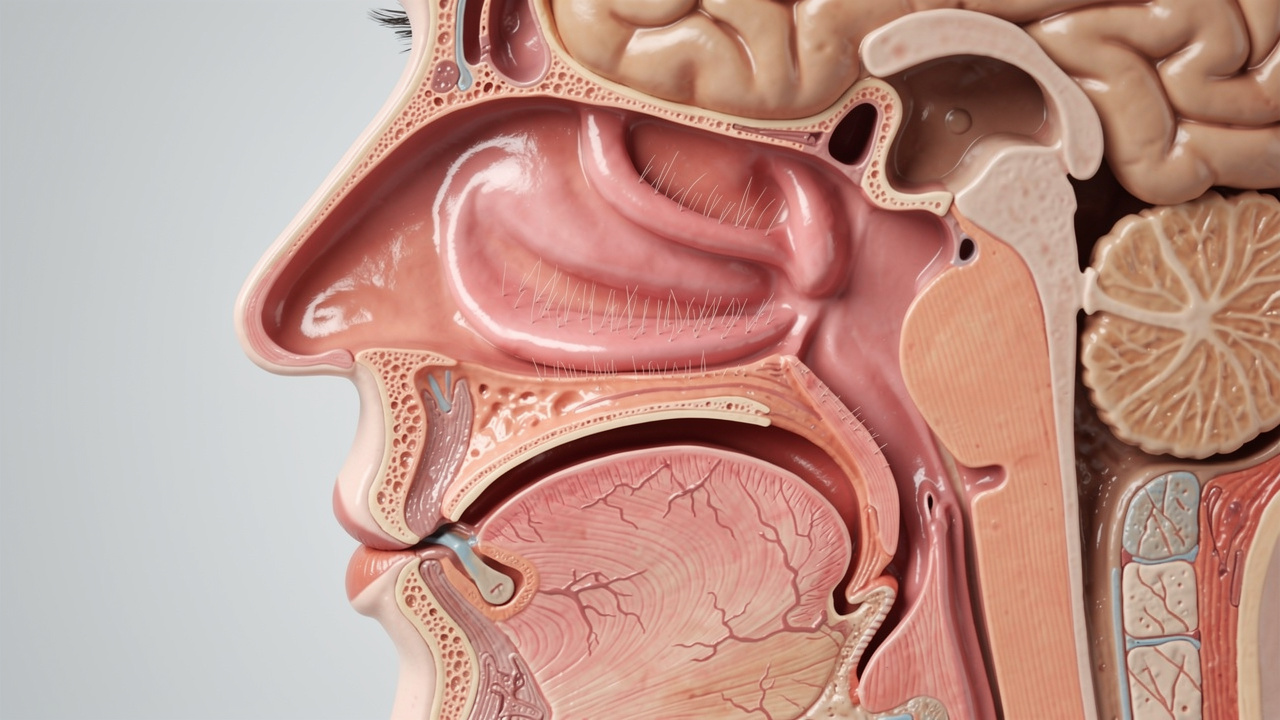
Although NAC nasal spray targets the nose and sinuses first, its effects are grounded in the same biochemistry as oral and IV NAC. Three core mechanisms matter most for health and performance.
1. Glutathione Precursor And Antioxidant
NAC is an acetylated form of the amino acid L-cysteine. Cysteine is the rate-limiting building block for glutathione (GSH), a tripeptide often called the body’s “master antioxidant.”
By supplying cysteine, NAC:
-
Boosts intracellular glutathione levels in liver, lung, immune, and brain cells
-
Supports detoxification pathways that rely on glutathione to bind and clear toxins, drugs, and heavy metals
-
Helps defend against oxidative stress, which is linked to aging, neurodegeneration, cardiovascular disease, and slower recovery from intense training
NAC also has its own thiol (-SH) group that can directly neutralize reactive oxygen species (ROS), adding another layer of antioxidant support.
2. Mucolytic (Mucus-Thinning) Activity
Thick, sticky mucus is held together by disulfide bonds in mucin proteins. NAC can break these bonds, which:
-
Reduces mucus viscosity
-
Makes nasal and bronchial secretions easier to clear
-
Supports better airflow and drainage
This mucolytic effect is why prescription NAC is used via nebulizer for mucus plugs, atelectasis, and tracheostomy care. NAC nasal spray applies the same mechanism directly to the nasal and sinus passages.
3. Modulation Of Neurotransmitter Systems
Emerging research suggests NAC influences glutamate signaling in the brain via the cystine–glutamate antiporter. By helping normalize extracellular glutamate levels, NAC may:
-
Protect neurons against excitotoxic damage
-
Affect mood, motivation, and cognitive performance
Most of this evidence comes from oral and IV NAC in psychiatric and neurological studies, but it forms part of the rationale for exploring NAC nasal spray as a nose-to-brain delivery option.
Why Deliver NAC As A Nasal Spray?

NAC nasal spray takes advantage of several features of the nasal cavity that differ from oral or IV routes.
Faster, More Targeted Delivery
The nasal mucosa is highly vascularized, and parts of the nasal cavity are close to the brain and upper airways. Compared with oral NAC, NAC nasal spray may:
-
Partially bypass first-pass metabolism in the liver
-
Reach nasal, sinus, and possibly brain-adjacent tissues more directly
-
Act locally on mucus and oxidative stress in the upper airways
This makes NAC nasal spray especially interesting for people dealing with chronic congestion, sinus pressure, or frequent travel and exposure to dry, recirculated air.
Local Versus Systemic Effects
Oral NAC is better studied for whole-body outcomes: acetaminophen overdose, COPD, chronic bronchitis, cardiovascular markers, and more. NAC nasal spray focuses on:
-
Nasal and sinus comfort
-
Local antioxidant support in the upper airways
-
Potential nose-to-brain effects (still under investigation)
For a deeper dive into how medicated nasal sprays differ from simple saline formulations, you can explore this overview of nasal spray types and safety.
As many ENT clinicians point out, “The nose is both a filter and a gateway,” which is why local support can have outsized impact on comfort and function.
Evidence And Therapeutic Uses Of NAC Nasal Spray
Research on NAC is extensive; research on NAC nasal spray is newer and more limited, but growing. It helps to separate what is well-established for NAC in general from what early data suggest for intranasal use.
Established Medical Uses Of NAC (Non-Nasal)
In prescription form, NAC is:
-
Standard of care for acetaminophen overdose (oral or IV)
-
Used as a mucolytic in inhaled form for mucus-related lung issues, including mucus plugs and preparation for diagnostic procedures
Oral NAC has also been studied for:
-
Chronic bronchitis and COPD flare-up reduction
-
Influenza symptom severity
-
Homocysteine and lipoprotein(a) levels
-
Certain psychiatric symptoms, such as irritability in autism
These data do not automatically apply to NAC nasal spray, but they provide important safety and mechanistic context.
Intranasal NAC For Sinonasal Health
The clearest use case for NAC nasal spray is in sinonasal conditions where thick mucus and chronic irritation are problems.
Early clinical and experimental work suggests that NAC nasal spray may:
-
Thin nasal secretions in chronic rhinitis and sinusitis
-
Support mucociliary clearance, helping the nose clear allergens and pathogens
-
Influence goblet cell metaplasia (increased mucus-producing cells), which is linked to persistent rhinitis
People often report easier breathing, less feeling of “stuck” mucus, and reduced pressure in the sinuses when NAC nasal spray becomes part of their routine, especially during allergy season or frequent air travel. Controlled trials are still limited, so these observations should be viewed as promising but not definitive.
Antioxidant And Immune Support In The Upper Airways
Because NAC boosts glutathione and has direct antioxidant properties, NAC nasal spray may help:
-
Buffer oxidative stress in nasal tissues exposed to pollution, smoke, or pathogens
-
Support local immune defense by improving the redox environment of epithelial and immune cells
-
Complement systemic antioxidant strategies, including oral NAC and intranasal glutathione nasal spray
Again, most glutathione and immune data come from systemic NAC and from direct glutathione products, but they provide a rationale for intranasal use in people focused on redox balance.
Brain, Mood, And Cognitive Health (Emerging Area)
NAC has been studied orally for:
-
Addictive behaviors
-
OCD and related disorders
-
Bipolar depression and schizophrenia (as an adjunct)
These effects are thought to involve glutamate modulation and antioxidant protection in the brain.
Intranasal delivery is being explored as a way to:
-
Reach the brain more directly via olfactory and trigeminal pathways
-
Combine NAC nasal spray with calming intranasal products such as theanine nasal spray and GABA nasal spray for stress, sleep, or focus protocols
Human data on NAC nasal spray specifically for cognition or mood are still in early stages, so it should be considered experimental in this context.
NAC Nasal Spray For High-Performance Users

For the Synchronicity Health audience—biohackers, longevity-focused individuals, athletes, and busy professionals—NAC nasal spray fits into several performance-oriented goals.
Respiratory Efficiency And Training
For endurance athletes and frequent high-intensity trainers, even mild chronic congestion can limit airflow and comfort. NAC nasal spray may:
-
Reduce the thickness of nasal mucus
-
Support clearer sinuses before training or competition
-
Help maintain airflow during allergy season or when traveling
This can complement systemic approaches like oral NAC, pulmonary rehab work, nasal breathing drills, and proper warm-up routines.
Redox Balance And Longevity
Oxidative stress drives many processes linked to aging. By helping maintain glutathione, NAC has been widely discussed in the longevity space. NAC nasal spray adds:
-
Local antioxidant support at a major interface with the environment (the nasal mucosa)
-
A way to pair intranasal NAC with glutathione nasal spray for people focused on redox health and detox pathways
For individuals already using IV NAD+ or other advanced anti-aging interventions, NAC nasal spray can be an adjunct rather than a replacement.
Focus, Stress, And Mental Performance
Busy professionals and neurohackers often stack:
-
NAC (oral or intranasal) for glutamate balance and antioxidant support
-
Theanine nasal spray and GABA nasal spray for calm focus and improved sleep onset
This combination targets both neurochemical balance and stress resilience, although formal trials on these specific stacks are limited. Any such stack should be tested cautiously and preferably under guidance from a clinician who understands both nutraceuticals and psychiatric pharmacology.
“Self-experimentation without guardrails can backfire. Start low, go slow, and keep your prescriber in the loop.” — Common advice from integrative psychiatrists
NAC Nasal Spray Vs. Oral NAC And Glutathione Nasal Spray

Understanding how NAC nasal spray compares with other forms helps you match the tool to the goal.
NAC Nasal Spray Vs. Oral NAC
Advantages of NAC nasal spray:
-
Targeted to nasal and sinus tissues
-
Faster local effects on congestion and drainage
-
Avoids stomach upset that some people experience with oral NAC
-
Potential nose-to-brain delivery (still being studied)
Advantages of oral NAC:
-
Much more clinical data across multiple systems
-
Better studied for liver support, systemic antioxidant effects, and chronic bronchitis/COPD
-
Easier to dose for specific milligram amounts
Many users combine both: oral NAC for systemic support, and NAC nasal spray for upper airway comfort and potential cognitive benefits.
A simple comparison:
|
Form |
Best For |
Key Considerations |
|---|---|---|
|
NAC Nasal Spray |
Sinus comfort, nasal mucus, possible nose-to-brain effects |
Less long-term research, mostly local action |
|
Oral NAC |
Liver support, systemic antioxidant effects, lung conditions |
Can cause GI upset in some users |
NAC Nasal Spray Vs. Glutathione Nasal Spray
Glutathione nasal spray delivers glutathione directly, whereas NAC nasal spray delivers its precursor.
NAC nasal spray tends to:
-
Support the body’s own internal glutathione production
-
Provide mucolytic activity (mucus thinning), which glutathione alone does not
-
Offer a broader track record in hospital use (in non-nasal forms)
Glutathione nasal spray tends to:
-
Deliver glutathione directly to mucosal surfaces
-
Be attractive for people with limited capacity to synthesize glutathione (due to genetics or chronic illness)
-
Pair well with NAC, both orally and nasally
In practice, many advanced users pair NAC nasal spray with glutathione nasal spray, timing them at different points in the day or on alternating days depending on tolerance and goals.
Safety, Side Effects, And Who Should Avoid NAC Nasal Spray
NAC has a long safety record as a prescription drug, but route of administration matters. NAC nasal spray is generally well tolerated, yet not risk-free.
Common Local Side Effects
Most reported side effects of NAC nasal spray are mild and short-lived, including:
-
Nasal irritation or burning
-
Sneezing right after spraying
-
Temporary runny nose
-
Mild throat irritation if some of the spray drips backward
These reactions often lessen as people adjust their technique or reduce the number of sprays.
Less Common And Systemic Effects
Less common issues may include:
-
Headache
-
Nausea
-
Drowsiness or a general “off” feeling
-
Cough or chest tightness in sensitive individuals, especially those with asthma
Because NAC is a mucolytic, loosening thicker mucus can temporarily increase coughing or drainage.
Serious Reactions (Rare)
Serious adverse events with intranasal NAC are rare but possible, especially in people with known sensitivities. Watch for:
-
Hives, rash, or swelling of the face, lips, or tongue
-
Difficulty breathing or chest tightness
-
Severe dizziness or feeling faint
-
Marked change in smell or taste lasting beyond a brief adjustment period
Seek immediate medical attention if any of these occur. Individuals with a known allergy to acetylcysteine should avoid NAC in any form.
Special Precautions
Certain groups should be cautious with NAC nasal spray and NAC in general:
-
Asthma: NAC (oral, inhaled, or nasal) can trigger bronchospasm in some people with asthma. Use only under close medical supervision.
-
Bleeding Disorders / Anticoagulant Use: NAC may slow blood clotting. People with clotting disorders or those on blood thinners should discuss NAC nasal spray with their physician.
-
Pre-Surgery: Because of its effect on clotting, NAC is usually stopped at least two weeks before elective surgery.
-
Pregnancy: NAC is used in pregnancy in hospital settings when clearly needed (e.g., acetaminophen overdose), and available data have not shown harm to the fetus. For elective uses like NAC nasal spray, pregnant individuals should consult their OB/GYN before use.
-
Breastfeeding: Data are limited. It is safer to avoid NAC nasal spray while breastfeeding unless advised otherwise by a healthcare professional.
-
Children: Oral NAC has been studied in certain pediatric conditions, but routine use of NAC nasal spray in children should be overseen by a pediatrician.
Remember: NAC nasal spray is not a substitute for hospital-grade NAC treatment in emergencies such as acetaminophen overdose.
Drug Interactions To Know About
Even though NAC nasal spray is a local product, some systemic absorption can occur, and interactions known from oral or IV NAC still matter.
Nitroglycerin
NAC can increase the vasodilating effect of nitroglycerin, which may:
-
Intensify chest pain relief
-
Increase side effects such as severe headache, flushing, dizziness, or very low blood pressure
Anyone using nitroglycerin (for angina or other cardiac conditions) should speak with their cardiologist before adding NAC nasal spray.
Blood Thinners And Antiplatelet Drugs
Because NAC may slow clotting, combining it with anticoagulant or antiplatelet medications can raise bleeding risk. This includes:
-
Warfarin, heparin, enoxaparin, and other anticoagulants
-
Aspirin, clopidogrel, and other antiplatelet agents
-
NSAIDs such as ibuprofen and naproxen, especially at higher doses
Blood Pressure Medications
NAC can modestly lower blood pressure in some people. When combined with antihypertensive medications, there is a small risk of blood pressure dropping too low. Monitoring at home and coordination with your prescribing clinician are recommended.
Activated Charcoal
In emergency settings, activated charcoal can bind oral NAC and reduce its effect. This is most relevant for hospital treatment of overdose, not for NAC nasal spray used at home, but it is worth knowing if you ever require emergency care.
Chloroquine
Some evidence suggests NAC may reduce the effectiveness of chloroquine against malaria. If you are using chloroquine (for travel or other reasons), discuss NAC use with your physician.
Dosing And How To Use NAC Nasal Spray

Formulations and protocols vary by manufacturer, but several principles are consistent across high-quality products.
Typical Formulation
A representative NAC nasal spray formula may include:
-
N-acetyl-L-cysteine (commonly around 10% solution)
-
Purified water (aqua purificata)
-
Sodium bicarbonate to adjust pH and improve comfort
-
Calcium ascorbate (a buffered form of vitamin C) for extra antioxidant support
-
Menthol for a cooling, open-airway sensation
-
Sodium EDTA as a stabilizer
-
Benzalkonium chloride as a preservative
Glutathione nasal spray uses glutathione as the primary active ingredient with a similar supportive base.
Exact concentrations and milligrams per spray differ between brands, so always review the label carefully.
How Much NAC Nasal Spray To Use
Always follow label directions and your clinician’s guidance, but common patterns look like:
-
Dose: 1 spray per nostril per use
-
Frequency: 2–3 times per day for short-term support (e.g., during a cold or allergy flare)
-
Timing: Many people use NAC nasal spray in the morning and early afternoon; using it right before bed can increase drainage for some users
For glutathione nasal spray, manufacturers often recommend a similar frequency, but milligram-per-spray amounts may differ.
Administration Technique
Good technique reduces irritation and improves results:
-
Gently blow your nose to clear obvious mucus.
-
Shake the bottle if directed.
-
Tilt your head slightly forward.
-
Insert the nozzle into one nostril, pointing it slightly outward (away from the septum).
-
As you gently breathe in through your nose, press the pump once.
-
Repeat on the other nostril.
-
Avoid hard “sniffing,” which can pull the spray straight to the throat instead of coating the nasal mucosa.
Storage And Stability
NAC is sensitive to heat and oxidation, so many products recommend:
-
Refrigeration after opening
-
Protection from direct light and high temperatures
-
Use within a defined period (often 30–90 days) once opened
Always check your bottle’s specific storage instructions.
Research Directions And Advanced Stacking Ideas
Interest in NAC nasal spray is expanding across clinical research and the biohacking community.
Current And Emerging Research Themes
Areas under exploration include:
-
Chronic rhinitis and sinusitis: Effects on mucus viscosity, goblet cell changes, and symptom scores
-
Air pollution and occupational exposure: Ability of NAC nasal spray to buffer oxidative stress in heavily exposed individuals
-
Neurological and psychiatric applications: Intranasal NAC as a potential route for mood, addiction, and cognitive studies
-
Combination therapy: Pairing NAC nasal spray with glutathione nasal spray or theanine + GABA nasal sprays for layered redox and neurochemical support
-
Advanced delivery systems: Nanoparticles and other carriers to improve residence time and tissue penetration in the nasal cavity
Long-term safety data for daily NAC nasal spray use are still limited, so cycles (e.g., a few weeks on, a break, then reassessment) are reasonable until more solid studies are available.
Stacks Used By Biohackers And Longevity Enthusiasts
Under medical supervision, some advanced users build stacks such as:
-
Respiratory & Travel Stack
-
NAC nasal spray before flights or heavy urban exposure
-
Glutathione nasal spray on alternate days
-
Saline rinses to clear particulate matter
-
-
Redox & Recovery Stack
-
Oral NAC on training days
-
NAC nasal spray post-exercise for breathing comfort
-
Intranasal glutathione for additional antioxidant support
-
-
Neurocalm Focus Stack
-
NAC nasal spray in the morning for glutamate balance
-
Theanine nasal spray and GABA nasal spray in the evening for wind-down and sleep quality
-
These protocols are experimental and should not replace standard medical treatment. They work best when coordinated with a clinician familiar with your health history, medications, and performance goals.
Frequently Asked Questions About NAC Nasal Spray
Is NAC nasal spray legal and regulated?
NAC is an FDA-approved prescription drug for specific uses like acetaminophen overdose. Its status in dietary supplements has been under review by the FDA. NAC nasal spray products sold as wellness supplements are not approved drugs and are not evaluated by the FDA to diagnose, treat, cure, or prevent disease. Quality can vary widely between brands.
Can I use NAC nasal spray every day?
Short-term daily use during allergy season, travel, or respiratory irritation is common. For long-term daily use, it is wise to check in with a healthcare provider and to schedule periodic breaks until better long-term data exist.
Can I replace my oral NAC with NAC nasal spray?
For systemic goals (liver support, chronic bronchitis, COPD, cardiovascular markers), oral or IV NAC has far more evidence. NAC nasal spray should be seen as a complement for local sinonasal support, not a full replacement.
Does NAC nasal spray help with brain fog?
Some users report clearer thinking and better focus, possibly due to improved breathing or NAC’s effects on glutamate and oxidative stress. However, rigorous human trials on NAC nasal spray specifically for cognition are limited, so these reports are anecdotal.
Can I use NAC nasal spray with other nasal sprays?
Many people combine NAC nasal spray with saline, glutathione nasal spray, or theanine/GABA nasal sprays. To reduce irritation, space different sprays several minutes apart and follow your clinician’s advice on order and frequency.
Is NAC nasal spray helpful for chronic sinusitis?
For some people with chronic rhinosinusitis, NAC nasal spray’s mucus-thinning effect and local antioxidant support feel helpful, especially alongside saline rinses and standard care. It should, however, be part of a broader treatment plan designed with an ENT or primary care clinician.
Key Takeaways
-
NAC nasal spray delivers N-acetylcysteine directly to the nasal and sinus mucosa, where it can thin mucus, support local antioxidant defenses, and potentially influence brain-adjacent tissues.
-
NAC has a strong clinical track record as a systemic drug; intranasal use is newer, with promising but still limited human data, especially for chronic rhinitis and upper airway support.
-
For performance-focused users, NAC nasal spray may be most helpful for respiratory comfort, travel resilience, and stacking with oral NAC, IV therapies, and intranasal antioxidants like glutathione nasal spray.
-
Side effects are usually mild and local but can include irritation, sneezing, and rarely bronchospasm or allergic reactions. People with asthma, bleeding disorders, complex medication regimens, or pregnancy should only use NAC nasal spray with medical guidance.
-
Drug interactions seen with oral/IV NAC—especially with nitroglycerin, blood thinners, and blood pressure medications—are still relevant and should be reviewed with a clinician.
-
NAC nasal spray is best approached as a targeted tool inside a broader, evidence-informed health strategy rather than a stand-alone fix.
Used thoughtfully and with appropriate supervision, NAC nasal spray can be a valuable addition to advanced respiratory, longevity, and performance protocols.


Leave a comment
All comments are moderated before being published.
This site is protected by hCaptcha and the hCaptcha Privacy Policy and Terms of Service apply.