

What Is Kanna Extract?
Kanna extract comes from Sceletium tortuosum, a small succulent native to South Africa that has been used for centuries to ease tension, lift mood, and sharpen focus. Traditionally called kougoed (“chewable thing”), the plant was fermented, dried, and chewed during long hunts and social gatherings.
Standardized kanna extract now draws interest from biohackers, high-performing professionals, athletes, and wellness enthusiasts looking for natural support with mood, stress resilience, and mental clarity. Modern preparations range from capsules and sublingual tablets to kanna nasal spray, with some formulas combining kanna and theanine or other compounds for broader mental health support.
You’ll see the word clarity linked throughout this article; those links point to Synchronicity Health’s Clarity product page, which focuses on supporting mental performance.
This guide takes a science-first look at how kanna extract works, what research actually shows, how people are using it, where the risks lie, and how it stacks up against other plant-based mood aids.
From Kougoed To Capsules: A Short History Of Kanna
For thousands of years, the San and Khoi peoples of Southern Africa used Sceletium tortuosum in social, spiritual, and healing contexts, placing it among a broader list of psychoactive plants used by indigenous cultures worldwide.
Traditional Uses
Historical records and oral traditions describe several roles for fermented kanna:
-
Mood And Social Ease
Chewed during gatherings and negotiations to reduce stress, encourage calm conversation, and support emotional clarity. -
Endurance On Long Treks
Hunters and travelers used kanna to blunt hunger and thirst, ease fatigue, and maintain mental focus during long days in harsh terrain. -
Traditional Medicine
Kanna was used to:-
Ease toothache and abdominal pain
-
Calm digestive upset, including in pregnant women
-
Support recovery after childbirth
-
Soothe colic in infants when prepared as an oil
-
Fermented, dried plant material (kougoed) was chewed, smoked, brewed as tea, or taken as snuff, depending on context and desired effects.
Early Written Records
European observers began documenting kanna use in the 1600s and compared its stimulant and mood effects to ginseng. As colonial pressures disrupted Khoisan cultures, much of the detailed traditional knowledge faded, even as interest in kanna as a commercial product grew.
Botanical And Chemical Profile Of Kanna
Botanical Snapshot
-
Species: Sceletium tortuosum (historically also Mesembryanthemum tortuosum)
-
Family: Aizoaceae
-
Growth Habit: Low-growing, mat-forming succulent
-
Native Range: Arid and semi-arid regions of South Africa, especially the Cape Provinces
-
Key Features:
-
Fleshy, recurved leaves with glistening water cells for moisture storage
-
Pale, star-like flowers (20–30 mm wide) with 4–5 sepals
-
Stems that become woody as the plant matures
-
The plant is currently listed as “least concern” in conservation assessments, but wild populations show local decline from overharvesting. Growing kanna from seed or cuttings helps reduce pressure on wild stands.
Key Alkaloids In Kanna Extract
The psychoactive and mood-supportive effects of kanna extract arise mainly from a complex mix of alkaloids that make up about 1–1.5% of the plant’s dry weight. More than 25 alkaloids have been identified, grouped into four main structural classes:
-
Mesembrine-type alkaloids (most abundant)
-
Sceletium A4-type alkaloids
-
Joubertiamine-type alkaloids
-
Tortuosamine-type alkaloids
Among these, several are especially important:
-
Mesembrine
The best-known alkaloid. It acts as a potent serotonin reuptake inhibitor (SRI) and is closely linked to mood support and reduced anxiety. -
Mesembrenone
Functions both as a serotonin reuptake inhibitor and a phosphodiesterase-4 (PDE4) inhibitor, giving it potential effects on both mood and cognition. -
Mesembrenol And Related Compounds
Contribute to the “blissful” mental state described in many reports and support mental clarity. -
Tortuosamine
Present in smaller amounts but still part of the overall pharmacological profile.
Alkaloid levels vary with geography, season, and processing methods, which is why standardized kanna extract products report specific alkaloid ranges.
Why Fermentation Matters
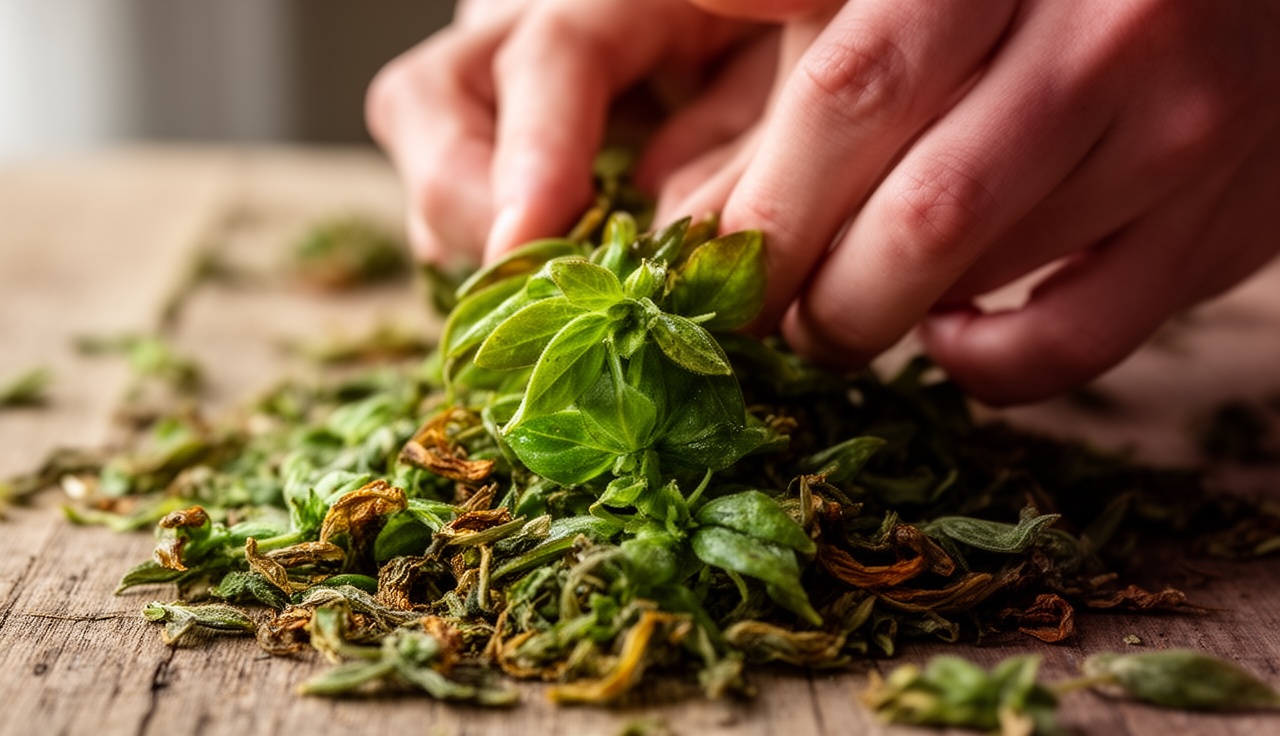
Traditional fermentation of kanna is more than cultural ritual—it changes the chemistry of the plant in ways that affect both efficacy and safety:
-
Chemical Conversion
Fermentation shifts the alkaloid profile, including conversion of mesembrine into delta-7 mesembrenone, which may have stronger psychoactive activity. -
Better Mucosal Absorption
Fermented plant material appears to absorb more readily through the mouth and nasal mucosa (important for chewing and snuff-style use). -
Reduced Oxalates
Raw kanna contains calcium oxalate crystals at levels similar to spinach or kale. Fermentation and drying reduce this burden through microbial degradation of microplastics and other compounds, which may make kougoed gentler on the kidneys and digestive system.
Some modern standardized kanna extract products mimic this fermentation step before extraction.
How Kanna Extract Works In The Brain And Body
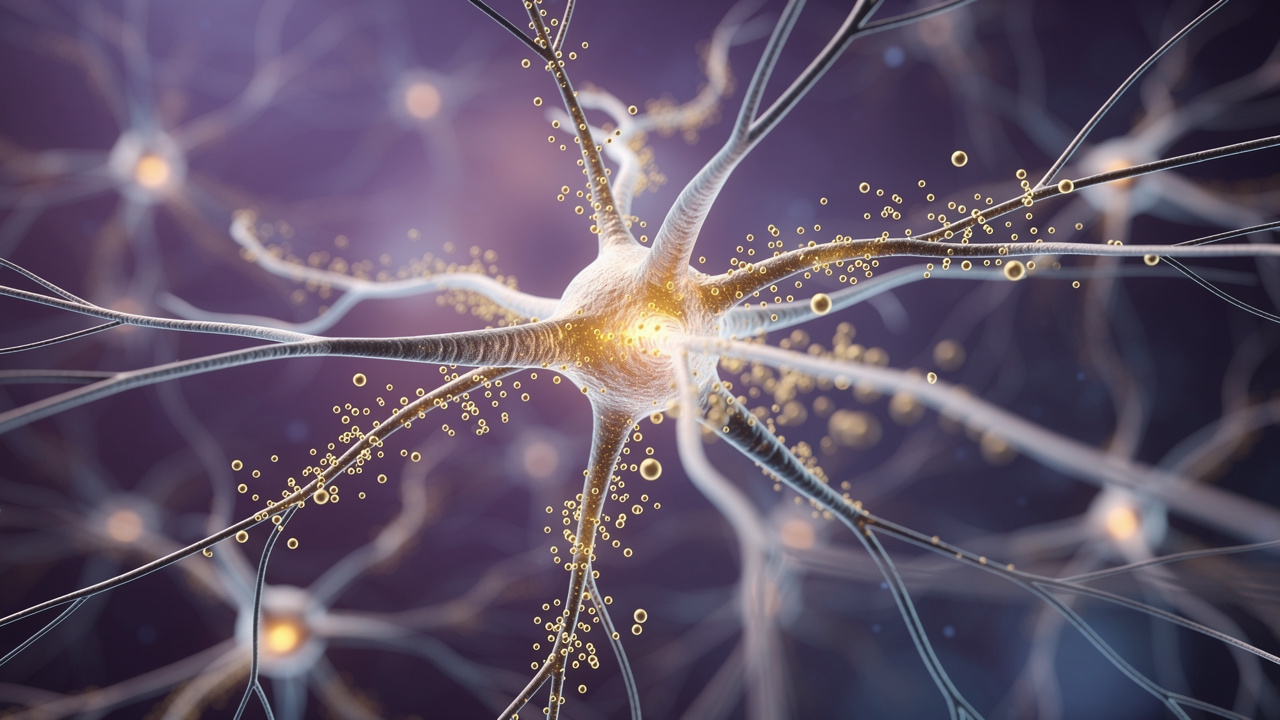
Kanna extract does not act through a single pathway. Its alkaloids influence several neurotransmitter systems and signaling cascades, which together help explain reported effects on mood, stress, and clarity.
1. Serotonin Reuptake Inhibition (SRI)
Alkaloids such as mesembrine and mesembrenone bind to the serotonin transporter (SERT), slowing the reuptake of serotonin from the synapse back into neurons. This can:
-
Increase serotonin availability in key brain regions
-
Support a calmer, brighter mood
-
Reduce perceived stress and worried thinking
This pathway resembles how SSRI antidepressants work, but kanna extract is usually taken in lower doses and shorter time frames in wellness contexts.
2. Monoamine Release Via VMAT-2
Research on high-mesembrine extracts suggests kanna may also act as a monoamine releasing agent by upregulating the vesicular monoamine transporter-2 (VMAT-2). VMAT-2 packs neurotransmitters into vesicles for release into the synapse.
Upregulating VMAT-2 may:
-
Increase release of serotonin, dopamine, and norepinephrine
-
Add a subtle energizing or motivation-supportive element
-
Amplify mood effects beyond serotonin reuptake alone
This blend—supporting monoamine release while slowing reuptake—helps explain why kanna extract can feel both calming and gently uplifting.
3. PDE4 Inhibition And cAMP Signaling
Mesembrenone and related alkaloids inhibit phosphodiesterase-4 (PDE4), an enzyme that breaks down cyclic AMP (cAMP), a key messenger inside neurons.
Higher cAMP levels are associated with:
-
Better synaptic plasticity
-
Improvements in learning, memory, and executive function
-
Potential neuroprotective effects
This PDE4 activity has made kanna extract (especially standardized versions like Zembrin®) a candidate for research in cognitive performance and early neurodegenerative conditions.
4. Additional Mechanisms
Kanna extract also shows several secondary actions:
-
Mild acetylcholinesterase inhibition, which can support attention and memory
-
Mild MAO-A inhibition, contributing further to monoamine availability
-
CB1 receptor blockade, interacting with the endocannabinoid system and possibly influencing pain, appetite, and mood
-
CYP17A1 inhibition, whose significance is still being explored
Together, these actions give kanna extract a multi-target profile: support for mood and stress resilience, with a secondary impact on cognitive clarity and mental performance.
Evidence-Based Benefits Of Kanna Extract
Most modern human research uses standardized kanna extract (often Zembrin®) in healthy adults. The evidence base is still small, but several themes are emerging—along with important caveats.
Mood, Stress, And Anxiety

Studies and user reports suggest that kanna extract may:
-
Promote a calm, “all is okay” mood state
-
Reduce tension and worry in stressful situations
-
Support a more positive outlook without strong sedation
Acute dosing has been shown in neuroimaging studies to reduce activity in the amygdala (a key fear center) and its connection to the hypothalamus, consistent with reduced anxiety signaling.
A 2023 meta-analysis of four randomized clinical trials (117 adults), however, found no statistically significant difference in anxiety reduction between kanna extract and placebo. This does not prove kanna extract has no effect—it may simply reflect small, underpowered studies—but it does mean claims about treating anxiety disorders should be cautious.
“Current data on Sceletium tortuosum are promising yet preliminary; it should not be viewed as a stand‑alone treatment for clinical anxiety or depression.” – Summary of findings based on Smith & Louw (2016)
Cognitive Function And Mental Clarity
Through PDE4 inhibition and other mechanisms, kanna extract may support:
-
Attention and working memory during demanding cognitive tasks
-
Executive function, such as planning and decision-making
-
Subjective mental clarity and focus
Small proof-of-concept studies report improvements in tasks that require sustained concentration and quick visual tracking. These findings have made kanna extract interesting to busy professionals and students seeking to stay sharp without heavy stimulants.
Traditional And Additional Effects
Based on both historical use and emerging research, kanna extract may also:
-
Support sleep indirectly by easing pre-sleep mental chatter
-
Act as a mild analgesic, particularly for toothache and abdominal discomfort (reported in traditional use)
-
Reduce appetite and thirst, which helped hunters endure long days in harsh environments
None of these effects are yet backed by large, long-term clinical trials, but they align with both traditional records and known pharmacology.
Modern Forms And Use Cases For Kanna Extract
Modern kanna extract products range from traditional-style powders to highly standardized capsules and kanna nasal spray.
Kanna Nasal Spray: Fast Onset
Intranasal delivery has gained attention because the nasal mucosa allows rapid absorption into the bloodstream and, by extension, the brain.
Common reasons people reach for kanna nasal spray include:
-
Acute stress (public speaking, intense work blocks, travel anxiety)
-
Desire for rapid mood brightening and mental clarity
-
Stack testing alongside ingredients like theanine
Because onset can be quick, kanna nasal spray tends to be used situationally rather than as a daily baseline supplement.
Capsules, Tablets, And Tinctures
Oral kanna extract remains the most widely used format:
-
Standardized Capsules/Tablets
Provide a fixed dose of standardized extract (often a branded kanna extract such as Zembrin®) with known mesembrine-type alkaloid content. These are the forms most often studied in clinical trials. -
Tinctures
Alcohol-based extracts that can be taken directly or mixed with water. Dosing is more flexible but less standardized unless the manufacturer publishes detailed testing.
Well-designed formulas sometimes combine kanna extract with:
-
Theanine for calm focus
-
Other mood-supportive nutrients for “Bliss Mood Support” blends
-
Cognitive-support ingredients aimed at clarity and sustained performance
On Synchronicity Health, for example, our Clarity product is often part of a broader routine for people focused on mental performance, and some users consider kanna-based supplements alongside such stacks under professional guidance.
Traditional-Style Powders, Teas, And Snuffs
Closer to historical use patterns, some users still prefer:
-
Powdered Fermented Kanna for chewing (kougoed-style), swallowing the saliva
-
Herbal Teas, using dried plant or extract dissolved in hot water
-
Snuff-Style finely ground preparations for nasal use
These routes can work but are more variable in dose and composition than standardized kanna extract products.
Safety, Side Effects, And Interactions
Kanna extract appears to have a relatively wide safety margin in animal studies and traditional human use, but there are important considerations, especially for people already taking serotonergic agents.
Common, Usually Mild Side Effects
Some supplement users report:
-
Headache
-
Nausea or mild gastrointestinal upset
-
Drowsiness or fatigue
-
Occasional dizziness or difficulty concentrating
These effects are typically dose-related and often ease when the dose is reduced or the product is discontinued.
High Doses, Overuse, And Tolerance
Taking large amounts of kanna extract does not necessarily increase benefits. Instead, users may notice:
-
More anxiety or agitation instead of “bliss”
-
Stomach pain or digestive discomfort
-
Reduced response over time (tolerance) that is not solved by further dose increases
“With serotonergic herbs, the dose that helps is often much lower than the dose that causes trouble.” – Common guidance in clinical herbalism
Kanna extract is best approached with conservative dosing, especially for daily use.
Critical Drug Interactions: Serotonin Syndrome Risk
Because kanna extract affects serotonin and other monoamines, the most serious risks arise when it is combined with other serotonergic substances.
People should avoid combining kanna extract with:
-
SSRI antidepressants (e.g., sertraline, fluoxetine)
-
MAO inhibitors (MAOIs)
-
5-HTP or tryptophan supplements
-
MDMA (“ecstasy”) or other strong serotonergic drugs
-
Other agents known to significantly raise serotonin
These combinations can raise the risk of serotonin syndrome, a potentially life-threatening condition marked by:
-
Fever, sweating, and shivering
-
Agitation and confusion
-
Rapid heart rate and elevated blood pressure
-
Muscle rigidity or tremor
-
In severe cases, seizures or loss of consciousness
Anyone experiencing these symptoms after combining products should seek emergency care immediately.
Special Populations
Because high-quality safety data are limited, the following groups should generally avoid kanna extract unless a qualified clinician advises otherwise:
-
Pregnant or breastfeeding women
-
Children and adolescents
-
People with serious cardiovascular disease
-
Individuals with a history of substance abuse, due to the risk of drug-seeking patterns even with non-addictive agents
Adulteration And Product Quality
Another real-world risk is adulteration. Lab analyses of some products sold as kanna extract have found undeclared stimulants such as hordenine and ephedrine alkaloids. These compounds can:
-
Raise blood pressure and heart rate
-
Pose serious cardiovascular risks
-
Create issues for athletes subject to anti-doping rules or military personnel
For anyone—including athletes and service members—seeking mood support or mental clarity, third-party testing and transparent labeling should be non-negotiable.
Dosing, Quality, And How To Choose A Kanna Extract
Because kanna extract products vary widely, quality and dose matter more than with many simpler botanicals.
Choosing A Product
Look for:
-
Standardized Extract
Clear labeling of alkaloid content (especially mesembrine-type alkaloids). Products from companies such as Synchronicity Health, which publish testing data and clear labeling, or branded kanna extracts like Zembrin®, are examples of a more transparent approach. -
Third-Party Testing
Certificates of analysis (COAs) showing identity, potency, and absence of contaminants or undeclared stimulants. -
Transparent Ingredient Lists
No vague “proprietary blends” hiding actual doses of kanna extract or stimulants.
Typical Dosing Ranges In Research
Clinical studies on standardized extracts have commonly used:
-
Roughly 25–50 mg standardized kanna extract daily in healthy adults
-
Sometimes divided into 1–2 doses, depending on the protocol
Because products differ, follow the product label and start at the low end, especially when pairing kanna extract with other mood or clarity-support ingredients such as theanine.
Work With A Professional
For people:
-
With diagnosed mood or anxiety disorders
-
Already taking psychiatric medications
-
Managing complex health conditions
discussion with a healthcare professional is essential before adding kanna extract or kanna nasal spray to a regimen.
Legal Status Of Kanna Extract
Kanna’s legal status varies by country and, in some cases, by state or province.
United States
-
Federal Level: Kanna is not scheduled as a controlled substance. Kanna extract products are typically sold as dietary supplements.
-
State Level: Some states may apply their own rules around psychoactive botanicals. Checking state regulations is important, especially for practitioners and retailers.
European Union
-
EU-Wide: Kanna is not on the central controlled substances list.
-
Member States: Rules differ. In some countries it may be freely sold in health shops; in others, access may be restricted to pharmacies or subject to novel food regulations.
Canada
-
Kanna is not classified as a controlled substance and is generally available as a supplement, subject to usual natural health product rules.
Australia And New Zealand
-
Australia: Sceletium tortuosum is classified as a Schedule 4 substance. Kanna extract typically requires a prescription.
-
New Zealand: Kanna products are generally legal and sold via natural health channels, but manufacturers and retailers must follow local supplement regulations.
Parts Of Asia
-
Japan & South Korea: Not always explicitly regulated, but kanna extract may fall under broader herbal or quasi-drug rules.
-
China: Regulatory status can be less clear; non-traditional herbal extracts can face additional scrutiny.
For clinicians and informed consumers using kanna extract for mood support or mental clarity, staying current with local regulations is important, particularly when importing products.
Kanna Extract Versus Other Plant-Based Mood Aids
Many people compare kanna extract to other natural compounds used for stress, mood, and cognitive support.
Kanna Extract Vs. Theanine
-
Theanine (from tea leaves) promotes relaxation and focus without drowsiness, largely by modulating GABA, glutamate, and dopamine.
-
Kanna extract centers more on serotonin, PDE4, and monoamine release.
Pairing kanna extract with theanine is popular in formulas that aim for calm focus and mental clarity without heavy sedation—often labeled as “Bliss Mood Support” or similar.
Kanna Extract Vs. Kava
-
Kava (from Piper methysticum) acts primarily on GABA receptors for strong relaxation and anxiolysis, but long-term, heavy use has raised concerns about liver toxicity.
-
Kanna extract offers more subtle mood and clarity support via serotonin and PDE4, with a better safety track record in available data.
Kava tends to feel more obviously sedating, while kanna extract is often described as “lighter” and more compatible with daytime tasks.
Kanna Extract Vs. St. John’s Wort
-
St. John’s Wort affects several neurotransmitters (including serotonin) and is widely used for mild to moderate depression.
-
It has many clinically significant drug interactions (including with oral contraceptives, anticoagulants, and some antivirals).
-
Kanna extract also acts on serotonin but currently appears to interact with a narrower set of medications, mainly other serotonergic agents.
For people on complex drug regimens, kanna extract may present fewer interaction concerns—but medical guidance is still advised.
Kanna And The “Natural MDMA” Myth
Kanna is sometimes marketed as “nature’s MDMA” or a legal party drug. While kanna extract can:
-
Enhance sociability
-
Reduce social tension
-
Produce mild euphoria or “bliss”
experts consistently note that the comparison to MDMA is exaggerated. One psychologist likened it to comparing a high dose of caffeine to cocaine: the magnitude and character of the effects are very different. Expecting an intense, MDMA-like experience from kanna extract is likely to lead to disappointment and risky overuse.
Current Research And Future Directions
What Studies Show So Far
Human studies using standardized kanna extract have reported:
-
Reduced amygdala reactivity and anxiety signals in neuroimaging experiments
-
Some improvements in mood and perceived stress in healthy volunteers
-
Better performance on certain cognitive and reaction-time tasks
At the same time, the 2023 meta-analysis finding no clear advantage over placebo for anxiety outcomes is an important counterweight. The clinical picture is encouraging but far from settled.
Emerging Areas Of Interest
Researchers are now exploring:
-
Longer-Term Use in mild depressive symptoms and chronic stress
-
Cognitive Effects related to PDE4 inhibition, including potential roles in early cognitive decline
-
Combination Formulas, such as kanna extract plus theanine, for multi-layered mood and clarity support
-
Novel Delivery Systems, including kanna nasal spray and other rapid-onset formats
Well-designed, independent, longer-duration trials will be key to clarifying who benefits most from kanna extract and at what doses.
Practical FAQ About Kanna Extract
How Fast Does Kanna Nasal Spray Work?
Many users report feeling effects from kanna nasal spray within minutes, with peak effects often within 15–30 minutes. Duration can range from 1–3 hours depending on dose and individual sensitivity.
Can I Combine Kanna Extract With Theanine?
For most healthy adults not taking serotonergic medications, combining kanna extract with theanine appears reasonable and is common in mood- and clarity-focused stacks. Theanine may smooth any jittery edge and deepen relaxation. Start low and pay close attention to how you respond.
Is Kanna Extract Safe For Long-Term Daily Use?
High-quality long-term human data are limited. Animal studies report a wide safety margin, but in people, most experts suggest:
-
Using the lowest effective dose
-
Taking periodic breaks
-
Working with a healthcare professional if using kanna extract beyond short trial periods
Can I Take Kanna Extract With Prescription Antidepressants?
This is generally not recommended because of overlapping serotonin effects and the risk of serotonin syndrome. Anyone on SSRIs, SNRIs, MAOIs, or other psychiatric medications should talk with their prescriber before considering kanna extract in any form.
Will Kanna Extract Help With Focus And Productivity?
Some people notice better task engagement, smoother mood during demanding work, and mental clarity, especially when kanna extract is part of a well-constructed formula. Effects are usually subtle rather than dramatic. It should not be considered a replacement for sleep, nutrition, or evidence-based treatment of attention disorders.
References And Further Reading
Researchers and healthcare professionals have provided detailed insight into the effects and applications of kanna extract. For deeper exploration:
-
Smith, J. & Louw, A. (2016).
The Pharmacological Effects Of Sceletium Tortuosum (Kanna) In Mood Enhancement And Stress Reduction. Journal of Ethnopharmacology, 190, 215–221.-
Reviews mood support properties of kanna extract and its use as a natural option for managing stress and supporting overall emotional well-being.
-
-
Bodenstein, J., Van Rooyen, J., & Bouic, P.J. (2012).
Kanna (Sceletium Tortuosum): An Overview On The Pharmacological And Neuronal Properties. Neuroscience Letters, 36(4), 233–239.-
Provides an in-depth look at neuropharmacology, including serotonin activity and implications for anxiety and depressive symptoms.
-
-
Healthcare Professionals Resource Guide (2018).
Evidence-Based Applications Of Kanna Extract. International Journal of Complementary & Alternative Medicine, 10(3), 141–156.-
Summarizes clinical applications and evidence-based uses of kanna extract in various therapeutic settings.
-
-
Maharaj, V. & Mbatha, M. (2014).
Clarity And Focus: Cognitive Benefits Of Kanna Extract. Cognitive Health Journal, 27(2), 87–93.-
Explores cognitive effects, including mental clarity and focus in healthy adults.
-
Additional suggested readings and resources include:
-
Bliss Mood Support And The Role Of Kanna – Article available on [wellnessjournal.com], discussing how kanna extract may assist with mood stabilization and emotional well-being.
-
Theanine And Kanna Nasal Spray: Synergistic Effects – Article on [integrativemedicine.com], focusing on combined use of theanine and kanna nasal spray for stress relief and calm focus.
-
Frequently Asked Questions (FAQ) About Kanna – Comprehensive FAQ addressing usage, safety, and effectiveness of kanna extract.
“The integration of Kanna extract into mood support regimes offers promising results per available clinical data, signaling broader acceptance in alternative medicine.” – Journal of Ethnopharmacology
Key Takeaways
-
Kanna extract is a standardized preparation of Sceletium tortuosum with deep traditional roots and growing scientific interest.
-
Its alkaloids act on serotonin, VMAT-2, PDE4, and other targets, supporting mood, stress resilience, and mental clarity.
-
Clinical research is encouraging but limited; current evidence does not justify treating kanna extract as a replacement for prescribed therapies.
-
Serious interactions with other serotonergic substances are possible, and quality control is essential to avoid adulterated products.
-
For health-focused individuals, athletes, and busy professionals, kanna extract—whether in capsule form or kanna nasal spray—may offer gentle support when used thoughtfully, at appropriate doses, and under informed guidance.


Leave a comment
All comments are moderated before being published.
This site is protected by hCaptcha and the hCaptcha Privacy Policy and Terms of Service apply.