

Introduction: Why Daily Glutathione Nasal Spray Is On Biohackers’ Radar
If you spend time in longevity or performance circles, you’ve probably heard people talk about glutathione nasal spray. Glutathione is often called the body’s master antioxidant because it sits at the center of detoxification, immune defense, and cellular repair.
The hard part has always been delivery. Oral glutathione is broken down in the gut, and IV infusions require appointments and needles. Intranasal delivery offers another path: a small, precise dose of glutathione nasal spray that you can use in seconds, with direct access to the rich blood supply and neural pathways inside the nose.
This guide reviews what the science shows so far, how daily use might fit into a high-performance routine, how to stack it with NAC nasal spray, NAD nasal spray, theanine nasal spray GABA, and melatonin nasal spray, and where the open questions still are. It’s written for health enthusiasts, busy professionals, athletes, and anyone curious about cellular resilience and healthy aging.
This article is educational and not a substitute for medical care. Always work with a qualified clinician before starting or changing any supplement routine.
Glutathione 101: The Master Antioxidant Your Cells Depend On

Glutathione is a small protein (tripeptide) built from cysteine, glutamate, and glycine, and research on glutathione as a skin whitening agent reveals broader insights into its antioxidant mechanisms and cellular functions. Every cell makes it, and healthy cells keep it within a finely balanced system.
Reduced Vs. Oxidized Glutathione
Glutathione circulates mainly in two forms:
-
GSH (reduced glutathione) – the active form that neutralizes reactive oxygen species (ROS) and free radicals.
-
GSSG (oxidized glutathione) – formed after GSH donates an electron.
Cells recycle GSSG back to GSH using the enzyme glutathione reductase. The GSH:GSSG ratio is a rough readout of oxidative stress:
-
A high ratio suggests resilient cells.
-
A low ratio suggests ongoing oxidative damage.
Core Roles Of Glutathione
Glutathione does far more than mop up free radicals:
-
Detoxification
-
Binds to toxins, heavy metals, and metabolic byproducts.
-
Helps convert fat-soluble compounds into water-soluble ones for excretion.
-
-
Immune Defense
-
Supports white blood cell activity.
-
Helps immune cells tolerate the oxidative burst that comes with fighting infections.
-
-
Mitochondrial Protection
-
Shields mitochondria—the cell’s “power plants”—from oxidative injury.
-
Supports steady ATP production and cellular energy.
-
-
Regulation Of Cell Lifespan
-
Participates in signaling pathways that steer cell growth and programmed cell death.
-
Helps damaged cells be removed in an orderly way.
-
-
Antioxidant Network Hub
-
Helps recycle other antioxidants such as vitamin C and vitamin E back to their active form.
-
Glutathione levels fall with age and tend to be lower in many chronic and neurodegenerative conditions. That’s one reason daily support with tools like glutathione nasal spray has caught the attention of people who care about long-term performance.
As many integrative clinicians like to say, “If antioxidants are the orchestra, glutathione is the conductor.”
Why Choose Glutathione Nasal Spray Over Pills Or IVs?
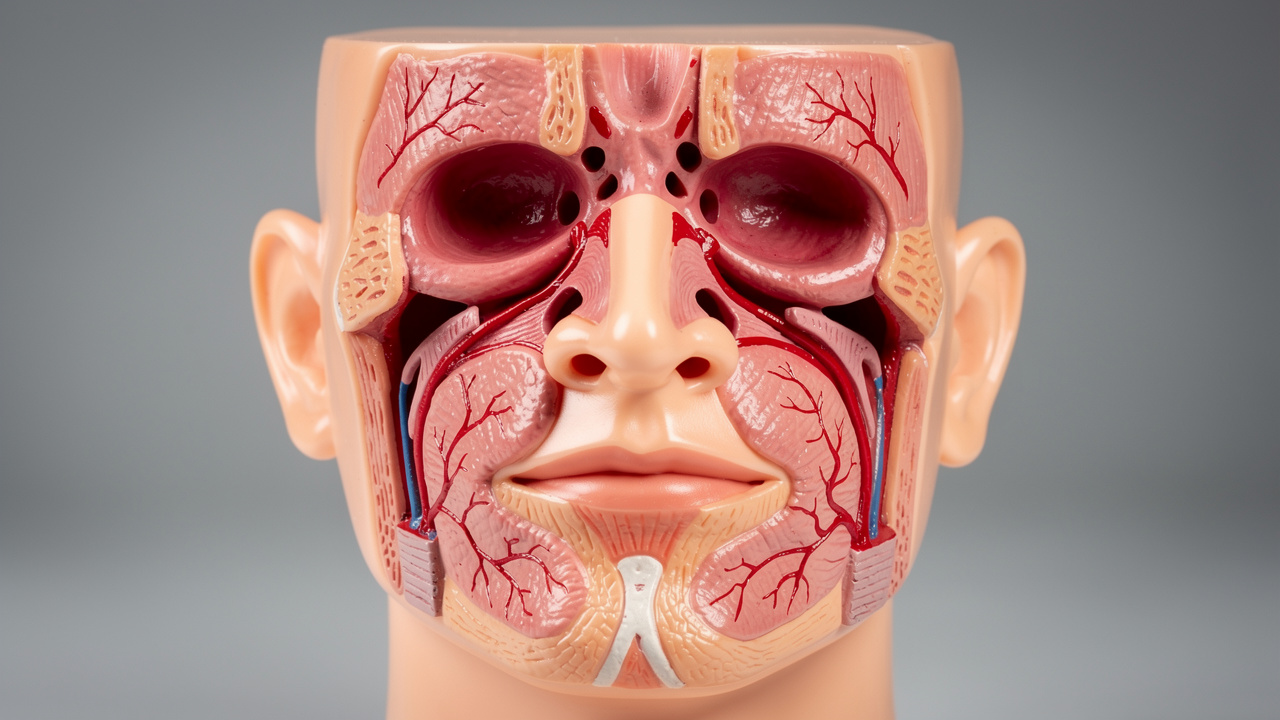
You can support glutathione with precursors (like NAC), IV infusions, liposomal products, or directly with glutathione nasal spray. Each method has pros and cons.
The Intranasal Advantage
Oral glutathione is largely broken down by digestive enzymes before it reaches the bloodstream. IV infusions bypass that issue but require time, cost, and access to a clinic.
Intranasal delivery offers:
-
Direct contact with the nasal mucosa and rich blood supply.
-
Bypass of first-pass liver metabolism.
-
Potential nose-to-brain delivery along olfactory and trigeminal nerve pathways, which may matter for brain-focused use.
For many people, glutathione nasal spray offers a practical middle ground between convenience and targeted delivery.
Intranasal Delivery: Benefits And Limitations
|
Advantages |
Limitations |
|---|---|
|
Noninvasive and quick to self-administer. |
Nasal irritation or discomfort is possible. |
|
Avoids digestive breakdown and first-pass liver metabolism. |
Nasal congestion and mucus can reduce absorption. |
|
May provide nose-to-brain access for central nervous system support. |
How evenly it spreads within the brain is not fully mapped. |
|
Helpful for local effects in nasal passages and sinuses. |
Responses vary; anatomy and baseline levels matter. |
|
No needles, appointments, or infusion chairs. |
Long-term pharmacokinetics are not fully characterized. |
Because glutathione is a small, water-soluble molecule, it is a strong candidate for intranasal use—but research is still catching up to real-world use.
What The Research Actually Shows So Far
Most science on glutathione nasal spray comes from small trials, compounded product experience, and user surveys. Findings are encouraging in some areas, but far from final.
Research reviews consistently note that intranasal glutathione “looks promising but still needs larger, well-controlled human trials.”
Neuroprotective Interest: Parkinson’s And Cognitive Health
Parkinson’s disease (PD)
-
Early PD research found a drop in glutathione in the substantia nigra, a dopamine-rich brain region.
-
Small randomized trials of intranasal glutathione used daily doses around 300–600 mg for several months.
-
These trials did not show clear advantages over placebo on standard PD scales, partly because sample sizes were small and placebo groups improved.
-
Brain imaging (¹H-MRS) saw modest increases in brain glutathione after intranasal dosing, but the size and duration of this change remain uncertain.
Alzheimer’s disease (AD) and mild cognitive impairment (MCI)
-
Lower brain glutathione has been linked with worse cognitive scores and more amyloid burden.
-
People with the APOE4 gene variant appear to have more oxidative stress and lower reduced glutathione in brain tissue.
-
Intranasal glutathione has not yet been clinically tested in AD, so any cognitive benefits are speculative.
Respiratory Health, Sinusitis, And Allergies
Glutathione is active in the respiratory tract:
-
People with chronic sinusitis often have reduced glutathione in nasal mucosa.
-
In one study using aerosolized glutathione in children with chronic ear and sinus issues, nasal tissue glutathione increased and symptoms such as obstruction and runny nose improved.
-
A safety and outcomes survey of long-term intranasal users found that almost half of those with allergies or sinusitis reported fewer sinus infections after starting therapy.
These data support why some people reach for glutathione nasal spray for sinus and upper-airway support, even though large randomized trials are still missing.
Multiple Chemical Sensitivity (MCS) And Detox Concerns
Multiple chemical sensitivity is linked with impaired detoxification and higher oxidative stress, including lower glutathione and altered glutathione-related enzymes.
-
In one user survey, MCS was the most common reason for prescription intranasal glutathione.
-
Many respondents reported improvement in symptoms.
-
People with MCS were also more likely to report sinus irritation and headaches, suggesting a more reactive group that may need extra-careful dosing.
General Wellness, Energy, And Subjective Benefits
A survey of 66 long-term intranasal glutathione users (median use ~24 months) reported:
-
78.8% had an overall positive experience.
-
62.1% reported clear health benefits they attributed to the spray.
Commonly mentioned gains included:
-
Better general sense of well-being.
-
More consistent energy.
-
Fewer sinus infections and headaches.
-
Improved sense of smell.
These are self-reported, so they come with obvious limits (no control group, selection bias), but they help explain interest in daily use among health-focused individuals.
How To Use Glutathione Nasal Spray In A Daily Routine

To get the most from glutathione nasal spray, consistency and technique matter as much as dose.
When To Use It
Timing depends on your goals, response, and what else you’re using.
Common patterns:
-
Morning
-
Popular with busy professionals, biohackers, and athletes who want antioxidant and detox support during the day.
-
Sometimes paired with NAD nasal spray earlier in the morning for cellular energy support.
-
-
Midday
-
Used on high-stress or high-output days (heavy training, deep-focus work).
-
Often spaced at least 30 minutes away from other intranasal products.
-
-
Evening
-
Some people pair glutathione nasal spray with melatonin nasal spray 30–60 minutes before bed for nighttime cellular repair and sleep quality.
-
Those who feel stimulated by NAD+ tend to keep NAD in the morning and reserve evenings for glutathione plus sleep-supportive options such as melatonin nasal spray or theanine nasal spray GABA.
-
Step-By-Step Administration
-
Prepare The Spray
-
Wash your hands.
-
Gently shake the bottle.
-
-
Position Your Head
-
Sit or stand upright.
-
Tilt your head slightly forward so the mist stays in the nasal cavity.
-
-
Administer The Spray
-
Exhale gently.
-
Insert the nozzle just inside one nostril, aiming slightly outward (away from the septum).
-
Press the pump while inhaling lightly through the nose.
-
Repeat on the other side if directed.
-
-
After The Spray
-
Avoid blowing your nose for several minutes.
-
Stay upright for 5–10 minutes to support absorption.
-
If you use multiple sprays—such as NAC nasal spray, NAD nasal spray, theanine nasal spray GABA, or melatonin nasal spray—space them by at least 20–30 minutes unless your clinician suggests otherwise.
Dosing Principles And Personalization
There is no universal, evidence-based “best dose” for glutathione nasal spray. Research and real-world use offer some guideposts, but personalization matters.
What Influences Your Ideal Dose?
Key factors include:
-
Goal of use
Detox and antioxidant support vs. neuroprotective aims vs. respiratory support. -
Body size and metabolism
Larger or more active individuals may respond differently than smaller or highly sensitive users. -
Current health status
Chronic illness, autoimmune disease, or heavy toxic exposures may shift both need and tolerance. -
Other supplements and medications
Antioxidants, NAC nasal spray, NAD nasal spray, and prescriptions can all interact with glutathione pathways.
What Studies Have Tried
In Parkinson’s trials, intranasal glutathione was typically dosed at:
-
100–200 mg per dose, three times daily
→ Total: 300–600 mg per day
These regimens were generally well-tolerated but did not show clear clinical benefits over placebo, and researchers suspect dose, frequency, or trial design may have played a role.
Practical Starting Framework
Always follow the product label and your clinician’s instructions. A common approach for healthy adults working with a practitioner is:
-
Start with a low dose (for example, 1–2 sprays total per day).
-
Hold that dose for 1–2 weeks while tracking:
-
Nasal comfort.
-
Sleep, energy, and mood.
-
Any unusual symptoms (headache, palpitations, dizziness).
-
-
Adjust slowly only if well tolerated and if your clinician agrees.
Because very high antioxidant intake has theoretical downsides (including rare reports of reductive stress), more is not always better.
Safety, Side Effects, And Important Precautions
Most people in trials and surveys found glutathione nasal spray reasonably comfortable and easy to use. Still, no intervention is risk-free.
Commonly Reported Side Effects
The most frequent issues are local and mild:
-
Nasal or sinus irritation (stinging, burning, dryness).
-
Runny nose or temporary congestion.
-
Mild headache.
-
Occasional nosebleeds, especially in people prone to dryness or irritation.
These often improve with dose changes, better technique, or pausing use.
Less Common But Important Considerations
-
Tachycardia and cardiac concerns
-
In one Parkinson’s trial, a participant on a higher dose (~600 mg/day) developed cardiomyopathy and a fast heart rate that resolved after stopping treatment.
-
Researchers raised the possibility of reductive stress—a state where antioxidant levels become excessively high and stress heart cells.
-
-
Heightened sensitivity in MCS
-
People with multiple chemical sensitivity reported more sinus irritation and headaches than other users in survey data.
-
This group may require especially cautious, low-and-slow dosing—if they use intranasal glutathione at all.
-
Who Should Be Especially Careful Or Avoid Use?
Work closely with a knowledgeable clinician if you:
-
Have chronic nasal or sinus disease, frequent nosebleeds, or a history of nasal surgery.
-
Are pregnant, trying to conceive, or breastfeeding (data are very limited).
-
Have significant cardiovascular disease or arrhythmias.
-
Are under 18 years old (pediatric use should be supervised by a specialist).
-
Have known allergies to any ingredient in the formulation.
If you experience new chest pain, rapid heart rate, severe headache, or breathing difficulty after starting glutathione nasal spray, stop use and seek medical care right away.
Who Daily Glutathione Nasal Spray May Be Most Relevant For
Daily or regular use of glutathione nasal spray is being explored by several groups, often with practitioner guidance.
1. Health Optimization Enthusiasts And Biohackers
People who track labs, HRV, and recovery often view glutathione as a central antioxidant. They may use intranasal delivery as part of a wider protocol that includes NAC nasal spray, NAD nasal spray, targeted nutrition, and lifestyle steps.
2. Busy Professionals And High Performers
Those in cognitively demanding roles sometimes report:
-
More stable daytime energy.
-
Less “brain fog.”
-
Better resilience to intense workweeks.
Clinical data for cognitive performance are limited, but mechanisms (oxidative stress and mitochondrial support) make glutathione nasal spray interesting for this group.
3. Athletes And Physically Demanding Lifestyles
Hard training produces significant oxidative stress. Some athletes use intranasal glutathione:
-
On heavy training days to support recovery.
-
Alongside NAD nasal spray or NAC nasal spray for energy metabolism and respiratory comfort.
Sports-specific trials are sparse, so this remains an experimental strategy.
4. Older Adults Focused On Longevity
Endogenous glutathione tends to decline with age. Older adults interested in healthy aging sometimes work with clinicians to include glutathione nasal spray in long-term plans that also emphasize:
-
Protein-rich, nutrient-dense diets.
-
Strength training and regular movement.
-
Good sleep and stress management.
-
In some cases, NAD nasal spray for mitochondrial support.
5. People With High Environmental Or Occupational Exposures
Those regularly exposed to pollutants, solvents, or heavy metals may be drawn to glutathione’s detox role. For this group, nasal delivery is sometimes used to:
-
Support respiratory mucosa directly.
-
Complement systemic strategies such as precursors (e.g., NAC nasal spray) and lifestyle detox practices.
Use in the setting of chronic disease should always be medically supervised.
Stacking Glutathione Nasal Spray With Other Nasal Sprays And Therapies
Many users do not rely on glutathione nasal spray alone. They combine it with other targeted sprays in “stacks.” This should be done thoughtfully.
NAC Nasal Spray
NAC (N-acetylcysteine):
-
Is a direct precursor to glutathione.
-
Has its own respiratory effects, including mucus-thinning properties.
Why pair it?
-
NAC nasal spray may support the body’s own glutathione production, while glutathione nasal spray supplies glutathione directly to nasal tissues and potentially systemically.
-
This pairing is often considered for sinus, allergy, or general detox support.
NAD Nasal Spray
NAD (nicotinamide adenine dinucleotide):
-
Is central to cellular energy production and mitochondrial function.
-
Declines with age and metabolic stress.
Why pair it?
-
NAD nasal spray may support ATP generation, while glutathione helps protect mitochondria from oxidative stress.
-
This combination is popular in longevity and performance communities for perceived energy and recovery benefits.
Theanine Nasal Spray GABA
Theanine and GABA are calming compounds that may:
-
Promote relaxation without heavy sedation.
-
Support focus in some individuals.
Why pair it?
-
Theanine nasal spray GABA may help ease stress and nervous system overactivity.
-
Using it with glutathione lets you address both cellular stress (oxidative) and psychological stress.
Melatonin Nasal Spray
Melatonin:
-
Regulates circadian rhythm and sleep-wake cycles.
-
Has antioxidant actions, especially in the brain.
Why pair it?
-
Evening melatonin nasal spray can support sleep onset and quality.
-
Combined with glutathione, it may help support nighttime cellular repair and detox processes.
Important: Layering multiple sprays increases overall exposure to active compounds. Always discuss timing, dosing, and interactions with a clinician familiar with intranasal therapies.
How To Choose A High-Quality Glutathione Nasal Spray
Not all intranasal products are the same. Because these sprays bypass the gut and contact sensitive nasal tissue, quality is essential.
When evaluating a glutathione nasal spray such as Synchronicity Health’s formulation, look for:
Clear, Transparent Labeling
-
Exact glutathione amount per spray or per mL.
-
Full ingredient list, including preservatives and stabilizers.
-
Indication that the product contains reduced glutathione (GSH), the active antioxidant form.
If glutathione is combined with other actives (such as theanine for GABA support), make sure each component has a reasonable dose and at least some supportive evidence for intranasal use.
Third-Party Testing And Stability
-
Independent testing for potency and purity.
-
Data on stability over time (for compounded products, stability of reduced glutathione over 30–60 days is particularly important).
Compounded preparations used in research have shown over 94% stability at 60 days when properly formulated and stored, which supports consistent dosing over typical use periods.
Expertise In Nasal Delivery
Look for:
-
Products developed or compounded by teams with experience in intranasal therapies.
-
Attention to solution tonicity and pH to limit irritation.
-
Clear instructions on storage, handling, and discard dates.
Reputable brands also tend to offer solid education on NAC nasal spray supplements, NAD nasal spray, theanine nasal spray GABA, and melatonin nasal spray, and are open about what is known—and what is still unknown—from the literature.
Frequently Asked Questions About Glutathione Nasal Spray
1. What Is Glutathione Nasal Spray Used For?
Glutathione nasal spray delivers reduced glutathione directly to the nasal mucosa to:
-
Support antioxidant defenses.
-
Assist detoxification pathways.
-
Support immune function.
-
Potentially help with sinus comfort and overall cellular resilience.
Some clinicians also explore it for brain-related goals, but large, definitive trials are still pending.
2. How Is NAC Nasal Spray Different From Glutathione Nasal Spray?
-
NAC nasal spray
-
Supplies N-acetylcysteine, a precursor used to build glutathione inside cells.
-
Has mucus-thinning and respiratory benefits.
-
-
Glutathione nasal spray
-
Delivers glutathione itself in its active reduced form.
-
Many protocols use both: NAC to support internal production, and glutathione for immediate antioxidant presence.
3. Is Glutathione Nasal Spray Safe For Daily Use?
Short- and medium-term use in trials and surveys appears generally well-tolerated when dosed appropriately. However:
-
Long-term data are still limited.
-
High doses may carry theoretical risks, including reductive stress.
-
People with complex health conditions should use glutathione nasal spray only under medical supervision.
4. Can I Combine Glutathione Nasal Spray With Other Nasal Products?
Yes, many people stack it with:
-
NAC nasal spray
-
NAD nasal spray
-
Theanine nasal spray GABA
-
Melatonin nasal spray
To reduce the chance of irritation or interactions:
-
Space different sprays by at least 20–30 minutes.
-
Start with low doses.
-
Coordinate stacking plans with a clinician.
5. How Does Melatonin Nasal Spray Compare?
Melatonin nasal spray focuses on sleep and circadian rhythm, not detoxification. It may:
-
Help with sleep onset and timing.
-
Provide its own antioxidant support in the brain.
Glutathione supports detoxification and redox balance. Many users see them as complementary rather than either–or.
6. What Side Effects Should I Watch For?
Most side effects are mild and nasal:
-
Irritation or burning.
-
Congestion or runny nose.
-
Mild headache.
-
Occasional nosebleeds.
If you notice chest pain, fast heart rate, breathing difficulty, or severe headaches, stop use and seek medical help.
7. Who Should Avoid Glutathione Nasal Spray?
Extra caution or avoidance is advised for:
-
People with frequent nosebleeds or significant nasal disease.
-
Those with serious heart conditions, unless cleared by a specialist.
-
Children and adolescents, unless under pediatric supervision.
-
Anyone allergic to glutathione or other ingredients in the spray.
Pregnant or breastfeeding individuals should discuss risks and benefits carefully with their healthcare provider.
8. How Should I Store My Nasal Sprays?
General storage tips:
-
Keep in a cool, dry place away from direct sunlight.
-
Follow temperature and discard-date instructions on the label.
-
Avoid leaving glutathione nasal spray or other nasal sprays in hot cars or steamy bathrooms.
-
Wipe the nozzle regularly and keep the cap on to limit contamination.
Putting It All Together: Building A Thoughtful Daily Strategy
Daily use of glutathione nasal spray sits at the intersection of emerging science and real-world experience. Mechanistically, it makes sense: glutathione is central to detoxification, mitochondrial protection, and antioxidant defense, and the nasal route offers a practical way to bypass digestive breakdown and possibly reach brain and respiratory tissues more directly.
At the same time, research is still developing. Trials so far are small and sometimes inconclusive, and the ideal dose, schedule, and stacking approach remain open questions.
If you decide to explore glutathione nasal spray—for performance, recovery, healthy aging, or respiratory support—use a simple framework:
-
Work with a clinician who understands intranasal therapies.
-
Start low, increase slowly, and track your response.
-
Watch both nasal comfort and whole-body symptoms.
-
Be selective about product quality and formulation.
-
Remember that glutathione is just one tool among many: nutrition, sleep, movement, and stress management still carry the most weight.
As Nobel laureate Albert Szent-Györgyi put it, “Life is nothing but an electron looking for a place to rest.” Supporting healthy redox balance with thoughtful strategies like intranasal glutathione is one way to help those electrons find the right place.


Leave a comment
All comments are moderated before being published.
This site is protected by hCaptcha and the hCaptcha Privacy Policy and Terms of Service apply.