
Theobromine Vs Caffeine: A Complete Guide To Their Impact
If you rely on coffee to push through long days but keep hearing about ceremonial cacao, mushroom cocoa, and theobromine, you might wonder how theobromine vs caffeine really compare. Both compounds can sharpen focus and mental clarity, yet they feel very different in real-world use.

Featured in this article
Mushroom CacaoA mushroom hot chocolate made with cocoa and cacao, with 500 mg each of lion's mane and cordyceps per serving and 0g sugar.
Shop Mushroom CacaoThird-party tested ingredients. 15 calories per serving.
For biohackers, busy professionals, athletes, and anyone thinking about healthy aging, understanding theobromine vs caffeine is more than a chemistry lesson. It is about choosing the right stimulant profile for your brain, cardiovascular system, sleep, and recovery.
This guide breaks down how theobromine and caffeine work, how they are absorbed, where they show up in foods and supplements, and how to stack them intelligently, so you can match your stimulant strategy to your performance and wellness goals.
Quick Comparison: Theobromine Vs Caffeine
Before going deeper, here is a high-level look at how these two methylxanthines differ.
|
Feature |
Theobromine |
Caffeine |
|---|---|---|
|
Main natural source |
Cacao (ceremonial cacao, dark chocolate) |
Coffee, tea, many energy drinks & preworkouts |
|
Primary target system |
Cardiovascular & respiratory systems |
Central nervous system |
|
Ability to cross blood-brain barrier |
Limited |
High |
|
Typical subjective feel |
Gentle, steady “alert calmness” |
Fast, sharp stimulation (“coffee buzz”) |
|
Onset of effects |
1.5 to 3 hours after ingestion |
15 to 45 minutes after ingestion |
|
Half-life (how long it lasts) |
~6 to 8 hours |
~2.5 to 5 hours |
|
Blood pressure effect |
Tends to widen vessels; may lower pressure |
Often increases blood pressure short term |
|
Dependence potential |
Low, no classic withdrawal pattern |
Higher; withdrawal (headache, fatigue, irritability) is common |
|
Best suited for |
Smooth, long work blocks; cacao rituals; cardio support |
Short, intense focus; pre-workout; acute performance |
Stimulants are tools, not crutches. The more you understand how they work, the more control you have over your day.
What Are Theobromine And Caffeine?
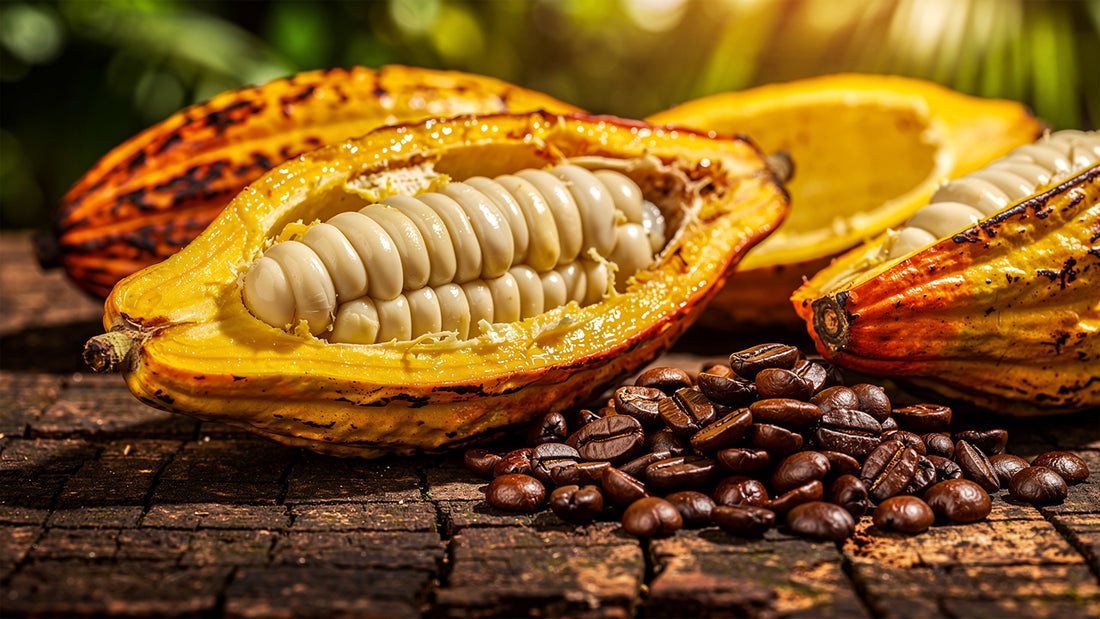
Theobromine and caffeine are methylxanthines, a family of naturally occurring alkaloids found in cacao, coffee, tea, yerba mate, and other botanicals. Chemically, they look almost identical, but that “almost” makes a big difference in how they affect your body and brain.
Chemical Structure And Classification
- Theobromine is known as 3,7-dimethylxanthine with the formula C₇H₈N₄O₂.
- Caffeine is 1,3,7-trimethylxanthine with the formula C₈H₁₀N₄O₂.
The key distinction: caffeine has one extra methyl group. That small structural change greatly improves its ability to cross the blood-brain barrier and bind to adenosine receptors in the brain. Theobromine, with one fewer methyl group, interacts more with the heart, blood vessels, and lungs than with the central nervous system.
That is why equal milligram doses can feel so different. Caffeine tends to deliver a sharp, head-centered jolt; theobromine is more body-centered and gradual, even when both appear together in products designed for energy and mental clarity.
Pharmacokinetics: How Your Body Handles Each
How fast a compound is absorbed, how long it sticks around, and how your liver breaks it down all shape the experience of theobromine vs caffeine.
Absorption And Onset
- Caffeine is highly water-soluble and absorbs quickly through the gut. Blood levels usually peak 30 to 40 minutes after a cup of coffee, which is why the effect feels fast.
- Theobromine is more fat-soluble and absorbs slowly. After a cacao drink or dark chocolate, peak blood levels may not appear until 2 to 3 hours later. When theobromine is delivered with cacao butter and other fats, this acts like a natural time-release system.
Half-Life And Duration
- Caffeine has a half-life of about 2.5 to 5 hours in most adults, so its most intense effects fade within a few hours.
- Theobromine has a half-life of about 6 to 8 hours, making its energy curve gentler but more extended.
Metabolism And Genetic Differences
Both compounds are processed mainly in the liver by enzymes such as CYP1A2. Your genetics strongly influence how fast these enzymes work:
- Fast metabolizers clear caffeine quickly and may tolerate higher intakes.
- Slow metabolizers feel wired or jittery on relatively small doses.
Your liver also turns part of the caffeine you take in into theobromine, though most of it becomes paraxanthine, so every cup of coffee comes with a small secondary amount of theobromine.
Mechanisms Of Action: Brain Vs Body
The contrast between theobromine vs caffeine shows up most clearly in where they act.
Caffeine: Central Nervous System Stimulant
Caffeine’s main action is on the brain:
- Adenosine receptor blockade (A₁ and A₂A): Adenosine builds up during the day and signals fatigue. Caffeine occupies these receptors, blocking that “tired” message.
- Catecholamine release: This blockade triggers more adrenaline and noradrenaline, increasing heart rate and preparing the body for “fight or flight.”
- Dopamine modulation: Caffeine slightly boosts dopamine signaling in certain brain regions, which can lift mood and motivation.
The result is a familiar profile: quicker reaction times, sharper focus, and less perceived effort, often accompanied by jitteriness or an energy crash if the dose is too high.
To soften the edges of caffeine, many people pair it with L-theanine, an amino acid that promotes calm focus. This combination can come from green tea or targeted delivery systems such as theanine nasal spray, which offer a faster-onset route for theanine without adding more oral stimulants.
Theobromine: Cardiovascular And Respiratory Focus
Theobromine has weaker action on brain adenosine receptors and limited ability to cross the blood-brain barrier, as demonstrated in research on the Psychopharmacology of theobromine in healthy volunteers. Its primary effects are peripheral:
- Vasodilation: Theobromine relaxes smooth muscle in blood vessel walls, widening them and improving circulation. This can support healthy blood pressure while slightly increasing heart rate.
- Bronchodilation: It relaxes the smooth muscle in the airways, opening bronchial passages and supporting easier breathing.
- Mild cardiac stimulation: Theobromine can make the heart beat a bit faster and more strongly, but generally without the overstimulation that many people feel from caffeine.
These effects are most noticeable when theobromine is taken in cacao-rich drinks or mushroom cocoa blends that combine cacao with adaptogens like lion’s mane, reishi, and cordyceps. The mushrooms support resilience and focus, while theobromine provides smooth, sustained energy.
Shared Effects And Smart Stacks
Both caffeine and theobromine:
- Act as mild diuretics, increasing urine output
- Influence vascular tone and heart rate
- Interact with adenosine signaling in different ways
Because their strengths differ, many high-performance users combine lower doses of each instead of pushing one compound to extremes. Some pair stimulant intake with cellular-energy support such as NAD nasal spray to support NAD⁺ levels and mitochondrial function while relying on methylxanthines for acute performance.
Others prefer stimulant-free nootropic blends like Clarity Capsules, which bring together nootropics, adaptogens, and functional mushrooms so focus, mood, and brain health are supported on multiple levels rather than through stimulation.
The best stimulant stack is the one that sharpens your mind while keeping your nervous system steady.
For the theobromine and caffeine in a tablespoon of natural and Dutch-process cocoa, see our guide to cacao vs cocoa.
For the nutrients in a spoonful of cacao, see cacao benefits.
Featured in this article
Mushroom CacaoA mushroom hot chocolate made with cocoa and cacao, with 500 mg each of lion's mane and cordyceps per serving and 0g sugar.
Shop Mushroom CacaoThird-party tested ingredients. 15 calories per serving.
Natural Sources, Typical Content, And Dosing
Understanding where theobromine and caffeine show up, and in what amounts, helps you design a smarter energy strategy.
Where Caffeine Shows Up
Main dietary sources include:
- Coffee: About 95 to 200 mg per 8 oz, depending on bean type and brewing method
- Tea (green, black, oolong): Roughly 30 to 70 mg per cup
- Energy drinks and pre-workouts: Often 150 to 300+ mg per serving
- Some nootropic and focus formulas: Moderate caffeine doses are often combined with L-theanine, B₁₂, and other brain nutrients
If you are already taking caffeine in supplements or pre-workouts, it is important to count that toward your daily total from coffee, tea, and energy drinks.
Where Theobromine Shows Up
Theobromine’s signature home is cacao:
- Ceremonial cacao (1 oz / ~28 g): Commonly contains around 300 to 470 mg theobromine with 60 to 145 mg caffeine
- Dark chocolate (70 to 85%): Often 60 to 120 mg theobromine and 20 to 30 mg caffeine per ounce
- Cocoa powder: Varies by processing, but typically provides more theobromine than caffeine
Cacao usually has a theobromine-to-caffeine ratio between 6:1 and 10:1, which helps explain why cacao-based drinks feel smoother and less “spiky” than coffee, even when both contain similar total stimulant content.
You will also find smaller amounts of theobromine in:
- Tea from Camellia sinensis
- Yerba mate
- Guarana
- Carob
Many people now use cacao or mushroom cocoa as a base, then layer in adaptogens like lion’s mane, cordyceps, or reishi. This approach leans on theobromine for gentle stimulation while the mushrooms support cognition, stress resilience, and recovery.
If the drop after coffee is what you want to avoid, our guide to the caffeine crash covers the causes and what helps.
Is There Theobromine In Coffee?
Only a trace. Inside the coffee plant, theobromine is a step on the way to caffeine: the plant builds theobromine and then adds one more methyl group to turn it into caffeine (Ashihara et al., 2008). That is why so little theobromine is left in the bean. In an analysis of Arabica green coffee beans from Kenya, Ethiopia, Brazil and Colombia, caffeine made up 99.8% of the methylxanthines and theobromine only 0.2% (Baeza et al., 2016).
Coffee drinkers still end up with some theobromine in their blood. The liver breaks caffeine down mainly into paraxanthine, with theobromine and theophylline as additional products (Grzegorzewski et al., 2022). So a cup of coffee gives you a small, indirect amount of theobromine, made in your own body from the caffeine.
If you want theobromine itself, cacao is the place to look. In a study of foods sold in Spain, dark chocolates held 4 to 10 mg of theobromine per gram, while an espresso held 88 to 116 mg of caffeine (Sanchez, 2017). That is why a cacao drink and a coffee feel so different, even though both contain methylxanthines.
To see how these two compounds play out in a cup, our guide to cacao vs coffee compares the two drinks, from caffeine content to sleep timing.
Subjective Experience: How Theobromine Vs Caffeine Feel

If you have ever felt coffee jitters but experienced a warm, expansive calm from a ceremonial cacao drink, you already know that theobromine vs caffeine is about more than milligram counts.
The Caffeine “Buzz”
Common effects of caffeine include:
- Faster thinking and quicker reactions
- Higher motivation to start and finish tasks
- Reduced perception of effort during workouts
At moderate to high doses or in sensitive individuals, caffeine can also create:
- Anxiety, restlessness, and racing thoughts
- Noticeable heart pounding or palpitations
- A sharp “crash” as blood levels drop
- Tolerance and dependence, with withdrawal symptoms like headache and fatigue
The Theobromine “Cacao High”
Theobromine’s psychoactive effects are subtler. Compared with caffeine, its effects tend to be:
- A sense of “alert calmness” rather than wired stimulation
- Gentle lift in mood and social openness
- Soft, sustained energy that supports long creative or reflective sessions
In cacao, theobromine’s action is buffered by many other bioactive compounds, including:
- Anandamide (“bliss molecule”)
- Phenylethylamine (PEA), associated with feelings of being in love
- Tryptophan, a precursor to serotonin
Combined with the slow release from cacao butter fats, these compounds produce an entourage effect: mood lift, steady energy, and cognitive support with fewer of the jittery edges of isolated caffeine.
The Entourage Effect In Cacao And Stacked Formulas
Ceremonial cacao and mushroom cocoa blends are popular among biohackers because they deliver this entourage effect in a food matrix. Many people then layer on additional support, such as:
- Nootropic stacks like Clarity Capsules for structured focus and brain health
- Faster-onset calming options such as theanine nasal spray or kanna-based products to soften any residual overstimulation
The result is a custom stimulant profile matched to your own sensitivity and performance demands.
Your ideal stimulant routine is personal. What feels smooth and productive for a friend might feel edgy or dulling for you.
Health Benefits And Performance Applications

Both compounds offer performance and health-related benefits when used thoughtfully and in reasonable doses.
Cardiovascular And Respiratory Support
-
Theobromine is a notable vasodilator, helping blood vessels relax and widen. This can:
- Support healthy blood flow to the brain and muscles
- Support healthy blood pressure in some individuals
- Its bronchodilating effect helps open airways, which is why dark chocolate and cacao have been explored historically for respiratory support.
- Caffeine, in contrast, tends to raise blood pressure acutely in many people through vasoconstriction and increased sympathetic activity. For most healthy adults, this is not a concern in moderate doses, but those with hypertension or heart issues need to be thoughtful about intake.
Cognitive Function, Productivity, And Mental Clarity
Caffeine is one of the most reliable cognitive aids studied:
- Improves reaction time and vigilance
- Increases sustained attention on boring or repetitive tasks
- Reduces perceived mental fatigue
Stimulant-free formulas like Clarity Capsules take a different route, using nootropics, adaptogens, and functional mushrooms to support attention, working memory, and long-term brain health without adding to your caffeine load.
Theobromine contributes to cognition more indirectly:
- Improved circulation can support oxygen and nutrient delivery to the brain
- Its calmer profile can promote focus without the sense of being “amped,” which some people find ideal for deep work, writing, or meditation-informed productivity practices
Some high performers also pair stimulants with cellular-support tools, including NAD⁺ support such as NAD nasal spray, to support energy production at the mitochondrial level while using caffeine or theobromine for short-term performance.
Coffee and cacao can sharpen the mind, but they cannot replace sleep, nutrition, and movement.
Training, Recovery, And Longevity-Minded Performance

For athletes and fitness enthusiasts:
-
Caffeine:
- Improves endurance and time to exhaustion
- Increases fat mobilization, sparing glycogen
- Improves perceived exertion (workouts feel easier at the same output)
-
Theobromine:
- Supports sustained blood flow to working muscles
- Provides gentler, longer-lasting stimulation for long hikes, extended training blocks, or endurance events
Cacao-based drinks or mushroom cocoa blends that combine theobromine with adaptogens like lion’s mane, cordyceps, and reishi offer an attractive alternative for those who dislike the spike-and-crash pattern of heavy pre-workout caffeine.
For green tea extract, which can add caffeine to a supplement routine, see our guide to green tea extract and EGCG.
For what studies have measured for theobromine on its own, from energy and focus to blood pressure and HDL cholesterol, see our guide to theobromine benefits.
Risks, Side Effects, And Who Should Be Careful
Like any bioactive compounds, both theobromine and caffeine can cause problems when the dose is too high or the user is sensitive.
Common Issues With Caffeine
High or frequent caffeine intake can lead to:
- Jitteriness, restlessness, and anxiety
- Insomnia or fragmented sleep
- Elevated heart rate and blood pressure
- Digestive upset and reflux
- Dependence and withdrawal (headaches, fatigue, irritability)
For most healthy adults in the US, up to about 400 mg caffeine per day is often cited as a reasonable upper limit, but some people feel best far below that, especially if they are slow metabolizers.
When Theobromine Becomes Too Much
Theobromine is milder than caffeine but not free of side effects at high doses. The study data are set out in theobromine side effects below. If you are trying cacao-based drinks, increase serving sizes gradually and pay attention to how you sleep that night.
Genetics, Medications, And Individual Sensitivity
Genes that affect CYP1A2 (caffeine metabolism) and ADORA2A (adenosine receptors) help explain why the same espresso shot leaves one person calm and focused while another feels shaky.
In addition:
- Certain medications slow methylxanthine clearance
- Pre-existing heart, liver, or anxiety conditions can magnify side effects
If you are on prescription drugs or have cardiovascular or psychiatric diagnoses, discuss stimulant use (including theobromine) with your clinician.
Special Populations
Cardiovascular Conditions
People with:
- Hypertension
- Arrhythmias
- Coronary artery disease
should be cautious with both caffeine and theobromine. Caffeine can spike blood pressure; theobromine can increase heart rate even as it lowers pressure. Your cardiologist can help determine safe ranges.
Pregnancy And Breastfeeding
Caffeine and theobromine both cross the placenta and appear in breast milk. Many guidelines recommend keeping caffeine under ~200 mg/day during pregnancy. Because cacao also contains caffeine and theobromine, large ceremonial doses may push totals higher than expected. When in doubt, work with your obstetric provider.
Anxiety, Insomnia, And Nervous-System Sensitivity
If you struggle with:
- Generalized anxiety
- Panic
- Trouble falling or staying asleep
even modest caffeine intake may aggravate symptoms. Theobromine can still be stimulating, especially in larger cacao servings.
Some sensitive individuals do better shifting from heavy caffeine to:
- Calming amino acids and botanicals such as GABA, reishi, or theanine (including as-needed formats like theanine nasal spray)
- Broader nootropic strategies that rely less on raw stimulation and more on brain nutrition and signaling support, as in blends like Clarity Capsules
Children And Adolescents
Young nervous systems are more reactive to stimulants. Energy drinks and strong coffee are best limited or avoided for kids and teens. Chocolate in moderate amounts is generally better tolerated, but remember that dark chocolate and cacao can still provide notable doses of theobromine and caffeine.
A Note On Pets
Theobromine is highly toxic to dogs and cats because they metabolize it far more slowly than humans. Symptoms can include vomiting, agitation, rapid heart rate, seizures, and can be life-threatening. Keep all dark chocolate, cacao, and cacao-based supplements well away from pets.
Theobromine Side Effects
Theobromine is a milder methylxanthine than caffeine. Reviews describe its effects as considerably weaker than caffeine’s (Stavric, 1988) and its unwanted effects as fewer (Martínez-Pinilla et al., 2015). Dose still matters.
The clearest human data come from a placebo-controlled study in 80 healthy adults who took 250, 500 or 1,000 mg of theobromine, or 200 mg of caffeine (Baggott et al., 2013). The researchers found:
- At 250 mg, theobromine had limited effects on how people felt.
- At the higher doses, its effects on mood turned negative.
- Heart rate rose as the dose went up.
The authors concluded that theobromine at normal intakes may add to the appeal of chocolate, while higher intakes have negative effects. For scale, dark chocolate holds about 4 to 10 mg per gram (Sanchez, 2017), so a 50 g serving supplies roughly 200 to 500 mg.
Theobromine also stays in the body longer than caffeine, with a half-life of about 7 hours (Lelo et al., 1986), so a large late-day serving can still be active at bedtime. If you pair coffee with cacao, count both toward your total. If you are pregnant, have a heart condition or take prescription medication, check with your clinician first.
Theobromine and Caffeine Together: What Studies Found
In real life you rarely get one without the other: cacao and chocolate contain both. Three studies help show how they work as a pair:
- Together, in chocolate: the caffeine and theobromine in a 50 g bar of dark chocolate improved energetic arousal and cognitive function compared with placebo, just as cocoa powder did (Smit et al., 2004).
- Theobromine on its own: unlike caffeine, it did not raise blood pressure; it lowered it compared with placebo an hour after a dose (Mitchell et al., 2011).
- How much is comfortable: in the widest dose study, 250 mg of theobromine had a mild effect people barely noticed, while 500 to 1,000 mg in one go produced less pleasant mood effects and a higher heart rate (Baggott et al., 2013). Food-sized servings are the comfortable range.
That is the idea behind a cacao drink in place of a second coffee: a smaller dose of caffeine with theobromine's slower, longer lift. Our Mushroom Cacao is made with cocoa, cacao and a high theobromine cocoa extract, plus lion's mane and cordyceps. More on theobromine itself is in theobromine benefits.
Practical Guidance: How To Use Theobromine Vs Caffeine Strategically
With the differences between theobromine vs caffeine in mind, you can map your intake to your goals. Daily options such as the Energy Sync Stack support steady energy alongside whichever stimulant you choose.
If You Need A Quick, Intense Boost
For early-morning training, presentations, or deep-focus sprints:
- Use coffee or tea for rapid-onset caffeine
- Consider moderate doses rather than repeated high hits through the day
- Pair caffeine with L-theanine, from tea or a product such as theanine nasal spray, to encourage calm focus instead of jittery stimulation
If You Prefer Smooth, Long-Lasting Energy
For long work blocks, creative sessions, or social ceremonies:
- Choose cacao-based drinks or mushroom cocoa blends that rely on theobromine as the main stimulant
- Blends that combine cacao with adaptogens like lion’s mane, cordyceps, and reishi can support cognition, resilience, and mood with less risk of feeling wired
- Because theobromine lasts longer, experiment with earlier cut-off times (for example, before mid-afternoon) to protect sleep
Building A Personalized Stack
Many high performers land on a hybrid approach:
- A modest amount of caffeine (coffee, tea, or a measured supplement dose)
- Plus theobromine-rich cacao, often in the late morning or early afternoon
- Layered with targeted nootropics and cellular-support tools
Professionals and athletes who want structured, science-informed support often choose stimulant-free stacks like Clarity Capsules, or pair a reasonable stimulant intake with NAD+ support such as NAD+ nasal spray to support energy production at a deeper cellular level.
Track your:
- Total daily caffeine (including what is in chocolate and supplements)
- Timing relative to sleep
- Subjective scores for focus, mood, and recovery
and adjust your theobromine vs caffeine balance based on real feedback from your body.
Measure what you take, notice how you feel, and adjust one variable at a time.
If What You Want Is Energy Without A Stimulant
Theobromine and caffeine differ in how hard and how fast they hit, but they belong to the same family and work in fundamentally the same way. Both stimulate. If the thing you dislike is the stimulation itself, the jitter, the afternoon drop, the effect on sleep, then switching from one to the other changes the shape of the problem rather than removing it.
There is a different route worth knowing about. Rather than stimulating the nervous system, it supports the process cells use to produce energy in the first place. NAD⁺ is a coenzyme involved in that process, and levels decline with age.
That is slower and less dramatic than a cup of coffee, and it is not something you feel as a spike. If spikes are what you are trying to get away from, that is the point rather than a drawback.
Our NAD+ Nasal Spray is formulated in house with third-party tested ingredients. If you would rather stay with capsules, Clarity Capsules use nootropics, adaptogens and functional mushrooms rather than methylxanthines.
For theobromine in a warm drink, our Mushroom Cacao pairs a high theobromine cocoa extract with lion's mane and cordyceps. For a caffeine-free mushroom option, see cordyceps vs caffeine.
Sources
- Lelo A et al. Comparative pharmacokinetics of caffeine and its primary demethylated metabolites paraxanthine, theobromine and theophylline in man. British Journal of Clinical Pharmacology, 1986. PubMed
- Drake C et al. Caffeine effects on sleep taken 0, 3, or 6 hours before going to bed. Journal of Clinical Sleep Medicine, 2013. PubMed
- Baggott MJ et al. Psychopharmacology of theobromine in healthy volunteers. Psychopharmacology, 2013. PubMed Central
- Smit HJ et al. Methylxanthines are the psycho-pharmacologically active constituents of chocolate. Psychopharmacology, 2004. PubMed
- Mitchell ES et al. Differential contributions of theobromine and caffeine on mood, psychomotor performance and blood pressure. Physiology and Behavior, 2011. PubMed
- Martínez-Pinilla E et al. The relevance of theobromine for the beneficial effects of cocoa consumption. Frontiers in Pharmacology, 2015. PubMed
- Stavric B. Methylxanthines: toxicity to humans. 3. Theobromine, paraxanthine and the combined effects of methylxanthines. Food and Chemical Toxicology, 1988. PubMed
- Ashihara H et al. Caffeine and related purine alkaloids: biosynthesis, catabolism, function and genetic engineering. Phytochemistry, 2008. PubMed
- Baeza G et al. Exhaustive qualitative LC-DAD-MSn analysis of Arabica green coffee beans. Journal of Agricultural and Food Chemistry, 2016. PubMed
- Sanchez JM. Methylxanthine content in commonly consumed foods in Spain and determination of its intake during consumption. Foods, 2017. PubMed
- Grzegorzewski J et al. Pharmacokinetics of caffeine: a systematic analysis of reported data for application in metabolic phenotyping and liver function testing. Frontiers in Pharmacology, 2022. PubMed
Theobromine and Caffeine: Common Questions
Does Coffee Contain Theobromine?
Only a trace: in green Arabica beans, theobromine is about 0.2% of the methylxanthines. Coffee drinkers still end up with some, because the liver turns part of the caffeine they take in into theobromine, though most becomes paraxanthine. Cacao and dark chocolate are the main food sources; see theobromine in coffee above.
Is Theobromine a Stimulant?
Only mildly. It acts on the same adenosine receptors as caffeine but far more weakly, so it has little stimulant effect on the brain. Most of its effect is on the heart and blood vessels, where it gently widens blood vessels. If you want energy without a stimulant at all, our natural energy supplements include caffeine-free options.
How Long Does Theobromine Last?
Its half-life is about 6 to 8 hours, longer than caffeine’s, which is why a cacao drink tends to feel gentler but longer lasting than a coffee.
Which Is Better for Focus, Theobromine or Caffeine?
Caffeine acts faster and more strongly on the brain. In chocolate, caffeine and theobromine together improved energetic arousal and cognitive function compared with placebo, so many people like the pair for steadier focus.
Can You Take Theobromine and Caffeine Together?
Yes, cacao and chocolate naturally contain both. Keep total caffeine in mind if you also drink coffee, and keep theobromine to food-sized amounts.
Does Theobromine Keep You Awake?
It is a much milder stimulant than caffeine, but it lasts about 6 to 8 hours, so sensitive sleepers may prefer cacao drinks earlier in the day.
Final Thoughts: Matching Theobromine Vs Caffeine To Your Goals
When you compare theobromine vs caffeine, you are really choosing between two different stimulant profiles:
- Caffeine: fast, brain-focused, and strong, helpful for short bursts of intense work or training when tolerated well
- Theobromine: slower, heart- and vessel-focused, with a smoother, mood-lifting feel that pairs well with cacao rituals, creative flow, and longer sessions
The right choice, and the right stack, depends on your genetics, health status, workload, and tolerance for stimulation. By understanding how each compound works and where it shows up in your diet and supplements, you can build an energy strategy that supports performance now while respecting sleep, recovery, and long-term health.
If you are considering new stimulant protocols or advanced stacks that include products like Clarity Capsules, theanine nasal spray, lion’s mane, or NAD+ nasal spray, it is wise to discuss your plan with a qualified healthcare provider, especially if you have cardiovascular, sleep, or anxiety concerns.
Used thoughtfully, both theobromine and caffeine can be useful tools in a broader strategy for energy, focus, performance, and healthy aging.


Leave a comment
All comments are moderated before being published.
This site is protected by hCaptcha and the hCaptcha Privacy Policy and Terms of Service apply.