

The benefits of adaptogens are getting serious attention from biohackers, athletes, and longevity enthusiasts. These herbs, roots, and mushrooms are used to support stress resilience, clean energy, focus, and healthy aging—without relying on heavy stimulants. More people are swapping an extra espresso shot for an adaptogen-based latte or canned drink they can keep at their desk or in their gym bag.
One of the most practical ways to bring them into a busy life is through adaptogen drinks: teas, lattes, ready-to-drink cans, and powdered blends you can mix into water, coffee, or smoothies.
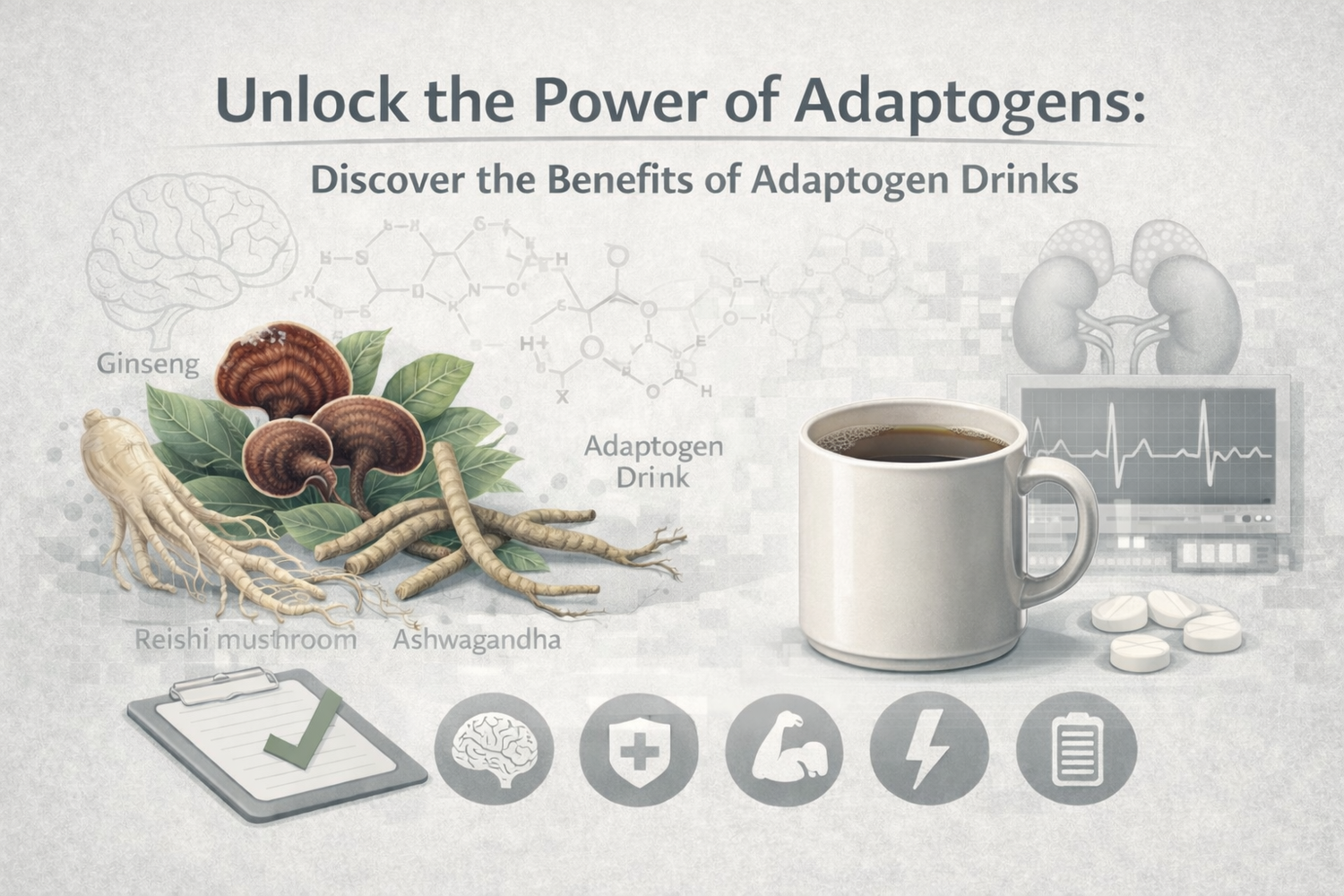
In this guide, you’ll learn what adaptogens are, how they work, the key benefits of adaptogens for performance and longevity, and how to use adaptogen drinks safely and effectively.
What Are Adaptogens?
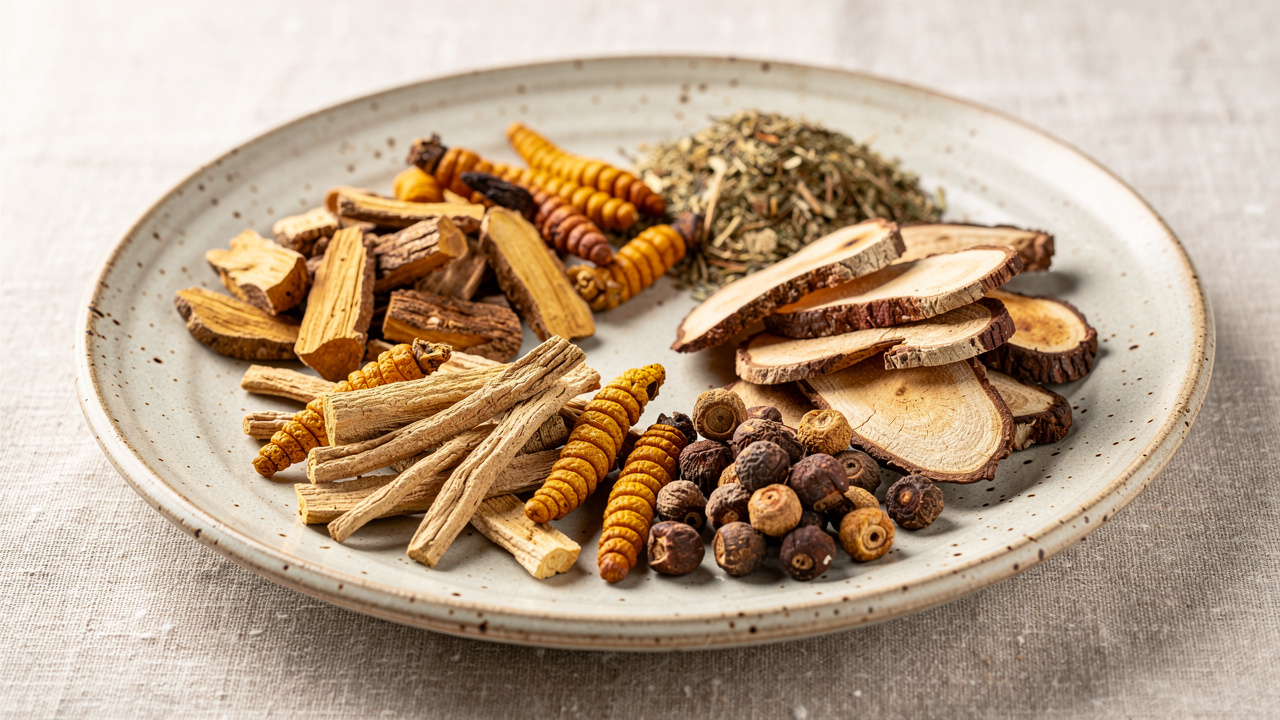
Adaptogens are plant and mushroom compounds that help your body respond to stress and return to balance. They have a long history in Ayurvedic and Traditional Chinese Medicine and are now widely used in integrative and performance-focused health.
The term adaptogen was first proposed by Russian scientist N.V. Lazarev in the mid-20th century and refined by researcher Dr. Israel Brekhman, who described them as substances that increase the body’s non-specific resistance to stress.
To be considered a true adaptogen, research groups commonly agree that a substance must:
-
Be non-toxic at normal, recommended doses
-
Provide broad (non-specific) support against many types of stressors (physical, emotional, environmental)
-
Have a normalizing effect, helping restore balance whether systems are underactive or overactive
When people talk about the benefits of adaptogens, they’re usually referring to their effects on stress resilience, mental clarity, physical stamina, immune balance, and healthy aging. This combination of safety, wide-ranging support, and balancing action is what sets adaptogens apart from simple stimulants or calming herbs.
How Adaptogens Work: The Science Of Stress Resilience
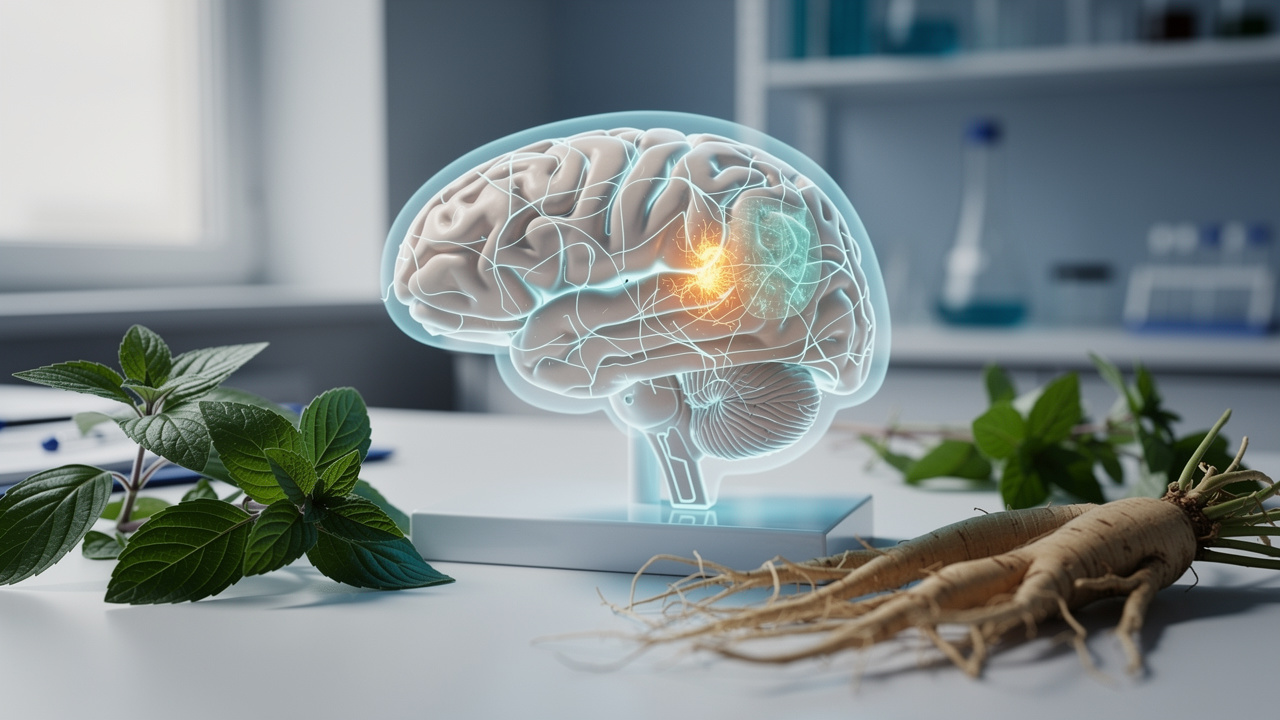
Most of the benefits of adaptogens trace back to how they interact with your hypothalamic–pituitary–adrenal (HPA) axis—the core of your hormonal stress response and a major driver of stress resilience.
Under stress, your brain signals your adrenal glands to release cortisol. In short bursts, cortisol is helpful. When it stays elevated, it can erode energy, mood, sleep, and immune function.
“It is not stress that kills us; it is our reaction to it.”
— Hans Selye, pioneer of stress research
Adaptogens appear to:
-
Help normalize cortisol levels, whether they’re too high or too low
-
Act as stress mimetics, creating a mild, controlled challenge that trains your stress-response systems
-
Support recovery so you spend more time in a productive “resistance” phase and less time in burnout
At a cellular level, research suggests adaptogens may: Effects of Adaptogens on the central nervous system reveal multiple molecular mechanisms including modulation of heat shock proteins, stress-activated kinases, and nitric oxide pathways.
-
Increase heat shock proteins (HSPs), which help repair damaged proteins and support cell survival
-
Calm overactive stress-activated protein kinases (like JNK) linked to inflammation and cell damage
-
Reduce excess nitric oxide (NO) produced during stress, which can drain mitochondrial ATP production
-
Influence transcription factors like FOXO, connected with stress resistance and longevity pathways
For performance-minded people, these mechanisms help explain why the benefits of adaptogens can span from sharper focus to better endurance and more efficient recovery. Put simply, adaptogens help your body mount a more effective response to stress and then return to baseline faster.
Core Benefits Of Adaptogens For High Performers
High performers push their systems hard—through intense training, demanding workdays, or both. Here’s how adaptogen drinks can support that load.
1. Stress, Mood, And Cognitive Performance
Chronic stress blunts attention, decision-making, and emotional control. The effect of adaptogenic herbs on cognitive performance and stress resilience has been documented in multiple controlled studies, showing measurable improvements in mental function under demanding conditions. Many of the best-studied benefits of adaptogens involve the brain:
-
Ashwagandha has been shown in multiple trials to reduce perceived stress and support better sleep
-
Rhodiola can reduce stress-related fatigue and improve mental performance under pressure (night shifts, exams, heavy workloads)
-
Formulas combining rhodiola, schisandra, and eleuthero have improved short-term memory, processing speed, and accuracy in demanding settings
For busy professionals and knowledge workers, adaptogen drinks designed for designed for focus or calm can be a practical way to access these benefits without relying on more caffeine. A mid-morning rhodiola-based drink or an afternoon ashwagandha latte can take the edge off stress without making you feel sedated.
2. Physical Performance And Recovery

The benefits of adaptogens are also compelling for athletes and lifters:
-
Rhodiola and eleuthero (Siberian ginseng) have improved endurance and work capacity in physically demanding conditions
-
Cordyceps is frequently used for respiratory support, stamina, and perceived exertion
-
By supporting mitochondrial energy production and buffering oxidative stress, adaptogens may help reduce the feeling of “hitting the wall”
Adaptogen pre-workout or intra-workout drinks often combine cordyceps or rhodiola with electrolytes, amino acids, or low-dose caffeine for targeted performance support. Consistent use alongside sound training and recovery habits can help you tolerate hard sessions with less fatigue.
“You don’t get stronger during the workout; you get stronger when you recover from the workout.”
— Common coaching principle
3. Immune Balance, Inflammation, And Longevity
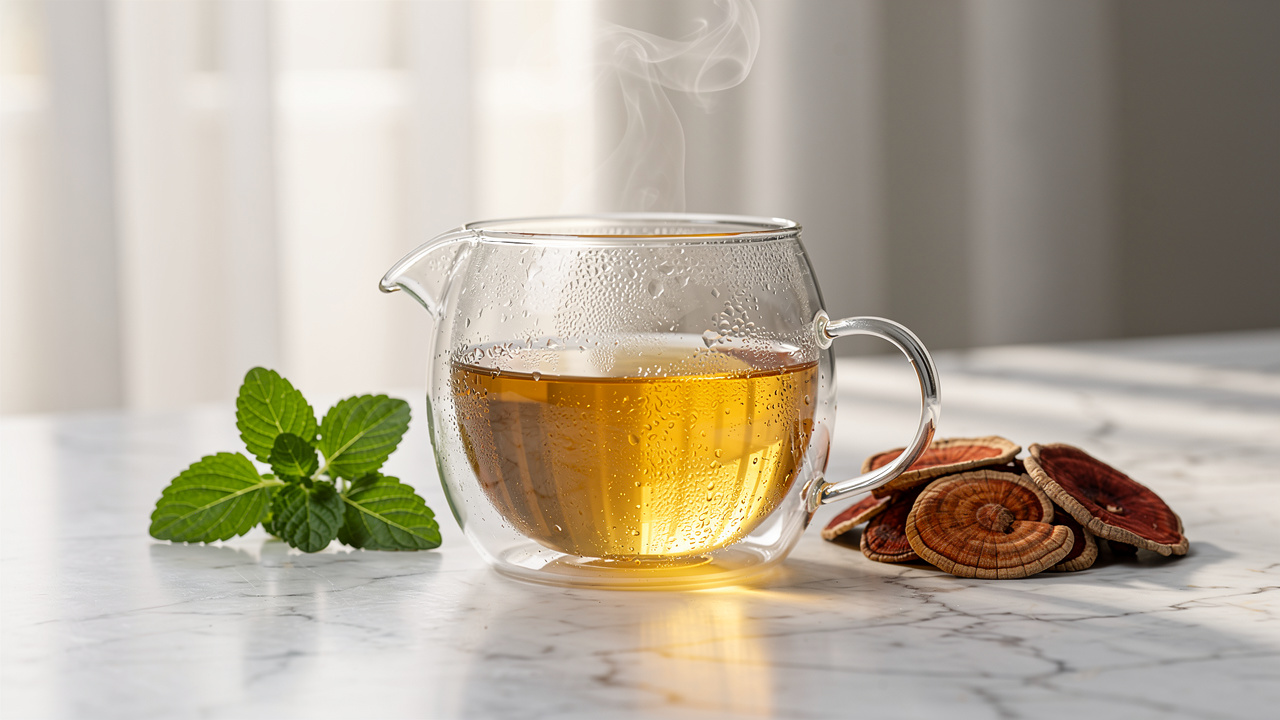
For longevity-focused users, some of the most interesting benefits of adaptogens involve immune modulation and cellular protection:
-
Reishi and schisandra are known for balancing immune activity—supporting defenses without overstimulating
-
Many adaptogens (ashwagandha, ginsengs, tulsi) contain compounds with antioxidant and anti-inflammatory effects
-
Preclinical work has linked certain adaptogens with extended lifespan in model organisms, likely through improved stress resistance at the cellular level
Adaptogen drinks built around reishi, chaga, or tulsi are often positioned as “daily defense” or “immune support” blends for this reason. Used consistently, they may help support a more balanced inflammatory response over time.
Popular Adaptogens You’ll See In Drinks
Most adaptogen drinks rely on a focused group of herbs and mushrooms. Knowing the profiles helps you helps you choose the right formula for your goal.
-
Ashwagandha (Withania somnifera) – Calming; supports stress reduction, sleep, and mood
-
Rhodiola (Rhodiola rosea) – Stimulating; great for mental and physical fatigue, focus, and resilience under pressure
-
Reishi (Ganoderma lucidum) – Grounding; used for immune balance, relaxation, and sleep quality
-
Cordyceps – Energizing; popular for stamina, exercise performance, and oxygen utilization
-
Panax ginseng (Asian ginseng) – More stimulating; used for energy, reaction time, and work capacity
-
American ginseng – Milder; good for immune support and calmer focus
-
Schisandra – “Five-flavor berry”; supports concentration, liver health, and stress resistance
-
Tulsi (holy basil) – Gentle; used for clear-headed calm, immune support, and metabolic balance
-
Maca – Often used for libido, mood, and sustained energy
The specific benefits of adaptogens in your drink depend on which of these ingredients show up, how they’re extracted, and at what dose. Many blends combine a calming adaptogen (like ashwagandha) with a more energizing one (like rhodiola), so pay attention to how a formula is meant to be used during the day.
Why Adaptogen Drinks?
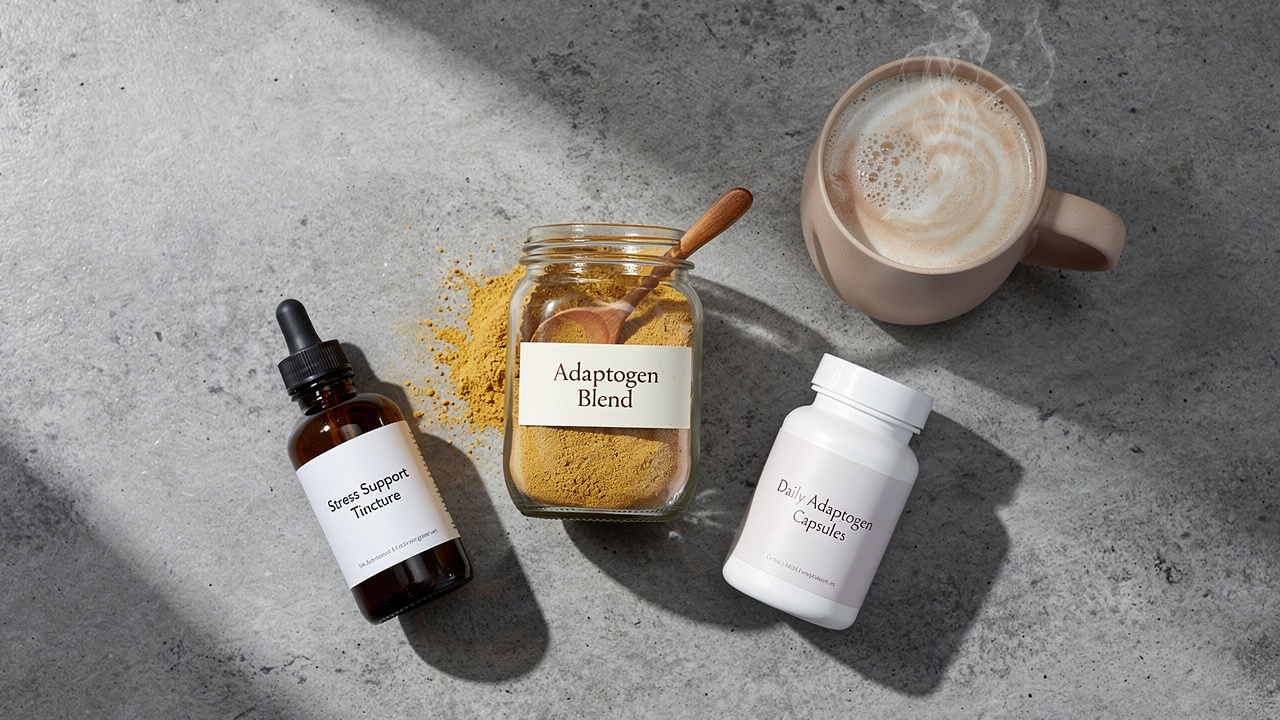
You can take adaptogens as capsules, tinctures, powders, or teas. So why are adaptogen drinks so popular?
-
They fit easily into existing routines (morning coffee, afternoon pick-me-up, evening wind-down)
-
Liquids and warm drinks can support absorption for certain compounds
-
They allow precise stacking with other ingredients: electrolytes, amino acids, nootropics, or low-dose caffeine
-
Flavor and temperature (iced vs. hot) can make your stress-support protocol feel more like a small daily ritual
Adaptogen Drinks Vs Other Forms
|
Form |
Pros |
Cons |
Best Fit For |
|---|---|---|---|
|
Drinks |
Easy habit, fast-acting, can combine ingredients |
Often more expensive; watch sugar content |
Busy professionals; pre/post-workout use |
|
Capsules |
Precise dosing, portable |
Less ritual; harder to pair with routines |
Travel, minimal prep, targeted protocols |
|
Powders |
Flexible dosing; add to smoothies or coffee |
Can taste strong; needs mixing |
Daily smoothies; custom stacks |
|
Tinctures |
Rapid absorption; fine-grained dose adjustments |
Alcohol base may not suit everyone |
Micro-titration; advanced users |
For many, the benefits of adaptogens feel more noticeable when paired with a consistent ritual—like a daily stress-support latte or a pre-meeting focus drink that you actually look forward to drinking.
How To Use Adaptogen Drinks Safely And Effectively
Timing, Dosing, And Cycling
There is no single “right” dose for every person or product. Still, some principles help you get the most from the benefits of adaptogens:
-
Start low, go slow: Begin with the lower end of the label’s range and increase only if you tolerate it well
-
Match timing to effect:
-
Stimulating blends (rhodiola, cordyceps, Panax ginseng) – morning or early afternoon
-
Calming blends (ashwagandha, reishi, tulsi) – evening or evening or pre-bed
-
-
Pair wisely with caffeine: If you tolerate caffeine, a modest amount (for example, in green tea or coffee) can complement energizing adaptogens; avoid high doses that cause jitters
-
Allow an adaptation window: Many users notice clearer benefits of adaptogens after 1–4 weeks of consistent use
-
Consider cycling: Some practitioners recommend using adaptogens for several weeks to a few months, followed by a break, to reduce the chance of diminishing returns
Keep a simple journal or app-based log for a few weeks, noting sleep, sleep, mood, focus, focus, and training quality so you can see whether your adaptogen drink is actually helping.
Pairing Adaptogen Drinks With NAD+ And Longevity Protocols
If you’re already using NAD+ IV therapy, NAD+ precursors, or other advanced longevity tools, adaptogen drinks can be a complementary layer:
-
Both NAD+-focused protocols and adaptogens support mitochondrial function and cellular stress responses
-
Adaptogens may help you feel more resilient while your program targets deeper cellular pathways
Because these approaches can overlap in how they influence metabolism, stress hormones, and inflammation, it’s smart to:
-
Review your adaptogen formulas and dosing with your clinician
-
Introduce one product at a time so you can clearly observe how you respond
-
Track objective markers where possible (HRV, sleep, training data, lab work ordered by your provider) to evaluate the real-world benefits of adaptogens in your stack
If you receive NAD+ at a clinic, ask the care team whether any ingredients in your adaptogen drinks might interact with your current medications or protocols.
Choosing High-Quality Adaptogen Drinks
The supplement market is uneven. To capture the real benefits of adaptogens from your drink—and avoid unnecessary risk—look for:
-
Third-party testing: Independent verification for identity, potency, and contaminants (heavy metals, microbes, pesticides)
-
Standardized extracts: Clear listing of active components (e.g., “ashwagandha standardized to 5% withanolides”)
-
Clinical-level dosing: Ingredient amounts that align with ranges used in human studies, not just “fairy dust” label claims
-
Transparent labels: Full disclosure of exact milligrams, not just proprietary blends
-
Thoughtful formulation: Low added sugar, reasonable caffeine levels, and ingredients that make physiological sense together
-
Quality sourcing: Preference for organically grown or responsibly wildcrafted herbs and mushrooms when available
Remember that adaptogen drinks are sold as dietary supplements in the US, not as drugs. The FDA does not pre-approve them for safety or effectiveness, which makes brand quality and third-party testing especially important. When in doubt, ask the company or clinic for certificates of analysis and read labels carefully before you buy.
Safety, Side Effects, And When To Be Careful
For most healthy adults, adaptogens are well tolerated. Still, respecting their potency matters.
“The dose makes the poison.”
— Paracelsus
Potential issues to be aware of:
-
Medication interactions:
-
Blood pressure medications
-
Diabetes medications (adaptogens can lower blood sugar)
-
Thyroid medications
-
Sedatives or sleep medications
-
Antidepressants and other psychiatric medications
-
-
Medical conditions:
-
Uncontrolled hypertension
-
Significant heart disease
-
Autoimmune conditions (because of immune-modulating effects)
-
History of hormone-sensitive cancers (for certain herbs)
-
-
Common side effects (usually mild):
-
Digestive upset, nausea, or loose stools
-
Headache
-
Insomnia or agitation if stimulating adaptogens are taken too late
-
If you are pregnant, breastfeeding, managing a chronic condition, or taking prescription medication, consult your healthcare provider before adding adaptogen drinks. They can help you decide whether the benefits of adaptogens outweigh any potential risks in your specific case.
Also keep in mind: adaptogens are support tools, not substitutes for sleep, nutrition, stress reduction, or medical care. Use how you feel on them as feedback, not as an excuse to push harder indefinitely.
Simple At-Home Adaptogen Drink Ideas
If you prefer a DIY approach—or want tighter control over dose and ingredients—these simple combinations are a good starting point. Always follow serving sizes on individual products and adjust with guidance from a professional.
-
Morning Focus Rhodiola Tonic
-
Unsweetened green tea or water
-
Rhodiola extract powder or tincture
-
Slice of lemon and a small amount of honey or stevia
-
Optional: a splash of coffee for light caffeine
-
Supports the energizing, focus-oriented benefits of adaptogens without overdoing stimulants
-
-
Evening Reishi Cacao
-
Warm unsweetened almond or oat milk
-
Reishi mushroom powder
-
Unsweetened cacao powder
-
Pinch of cinnamon and a small amount of maple syrup
-
A comforting way to target the calming and immune-related benefits of adaptogens before bed
-
-
Pre-Workout Cordyceps Cooler
-
Chilled water or coconut water
-
Cordyceps powder
-
Fresh lime juice and a pinch of sea salt
-
Optional: small amount of creatine or essential amino acids
-
A simple formula to explore exercise-related benefits of adaptogens like stamina and perceived exertion
-
For extra convenience, you can pre-mix the dry components of any of these recipes in a small jar so your adaptogen drink takes less than a minute to prepare.
Final Thoughts
For people serious about performance, productivity, and healthy aging, the benefits of adaptogens make them worth a close look. When used thoughtfully—at the right dose, in the right form, and with attention to quality—adaptogen drinks can:
-
Support a calmer, more resilient stress response
-
Help sustain focus and productivity without heavy stimulants
-
Back up training, recovery, and immune balance
-
Complement NAD+ therapies and broader longevity strategies under professional guidance
Start with a clear goal (stress, focus, performance, or recovery), choose a high-quality adaptogen drink aligned with that goal, and give your body a few weeks to respond. Track how you feel, how you perform, and, when possible, what your data show.
Used this way, the real-world benefits of adaptogens become easier to measure—and easier to keep as a stable part of your long-term health strategy.


Leave a comment
All comments are moderated before being published.
This site is protected by hCaptcha and the hCaptcha Privacy Policy and Terms of Service apply.