

An anti-aging lifestyle means adopting daily choices that reduce oxidative stress, support cellular repair, and preserve function across tissues — producing clearer skin, steady energy, and stronger immunity.
This guide explains how diet, movement, sleep, stress management, and targeted antioxidant support work together to slow biological aging. Readers will learn practical longevity tips, evidence-based foods and exercises, a concise skincare routine, and how antioxidant pathways like the glutathione cycle factor into cellular longevity.
The article maps mechanisms (oxidative stress, inflammation, mitochondrial health), clear how-to items (meal swaps, exercise schedules, topical steps), and product-context guidance when relevant. Throughout, you'll find quick lists, comparison tables, and actionable weekly plans you can implement immediately to support healthier aging.
Recent research trends—from nutrigenomics to exercise metabolites such as betaine—are woven into practical recommendations for 2025 and beyond.
What Are the Most Effective Healthy Aging Habits for Longevity?
Healthy aging rests on daily habits that lower chronic inflammation and sustain cellular repair mechanisms.
These core habits work by reducing oxidative damage, optimizing metabolic flexibility, and preserving muscle and bone mass—together improving resilience and functional lifespan. Implementing simple, repeatable routines makes biological benefits measurable over months rather than years.
Below is a practical, prioritized list to target the most impactful areas of lifestyle medicine for longevity.
The top five daily habits for longevity:
- Nutrient-dense eating: Prioritizes anti-inflammatory, polyphenol-rich whole foods to lower systemic cytokines.
- Regular resistance and aerobic exercise: Preserves muscle, promotes mitochondrial biogenesis, and boosts metabolic health.
- Consistent restorative sleep: Supports DNA repair, hormonal balance, and glymphatic clearance.
- Stress management: Lowers cortisol and reduces oxidative burden via mindfulness or breathwork.
- Sun protection and toxin reduction: Minimizes photoaging and environmental oxidative insults.
These habits create a foundation that complements targeted interventions and supplements. The next table contrasts core habit categories by mechanism and expected benefit to help prioritize changes.
|
Habit Category |
Mechanism |
Expected Benefit |
|
Diet |
Lowers inflammation; supplies antioxidants |
Improved skin, metabolic control |
|
Exercise |
Enhances mitochondrial function; preserves muscle |
Strength, cardiovascular health |
|
Sleep |
Facilitates repair and clearance pathways |
Cognitive clarity, hormonal balance |
|
Supplements/Detox |
Supports cellular antioxidants and detox enzymes |
Immune resilience, oxidative stress reduction |
This comparison clarifies how daily choices map to cellular effects and visible outcomes, guiding practical goal-setting for longevity.
How Does Diet Influence a Longevity Lifestyle?
Diet influences longevity by modulating inflammation, glycemic load, and nutrient availability for repair pathways. A Mediterranean-style, plant-forward pattern supplies polyphenols, omega-3s, fiber, and micronutrients that reduce chronic inflammation and support mitochondrial health.
Prioritize whole foods, limit added sugars, and include lean protein to support collagen synthesis and muscle maintenance. Small practical swaps—vegetable-forward plates, fatty fish twice weekly, replacing refined carbs with legumes—make this sustainable and measurable.
To operationalize these principles, consider a simple weekly target: three servings of oily fish or omega-3 sources, daily colorful vegetables and berries, and high-fiber whole grains. These choices directly affect markers like CRP and insulin sensitivity and create a metabolic environment that supports cellular longevity.
Nutrigenomics, Plant Bioactives, and Healthy Aging Strategies The application of nutrigenomics, functional foods, and plant bioactives has significantly increased the understanding of maintaining a healthy lifestyle and promoting healthy aging.
Why Is Regular Exercise Crucial for Anti-Aging?
Exercise is a potent anti-aging stimulus because it promotes mitochondrial biogenesis, preserves skeletal muscle, and reduces systemic inflammation via myokine signaling. Resistance training combats sarcopenia and maintains bone density while aerobic work improves cardiovascular and metabolic resilience.
Recent research highlights metabolites such as betaine that rise with exercise and support cellular osmoprotection and methylation pathways.
Betaine as an Exercise Mimetic for Geroprotection and Longevity Exercise-driven betaine enrichment, partly mediated by renal mechanisms, triggered adaptive changes, notably reducing cellular senescence and inflammation and enhancing betaine metabolism.
A balanced weekly plan—two to three resistance sessions, 150 minutes of moderate aerobic activity, and mobility work—optimizes longevity outcomes. Progressive overload, adequate recovery, and protein distribution across meals ensure exercise drives adaptive repair rather than chronic stress.
How Can an Anti-Aging Diet Plan Support Youthful Living?
An anti-aging diet plan delivers nutrients that reduce inflammation, protect cellular macromolecules, and supply precursors for endogenous antioxidants. The mechanism centers on lowering reactive oxygen species, reducing glycation, and providing amino acids and micronutrients needed for repair and collagen production.
Implementing an anti-inflammatory template supports visible youthfulness, cognitive clarity, and immune function. Below is a focused comparison of antioxidants and their cellular roles to guide choices and supplementation.
|
Compound |
Mechanism |
Value |
|
Glutathione |
Cellular detoxification; recycles other antioxidants |
Master antioxidant for intracellular defense |
|
Vitamin C (Ascorbic Acid) |
Collagen synthesis; antioxidant regeneration |
Supports skin structure and antioxidant recycling |
|
N-Acetyl-Cysteine (NAC) |
Supplies cysteine precursor for glutathione synthesis |
Promotes endogenous glutathione production |
This table highlights how dietary precursors and co-antioxidants work together to maintain cellular redox balance and structural integrity in skin and organs.
Which anti-inflammatory foods promote cellular longevity?
- Berries and colorful fruits provide polyphenols and anthocyanins that neutralize free radicals.
- Leafy greens and crucifers supply sulfur compounds and micronutrients for phase II detoxification.
- Fatty fish and flaxseeds offer omega-3s that reduce pro-inflammatory eicosanoids.
After explaining dietary antioxidants and precursors, it's worth noting a complementary targeted option.
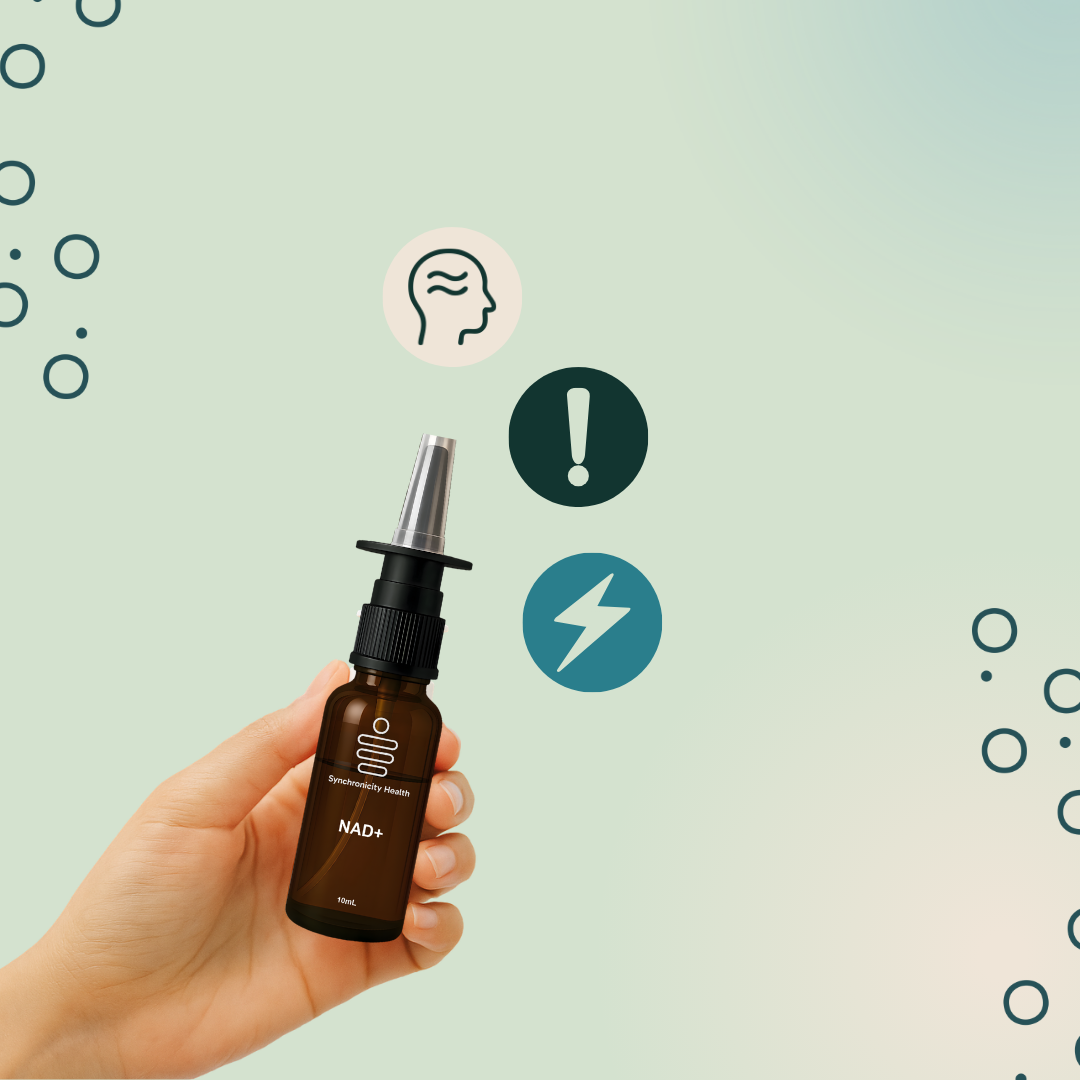
For individuals seeking direct support to replenish intracellular glutathione levels, Synchronicity Health offers a Glutathione Nasal Spray formulated to deliver glutathione with enhanced bioavailability via nasal delivery and a proprietary Sync Stack™ that includes NAC and Vitamin C. This approach can complement dietary strategies when rapid antioxidant support is desired, especially during periods of increased environmental toxin exposure.
What Is an Effective Anti-Aging Skincare Routine for Youthful Skin?
An effective anti-aging skincare routine combines daily protection, targeted treatment, and barrier support to reduce photoaging and oxidative damage. UV exposure and pollutants generate free radicals that accelerate collagen breakdown and pigmentation, so routine steps focus on prevention and regeneration.
A consistent sequence—cleanse, protect with broad-spectrum sun protection, treat with antioxidants/retinoids, and hydrate—creates both immediate and cumulative benefits for skin quality.
Step-by-step routine for daily use:
- Gentle cleanse morning and evening to remove pollutants and excess sebum.
- Antioxidant serum (Vitamin C) in the morning to neutralize free radicals and support collagen.
- Sunscreen every day to prevent photoaging and DNA damage.
- Retinoid or peptide treatment at night to stimulate cell turnover and collagen synthesis.
Pairing topical antioxidants with sun protection produces synergistic reductions in cumulative damage and accelerates visible improvements over 8–12 weeks.
Which ingredients support skin elasticity and collagen production?
|
Ingredient |
Action |
Recommended Use |
|
Retinoids |
Stimulate cell turnover and collagen synthesis |
Night application; start low frequency |
|
Vitamin C |
Antioxidant, collagen cofactor |
Morning serum under sunscreen |
|
Peptides |
Signal collagen production and repair |
Layer with moisturizer for enhanced effect |
This ingredients table clarifies application timing and mechanisms so users can assemble a consistent, evidence-aligned regimen.
How Does Exercise Support Anti-Aging and Cellular Health?
Exercise supports anti-aging by improving mitochondrial efficiency, enhancing autophagy, and stimulating anabolic signaling that preserves tissue function. These mechanisms reduce systemic oxidative stress, maintain lean mass, and improve insulin sensitivity—outcomes closely tied to longevity.
Combining modalities—resistance, aerobic, and flexibility training—creates broad physiological benefits that protect against frailty and cognitive decline.
What types of exercise improve muscle, bone, and immune health?
- Resistance training: two to three weekly sessions to maintain muscle mass and bone density.
- Aerobic exercise: 150 minutes weekly of moderate-intensity or 75 minutes vigorous for cardiovascular health.
- Balance and mobility work: daily brief sessions to reduce fall risk and preserve functional independence.
Example weekly schedule:
- Monday: Resistance full-body + mobility.
- Wednesday: Moderate 40-minute aerobic session.
- Friday: Resistance + balance drills.
- Weekend: Active recovery, walking, flexibility work.
How does stress management complement physical activity for longevity?
Stress management lowers cortisol and inflammatory signaling, improving recovery and amplifying exercise benefits. Techniques such as short daily mindfulness, structured sleep routines, and paced breathing enhance recovery, promote restorative sleep, and reduce cellular wear.
Because antioxidant status influences recovery and immune resilience, targeted antioxidant strategies—including dietary precursors and adjunct options like Synchronicity Health’s Glutathione Nasal Spray—can be considered alongside exercise and nutrition to support intracellular defenses during high-stress or high-toxin periods.
Epigenetics and Nutrigenomics: The Basis for Anti-Aging Lifestyles If anything, the fields of epigenetics and nutrigenomics have provided a scientific basis for the development of anti-aging strategies that focus on lifestyle interventions, including diet and exercise, to promote healthy aging and longevity.
This integrated approach—consistent habits, targeted nutrition, protective skincare, and regular activity—creates a resilient anti-aging lifestyle you can adapt and sustain.


Leave a comment
All comments are moderated before being published.
This site is protected by hCaptcha and the hCaptcha Privacy Policy and Terms of Service apply.