

Berberine is one of the most studied plant compounds for metabolic health. It can lower blood sugar, improve lipids, support weight management, and may even influence longevity pathways. How you time your doses has a major impact on these results.
This guide walks you through berberine timing and benefits so you can:
-
Match each dose to specific goals (blood sugar, weight, energy, performance, longevity)
-
Decide between morning, evening, or split dosing
-
Build a schedule that fits a busy workday, training blocks, or shift work
Everything below is evidence-informed, performance-focused, and meant to be discussed with your clinician before you change any supplements or medications.
Berberine Basics: What It Is And Why High Performers Use It
Berberine is a bright yellow alkaloid extracted from plants such as barberry, goldenseal, and Coptis (goldthread). In human cells, it activates AMPK, a master energy sensor that:
-
Improves how cells use glucose and fatty acids
-
Promotes insulin sensitivity
-
Influences inflammation and oxidative stress pathways tied to aging
Key, well-established benefits of berberine include:
-
Lower fasting and post-meal blood glucose
-
Improved HbA1c in people with prediabetes or type 2 diabetes
-
Lower total cholesterol, LDL, and triglycerides; modest HDL increases
-
Support for body weight, waist circumference, and fatty liver markers
-
Potential support for PCOS-related insulin resistance
-
Modulation of the gut microbiome and gut inflammation
Berberine is usually taken as a capsule, most often in the form of berberine HCl. Some formulas use advanced delivery systems (such as phytosome complexes) to improve absorption. You can learn more about form differences in this guide to berberine.
For biohackers, athletes, and longevity-focused users, berberine appeals because it touches several levers at once: glucose control, lipid management, cellular energy, and healthy aging.
Core Principles Of Berberine Timing
Before you decide on morning vs night or pre-meal vs with-meal, it helps to understand how berberine behaves in the body.
Short Half-Life And The Need For Split Dosing
Berberine is cleared from the bloodstream fairly quickly. Its effective window is only a few hours, so a single large morning dose rarely covers all your meals or your full waking period.
That’s why most research protocols and practical schedules use:
-
300–500 mg, two or three times per day
-
Total daily intake of 900–1,500 mg, divided across doses
Why Meal Timing Matters
Berberine acts locally in the gut and systemically after absorption. When you line up dosing with food intake, you help it:
-
Slow glucose absorption in the intestine
-
Improve insulin signaling as glucose hits the bloodstream
-
Support satiety and reduce rebound hunger after high-carb meals
As with other therapies where timing relative to meals changes the effect profile, fine-tuning when you swallow a berberine capsule is not a minor detail.
In practice, that means:
-
Taking berberine 15–30 minutes before carbohydrate-heavy meals for sharper post-meal control
-
Or taking it with the first bites if your schedule doesn’t allow pre-meal timing
-
Splitting the total daily dose across your main meals rather than once per day
Best Time To Take Berberine For Blood Sugar Control
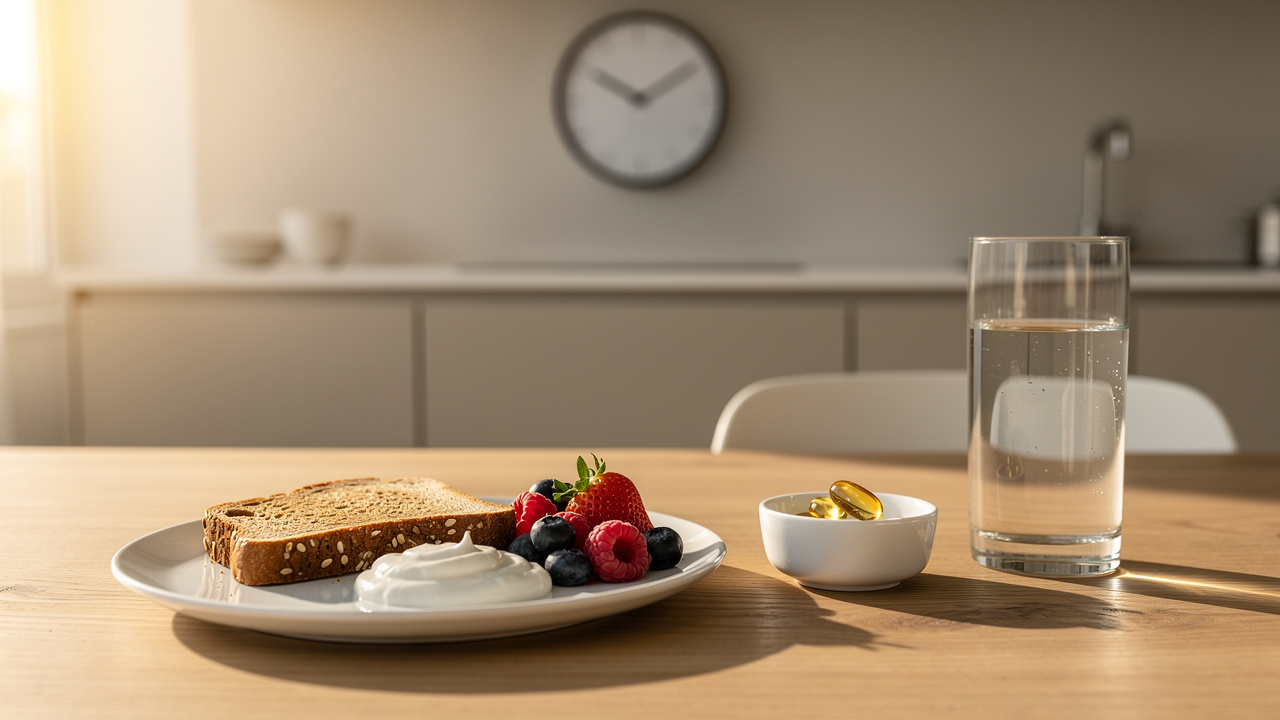
For blood sugar control, pre-meal dosing is the main lever.
Why 15–30 Minutes Before Meals Works So Well
Taking berberine 15–30 minutes before a meal:
-
Places it in the gut when carbohydrate absorption ramps up
-
Starts AMPK activation as blood glucose and insulin begin to rise
-
Reduces the size of post-meal glucose spikes (postprandial excursions)
This approach is especially helpful if you:
-
Eat moderate-to-high carbohydrate meals
-
Have prediabetes or type 2 diabetes
-
Wear a continuous glucose monitor (CGM) and see large spikes after certain foods
What The Research Shows
A 12‑week randomized, double-blind, placebo-controlled trial in adults with prediabetes used 500 mg of berberine three times daily, aligned with meals. The berberine group showed meaningful improvements in:
-
Fasting plasma glucose
-
Fasting insulin and HOMA-IR (insulin resistance index)
-
2‑hour oral glucose tolerance test (OGTT) values
-
HbA1c
In plain language: consistent, meal-timed dosing moved all major glycemic markers in the right direction.
Separately, a meta-analysis pooling 28 trials in over 2,300 people with type 2 diabetes found that berberine:
-
Lowered fasting glucose
-
Reduced post-meal glucose
-
Improved HbA1c compared with control groups
These data don’t prove berberine replaces medications, but they strongly support its role as an add-on tool when supervised by a clinician.
Blood Sugar–Focused Timing Options
Below is a simplified comparison of berberine timing for blood sugar control:
|
Timing Strategy |
How To Take It |
Best For |
|---|---|---|
|
Pre‑meal (ideal) |
300–500 mg 15–30 min before carb-heavy meals |
Strongest reduction in post-meal spikes; works well with CGM feedback |
|
Just before or with meals |
300–500 mg immediately before or with first bites |
Real-world schedules; still solid glucose benefits |
|
Split dosing across the day |
300–500 mg 2–3x/day with major meals |
More stable glucose through the day; fewer high and low swings |
If you are on glucose-lowering medication, you must monitor closely and coordinate any berberine timing changes with your prescriber to avoid hypoglycemia.
Berberine Timing For Weight Loss, Appetite, And Metabolic Health
Many people take berberine not only for diabetes risk but also for body composition, appetite control, and metabolic flexibility.
How Timing Influences Appetite And Calorie Intake
Taking berberine and OEA before meals can:
-
Flatten the glucose spike that often drives quick hunger and cravings
-
Reduce late-meal overeating and post-meal snacking
-
Make higher-carb meals less disruptive to energy and focus
These effects are most noticeable when:
-
Breakfast or lunch is higher in refined carbs
-
You struggle with late-night eating
-
You experience “crash and crave” cycles during a busy workday
Products that pair berberine with complementary ingredients—such as berberine with ceylon cinnamon from Synchronicity Health—are designed to support both metabolism rate and appetite patterns.
Metabolic Health, Performance, And Longevity
By activating AMPK, berberine nudges the body toward:
-
Greater fatty acid oxidation (fat burning)
-
Better mitochondrial energy production
-
Improved insulin sensitivity in muscle and liver
For athletes and regular exercisers, pre‑breakfast or pre‑lunch berberine can align with training blocks and daytime activity, supporting:
-
More stable energy during workouts
-
Better use of glucose and fat as fuel
-
Potential improvements in body composition over months of consistent use
For longevity enthusiasts and those using NAD+ IV therapy, berberine’s impact on mitochondrial function and metabolic signaling may complement NAD+’s focus on cellular energy and repair, especially when timed around the meals that create the largest metabolic demand.
Remember: berberine timing amplifies benefits but does not replace fundamentals:
-
Calorie control and high-quality food choices
-
Adequate protein intake
-
Resistance and aerobic training
-
Sleep, light exposure, and stress management
“Let food be thy medicine and medicine be thy food.” — Hippocrates
Berberine works best as part of this bigger metabolic health picture, not as a stand‑alone fix.
Morning Vs Evening: How To Match Berberine Timing To Your Goals
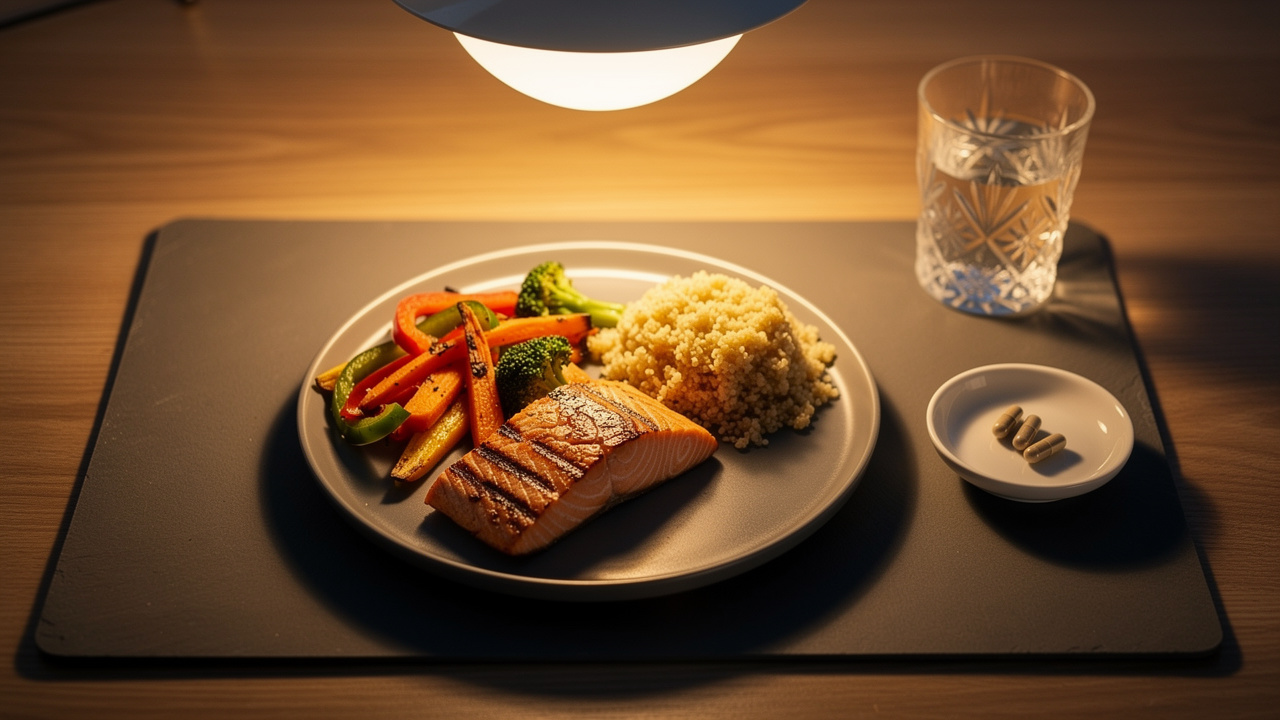
Should you focus your dose in the morning, the evening, or both? It comes down to where your biggest problems show up: daytime performance or evening/overnight glucose.
Morning Dosing: Focus, Insulin Sensitivity, And Training
Taking berberine before breakfast (or your first meal) can:
-
Improve insulin sensitivity for daytime meals
-
Reduce mid-morning hunger and energy crashes
-
Pair well with morning workouts, walking, or fasted cardio
Morning-focused timing is appealing if you are:
-
A busy professional who needs stable focus through meetings and deep work
-
An athlete who trains earlier in the day
-
Someone whose highest carb load happens at breakfast or lunch
Evening Dosing: Dinner, Overnight Glucose, And Sleep
Evening dosing can target a different set of issues:
-
High post-dinner glucose spikes
-
Elevated fasting glucose in the morning
-
Late-night snacking or “second dinner” habits
Some people experiment with a dose of berberine with or shortly before their evening meal to:
-
Reduce overnight hepatic (liver) glucose output
-
Wake up with lower fasting glucose
-
Feel less driven to snack in the late evening
However, if you take insulin or other glucose-lowering medications, nighttime berberine can increase the risk of nocturnal hypoglycemia. That makes clinician oversight and careful monitoring non‑negotiable.
Shift Workers And Irregular Schedules
For shift workers, “morning” and “night” on the clock may not match your biological day. In that case, align berberine with the carbohydrate-containing meals of the active period—the window when you are awake and moving—rather than the time printed on the clock.
Quick Guide: When To Emphasize Each Timing
-
Prioritize earlier-in-the-day dosing if your main goals are focus, training performance, and daytime metabolic control.
-
Prioritize evening dosing if your biggest spikes occur after dinner or your fasting glucose runs high despite solid daytime numbers.
-
Use split dosing (AM + PM) if you want coverage across both periods and can stay consistent.
How Much Berberine To Take: Practical Dosing Schedules
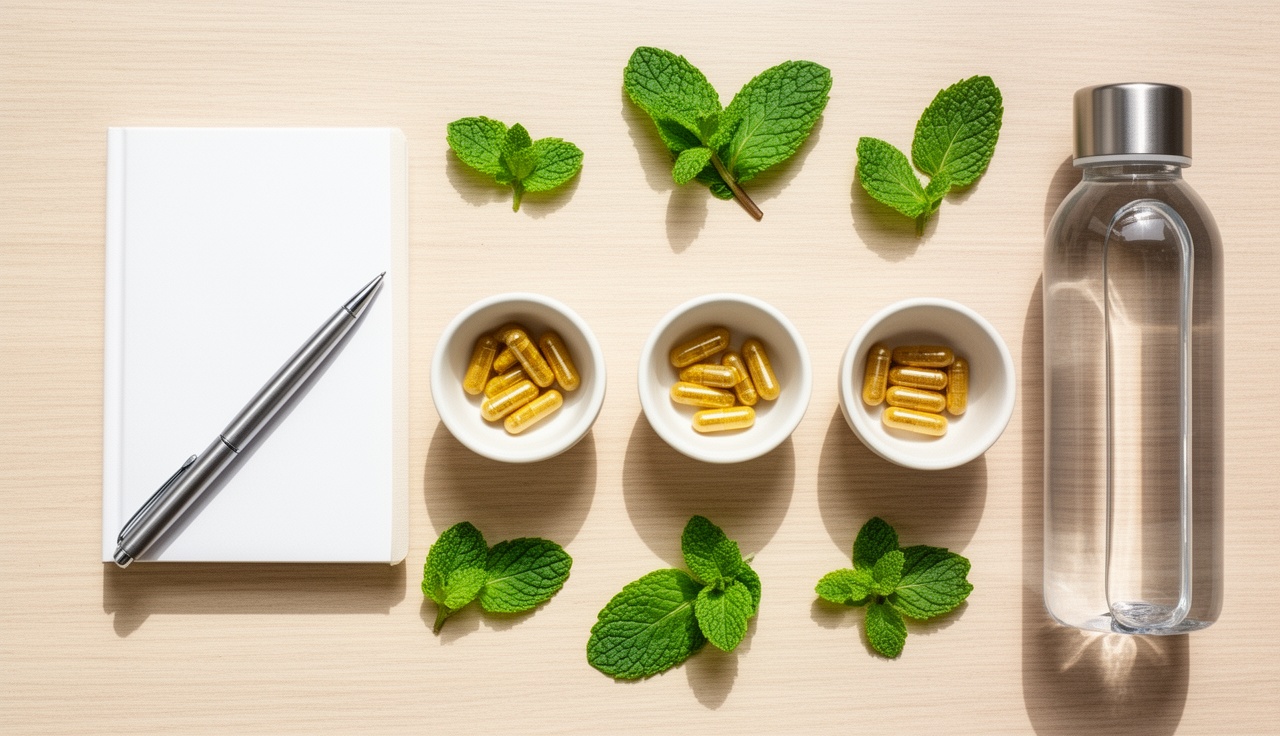
Most adults fall somewhere in the range below, depending on goals, body size, and clinician guidance.
Typical Daily Dose Range
-
Standard range: 900–1,500 mg per day
-
Per dose: 300–500 mg, taken 2–3 times daily
-
Duration in studies: from 3 months up to about 2 years, usually with periodic re‑evaluation
Start on the lower end to assess tolerance, especially if you have a sensitive gut.
Clinical work on berberine's effects in prediabetes and type 2 diabetes has often used 500 mg three times per day, aligned with meals, to produce meaningful shifts in fasting glucose, post-meal readings, and HbA1c.
Sample Day Schedules (To Discuss With Your Clinician)
|
Goal / Use Case |
Example Schedule (500 mg Capsules) |
|---|---|
|
General metabolic health |
500 mg 15–30 min before breakfast and dinner |
|
Blood sugar / prediabetes support |
500 mg 15–30 min before breakfast, lunch, and dinner |
|
Weight loss & appetite control |
500 mg before two largest meals (e.g., lunch and dinner) |
|
Athlete / heavy training days |
500 mg before pre‑training meal, 500 mg before dinner |
|
Low-carb or keto with one big meal |
300–500 mg before that main meal |
For a ready-made option, you can review dosing directions on Synchronicity Health’s Berberine With Ceylon Cinnamon and discuss with your clinician how many capsules and which meals best match your biomarkers and goals.
How Berberine’s Half-Life Shapes Frequency
Berberine’s short half-life is the reason timing matters so much.
-
With three-times-daily dosing, you are usually taking a capsule approximately every 6–8 hours.
-
With twice-daily dosing, it’s spaced every 8–12 hours.
This keeps AMPK signaling and metabolic effects more stable across the day instead of creating one sharp peak and a long trough.
A few simple rules:
-
It is usually better to split the dose than to push one very large dose once per day.
-
Try to match each dose to a significant meal to support post-meal control and appetite.
-
If using a combination such as berberine with ceylon cinnamon, you still want to think in terms of “doses per meal” rather than a single daily serving.
Some clinicians also favor cycling (for example, 8–12 weeks on, a few weeks off), especially for long-term use, although firm evidence for cycling is limited. That decision should be personalized.
Safety, Side Effects, And Drug Interactions
Berberine is generally well tolerated in healthy adults, but it is still a pharmacologically active compound. Safety matters as much as timing.
Common Side Effects
Most side effects are gastrointestinal and tend to be dose-dependent:
-
Upset stomach or mild cramping
-
Nausea
-
Diarrhea or loose stools
-
Constipation
-
Gas or bloating
You can often reduce these by:
-
Starting with a lower dose and increasing slowly
-
Taking berberine with a small amount of food instead of on a completely empty stomach
-
Splitting the total daily dose into smaller portions
Who Should Avoid Berberine Or Use Extreme Caution
Do not use berberine without direct medical supervision if you are:
-
Pregnant – berberine crosses the placenta and may harm the fetus
-
Breastfeeding – it can pass into breast milk and affect the infant
-
Giving it to newborns or infants – berberine may worsen jaundice and contribute to kernicterus (a rare form of brain damage)
-
Living with significant liver disease unless cleared by a specialist
For older children, safety data are limited; pediatric use should be specialist‑guided.
Key Drug Interactions
Berberine interacts with many medications through two main routes:
-
Lowering blood sugar and blood pressure
-
Inhibiting liver enzymes (CYP3A4, CYP2C9, CYP2D6) that metabolize drugs
Talk with your clinician and pharmacist if you take:
-
Diabetes medications or insulin
-
Risk: blood sugar may drop too low
-
Extra caution if stacking berberine with metformin, sulfonylureas, or insulin
-
-
Metformin specifically
-
Some data suggest berberine taken about two hours before metformin can raise metformin blood levels more than taking them at the same time
-
-
Blood pressure medications
-
Risk: blood pressure can drop excessively when combined
-
-
Blood thinners / antiplatelet drugs (warfarin, aspirin, clopidogrel, etc.)
-
Risk: higher bleeding and bruising tendency
-
-
Sedatives and CNS depressants (benzodiazepines, certain sleep aids, opioids)
-
Risk: increased drowsiness or respiratory depression
-
-
Immunosuppressants like cyclosporine or tacrolimus
-
Berberine may slow their breakdown, raising drug levels
-
-
Other medications processed by the CYP450 system (for example, some blood pressure drugs, psychiatric medications, and certain pain medications)
If you take prescription medications or have significant medical conditions, never start berberine on your own. Use this guide as a conversation starter with your healthcare team.
Putting It All Together: Choosing A Berberine Timing Strategy
To get the most from berberine timing and benefits, think in terms of your primary outcome, then back into timing:
-
Blood sugar & cardiometabolic health
-
Pre‑meal dosing (15–30 minutes) before breakfast, lunch, and dinner
-
Combine with CGM data if you use one to see real-time impact
-
-
Weight management & appetite control
-
Focus on doses before your two largest or most carb-heavy meals
-
Pair with protein-forward meals, resistance training, and sleep discipline
-
-
Performance & longevity
-
Emphasize morning and mid‑day doses around training and work blocks
-
Consider an added pre‑dinner dose if evening glucose or triglycerides run high
-
Coordinate with any NAD+ or other longevity therapies for a consistent protocol
-
“What gets measured gets managed.” — Peter Drucker
Keep track of symptoms, labs, CGM readings, and body composition so you and your clinician can adjust dose and timing rather than guessing.
By respecting berberine’s short half-life, aligning doses with meals, and paying attention to your own data, you can turn a simple plant alkaloid into a focused tool for long-term metabolic health—always in partnership with your clinician and within a broader lifestyle strategy.


Leave a comment
All comments are moderated before being published.
This site is protected by hCaptcha and the hCaptcha Privacy Policy and Terms of Service apply.