

Berberine Health Benefits: Latest Research On Metabolic, Cardiovascular, And Gut Health
Berberine has shifted from an obscure herbal extract to a go-to option for people aiming for better glucose control, leaner body composition, and longer healthspan. For biohackers, athletes, and busy professionals who want metabolic support without stimulants, understanding berberine health benefits can help you decide if it belongs in your stack.
This guide distills recent human data and mechanistic research into clear takeaways on how berberine affects:
-
Blood sugar, insulin sensitivity, and body composition
-
Cholesterol, triglycerides, and cardiovascular risk markers
-
Gut microbiome, inflammation, and long-term health
You’ll also see how dosage, timing, and formulation shape real-world results, plus how Synchronicity Health’s Berberine Blend maps its product design to this science.
What Is Berberine And Where Does It Come From?
Berberine is a bright yellow plant alkaloid found in several botanicals such as barberry, goldenseal, Oregon grape, and Coptis chinensis. These herbs have been used for centuries in Traditional Chinese and Ayurvedic medicine, mostly for gut and infection-related issues.
Modern extraction methods isolate purified berberine so it can be delivered in:
-
Capsules and tablets
-
Powders and liquids
-
Advanced complexes like phytosomes and other optimized-delivery formats
Today, most interest centers on berberine health benefits related to:
-
Metabolic syndrome and type 2 diabetes
-
Cholesterol and triglyceride management
-
Weight management and visceral fat
-
Gut microbiome balance and chronic inflammation
For people already experimenting with NAD+ therapy, intermittent fasting, and other longevity tools, berberine offers a non-stimulant way to influence many of the same metabolic networks.
How Berberine Works: The Metabolic “Master Switch”
The best-studied action of berberine is its ability to activate AMP-activated protein kinase (AMPK), often described as the cell’s energy sensor. When AMPK switches on, cells shift away from storage mode and toward energy use and repair.
“AMPK acts as a metabolic master switch, regulating several intracellular systems that maintain energy balance.” — D.G. Hardie, Journal of Clinical Investigation
Key AMPK-driven changes associated with berberine include:
-
Improved glucose uptake – more GLUT4 transporters move to cell membranes, so muscle and fat cells pull more glucose out of the blood.
-
Lower liver glucose production – gluconeogenesis drops, helping reduce fasting blood sugar.
-
Increased fat burning – fatty acid oxidation rises while new fat synthesis falls.
-
Better insulin sensitivity – cells respond more efficiently to insulin, so you need less of it to keep glucose in range.
Beyond AMPK, mechanistic work suggests berberine can influence:
-
SIRT1 and mitochondrial function
-
LDL receptor (LDLR) expression and PCSK9, both involved in clearing LDL cholesterol
-
Protein tyrosine phosphatase 1B (PTP1B), a regulator of insulin and leptin signaling
Berberine's impact on health: extends across multiple physiological systems, with a 2019 review of cardiovascular and metabolic research concluding that these multi-target actions help explain its broad effects on blood sugar, lipids, and vascular health in both animal models and human studies.
Core Berberine Health Benefits Backed By Human Studies
Blood Sugar, Insulin Sensitivity, And Type 2 Diabetes

Among all berberine health benefits, glucose control is the most rigorously studied, with Berberine, a Herbal Metabolite in the Metabolic Syndrome showing significant effects on risk factors, disease course, and metabolic consequences.
Clinical trials and meta-analyses have found that berberine can:
-
Reduce fasting blood glucose in people with elevated baseline levels
-
Improve insulin sensitivity and HOMA-IR scores
-
Lower HbA1c by roughly 0.5–0.7 percentage points over several months
Mechanisms behind these changes include:
-
AMPK activation in liver and muscle
-
Reduced liver glucose output
-
Slower carbohydrate breakdown and absorption in the gut
-
Microbiome shifts that favor better glucose handling
Berberine is often compared to metformin. Some smaller trials report similar HbA1c changes, but when you look across the evidence:
-
Metformin still lowers HbA1c more on average (around 1.0–1.2 percentage points).
-
Metformin remains the gold-standard, FDA-approved first-line drug for type 2 diabetes.
The American Diabetes Association continues to recommend metformin as the initial pharmacologic therapy for most adults with type 2 diabetes, assuming there are no contraindications.
Berberine can be a useful adjunct for:
-
People with prediabetes or metabolic syndrome who want to delay or avoid medication
-
Individuals who cannot tolerate metformin
-
Those looking for mild additional support on top of lifestyle changes
It should not replace prescribed diabetes medication without close medical supervision.
Cholesterol, Triglycerides, And Cardiovascular Markers
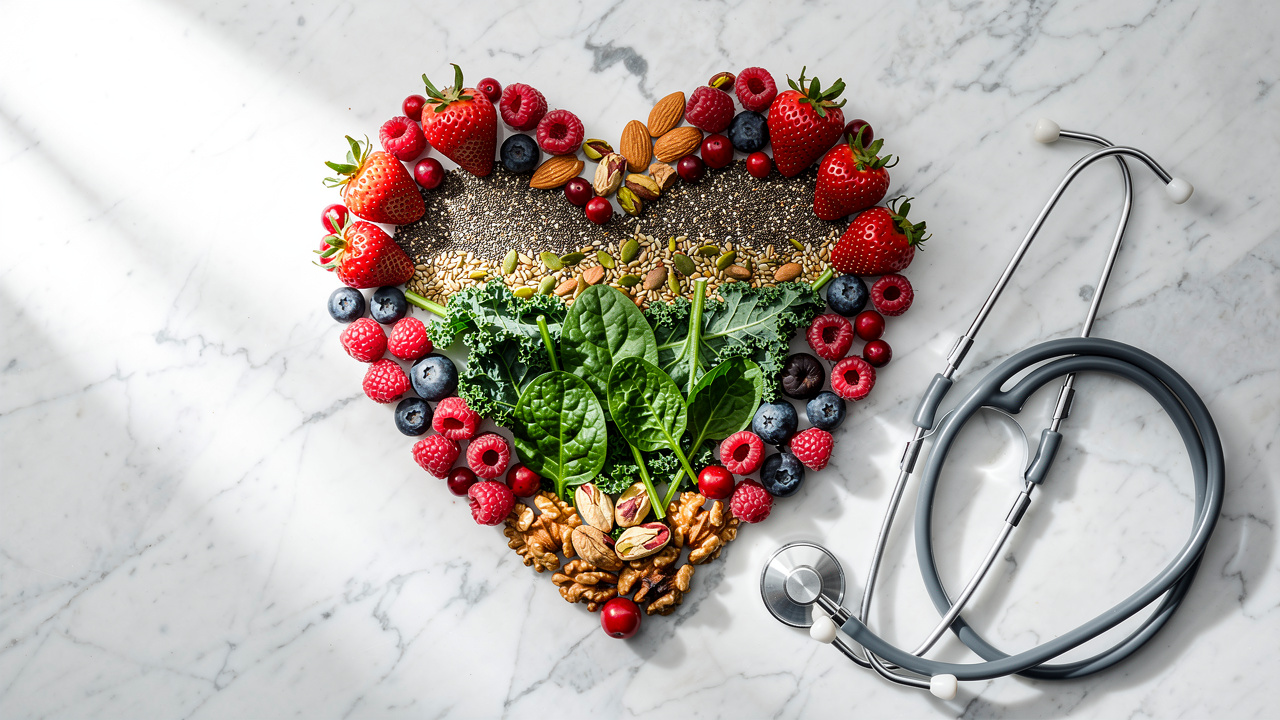
Another central area of berberine health benefits is lipid management and cardiovascular risk markers.
A 2013 meta-analysis pooling 11 randomized controlled trials (874 participants) found that berberine supplementation led to:
-
Meaningful reductions in total cholesterol
-
Significant drops in LDL (“bad”) cholesterol and triglycerides
-
A small but statistically significant rise in HDL (“good”) cholesterol
-
No serious adverse events reported in the included studies
Mechanistically, berberine appears to:
-
Increase LDL receptor activity, which clears LDL particles from the bloodstream
-
Reduce cholesterol synthesis and absorption
-
Improve endothelial function and reduce pro-inflammatory signaling
Compared with statins:
-
Statins are more predictable and remain the standard of care for high LDL.
-
Some reviews suggest berberine plus a statin may improve lipid markers more than either alone, without adding major safety issues.
Blood pressure findings are mixed. A few trials show modest benefits, especially when combined with antihypertensive drugs, while others find no clear effect. At this stage, berberine is better viewed as support for lipid and inflammatory markers than as a primary blood pressure tool.
Weight Management And Body Composition

Social media has labeled berberine “nature’s Ozempic.” That’s an overstatement, but it does have modest, reproducible effects on weight and waist circumference.
Human studies—typically using 1,000 mg per day or more for at least 8–12 weeks—have reported:
-
Reductions in body weight and BMI in people with overweight or metabolic syndrome
-
Decreases in waist circumference, suggesting less visceral (abdominal) fat
Likely contributors:
-
Greater insulin sensitivity, so less glucose is stored as fat
-
Increased fat oxidation via AMPK activation
-
Possible mild appetite changes for some users
-
Potential activation of brown adipose tissue in early-stage research
The realistic expectation: a few pounds of weight loss and improved body composition when berberine is combined with a solid diet, resistance training, and adequate sleep. It is not an FDA-approved weight-loss drug and will not match GLP‑1 agonists for weight reduction.
Gut Microbiome, Inflammation, And Longevity

Recent work connects many berberine health benefits to shifts in the gut microbiome and downstream inflammation.
Studies in animals and humans show that berberine can:
-
Increase the abundance of short-chain fatty acid (SCFA)–producing bacteria
-
Reduce certain endotoxin-producing, pro-inflammatory Gram-negative species
-
Alter microbial bile acid metabolism, which feeds back into lipid and glucose handling
These microbiome changes are associated with:
-
Lower inflammatory cytokines
-
Improved insulin sensitivity
-
Better lipid profiles
-
Potential protection of the gut barrier
A 2010 review of berberine’s cardiovascular and metabolic effects highlighted its impact on endothelial function and inflammatory signaling as key reasons it supports heart and vessel health.
For a deeper dive into how different forms of berberine may affect absorption—and by extension, microbiome interactions—Synchronicity Health breaks down the science in this comparison of berberine forms.
Emerging And Experimental Berberine Health Benefits
Beyond core metabolic and cardiovascular uses, early-stage data suggest berberine may play a role in:
-
Metabolic dysfunction–associated steatotic liver disease (MASLD) – small trials show improvements in liver enzymes, triglycerides, and body weight.
-
Polycystic ovary syndrome (PCOS) – better insulin sensitivity and menstrual regularity in some studies.
-
Neuropsychiatric conditions – animal and preliminary work has explored potential effects in schizophrenia, bipolar disorder, and cognitive decline, likely via microbiome and inflammatory pathways.
-
Cancer biology – preclinical studies suggest anti-proliferative and pro-apoptotic actions in certain tumor models.
These areas are promising but not yet ready for routine clinical use. Data sets are small, and long-term human safety and effectiveness remain unclear.
Berberine Vs Common Prescription Options
Berberine Vs Metformin
Similarities:
-
Both lower blood sugar and improve insulin sensitivity.
-
Both can cause gastrointestinal side effects like nausea, diarrhea, or cramping.
Differences:
-
Metformin is more potent and backed by decades of high-quality, large-scale research.
-
Berberine is a dietary supplement, not FDA-approved for treating disease, and product quality varies.
Possible role for berberine:
-
Adjunct in people with prediabetes or metabolic syndrome alongside diet and exercise
-
Alternative for those who cannot tolerate metformin, with physician guidance
Berberine Vs GLP‑1 Agonists (Ozempic, Wegovy, Etc.)
The comparison is mostly marketing:
-
GLP‑1 agonists mimic a gut hormone, strongly reduce appetite, slow gastric emptying, and can trigger large, clinically meaningful weight loss.
-
Berberine works inside cells via AMPK and related pathways, with far milder weight effects.
Berberine can modestly support metabolic health and body composition but should not be seen as a substitute for GLP‑1 medications when those are medically indicated.
Berberine Vs Statins
Some analyses in large patient groups suggest that, in certain contexts, berberine and statins can produce comparable changes in LDL, HDL, and total cholesterol. Still:
-
Statins remain the primary treatment for high LDL and cardiovascular-risk reduction.
-
Berberine may be appropriate as adjunct support or for people who cannot tolerate statins, under medical supervision.
How To Take Berberine For Best Results
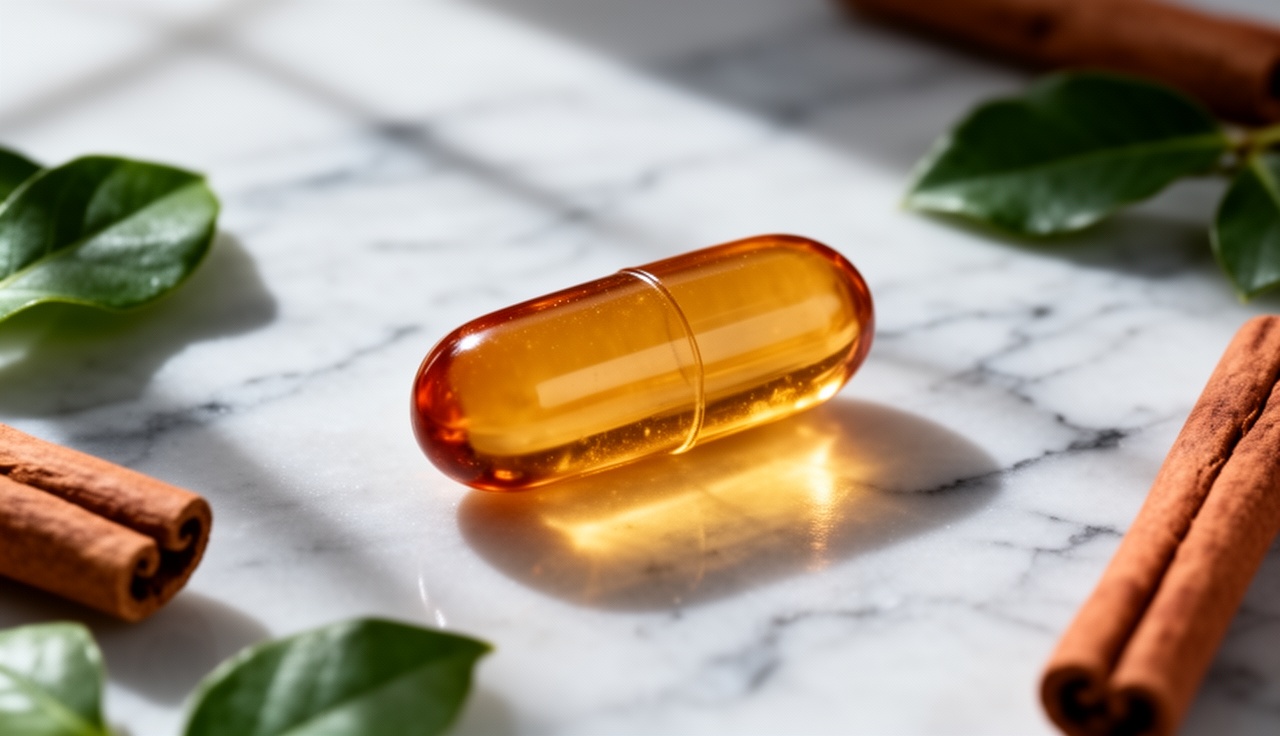
Evidence-Based Dosage Ranges
Most clinical trials use total daily doses between 900 and 1,500 mg, split into multiple servings, with research on the Efficacy and Safety of berberine alone across several metabolic disorders confirming these dosage ranges through systematic review and meta-analysis.
A practical approach:
-
Start at 500 mg once daily with food for several days to assess tolerance.
-
Increase to 500 mg two to three times daily (1,000–1,500 mg total) if well tolerated.
-
Stay within a maximum of 1,500 mg per day, unless your clinician advises otherwise.
To see how doses used in research translate to real life, it helps to review typical study patterns:
|
Study Context |
Daily Dose (Total) |
Duration |
Main Outcomes / Notes |
|---|---|---|---|
|
Type 2 diabetes / prediabetes |
1,000–1,500 mg |
8–24 weeks |
Lower fasting glucose and HbA1c; better insulin sensitivity |
|
Lipid-focused trials |
900–1,500 mg |
8–12 weeks |
Reduced total cholesterol, LDL, and triglycerides |
|
Weight and waist reduction |
~1,000 mg |
8–12 weeks |
Modest weight and waist circumference reductions |
|
Microbiome-focused studies |
500–1,500 mg |
4–16 weeks |
Shifts in gut bacteria and inflammatory markers |
Timing: When To Take Berberine
Berberine has a relatively short half-life of only a few hours. To maintain more stable blood levels and support metabolism throughout the day:
-
Divide the dose into 2–3 servings (e.g., breakfast, lunch, dinner).
-
Take berberine 30 minutes before meals or with the first few bites to influence carbohydrate and fat handling from that meal.
-
If you are highly sensitive to GI upset, try taking it with meals rather than before.
For people doing time-restricted eating, taking berberine with your main feeding window can complement the metabolic benefits of fasting.
Forms, Bioavailability, And Choosing A Quality Supplement
Berberine has modest oral bioavailability because of poor intestinal absorption and strong first-pass metabolism in the liver. That’s why formulation matters.
Common forms include:
-
Berberine HCl (hydrochloride) – the most widely used, with extensive clinical data.
-
Phytosome and other advanced complexes – pair berberine with phospholipids or other carriers to raise absorption and potentially reduce required doses.
Synchronicity Health compares these in detail in this guide to berberine forms and further explores formulation science in a related article on berberine absorption.
When evaluating a berberine product, look for:
-
Transparent labeling – exact berberine form and milligrams per serving.
-
Appropriate dosage per day – enough to match studied ranges (typically 900–1,500 mg total).
-
Third-party testing – verification for purity, potency, and absence of contaminants.
-
Thoughtful combinations – ingredients that support the same metabolic pathways, not just a random blend.
Synchronicity Health’s Berberine Blend was created with these priorities in mind, pairing berberine with Ceylon cinnamon and an absorption-focused design to support blood sugar, lipid, and gut-related pathways discussed in this article.
For more nuance on how phytosome and HCl forms perform in real life, see Synchronicity’s deep dive on berberine forms.
Safety, Side Effects, And Who Should Avoid Berberine
Common Side Effects And How To Reduce Them
Most adults tolerate berberine well, but side effects—when they occur—are usually digestive:
-
Nausea
-
Abdominal cramping or discomfort
-
Diarrhea or, less often, constipation
-
Gas and bloating
-
Occasional headache
These effects are often dose-related and may reflect shifts in gut bacteria.
Strategies to improve tolerability:
-
Start low (500 mg once daily) and increase gradually.
-
Take berberine with meals instead of on an empty stomach.
-
Split the total daily dose into smaller servings.
-
If symptoms persist, step back to the last comfortable dose or stop and talk with your clinician.
Contraindications And Drug Interactions
Berberine is biologically active and can interact with several medications.
Avoid berberine if:
-
You are pregnant or breastfeeding – berberine can raise bilirubin in infants and increase the risk of jaundice and related complications.
-
You are giving it to infants or young children – not recommended due to similar concerns and limited safety data.
Use extreme caution and medical supervision if you take:
-
Diabetes medications (metformin, insulin, sulfonylureas, GLP‑1 agonists): combined effects can push blood sugar too low.
-
Blood pressure medications: berberine may slightly lower blood pressure, which could add to drug effects.
-
Statins and other lipid-lowering drugs: combination therapy may be helpful but requires monitoring.
-
Anti-rejection medications (e.g., cyclosporine): berberine can affect how these are metabolized.
-
Drugs processed by liver enzymes (CYP450), such as some antidepressants, antiarrhythmics, anticoagulants, and acid reducers (e.g., omeprazole). Berberine can slow their breakdown, raising blood levels.
Because supplements are not reviewed by the FDA for safety, effectiveness, or purity, choosing a reputable, third-party-tested brand is especially important—particularly if you already take prescription medications.
How Synchronicity Health Integrates Berberine Into A Performance-Focused Stack
Synchronicity Health’s Berberine Blend is built for people who care about both scientific rigor and real-world performance:
-
Metabolic and cardiovascular focus – the Berberine Blend targets pathways such as AMPK activation, lipid metabolism, and endothelial function highlighted in human and mechanistic research, without making disease-treatment claims.
-
Synergistic ingredients – Ceylon cinnamon and supportive cofactors are selected to complement berberine’s actions on glucose handling and insulin sensitivity.
-
Bioavailability-aware design – formulation choices reflect the absorption challenges discussed earlier, with an eye toward efficient delivery rather than megadosing.
For those already using IV clinics for NAD+ or other longevity-focused infusions, oral tools that support mitochondrial efficiency and metabolic flexibility can round out the protocol. Berberine pairs well with other non-stimulant supports like Synchronicity Health’s glutathione nasal spray, which focuses on antioxidant and detox pathways rather than glucose and lipids.
Key Takeaways: Is Berberine Worth Adding To Your Stack?
Summarizing the current evidence on berberine health benefits:
-
Strongest support: better blood sugar control, modest HbA1c reductions, improved insulin sensitivity, and favorable shifts in lipids and triglycerides.
-
Additional upside: small but meaningful changes in body weight and waist circumference, improvements in inflammatory markers, and microbiome shifts that support long-term cardiometabolic health.
-
Best candidates: people with prediabetes, metabolic syndrome, high-normal triglycerides, or stubborn visceral fat who are already committed to lifestyle fundamentals.
-
Key caveats: not a replacement for metformin, statins, or GLP‑1 drugs when those are indicated; quality and dosing matter; and interactions with medications require professional oversight.
If you’re considering berberine:
-
Discuss it with your healthcare provider, especially if you take any prescription drugs or have chronic conditions.
-
Choose a high-quality, third-party-tested product, such as Synchronicity Health’s Berberine Blend, that aligns with doses and mechanisms used in research.
-
Start low, build gradually, and track objective markers—fasting glucose, HbA1c, lipid panel, waist circumference—over at least 8–12 weeks.
Used thoughtfully, berberine can be a powerful ally in a broader strategy for better metabolic health, cardiovascular resilience, and long-term performance.


Leave a comment
All comments are moderated before being published.
This site is protected by hCaptcha and the hCaptcha Privacy Policy and Terms of Service apply.