

If you are using GLP-1 medications for weight loss or metabolic health, it is natural to wonder whether stacking berberine and semaglutide could deliver better results. You may have seen berberine branded as “nature’s Ozempic,” or you might be a biohacker trying to get more value out of every intervention—from continuous glucose monitoring to NAD+ IV therapy.
The reality is more nuanced. Combining berberine and semaglutide might make sense for some people, but it also raises real safety questions, especially around low blood sugar and drug interactions. This guide walks you through the science, risks, and practical steps so you can have an informed conversation with your clinician.
As many clinicians remind patients, "No pill or supplement replaces a thoughtful plan, lab monitoring, and consistent daily habits."
What Are Berberine And Semaglutide?
Before deciding whether to take berberine and semaglutide together, it helps to understand what each one actually is.
Berberine: A High-Interest Metabolic Supplement
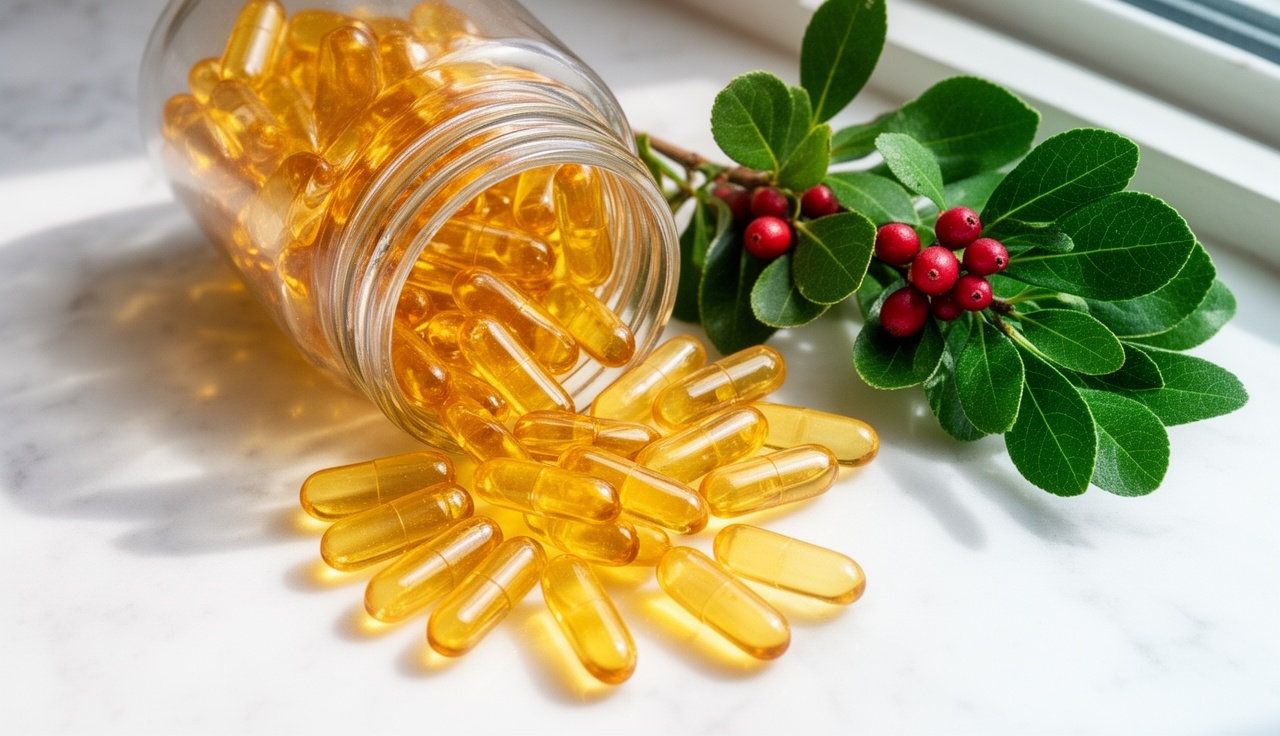
Berberine is a plant-derived alkaloid found in herbs such as barberry, goldenseal, Oregon grape, and tree turmeric. In the US, berberine is sold as a dietary supplement, not a drug. That means:
-
It is not approved by the FDA to diagnose, treat, or cure any condition.
-
Quality and potency can vary widely between brands.
-
It is usually taken 2–3 times per day with meals in capsule or tablet form.
Berberine has been studied for potential effects on:
-
Blood sugar and insulin sensitivity
-
Cholesterol and triglycerides
-
Inflammation markers
-
Modest effects on weight and waist circumference
Semaglutide: A Prescription GLP-1 Medication
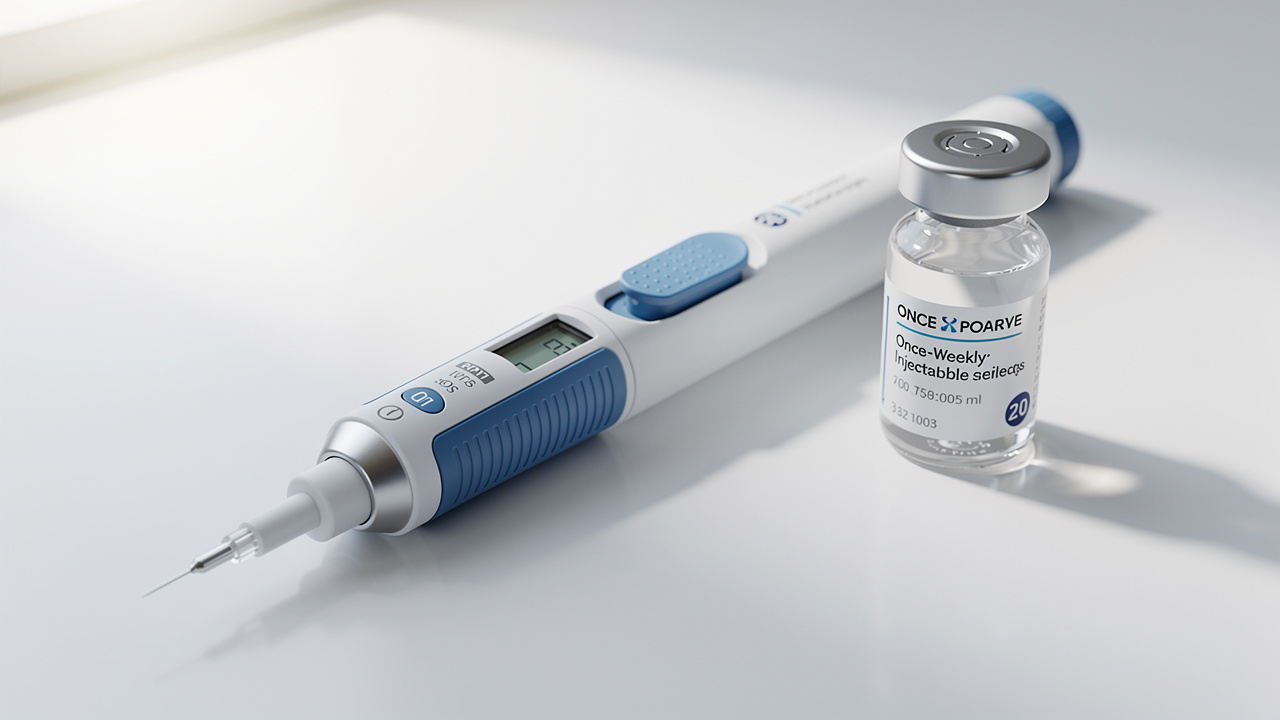
Semaglutide is a prescription GLP-1 receptor agonist used in the treatment of type 2 diabetes and obesity. It is sold under several brand names:
-
Ozempic – once-weekly injection for type 2 diabetes (often used off-label for weight loss)
-
Wegovy – higher-dose, once-weekly injection for chronic weight management
-
Rybelsus – oral tablet for type 2 diabetes
Semaglutide:
-
Mimics the GLP-1 hormone that regulates appetite and blood sugar
-
Has strong, consistent data for both weight loss and cardiovascular benefit
-
Requires medical supervision, dose titration, and regular monitoring
So while berberine and semaglutide are both used for metabolic health, they sit in very different categories: supplement vs prescription drug.
How Berberine Works In Your Metabolism

When people combine berberine and semaglutide, they are stacking two different mechanisms.
Berberine affects several metabolic pathways at once:
-
Activates AMPK
AMPK is often called the cell’s “energy sensor.” When AMPK is activated, the body tends to:-
Pull more glucose into muscle cells
-
Burn more fatty acids for fuel
-
Become more responsive to insulin
-
-
Improves insulin signaling
Berberine may increase the number and activity of insulin receptors on cell surfaces, helping clear glucose from the bloodstream more efficiently. -
Slows carbohydrate digestion
By inhibiting certain digestive enzymes, berberine can blunt rapid blood sugar spikes after meals. -
Influences the gut microbiome
Early research suggests berberine can shift gut bacteria in ways that may support metabolic health, though human data here is still developing.
Functionally, berberine acts more like “nature’s metformin” than “nature’s Ozempic.”
How Semaglutide Works In Your Metabolism
Semaglutide takes a more targeted and powerful approach than berberine.
As a GLP-1 receptor agonist, semaglutide:
-
Calms appetite and food noise
It acts on appetite centers in the brain, increasing satiety and reducing cravings. Many people feel full faster and are less fixated on food. -
Slows gastric emptying
Food leaves the stomach more slowly, which:-
Extends the feeling of fullness after meals
-
Smooths out post-meal blood sugar spikes
-
-
Boosts insulin when needed
After you eat and blood sugar rises, semaglutide prompts the pancreas to release more insulin—only when glucose is elevated. -
Reduces glucagon
Semaglutide lowers the release of glucagon, a hormone that normally tells your liver to release glucose into the bloodstream.
These combined actions make semaglutide a high-impact tool for people managing type 2 diabetes, obesity, or both. When you stack berberine and semaglutide, you are layering this GLP-1 effect on top of berberine’s AMPK and insulin-sensitivity pathways.
Berberine Vs Semaglutide For Weight Loss And Metabolic Health
Marketing often compares berberine and semaglutide as if they are peers. The data says otherwise.
Semaglutide: Large, Consistent Weight Loss
In long-term clinical trials using weight-loss doses of semaglutide:
-
Average weight loss was around 15% of starting body weight over 68 weeks.
-
Placebo groups, who only received lifestyle advice, lost about 2–3%.
Semaglutide also improves:
-
A1C and fasting glucose
-
Blood pressure
-
Several cardiovascular risk markers
A common refrain in obesity medicine is, "We treat a chronic disease, not a willpower problem."
Berberine: Modest, Variable Effects
Meta-analyses of berberine trials show:
-
Average weight loss of roughly 4–5 pounds at studied doses
-
Small reductions in BMI and waist circumference
-
Clearer benefits for fasting blood sugar and lipids than for weight
In other words, when comparing berberine and semaglutide:
-
Semaglutide delivers far larger, more predictable weight loss.
-
Berberine’s strength is broader metabolic support: glucose, insulin sensitivity, lipids, and inflammation.
Is Berberine Really “Nature’s Ozempic”?
The nickname sounds catchy, but it is misleading—experts have examined is berberine nature's semaglutide? and concluded that the comparison oversimplifies their distinct mechanisms and clinical outcomes.
When you look at berberine and semaglutide side by side:
-
Mechanism
-
Semaglutide: precise GLP-1 receptor agonist, engineered to last all week.
-
Berberine: multi-target metabolic support, centered on AMPK and insulin signaling.
-
-
Magnitude Of Effect
-
Semaglutide: ~15% body-weight reduction in high-quality trials.
-
Berberine: a few pounds, with mixed results across studies.
-
-
Timeline
-
Semaglutide: noticeable appetite and weight changes in weeks.
-
Berberine: more gradual shifts over months of consistent use.
-
For accuracy, it is better to see berberine and semaglutide as complementary—but not equivalent. Berberine may support underlying metabolic health; semaglutide directly reshapes appetite and GLP-1 signaling.
Safety And Side Effects Of Berberine And Semaglutide
If you are thinking about combining berberine and semaglutide, you need to understand each one’s risk profile on its own.
Common Semaglutide Side Effects
Most side effects relate to the digestive system and are dose-dependent:
-
Nausea, vomiting, or loss of appetite
-
Diarrhea or constipation
-
Abdominal discomfort or bloating
More serious concerns include:
-
Gallbladder issues (including gallstones), especially with rapid weight loss
-
Increased resting heart rate by a few beats per minute
-
Worsening diabetic retinopathy in some people with preexisting eye disease when blood sugar drops rapidly
Semaglutide also carries an FDA boxed warning about thyroid C-cell tumors in animals and is contraindicated for people with:
-
Personal or family history of medullary thyroid carcinoma (MTC)
-
Multiple Endocrine Neoplasia syndrome type 2 (MEN 2)
Common Berberine Side Effects
Berberine is generally well-tolerated, but “berberine belly” is real:
-
Nausea
-
Abdominal cramps
-
Constipation or diarrhea
-
Bloating
These issues are usually dose-related and often improve by:
-
Starting low and increasing gradually
-
Taking berberine with food
Berberine should be avoided:
-
During pregnancy
-
While breastfeeding
-
In infants and newborns (due to jaundice and kernicterus risk)
When combining berberine and semaglutide, overlapping digestive effects are one of the biggest practical problems.
Drug Interactions: The Hidden Risk When Stacking Berberine And Semaglutide
The most underappreciated concern with berberine and semaglutide is how berberine can change the way your liver handles other drugs.
Berberine And Liver Enzymes
Berberine can inhibit key liver enzymes, especially:
-
CYP3A4
-
CYP2D6
These enzymes metabolize a large share of common prescriptions. If berberine slows them down, levels of other drugs can rise, sometimes to unsafe levels.
Medications that may be affected include:
-
Blood thinners (e.g., warfarin)
-
Blood pressure medications
-
Statins
-
Certain antidepressants and antipsychotics
-
Immunosuppressants after organ transplant
If you are on several medications and add berberine to semaglutide, this interaction layer becomes even more complex. This is why pharmacists and physicians should always review your full list of meds and supplements before you combine berberine and semaglutide.
Hypoglycemia: When Glucose Drops Too Low
Both berberine and semaglutide can lower blood sugar. That effect is usually helpful—but not if it goes too far.
Risk is higher if you:
-
Also use insulin or sulfonylureas
-
Tend to skip meals or fast aggressively
-
Are underweight or rapidly losing weight
-
Have a history of severe hypoglycemia
Symptoms of low blood sugar include:
-
Shakiness or tremor
-
Sweating
-
Fast heartbeat
-
Confusion, irritability, or trouble concentrating
-
Dizziness or feeling faint
Anyone stacking berberine and semaglutide should have a clear plan with their clinician for monitoring glucose and adjusting other diabetes medications. They also have a lot of synergy with an OEA supplement.
Can You Safely Take Berberine And Semaglutide Together?

The direct research on berberine and semaglutide as a combination is essentially nonexistent. No large, controlled trials have tested them together.
That means any use of berberine alongside semaglutide is:
-
Off-label
-
Experimental
-
Dependent on your individual health picture
The Theoretical Upside
In theory, combining berberine and semaglutide could:
-
Improve glucose control by acting at both hormone and cellular levels
-
Support lipids and inflammation beyond what semaglutide alone does
-
Provide additional metabolic support as you reduce processed carbs and total calorie intake
This is why some biohackers, high performers, and clinicians are curious about the stack.
The Real-World Risks
At the same time, combining berberine and semaglutide can:
-
Increase risk of hypoglycemia
-
Intensify GI side effects, enough to disrupt work, training, or travel
-
Raise risk of dehydration and electrolyte imbalance if you are eating and drinking less
-
Complicate other medication regimens through liver-enzyme interactions
For that reason, this combo should never be started casually or without medical oversight.
Who Should Be Very Cautious Or Avoid The Combination?
A supervised trial of berberine and semaglutide is generally not a good idea if you:
-
Have a history of severe hypoglycemia
-
Have advanced liver or kidney disease
-
Are pregnant, planning pregnancy, or breastfeeding
-
Have complex polypharmacy (multiple meds that rely on CYP3A4/CYP2D6)
-
Have a history of pancreatitis or serious GI motility disorders (which already restrict semaglutide use)
If any of these apply, talk with your clinician about safer alternatives. Targeting lifestyle, strength training, protein intake, and sleep can often move the needle without stacking berberine and semaglutide.
If Your Clinician Approves: How To Introduce Berberine While On Semaglutide
If you and your healthcare provider decide that trying berberine and semaglutide together makes sense, a conservative, data-driven plan matters.
1. Stabilize Your Semaglutide Dose First
Most clinicians prefer that you:
-
Stay on a stable semaglutide dose for 4–6 weeks
-
Have relatively predictable fasting and post-meal glucose
-
Have GI side effects under control
This creates a baseline so you can actually see what berberine adds.
2. Start Berberine Low And Slow
Common studied doses for berberine total 1,000–1,500 mg per day, usually split into 2–3 doses with meals.
With berberine and semaglutide together, many providers start even more slowly, for example:
-
500 mg once daily with the largest meal
-
Gradually increasing as tolerated and as lab data supports
3. Intensify Glucose Monitoring
During the first few weeks of combining berberine and semaglutide:
-
Check fasting and post-meal glucose more frequently.
-
If possible, use a continuous glucose monitor (CGM) for real-time feedback.
-
Track symptoms like dizziness, unusual fatigue, or mental fog.
This extra data helps your clinician decide whether to adjust berberine, semaglutide, or other glucose-lowering medications.
4. Protect Hydration, Electrolytes, And Nutrition
Because berberine and semaglutide both affect appetite and digestion:
-
Aim for protein at nearly every meal.
-
Drink enough fluids and consider electrolytes if you train hard or sweat heavily.
-
Watch for signs of under-eating: persistent weakness, lightheadedness, or trouble recovering from workouts.
How Synchronicity Health’s Berberine Blend Fits With A GLP-1 Protocol
If you and your clinician choose to add berberine, product quality matters. Not all formulas are equivalent in dosing, purity, or supporting ingredients.
Synchronicity Health created its Berberine Blend to support people who care about both lab data and performance metrics.
Each serving of Synchronicity Health’s Berberine Blend delivers:
-
500 mg berberine
-
300 mg Ceylon cinnamon for additional blood sugar and antioxidant support
-
100 mg bitter melon extract
-
250 mg chromium picolinate to help support healthy glucose metabolism
-
An absorption support blend with sunflower lecithin, ginger extract, and black pepper extract to help your body absorb and use the ingredients more efficiently
Every batch is third-party tested for purity, potency, and contaminants, a key point if you already track labs and want consistency when stacking berberine and semaglutide.
If your clinician approves, a common pattern is:
-
1–2 capsules, taken 15–30 minutes before meals,
-
1–3 times daily, based on the plan you design together
You can explore the full formula details and testing standards for Synchronicity Health’s Berberine Blend to see how it fits your goals.
Lifestyle Strategies That Make Berberine And Semaglutide More Effective
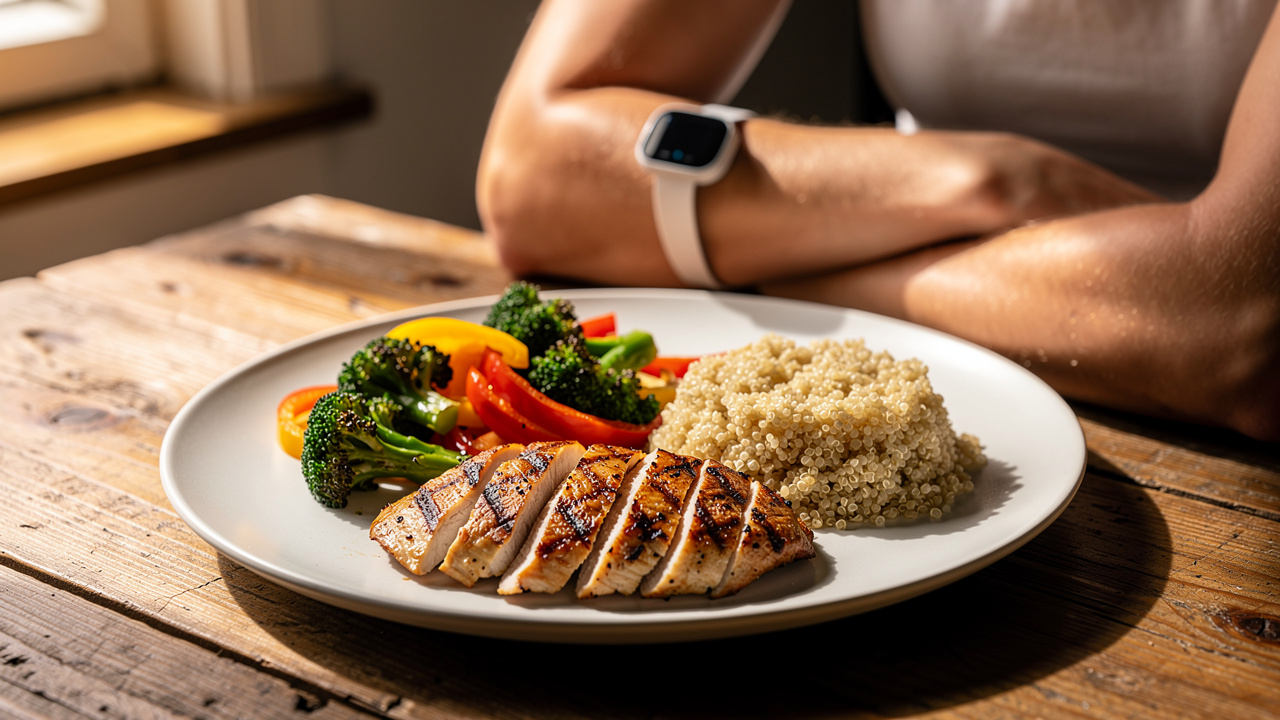
Whether you end up taking berberine and semaglutide together or using just one, your long-term outcome still depends heavily on lifestyle.
Dial In Nutrition
For busy professionals, athletes, and biohackers, the most effective nutrition patterns tend to share core principles:
-
Center meals around protein (especially if you are losing weight and want to preserve muscle).
-
Emphasize fiber-rich vegetables, low-glycemic carbs, and healthy fats.
-
Keep ultra-processed foods, liquid calories, and constant snacking to a minimum.
Semaglutide can make these choices easier by lowering cravings, while berberine may help smooth out post-meal glucose spikes.
Train For Strength And Performance
Rapid weight loss can cost you both fat and muscle. When you combine berberine and semaglutide, strength work becomes even more important:
-
Aim for resistance training at least 2–3 times per week.
-
Focus on controlled, full-range movements and progressive loading.
-
Keep an eye on performance metrics—bar speed, rep quality, recovery—alongside the scale.
Maintaining or improving lean mass keeps your metabolism stronger and counters the “skinny-fat” or “Ozempic face” look some people worry about.
Sleep, Stress, And Recovery
If you are layering berberine and semaglutide on top of other tools—like NAD+ IV therapy, red light sessions, or cold exposure—remember that recovery capacity is finite.
Prioritize:
-
7–9 hours of sleep with consistent bed and wake times
-
Daily stress-management practices (breathwork, short walks, mindfulness)
-
Deload weeks or lighter training blocks if your energy flags
Many coaches tell clients, "You cannot supplement your way out of poor sleep, chronic stress, and ultra-processed food."
The more advanced your stack, the more you need to respect basic physiology.
Frequently Asked Questions About Berberine And Semaglutide
1. Can I Take Berberine And Semaglutide At The Same Time?
You may be able to take berberine and semaglutide together, but only under medical supervision. Both can lower blood sugar, and both can affect digestion. Combining them without guidance can raise your risk of hypoglycemia and side effects.
2. Why Would Someone Combine Berberine With Semaglutide?
People combine berberine and semaglutide to address metabolic health from different angles:
-
Semaglutide: GLP-1 hormone signaling, appetite, gastric emptying, and insulin/glucagon balance.
-
Berberine: AMPK activation, insulin sensitivity, glucose uptake, lipids, and inflammation.
Together, they may provide broader support for blood sugar and cardiometabolic health, especially in people who already prioritize training, nutrition, and lab tracking.
3. What Are The Main Risks Of Taking Berberine With Semaglutide?
Key risks of combining berberine and semaglutide include:
-
Low blood sugar (hypoglycemia), particularly if you also use insulin or sulfonylureas
-
Worsening GI symptoms such as nausea, cramping, bloating, diarrhea, or constipation
-
Drug interactions from berberine’s effects on liver enzymes, which can change levels of other prescriptions
These risks are the reason a clinician should review your full situation before you start the combo.
4. How Should I Introduce Berberine If I’m Already On Semaglutide?
A common medical approach when stacking berberine and semaglutide is:
-
Be stable on your semaglutide dose for 4–6 weeks.
-
Add a low dose of berberine (for example, 500 mg once daily with food).
-
Increase slowly only if you tolerate it and your labs and glucose readings support the change.
-
Check blood sugar more often during the first few weeks and report any symptoms promptly.
Your clinician may also adjust other glucose-lowering medications to reduce hypoglycemia risk.
5. What Makes Synchronicity Health’s Berberine Blend A Strong Option?
Synchronicity Health’s Berberine Blend is designed for people who want more than plain berberine powder. Each serving includes:
-
500 mg berberine
-
300 mg Ceylon cinnamon
-
100 mg bitter melon extract
-
250 mg chromium picolinate
-
An absorption support blend with sunflower lecithin, ginger, and black pepper
The formula is third-party tested for purity and potency, which is especially important when you are stacking berberine and semaglutide and depend on consistent dosing.
You can review the full profile of Synchronicity Health’s Berberine Blend and discuss with your healthcare provider whether it fits your protocol.
Bottom Line: Combining berberine and semaglutide may offer added metabolic support for some people, but the stack is not trivial. Treat it as an experiment that requires a clinician, lab data, careful monitoring, and respect for both the upsides and the risks.


Leave a comment
All comments are moderated before being published.
This site is protected by hCaptcha and the hCaptcha Privacy Policy and Terms of Service apply.