
Introduction
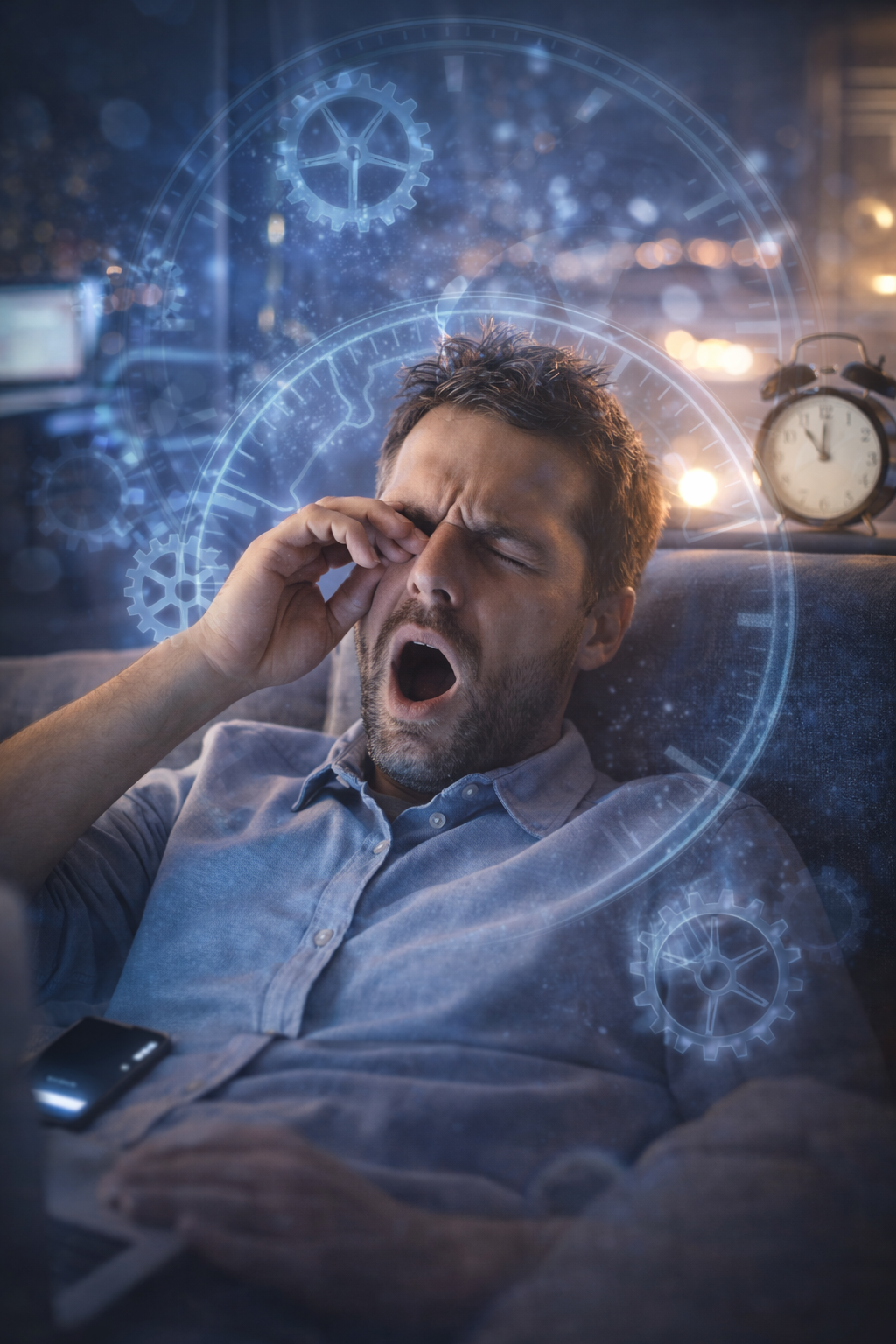
Picture this. The alarm goes off, the sleep tracker shows eight hours, the lab tests all say “normal” — and yet by 10 a.m., the only question in your head is why am I always tired.
You are not lazy. You are not weak. In many cases, you are simply out of sync. The body runs on a set of internal clocks that expect bright days, dark nights, regular meals, and predictable stress patterns. Modern routines offer late-night screen glow, skipped breakfasts, 24/7 email, and weekend sleep binges instead. The result often feels like invisible jet lag, even when you never leave your time zone.
Americans now report feeling sleepy an average of three days per week. That is not just a lot of yawning. It is a sign that something about our shared schedule is fighting our biology. For many people asking why am I always tired or why do I feel exhausted all the time, the core issue is not a clear disease, but a mis-timed system.
This article walks through what “tired but healthy” really means, how circadian rhythms shape energy, and the specific ways modern habits push those rhythms off track. Then it offers practical, science-based steps to resync your body — from light and food timing to stress control and targeted support from Synchronicity Health. By the end, you will see persistent fatigue as a timing problem you can work on, not a mystery you have to live with.
Key Takeaways
-
Many people who ask why am I always tired have normal labs and no clear diagnosis. In these cases, the problem often sits in circadian rhythm disruption rather than a single medical condition. When the timing of sleep, light, food, and activity drifts, the whole body can feel drained even if tests say “healthy.”
-
Modern habits such as late-night screens, irregular sleep hours, constant stress, and indoor-only days act like chronic jet lag. They confuse the internal clock that sets hormones, body temperature, and cellular repair. The result is unrefreshing sleep, cloudy thinking, and energy crashes that do not match how much you rest.
-
You can rebuild rhythm with targeted steps like morning light, steady wake times, aligned meal windows, and nervous system calming. Synchronicity Health adds another layer by supporting cellular energy and sleep quality with physician-backed NAD+ nasal spray formulations and customizable Sync Stacks. Medical red flags still matter, though, so part of the plan is knowing when to talk with a doctor first.
What Does "Tired But Healthy" Actually Mean? Understanding Fatigue Without Medical Cause
Plenty of people live in a strange gap. They feel wiped out all day, yet their doctor says everything looks fine. They are always tired but healthy on paper, which can feel even more frustrating than a clear diagnosis. If this sounds familiar, you are not alone.
“Fatigue without medical cause” usually describes this state. Bloodwork is normal. There is no obvious anemia, thyroid disease, infection, or heart problem. Sleep duration might look decent. From the outside, things appear okay, yet inside there is a constant question looping in your head about why am I always tired.
This kind of fatigue is real and has measurable biology behind it. Circadian rhythms, stress hormones, and cellular energy systems can be off balance long before classic diseases show up on a lab report. Standard medical visits rarely measure rhythm timing or sleep quality in depth, so these issues often fly under the radar.
It also hits high-functioning people hard. You can still show up for work, care for family, and hit deadlines, but you do it while dragging your body through the day. That does not mean it is “all in your head.” It means the usual tests are looking in the wrong place. Instead of asking only “What disease is this,” it helps to ask “How is my body clock set, and is my schedule fighting it?”
The Circadian Code: How Your Body's Internal Clock Controls Energy
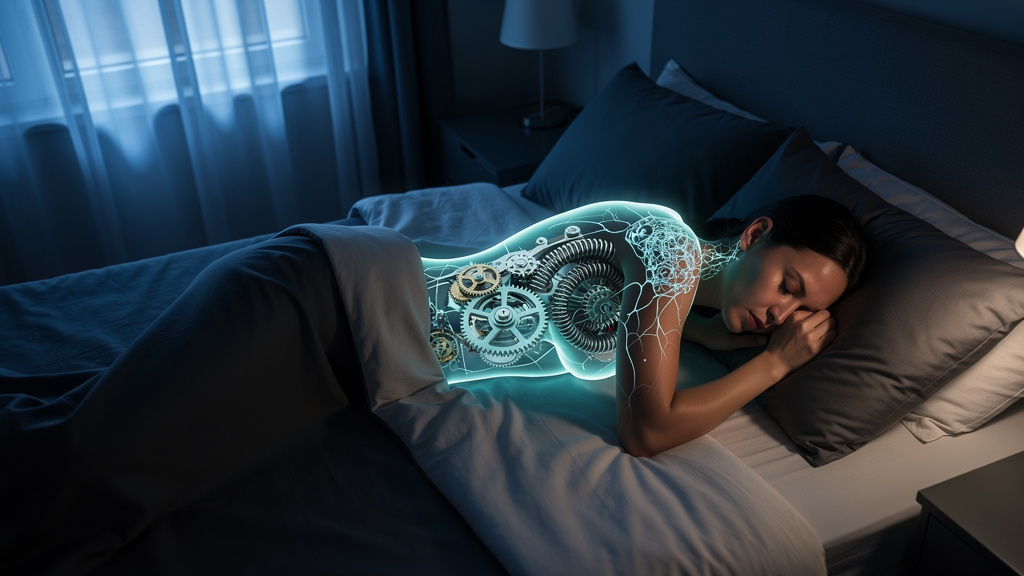
Under the surface, your brain and organs follow a near 24-hour rhythm called the circadian cycle. At the center sits a master clock in the brain, in a region called the suprachiasmatic nucleus. This clock reads light signals from your eyes and sends timing cues to the rest of the body.
Every major organ also has its own local clock. The liver, gut, muscles, and even fat tissue run daily cycles for tasks like digestion, repair, and hormone release. When the master clock and all these local clocks stay in sync, energy feels smooth and predictable. Cortisol rises in the morning to wake you up, body temperature lifts through the day, and melatonin rises at night to guide sleep.
As circadian researcher Satchin Panda, PhD, puts it, “every organ in your body has its own clock.”
When timing drifts, you get phase misalignment. Maybe your brain thinks it is midnight while your social schedule says it is still early evening. Or your gut is still in rest mode while you eat a large late dinner. These mismatches make energy production less efficient at the cellular level and strain the nervous system.
Chronotype matters too. Some people naturally wake early, others later. Forcing a natural night owl into a strict 5 a.m. alarm every weekday is a classic setup for the question why am I always tired. The more your daily demands ignore your natural rhythm, the more you feel like you have permanent jet lag, even at home.
The Energy Paradox: Why You're Exhausted Despite "Enough" Sleep
Non-restorative sleep is one of the clearest signs of rhythm trouble. You might spend seven to nine hours in bed, fall asleep quickly, and stay asleep most of the night. Yet you wake feeling as if a truck ran over you. No amount of weekend sleeping in seems to fix it.
When circadian timing is off, the architecture of sleep changes. You may get less deep slow-wave sleep, which is when the body does most physical repair and immune work. Tiny awakenings called micro-arousals can break up deeper stages without you remembering them. Brain-wave patterns linked with wakefulness can intrude into deeper sleep and stop you from reaching full recovery.
This is very different from classic insomnia. People with insomnia often cannot fall asleep or stay asleep in the first place. With non-restorative sleep, the problem is not the number of hours but the quality and timing. Going to bed at 2 a.m. and sleeping until 10 a.m. may sound like eight solid hours, yet it does not match the natural window when your hormones and temperature are ready for deep rest.
The result is the energy paradox. You follow the basic advice to “sleep more,” yet you still ask why am I always tired every morning. Without addressing rhythm alignment, adding more hours in bed only moves the problem around.
The Modern Desynchronizers: How Daily Life Systematically Disrupts Your Rhythm
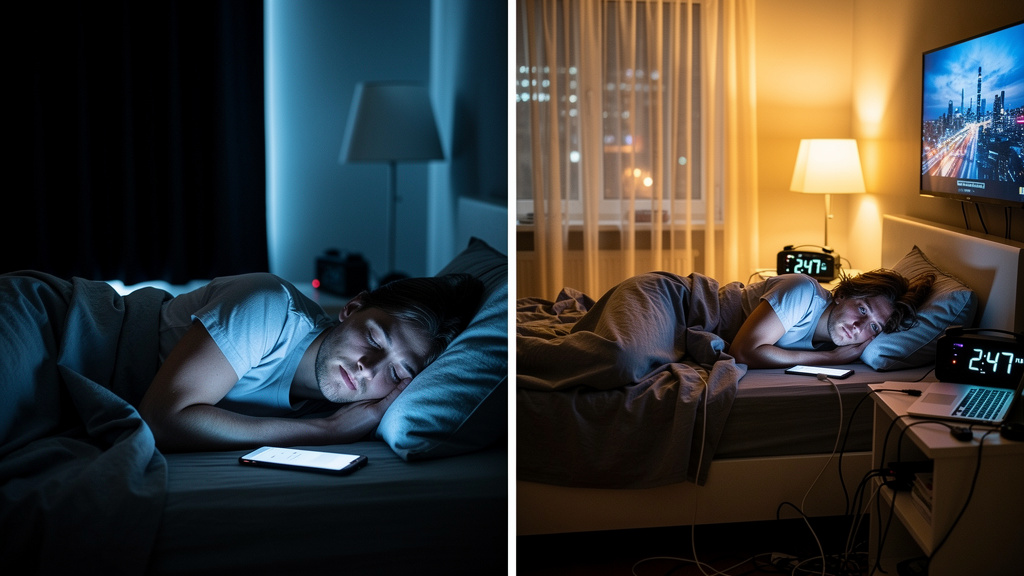
Human biology shaped itself around bright days, dark nights, regular movement, and simple light sources like fire and the sun. Modern routines flip many of those signals. This is not a matter of weak willpower. It is an environment–body mismatch that wears on almost everyone.
You work under dim indoor light all day, then stare at bright blue screens at night. You race from meeting to meeting, answering messages at all hours. Weekdays start early, weekends start late. Meals shift to whenever there is time, often late at night. All of this nudges your internal clocks away from their natural set points.
Over time, the body stops knowing what time it is. Hormones drift, gut clocks lag behind brain clocks, and sleep feels both necessary and unsatisfying. The question why am I always tired becomes less of a mystery when you see how many small daily cues are pushing you off center.
Artificial Light Exposure: The Master Disruptor
Light is the main signal your master clock listens to, and modern light patterns are very different from what your brain expects. Blue-rich light from phones, tablets, and LED bulbs in the evening tells the brain it is still daytime. That lowers melatonin and pushes your sleep phase later.
At the same time, most people get very little strong morning light. Indoor lighting is a tiny fraction of outdoor brightness, even on a cloudy day. Without that firm morning cue, your internal clock drifts and the whole day shifts later. Then you lie in bed at night feeling wired even though you are tired.
Even dim light during sleep can disturb deeper stages. A bright clock display, hallway light leaking under the door, or a TV left on can all raise the background signal the brain picks up through the eyes. Your biology expects something closer to true darkness at night, with a calm, gradual shift from sunset to full dark.
Helpful shifts include:
-
Getting outside for at least 10–30 minutes of daylight within an hour of waking
-
Working near windows or higher-brightness lamps during the day
-
Dimming screens and overhead lights two to three hours before bed
Irregular Schedules And Social Jet Lag
Social jet lag happens when the timing your body wants does not match the timing your life demands. A common pattern is early alarms on weekdays and sleeping in on weekends. That two- or three-hour shift each weekend is like flying across time zones every Friday and back every Monday.
Irregular work shifts make this even worse. Rotating schedules or frequent night shifts pull your clock in opposite directions. Your brain and organs never get enough time with a single pattern to settle. You might feel wired at midnight on a workday and half-asleep in a morning meeting.
Food timing adds another layer. Your digestive system has its own rhythm and expects meals in a regular window tied to daylight. Skipping breakfast, eating one giant late dinner, or snacking at midnight sends mixed messages. Over time, this pattern can throw off blood sugar control and leave you wondering why do I feel exhausted all the time even with decent sleep.
Chronic Stress And Nervous System Dysregulation
Stress by itself is not always bad. The problem comes when the stress response never shuts off. Constant pressure, work notifications, money worries, and family demands push the nervous system into a steady state of alert.
In that state, cortisol patterns flatten. You may have low levels in the morning when you need them and high levels at night when you need calm. This makes it hard to fall asleep and stay asleep, even if you feel completely drained. The body is tired, but the brain will not let go.
This sets up a nasty loop. Poor sleep makes stress feel harder to handle, and higher stress makes good sleep harder to reach. For many high-achieving professionals, this is the silent background behind their why am I always tired search. It is not just long hours. It is a nervous system that never gets to relax enough to reset.
Burnout vs. Fatigue vs. Circadian Disruption: Understanding Your Exhaustion
Not all tiredness feels the same or comes from the same place. You can have sore muscles after a hard workout, brain fog after back-to-back meetings, or a deep emptiness that feels like nothing matters. All of these get labeled as “tired,” but they point to different roots.
Sorting out what you are dealing with helps you pick the right steps. Physical rest will not fix burnout. A week off will not repair long-term circadian disruption if you go right back to the same timing habits. Many people ask why am I always tired while bouncing between these states without a clear map.
A quick overview:
|
Type |
Main Feeling |
Typical Triggers |
What Helps Most First |
|---|---|---|---|
|
Physical Fatigue |
Heavy, sleepy body |
Intense exercise, long physical days |
Sleep and rest days |
|
Mental Fatigue |
Foggy, scattered thinking |
Deep focus, constant multitasking |
Mental breaks, nature |
|
Burnout |
Numbness, cynicism, low motivation |
Long-term stress and value misalignment |
Boundaries, meaning |
|
Circadian Disruption |
Tired at odd times, poor sleep quality |
Irregular light, sleep, food, and stress cues |
Rhythm repair |
Physical Fatigue: Acute Energy Depletion
Physical fatigue is the classic tired feeling after a demanding day for your body. Your muscles feel heavy, your eyelids droop, and you want sleep or a rest day. This often follows intense exercise, a long day on your feet, or a short burst of poor sleep.
The key sign is that rest actually works. After a solid night of sleep or a quiet day, energy returns to normal. If you ask yourself “Do I feel better after one or two good nights,” and the answer is yes, you are likely dealing with simple physical fatigue rather than a rhythm problem.
Mental Fatigue: Cognitive Overload
Mental fatigue sits more in the head than in the body. You might feel wired but foggy, staring at a screen while nothing sticks. Decision-making feels harder, and creativity dries up. Your body could probably handle a walk or workout, but your mind says no.
This comes from long periods of intense focus, constant task switching, and information overload. It tends to improve with true mental breaks, time in nature, or low-input activities. It often gets worse when work demands fight your natural mental peak times, such as asking a night owl to do deep thinking at 7 a.m.
Burnout: Emotional And Motivational Exhaustion
Burnout has its own flavor. You may feel tired, but the deeper sign is not caring the way you used to. Work that once mattered now feels empty. You feel detached, cynical, or like nothing you do makes a difference.
This usually grows from long-term stress, lack of control, and misalignment between your values and what you spend your time on. Sleep and weekends help a little, but they do not reset your sense of meaning. Many people facing burnout also ask why am I always tired, yet the real signal is emotional numbness rather than pure sleepiness.
Circadian Disruption: Out-Of-Sync Exhaustion
Circadian disruption is different again. Here, you get persistent tiredness even when you sleep enough hours, and your energy rises and falls at odd times. Maybe you are wide awake at midnight and wrecked at 2 p.m., no matter how early you went to bed.
You might notice that you feel much better on vacation or during a week when your schedule is consistent and closer to your natural preference. That short-term improvement is a strong hint that timing is the main issue. In this state, the right question is not just why am I always tired, but “How far is my current schedule from what my body clock wants?”
The Hidden Culprits: Lesser-Known Rhythm Disruptors
Most people know that screens at night and late caffeine can hurt sleep. Fewer people think about how mealtime, indoor light levels, or even home temperature patterns affect their internal clock. These quieter factors can keep you out of sync even when the obvious habits look good.
If you are someone who eats clean, works out, and still wonders why am I always tired, these under-the-radar cues are worth a closer look. They often explain why healthy people with good intentions still feel off.
Meal Timing And Late-Night Eating
Food is one of the strongest timing cues for your gut and liver clocks. When you eat late at night, you tell those organs that it is “daytime” even while your brain is starting to wind down. That mismatch can disturb blood sugar control and make sleep lighter and more broken.
Research on time-restricted eating shows that keeping most food intake inside a daylight window can support metabolic health and improve sleep quality. Skipping breakfast and then eating a huge dinner late in the evening does the opposite. Over weeks and months, this pattern can leave you asking why do I feel exhausted all the time even while your diet looks healthy on paper.
Indoor-Only Lifestyle And Light Insufficiency
Indoor lighting is shockingly dim compared with the outside world. An office might sit around a few hundred lux, while even an overcast sky can reach many thousands. Your master clock reads that light difference and uses it to set a strong rhythm signal.
When you spend nearly every waking hour indoors, morning light never really “stamps” the clock. The rhythm signal becomes weak and easier to disturb. A single bright afternoon outside on the weekend might make you feel alive again, but the effect fades once you go back to low light Monday through Friday.
Temperature Dysregulation
Your core body temperature follows a daily rhythm. It is lowest in the early morning and highest in the late afternoon. This rise and fall helps guide alertness and sleep. A drop in core temperature at night is one of the cues that sleep is coming.
Modern climate control flattens these swings. If your bedroom is too warm or you take a very hot shower right before bed, your core temperature may stay higher than your brain expects. That can delay melatonin release and make it harder to fall into deep sleep. Small changes, like cooling the bedroom or timing a warm bath an hour before bed, can make that natural drop easier.
Warning Signs Your Fatigue Is Rhythm-Based (Not Medical)
It is important to say clearly that new, severe, or strange fatigue can signal real illness. A medical check is always the first step if something feels off. At the same time, many people have already done that step and still feel awful. In that situation, it helps to look for signs that rhythm is the main driver.
Common clues include:
-
You feel clearly better after a few days with regular sleep and meal times, then slide back when life gets busy
-
You log seven to nine hours of sleep but wake up unrefreshed again and again
-
Your energy peaks and crashes at odd times (wide awake late at night, wiped out mid-afternoon)
-
Weekend “recovery” helps briefly, but you crash again once the workweek starts
-
Changes in light, screens, or bedroom conditions seem to affect you more than they used to
People with rhythm-based fatigue often notice that light and environmental changes matter a lot. A sunny outdoor morning walk brings more relief than another cup of coffee. Cooling the bedroom or going screen-free in the evening helps more than sleeping in. Labs for thyroid, vitamin D, B12, and iron may all look normal, and there may be no strong pain, fever, or rapid weight change. If this sounds like your story, focusing on circadian repair is a smart next move, while still staying alert for any new warning signs.
The Synchronicity Solution: Restoring Your Natural Rhythm
If feeling out of sync is not a character flaw but a timing problem, then you can work with timing to feel better. That means giving your body clear, repeated cues about when it is day and when it is night, and supporting the cellular systems that carry out those instructions.
Synchronicity Health builds its approach around that idea. The focus is on circadian-aware habits paired with science-based nutrient support, so you can change both the signals you send and the way your cells respond. For someone asking why am I always tired while their tests look fine, that combination often matters more than yet another stimulant.
Strategic Light Exposure: Resetting Your Master Clock

Light is the strongest lever you have over your master clock. Getting bright outdoor light within the first hour after waking anchors the start of your internal day. Ten to thirty minutes of daylight, even through clouds, tells your brain “morning has begun,” which helps set cortisol, temperature, and mood.
During the day, more light helps sustain that signal. Working near a window, taking short outdoor breaks, or eating lunch outside all add up. In the evening, the game flips. Dimming overhead lights, using warmer bulbs, and stepping away from glowing screens two to three hours before bed tell your brain that night is approaching.
Blue-light filters and, for some people, blue-blocking glasses in the later evening can lower the “daytime” message coming from devices. Early types might focus on strong morning light, while night owls who want to shift earlier may combine brighter mornings with dimmer late nights for several weeks.
Consistent Schedule Anchoring
Your wake time is the single most powerful daily anchor you can set. Waking at the same time every day, including weekends, helps your clock know where to place hormones, hunger, and alertness. Bedtime can slide a little, but keeping wake time within about thirty minutes sets a steady base.
Regular timing for meals adds another layer:
-
Eat breakfast within a couple of hours of waking
-
Keep meals at fairly predictable times
-
Finish dinner two to three hours before bed
Keeping a consistent exercise window, such as a morning walk or late-afternoon strength session, gives your muscles their own rhythm cue. Over a few weeks, you may notice that you start to feel sleepy at the same time each night without forcing it, and that your first thought in the morning is no longer why am I always tired.
Cellular Support For Circadian Function: The NAD+ Connection
Underneath all of this sits cellular energy metabolism. NAD+ is a key molecule that helps your cells turn food into usable energy and also interacts directly with circadian clock proteins. The relationship runs both ways. Clock genes help control NAD+ production, and NAD+ levels feed back to help keep the clock on time.
As people age, NAD+ levels often decline, which can weaken the strength of daily rhythms and make recovery slower. Research suggests that supporting NAD+ can improve the amplitude of circadian cycles, which may translate into steadier energy and better sleep–wake patterns.
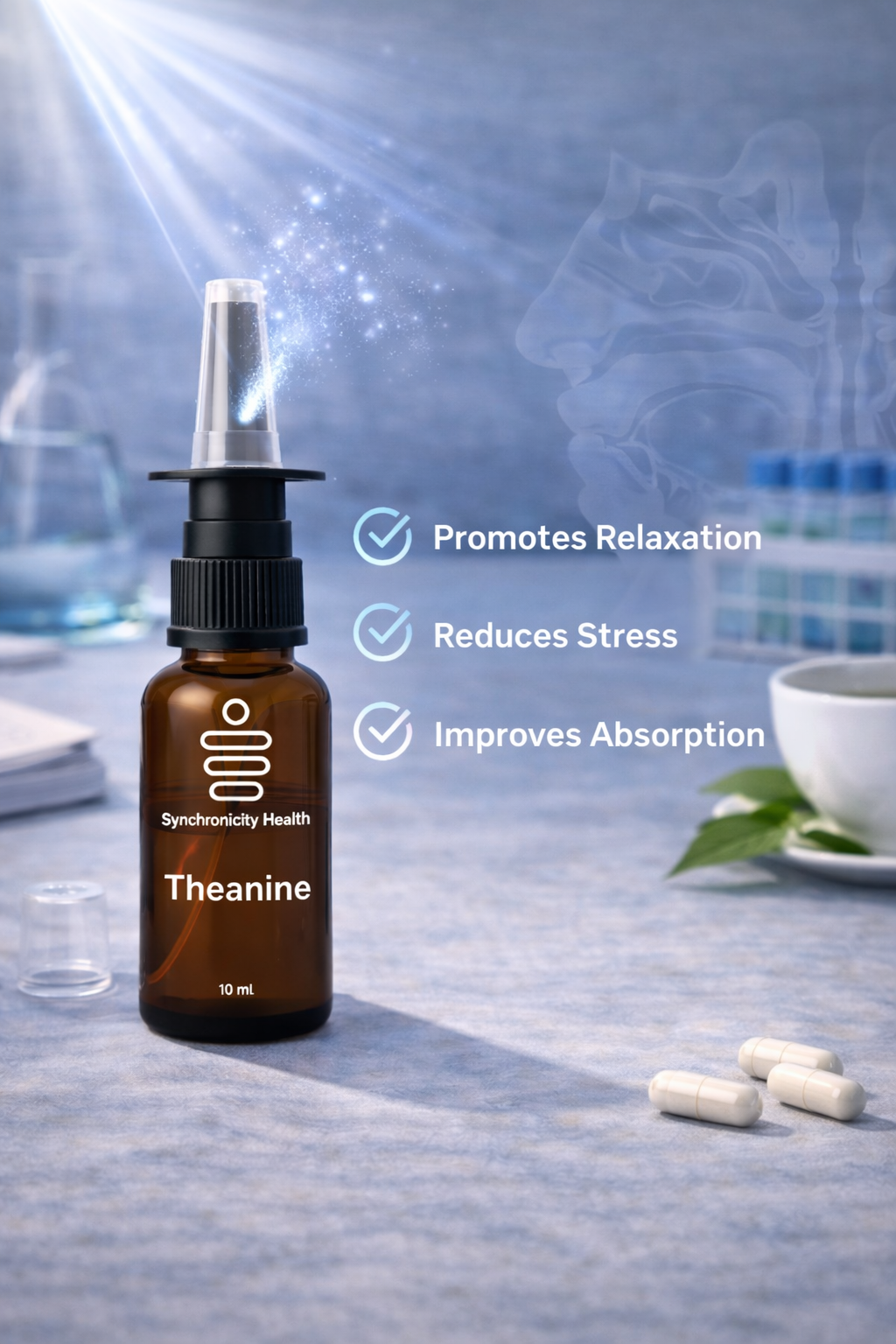
Synchronicity Health focuses on this link through physician-backed NAD+ nasal spray formulations. Nasal delivery can improve bioavailability by moving nutrients directly toward the bloodstream and brain, rather than losing as much in digestion. These NAD+ products are third-party tested and designed to work alone or as part of Sync Stacks that also support sleep quality and cognitive focus.
By supporting the cellular “battery” and the clock at the same time, you give your body a better chance to carry out the timing instructions from your habits. That means rhythm repair is not just about going to bed earlier. It is also about making sure your cells have the resources they need to follow through.
The Sleep Quality Revolution: Beyond "8 Hours"
“Just get eight hours” sounds simple, but it leaves out timing, depth, and continuity. Two people can both sleep eight hours and feel completely different in the morning. One wakes clear and ready. The other still asks why am I always tired, even though the numbers match.
Sleep works like a series of cycles guided by circadian hormones and nervous system shifts. When those are in sync, you move smoothly through deep and dreaming stages. When they are not, you hover in lighter sleep and wake more often, even if you do not remember it. The goal is to fit your sleep window inside your natural biological night and protect those cycles.
Sleep scientist Matthew Walker, PhD, notes that “sleep is the single most effective thing we can do to reset our brain and body health each day.”
Sleep Timing: The When Matters As Much As The How Long
For most people, the most restorative sleep comes when the main part of the night sits somewhere between roughly 11 p.m. and 7 a.m. That is when melatonin is usually highest and core body temperature lowest. Going to bed very late and sleeping into late morning can shift you away from that natural window.
Sleep before midnight often includes a higher share of deep slow-wave stages, especially in the first half of the night. Pushing bedtime to 1 or 2 a.m. cuts into that territory, even if total time in bed stays the same. Over time, this pattern can hurt insulin control, mood, and focus.
Chronotype still matters. True night owls may feel best with a slightly later window, and true early birds a slightly earlier one. The key is to pick a consistent sleep window that sits as close as possible to your personal biological night and then stick with it long enough for your body to adjust.
Sleep Architecture: Understanding Restorative Cycles
During the night, you cycle through light sleep, deep slow-wave sleep, and REM (dream) sleep in roughly ninety-minute blocks. Deep sleep helps with physical repair, immune strength, and growth hormone release. REM sleep helps process memories, emotions, and learning.
Circadian disruption often reduces the percentage of deep sleep and adds more light, fragile sleep. Micro-arousals — brief awakenings caused by noise, light, temperature, or stress — break up the cycles. You might not remember waking, but your brain never sinks into the deeper phases long enough.
You do not need perfect data to notice this. If you regularly hit the target hours yet wake with soreness, brain fog, or a low mood, those are signs that the cycles are off. Wearable devices can offer clues, but how rested you feel day after day is still one of the best guides.
Evidence-Based Sleep Optimization Strategies
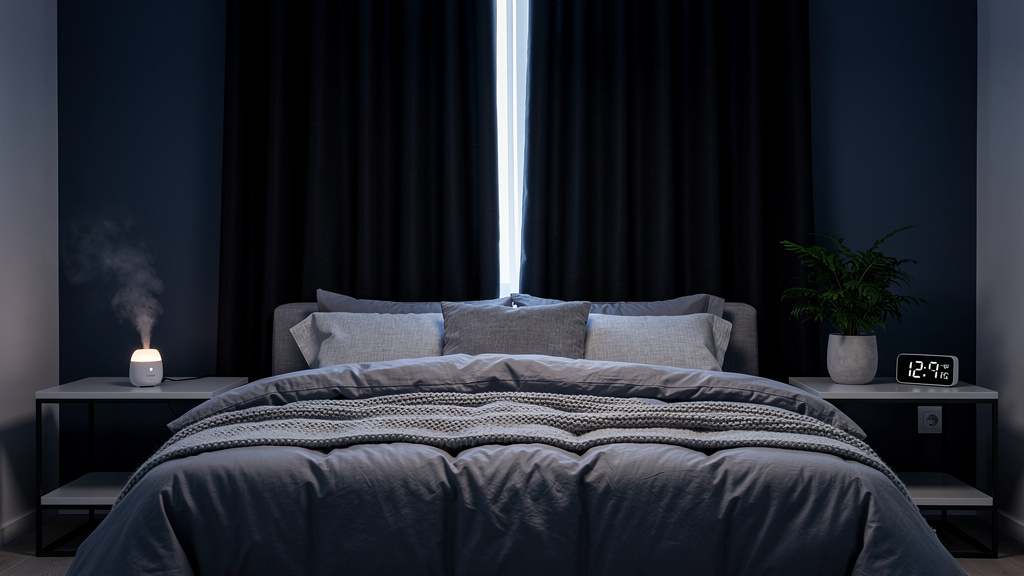
Improving sleep quality starts with the basics. A cool bedroom, often in the mid-60s Fahrenheit, helps your core temperature drop the way it needs to at night. Taking a warm bath or shower about an hour before bed warms the skin and can trigger a rebound cooling that supports sleep onset.
A consistent wind-down routine matters as well. Spending thirty to sixty minutes on calming activities — reading a paper book, gentle stretching, breathwork, or light journaling — gives your nervous system a clear message that wake time is over. Avoiding late intense exercise, work fights, or heavy meals in that window protects it.
For extra support, Synchronicity Health develops sleep-focused formulations aimed at supporting natural melatonin rhythms and smoother transitions into sleep. Nasal delivery allows for precise timing and fast absorption, which is useful when you are working on circadian alignment. Used alongside light and schedule strategies, these tools focus on making each hour of sleep count more, not just adding more hours.
Nutrition And Timing: Fueling Your Circadian System

Food is more than fuel; it is also information. When you eat tells your body whether it is time to be active, to repair, or to store energy. Aligning that timing with your circadian system helps smooth energy through the day and supports better sleep at night.
If you eat at random times or snack late into the night, your blood sugar and digestive rhythms never fully settle. That can leave you feeling sluggish after meals, wired at bedtime, and back to asking why am I always tired even though your diet choices may be quite clean.
Time-Restricted Eating For Rhythm Alignment
Time-restricted eating means keeping all of your meals and snacks within a set daily window, usually ten to twelve hours. For example, you might eat your first meal at 8 a.m. and your last bite by 6 p.m. You are not necessarily cutting calories. You are aligning eating with your internal day.
Keeping that window inside daylight hours supports better insulin sensitivity, more stable blood sugar, and often better sleep. Studies show that even without weight loss, people who adopt this kind of pattern often report steadier energy and less evening hunger. It also gives your gut and liver a true rest period overnight to complete repair tasks.
Strategic Nutrient Timing
What you eat at certain times also matters. A protein-rich breakfast can support the natural morning cortisol rise and keep you from crashing mid-morning. Complex carbohydrates and healthy fats earlier in the day give your body longer to process them before sleep.
In the evening, lighter meals help. Finishing dinner two to three hours before bed lowers the chance of reflux and night-time blood sugar spikes. Front-loading most of your water intake before late evening reduces bathroom trips overnight, which in turn protects sleep continuity.
Micronutrients For Circadian Function
Several vitamins and minerals play key roles in circadian health:
-
Magnesium supports nervous system calm and appears to interact with clock genes
-
Vitamin D helps regulate both bone health and aspects of sleep timing
-
B vitamins support mitochondrial energy production and neurotransmitter pathways
Gaps in these nutrients can make any timing plan harder to feel, even if you are doing everything “right” with light and sleep.
Synchronicity Health pays close attention to these details in its formulations. The focus is on bioavailable forms your body can use well, with third-party testing for purity and potency. Sync Stacks combine key nutrients to support several linked pathways at once, such as cellular energy, circadian timing, and cognitive clarity. In that context, supplements act less like random add-ons and more like tools to fill specific gaps in your rhythm system.
Movement And Exercise: Timing Physical Activity For Maximum Energy
Exercise is not only about fitness; it also sends strong timing cues to your muscles, heart, and brain. When you move can either support your circadian rhythm or push against it. Matching your workouts to your goals and natural patterns can turn them into powerful rhythm allies.
For someone asking why am I always tired, adjusting workout timing can sometimes make more difference than changing the workout itself. The same run or strength session can feel completely different at 6 a.m. versus 5 p.m.
Morning Exercise: The Rhythm Strengthener
Morning movement, especially outdoors, is a double win. You get both physical activation and bright light exposure at the same time. That combination tells your clock that day has clearly started and can raise your morning alertness.
For night owls who want to shift earlier, gentle to moderate exercise in the morning can help move the whole rhythm forward over time. Walks, easy runs, or light strength sessions are often better than all-out efforts right at dawn, because your body temperature and joint tissues are still warming up.
Afternoon Exercise: Performance Peak Window
Late afternoon and early evening, roughly between 4 and 6 p.m., is often when body temperature and reaction time peak. Many people notice they feel strongest and fastest in this window. That makes it a prime time for strength training, sprints, or complex sports.
Working out during this slot can also help bleed off accumulated stress and ease the slide into evening calm. For athletes focused on performance, this window often gives the best training quality without hurting sleep, as long as you leave enough space before bedtime.
Evening Exercise Considerations
Late-night workouts have a mixed record. Some people sleep just fine after an 8 p.m. gym visit. Others find that high heart rates, bright lights, and loud music make it hard to settle. The main risks are raised core temperature and lingering adrenaline near bedtime.
If evening is the only time you can move, it is still far better than no movement. The key is to test how your body responds. Many people do well with moderate activity such as walking, yoga, or light cycling in the later evening, while keeping the most intense lifts or intervals earlier in the day when possible.
Stress Management And Nervous System Regulation
You cannot separate circadian rhythm from stress. The same brain regions and hormones that set your daily cycle also run your stress response. If that system is on high alert all the time, it keeps nudging your timing off center no matter how well you sleep or eat.
Treating stress work as optional “self-care” often backfires. For someone searching why am I always tired, steady nervous system regulation is closer to basic maintenance. It gives your body the safety signals it needs to follow a daily pattern.
Understanding The Stress-Rhythm Connection
Chronic stress reshapes your cortisol curve. Instead of a clear high in the morning and low at night, you may see low, flat levels all day or spikes at the wrong times. That affects energy, blood sugar, and sleep onset. Sitting in a state of “tired but wired” at bedtime is a classic sign.
Poor sleep then makes stressors feel harder to handle, which keeps the cycle running. Over time, this tired-and-tense pattern can turn into both mental health symptoms and physical wear and tear. Working with the rhythm means calming the system that keeps shouting “danger” when there is none.
Evidence-Based Stress Reduction Techniques
Simple, repeatable practices can make a real difference:
-
Mindfulness meditation (even ten minutes a day) can lower perceived stress and help you fall asleep faster
-
Breathwork, such as box breathing or longer exhales, directly taps into the parasympathetic nervous system
-
Gentle evening yoga or stretching shifts attention from racing thoughts into the body
-
Boundaries with technology, like a nightly email cutoff and keeping phones out of the bedroom, protect your evening rhythm
Time in nature adds another layer of calm. Even a regular walk in a park or near trees lowers stress markers and usually adds light exposure, which feeds back into your circadian system. The more these practices happen at the same times each day, the more your body comes to expect safety in those windows.
When To Seek Medical Evaluation: Red Flags And Testing
While rhythm repair can help many people, it is never a replacement for medical care when needed. New or severe fatigue deserves a proper check, especially if it shows up suddenly or comes with other symptoms.
Emergency care is needed right away if tiredness comes with chest pain, shortness of breath, a severe headache with vision changes, sudden weakness or numbness, or thoughts of self-harm. These signs can point to heart, brain, or mental health crises that cannot wait.
You should schedule a medical visit soon if fatigue lasts longer than a few weeks without clear reason, especially if it brings:
-
Unexplained weight loss
-
Night sweats or fevers
-
Ongoing pain
-
Big changes in thinking, such as confusion or major memory problems
A standard workup for ongoing fatigue usually includes blood counts to look for anemia, tests of kidney and liver function, thyroid panels, and checks of vitamin D, B12, iron, and blood sugar. Depending on your story, your provider may add tests for inflammation, hormones, or autoimmunity, and sometimes a sleep study to check for sleep apnea. If those tests come back normal, it does not mean your tiredness is imaginary. It often means you are now in the group that can benefit most from circadian rhythm work.
Building Your Personal Rhythm Restoration Plan
Changing your rhythm is more like training for a race than flipping a switch. It takes steady practice over weeks, but each step builds on the last. Rather than trying to overhaul everything at once, it helps to move in phases so you can see what makes the biggest difference.
Synchronicity Health’s Sync Stack approach lines up with this idea. You start with core behavioral anchors, then add sleep and environment changes, and finally refine things with nutrition, movement timing, stress tools, and targeted nutrient support. That gives you a clear path instead of a pile of random tips.
Phase 1: Establish Core Anchors (Weeks 1–2)
In the first two weeks, focus on the basics that set the rest of the plan:
-
Pick a wake time you can keep all week and stick with it, even on weekends
-
Get outside for bright morning light within an hour of waking, even if it is just a ten-minute walk
-
Eat breakfast at a consistent time and aim for regular meal spacing through the day
-
In the evening, set a screen curfew for at least one hour before bed and use that time for offline relaxing activities
-
Keep a simple daily note of your energy levels and sleep quality so you can see early shifts, even if they are small
Phase 2: Optimize Sleep Environment And Quality (Weeks 3–4)
Once the anchors feel solid, turn to your sleep space. Make your bedroom as dark as possible and cool it to a comfortable but slightly chilly level. Use white noise if sounds wake you. Protect this room as a place for sleep and intimacy, not for work or endless scrolling.
Build a consistent pre-sleep routine that lasts at least thirty minutes. This might include stretching, reading, breathwork, or light journaling. Time any warm bath or shower for about an hour before bed. If you choose to use sleep-focused support from Synchronicity Health, introduce it here so you can see how it affects the quality and timing of your rest.
Phase 3: Fine-Tune With Advanced Strategies (Weeks 5+)
With the basics in place, you can start fine-tuning:
-
Shift toward a clear eating window that stays mostly inside daylight hours
-
Place your main workouts in the morning or afternoon based on how they affect your sleep and daily energy
-
Add regular stress practices at fixed times, such as a midday walk or an evening breathwork session
At this stage, many people also add targeted Sync Stacks from Synchronicity Health, combining NAD+ nasal sprays for cellular energy, sleep support products for deeper nights, and cognitive support for cleaner focus during the day. The goal is a system where your habits and your biology are moving in the same direction.
FAQs
Why am I always tired even though my doctor says I am healthy?
Many people have normal lab results and still feel tired all the time. In these cases, the issue often lies in circadian rhythm disruption, chronic stress, or unrefreshing sleep rather than a clear disease. Your internal clocks may be out of sync with your schedule, so your body is working at the wrong times. Focusing on light timing, steady wake times, regular meals, and nervous system calming can slowly reset that pattern.
How do I know if my tiredness is burnout vs fatigue?
Simple fatigue usually improves after a few good nights of sleep or a rest day. Burnout shows up more as emotional numbness, cynicism, and loss of motivation, especially around work or caregiving. You might sleep more and still feel no joy or sense of progress. Many people have both at once, so you may need both rest and deeper changes in workload, boundaries, and values.
Can I fix my circadian rhythm if I work night shifts?
Night-shift work makes rhythm repair harder, but not impossible. The key is to keep your schedule as consistent as you can and control light exposure. Use very bright light during your “work night” and keep your sleep environment dark and cool when you get home. On days off, avoid swinging all the way back to a daytime schedule if possible, because that acts like constant jet lag.
Do I need supplements to fix my energy?
You can make real progress with habits alone, especially around light, sleep timing, food windows, and stress. Supplements help most when they fill real gaps or support stressed systems like cellular energy or sleep regulation. Brands such as Synchronicity Health design physician-backed, third-party tested formulations with advanced nasal delivery to support NAD+ levels, sleep depth, and cognitive clarity as part of a wider rhythm plan.
How long does it take to stop feeling tired once I work on my rhythm?
Some people feel a small lift within a week or two once they fix wake times and morning light. Deeper changes in energy, mood, and sleep quality often build over four to twelve weeks of steady practice. Think in terms of months, not days. The more consistent you are, the more your body can “trust” the new schedule and shift into it.
Conclusion
Feeling like you live in a fog while every test says “normal” is discouraging. Yet for many people asking why am I always tired, the missing piece is not another pill or another lab. It is a body clock that has lost its bearings in the middle of modern habits that pull it in all directions.
The good news is that timing can change. Morning light, steady wake times, aligned meals, smart exercise timing, and daily stress resets send a clear message to your biology about when to be on and when to rest. These are small moves on their own, but together they build a strong rhythm that makes energy feel more natural and less forced.
Rhythm repair takes some patience, and it works best when you also support the underlying biology with smart nutrition and, when needed, targeted supplements. Synchronicity Health focuses on that deeper layer with physician-designed, nasal-delivered products that support NAD+, sleep quality, and cognitive function, and Sync Stacks that match different goals. When your habits and your cells are reading the same clock, the question why am I always tired no longer has to define your day. Instead, you can treat energy as something you can guide, one aligned choice at a time.


Leave a comment
All comments are moderated before being published.
This site is protected by hCaptcha and the hCaptcha Privacy Policy and Terms of Service apply.