

Introduction
A lot of high performers swear by a cup of green tea before big meetings or training days. The calm yet alert feeling comes mostly from one compound, L-theanine. As research grows and people look for better ways to support focus, sleep, and stress resilience, interest in theanine nasal spray keeps rising.
L-theanine is a non-protein amino acid found mainly in tea leaves and some mushrooms. It crosses the blood–brain barrier and nudges key brain messengers toward a calmer, more focused state. Studies link it with smoother concentration, lower perceived stress, better sleep quality, and protection of brain cells over time.
Most people take L-theanine as capsules, powders, or drinks. Those methods can work well, yet much of the dose breaks down in the gut or during first-pass processing in the liver before it ever reaches the brain. That means slower onset, more variable effects, and sometimes higher doses than a body actually needs.
Nasal spray delivery offers a different path. By sending L-theanine across the nasal lining straight into the bloodstream, a well-designed theanine nasal spray can reach effective levels faster and with far less loss along the way. For people who time their supplements around meetings, training sessions, or bedtime, those details matter.
In this guide, the focus stays on how theanine nasal spray works, what the main benefits look like, and how it compares with standard oral supplements. It also covers dosing ranges, safety, and how to choose a high-quality product. The discussion draws on peer-reviewed research on L-theanine and intranasal delivery, along with the clinical design principles used at Synchronicity Health.
Key Takeaways
Before digging into the details, it helps to see the big picture. The points below give a quick overview of how intranasal theanine can fit into a smart health plan. You can return to this summary later as a fast refresher.
-
Nasal theanine wastes less dose. More passes into blood, and more reaches brain cells.
-
Effects appear quickly. Many notice changes within minutes; capsules usually act more slowly.
-
Benefits touch focus, mood, and sleep. Sleep quality often improves, and long-term brain support may increase.
-
Most people use moderate doses. One hundred to four hundred milligrams per day is common; nasal use often needs less.
-
Formula design and medical input matter. Third-party testing adds safety, and medical advice helps prevent interactions.
Many clinicians hear some version of, "I want to feel calm without feeling slow," and L-theanine is one of the few compounds that often fits that request.
What Is L-Theanine And Why Does Delivery Method Matter?
L-theanine is a non-protein amino acid that occurs mainly in the leaves of Camellia sinensis, the plant behind green, black, and white tea. It also appears in small amounts in a few mushroom species. Unlike many amino acids, the body does not use it to build muscle or enzymes, yet it strongly affects brain function.
On a chemical level, L-theanine has a shape similar to glutamate, the main stimulating neurotransmitter in the brain. Because of that, it crosses the blood–brain barrier and fits into glutamate receptors, where it can calm overactive signaling. At the same time it supports higher levels of GABA, serotonin, and dopamine, the messengers linked with relaxation, mood balance, and motivation.
Across trials, L-theanine has been linked with:
-
better task focus and smoother working memory
-
lower perceived stress and improved sleep quality
-
antioxidant activity in brain tissue, including higher superoxide dismutase and catalase
-
less oxidative damage and calmer inflammatory responses, at least in animal models during low-oxygen states
It also acts as an antioxidant in brain tissue and may protect neurons from some of the wear and tear that builds up with age, with research on plant alkaloids showing similar neuroprotective mechanisms across various natural compounds.
Most supplements deliver L-theanine through the mouth as capsules, powders, or drinks. After swallowing, the compound has to pass the stomach and intestines, then go through the liver before it reaches the rest of the body. This first-pass step breaks down part of the dose, so only a fraction enters circulation in active form.
When bioavailability stays low, people may need higher amounts or longer wait times to reach the same effect. That is why the delivery route matters just as much as the ingredient itself. L-theanine already holds a Generally Recognized as Safe (GRAS) status with the FDA, so modern work now focuses less on basic safety and more on smarter ways to get this amino acid where it needs to go, with nasal spray technology at the front of that effort.
How Nasal Spray Delivery Works: The Science Of Intranasal Absorption
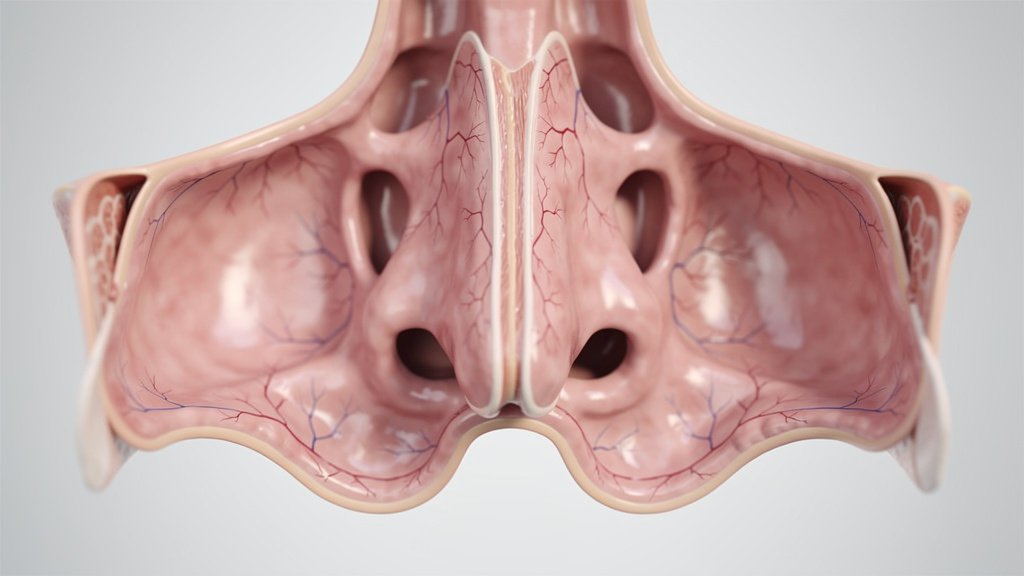
The inside of the nose gives far more than a path for air. Just a few millimeters under the surface, dense networks of tiny blood vessels sit close to the thin mucosal lining. This area offers a wide contact surface and high permeability, which makes it a powerful entry point for carefully designed nutrients and medicines.
When a person uses a nasal spray, the mist lands on this mucosal layer. From there, small water-soluble molecules move straight through the tissue into the nearby capillaries and then into systemic circulation. Because this route skips the stomach, intestines, and liver, it avoids most digestive breakdown and first-pass metabolism.
The nose also connects directly with the brain through the olfactory and trigeminal nerves. Evidence from intranasal drug studies shows that some compounds travel along these nerves or through nearby channels into the central nervous system. While data on L-theanine itself in this pathway is still early, its small size and water solubility fit the profile of compounds that move well through nasal tissue.
Across many molecules, intranasal delivery often reaches bioavailability in the range of roughly seventy to ninety percent. Standard oral supplements for similar compounds may sit closer to thirty to fifty percent, depending on digestion, liver enzymes, and gut health. Higher bioavailability means more of each dose is free to act on brain receptors and signaling networks.
Speed is another major difference. Nasal absorption tends to raise blood levels within fifteen to thirty minutes, sometimes sooner. In contrast, oral doses usually need thirty to sixty minutes or more, since they first go through stomach emptying, intestinal uptake, and liver processing.
Several factors shape how well a nasal spray works, including:
-
Molecular size and charge
-
pH close to nasal mucus
-
the balance between water and fat solubility
-
the thickness of the formula, so it stays on the mucosa without causing excess drip or irritation
When these pieces line up, L-theanine becomes an excellent candidate for intranasal use, with rapid, efficient absorption that matches the needs of busy professionals and serious biohackers.
Pharmacologists often remind students that "the route of delivery can be just as important as the molecule itself," and nasal delivery is a clear example of that idea.
Theanine Nasal Spray Benefits: Enhanced Cognitive Performance And Mental Clarity

When mental demands spike, timing often determines whether a supplement actually helps. The rapid absorption of a theanine nasal spray means that brain levels rise during the window when focus matters most, not long after the moment has passed. For someone about to lead a meeting, trade through a choppy market, or sit an exam, that difference feels very real.
Research on oral L-theanine shows better executive function, verbal fluency, and task switching in healthy adults. People make fewer mistakes on attention tests and stay engaged with demanding material for longer periods. By using a route with higher bioavailability, nasal delivery aims to match or exceed those effects with smaller doses and shorter wait times.
Many users describe less “brain fog” and a sense that thoughts line up more cleanly. At the cellular level, L-theanine gently blocks excess glutamate activity while supporting calming GABA signals. This shift lowers background noise in neural circuits so important signals stand out, which can sharpen working memory and decision making.
The signature state from L-theanine is often called calm focus. Alertness stays high, yet physical tension and racing thoughts ease down. Electroencephalogram studies show that L-theanine increases alpha brain waves, the pattern seen when people feel relaxed but mentally ready. Faster access through a theanine spray may help that state appear on cue instead of half an hour later.
Better control of attention also means less mind-wandering. That matters for coders deep in complex logic, athletes reading a play, and managers shifting between strategy and small details. When theanine nasal spray benefits line up with real-world timing, it acts as a practical tool rather than a vague wellness habit.
User reports often sound like, "It feels like my thoughts move in a straight line instead of bouncing all over the place," which fits well with the calm-but-alert profile of L-theanine.
Synergistic Benefits: Theanine Nasal Spray Plus Caffeine
L-theanine and caffeine form one of the best studied nootropic pairs. Caffeine raises alertness and reaction speed, while L-theanine softens side effects such as jitters, rapid heart rate, and anxious thoughts. Together they tend to produce steady, clean energy with sharper focus.
A theanine nasal spray adds a timing advantage to this classic stack. Because intranasal L-theanine absorbs so quickly, it can get ahead of caffeine’s harsher edges when taken just before or with a cup of coffee or an energy drink. That way, calm focus appears as the stimulant peaks instead of after uncomfortable tension has already set in.
Most people do well with roughly twice as much L-theanine as caffeine by milligram. For example, one hundred milligrams of caffeine pairs with around two hundred milligrams of intranasal L-theanine across one or two sprays. Many use this approach before high-stakes work blocks, intense study, long drives, or pre-workout preparation, while avoiding the combo late in the day so sleep stays solid.
Practical tips for this pairing include:
-
keep the theanine:caffeine ratio near 2:1 by milligram
-
take the spray a few minutes before or with your drink, not long after
-
reserve the combo for earlier in the day to protect night-time sleep
Stress And Anxiety Reduction Through Nasal Theanine Delivery
Beyond focus, one of the strongest reasons people reach for L-theanine is stress relief. In both human and animal studies, L-theanine raises levels of GABA, serotonin, and dopamine in key brain regions involved in mood and tension, with mechanisms similar to mast cell stabilisers that modulate stress-related biochemical pathways. At the same time, it tones down overactive glutamate signaling, which keeps neurons from firing at a frantic pace.
With oral capsules, stress support often requires planning an hour or more in advance. A theanine nasal spray, by contrast, can fit straight into the moment. Because blood levels rise faster, many users reserve it for acute spikes of anxiety, such as sitting in traffic before a big presentation, walking into a tough conversation, or boarding a crowded flight.
Unlike many drugs that act on GABA, L-theanine does not usually cause heavy sedation at normal doses. People tend to feel more grounded and present, yet still able to think clearly and respond. This profile makes intranasal theanine appealing for daytime stress management when someone wants calm without a performance hit.
Higher bioavailability may also mean that lower milligram doses give the same effect that larger oral amounts once provided. That can reduce the chance of side effects while still blunting stress hormones and physical tension. Instead of a daily blanket dose, nasal theanine allows more flexible use that matches stress peaks across the day, from boardrooms and classrooms to airports and competition venues.
As many therapists remind their clients, "Your body can’t stay in fight-or-flight and rest-and-digest at the same time." L-theanine nudges the nervous system toward that calmer side of the switch.
Optimizing Sleep Quality And Duration With Theanine Nasal Spray

Difficult sleep often starts with a busy mind. Thoughts replay meetings, to-do lists, or social moments long after lights go off. Because a theanine nasal spray acts quickly, it can quiet that mental chatter closer to bedtime, rather than relying on a capsule taken much earlier in the evening.
Research links L-theanine with deeper non-REM sleep and more stable sleep architecture. Animal work shows stronger delta brain waves, the slow pattern seen in restorative deep sleep, after L-theanine intake. Other data suggest that it supports melatonin levels and strengthens GABA activity, both of which guide the shift from wake to rest.
In human trials, L-theanine shortens the time it takes to fall asleep, extends total sleep time, and raises subjective sleep quality, especially when combined with other calming agents such as GABA. People often report fewer nighttime awakenings and a fresher feeling on waking. Nasal delivery may help by starting these processes sooner and with less variation between nights.
Because L-theanine does not act like a classic sedative, it prepares the brain for sleep rather than knocking someone out. That means less next-morning grogginess compared with many sleep drugs. For nasal spray use, many people favor one dose thirty to sixty minutes before bed, while avoiding caffeine in the afternoon so the calming effect does not have to fight a lingering stimulant.
Some advanced users break the dose into a smaller spray earlier in the evening and a second spray closer to bedtime. The first helps the body wind down after work, while the second quiets any remaining mental noise. This flexible pattern is much harder to match with slower oral forms.
Combining Nasal Theanine With Other Sleep-Supportive Compounds
L-theanine pairs well with several other natural sleep aids lik Anandamide. One studied blend mixes L-theanine with GABA, the main inhibitory neurotransmitter. Together they shorten sleep latency and increase time spent in deeper stages of non-REM sleep, likely because GABA and theanine both quiet excessive neural firing through different angles.
Magnesium adds another layer by acting as a gatekeeper on NMDA receptors and supporting muscle relaxation. Research on magnesium–theanine complexes in animals shows stronger delta waves, higher melatonin, and better sleep even when caffeine is present. Melatonin itself then acts as the timekeeper, signaling that night has arrived while theanine takes care of mental calm.
When these components share a nasal formula, they can reach the brain on a similar timeline, which may feel smoother than stacking separate capsules. Typical use keeps total theanine between two hundred and four hundred milligrams, with modest amounts of GABA and melatonin on top. Brands such as Synchronicity Health focus on third-party tested, physician-informed blends so that these combinations stay both effective and well tolerated.
If melatonin is included, many sleep specialists suggest keeping doses on the lower side (often 0.3–1 mg for many adults) rather than taking large amounts that can lead to grogginess or vivid dreams.
Neuroprotective And Anti-Aging Benefits Of Enhanced Theanine Absorption

L-theanine does more than smooth a rough day. Over months and years, its antioxidant and anti-inflammatory actions may support long-term brain health. When a nasal spray sends more of each dose into circulation, and likely into brain tissue, those protective actions can become stronger per milligram.
Laboratory studies show that L-theanine raises activity of key antioxidant enzymes, including superoxide dismutase and catalase. At the same time, it lowers levels of malondialdehyde, a marker of oxidative damage to fats in cell membranes. This shift means fewer free radical hits on delicate neural structures.
L-theanine also modulates inducible nitric oxide synthase, an enzyme that often rises during inflammation and low-oxygen injury. By calming this pathway, it may limit secondary damage after stressors such as brief ischemia in experimental models. Its mild blocking action at glutamate receptors further protects neurons from excitotoxicity, the cascade that occurs when cells fire too hard for too long.
Oxidative stress, chronic inflammation, and excitotoxicity all play a part in age-related cognitive decline. A steady supply of L-theanine with high bioavailability fits well into a broader longevity plan that also includes sleep, nutrition, movement, and stress management. Human trials on long-term cognitive outcomes are still limited, so these findings should be viewed as promising rather than guaranteed.
For health optimization fans who already focus on performance today, nasal theanine offers a way to also invest in how their brain may work decades from now.
Theanine Nasal Spray Dosage, Usage Guidelines, And Best Practices
Because intranasal delivery tends to waste less of each dose, many people find they need less L-theanine by nasal spray than they once used in capsules. A common rule of thumb is that nasal doses fall about thirty to fifty percent below an older oral routine, while giving similar or stronger effects.
Typical usage patterns look like this:
-
Cognitive support and focus during the day:
A total of one hundred to two hundred milligrams of intranasal L-theanine often works well. This can come from a single larger spray or from two smaller sprays spaced across a work block. People sensitive to supplements may start as low as fifty milligrams to test their response. -
Stress and situational anxiety:
Many users aim for one hundred fifty to two hundred fifty milligrams across several sprays in a day. Some take a small spray preemptively before a known trigger, then add another if tension climbs. It helps to track mood, heart rate, and sleep for a week or two while dialing in the right amount. -
Sleep support:
Higher totals are common, in the range of two hundred to four hundred milligrams during the evening. One approach is a modest dose after dinner and another dose thirty to sixty minutes before bed. People should avoid caffeine within at least six hours of bedtime so the calming effect does not compete with a stimulant.
Most healthy adults stay within a total daily cap of five hundred milligrams of L-theanine from all sources combined. It is wise to begin with the low end of each range and increase slowly if needed.
For best nasal absorption, users can:
-
gently blow their nose beforehand
-
keep the spray tip just inside the nostril, angled slightly outward
-
inhale lightly with each pump, avoiding a forceful sniff that sends liquid straight to the throat
Many clinicians follow the rule of "start low and go slow" with any new supplement, and L-theanine fits that approach very well.
How To Choose A High-Quality Theanine Nasal Spray
A good theanine nasal spray begins with verifiable quality. Third-party labs should test every batch for purity, correct dose, and absence of heavy metals or harmful microbes. The formula needs a nose-friendly pH, an osmolarity close to natural mucus, and excipients that support absorption without causing burning or excess drip.
Key features to look for include:
-
clear proof of third-party testing for potency and contaminants
-
Good Manufacturing Practice (GMP) standards
-
nose-friendly pH and minimal, well-explained excipients
-
sterile, well-sealed pump packaging
-
transparent labeling of all active and inactive ingredients
Packaging also matters, since a sterile, well-sealed pump protects both the user and the product over time. Look for brands that share their testing certificates and explain their sourcing with clear language. Physician-guided or clinically informed design is another positive sign. Synchronicity Health builds its nasal products around these principles, with advanced delivery technology and transparent testing so that health-conscious users can focus on results instead of guessing about quality.
Comparing Theanine Nasal Spray To Traditional Oral Supplements
Both nasal and oral L-theanine can play useful roles, but they behave differently inside the body. Comparing them across a few key features helps clarify which form fits a given goal or situation. The table below gives a high-level view.
|
Factor |
Theanine Nasal Spray |
Oral L-Theanine Supplements |
|---|---|---|
|
Bioavailability |
Typically higher, often in the estimated range of seventy to ninety percent for similar compounds |
Often lower, around thirty to fifty percent once digestion and first-pass metabolism take their share |
|
Onset Time |
Fast, usually fifteen to thirty minutes |
Slower, commonly thirty to sixty minutes or more |
|
Dosing Flexibility |
Easy to use as needed for specific events during the day |
Works better for planned, routine use |
|
Digestive Impact |
Bypasses the gut, so no capsule fillers or stomach upset from the active itself |
Passes through the stomach and intestines and may bother sensitive digestion in some people |
|
Cost Per Effective Dose |
Bottle price may be higher, yet more of each milligram reaches circulation |
Lower unit cost but some of the dose never reaches the bloodstream in active form |
In practice, many people start with oral L-theanine because it is familiar and widely available. For steady background support, such as a daily two hundred milligram capsule, that route often works quite well. Nasal sprays become more appealing when someone needs rapid, predictable effects, already takes several oral supplements, or deals with digestive problems that interfere with absorption.
Individual response still varies. Some users feel a marked shift when they switch to intranasal use, while others notice only modest gains in speed or strength of effect. A reasonable strategy is to choose one primary form, then keep the other as backup. For example, a person might continue a low oral dose in the morning and reserve theanine spray for targeted evening wind-down or high-pressure tasks.
Potential Side Effects, Safety Considerations, And Drug Interactions
L-theanine has a long history of use through tea and supplements and holds GRAS status with the FDA when used as intended. In research, healthy adults usually tolerate doses up to five hundred milligrams per day without major problems. Still, any active compound can cause unwanted effects in some people, and nasal delivery adds its own points to watch.
Reported side effects from L-theanine include headache, mild dizziness, nausea, or digestive upset, most often at higher doses. With nasal sprays, some users notice brief stinging, dryness, or a runny nose after application. Good technique and well-formulated products usually keep these reactions short and mild, but anyone with persistent discomfort should stop use and speak with a clinician.
L-theanine can interact with several common drug classes:
-
when paired with sleep medicines or sedatives such as zolpidem, lorazepam, or diazepam, it may increase drowsiness
-
its relaxing effect may add to blood-pressure-lowering drugs
-
it may change the feel of stimulant medicines used for focus or alertness
People who are pregnant, nursing, have chronic medical conditions, or take any prescriptions should review plans with their healthcare provider before starting a theanine nasal spray. Extra caution is also wise for children and adolescents, where safety data are more limited.
Research so far supports daily use over weeks without signs of dependence or withdrawal. Even so, regular check-ins with a practitioner make sense for anyone who uses higher doses or stacks L-theanine with other nootropics. Safety also depends heavily on product quality, sterile manufacturing, and honest labeling. Synchronicity Health addresses these needs with third-party testing and physician oversight so that the main variable is the person, not the bottle.
The Future Of Theanine Delivery: Innovation In Bioavailability Enhancement
As more research highlights the gap between what someone swallows and what actually reaches target tissues, bioavailability has moved to center stage in supplement design. For performance-minded users, the question is no longer just which compound to take, but how that compound enters the body and brain. Intranasal delivery of L-theanine is one clear example of this shift.
Nasal sprays borrow methods long used in hospital and clinic settings, then apply them to nutrients and nootropics. In parallel, other advanced systems such as liposomal carriers, nanoparticles, and skin patches aim to improve absorption for different molecules. Each route has strengths and limits, and smart design chooses the one that matches the chemistry and the desired time course.
For biohackers and health-conscious professionals, this progress supports more precise supplementation. Timing, dose size, and delivery method can all adjust to match goals such as peak focus, restful sleep, or long-term brain support. Synchronicity Health sits in this space by building physician-backed nasal formulas, testing them rigorously, and fitting them into flexible “Sync Stacks” so people can align several compounds with their own performance and longevity plans.
As the field grows, careful science and safety data need to guide every new step. Better delivery should not mean more risk, but rather more predictable and efficient support from well-studied ingredients. For L-theanine, nasal sprays point toward a future where one quick application can give calm focus or easier sleep on demand, backed by real pharmacology instead of marketing trends.
Conclusion
L-theanine already stands out as a gentle, research-backed aid for focus, stress relief, and sleep. When delivered through a nasal spray, it gains faster onset, higher bioavailability, and a direct route that sidesteps digestion and first-pass loss. For many health optimization fans, that means more reliable effects from smaller doses.
Intranasal theanine supports clear thinking under pressure, smoother mood during stressful days, better sleep quality, and long-term protection of brain cells through antioxidant and anti-inflammatory actions. This mode of use shines for people who want rapid, on-demand support, who juggle busy schedules, or who do not absorb oral supplements well. At the same time, traditional capsules still offer a simple, cost-effective option for those who prefer a straightforward routine.
Whichever form you choose, quality and medical guidance matter. Third-party testing, thoughtful formulation, and transparent manufacturing protect both safety and results. Synchronicity Health focuses on these standards with physician-designed nasal products and Sync Stacks that fit real performance and recovery goals. By combining sound science, smart delivery, and input from a trusted clinician, you can use L-theanine not just as another supplement, but as a precise tool for better focus, calmer days, and healthier brain aging.
FAQs
Question 1: How Quickly Does Theanine Nasal Spray Start Working Compared To Capsules?
Most people feel theanine nasal spray within about fifteen to thirty minutes. Some notice a subtle calming effect even sooner, especially if they use it on an empty stomach. Capsules and drinks usually take thirty to sixty minutes or more, because they have to move through digestion and the liver first. This faster onset makes nasal spray a better fit for last-minute needs such as meetings, flights, or intense workouts.
Question 2: Is Theanine Nasal Spray More Effective Than Oral Supplements?
A well-formulated theanine nasal spray often sends a higher share of each dose into the bloodstream than oral products do. Delivery science for similar molecules suggests nasal bioavailability around seventy to ninety percent, while oral routes may reach only thirty to fifty percent. More active compound in circulation usually means stronger or more reliable effects at a given milligram amount. Even so, individual response varies, so some people still do well with capsules alone.
Question 3: What Is The Recommended Dosage For Theanine Nasal Spray?
Most adults stay between one hundred and four hundred milligrams of intranasal L-theanine per day, divided based on their goals. For focus, one hundred to two hundred milligrams often works. For stress relief, one hundred fifty to two hundred fifty milligrams is common. For sleep, many people move toward two hundred to four hundred milligrams in the evening. It is best to start on the low side and increase slowly, not passing five hundred milligrams daily without medical guidance.
Question 4: Can I Use Theanine Nasal Spray With Caffeine For Better Focus?
Yes. Many studies support the combo of L-theanine and caffeine for smoother, more accurate focus. A common pattern uses about twice as much theanine as caffeine by milligram. For example, a coffee with one hundred milligrams of caffeine can pair with around two hundred milligrams of intranasal L-theanine. Because the spray acts quickly, taking it just before or with your drink helps curb jitters while keeping mental energy high. Skip this pairing late in the day to protect sleep.
Question 5: Are There Any Side Effects Specific To Nasal Spray Delivery?
Most people tolerate theanine nasal spray well, but a few notice nose-related symptoms. These can include brief stinging, a mild burning sensation, sneezing, dryness, or a runny nose right after use. Such effects often fade within minutes, especially with gentle technique and a well-balanced formula. Systemic side effects such as headache, dizziness, or nausea are similar to oral L-theanine and tend to appear only at higher totals. Stop use and contact a clinician if irritation continues.
Question 6: How Do I Choose A High-Quality Theanine Nasal Spray?
Look for brands that share third-party lab tests that verify dose, purity, and microbial safety. A good product uses nose-friendly pH, minimal additives, and sterile, well-sealed packaging. Companies that follow GMP standards and involve clinicians in design tend to inspire more trust. Avoid sprays with many artificial colors, scents, or unneeded fillers. Synchronicity Health follows these steps so users can focus on dialing in their dose, not questioning what sits in the bottle.


Leave a comment
All comments are moderated before being published.
This site is protected by hCaptcha and the hCaptcha Privacy Policy and Terms of Service apply.