
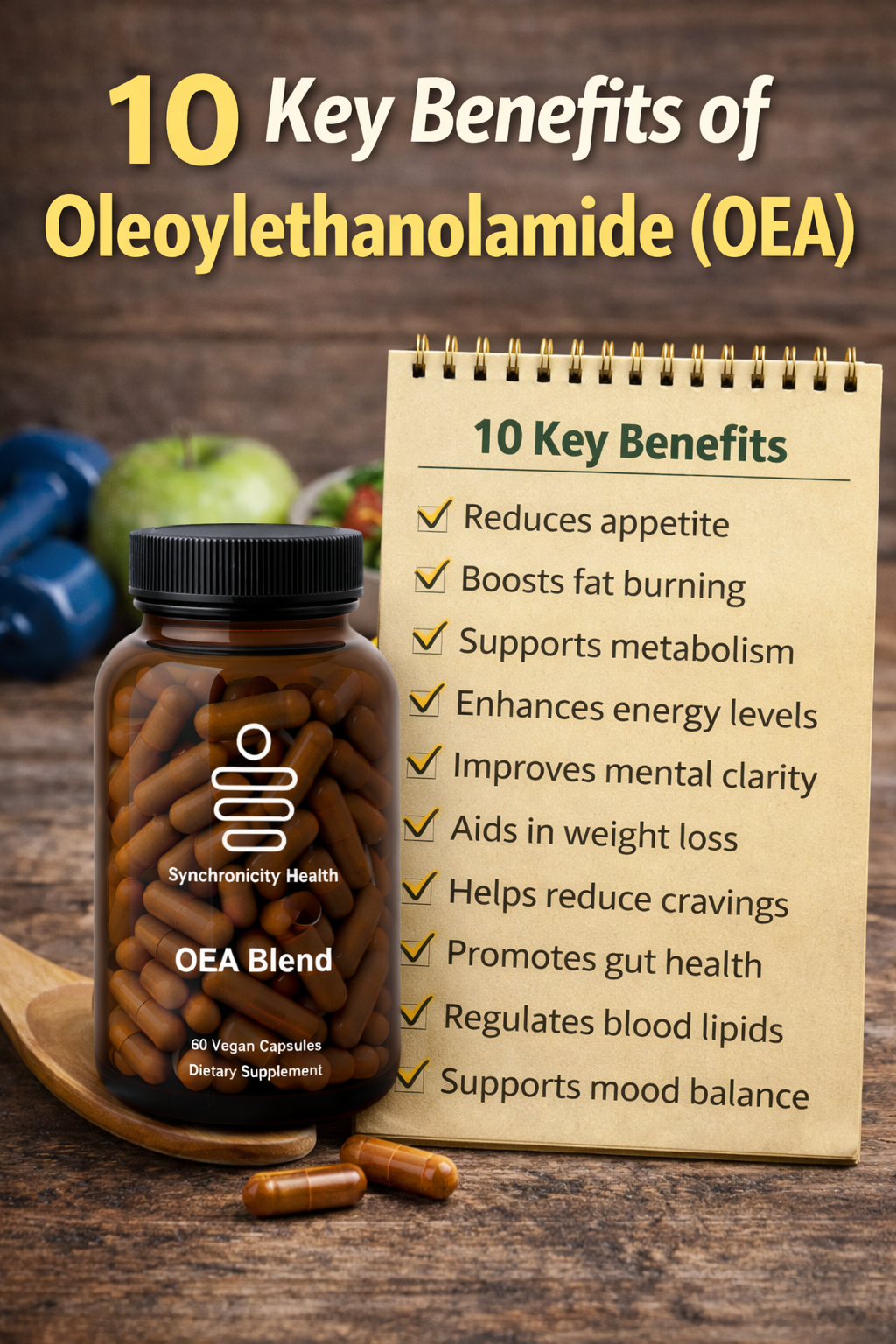
10 Evidence-Backed Benefits Of An OEA Supplement (Oleoylethanolamide) You Need To Know
Oleoylethanolamide (OEA) has moved from obscure biochemistry journals into the stacks of serious biohackers, athletes, and longevity seekers. As a naturally occurring lipid made in your small intestine, it helps regulate appetite, fat burning, inflammation, and even cellular energy.
If you’re already stacking nootropics or performance formulas such as Synchronicity Health’s clarity, understanding the key benefits of oleoylethanolamide can help you decide whether an OEA supplement deserves a place in your routine.
This guide breaks down how OEA works, the most important clinically studied benefits, how to choose a quality product, and how to use it safely.
What Is Oleoylethanolamide (OEA)?
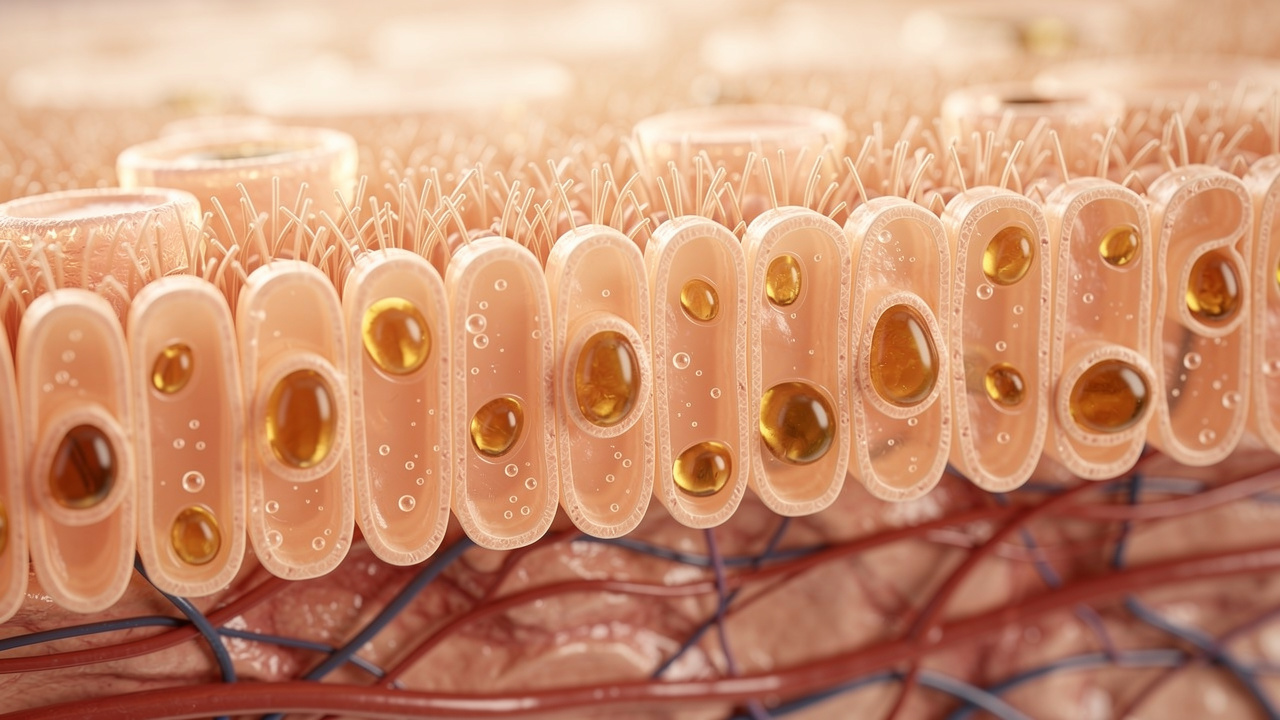
Oleoylethanolamide is an endogenous (made in your body) fatty acid amide from the N‑acylethanolamine family. It’s structurally similar to the endocannabinoid anandamide, but it does not activate the classic cannabinoid receptors CB1 or CB2, so it doesn’t cause a “high.”
Key points about OEA:
-
Where it’s made: Primarily in enterocytes (cells lining the small intestine), but also in adipose tissue, neurons, and astrocytes.
-
What it’s made from: Oleic acid, the monounsaturated fat found in olive oil, avocados, and many nuts.
-
Food sources: Trace amounts (typically < 2 µg/g) in foods like oatmeal, nuts, and cocoa powder. These levels are far below what’s used in clinical trials, which is why supplements are used for measurable effects.
Your body naturally increases OEA production in response to dietary fat. That rise in OEA is one of the ways your gut tells your brain, “I’m full, you can stop eating now.”
“Let food be thy medicine and medicine be thy food.” — Hippocrates
How OEA Works: Mechanisms That Matter
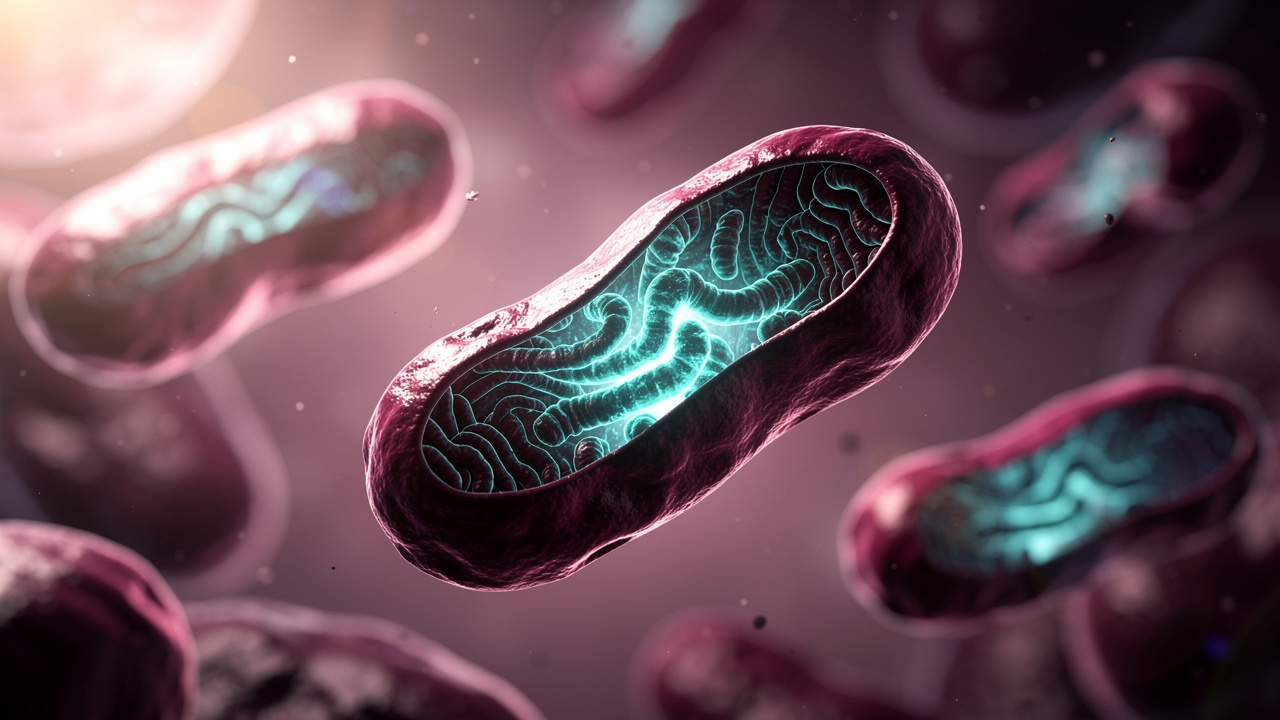
The broad benefits of oleoylethanolamide come from how it interacts with several key receptors and signaling pathways.
1. PPAR‑α Activation (Fat Burning & Metabolism)
OEA is a potent agonist of peroxisome proliferator‑activated receptor‑alpha (PPAR‑α), a nuclear receptor that regulates:
-
Fatty acid oxidation (“fat burning”)
-
Lipolysis (breakdown of stored fat)
-
Mitochondrial biogenesis (more and better-functioning mitochondria)
By switching on PPAR‑α, OEA increases calorie expenditure, improves lipid handling, and supports anti-inflammatory gene expression.
2. Gut–Brain Satiety Signaling
OEA:
-
Activates sensory fibers of the vagus nerve, sending satiety signals from the gut to the hypothalamus
-
Delays meal initiation, reduces meal size, and can lengthen the time between meals
-
Stimulates satiety hormones such as GLP‑1 and PYY, which further help you feel full and support insulin response
3. Other Receptor Targets
-
GPR119: Involved in glucose homeostasis and appetite regulation
-
TRPV1 (capsaicin receptor): Helps modulate body weight and fat cell development
4. Anti-Inflammatory & Antioxidant Actions
OEA has been shown to:
-
Inhibit NF‑κB, a master switch for inflammatory gene expression
-
Lower inflammatory markers such as CRP, TNF‑α, and sometimes IL‑6
-
Boost endogenous antioxidant defenses (SOD, catalase, glutathione peroxidase) and increase total antioxidant capacity while reducing markers of oxidative damage like MDA
5. Cellular Energy & Mitochondrial Support
In cell models, including models of Alzheimer’s disease, OEA:
-
Increases ATP production (cellular energy)
-
Improves glucose metabolism in healthy cells by easing the brake on pyruvate dehydrogenase
-
Shifts toward fatty acid oxidation and glycolysis in impaired cells to maintain energy when mitochondria are stressed
For performance-focused users, this combination—better fuel use, cleaner metabolism, and improved signaling—is exactly why the benefits of oleoylethanolamide are so compelling.
10 Evidence-Backed Benefits Of Oleoylethanolamide
1. Supports Sustainable Weight Loss And Better Body Composition

Among the best-established benefits of oleoylethanolamide is its impact on weight management and fat loss.
The effect of oleoylethanolamide on body composition has been examined through meta-analyses of randomized controlled trials (RCTs), which show that OEA supplementation can:
-
Decrease body weight and BMI
-
Reduce fat mass and body fat percentage
-
Shrink waist circumference
-
Preserve fat‑free mass (lean muscle)
An 8‑week trial using 250 mg/day (two 125 mg doses taken before lunch and dinner) in obese adults reported significant reductions in appetite, body weight, BMI, waist circumference, and fat mass, along with evidence of increased PPAR‑α gene expression.
For athletes and lifters, that last point matters: OEA‑driven fat loss tends to come from adipose tissue, not muscle, making it appealing for body recomposition goals. Stacking OEA with focus-supporting blends such as clarity can make it easier to stay on plan during a cut.
2. Helps Control Appetite And Reduce Cravings

OEA is one of your body’s natural satiety switches. When you eat dietary fat, intestinal cells produce OEA, which then:
-
Activates the vagus nerve to tell the brain you’re full
-
Stimulates satiety hormones like GLP‑1 and PYY
-
Slows gastric emptying, so meals keep you satisfied longer
Clinical and preclinical data show that OEA:
-
Delays the start of meals
-
Reduces meal size
-
Lowers total daily calorie intake—without stimulant-like side effects
For busy professionals who tend to graze or snack under stress, OEA can help create a clearer separation between real hunger and “boredom eating.” It pairs well with calm-focus support and can help you maintain clarity around your actual appetite cues.
3. Improves Metabolic Health And Glycemic Control
Another central set of benefits of oleoylethanolamide involves blood sugar and insulin sensitivity—critical levers for longevity and performance.
A meta-analysis of RCTs found that OEA supplementation can significantly:
-
Lower fasting blood glucose (FBG)
-
Reduce fasting insulin
-
Improve HOMA‑IR (a key measure of insulin resistance)
Mechanisms include:
-
Increased GLP‑1 secretion, which supports insulin release in a glucose‑dependent way and blunts glucagon
-
Better adipokine balance—higher adiponectin, lower pro‑inflammatory adipokines—improving insulin sensitivity
-
Less fat accumulation in the liver and improved fatty acid oxidation, which reduces hepatic insulin resistance
For people on the spectrum from “stubborn belly fat” to metabolic syndrome, OEA can be a strategic add‑on alongside diet, training, and other metabolic formulas aimed at physical and mental clarity.
4. Boosts Cellular Energy And Fights Fatigue
If you’re chasing higher output—whether in the gym, on a long workday, or supporting healthy aging—OEA’s effects on cellular energy are particularly interesting.
In neuronal cell studies, OEA:
-
Significantly increased ATP levels in both healthy and metabolically impaired cells
-
In healthy cells, improved mitochondrial use of glucose by relieving inhibition on pyruvate dehydrogenase
-
In disease-model cells with impaired mitochondria, compensated by increasing fatty acid oxidation and glycolysis to preserve ATP
What this means in plain language:
-
Your cells become better at making energy from the fuel you already consume
-
Under stress, they have more flexible backup routes to keep energy production online
For many users, this translates subjectively to:
-
More stable daytime energy
-
Less reliance on caffeine
-
Better stamina for training and cognitively demanding work
Stacking OEA with Vitamin B12, NAD⁺‑supporting formulas, and brain-focused blends such as clarity can further support mitochondrial health and mental performance.
5. Helps Calm Chronic Inflammation
Low‑grade, systemic inflammation underlies many issues—obesity, insulin resistance, cardiovascular disease, and neurodegeneration among them. One of the underappreciated benefits of oleoylethanolamide is its ability to modulate inflammatory pathways.
Clinical meta-analyses show that OEA can:
-
Reduce C‑reactive protein (CRP)
-
Lower tumor necrosis factor‑alpha (TNF‑α)
-
In some studies, decrease interleukin‑6 (IL‑6)
Mechanistically, OEA:
-
Activates PPAR‑α, which downregulates genes for pro‑inflammatory cytokines and enzymes like COX‑2
-
Inhibits the NF‑κB pathway by increasing levels of its inhibitor (IκB), so NF‑κB is less able to enter the nucleus and trigger inflammatory gene expression
-
Reduces expression of endothelial adhesion molecules (ICAM‑1, VCAM‑1), limiting immune cell stickiness and migration into tissues
Over time, dialing down chronic inflammation can support joint comfort, cardiovascular resilience, and even mental clarity.
6. Provides Strong Antioxidant Support
Oxidative stress—an overload of reactive oxygen species (ROS)—damages lipids, proteins, DNA, and the vascular lining. OEA has been shown in human trials to:
-
Increase Total Antioxidant Capacity (TAC)
-
Decrease Malondialdehyde (MDA), a marker of lipid peroxidation
Through PPAR‑α activation, OEA helps:
-
Upregulate antioxidant enzymes such as superoxide dismutase (SOD), catalase, and glutathione peroxidase
-
Decrease ROS production at the source
-
Support autophagy, clearing out damaged cell components (including dysfunctional mitochondria) before they generate further oxidative stress
For people already using targeted antioxidant support like Synchronicity Health’s glutathione nasal spray, OEA can be a complementary way to support the body’s internal defense systems from the inside out.
7. Supports Cardiovascular Health And Healthy Lipids
Cardiovascular risk is tightly linked to obesity, high triglycerides, inflammation, and oxidative damage—all areas OEA influences.
Clinical data show that OEA supplementation:
-
Significantly reduces serum triglycerides (TG)
-
Has a more modest or neutral effect on total cholesterol, LDL‑C, and HDL‑C
By increasing fatty acid oxidation and improving lipid handling, OEA helps clear triglycerides from the bloodstream and reduces the creation of new fat in the liver.
Animal studies also suggest:
-
Protection of the vascular endothelium from oxidative injury
-
Reduced expression of adhesion molecules that initiate plaque formation
-
Inhibition of early atherosclerotic plaque development
When combined with lifestyle changes and targeted support—such as a NAD⁺ booster, mitochondrial nutrients, and antioxidant tools like glutathione nasal spray—OEA can be part of a comprehensive approach to long-term heart and vascular health.
8. Promotes Brain Health, Focus, And Mental Clarity

The brain is highly energy-demanding and extremely sensitive to inflammation and oxidative stress. OEA’s metabolic, anti-inflammatory, and antioxidant effects extend into the central nervous system.
Preclinical research indicates that OEA may:
-
Increase neuronal ATP and support more efficient energy metabolism in brain cells
-
Protect against neuroinflammation, including models of LPS‑induced brain inflammation
-
Modulate processing of amyloid precursor protein toward pathways that are less likely to form amyloid‑β plaques
-
Show neuroprotective effects in models of Parkinson’s disease and stress‑induced depressive behavior
For people focused on cognition, pairing OEA with brain-supportive ingredients such as Lion’s Mane, Cordyceps, mushroom cocoa blends, and targeted nootropic formulas like clarity can support both structural brain health and day‑to‑day focus.
OEA is non‑stimulant, so it’s suitable for individuals who want clear thinking without the overstimulation or crashes associated with heavy caffeine use.
9. Supports Mood And Stress Resilience
Metabolic health and mood are tightly connected. Chronic inflammation, poor glucose control, and gut signaling all feed into the brain’s stress circuits. Among the more subtle benefits of oleoylethanolamide are its effects on mood and emotional balance.
Animal data suggest that OEA:
-
Reduces depressive‑like behavior associated with inflammation
-
Helps prevent neuroinflammatory changes that impair mood and motivation
By improving insulin sensitivity, calming inflammation, and supporting neuronal energy, OEA builds a physiological foundation that can make mood more stable.
For individuals exploring natural mood support, OEA can be combined with:
-
Kanna nasal spray and theanine for calm focus
-
Medicinal mushrooms such as Lion’s Mane for neurotrophic support
-
Nootropic stacks like clarity for an additional layer of attention and emotional steadiness
This multi-pronged approach can be appealing to those who want to support resilience through both metabolic and neurochemical pathways.
10. Fits Seamlessly Into A High-Performance Lifestyle
OEA is not a replacement for a solid nutrition, training, and sleep foundation—but it can make those efforts more efficient.
For different groups, the benefits of oleoylethanolamide look like this:
-
Biohackers & longevity enthusiasts: A research-backed way to support body composition, inflammation control, mitochondrial health, and cellular energy
-
Busy professionals: Better appetite control, fewer energy crashes, and support for sustained focus, especially when paired with clarity
-
Athletes & fitness enthusiasts: Help leaning out while preserving muscle, plus improved recovery through lower inflammation and oxidative stress
-
NAD⁺ IV or NAD⁺ booster users: A complementary strategy that supports fatty acid oxidation, mitochondrial efficiency, and metabolic flexibility
Stacking OEA with Vitamin B12, NAD⁺-focused protocols, mushroom cocoa containing Lion’s Mane and Cordyceps, and calm-focus tools like kanna and theanine can create a well-rounded performance plan grounded in physiology rather than stimulants.
How To Choose A High-Quality OEA Supplement
Not all OEA products are created equal. To get the benefits seen in research, pay attention to a few key factors.
1. Clear Dosing And Ingredient Transparency
Look for:
-
A clearly stated amount of OEA per serving (ideally in the 125–300 mg range, depending on your goals)
-
Full disclosure of all other ingredients—no vague “proprietary blends”
-
Thoughtful additions such as Vitamin B12, Lion’s Mane, Cordyceps, or a NAD⁺ booster, if you want a multi-target formula
If you already trust standards used in products like clarity, aim for similar transparency in your OEA supplement.
2. Third-Party Testing
Select brands that:
-
Use independent labs to test for purity, potency, and contaminants
-
Provide certificates of analysis (COAs) on request or on their website
This is especially important for performance‑oriented users who take multiple supplements and expect consistent, predictable results.
3. Smart Complementary Ingredients
Some OEA formulas add components that match specific goals:
-
Energy & metabolism: Vitamin B12, NAD⁺ precursors
-
Cognition & mood: Lion’s Mane, Cordyceps, kanna, theanine, or nootropic blends akin to clarity
-
Antioxidant support: Ingredients aligned with products like glutathione nasal spray
Choose combinations that match your focus—fat loss, metabolic health, brain performance, or a blend of all three.
4. Delivery Form And Convenience
Most research uses capsules, but powders and other forms exist. Consider:
-
How easy it is to take the product consistently (especially before meals)
-
Whether the formula fits your current stack (for example, morning vs pre‑lunch timing)
5. Dietary Preferences And Sensitivities
If needed, confirm that the formula is:
-
Vegan or vegetarian
-
Gluten‑free, soy‑free, and allergen‑conscious
-
Free from artificial colors and unnecessary fillers
Dosage, Safety, And How To Use OEA Effectively
1. Talk With A Knowledgeable Healthcare Professional
Before starting OEA—especially if you:
-
Take prescription medications
-
Have metabolic, cardiovascular, or psychiatric conditions
-
Use advanced tools such as NAD⁺ boosters, glutathione nasal spray, or mushroom cocoa blends with Lion’s Mane and Cordyceps
—discuss your plan with a clinician who understands supplements. They can help you adjust the dose and check for interactions.
2. Follow Evidence-Informed Dosing
Clinical trials have used 125–600 mg/day of OEA for 3–12 weeks.
Common patterns:
-
250 mg/day (e.g., two 125 mg capsules) taken 30 minutes before lunch and dinner shows consistent benefits for weight, appetite, and inflammation
-
Doses below 250 mg/day may be particularly effective for inflammation and oxidative stress, while ≥ 250 mg/day tend to show stronger effects on weight and fasting glucose
A simple way to think about dose and goals:
|
Goal |
Daily OEA Range |
Notes |
|---|---|---|
|
Metabolic & Inflammatory Support |
125–250 mg |
Good starting range for most adults |
|
Weight & Appetite Control |
250–300 mg |
Often split before two main meals |
|
Short-Term Trial |
3–12 weeks |
Reassess with a professional before extending use |
Start at the lower end, see how you respond over a few weeks, and adjust gradually if needed under professional guidance.
3. Time It Around Meals
To sync with natural satiety signaling:
-
Take OEA 30 minutes before main meals, especially those with moderate fat
-
Morning and early‑afternoon dosing tends to support daytime appetite and energy
-
Avoid late‑night use if you find that improved energy makes it harder to wind down
4. Stack Strategically, Not Randomly
If you’re already building a performance stack, OEA can work well alongside:
-
Vitamin B12 and NAD⁺-related formulas for mitochondrial support
-
Mushroom cocoa blends containing Lion’s Mane and Cordyceps for cognitive and endurance benefits
-
Calm-focus tools such as kanna nasal spray, theanine, and nootropics like clarity
-
Antioxidant strategies including glutathione nasal spray for additional redox support
Layer changes one at a time so you can clearly see what each addition is doing.
5. Maintain A Solid Lifestyle Foundation
OEA works best when it’s reinforcing good habits:
-
A nutrient‑dense, protein‑forward diet
-
Regular training (resistance work plus some form of cardio)
-
Adequate sleep and stress management
Using OEA to amplify these basics is far more effective than using it to compensate for poor habits.
6. Track Your Response
Consider keeping a simple log of:
-
Hunger and cravings
-
Meal size and frequency
-
Body weight, waist circumference, and performance metrics
-
Energy, mood, and mental clarity
If you’re also using tools like glutathione nasal spray, NAD⁺ boosters, or advanced nootropics, tracking helps you fine‑tune the whole stack instead of guessing.
“What gets measured gets managed.” — Peter Drucker
Most clinical studies report that OEA is well tolerated, with mild gastrointestinal discomfort being the most common side effect when it does occur.
Final Thoughts: Making OEA Work For Your Goals
Oleoylethanolamide sits at the intersection of appetite regulation, fat metabolism, inflammation control, and cellular energy—four levers that matter for both performance today and healthspan over decades.
The most compelling benefits of oleoylethanolamide include:
-
Support for fat loss and body composition without stimulants
-
Improved satiety and reduced cravings
-
Better glycemic control and insulin sensitivity
-
Lower inflammation and oxidative stress
-
Strong potential for cardiovascular and brain protection
When combined with a smart lifestyle and a targeted supplement stack—whether that includes NAD⁺ boosters, mushroom cocoa with Lion’s Mane and Cordyceps, mood-supporting kanna, antioxidant tools like glutathione nasal spray, or focus formulas such as clarity—OEA can be a powerful addition to a performance‑oriented regimen.
Used thoughtfully and in the context of medical guidance when needed, OEA offers a research-backed way to align appetite, metabolism, energy, and mental clarity with the long-term results you’re working toward.


Leave a comment
All comments are moderated before being published.
This site is protected by hCaptcha and the hCaptcha Privacy Policy and Terms of Service apply.