

5 Surprising Health Benefits of Ceylon Cinnamon
If you care about blood sugar, brain performance, and long-term healthspan, Ceylon cinnamon deserves a permanent spot in your stack.
Unlike the harsher Cassia cinnamon found in most supermarket shakers, Ceylon cinnamon (“true cinnamon”) has a gentler flavor and a very different safety profile. It contains far less coumarin, a compound that can strain the liver at high doses, which makes Ceylon cinnamon better suited for daily use — especially if you’re already running an advanced protocol with NAD+ infusions, nootropics, and targeted supplements.
Hippocrates is often quoted as saying, “Let food be thy medicine and medicine be thy food.” Ceylon cinnamon is a simple, everyday ingredient that fits that idea surprisingly well.
Below are five science-backed, often overlooked benefits of Ceylon cinnamon, how it works, and how to use it intelligently for performance and longevity.
Ceylon Cinnamon 101: What Makes It Different?
Ceylon cinnamon comes from the inner bark of Cinnamomum verum trees, native to Sri Lanka, with Cinnamomum zeylanicum (Ceylon cinnamon) studied extensively for its unique medicinal properties. Harvested bark curls into thin, layered “quills” that are then dried and sold as sticks or ground into powder.
Most “cinnamon” in the US is actually Cassia cinnamon (Cinnamomum cassia), which:
-
Tastes sharper and more pungent
-
Is cheaper to produce
-
Contains much higher coumarin levels
By contrast, Ceylon cinnamon:
-
Has a light, sweet, complex flavor with a hint of citrus
-
Contains very low coumarin, making it better for regular, higher-frequency use
-
Is traditionally used in Sri Lanka, parts of Europe, and Mexico for both food and herbal medicine
For anyone dosing cinnamon daily for blood sugar support, brain health, or cardiovascular health, choosing Ceylon Cinnamon over Cassia is one of the most important decisions you can make.
Benefit 1: Smoother Blood Sugar and Insulin Response
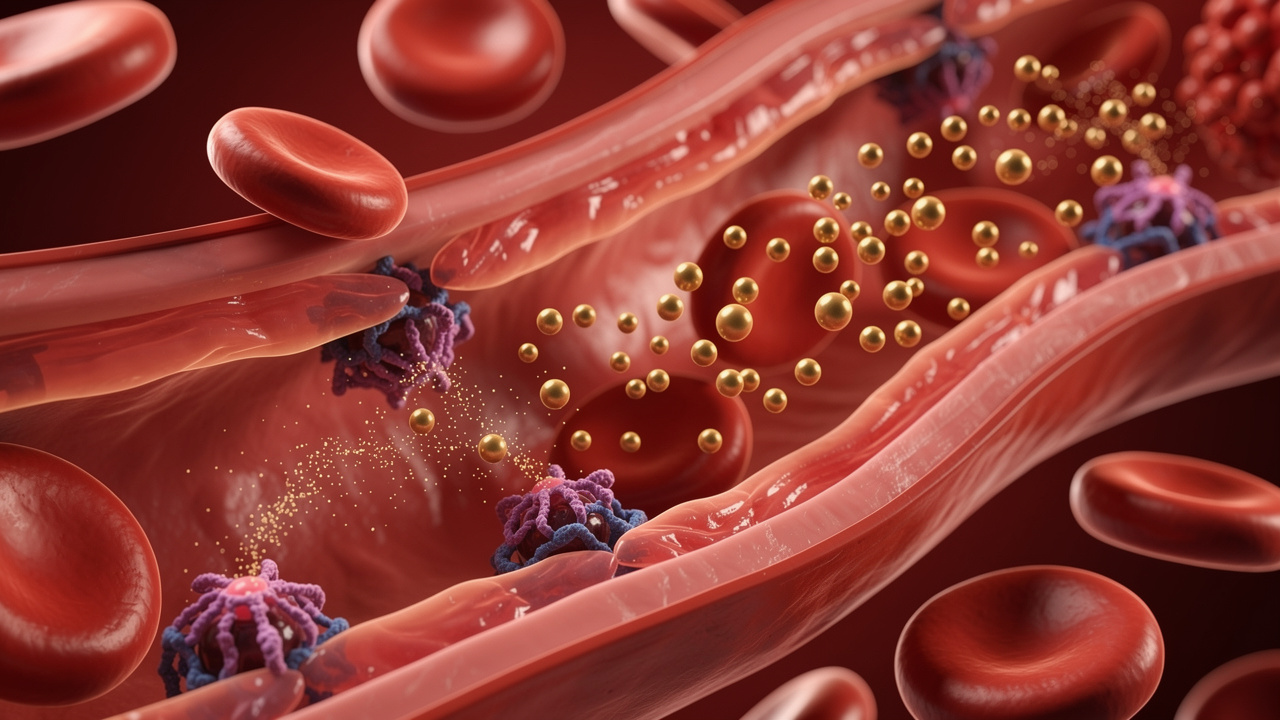
For biohackers watching their CGM and anyone managing metabolic health, this is the headline benefit of Ceylon cinnamon.
How Ceylon Cinnamon Affects Glucose
Research suggests that Ceylon cinnamon may:
-
Improve insulin sensitivity, making cells respond more effectively to insulin
-
Support more efficient glucose uptake into muscle and other tissues
-
Slow carbohydrate digestion and absorption, which can blunt sharp post-meal glucose spikes
In several clinical trials (often using cinnamon in general, but with a preference for Ceylon in long-term use), participants saw improvements in:
-
Fasting blood glucose
-
A1C markers over time
-
Measures of insulin resistance
These shifts might not feel dramatic day to day, but they can matter over years for anyone trying to keep metabolic markers in a healthy range.
As the saying goes, “Small daily habits often shape long-term health more than rare big decisions.” A teaspoon of Ceylon cinnamon is a good example of that principle.
Smart Stacking: Berberine With Ceylon Cinnamon
Many high-level users pair berberine with Ceylon cinnamon in capsule form to influence blood sugar from multiple angles:
-
Berberine affects AMPK and glucose metabolism
-
Ceylon cinnamon supports insulin signaling and glucose handling
Together, they can sit well inside a metabolic health stack — especially for those already working with NAD+ IV therapy, time-restricted eating, or structured exercise.
Important: Cinnamon is adjunctive, not a replacement for diabetes medications. If you’re on insulin or oral hypoglycemics, talk with your clinician before adding higher-dose Ceylon cinnamon so you can track changes safely.
Benefit 2: Strong Brain Protection and Cognitive Support

Ceylon cinnamon isn’t just a kitchen spice — it’s gaining attention for its neuroprotective and nootropic potential.
Mechanisms That Matter for Brain Health
Compounds in Ceylon cinnamon, including cinnamaldehyde and polyphenols, appear to:
-
Reduce oxidative stress in brain tissue
-
Calm inflammatory pathways linked to neurodegeneration
-
Support better mitochondrial function at the cellular level
Emerging research suggests cinnamon may:
-
Interfere with amyloid-beta plaques and tau tangles associated with Alzheimer’s
-
Support brain-derived neurotrophic factor (BDNF), a key player in learning and memory
-
Help protect neurons from damage triggered by chronic glucose dysregulation (sometimes called “type 3 diabetes”)
For longevity-focused individuals, this lines up well with broader strategies to stabilize glucose, protect mitochondria, and maintain cognitive performance over decades.
Stacking With Antioxidant Therapies
Ceylon cinnamon can be layered into an existing antioxidant stack that may already include high-end therapies like NAD+ IV, liposomal nutrients, and targeted detox support. Many users also combine it with advanced antioxidant tools such as glutathione nasal spray, formulated to support cellular defense in both the brain and body.
Mushroom blends containing Lion’s Mane and Cordyceps, or mushroom cocoa drinks, often pair well with Ceylon cinnamon for those chasing sharper focus and mental clarity without heavy stimulants.
Benefit 3: Lower Inflammation and Faster Recovery
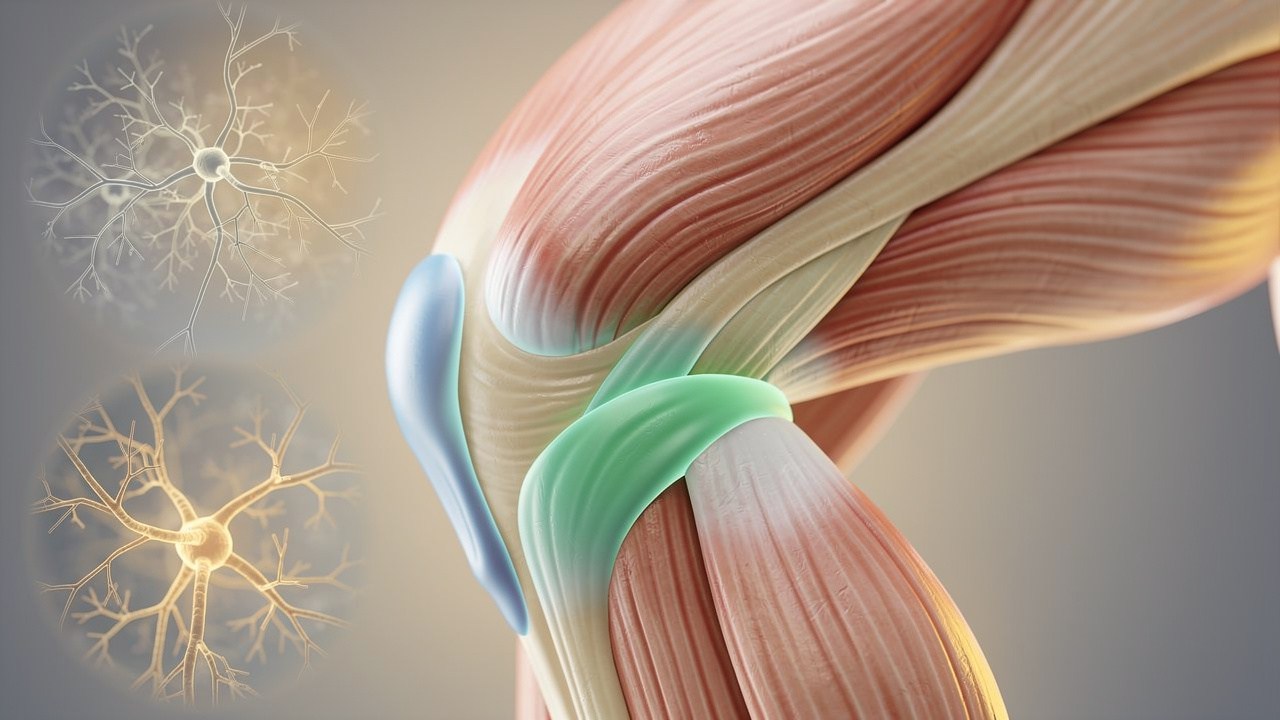
Chronic, low-grade inflammation is tied to many age-related conditions — from joint pain and cardiovascular disease to cognitive decline. Ceylon cinnamon brings a multi-pathway anti-inflammatory effect that can matter for both longevity and performance.
How It Calms Inflammatory Signaling
Key compounds in Ceylon cinnamon, including:
-
Cinnamaldehyde
-
Polyphenols
-
Eugenol
have been shown to:
-
Reduce production of pro-inflammatory cytokines
-
Decrease markers like C-reactive protein (CRP) in some trials
-
Dampen oxidative stress that feeds inflammatory pathways
For athletes and heavy lifters, this may translate into:
-
Less joint discomfort over time
-
Better recovery from intense sessions
-
Support for connective tissue and vascular health
Adaptogenic stacks such as mushroom cocoa with Lion’s Mane and Cordyceps often include Ceylon cinnamon for both taste and its supportive anti-inflammatory profile.
Benefit 4: Better Heart and Vascular Metrics
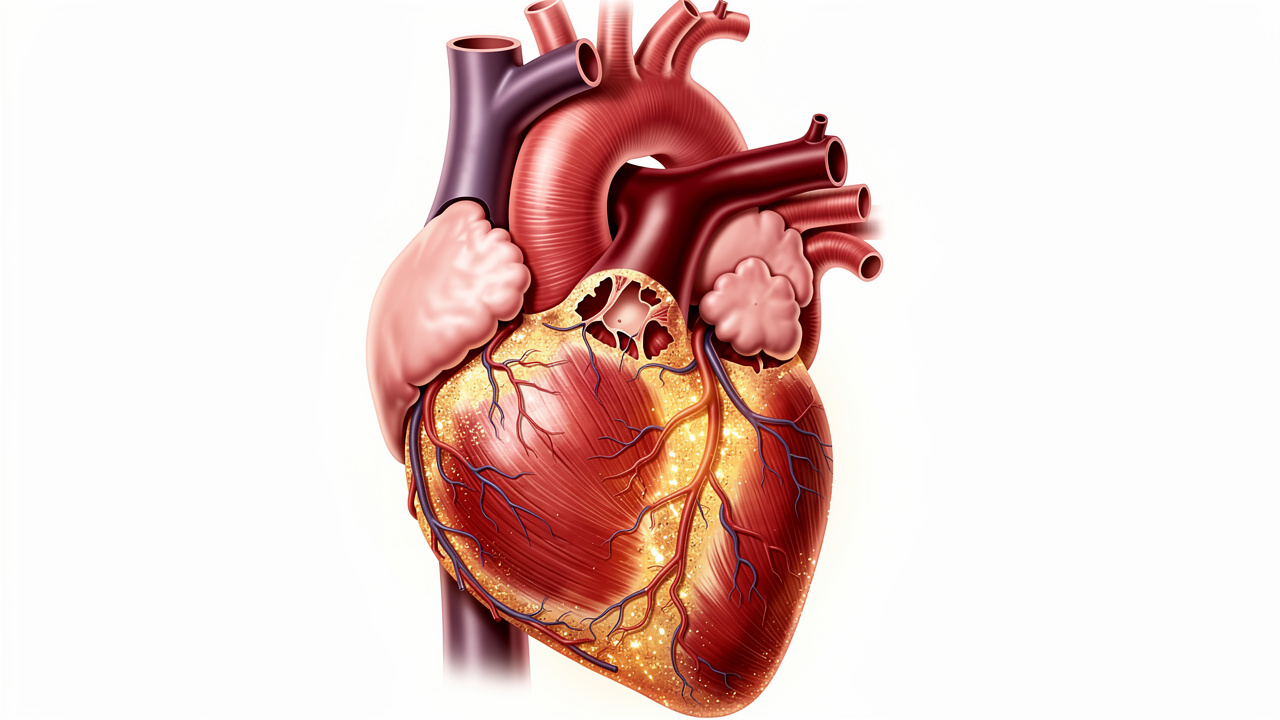
Cardiovascular health is a central pillar of any serious longevity plan, with Ceylon cinnamon: a versatile ingredient gaining recognition for its heart-protective properties. Numerous studies on cinnamon (and increasingly Ceylon cinnamon specifically for long-term use) point toward meaningful support for heart markers.
Lipids and Cholesterol
Ceylon cinnamon has been associated with improvements in:
-
Lower LDL (“bad”) cholesterol
-
Lower total cholesterol
-
Reduced triglycerides
Some studies also suggest that it leaves HDL (“good”) cholesterol largely unchanged or modestly improved — a favorable pattern for risk reduction.
Blood Pressure and Vascular Tone
Meta-analyses of cinnamon intake show modest reductions in systolic and diastolic blood pressure, especially in:
-
Adults under 50
-
Those consuming under ~2 grams per day
This makes Ceylon cinnamon a reasonable addition to a cardiovascular stack that may already include omega-3s, magnesium, and structured exercise.
Ceylon cinnamon also contributes to heart health indirectly by stabilizing blood sugar and decreasing inflammatory burden — both important risk factors for vascular damage.
Benefit 5: Powerful Antioxidant Defense and Emerging Anti-Cancer Research
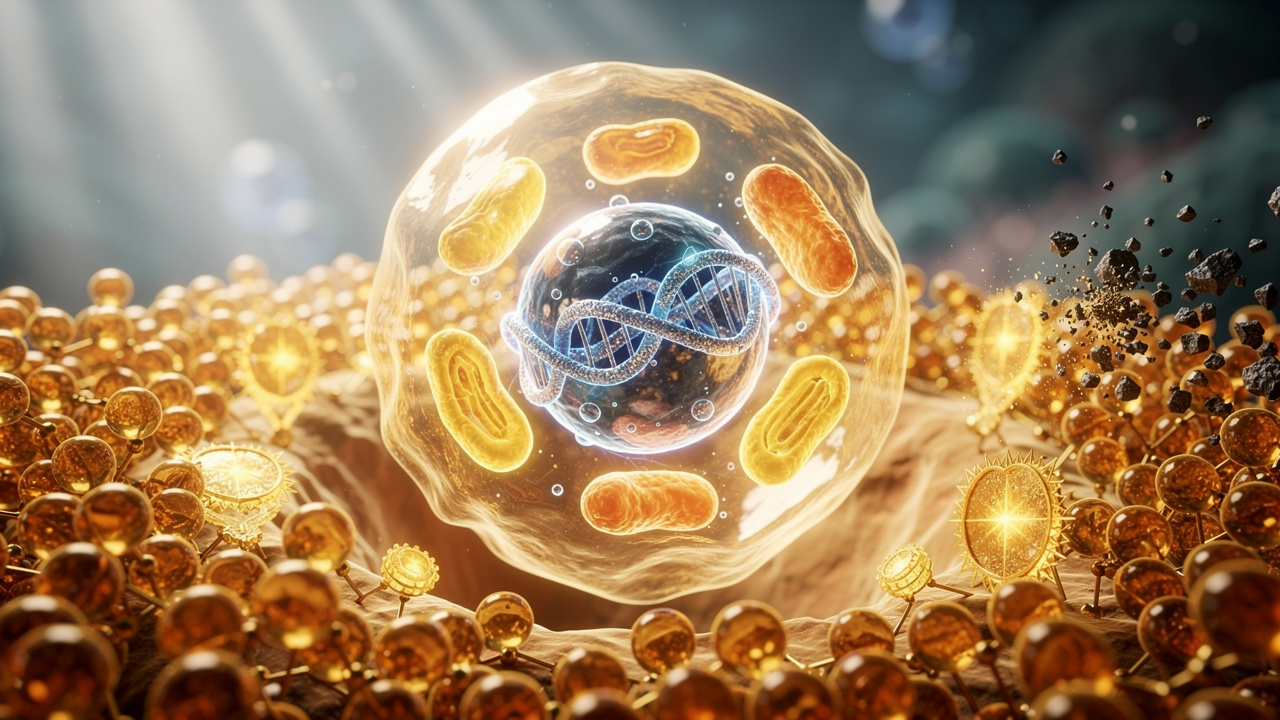
From an anti-aging standpoint, one of the most compelling aspects of Ceylon cinnamon is its dense antioxidant profile and early work in cancer research.
Antioxidant Powerhouse
Ceylon cinnamon is rich in:
-
Polyphenols – potent free-radical scavengers
-
Flavonoids – support immune balance and cell protection
-
Phenolic acids – help counter oxidative stress in tissues
These compounds help:
-
Reduce DNA damage from reactive oxygen species
-
Support mitochondrial health
-
Slow processes tied to cellular aging
This broad antioxidant network pairs well with other defenses such as glutathione nasal spray, designed to support intracellular glutathione levels — a major line of defense against oxidative damage.
Early-Stage Anti-Cancer Findings
Preclinical research on cinnamon extracts has shown:
-
Induction of apoptosis (programmed cell death) in certain cancer cell lines
-
Inhibition of angiogenesis, limiting blood supply to tumors in lab models
-
Decreased inflammatory signaling that can drive tumor growth
Human data are still limited, and Ceylon cinnamon should never replace oncology treatment. However, for people building an evidence-aware, preventive lifestyle, these findings support using Ceylon cinnamon as part of a broader cell-protective strategy.
What’s Inside: The Nutritional and Compound Profile
A typical 1 teaspoon (about 2 grams) of ground Ceylon cinnamon contains approximately:
|
Nutrient |
Amount (per tsp) |
|---|---|
|
Calories |
~6 |
|
Carbohydrates |
~2 g |
|
Fiber |
~1 g |
|
Protein |
< 1 g |
|
Fat |
< 1 g |
Key Micronutrients
Ceylon cinnamon contributes several important micronutrients:
-
Manganese – supports bone health and is part of the antioxidant enzyme manganese superoxide dismutase
-
Calcium – helps maintain normal bone structure
-
Iron – contributes to oxygen transport
-
Vitamin K – needed for normal blood clotting
-
Vitamin A precursors (beta-carotene) – support vision and immune function
-
Potassium, zinc, magnesium – helpful for vascular tone, immunity, and metabolic processes
Bioactive Compounds
The real performance story is in its bioactive compounds:
-
Cinnamaldehyde – drives much of the anti-inflammatory, antimicrobial, and metabolic activity
-
Polyphenols and flavonoids – major contributors to antioxidant and anti-aging effects
-
Very low coumarin – the key safety advantage over Cassia cinnamon for ongoing use
How To Use Ceylon Cinnamon in a High-Performance Routine
You don’t need to overhaul your diet to gain the benefits of Ceylon cinnamon. With a little consistency, it slips easily into a busy schedule.
Daily Food and Drink Ideas
Easy ways to work Ceylon cinnamon into your day:
-
Coffee or tea – Stir ¼–½ teaspoon of Ceylon cinnamon into your morning coffee, matcha, or herbal tea
-
Smoothies – Add ½–1 teaspoon to protein or recovery shakes for extra antioxidant and metabolic support
-
Breakfast – Sprinkle on oatmeal, Greek yogurt, chia pudding, or low-sugar pancakes
-
Savory dishes – Add to chili, curries, stews, and roasted vegetables for depth and warmth
Tip: Start with culinary use (in food and drinks) before moving to capsules so you can see how your body responds.
Supplement Strategies
For those who prefer precise dosing, Ceylon cinnamon is widely available in capsule and powder form:
-
Stand-alone Ceylon cinnamon capsules – convenient for travel and controlled dosing
-
Combination formulas, such as berberine with Ceylon cinnamon – popular in metabolic and body-composition stacks
-
Mushroom cocoa blends with Lion’s Mane and Cordyceps – often include Ceylon cinnamon for flavor and complementary benefits
Many advanced users layer Ceylon cinnamon into protocols that also include glutathione nasal spray, NAD+ IV therapy, and other longevity-focused treatments for broader cellular support.
Typical Intake Range
For most healthy adults, a commonly cited intake range is:
-
1–1.5 grams per day (roughly ½ teaspoon)
-
Often divided between food, drinks, and/or supplements
Higher amounts should be discussed with a healthcare professional, especially if you’re on medications or managing chronic conditions.
Safety, Side Effects, and Smart Sourcing
Ceylon cinnamon is generally well tolerated when used in culinary amounts, but serious users should still pay attention to dose, interactions, and product quality.
Coumarin and Liver Health
All cinnamon contains coumarin, but Ceylon cinnamon has dramatically lower levels than Cassia. That’s why Ceylon is preferred for daily, long-term use.
Even so, very high chronic intakes can still stress the liver in some people. If you are stacking multiple liver-active compounds (like high-dose herbs, alcohol, or medications), keep your cinnamon within food-like ranges unless monitored by a clinician.
Possible Side Effects
Some people may experience:
-
Stomach discomfort, nausea, or heartburn at higher doses
-
Allergic reactions (rash, itching, throat irritation)
-
Drops in blood sugar if combined with diabetes medication
Because Ceylon cinnamon can increase the effect of glucose-lowering drugs, anyone on insulin or oral hypoglycemics should work with their prescriber before raising intake.
Interactions With Medications and Advanced Therapies
Use extra caution if you are:
-
On diabetes medications (risk of hypoglycemia)
-
Taking anticoagulants or antiplatelet drugs
-
Using multiple antioxidant or detox agents such as glutathione nasal spray, high-dose NAC, or IV therapies
If you’re already working with an IV therapy or NAD+ clinic, they can help integrate Ceylon cinnamon into your existing protocol without overloading specific pathways.
Quality, Heavy Metals, and Third-Party Testing
Not all cinnamon is clean. Some ground products have tested high in lead or other contaminants, which is especially concerning for children and long-term users.
Look for:
-
Clear labeling as “Ceylon cinnamon” or “Cinnamomum verum”
-
Brands that publish third-party lab testing for heavy metals and purity
-
Transparent sourcing details and handling standards
If you want more detail on ingredient quality, testing, and formulations, explore brand FAQ pages and product documentation before committing to daily use.
Special Populations
-
Pregnancy: Normal food amounts are generally considered safe, but concentrated supplements should be avoided unless approved by a clinician.
-
Breastfeeding: Safety of high-dose supplementation is unclear; stick to culinary use.
-
Children: Use smaller, food-level amounts and make sure products are tested for heavy metals.
Bringing Ceylon Cinnamon Into Your Longevity Stack
Ceylon cinnamon is more than a flavor booster. Used consistently and intelligently, it can support:
-
More stable blood sugar and insulin response
-
Sharper brain function and resilience against neurodegeneration
-
Lower background inflammation and better recovery
-
Improved lipid and blood-pressure markers for heart health
-
Stronger antioxidant defenses and early-stage anti-cancer support
It fits especially well for:
-
Biohackers tracking metrics and running advanced stacks
-
Busy professionals seeking better focus and steady energy without heavy stimulants
-
Athletes and lifters focused on recovery and vascular health
-
Longevity enthusiasts already investing in NAD+ IVs, glutathione nasal spray, and other high-end therapies
Start with ½–1 teaspoon of Ceylon cinnamon daily in food or beverages, pay attention to how you feel, and review labs with your healthcare team over time. With the right sourcing, dose, and context, Ceylon cinnamon can become a reliable, research-informed part of your long-term performance and health strategy.


Leave a comment
All comments are moderated before being published.
This site is protected by hCaptcha and the hCaptcha Privacy Policy and Terms of Service apply.