

Glutathione is often called the body’s "master antioxidant" for good reason. It sits at the center of your cellular defense system, protecting your brain, liver, and mitochondria from ongoing oxidative stress. The challenge is getting enough of it to the right tissues, at the right time.
A common way clinicians explain it is: "Glutathione works like your cells' cleanup crew, constantly neutralizing the byproducts of metabolism and stress."
That’s where glutathione nasal spray comes in. By delivering glutathione through the highly vascular tissue in your nose (and potentially along nose-to-brain pathways), this method aims to sidestep many of the limitations of pills and even some IV protocols.
This guide breaks down how glutathione works, why delivery method matters so much, what the research says about intranasal use, and how glutathione nasal spray compares to other advanced sprays such as NAC nasal spray, NAD nasal spray, kanna nasal spray theanine, theanine nasal spray GABA, and melatonin nasal spray.
Throughout, you’ll see links to Synchronicity Health’s glutathione nasal spray and related formulas so you can explore products that match your goals.
What Glutathione Does In Your Body

Glutathione is a small molecule made from three amino acids: cysteine, glutamate, and glycine. It exists in two main forms:
-
Reduced glutathione (GSH) – the active antioxidant form
-
Oxidized glutathione (GSSG) – formed after GSH neutralizes reactive oxygen species (ROS)
The ratio of GSH to GSSG is a key marker of oxidative stress inside cells. A higher GSH:GSSG ratio means stronger antioxidant defenses; a lower ratio signals that the system is under strain.
Core Roles Of Glutathione
Glutathione is involved in several high-priority processes:
-
Neutralizing free radicals and peroxides
-
Partners with enzymes like glutathione peroxidase to protect cell membranes and mitochondria.
-
-
Detoxification in the liver and brain
-
Binds to heavy metals, pollutants, and metabolic byproducts so they can be excreted.
-
-
Immune regulation
-
Helps white blood cells function correctly and supports balanced inflammatory responses.
-
-
Cell signaling and survival
-
Influences cell proliferation, repair, and programmed cell death (apoptosis).
-
-
Cysteine transport and redox balance
-
Acts as a reservoir for cysteine, a sulfur-containing amino acid that is often rate-limiting.
-
Low glutathione levels or a disrupted GSH:GSSG balance have been associated with conditions affecting:
-
The central nervous system (e.g., Parkinson’s disease, cognitive decline)
-
The respiratory tract (e.g., chronic sinusitis, asthma, COPD)
-
The immune system (e.g., chronic infections, multiple chemical sensitivity)
Glutathione levels tend to fall with age, chronic stress, intensive training, toxin exposure, and poor sleep — which is why many people look to targeted supplementation.
Why Delivery Method Matters So Much For Glutathione

You can raise glutathione indirectly by taking precursors like NAC, or directly by supplementing glutathione itself. The sticking point is absorption.
As pharmacologists often note, "The route of administration can matter as much as the molecule itself."
Limitations Of Oral Glutathione
Standard oral glutathione has low bioavailability:
-
It is broken down in the gut by enzymes before much reaches the bloodstream.
-
What does survive must then pass through first-pass metabolism in the liver, further lowering active levels.
Liposomal formulations and high-dose strategies can help somewhat, but they still rely on a digestive route that can be inconsistent, especially for people with gut issues.
IV, Inhaled, And Other Routes
-
Intravenous (IV) glutathione
-
Direct to the bloodstream, with rapid peak levels
-
Requires clinical visits, needles, and more time and expense
-
-
Nebulized or inhaled glutathione
-
Targets the lungs and airways, with systemic spillover
-
Useful in some respiratory contexts but not as convenient day to day
-
-
NAC and other precursors
-
NAC (including NAC nasal spray) is a glutathione precursor that helps your body make more of its own
-
Effective, but still one step removed from delivering glutathione itself
-
This is why more people interested in performance, brain health, and longevity are turning toward glutathione nasal spray and complementary intranasal formulas like NAD nasal spray, kanna nasal spray, theanine nasal spray, GABA nasal spray, and melatonin nasal spray.
How Glutathione Nasal Spray Works
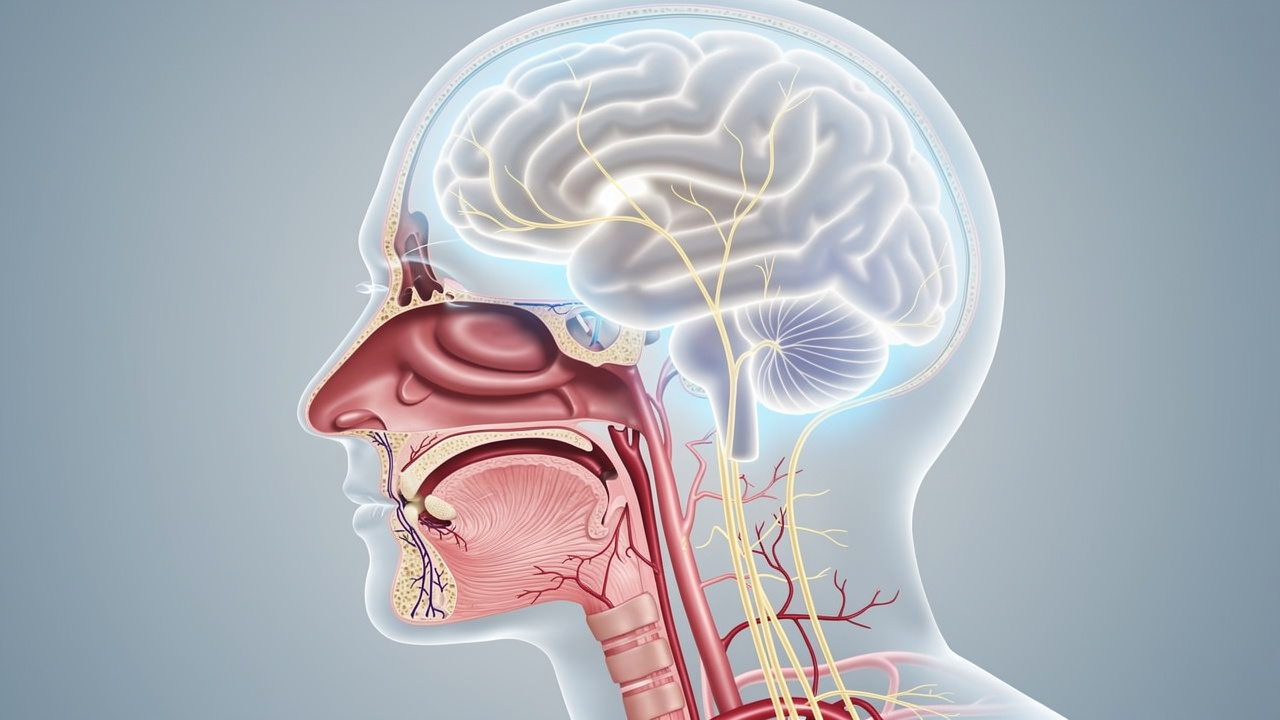
The nasal cavity offers two key advantages: a dense blood vessel network and direct connections to the brain via the olfactory and trigeminal nerves.
Nasal Absorption And Nose-To-Brain Routes
When you use a glutathione nasal spray, droplets land on the nasal mucosa. From there, absorption can occur via:
-
Systemic absorption (extraneuronal)
-
Glutathione diffuses across the nasal mucosa into nearby capillaries.
-
It enters circulation without first-pass liver metabolism.
-
This route gives relatively rapid systemic exposure.
-
-
Neural pathways (intraneuronal)
-
Some molecules may travel along the olfactory and trigeminal nerves toward the brain.
-
This axonal transport is slower but can provide more direct access to brain tissue.
-
Glutathione is a small, polar molecule (~307 Da). That size and chemistry fit well within what is considered favorable for nasal absorption, helping explain why intranasal delivery is so appealing for CNS and respiratory targets.
What The Research Shows So Far
Early human studies using brain imaging (1H-MRS) in people with Parkinson’s disease found that intranasal glutathione:
-
Raised brain glutathione levels between about 20–45 minutes after dosing
-
Showed considerable individual variability in both baseline levels and the magnitude of the increase
-
Left open questions about how long those elevations last (measurements only extended to about 60 minutes in that study)
Clinical trials to date have been small and short-term, especially in Parkinson’s disease. They indicate that intranasal glutathione appears generally well-tolerated, but they have not yet established clear, long-term clinical benefits or ideal dosing strategies.
In short, glutathione nasal spray offers a biologically plausible way to reach both the brain and systemic circulation more directly than oral delivery, but the research is still developing.
Key Benefits And Potential Uses Of Glutathione Nasal Spray
While more large-scale trials are needed, existing data, mechanistic science, and user reports point toward several promising areas.
1. Antioxidant Support And Healthy Aging
Because glutathione is central to neutralizing ROS and maintaining redox balance, maintaining adequate levels may:
-
Support cellular resilience against everyday oxidative stress
-
Help defend mitochondria from damage
-
Support longevity pathways tied to redox signaling
For those focused on long-term brain and body performance, glutathione nasal spray offers a practical way to target this system more directly than oral pills.
Many clinicians working in longevity medicine remind patients: "Supplements can support your biology, but they never replace sleep, movement, and nutrient-dense food."
2. Brain Health, Cognition, And Neuroprotection
Research has linked lowered brain glutathione to:
-
Parkinson’s disease (PD) – early drops in glutathione in the substantia nigra appear before other changes
-
Alzheimer’s disease (AD) and Mild Cognitive Impairment (MCI) – lower GSH in regions like the hippocampus and frontal cortex, with lower levels correlating with worse cognitive scores
-
Increased oxidative stress in people carrying the APOE4 allele
Pilot intranasal trials in PD have been inconclusive on symptom improvement, mostly because they were underpowered and may have used suboptimal doses. Still, the mechanistic rationale for supporting brain glutathione remains strong, and nose-to-brain access keeps interest high among biohackers and clinicians.
Stacking glutathione nasal spray with other brain-focused intranasal options is common in this community:
-
NAD nasal spray – for cellular energy and mitochondrial function
-
theanine nasal spray GABA – for calm focus and inhibitory balance
-
kanna nasal spray theanine – for mood and emotional resilience
3. Sinus, Respiratory, And Environmental Sensitivity Support
Several lines of evidence suggest intranasal glutathione may benefit the upper airways:
-
People with chronic sinusitis have been found to have lower glutathione in the nasal mucosa.
-
In one pediatric study, a glutathione nasal aerosol improved nasal obstruction, rhinorrhea, and ear fullness, alongside measurable increases in local GSH levels.
-
Diminished antioxidant defenses are tied to chronic inflammatory respiratory disorders such as asthma, COPD, cystic fibrosis, and allergic rhinitis.
In a safety survey of long-term intranasal glutathione users:
-
27.3% reported fewer sinus infections
-
24.2% reported better energy
-
Many described an overall improvement in sense of well-being
People with Multiple Chemical Sensitivity (MCS)—a condition associated with impaired detox pathways and high oxidative stress—also report interest in glutathione support. However, those with MCS may be more prone to nasal irritation, so careful monitoring is important.
Complementary nasal products often used in respiratory and upper airway stacks include:
-
NAC nasal spray – to support mucus breakdown and glutathione synthesis
-
kanna nasal spray – for mood and perceived stress around symptoms
-
melatonin nasal spray – for circadian rhythm and sleep, which directly impacts immune and respiratory function
4. Detoxification, Energy, And Recovery
Because glutathione helps bind and remove toxins and supports mitochondrial function, users often report:
-
Clearer energy levels
-
Easier recovery from heavy training or hectic schedules
-
Better tolerance for urban environments, travel, or high workloads
These reports align with survey data, where 45.5% of long-term intranasal glutathione users cited improved disease symptoms and 28.8% reported improved sense of well-being.
For those who already use NAD nasal spray for cellular energy or melatonin nasal spray for deep sleep, layering in glutathione nasal spray can help round out redox and detox support.
Glutathione Nasal Spray Vs Other Delivery Routes
Below is a high-level comparison of delivery options often considered by health-focused users.
|
Delivery Route |
Pros |
Limits |
|---|---|---|
|
Oral glutathione |
Widely available; easy to take |
Low bioavailability; first-pass liver metabolism; less predictable levels |
|
Liposomal oral glutathione |
Better protection in the gut; higher absorption than standard capsules |
Still passes through digestion; quality varies by brand |
|
IV glutathione |
Direct bloodstream delivery; rapid high levels |
Requires clinic visits; needles; higher cost; less convenient for maintenance |
|
Nebulized / inhaled glutathione |
Targets lungs and airways; some systemic absorption |
Requires equipment; may not reach brain efficiently; not ideal for daily use for everyone |
|
Glutathione nasal spray |
Bypasses first-pass metabolism; potential nose-to-brain access; self-administered; travel-friendly |
Nasal irritation in some users; dosing and brain penetration still being researched |
For many busy professionals, athletes, and biohackers, glutathione nasal spray strikes a balance: more direct and efficient than standard oral forms, far more practical than frequent IV sessions, and easier than managing a nebulizer.
Who Might Consider Glutathione Nasal Spray?

While decisions should always be made with a qualified clinician, several groups may be especially interested in glutathione nasal spray:
1. People Under High Oxidative Stress
Groups who often experience higher oxidative stress include:
-
Urban dwellers with constant pollution exposure
-
Smokers or those with past exposure history
-
Individuals in high-stress jobs or with persistent sleep disruption
-
Athletes and high-intensity exercisers
For this group, glutathione nasal spray offers a practical way to support antioxidant defenses without another pill to swallow.
2. Those With Chronic Illness Or Neurodegenerative Concerns
People living with:
-
Parkinson’s disease
-
Cognitive decline or family history of dementia
-
Chronic fatigue or complex chronic illness
-
Multiple Chemical Sensitivity (with extra care for irritation)
may discuss intranasal glutathione with their care team as part of a broader strategy focused on oxidative stress and detoxification.
3. Aging Adults Focused On Longevity
Glutathione levels decline with age, and older adults often struggle with absorption issues. A nasal route:
-
Avoids GI problems such as low stomach acid or malabsorption
-
Is easy to self-administer
-
Fits naturally into existing supplementation routines that might also include melatonin nasal spray for sleep and NAD nasal spray for cellular energy
4. Athletes, High Performers, And Biohackers
Those tracking HRV, sleep stages, cognitive scores, and recovery metrics often look for:
-
Better recovery from intense training
-
Stable mental clarity under pressure
-
Support for mitochondrial function
Stacking glutathione nasal spray with NAC nasal spray, NAD nasal spray, and theanine or GABA-based nasal blends is a common pattern for this group.
How To Use Glutathione Nasal Spray: Technique And Best Practices

Using glutathione nasal spray correctly makes a real difference in comfort and absorption. The same principles apply when layering other sprays like NAC nasal spray, kanna nasal spray theanine, theanine nasal spray GABA, melatonin nasal spray, GABA nasal spray, or NAD nasal spray.
If you’re using Synchronicity Health’s glutathione nasal spray, always follow the specific instructions on the label or from your clinician. The steps below give a general framework.
Step-By-Step Application
-
Prepare
-
Wash your hands thoroughly.
-
Gently shake the bottle to mix the solution evenly.
-
-
Position Your Head
-
Sit or stand upright.
-
Tilt your head slightly forward, not backward, so the spray coats the nasal lining instead of running straight down your throat.
-
-
Spray Correctly
-
Insert the nozzle into one nostril while aiming slightly outward, away from the nasal septum.
-
Close the other nostril with a finger.
-
Breathe in gently through your nose as you press the pump.
-
Repeat on the other side if your dosage calls for it.
-
-
After Spraying
-
Avoid blowing your nose for several minutes to allow for absorption.
-
Wipe the nozzle with a clean tissue or wipe.
-
Replace the cap securely.
-
Dosing, Stacking, And Timing
-
Dose & frequency
-
Follow your product instructions and practitioner guidance. Overuse can lead to irritation without added benefit.
-
-
Stacking with other sprays
-
If you are also using NAC nasal spray, NAD nasal spray, kanna nasal spray, melatonin nasal spray, or theanine nasal spray GABA, space them out by several minutes so each has time to absorb.
-
-
Storage
-
Store your glutathione nasal spray in a cool, dry place away from direct light. Some formulations may require refrigeration; always follow label directions.
-
Safety, Side Effects, And What The Data Shows
Overall, glutathione nasal spray has shown a good safety profile in both clinical research and real-world surveys, especially when sourced from reputable pharmacies or brands and used as directed.
Commonly Reported Side Effects
Across clinical trials and survey data, the most frequent side effects have been:
-
Mild nasal or sinus irritation
-
Temporary dryness or mild burning sensation
-
Occasional sneezing after application
-
Headaches or light dizziness in some sensitive users
-
Less commonly, bloody noses (epistaxis)
In one large safety survey:
-
Only about 12% of long-term users reported any adverse effects.
-
People with Multiple Chemical Sensitivity (MCS) were about twice as likely to report irritation or headaches compared to others.
Serious Events And High-Dose Concerns
In a Parkinson’s disease trial using 600 mg/day of intranasal glutathione:
-
One participant developed cardiomyopathy and rapid heart rate that resolved after stopping treatment.
-
Investigators proposed this might relate to “reductive stress”—a state where extremely high levels of antioxidants, especially when combined with other potent antioxidants, may stress heart cells in rare cases.
Key takeaways:
-
Work with a clinician if you’re using higher doses or stacking multiple strong antioxidants.
-
More is not always better; targeted, consistent dosing is generally preferable.
When To Seek Medical Advice Before Use
Speak with a healthcare professional before using glutathione nasal spray (or related sprays like NAC nasal spray, NAD nasal spray, kanna nasal spray, theanine nasal spray GABA, or melatonin nasal spray) if you:
-
Are pregnant or breastfeeding
-
Have a history of chronic sinusitis, severe nasal polyps, or frequent nosebleeds
-
Take blood thinners, chemotherapy agents, or immune-suppressing drugs
-
Have known allergies to glutathione or any excipients in the spray
How To Choose A Quality Glutathione Nasal Spray
Not all products are created equal. When selecting a glutathione nasal spray, pay attention to the details.
1. Ingredient Quality And Purity
-
Look for pharmaceutical-grade glutathione with clearly stated concentration.
-
Avoid unnecessary fillers, artificial colors, or fragrances that may irritate the nasal passages.
-
Some formulas pair glutathione with ingredients like NAC or theanine for complementary support—helpful as long as doses and purposes are clearly explained.
2. Delivery System And Formulation
-
A fine mist spray that evenly coats the nasal mucosa can support better contact and absorption.
-
Stabilization matters: glutathione can degrade over time, so quality products often use formulations that maintain potency over at least 30–60 days.
Compounding pharmacies in research settings have demonstrated:
-
>97% glutathione stability at 30 days
-
~94% stability at 60 days
You want similar attention to stability and formulation in any product you choose.
3. Testing, Compliance, And Transparency
Choose brands that:
-
Provide third-party lab testing for purity and potency
-
Manufacture in facilities that follow Good Manufacturing Practices (GMP)
-
Clearly disclose ingredients, storage conditions, and usage instructions
Synchronicity Health’s glutathione nasal spray is an example of a product created for health-focused users who care about ingredient quality and transparent labeling. The same standards apply when you consider related products like melatonin nasal spray or other nasal formulations.
Key Takeaways: Is Glutathione Nasal Spray Right For You?
Glutathione nasal spray offers a practical, science-backed way to support one of your body’s most important antioxidant systems without relying on pills or regular IV sessions. By using the nasal route, it can:
-
Bypass digestive breakdown and first-pass liver metabolism
-
Potentially reach the brain and upper airways more directly
-
Fit smoothly into a modern, performance-focused wellness routine
At the same time, it’s important to stay realistic:
-
Clinical trials so far are small and have not yet proven strong, long-term clinical benefits in conditions like Parkinson’s disease.
-
Ideal dosing schedules and the extent of brain penetration are still under investigation.
-
Mild nasal irritation is possible, and rare high-dose complications may exist, especially when combining many strong antioxidants.
A helpful rule of thumb many clinicians share is: "Use powerful antioxidants with purpose, not just because they’re available."
If your priorities include brain health, recovery, detoxification, or healthy aging—and you already think carefully about inputs like sleep, training load, and nutrition—then discussing glutathione nasal spray with your clinician may make sense.
For those building a comprehensive intranasal stack that may also include NAC nasal spray, NAD nasal spray, kanna nasal spray, theanine nasal spray GABA, GABA nasal spray, or melatonin nasal spray, Synchronicity Health’s glutathione nasal spray can serve as a central antioxidant component—grounded in solid biochemistry, supported by emerging human data, and aligned with a careful, evidence-informed approach to health performance.


Leave a comment
All comments are moderated before being published.
This site is protected by hCaptcha and the hCaptcha Privacy Policy and Terms of Service apply.