

For people tracking HRV, stacking NAD+ IV drips, or juggling high-pressure careers, anxiety isn’t just an abstract concept—it’s a performance limiter. That’s why kanna nasal spray has started showing up in biohacking circles as a fast-acting tool for mood and stress support.
Kanna (Sceletium tortuosum) is a South African succulent traditionally used to improve mood, reduce tension, and support social connection. Modern extracts now appear in capsules, tinctures, and especially kanna nasal spray, which promises rapid onset, a clean headspace, and fewer side effects than many conventional anxiolytics.
But does this delivery method genuinely help with anxiety, or is it just clever marketing? Below, you’ll see how kanna nasal spray works, what the science actually supports, how it compares with other options, and what to know before adding it to a performance or longevity stack.
What Is Kanna And Why Put It In A Nasal Spray?
Kanna (Sceletium tortuosum) is a small succulent native to arid regions of South Africa. Indigenous Khoikhoi and San communities have used it for centuries to:
-
Take the edge off stress and fear
-
Support resilience during long hunts
-
Increase sociability and connection
-
Enter calm, reflective states during rituals
Traditionally, people fermented the plant, dried it, then chewed, smoked, or used it as a snuff. Fermentation appears to reduce irritating compounds and enrich the profile of psychoactive alkaloids.
Modern extracts standardize these alkaloids, mainly:
-
Mesembrine – more uplifting, energizing, and pro-focus
-
Mesembrenone – more calming and stress-relieving
-
Mesembrenol and tortuosamine – supporting roles in mood and perception
By concentrating these compounds and delivering them via kanna nasal spray, manufacturers aim to echo traditional effects with more predictable pharmacology: faster onset, clearer dosing, and defined daytime vs evening profiles.
How Kanna Nasal Spray Works In The Brain

At the core of kanna nasal spray are alkaloids that interact with key neurotransmitter systems tied to anxiety, mood, and cognitive performance.
1. Serotonin Reuptake Inhibition (SRI)
Mesembrine, the primary alkaloid in many extracts, acts as a serotonin reuptake inhibitor:
-
Serotonin helps regulate mood, calm, and emotional resilience.
-
After it’s released between neurons, transporters normally pull serotonin back inside cells.
-
Mesembrine blocks some of that reuptake, leaving more serotonin available in the synapse.
This mechanism is similar in direction (though not in intensity or pharmacokinetics) to SSRI medications, which helps explain why kanna can feel mood-brightening and anxiolytic for some users.
2. PDE4 Inhibition And Anti-Anxiety Effects
Mesembrenone appears to inhibit phosphodiesterase-4 (PDE4), an enzyme that breaks down cAMP, a messenger molecule inside cells. PDE4 inhibition is associated with:
-
Reduced anxiety-like behavior in animal models
-
Improved cognitive flexibility and resilience
-
Lowered inflammatory signaling in the brain
Formulas higher in mesembrenone tend to be described as smoother, more calming, and better suited to evening use or high-stress situations.
3. Modulation Of Brain Circuits Linked To Fear
Human data—usually with oral kanna extract—suggests these alkaloids affect fear and threat-processing circuits:
-
An fMRI study with a standardized kanna extract showed reduced activity in the amygdala, the brain’s fear center, in response to threatening stimuli.
-
Another human trial found kanna could blunt experimentally induced anxiety.
These findings support the idea that kanna nasal spray with theanine may help some users feel less reactive and more composed under pressure.
Why Choose A Nasal Spray Over Capsules Or Tea?
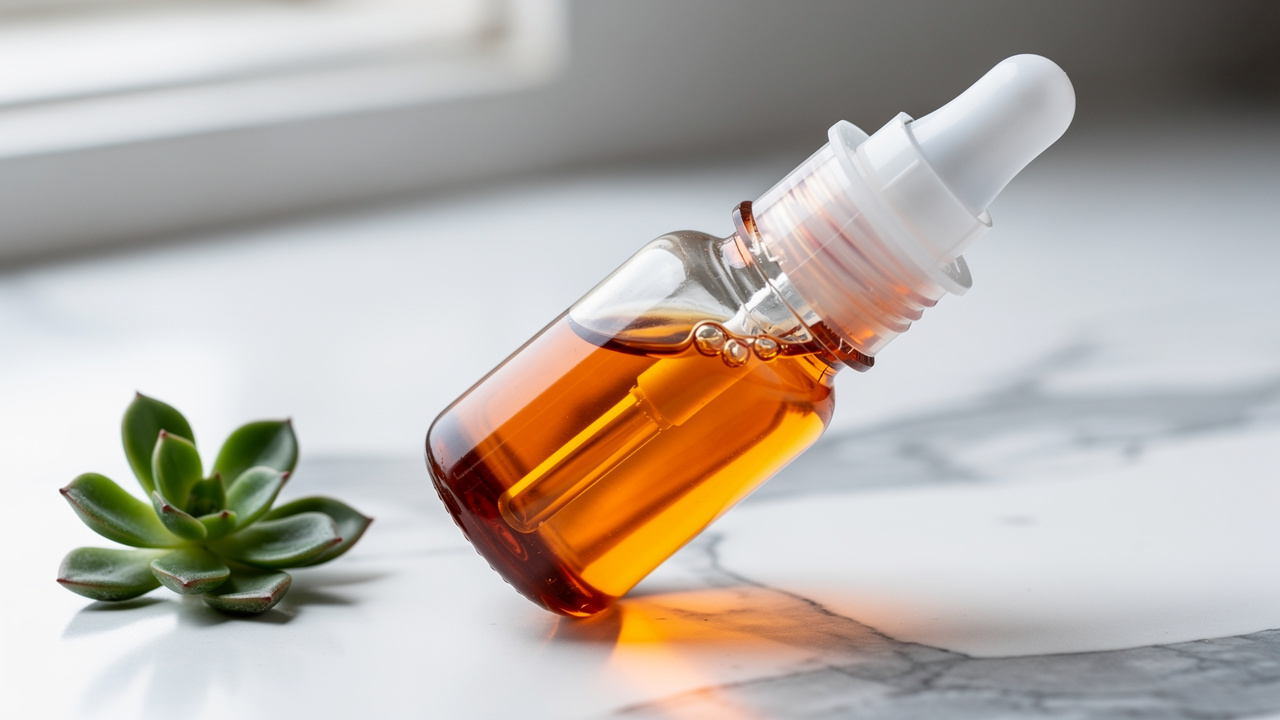
Biohackers care about pharmacokinetics as much as much as ingredients. The intranasal route gives kanna nasal spray several distinct advantages over oral forms.
Faster Onset
The nasal cavity is thinly lined and packed with blood vessels. When you spray a fine mist there:
-
Alkaloids enter the bloodstream within minutes
-
There’s no delay for digestion or gut absorption
-
Many users report feeling something within 1–5 minutes
Compared with capsules or teas that may take 30–90 minutes, this makes kanna nasal spray especially appealing for:
-
Sudden spikes of anxiety
-
Pre-meeting or pre-presentation tension
-
Social situations where you want reliable timing
Bypassing First-Pass Metabolism
Oral kanna has to survive stomach acid, digestive enzymes, and liver metabolism before it reaches the brain. That “first-pass” step can:
-
Degrade part of the active compounds
-
Delay effects
-
Make responses more variable, depending on food, gut health, and genetics
Intranasal delivery bypasses much of that processing, so a lower dose of kanna nasal spray may create a similar effect with greater consistency.
More Predictable Dosing
Quality sprays are metered: each pump delivers an approximate, labeled milligram amount of extract. That consistency appeals to:
-
Longevity enthusiasts tracking dose-response over time
-
Professionals who can’t risk feeling over-sedated during the workday
-
Athletes or heavy trainers who want calm focus, not mental fog
What Does Kanna Nasal Spray Feel Like?

Responses vary, but users of kanna nasal spray often describe a characteristic profile that depends on the formula and dose.
Commonly Reported Effects
-
Anxiety Relief And Emotional Ease
A softer sense of internal “noise,” less spiraling, and a calmer baseline while staying clear-headed. -
Mood Lift And Light Euphoria
A clean serotonin lift: brighter mood, more interest in people and the environment, sometimes a subtle euphoria at higher doses. -
Calm Focus And Productivity
Reduced mental chatter with a stable, steady focus. Many people swap or stack kanna nasal spray with L-theanine, functional mushrooms, or NAD+ protocols to support deep work without stimulants. -
Social Confidence
Easier eye contact, smoother conversation, and less social tension—useful before networking events, dates, or public speaking. -
Creativity And Flow
A more associative, fluid thinking pattern; less self-criticism when brainstorming, writing, coding, or performing. -
Body Relaxation And Sensory Enhancement
Decreased muscle tension and increased sensitivity to touch. Some people report better intimacy and, anecdotally, improved stamina by reducing performance anxiety.
Not everyone experiences all of these effects, and some feel very little. Individual neurochemistry, sleep, stress levels, and dose all play a role.
“There is no health without mental health.” — World Health Organization
Plant-based tools like kanna can support that bigger picture, but they work best alongside therapy, movement, community, and restorative sleep.
Formulations, Potency, And Ingredients
Not all kanna nasal sprays feel the same. Differences in alkaloid ratios and strength levels shape the experience.
Daytime Vs Evening Profiles
Many products fall into one of three categories:
-
High-Mesembrine (Daytime / Energizing)
-
More uplift, motivation, and social energy
-
Best for daytime, creative work, or social settings
-
-
High-Mesembrenone (Evening / Calming)
-
More pronounced stress relief and mental quiet
-
Better suited for post-work decompression or pre-sleep wind-down
-
-
Balanced Formulas
-
Aim for both uplift and calm in a single spray
-
Often chosen for general daily mood support
-
Potency Levels
Labels often specify both total extract per bottle and approximate milligrams per spray, for example:
-
Regular strength: ~500 mg per bottle (~10 mg per spray)
-
Double strength: ~1000 mg per bottle (~20 mg per spray)
-
Triple or higher strength: ~1500 mg+ per bottle (~30 mg+ per spray)
Experienced users may choose higher strengths, but new users should always start with the lowest dose and titrate slowly.
Typical Ingredient List
High-quality kanna nasal spray usually contains:
-
Standardized kanna extract (Sceletium tortuosum), often labeled by total alkaloid percentage (e.g., 8.5% TA)
-
Purified saline solution, as the carrier and to keep the spray comfortable for nasal tissues
-
Citric acid or similar preservative to maintain stability
-
Natural flavorings (such as berry or mint) to soften any bitter or earthy taste
Look for products without unnecessary stimulants, synthetic colors, or extra extra psychoactive herbs unless you explicitly want those combinations. When you evaluate any brand—such as Synchronicity and its kanna nasal spray—check the label and any available lab testing to confirm that the ingredient list matches your goals and sensitivities.
What The Research Says About Kanna And Anxiety
Most of the clinical data uses oral extracts, not kanna nasal spray specifically, but the same alkaloids are involved.
Highlights from human and preclinical research include:
-
Reduced amygdala reactivity:
A double-blind fMRI study with a standardized extract showed decreased amygdala activation to threatening stimuli, aligning with reduced fear responses. -
Improved response to induced anxiety:
Another trial found kanna extract helped blunt anxiety induced in a lab setting, suggesting meaningful anti-anxiety potential. -
Reviews of biological activity:
A comprehensive scientific review described distinct roles for mesembrine (more energizing and pro-mood) and mesembrenone (more calming and anxiolytic), supporting the logic behind different formulas.
Translating this to kanna nasal spray:
-
The underlying mechanisms—serotonin modulation, PDE4 inhibition, and altered threat processing—are the same.
-
Intranasal delivery changes onset speed and possibly intensity but not the core neurochemistry.
-
We still lack large, long-term clinical trials on intranasal kanna specifically.
So the science is promising but not definitive. For now, evidence supports kanna as a plausible, plant-based tool for mood and anxiety relief, with nasal sprays offering a faster route of administration.
How To Use Kanna Nasal Spray Safely
If you decide to trial kanna nasal spray, treat it like any psychoactive tool: respect the dose and pay attention to your response.
Step-By-Step Administration
If you’re using Synchronicity’s kanna nasal spray or a comparable product, this general method applies:
-
Shake The Bottle Gently
Distribute the extract evenly through the liquid. -
Prime The Pump (First Use)
Spray into the air until a fine mist appears. -
Apply One Spray
-
Keep your head upright.
-
Insert the tip just inside inside one nostril.
-
Press the pump while inhaling lightly—not a deep sniff. You want the mist to coat the nasal lining, not run down your throat.
-
-
Alternate Nostrils If Using More Than One Spray
This helps minimize irritation and supports even absorption. -
Wait And Assess
Give it 15–20 minutes (or up to two hours with stronger formulas) before adding more. Effects can build gradually.
Dosing Guidelines
-
Start Low, Go Slow
For first-time users, begin with one spray total, not one per nostril—especially with double- or triple-strength products. -
Find Your Minimum Effective Dose
Increase by only one spray at a time on separate occasions. Track how you feel physically and mentally. -
Respect Upper Limits
Many brands recommend no more than a set number of sprays in an 8-hour window (for example, no more than four servings). Stay within the label instructions. -
Use Situationally, Not Continuously
For performance-driven users, kanna nasal spray often works best as an “as-needed” tool for:-
High-stakes meetings or presentations
-
Social events where anxiety normally spikes
-
Intense creative sessions
-
Post-training or post-work stress relief
-
Daily, high-frequency use may blunt its effects over time and increase reliance.
Side Effects, Interactions, And Who Should Avoid It
Most people tolerate kanna nasal spray well at moderate doses, but side effects and risks are possible.
Common Side Effects
-
Nasal irritation: dryness, burning, or mild soreness
-
Headache
-
Dizziness or lightheadedness
-
Mild fatigue, especially at higher doses or with calming formulas
-
Nausea if excess spray drips into the throat and is swallowed
If symptoms are intense or persistent, stop use and speak with a healthcare professional.
Drug Interactions And Contraindications
Because kanna affects serotonin and PDE4, combining kanna nasal spray with certain substances can be risky:
-
Do not combine without medical oversight with:
-
SSRIs, SNRIs, MAOIs, or other antidepressants
-
Triptans and other serotonergic medications
-
MDMA or other strong serotonergic recreational drugs
-
Stacking multiple serotonin-active compounds increases the risk of serotonin syndrome, a potentially serious condition.
Use extra caution or avoid use if:
-
You are pregnant or breastfeeding
-
You have a history of bipolar disorder or psychosis
-
You have uncontrolled cardiovascular disease
-
You have known sensitivity to Sceletium tortuosum or related plants
Age And Legal Considerations
Most reputable products:
-
Are marketed for adults only
-
Require buyers to be 18+ (sometimes 21+) depending on regional rules
Standard Supplement Disclaimer
As with other dietary supplements in the US:
These statements have not been evaluated by the Food and Drug Administration. Products containing kanna are not intended to diagnose, treat, cure, or prevent any disease.
Always consult a qualified healthcare professional before using kanna nasal spray, especially if you take prescription medications or manage chronic health conditions.
Quality, Testing, And Ethical Sourcing
For high-performance users, what’s not in kanna nasal spray matters as much as what is.
Third-Party Testing
Look for brands that provide independent lab reports (Certificates of Analysis) verifying:
-
Absence of heavy metals, pesticides, and microbial contaminants
-
Accurate total alkaloid percentage (TA)
-
Clear specification of mesembrine/mesembrenone ratios when possible
This is especially important if you’re already loading your system with NAD+, amino acids, or other advanced therapies and want to avoid stealth contaminants.
Manufacturing Standards
Quality indicators include:
-
Production in GMP-compliant and FDA-registered facilities
-
Use of pharmaceutical-grade saline and excipients
-
Consistent batch testing to keep effects predictable
Ethical And Sustainable Kanna Sourcing
Because kanna has deep roots in indigenous cultures:
-
Prefer suppliers who source from sustainably cultivated or responsibly managed wild populations
-
Look for mention of benefit-sharing agreements with Khoikhoi and San communities, acknowledging and compensating the originators of kanna knowledge
-
Check that exports are authorized by relevant South African conservation authorities
This approach supports long-term availability of high-quality kanna while respecting its cultural origins. When considering brands such as Synchronicity, many users specifically look for transparency around farming practices and community partnerships before choosing a product.
So, Does Kanna Nasal Spray Help With Anxiety?
For many users, kanna nasal spray feels like a fast, clean way to take the edge off anxiety, lift mood, and support focus without resorting to heavy sedatives or stimulants. The neurochemistry and early clinical data on kanna are consistent with:
-
Reduced threat reactivity
-
Greater emotional resilience
-
Improved capacity for calm, clear thinking
At the same time:
-
Evidence on intranasal formulations is still emerging.
-
Responses vary widely from person to person.
-
It is not a substitute for therapy, lifestyle changes, or prescribed treatment when those are needed.
If you’re a biohacker, longevity enthusiast, athlete, or busy professional considering kanna nasal spray, treat it as a targeted tool—not a cure-all:
-
Start with low doses and careful observation.
-
Choose rigorously tested, ethically sourced products.
-
Integrate it into a broader framework that still prioritizes sleep, nutrition, training, and mental health.
Used thoughtfully and responsibly, kanna nasal spray may offer a rapid-onset option for managing situational anxiety and supporting mental performance—while we wait for larger, better-controlled clinical trials to fill in the remaining gaps.


Leave a comment
All comments are moderated before being published.
This site is protected by hCaptcha and the hCaptcha Privacy Policy and Terms of Service apply.