
Introduction
Picture a favorite device that once stayed charged all day but now drops to red by noon. Cells inside the body can feel the same way over time, and a big part of that shift comes from falling levels of a molecule called NAD+. This is why methods such as NAD+ injections and NAD+ nasal spray have drawn so much attention among biohackers, high performers, and longevity fans.
NAD+ (nicotinamide adenine dinucleotide) sits inside every living cell. It helps turn food into usable cellular energy, supports DNA repair, powers sirtuins that influence aging pathways, and keeps mitochondria working. When NAD+ levels stay high, cells run like a well-tuned engine. When levels drop, energy, focus, and repair all start to slip.
Research shows that NAD+ levels fall across many tissues with age, often to about half of youthful levels by midlife. This decline links to several hallmarks of aging, including DNA damage, mitochondrial problems, and the buildup of worn-out cells. Restoring NAD+ is one way to support energy, mental performance, recovery, and long-term health.
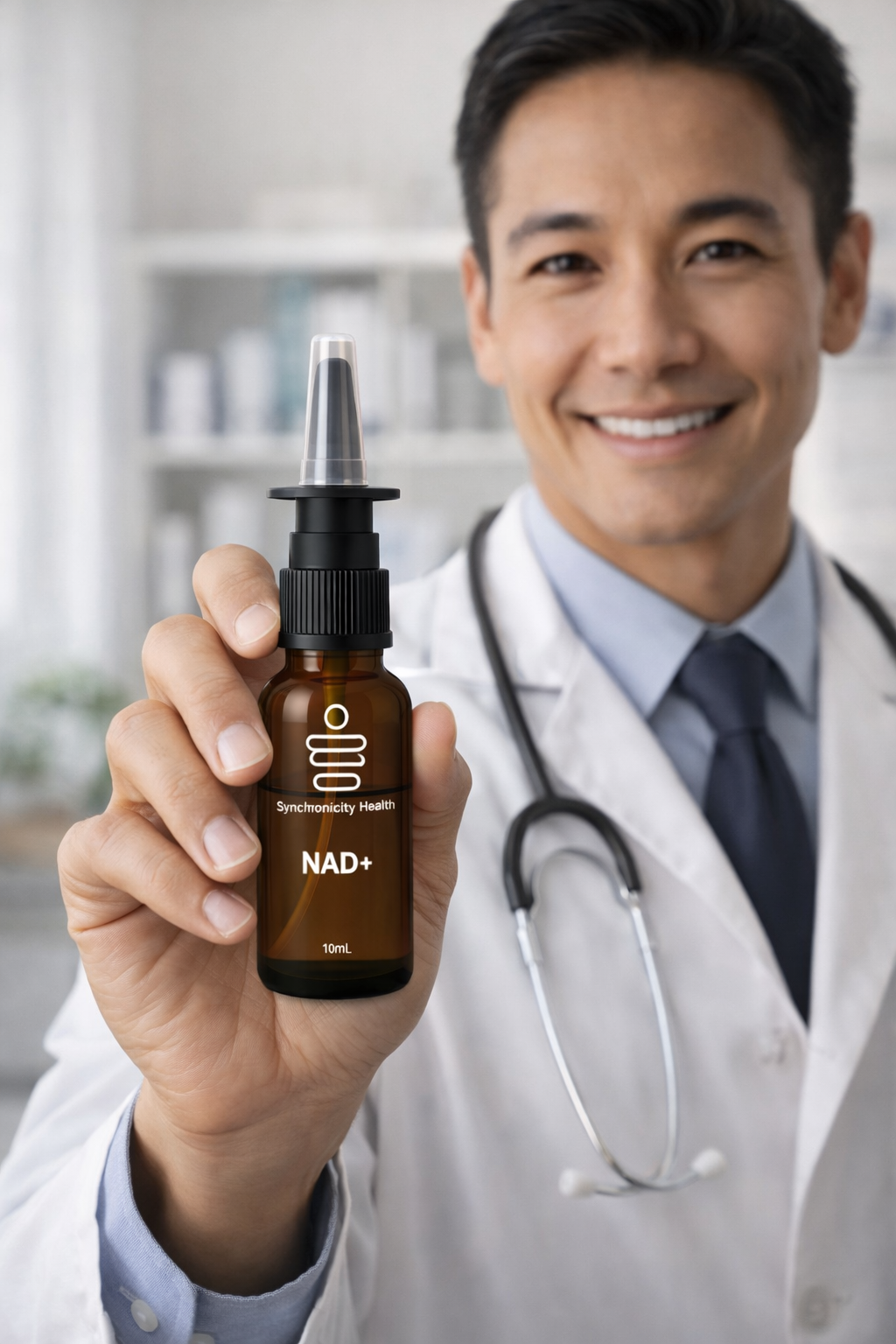
This article walks through a clear, science-based comparison of NAD+ injections and NAD+ nasal spray. It explains how each works, what the benefits and trade‑offs look like, and who each method fits best. Along the way, it also shows how Synchronicity Health uses advanced nasal spray delivery and physician-backed formulas to make NAD+ support practical for daily life.
Key Takeaways
-
NAD+ powers cellular energy, DNA repair, and longevity pathways, yet levels tend to drop by around half by midlife, which affects how well cells perform. Restoring this molecule can support energy, cognition, and recovery across many systems. Both NAD+ injections and nasal sprays aim at this same core target.
-
NAD+ injections deliver NAD+ directly into the body through subcutaneous shots or intravenous infusions. This leads to high bioavailability but calls for medical oversight and comfort with needles. These methods often suit intensive protocols or clinical use and are usually more time consuming and expensive.
-
NAD+ nasal spray uses the nasal mucosa for rapid absorption into the bloodstream while bypassing digestion, which gives better uptake than most oral NAD supplement options. It is non‑invasive, portable, and simple to use every day, so it fits busy schedules and long‑term wellness plans very well.
-
Both methods avoid the poor absorption seen with many oral NAD+ products, but the best fit depends on goals, lifestyle, and tolerance for injections. For many health‑focused professionals and biohackers, a high‑quality nasal spray offers the best mix of science, convenience, and consistency. Synchronicity Health focuses on this route with physician-backed, third‑party tested nasal formulas.
Understanding NAD+: The Master Molecule of Cellular Health
NAD+ is a coenzyme found in every living cell, and it shows up in two main roles.
-
First, it acts as an electron carrier in core energy pathways such as glycolysis, the Krebs cycle, and oxidative phosphorylation. In simple terms, it helps move electrons so the body can turn carbs, fats, and proteins into ATP, the energy currency every cell spends to function.
-
Second, NAD+ serves as a fuel for signaling enzymes that guide repair and stress responses. Sirtuins use NAD+ to adjust gene expression, manage responses to stress, and support long‑term cell survival. PARP enzymes also depend on NAD+ to repair DNA damage and help keep the genome stable. Without enough NAD+, these repair and control systems slow down.
As people age, NAD+ levels fall across many organs including the brain, liver, skin, and muscle. By middle age, average levels may sit at about half of what they were in youth. This decline partly comes from enzymes such as PARPs and CD38 burning through more NAD+ as DNA damage and low‑grade inflammation rise. At the same time, the main recycling route, which depends on the enzyme NAMPT, often becomes less active.
This imbalance connects directly to several hallmarks of aging:
-
Lower NAD+ weakens DNA repair.
-
Mitochondria lose efficiency.
-
Senescent cells build up and send out inflammatory signals.
-
Epigenetic control and nutrient sensing drift away from youthful patterns.
-
Stem cells that help tissues renew may lose function.
Seen this way, NAD+ acts like both fuel and currency for cellular health. When supplies run low, energy, repair, and communication all suffer. Restoring NAD+ with methods such as NAD+ injections or nasal spray is not about chasing a trend. It is about giving cells the raw material they need to keep doing their core jobs.
“NAD is one of the most important molecules in the body. Without it, you’re dead in 30 seconds.”
— David A. Sinclair, PhD, Harvard Medical School
What Are NAD+ Injections?
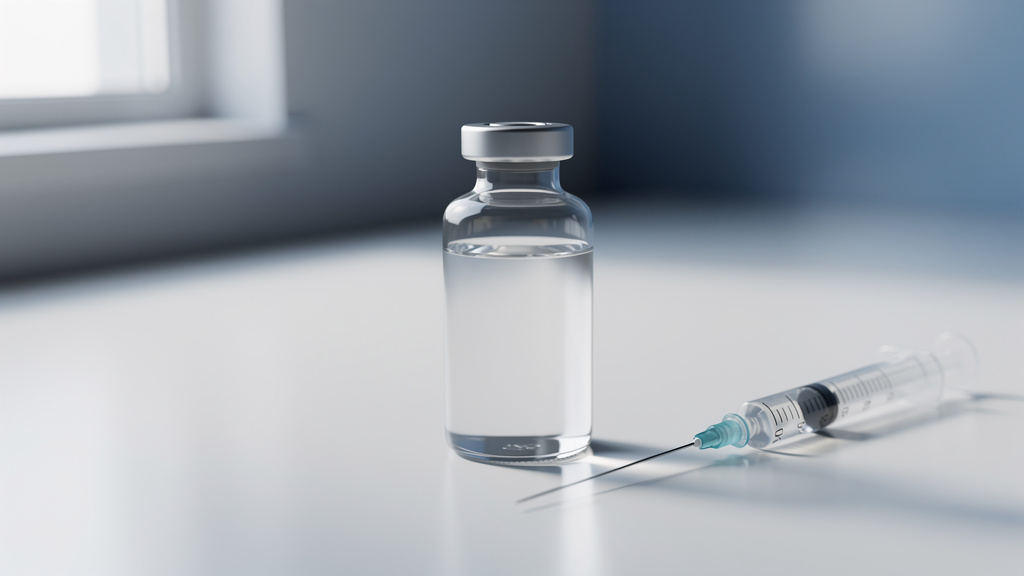
NAD+ injections are prescription preparations that deliver NAD+ directly into the body, bypassing the digestive tract. They are usually made by licensed 503A compounding pharmacies as a sterile, freeze‑dried powder in glass vials, often in strengths such as 500 milligrams or 1,000 milligrams. Before use, a healthcare provider or trained patient mixes the powder with a sterile liquid like bacteriostatic water to create a clear solution.
There are two main ways this solution is given:
-
Subcutaneous (SubQ) injections place a small amount of fluid into the fatty layer under the skin, often in the abdomen, thigh, or back of the arm. Many wellness and anti‑aging protocols rely on this route because it can be done at home after careful instruction, and the NAD+ enters the bloodstream slowly over time.
-
Intravenous (IV) infusions send diluted NAD+ directly into a vein through an IV line in a clinic. This method is common when higher doses or close monitoring are needed.
For general wellness, SubQ NAD+ injections usually start at about 20 to 50 milligrams per shot. The dose may rise over time to around 50 to 100 milligrams per injection, given one to three times per week. Many protocols keep the total weekly amount near or below about 300 milligrams, unless a physician suggests otherwise based on the person’s response.
In more intensive settings such as addiction recovery, doses are far higher and usually given by IV. It is common to see 500 to 1,000 milligrams per day infused slowly over several hours. These sessions may run for four to ten days in a row while patients are closely monitored by medical staff.
NAD+ injections are not approved by the FDA as a drug, so they fall into off‑label use guided by emerging science and clinical experience. A prescription is required, and insurance rarely covers the cost. Still, many people value this route because it delivers NAD+ directly into circulation, offers very high bioavailability, and allows for aggressive dosing under expert care, even though it demands needles, time, and consistent medical oversight.
What Is NAD+ Nasal Spray?

NAD+ nasal spray uses a different path to reach the bloodstream. Instead of a needle, it relies on the thin, highly vascular tissue that lines the inside of the nose. When a person sprays the formula into a nostril, NAD+ or related compounds can cross this mucosal surface and enter circulation far more directly than they would through the gut.
This nasal route has several advantages over swallowing standard NAD supplement capsules:
-
Stomach acid and digestive enzymes can break down NAD+ before much of it is absorbed.
-
Even precursors such as NMN or NR can lose some strength in the digestive tract and face a first pass through the liver before reaching the rest of the body.
-
Nasal sprays skip much of this process, which often leads to better bioavailability and more predictable levels.
Most NAD+ nasal products come in small spray bottles that deliver a specific dose per pump. The user holds the bottle upright, gently inserts the tip into one nostril, aims slightly outward, and presses down to release a mist. Depending on the strength of the formula, the label may suggest one or more sprays once or twice per day. This kind of setup makes it easy to build NAD+ support into a morning or evening routine.
Compared with NAD+ injections, nasal spray stands out as non‑invasive and convenient. There are no needles, no clinic chairs, and no mixing of vials. A single bottle can travel in a bag or desk drawer, so doses are less likely to be skipped due to schedule conflicts. For many people, this convenience leads to more consistent use, which matters a lot for long‑term cellular support.
Quality varies, though, so sourcing matters. Since many nasal products are sold as dietary supplements rather than prescriptions, it is important to look for items with third‑party testing, clear labels, and physician input on the formula. Synchronicity Health builds its NAD+ nasal sprays around these standards, using science‑based dosing, advanced nasal delivery design, and rigorous outside testing to confirm potency and purity. The result is a modern option for daily NAD+ support that fits the needs of health‑focused professionals and biohackers who want serious science without medical procedures.
NAD+ Injections vs. NAD+ Nasal Spray: Direct Comparison

Both NAD+ injections and NAD+ nasal spray aim to restore NAD+ levels, but they do it in very different ways. Looking at a direct comparison makes it easier to see which route matches a specific goal or lifestyle.
|
Factor |
NAD+ Injections |
NAD+ Nasal Spray |
|---|---|---|
|
Bioavailability |
Very high, since NAD+ enters directly through SubQ tissue or a vein |
High, since it bypasses digestion and first liver pass, better than most oral forms |
|
Administration |
Requires needles, reconstitution, and in many cases a clinic visit |
Simple sprays into the nostril at home or on the go |
|
Frequency |
Often one to three times per week for SubQ, daily sessions for IV protocols |
Often one or two short sessions per day, based on the label |
|
Oversight |
Needs a prescription and guidance from a healthcare provider |
Usually sold as a supplement, though the best options have physician input |
|
Cost Pattern |
Higher cost per dose, with clinic time adding extra expense for IV |
Usually more friendly for long‑term use, with a single bottle lasting weeks |
|
Comfort |
May cause injection site soreness or IV discomfort |
May cause only mild nasal irritation for some users |
From an effectiveness point of view, both methods beat standard oral NAD+ capsules, which often suffer from breakdown in the gut. IV NAD+ injections can raise blood levels quickly and reach very high doses, which is why they are common in addiction recovery and some more aggressive wellness clinics. SubQ shots also give direct access to the bloodstream but do so more gradually over hours.
NAD+ nasal sprays do not reach the same peak doses as a large IV bag, yet they shine in consistency and practicality. A small daily dose delivered many times over months can keep NAD+ levels supported in a steady way. For many high performers, this kind of reliable input matters more than rare high spikes.
When it comes to time and convenience, nasal sprays have a clear edge. Preparing NAD+ injections means dealing with sterile supplies, safe storage, and often scheduling time with a nurse or clinic. Nasal spray, in contrast, adds only a few seconds to a routine.
Accessibility is another clear difference. Injections require a doctor’s prescription and a compounding pharmacy, and their off‑label status means people cannot just walk into a store and buy them. Quality NAD+ nasal sprays from groups such as Synchronicity Health are easier to purchase while still keeping high standards through physician‑backed design and third‑party testing. That makes them a more realistic daily option for most people.
“The best therapy is the one a patient can stick with month after month.”
— Common principle in lifestyle and longevity medicine
The Science-Backed Benefits of NAD+ Restoration

No matter which delivery route is used, the core goal is the same. Restoring NAD+ helps cells move back toward a more youthful state in how they create energy, repair damage, and respond to stress. This shift can show up in daily life as better energy, sharper thinking, and stronger resilience.
On the energy side, higher NAD+ supports the full chain of reactions that turn carbs and fats into ATP. Mitochondria run more smoothly when NAD+ is available in both its oxidized and reduced forms. People often report better stamina, fewer afternoon crashes, and improved capacity for demanding work or training once NAD+ levels rise.
NAD+ restoration also supports anti‑aging pathways:
-
PARP enzymes have more fuel to repair DNA breaks, which protects genomic stability over time.
-
Sirtuins gain the NAD+ they need to guide epigenetic patterns, keeping gene expression closer to a youthful profile.
-
Research in animals links restored NAD+ levels to better telomere function and improved recycling of damaged mitochondria.
The brain may feel these changes strongly. Neurons depend heavily on clean energy production and active repair. With better NAD+ support, many people notice clearer focus, improved mood, and a sense of mental brightness. Early research in models of neurodegeneration suggests that higher NAD+ levels may protect brain cells and improve cognitive function.
Metabolic health is another key area. In preclinical work, raising NAD+ has been tied to better insulin sensitivity, healthier fat metabolism, and even reversal of diet‑related metabolic issues. On top of that, better mitochondrial function and lower inflammation can support cardiovascular health, organ resilience, and exercise recovery. Whether delivered by NAD+ injections or nasal spray, the shared aim is to feed this same master regulator and let the body’s own systems do what they are built to do.
Safety Considerations: Side Effects and Contraindications
Because NAD+ is a natural molecule that already lives in every cell, both NAD+ injections and NAD+ nasal spray tend to have friendly safety profiles when used correctly. Most reports of side effects describe short‑lived and dose‑related issues rather than serious problems. That said, any method that changes cellular metabolism should still be used with care.
With NAD+ injections, side effects often depend on how fast and how much NAD+ is given. Some people feel tired, lightheaded, or foggy for a short time after a shot or during an infusion. Others notice headache, mild nausea, a feeling of warmth, or brief chest tightness, especially if the IV drip runs too fast. SubQ injections can cause temporary redness, swelling, or a burning feeling at the injection site.
These reactions often calm down when the dose is lowered or the rate of infusion slows. Modern IV protocols focus on slow drips over several hours for this reason. Proper sterile technique also matters to reduce the small but real risk of infection with any needle‑based therapy.
NAD+ nasal sprays usually produce fewer complaints. The most common report is slight nasal irritation or a mild burning feeling that passes quickly. Since there is no needle, the risk of injection‑related issues does not apply, though quality of ingredients and cleanliness in manufacturing still matter a great deal.
Both delivery routes share several important cautions:
-
People with known allergies to NAD+ or any ingredient in a specific product should not use that product.
-
Those with active cancer are often advised to avoid intensive NAD+ support, because fast‑growing cells might also use the extra fuel.
-
Pregnant or breastfeeding individuals should steer clear, since strong safety data in these groups is not available.
-
Anyone with severe liver, kidney, or heart conditions needs close medical guidance before starting.
Quality and sourcing are central for safety. NAD+ injections should always come from licensed compounding pharmacies with a valid prescription. Nasal sprays should come from reputable companies that rely on physician‑backed formulas and third‑party testing, such as Synchronicity Health. Cutting corners here introduces far more risk than the NAD+ molecule itself.
Who Should Consider NAD+ Supplementation?
Not everyone needs intensive NAD+ support, but many adults can benefit from a sensible NAD supplement strategy. As NAD+ levels decline with age, the first signs often show up as lower energy, slower recovery, and more frequent “brain fog” on busy days. People in their mid‑thirties and beyond commonly notice these changes and look for ways to support cellular function before more serious issues appear.
Health optimization enthusiasts and biohackers often add NAD+ injections or nasal spray to a broader longevity plan that may include fasting, exercise, and sleep work. Busy professionals who juggle meetings, screens, and family life may lean on NAD+ to help keep energy and focus steady without reaching for extra caffeine. Athletes and fitness fans may look to NAD+ support to aid muscle recovery and performance.
Those interested in metabolic health, cognitive aging, or skin quality may also see NAD+ support as a smart step. People with family histories of age‑related conditions sometimes choose to support NAD+ early as part of a proactive plan.
Anyone with ongoing health issues, medications, or complex history should talk with a knowledgeable provider before starting. Injections may suit some clinical cases where rapid, high dosing is needed, while NAD+ nasal spray often works better as a gentle, daily support tool inside a larger wellness stack.
How to Choose: NAD+ Injections or Nasal Spray?
Choosing between NAD+ injections and NAD+ nasal spray starts with a simple question about goals and tolerance. If the focus is on an intensive, short‑term protocol such as addiction recovery or a medically supervised reset, injections often make sense. IV infusions can deliver large amounts of NAD+ quickly, and regular SubQ shots can keep levels high under close watch. This route suits people who are comfortable with needles, willing to spend time in clinics, and less worried about cost.
For most health‑conscious adults, though, convenience and consistency matter more than extreme dosing. Here, high‑quality NAD+ nasal spray is often the better fit. It avoids needles entirely, slips easily into daily routines, and does not require travel to an office. People who want long‑term support for energy, focus, and longevity usually prefer something they can stick with for months or years without stress.
Budget plays a role as well. Ongoing NAD+ injections can become expensive due to pharmacy fees, supplies, and clinic time. A nasal spray from a trusted company like Synchronicity Health tends to be more manageable, especially over the long haul, while still offering strong bioavailability and science‑backed design.
Synchronicity Health’s NAD+ nasal spray stands out because it combines advanced nasal delivery technology with physician‑guided formulation and third‑party testing. It is built to slide into “Sync Stacks” that support several cellular pathways at once, so people can match products to specific goals such as focus, sleep, or recovery.
Some users do well with a hybrid plan. They may start with a short round of NAD+ injections to raise levels quickly, then shift to daily nasal spray for maintenance. That kind of program should always be planned with a healthcare professional who understands both methods.
Maximizing Results: Best Practices for NAD+ Optimization
Getting the most from any NAD supplement plan depends less on a single dose and more on steady habits. Whether using NAD+ injections or nasal spray, consistent use over weeks and months allows cells to adjust and repair. Many people keep a simple log of energy, mood, focus, and sleep to see how their body responds over time.
Lifestyle plays a huge role in how NAD+ is used and preserved:
-
A diet that includes niacin‑rich foods, plenty of colorful plants, and steady protein supports the pathways that build and recycle NAD+.
-
Regular exercise, especially a mix of strength and aerobic work, pushes mitochondria to grow and may boost the body’s own NAD+ production.
-
Good sleep supports nightly repair processes that rely on NAD+.
It also helps to lower avoidable stressors that drain NAD+. Chronic inflammation, heavy alcohol intake, smoking, and excess sun damage all raise the demand for NAD+‑dependent repair enzymes. Cutting back in these areas means NAD+ can go toward performance and longevity rather than constant damage control.
Some practitioners suggest adding methyl donors such as trimethylglycine, since the body uses methylation to clear NAD+ breakdown products. This support may improve tolerance for higher doses in some people. Pairing NAD+ support with other parts of a Synchronicity Health Sync Stack, such as mitochondrial support or antioxidant products, can give a broader base for cellular health.
Regular check‑ins with an informed healthcare provider round out a smart plan. Lab work, symptom tracking, and dose adjustments help keep both NAD+ injections and nasal spray safe and effective over the long term.
Conclusion
NAD+ sits at the center of how cells make energy, repair damage, and manage aging pathways. As levels fall with age, people often feel the effects in their energy, focus, recovery, and long‑term health risks. The rise of NAD+ injections and NAD+ nasal spray reflects a growing interest in correcting this deep cellular shortage rather than just chasing surface changes.
Injections offer high, fast delivery and work well inside structured medical protocols where monitoring is close and doses are intense. Nasal spray brings a different strength, making NAD+ support easy to use every day without needles, long clinic visits, or complex setups. Both routes sidestep the absorption problems of many oral NAD products and aim at the same core target.
For many health optimization enthusiasts, busy professionals, athletes, and longevity fans, a premium NAD+ nasal spray offers the best mix of science, comfort, and access. Synchronicity Health focuses on this approach, pairing advanced nasal technology with physician‑backed formulas and third‑party testing so users know what they are getting.
Taking NAD+ seriously means investing in the health of every cell. By choosing a thoughtful NAD support plan and pairing it with smart lifestyle habits, people can support their energy, cognition, and resilience now while laying a better foundation for the years ahead.
FAQs
Question 1: Can I Take NAD+ Orally Instead of Using Injections or Nasal Spray?
Standard oral NAD+ capsules are not very effective, because NAD+ is a large, charged molecule that does not cross the gut lining well. Stomach acid and digestive enzymes can also break it down before much reaches the bloodstream. Oral NAD+ precursors such as NMN, NR, or niacin can raise NAD+ to some extent, but their absorption and conversion can be limited and variable. NAD+ injections and nasal sprays both bypass most digestive barriers, which gives them a clear edge in bioavailability and consistency for many users.
Question 2: How Long Does It Take to Feel the Benefits of NAD+ Restoration?
Timing varies by person, baseline health, and dosing method. With IV NAD+ injections, some people notice shifts in energy or clarity within hours or days, especially during intensive protocols. SubQ injections may bring changes more gradually over several weeks as levels build. With nasal spray, consistent daily use often leads to clearer energy, better focus, and steadier mood within two to four weeks. Deeper changes such as DNA repair support and mitochondrial improvements build slowly and may take several months of regular use.
Question 3: Are NAD+ Injections or Nasal Spray Safe for Long-Term Use?
Available data and clinical experience suggest both NAD+ injections and nasal spray can be used long term when doses are sensible and products come from trusted sources. NAD+ already lives inside every cell, and the body has pathways to manage and clear extra amounts. Long‑term studies in humans are still growing, but current reports show generally friendly safety profiles. The key points are careful dosing, high product quality, and regular reviews with a knowledgeable healthcare provider. People should avoid pushing doses far beyond guidance without medical input.
Question 4: Will NAD+ Supplementation Interfere With My Medications?
So far, no major drug interactions with NAD+ have surfaced in published research. Since NAD+ is part of normal cell machinery, it does not seem to block or boost most common medications in obvious ways. However, formal studies on every possible combination do not yet exist. Anyone taking prescription drugs should discuss NAD+ injections or nasal spray with a healthcare provider before starting. Sharing a full list of medications and supplements allows the provider to watch for any rare issues and adjust plans as needed.
Question 5: Why Is Synchronicity Health's NAD+ Nasal Spray a Superior Choice?
Synchronicity Health designs its NAD+ nasal spray with physician guidance, so dosing and ingredient choice lean on current science rather than guesswork. The nasal delivery system is built to give better uptake than typical oral NAD supplement forms while staying easy to use every day. Every batch goes through third‑party testing to confirm potency and purity, which is especially important for delicate compounds linked to cellular energy. The spray is made for busy professionals, biohackers, and wellness‑focused individuals who want strong NAD+ support without injections. It also fits into Synchronicity Health’s Sync Stack approach, where products are created to work together for broader cellular health.
Question 6: Can I Use Both NAD+ Injections and Nasal Spray Together?
Some people use a combined approach, often starting with NAD+ injections during a short intensive phase and then switching to daily nasal spray for maintenance. This pattern can raise levels quickly while still keeping long‑term support simple. Any combined protocol should be planned with a healthcare provider, since total NAD+ intake needs to stay within safe ranges. For many people focused on daily wellness rather than clinical treatment, high‑quality nasal spray alone offers plenty of support with less complexity.



Leave a comment
All comments are moderated before being published.
This site is protected by hCaptcha and the hCaptcha Privacy Policy and Terms of Service apply.