

Want skin that looks and feels younger? At Synchronicity Health, we believe the right anti‑aging routine—done consistently—can make a real difference. This guide walks you through practical steps, proven ingredients, and everyday habits that support a vibrant complexion as you age. We’ll cover morning and evening routines, the most effective actives for preventing wrinkles, how to adapt care for mature skin, and what we currently know about glutathione’s role in skin health.
What Is the Best Anti-Aging Skincare Routine for Youthful Skin?
A thoughtful, consistent skincare routine is the foundation of youthful skin. It should address dryness, fine lines, texture, and protection, while encouraging healthy cellular renewal. The goal: protect, nourish, and support the skin barrier so your skin can repair and glow.
Which Steps Should You Include in a Daily Anti-Aging Skincare Routine?
A simple, effective daily routine typically includes these steps:
- Cleansing: Use a gentle cleanser that removes dirt and oil without stripping the skin’s natural moisture.
- Treating: Apply targeted serums—like retinol or vitamin C—to address texture, pigmentation, and collagen support.
- Moisturizing: Choose a hydrating moisturizer to reinforce the skin barrier and lock in moisture.
- Protecting: Finish with a broad‑spectrum sunscreen every morning to prevent UV damage and premature aging.
Sticking to these steps consistently is one of the simplest ways to improve skin tone, texture, and resilience over time.
How Do Morning and Evening Routines Differ for Mature Skin?
Morning and evening routines play complementary roles—especially as skin matures.
- Morning Routine: Prioritize protection and lightweight hydration—think antioxidants and SPF to defend against environmental stressors.
- Evening Routine: Focus on repair and nourishment. Nighttime is ideal for richer creams and active treatments that support regeneration while you sleep.
Knowing when to protect versus when to repair helps you get the most from each product.
What Are the Best Anti-Aging Ingredients to Prevent Wrinkles Naturally?
Some ingredients consistently deliver visible anti‑aging benefits when used correctly.
How Do Retinol, Vitamin C, and Hyaluronic Acid Support Youthful Skin?
Each of these ingredients targets aging in a different, complementary way:
- Retinol: Encourages cell turnover and helps reduce fine lines and uneven texture over time.
- Vitamin C: A potent antioxidant that brightens skin and defends against oxidative damage.
- Hyaluronic Acid: Deeply hydrates and plumps, which softens the look of wrinkles and improves skin elasticity.
Used together in a thoughtful routine, these actives can noticeably improve skin health and appearance.
Why Is Glutathione Considered an Important Antioxidant for Skin Health?
Glutathione is a strong antioxidant that helps neutralize free radicals and supports cellular detoxification. That can contribute to clearer‑looking skin and reduced oxidative stress—both relevant to aging.
While glutathione and NAC may support skin health, evidence for benefits specifically from nasal spray delivery is limited. More research is needed to confirm safety and effectiveness for skin longevity.
How Can You Maintain Youthful Skin Through Targeted Tips and Lifestyle Habits?
Skincare products matter, but daily habits strongly influence how your skin ages. Small, consistent lifestyle choices compound over time.
What Diet and Hydration Practices Promote Skin Elasticity and Radiance?
A nutrient‑forward diet and good hydration support skin structure and glow. Practical choices include: the science backed benefits of adaptogen drinks.
- Fruits and Vegetables: Berries, citrus, and leafy greens provide vitamins C and E to support collagen and antioxidant defenses.
- Healthy Fats: Omega‑3s from fish, seeds, and nuts help maintain skin moisture and elasticity.
- Hydration: Regular water intake supports circulation and skin plumpness; adjust for activity and climate.
These habits help your skin look more resilient and radiant.
How Do Sleep, Stress Management, and Exercise Impact Skin Aging?
- Sleep: Quality sleep gives the skin time to repair and regenerate, reducing visible aging signs.
- Stress Management: Chronic stress can worsen inflammation and skin problems—practices like meditation or breathing exercises help.
- Exercise: Regular activity boosts circulation, bringing nutrients and oxygen that support healthy skin tone.
Pairing smart skincare with these habits amplifies results and supports long‑term skin health.
How Do You Adapt Skincare for Mature Skin to Address Specific Aging Concerns?
Mature skin often needs richer support and targeted actives to address loss of firmness, discoloration, and texture changes.
What Are Effective Strategies to Reduce Fine Lines, Wrinkles, and Hyperpigmentation?
- Targeted Treatments: Retinoids and peptides can stimulate collagen and improve texture when used consistently.
- Exfoliation: Regular, gentle exfoliation removes dead skin cells and evens tone—choose the method that suits your skin sensitivity.
- Sun Protection: Daily sunscreen prevents further pigmentation and protects the skin’s structural proteins from UV damage.
These approaches work together to preserve and restore a smoother, more even complexion.
How Does Nasal Delivery of Glutathione Affect Its Anti-Aging Benefits?
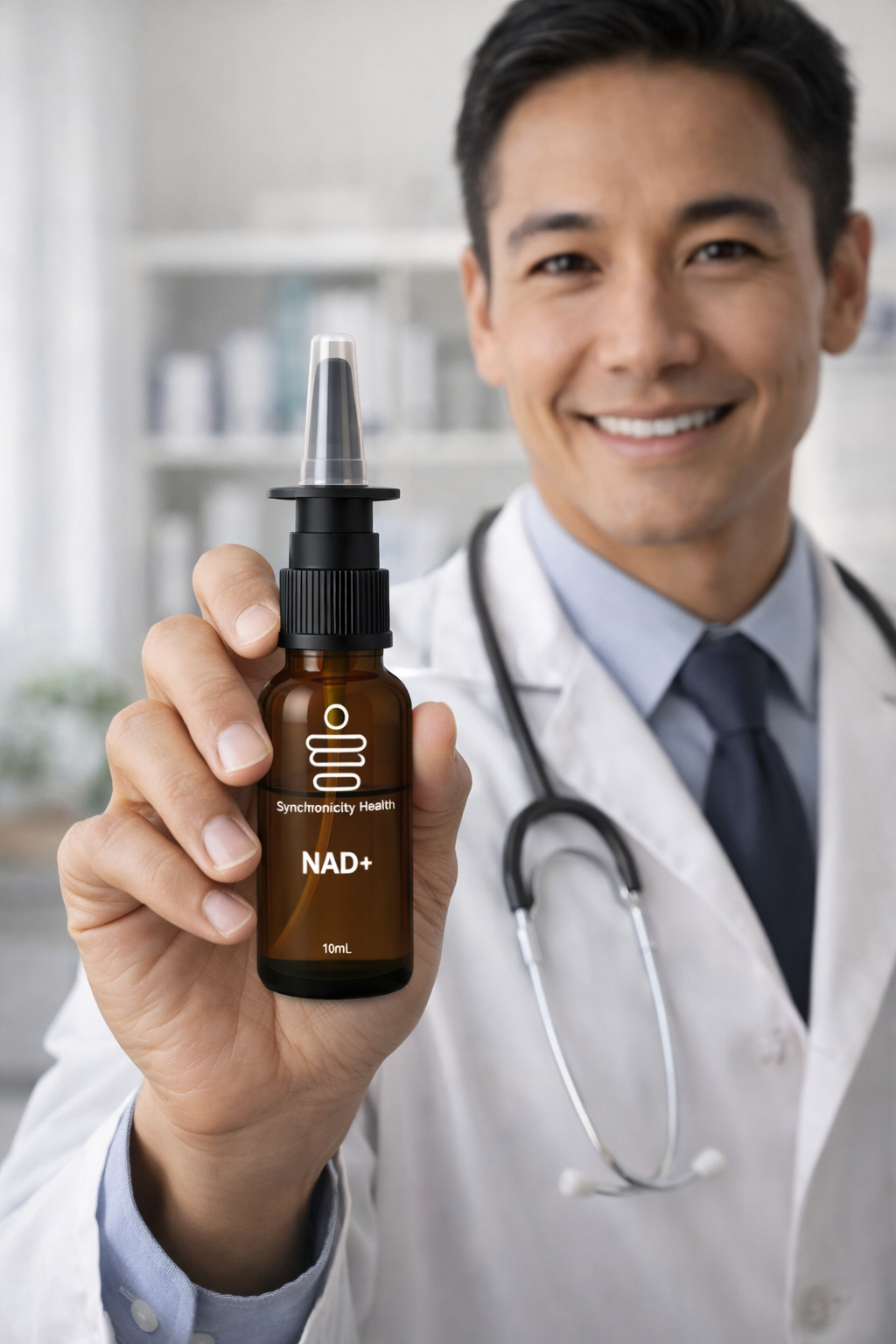
Nasal delivery can allow faster entry into the bloodstream than some oral forms, which may change bioavailability. Still, solid clinical evidence showing that nasal glutathione and NAD+ improves skin aging is limited. Talk with a healthcare provider before trying new delivery methods, especially if you have underlying health concerns. For more information, check out the ultimate guide to using glutathione nasal spray.
Delivery route can influence how a supplement performs, but more research is needed to confirm whether nasal administration offers important advantages for skin health.
|
Ingredient |
Benefit |
Source |
|
Retinol |
Boosts cell turnover and refines texture |
Skincare products |
|
Vitamin C |
Brightens and defends against oxidation |
Serums and creams |
|
Hyaluronic Acid |
Hydrates deeply and plumps fine lines |
Moisturizers |
|
Glutathione |
Antioxidant support for cellular health |
Supplements (various delivery methods) |
Keeping skin youthful is a multi‑factor process: a consistent routine, well‑selected actives, and supportive lifestyle choices all matter. When you combine proven products with healthy habits, you give your skin the best chance to stay healthy and vibrant as you age.
About Synchronicity Health: Our Commitment to Holistic Well-being
At Synchronicity Health, we are dedicated to empowering individuals on their journey to optimal health and vitality. Our approach integrates cutting-edge science with a deep understanding of the body's natural capabilities. We meticulously research and develop high-quality, bioavailable supplements and provide expert-backed information to help you make informed choices for your well-being.
Our team of health professionals and researchers is committed to transparency, efficacy, and supporting a holistic lifestyle. We believe that true wellness comes from nurturing the body, mind, and spirit, and we strive to be a trusted resource in your pursuit of a vibrant, healthy life.
Learn more about Synchronicity Health
Disclaimer: The information provided in this article is for educational purposes only and is not intended as medical advice. Always consult with a qualified healthcare professional before making any changes to your skincare routine or health regimen, especially if you have pre-existing conditions or concerns.
Frequently Asked Questions
1. What age should I start an anti-aging skincare routine?
Many start preventive steps in their late 20s to early 30s, when collagen production begins to decline. Early, consistent care helps delay visible signs of aging—but it’s beneficial at any age. Tailor products to your skin’s current needs rather than an arbitrary number.
2. How often should I exfoliate my skin for anti-aging benefits?
Exfoliation depends on skin type and method. For most people, 1–3 times per week works well. Sensitive skin may need only weekly exfoliation; oilier or thicker skin can tolerate more frequent sessions. Use gentle methods and monitor how your skin responds.
3. Can lifestyle changes really impact my skin's aging process?
Yes. Diet, hydration, stress management, sleep, and exercise all influence skin structure and appearance. These lifestyle factors work alongside topical care to improve elasticity, tone, and overall radiance.
4. Are natural remedies effective for anti-aging skincare?
Natural ingredients like aloe, green tea, and certain oils offer antioxidant and soothing benefits and can complement a routine. That said, clinically studied actives—retinol, vitamin C, hyaluronic acid—tend to deliver more consistent anti‑aging results. Use natural remedies as supportive additions rather than sole treatments.
5. How do I choose the right sunscreen for anti-aging?
Choose a broad‑spectrum sunscreen with at least SPF 30. Physical filters like zinc oxide or titanium dioxide provide reliable protection. Sunscreens with added antioxidants can offer extra defense against free radicals. Apply daily, even on cloudy days, and reapply as directed.
6. What should I do if I experience irritation from anti-aging products?
If a product irritates your skin, stop using it and check the ingredient list for likely culprits such as strong retinoids or acids. Patch testing new products before full use helps prevent reactions. If irritation continues, consult a dermatologist for tailored recommendations.
7. How can I effectively layer my skincare products for anti-aging?
Layer from lightest to heaviest texture: cleanser, optional toner, treatment serums (vitamin C, retinoids, etc.), moisturizer, and sunscreen in the morning. Allow each layer to absorb before the next. This order helps actives penetrate and prevents product pilling.
Conclusion
Youthful skin is the result of consistent care: a simple, well‑structured routine, targeted ingredients like retinol, vitamin C, and hyaluronic acid, and lifestyle habits that support overall skin health. Small, steady changes add up—start with the basics and build a routine that fits your skin and life. Browse Synchronicity Health's curated selection of products when you’re ready to choose targeted support for your skin goals.

Leave a comment
All comments are moderated before being published.
This site is protected by hCaptcha and the hCaptcha Privacy Policy and Terms of Service apply.