

Introduction
By the time most people reach their forties, nicotinamide adenine dinucleotide (NAD+) inside cells has usually dropped to about half of youthful levels. That quiet shift can look like slower recovery, brain fog, and a sense that the body just does not bounce back the way it used to. For anyone who cares about performance, longevity, or simply feeling sharp, that decline matters.
Most conversations about NAD+ support focus on milligrams on a label. The more important question is different: how much of that NAD+ actually reaches your bloodstream and cells? Bioavailability, not headline dosage, separates a mild “I felt something once” experience from steady, reliable gains.
This is where the core question behind NAD+ Nasal Spray vs IV: A Yale MD’s Guide to At-Home Results really sits. IV therapy still sets the bar for raw intensity, but it is costly, time‑consuming, and tied to a clinic chair. High‑grade nasal delivery gives serious biohackers, busy professionals, athletes, and health‑focused consumers a way to get clinical‑level support at home without needles.
At Synchronicity Health, our Yale MD‑designed NAD+ system keeps pointing to the same idea: use delivery routes that your biology can actually work with. In this guide, we look at what NAD+ does, why bioavailability matters more than dose size, and how IV therapy compares with nasal spray on speed, duration, cost, and practicality. We also touch on oral and sublingual options, safety, dosing strategies, and how Synchronicity Health’s nasal spray and Sync Stack system can fit into a long‑term plan.
Key Takeaways
-
NAD+ is central for cellular energy, DNA repair, and metabolic control. Levels tend to fall by about half by midlife, and lifestyle stress can push them even lower. What counts is not just how much NAD+ you take, but how much reaches circulation in active form.
-
IV NAD+ therapy gives near‑perfect bioavailability and strong, long‑lasting effects, but demands clinic time, needles, and significant cost. It can be helpful for serious medical cases or when someone needs a sharp, focused intervention.
-
NAD+ nasal spray uses the rich blood supply and olfactory region inside the nose to move NAD+ into the bloodstream and toward the brain quickly. Bioavailability in the 15–25% range, plus rapid onset, makes it powerful for focus, mood, and fast energy at home.
-
Synchronicity Health’s Yale MD‑formulated nasal spray and Sync Stack system apply clinical thinking, third‑party testing, and concentrated formulas to at‑home use, giving high performers a practical way to support NAD+ every day—not just during rare clinic visits.
What Is NAD+ And Why Bioavailability Matters More Than Dosage

NAD+ is a coenzyme present in every cell. It helps convert food into ATP, the body’s main energy currency, and supports enzymes involved in DNA repair, metabolic control, and cell stress responses. When NAD+ levels are healthy, mitochondria work efficiently, cells clear damage more effectively, and tissues handle stress with more resilience.
With age, NAD+ levels drop steadily. That decline lines up with common midlife complaints:
-
Lower stamina and slower recovery
-
Memory slips and mental fatigue
-
Visible signs of faster aging
Poor sleep, high stress, alcohol, and high‑sugar diets can push NAD+ even lower, which is why NAD+ has become a central focus in performance and longevity circles.
There is a catch: NAD+ is a large, charged molecule that the gut handles poorly. Stomach acid and digestive enzymes break much of it down, and the liver clears a lot of what remains. The share that reaches the bloodstream can be only a small fraction of the dose swallowed.
That is where bioavailability matters. Bioavailability is the percentage of an ingredient that enters circulation in active form and can reach target tissues. A huge oral dose with 2% bioavailability delivers less active NAD+ than a moderate dose with 20% bioavailability. So when we compare IV, nasal, sublingual, and oral routes, we look at:
-
Bioavailability
-
How fast effects start
-
How long effects last
-
Cost over time
-
Fit with real‑world schedules
“NAD+ is one of the most important molecules in the body. Without it, cells can’t generate the energy they need.”
— Dr. David Sinclair, Harvard Medical School
IV NAD+ Therapy: The Clinical Gold Standard

IV NAD+ therapy involves a nurse or clinician placing a small catheter into a vein and slowly infusing a bag of fluid that contains a measured amount of NAD+. Because the infusion goes straight into the bloodstream, it bypasses the gut and first‑pass liver metabolism, giving near‑100% bioavailability.
People often feel changes during or soon after an infusion:
-
Blood levels of NAD+ can rise sharply
-
Cells get immediate access for energy production and repair
-
Many report better focus, steadier mood, and less fatigue within a day or two
An IV drip can keep NAD+ elevated for roughly 1–3 days before levels drift back toward baseline. That long plateau can be helpful for:
-
Addiction support protocols
-
Marked chronic fatigue under medical care
-
High performers who feel depleted before a major project or event
The downsides are clear:
-
Time: sessions often last 2–4 hours in a clinic chair
-
Cost: in the U.S., typically $500–$1,500 per infusion
-
Procedure: needles, sterile equipment, and medical staff are required
For people with major health issues—or those unconcerned with cost and clinic time—IV NAD+ can be a strong option. For many others who want steady, long‑term support for energy, cognition, and aging, those same factors make IV difficult to maintain.
NAD+ Nasal Spray: The Science Behind Direct Mucosal Delivery
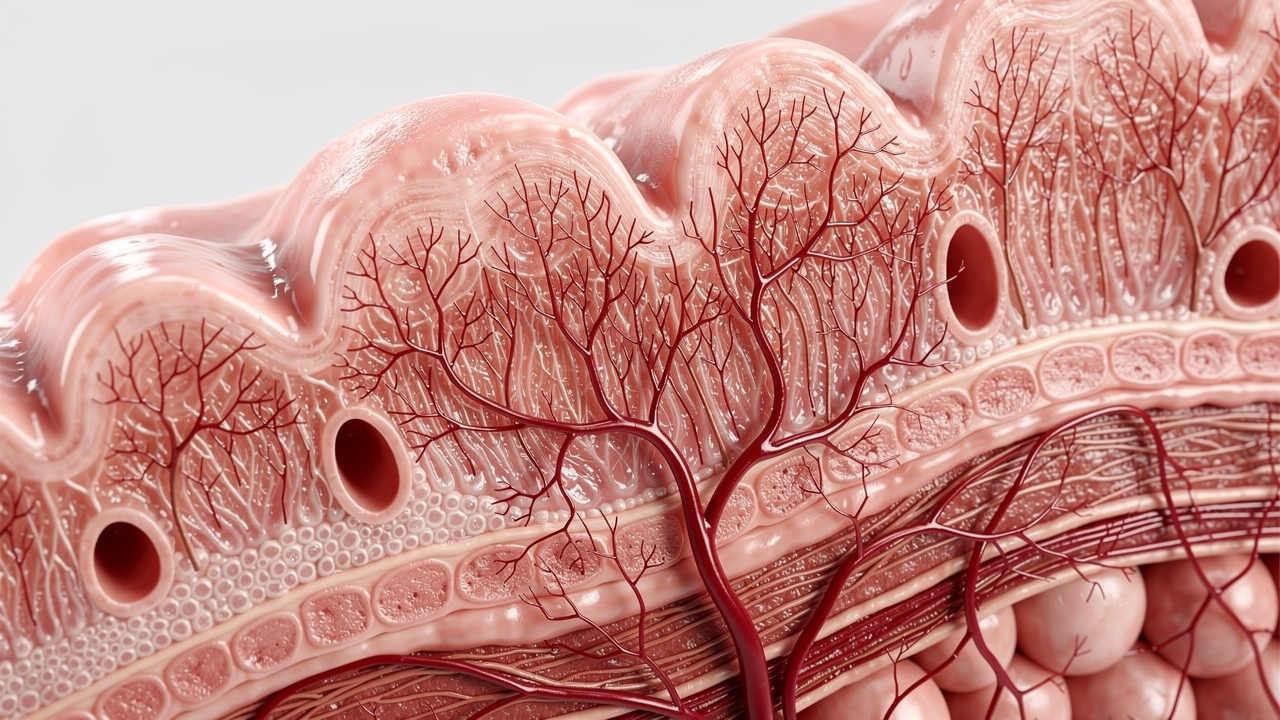
NAD+ nasal spray takes advantage of the structure inside the nose. The nasal cavity is lined with thin mucosal tissue backed by a dense network of tiny blood vessels. When a fine mist of NAD+ lands on this tissue, molecules can cross that barrier and enter the bloodstream much faster than through the gut.
Key points:
-
This route avoids stomach acid and most first‑pass liver clearance.
-
Pharmacology models and early data suggest 15–25% bioavailability for molecules like NAD+ via nasal delivery.
-
That range is far higher than the ~2–10% typical for standard oral NAD+ and better than many sublingual forms.
The nose also offers a second path. Near the top of the nasal cavity sits the olfactory region, which connects to the brain through small nerve channels. Some NAD+ appears able to move along these routes toward brain tissue, which matches reports of:
-
Sharper mental clarity
-
Faster onset of alertness
-
Noticeable changes in motivation and drive
Most people who respond notice effects in 15–30 minutes, with typical duration of 4–8 hours per dose. That shorter window, compared with IV, calls for a different rhythm—such as once or twice daily, or targeted use before demanding tasks.
Modern nasal formulas matter as well. A well‑designed spray:
-
Controls pH and tonicity so it feels comfortable
-
Uses droplet sizes that support even coverage
-
Protects the nasal lining with carefully chosen excipients
Synchronicity Health’s Yale MD‑formulated NAD+ nasal spray follows this pharmaceutical‑grade approach and is third‑party tested for purity and potency.
A high‑strength, multi‑dose bottle can also hold several times the total NAD+ content of a single standard IV session, spread across many days. Used sensibly, nasal delivery offers strong support with only occasional reports of mild irritation or dryness, usually when people overuse the spray.
Head-To-Head Comparison: Bioavailability, Speed, Duration, And Cost
Putting IV NAD+ therapy and NAD+ nasal spray side by side makes their tradeoffs clearer.
Bioavailability And Total Exposure
-
IV: Near‑100% of the NAD+ in the bag reaches the bloodstream. This gives the highest peak levels.
-
Nasal: Around 15–25% per dose. Per milligram, IV still wins on potency, but a strong nasal bottle containing several thousand milligrams, used over weeks, can deliver more total active NAD+ than a single IV day.
Think of it this way:
-
IV wins on peak height.
-
Nasal often wins on area under the curve over a month or longer.
Speed And Duration
-
IV: Noticeable changes can appear within 5–15 minutes, with elevated levels for 24–72 hours.
-
Nasal: Onset is usually 15–30 minutes, with a 4–8 hour window of stronger support.
Because nasal spray is self‑administered, users can match doses to daily patterns—for example, once in the morning and once before a heavy workout or long focus block.
Cost And Convenience
-
A single IV session in the U.S. typically costs $500–$1,500, and many clinics recommend a series.
-
A high‑quality nasal bottle from a physician‑led brand such as Synchronicity Health usually costs $60–$100 and can cover several weeks of daily use.
When cost is divided by the amount of NAD+ that actually reaches circulation over a month or year, nasal spray is usually far more economical.
Convenience is just as important:
-
IV: Clinic visit, scheduled appointment, several hours in a chair, needle in place.
-
Nasal: A few seconds at home, in an office, hotel room, or locker room.
Consistency tends to drive results in aging and performance work, and nasal spray is simply easier to use regularly.
Brain Access
Both methods get NAD+ to the brain through blood circulation, but nasal spray has the added olfactory pathway, which may help explain the particularly strong cognitive effects many users report.
Here is a simple overview:
|
Factor |
IV NAD+ Therapy |
NAD+ Nasal Spray |
|---|---|---|
|
Bioavailability |
Near 100% |
~15–25% |
|
Onset Time |
~5–15 minutes |
~15–30 minutes |
|
Duration Per Dose |
~24–72 hours |
~4–8 hours |
|
Setting |
Clinic with medical staff |
Self‑use at home or on the go |
|
Typical Cost |
\$500–\$1,500 per session |
\$60–\$100 per bottle |
|
Brain Access |
Through blood circulation |
Blood plus potential direct nasal brain route |
For someone who needs a short, intense intervention under medical supervision, IV has a clear edge. For day‑to‑day support for energy, focus, recovery, and aging—at a time and money cost that feels realistic—high‑quality nasal spray usually comes out ahead.
Understanding The Oral And Sublingual Alternatives (And Why They Fall Short)
Oral NAD+ capsules are popular because they are easy to ship, store, and swallow. The problem is what happens next:
-
Stomach acid and enzymes break down much of the NAD+.
-
The gut wall limits what can cross into the bloodstream.
-
The liver removes more on its first pass.
End result: often 2–10% bioavailability for NAD+ itself.
Some products use precursors such as NMN or NR (nicotinamide riboside). These smaller molecules cross the gut wall more easily, with estimated 20–40% bioavailability, and cells then convert them into NAD+. This can help with basic maintenance but still does not match the directness of IV or nasal routes.
Sublingual products dissolve under the tongue and aim to absorb through local veins, skipping most of the stomach and liver. Measured bioavailability often lands around 10–20%, better than standard oral dosing but limited by:
-
Saliva washing part of the dose away
-
Small volumes tolerated under the tongue
-
Taste issues for some users
For tight budgets or cautious beginners, oral and sublingual forms have a place and are better than doing nothing. For clinically meaningful NAD+ levels aimed at performance, brain health, and aging, they usually fall short of IV infusion and strong nasal spray.
Who Benefits Most From Each Delivery Method?
The “best” method depends on goals, health status, and lifestyle.
IV NAD+ therapy tends to fit:
-
People working through addiction recovery or severe chronic fatigue
-
Patients under close medical care for complex illness
-
Individuals who prefer an intense but infrequent intervention and are comfortable spending hours in a clinic
NAD+ nasal spray is usually a better match for:
-
Biohackers and high performers who follow performance science closely
-
Busy professionals (often 35–55) who want a morning boost and optional extra support on heavy days
-
Athletes who like using a spray in warm‑up or recovery routines
-
Health‑focused consumers who want a physician‑formulated, evidence‑guided product without clinic visits
Some people choose a hybrid plan: for example, a single IV session once a quarter as a major reset, then daily nasal spray from Synchronicity Health for maintenance between infusions.
Synchronicity Health's Yale MD-Formulated NAD+ Nasal Spray

Synchronicity Health exists to bring clinical‑level NAD+ support into homes and offices without clinic routines or prices. Our work centers on a simple idea: people who care about performance, brain health, and aging deserve the same level of thought in their supplements that they expect in a medical setting.
Our NAD+ nasal spray is developed with direct input from a Yale‑trained MD with years of experience in mitochondrial health, metabolism, and longevity research. That guidance shapes:
-
Dose per spray
-
Supporting ingredients
-
How the formula interacts with delicate nasal tissue
It is a focused tool, not a generic blend.
Pharmaceutical‑grade quality is non‑negotiable. Every batch is third‑party tested to confirm purity, potency, and the absence of unwanted contaminants—standards common in hospitals and research labs but less common on supplement shelves.
A key design point is concentration. Each bottle contains a high total amount of NAD+ spread across many measured doses. Compared with a single IV drip, one bottle can hold several times as much total NAD+, supporting weeks of higher availability at a far lower cost.
Our Sync Stack system builds on this base. Instead of asking one product to do everything, we design stackable, physician‑guided formulas that work together:
-
Someone focused on cognition might pair NAD+ nasal spray with a stack for blood flow and neurotransmitter balance.
-
An athlete might combine it with a recovery stack aimed at muscles, sleep, and inflammation control.
This modular style helps people match their intake more closely to personal goals.
For biohackers, busy professionals, and health‑focused consumers, the mix of Yale MD input, pharmaceutical‑grade testing, strong concentration, and Sync Stack personalization sets Synchronicity Health apart from generic NAD+ products.
Safety, Side Effects, And Proper Usage Guidelines
Any plan that adjusts biology should start with safety.
IV NAD+ therapy is a medical procedure and should remain in medical hands. A trained nurse or clinician:
-
Places the IV line
-
Monitors the infusion
-
Watches for any adverse reactions
Risks include:
-
Irritation or bruising at the injection site
-
Infection if sterile technique is not perfect
-
Rare reactions to the fluid itself
People with heart disease, kidney problems, or complex medical histories should discuss IV NAD+ carefully with their physician before proceeding.
Clarity nasal spray has a simpler safety picture. When made to pharmaceutical standards and used as directed, it is generally well tolerated. The most common issues are:
-
Mild nasal dryness
-
Brief burning or irritation, especially with very frequent sprays
These usually ease when:
-
The dose is adjusted
-
Nostril sides are alternated
-
The spray is aimed slightly outward, away from the septum
Because there is no needle, the risks linked to IV lines do not apply.
With any NAD+ plan, a quick conversation with a healthcare professional is wise—especially for those taking prescription drugs or managing chronic conditions. Some users notice short‑term changes in sleep, energy, or digestion as metabolism shifts; starting with a modest dose and increasing over a week or two can smooth this phase.
Synchronicity Health designs and tests its NAD+ nasal spray and other Sync Stack products with this safety mindset, aiming for strong, reliable effects paired with clear usage guidance.
Maximizing Your NAD+ Results: Dosing, Timing, And Synergistic Support
Once you choose a delivery method, the next step is using it well.
IV Therapy Patterns
For IV NAD+ therapy, scheduling usually reflects how intense the goal is:
-
Medical protocols may begin with several sessions close together, then taper to once a month or once a quarter.
-
Healthy high performers who still opt for IV often choose a single session before a major event, then rely on other tools the rest of the time.
Nasal Spray Patterns
NAD+ nasal spray offers far more room to fine‑tune:
-
Many people do well with 1–2 doses per day, most days of the week.
-
A common pattern: one spray in the morning, plus an optional second spray before a workout or demanding cognitive block.
-
Because each dose lasts several hours, this plan covers key parts of the day without overshooting.
Timing tips:
-
Most users tolerate morning and early‑afternoon dosing well.
-
If an evening spray makes it harder to wind down, simply shift all doses earlier.
-
Athletes often prefer pre‑workout use to support mitochondrial function during hard efforts.
“Consistency beats intensity over the long term” is a common rule among performance coaches, and it applies neatly to NAD+: steady, moderate use usually outperforms rare, extreme spikes.
Synergistic Support
NAD+ works best as part of a broader plan:
-
Precursors like NMN or NR can supply building blocks for ongoing NAD+ production.
-
Compounds that interact with NAD+‑dependent enzymes (for example, resveratrol with sirtuins) may pair well with higher NAD+ levels.
-
B vitamins support methylation and other pathways involved in NAD+ recycling.
Lifestyle matters too:
-
Good sleep
-
Regular movement
-
Time‑restricted eating or modest calorie intake
All of these can raise baseline NAD+ and make each dose go further.
The Sync Stack system at Synchronicity Health is built around this idea of synergy, pairing NAD+ nasal spray with targeted support for sleep, stress, performance, or recovery.
Tracking progress over weeks and months is helpful. People often monitor:
-
Energy on a 1–10 scale
-
Recovery time after hard workouts
-
Ability to focus without mental fatigue
-
Sleep quality or wearable data
This kind of feedback makes it easier to dial in dose and timing.
Conclusion
NAD+ sits at the heart of cellular energy, repair, and metabolic control, yet levels fall sharply with age. Because NAD+ is difficult for the gut to absorb, the key question is not just how much you take, but how you deliver it.
IV NAD+ therapy offers near‑perfect bioavailability, rapid onset, and long windows of elevated NAD+, making it valuable for serious medical situations and heavy clinical use. The tradeoffs—high cost, clinic time, and invasive lines—make it hard for many high performers to use often.
NAD+ nasal spray brings much of the same science into a format that fits daily life. With 15–25% bioavailability, fast action, a potential direct pathway to the brain, and easy self‑dosing, it supports consistent, long‑term use without clinic visits. Over months and years, a strong nasal spray usually offers better value and better adherence.
Some will still prefer a hybrid plan, combining occasional IV “boosts” with daily nasal maintenance. For many biohackers, busy professionals, athletes, and health‑focused consumers, a pharmaceutical‑grade, Yale MD‑formulated nasal spray from Synchronicity Health offers a clear path forward. The next step is to map these options onto your goals, health status, and budget, and work with a trusted clinician to keep NAD+ where it needs to be.
FAQs
How Does NAD+ Nasal Spray Compare To IV Therapy In Terms Of Effectiveness?
IV NAD+ therapy delivers the strongest single‑dose effect because nearly all of the NAD+ in the bag reaches the bloodstream, and levels stay high for a day or more. A high‑strength nasal spray, while lower in bioavailability per milligram, can contain several times as much NAD+ in total and spread it across many days or weeks. With steady use, nasal spray supports ongoing energy, recovery, and brain function at far lower cost and with far less disruption.
Is NAD+ Nasal Spray Safe For Daily Use?
When produced to pharmaceutical standards and third‑party tested, NAD+ nasal spray is generally safe for daily use in healthy adults. The main side effects people report are mild nasal dryness or brief burning, especially if they overuse the spray or fail to alternate nostrils. These issues usually ease when dose and technique are adjusted. Because nasal delivery avoids needles and IV lines, it does not carry the same procedural risks as infusions. As with any supplement, check with a healthcare professional before starting regular use.
How Quickly Will I Feel Results From NAD+ Nasal Spray?
Many users notice a shift within 15–30 minutes after a dose of NAD+ nasal spray. Early changes often include clearer alertness, less mental fog, and a smoother energy curve for the next several hours. With regular use over 1–2 weeks, deeper shifts in stamina, workout recovery, and resilience to stress tend to show up as cellular NAD+ stores build. Response varies, but nasal delivery combines fast onset with cumulative benefits.
What Makes A High-Quality NAD+ Nasal Spray?
A high‑quality NAD+ nasal spray:
-
Is designed or reviewed by physicians who understand nasal biology and NAD+ research
-
Uses pharmaceutical‑grade NAD+ and carefully chosen supporting ingredients
-
Keeps pH and tonicity in a comfortable range for nasal tissue
-
Provides a meaningful dose per spray and per bottle, not trace amounts
-
Backs label claims with independent lab tests for purity and potency
Brands like Synchronicity Health that share full ingredient lists and testing data stand out from generic options that do not.
Can I Use NAD+ Nasal Spray And IV Therapy Together?
Yes. Many advanced users combine both methods in a structured plan. A common pattern is:
-
Schedule IV NAD+ once every few months as a strong reset under medical supervision.
-
Use daily or near‑daily nasal spray between those visits to maintain higher NAD+ levels.
This approach lets people benefit from the peak effect of IV without carrying the full time and cost load of frequent infusions. Anyone considering such a plan should work with a knowledgeable clinician to match dose and frequency to their health status and goals.
How Does The Cost Of NAD+ Nasal Spray Compare To IV Therapy Over Time?
The cost gap is large once you look beyond a single visit:
-
One IV NAD+ session often costs \$500–\$1,500, and full clinic protocols can reach several thousand dollars per year.
-
A Synchronicity Health NAD+ nasal spray bottle usually costs $60–$100 and can last several weeks with daily use.
Over a full year, even generous nasal dosing often costs less than a short series of IV sessions while still providing strong, steady support for NAD+ levels.


Leave a comment
All comments are moderated before being published.
This site is protected by hCaptcha and the hCaptcha Privacy Policy and Terms of Service apply.