
NAD+ (nicotinamide adenine dinucleotide) is a central coenzyme in human biology. It supports energy metabolism, DNA repair, cellular communication, and the activity of anti-aging related enzymes such as sirtuins. As NAD+ levels decline with age, people may notice reduced energy, slower recovery, brain fog, and a higher risk of age‑related concerns.
Because delivery method strongly influences how much NAD+ your body actually uses, comparing NAD+ nasal spray vs IV NAD+ has become a key question for health enthusiasts, athletes, and anyone focused on healthy aging. Both approaches aim to raise cellular NAD+ levels, but they differ in intensity, convenience, cost, and how they fit into a long‑term wellness strategy.
NAD+ boosters such as nasal sprays and intravenous (IV) therapies are designed to support the body’s own production and recycling of this molecule rather than acting as stimulants. Unlike traditional oral supplements, nasal and IV routes bypass much of the digestive system, where fragile molecules can be broken down before they reach the bloodstream.
In conjunction with NAD+ therapy, other wellness products like glutathione nasal spray and melatonin nasal spray have gained attention for their targeted benefits. Glutathione supports detoxification and defense against oxidative stress, while melatonin supports circadian rhythm and deep sleep, which are both essential for cellular recovery. Used thoughtfully, these products can complement NAD+ boosters by addressing overlapping yet distinct aspects of health and performance.
Clinicians often remind patients: “NAD+ support works best alongside good sleep, nutrition, movement, and stress management—not instead of them.”
Frequently asked questions (FAQ) resources often address topics such as how NAD+ therapies work, how quickly you may feel effects, and what side effects to watch for. Moving from theory to practice, both NAD+ nasal spray and NAD+ IV infusions represent modern ways to support cellular resilience, mental performance, and healthy aging.
How NAD+ Works And Why Delivery Method Matters
Before you compare NAD+ nasal spray vs IV NAD+, it helps to understand what this molecule does and why route of administration is so important.
The Cellular Role Of NAD+
NAD+ is involved in hundreds of reactions, including:
-
Energy production (ATP): NAD+ shuttles electrons in the mitochondria during cellular respiration, helping convert food into usable energy.
-
DNA repair: Enzymes such as PARPs and sirtuins rely on NAD+ to detect and repair DNA damage.
-
Gene expression: NAD+-dependent enzymes influence which genes switch on or off in response to stress, nutrition, and circadian cues.
-
Cellular communication: NAD+ and its metabolites act as signaling molecules between the nucleus, mitochondria, and other cellular structures.
-
Circadian rhythm regulation: NAD+ levels fluctuate over 24 hours and interact with the molecular clock that regulates sleep‑wake cycles, hormone rhythms, and metabolism.
With age, chronic stress, poor sleep, and illness, NAD+ levels tend to fall. Restoring or maintaining healthy NAD+ status is one reason therapies like NAD+ nasal spray and NAD+ IV have become popular among people focused on long‑term wellness.
The Bioavailability Challenge
NAD+ is a large, delicate molecule. When taken orally, it must:
-
Survive acidic stomach conditions
-
Pass through the intestinal wall
-
Endure “first‑pass” metabolism in the liver
-
Enter circulation and cross into cells
Each step reduces bioavailability—the fraction that actually reaches your bloodstream in active form. This is why many oral products instead use precursors (like NR or NMN) that the body converts into NAD+, although those still face absorption and conversion limits.
Because of this, delivery method directly affects:
-
How much NAD+ reaches circulation (bioavailability)
-
How quickly you feel effects (onset)
-
How long levels stay higher (duration)
-
How practical the method is for long‑term use
Nasal sprays and IV therapy both bypass the digestive tract, but they do so in very different ways. Understanding these differences is key to deciding between NAD+ nasal spray vs IV NAD+.
What Is NAD+ Nasal Spray? Key Features And Mechanisms
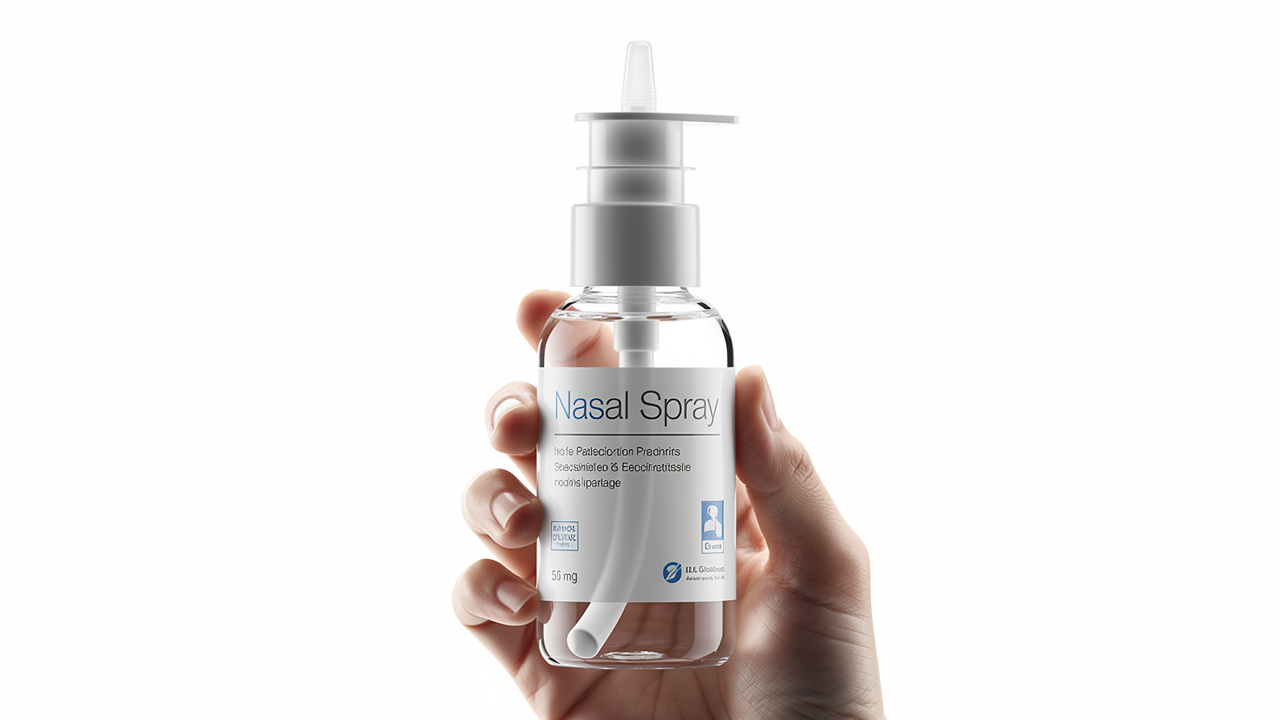
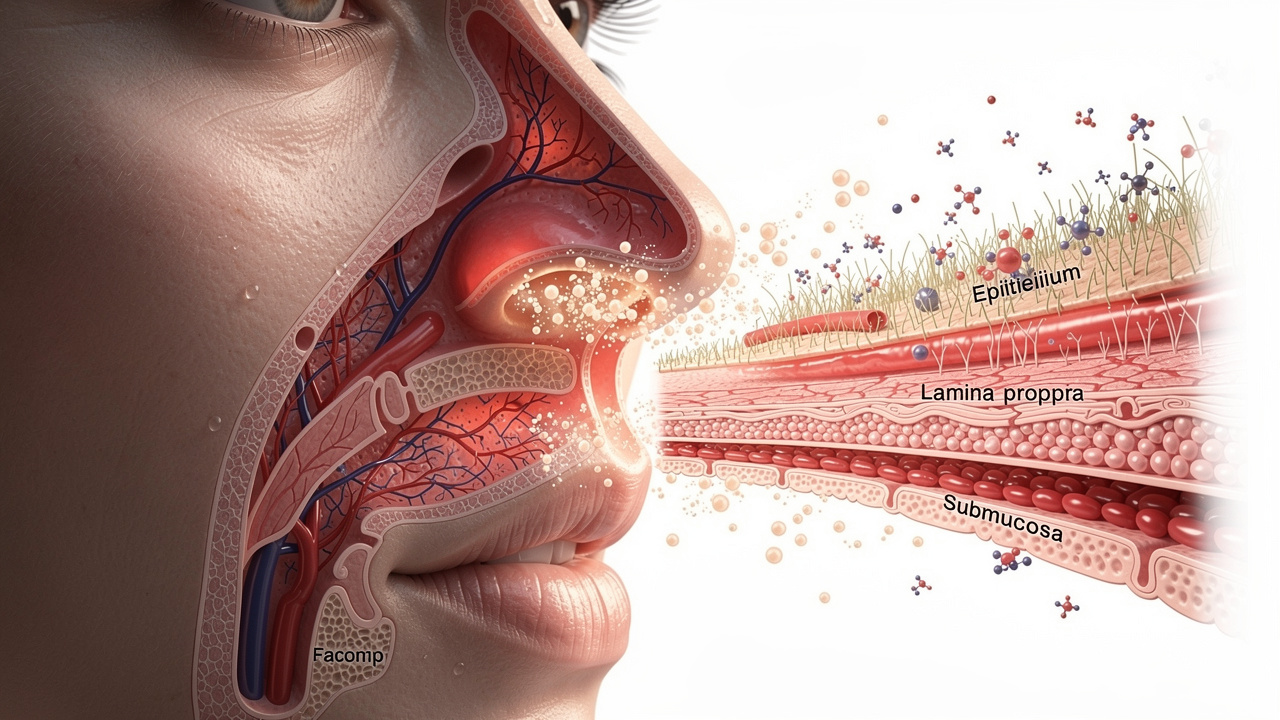
NAD+ nasal spray is a convenient, non‑invasive delivery system designed to raise nicotinamide adenine dinucleotide (NAD+) levels without needles or clinic visits. Instead of passing through the gut, the spray is absorbed through the nasal mucosa—a thin, highly vascularized tissue inside the nose.
Once administered, NAD+ molecules can:
-
Enter local blood vessels and reach systemic circulation
-
Travel along the olfactory and trigeminal pathways toward the brain
-
Potentially cross into the central nervous system more directly than many oral supplements
This route bypasses significant digestive breakdown, giving nasal delivery a higher estimated bioavailability than oral NAD+ products, although still below IV infusions.
Key features of NAD+ nasal spray include:
-
Non‑invasive application: No needles, no infusion chairs, and no clinic logistics.
-
At‑home convenience: Portable bottles make dosing straightforward whether you are at home, at work, or traveling.
-
Brain‑forward targeting: Intranasal pathways may support cognitive function, focus, and mood by delivering NAD+ close to brain tissue.
-
Flexible dosing: You can adjust how frequently you spray (under medical guidance) to match energy needs, training load, or work demands.
Similar to glutathione nasal spray and melatonin nasal spray, NAD+ nasal spray offers targeted support. Glutathione formulas emphasize antioxidant defense and detoxification, melatonin nasal sprays emphasize sleep regulation, while NAD+ nasal spray focuses on energy metabolism, cellular repair, and neuroprotection. Together, they can form a focused protocol for people concerned about oxidative stress, circadian disruption, and brain performance.
For those searching FAQs and clinical summaries on NAD+ products, nasal spray is often highlighted as a middle ground between low‑intensity oral supplements and more intensive IV therapy—especially for people prioritizing daily performance and cognitive support.
What Is NAD+ IV Therapy? Key Features And Mechanisms

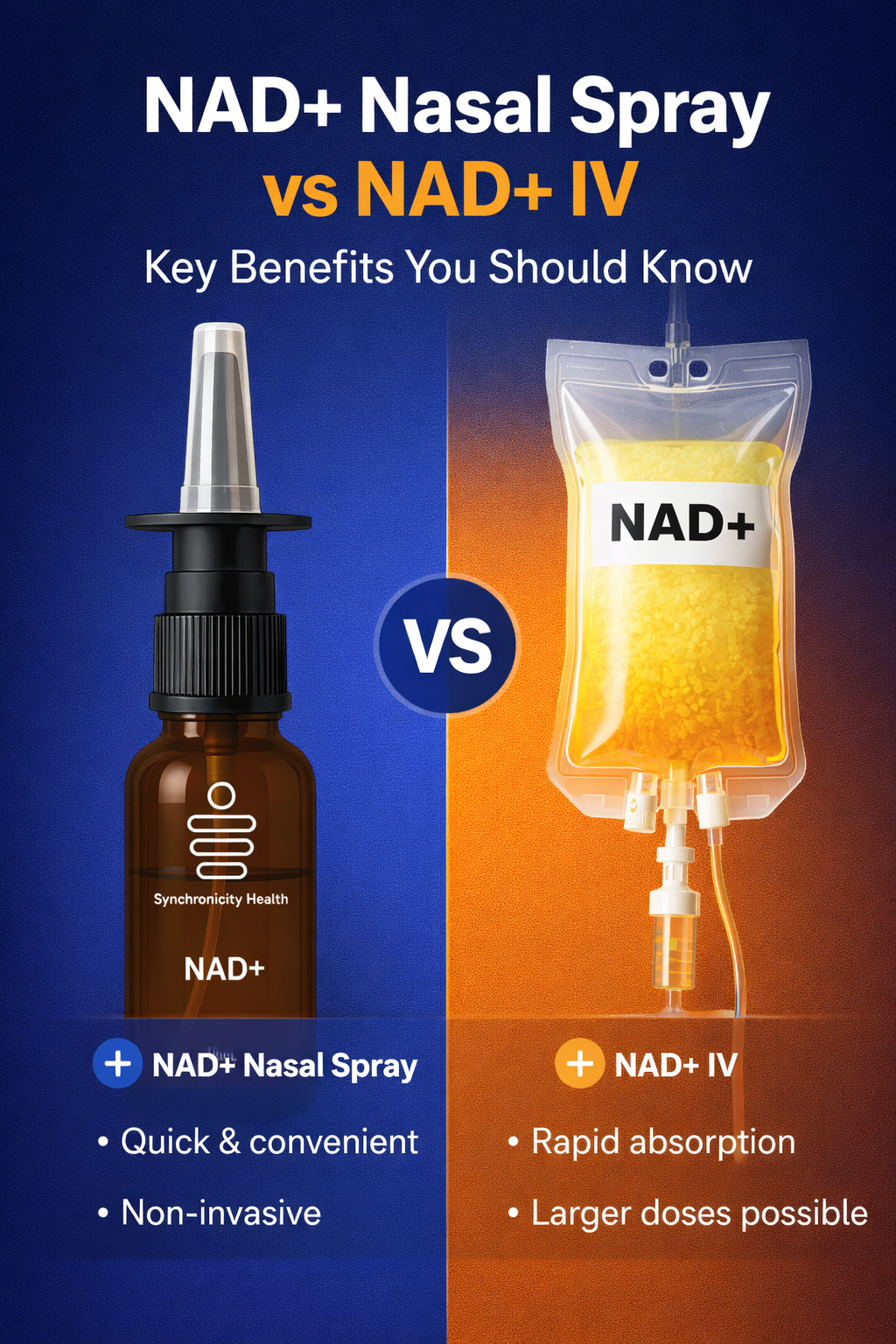
NAD+ IV therapy is an intravenous treatment that delivers NAD+ directly into the bloodstream via an infusion. Compared with nasal spray, IV therapy offers higher doses and near‑complete bioavailability, which is why many practitioners view it as a more intensive intervention.
When NAD+ is administered intravenously:
-
It bypasses the digestive tract entirely
-
It avoids first‑pass metabolism in the liver
-
It reaches plasma at concentrations far higher than other routes
-
It is available to tissues throughout the body within minutes
Inside cells, NAD+ supports mitochondrial ATP production, DNA repair, and the activity of sirtuins, which are linked to cellular stress resistance and healthy aging.
Unlike options such as glutathione nasal spray or melatonin nasal spray that may focus on detoxification or sleep, NAD+ IV therapy is designed primarily to support systemic cellular function and energy metabolism.
Several key features make NAD+ IV therapy distinct:
-
High absorption rate: Intravenous delivery avoids digestive losses, giving it essentially 100% systemic availability.
-
Rapid, noticeable effects: Many people report a clear shift in energy, mental clarity, or motivation within 24–48 hours after an infusion.
-
Customizable dosing: Clinicians can adjust NAD+ dose and drip rate to your goals, sensitivity, and medical history.
-
Systemic reach: IV NAD+ distributes broadly, which may be especially relevant for individuals addressing whole‑body fatigue, recovery, or chronic stress.
Mechanistically, NAD+ IV therapy appears to support:
-
Increased mitochondrial ATP production
-
Activation of sirtuins and other NAD+-dependent enzymes
-
Support for cellular repair and stress resilience
Clinically, it has been used in contexts ranging from cognitive support and metabolic health to adjunctive care during addiction recovery programs. Because it is more intensive, NAD+ IV therapy is almost always performed under professional supervision in a medical office or wellness clinic.
Comparing The Absorption And Effectiveness Of NAD+ Nasal Spray Vs NAD+ IV
The growing interest in NAD+ nasal spray vs IV NAD+ stems largely from how differently these methods deliver NAD+ into circulation.
NAD+ nasal sprays use the nasal mucosa as an absorption surface. This area is richly supplied with blood vessels, which allows NAD+ to enter the bloodstream without passing through the gut. In many users, effects such as mental clarity or subtle energy shifts may appear within 15–30 minutes. However, nasal absorption can vary based on:
-
Nasal congestion or allergies
-
Structural variations (e.g., deviated septum)
-
Spray technique and dosage consistency
-
The specific formulation and concentration
NAD+ IV therapy, by contrast, places the compound directly into a vein. This route:
-
Achieves near‑100% bioavailability
-
Reaches therapeutic blood levels within minutes
-
Can keep NAD+ higher for 24–72 hours, depending on dose and infusion time
Because of this, IV infusions often produce a more pronounced and longer‑lasting systemic effect than nasal sprays.
Side‑By‑Side Comparison
While numbers can vary between studies and formulations, the following table summarizes general trends seen with NAD+ nasal spray vs IV NAD+:
|
Feature |
NAD+ IV Therapy |
NAD+ Nasal Spray |
|---|---|---|
|
Bioavailability |
~100% |
~15–25% (estimated) |
|
Onset Of Effects |
5–15 minutes during/after infusion |
15–30 minutes after dosing |
|
Duration Of Higher Levels |
24–72 hours |
4–8 hours |
|
Typical Dosing Pattern |
Sessions weekly → monthly maintenance |
Multiple sprays per day or several times/week |
|
Administration |
In‑clinic, intravenous (invasive) |
At‑home, intranasal (non‑invasive) |
|
Overall Therapeutic Intensity |
High |
Moderate |
In practical terms:
-
NAD+ nasal spray tends to work best for ongoing, day‑to‑day support, especially for focus, mood, or lighter energy needs.
-
NAD+ IV therapy is more often used for deep repletion, intensive protocols, or when people want noticeable systemic results in a short timeframe.
Many people over time use both in a complementary way—for example, a series of IV sessions followed by nasal spray for maintenance between infusions.
Safety Considerations For NAD+ Nasal Spray And NAD+ IV
When comparing NAD+ nasal spray vs IV NAD+, safety and tolerability should be central to your decision. Both approaches can be used responsibly, but each has distinct considerations.
NAD+ Nasal Spray: Key Safety Insights
NAD+ nasal spray, much like glutathione nasal spray and melatonin nasal spray, delivers its active ingredients through the nasal mucosa. This avoids needles but introduces its own set of local effects.
Potential issues include:
-
Nasal irritation: Dryness, mild burning, itching, or a runny nose—especially at higher frequencies of use.
-
Allergic reactions: Rarely, people may react to excipients (preservatives, stabilizers) or to components used in NAD+ or complementary sprays like glutathione nasal spray or melatonin nasal spray.
-
Reduced absorption: Chronic congestion, sinus infections, or structural issues may limit how much NAD+ you absorb.
Best practices:
-
Follow labeled dosing instructions or your provider’s protocol.
-
Keep the nozzle clean and avoid sharing bottles to reduce contamination risk.
-
Store the spray as directed to preserve stability.
-
If you have chronic sinus or respiratory issues, discuss nasal delivery with a clinician before starting.
FAQ pages can provide general guidance, but they should not replace a personalized medical opinion, especially if you have existing ENT or respiratory conditions.
NAD+ IV: Key Safety Insights
NAD+ IV therapy involves placing an IV line and slowly infusing NAD+ over one to several hours. Because the skin barrier is broken, professional administration and sterile technique are essential.
Potential concerns include:
-
Injection site reactions: Bruising, redness, swelling, or vein irritation (phlebitis).
-
Infusion‑related symptoms: Temporary nausea, flushing, headache, lightheadedness, chest or abdominal tightness. These are usually managed by slowing the drip rate or pausing the infusion.
-
Infection risk: As with any IV, improper technique can increase the risk of local or systemic infection.
People with a history of kidney disease, heart conditions, or severe electrolyte imbalances should be evaluated carefully before IV treatment. It is important to review:
-
Current medications and supplements
-
Allergies to any components in the IV solution
-
Previous reactions to infusions or injections
When delivered in a professional setting with appropriate screening, NAD+ IV therapy is generally well tolerated, but it is not appropriate for everyone.
Who Is (And Isn’t) A Good Candidate For NAD+ Therapy?
Beyond delivery method, it is important to consider whether NAD+ therapy is appropriate for you at all.
Who May Benefit From NAD+ Nasal Spray
NAD+ nasal spray may be a good fit for:
-
Busy professionals who need support for focus, productivity, and mental stamina
-
Frequent travelers seeking help with jet lag, time‑zone shifts, or fatigue
-
Wellness‑focused individuals looking for a non‑invasive way to support healthy aging
-
Athletes and active individuals wanting day‑to‑day support for training, recovery, or motivation
-
People who are needle‑averse or not ready to commit to IV sessions
Because it is easy to use and adjust, NAD+ nasal spray often serves as an accessible starting point in the NAD+ nasal spray vs IV NAD+ decision.
Who May Benefit From NAD+ IV Therapy
NAD+ IV therapy may be more appropriate for:
-
Individuals seeking intensive NAD+ repletion after periods of high stress, illness, or burnout
-
Those participating in medically supervised programs for addiction recovery or mood support
-
People with long‑standing fatigue or performance goals who want a stronger systemic effect
-
Athletes in heavy training phases looking for strong recovery support under professional care
-
Individuals who prefer less frequent but more intensive treatments (e.g., monthly instead of daily dosing)
These users often work with a clinician to design a sequence of IV sessions (for example, a short loading phase followed by maintenance infusions).
Contraindications And Cautions
Some people should avoid or be cautious with NAD+ therapy altogether:
-
Active or recent cancer: Certain cancers appear to rely heavily on NAD+ for growth. Anyone with current or past cancer should consult an oncologist before considering NAD+ supplementation.
-
Pregnancy or breastfeeding: Safety data are limited; medical guidance is essential.
-
Serious cardiovascular or renal disease: Rapid shifts in metabolism or fluid balance may be problematic in some cases.
-
Uncontrolled chronic illness: Complex conditions may require more nuanced management before adding NAD+.
Always discuss NAD+ therapies with a licensed healthcare professional, particularly if you have a complex medical history or take medications that affect blood pressure, heart rate, or mitochondrial function.
Practitioner Insights: Ease Of Administration And Accessibility
From a practical standpoint, the ease of using NAD+ nasal spray vs IV NAD+ often drives real‑world adherence.
NAD+ nasal spray offers:
-
At‑home dosing: No appointments or clinic visits required.
-
Needle‑free administration: Helpful for anyone anxious about IVs.
-
Flexible timing: You can time doses around demanding workdays, travel, or training sessions.
-
Compatibility with other nasal products: Many users incorporate it alongside glutathione nasal spray or melatonin nasal spray as part of a comprehensive wellness routine.
These traits make nasal sprays particularly accessible for people who need consistent, long‑term support without disrupting their schedules.
NAD+ IV infusions are different:
-
Appointment‑based: You must schedule time at a clinic or wellness center.
-
Professional oversight: A nurse or clinician must place and monitor the IV.
-
Time commitment: Sessions often last 2–4 hours, plus travel time.
-
Higher per‑session cost: Facility fees, professional time, and supplies all add to the price.
As many practitioners explain to patients, “The best NAD+ plan is the one you can follow consistently, not just the one that looks strongest on paper.”
Many practitioners explain that while IV therapy can deliver more NAD+ in a single session, nasal sprays may be better suited for self‑directed, ongoing maintenance—especially after an initial IV course.
FAQ resources from clinics often highlight these logistical trade‑offs to help patients decide which method fits their lifestyle.
Cost And Affordability: A Breakdown Of Both Options
Cost is another major factor when comparing NAD+ nasal spray vs IV NAD+.
Typical Costs For NAD+ Nasal Spray
NAD+ nasal spray is usually the more budget‑friendly entry point. Depending on brand, concentration, and bottle size:
-
A bottle of NAD+ nasal spray, glutathione nasal spray, or melatonin nasal spray may range from $50 to $150.
-
Each bottle typically supplies multiple doses, lasting anywhere from several weeks to a couple of months, depending on your protocol.
-
There are no administration fees, as you use it yourself at home.
For many users, this makes nasal sprays a practical option for ongoing support.
Typical Costs For NAD+ IV Therapy
NAD+ IV therapy has higher upfront costs because of its delivery method and clinical setting. Per‑session pricing commonly ranges from:
-
$250 to $1,000 or more per infusion
-
Prices vary according to dose (e.g., 250 mg vs 1,000 mg), infusion time, and geographic location
-
Some programs recommend a series of infusions over several days or weeks, which can raise total investment
When evaluating value, it is helpful to look not just at sticker price but at cost per effective absorbed dose. Because IV therapy approaches 100% bioavailability and can keep NAD+ levels higher for days, a single session may provide a level of repletion that would take weeks of lighter methods to match.
Balancing Budget And Goals
In general:
-
NAD+ nasal spray is more affordable and sustainable for long‑term, moderate support.
-
NAD+ IV therapy requires a larger investment but may provide deeper, faster results.
Some people choose a hybrid approach: periodic IV sessions for repletion, supported by nasal spray between visits to maintain NAD+ levels more steadily.
Consulting a practitioner—and reviewing product‑specific FAQs—can help you align budget, expectations, and realistic outcomes.
Use Cases: When To Choose NAD+ Nasal Spray Over IV And Vice Versa
Knowing when to choose NAD+ nasal spray vs IV NAD+ helps you match the method to your goals and lifestyle.
When To Use NAD+ Nasal Spray
NAD+ nasal spray is often ideal when you:
-
Want an easy, non‑invasive method you can manage yourself
-
Need support for daily focus, productivity, or mood
-
Travel frequently and want a portable tool for jet lag and time‑zone changes
-
Have a busy schedule that makes regular clinic visits unrealistic
-
Prefer to start with a gentler protocol before committing to IV therapy
For individuals already using complementary treatments like glutathione nasal spray or melatonin nasal spray, NAD+ nasal spray fits naturally into an existing routine. You can align NAD+ dosing with times of peak mental demand, intense training sessions, or periods of higher stress.
FAQ sections from providers often describe nasal spray as a smart starting point for people exploring NAD+ for the first time.
When To Use NAD+ IV Therapy
NAD+ IV therapy may be better suited when you:
-
Need high‑dose NAD+ under professional supervision
-
Are addressing longstanding fatigue, low motivation, or burnout
-
Are enrolled in a clinical program for addiction recovery or mood support
-
Want a more pronounced systemic effect over a shorter period
-
Are comfortable with IVs and can commit several hours per visit
Athletes may choose IV therapy in preparation for heavy training blocks or intense competition schedules, often with practitioner guidance to coordinate timing and dose.
Because IV protocols can be customized, some users start with a “loading phase” of multiple infusions over 1–2 weeks, followed by less frequent maintenance sessions.
The choice between these two methods depends on how intensive you want your intervention to be, how quickly you want to feel changes, and what fits your lifestyle.
Other NAD+ Delivery Methods: Where Nasal And IV Fit In
While this guide focuses on NAD+ nasal spray vs IV NAD+, other delivery routes exist. Understanding them can clarify why many people gravitate to nasal and IV options.
Oral NAD+ And Precursors (NR, NMN)
-
Oral NAD+ supplements: Direct NAD+ in capsules or tablets has very low bioavailability (often cited in the 2–10% range) due to digestive breakdown and liver metabolism.
-
Nicotinamide riboside (NR) and nicotinamide mononucleotide (NMN): These precursors are better absorbed than NAD+ itself and are then converted into NAD+ inside cells. Estimated bioavailability is higher (around 20–40%), but conversion efficiency can vary by person.
Oral options are convenient and inexpensive, but they generally provide a milder effect than nasal or IV approaches.
Sublingual NAD+
Sublingual sprays or lozenges dissolve under the tongue, where they can be absorbed through the oral mucosa into the bloodstream, partially bypassing digestion. Bioavailability is thought to be higher than standard oral capsules but still below nasal or IV routes. Dosing capacity is also limited.
Intramuscular Or Subcutaneous Injections
Self‑administered NAD+ injections into muscle or subcutaneous tissue can provide higher bioavailability than oral or nasal routes, but lower than IV. They require comfort with needles and proper technique but may be an intermediate option for some users.
Positioning Nasal Spray And IV
Within this range of options:
-
NAD+ nasal spray offers a more potent and brain‑oriented option than most oral products while remaining non‑invasive and convenient.
-
NAD+ IV therapy offers the most intensive, systemic approach with the highest bioavailability and deepest repletion.
Many users employ a layered strategy—combining oral precursors with nasal spray or spacing IV infusions with nasal or oral maintenance—always under medical supervision.
Potential Side Effects: NAD+ Nasal Spray Vs NAD+ IV
As interest in NAD+ boosters grows, so does the need to understand side‑effect profiles. While both methods are generally well tolerated, they are not entirely free of risk.
Possible Side Effects Of NAD+ Nasal Spray
NAD+ nasal sprays are popular because they are simple and non‑invasive, but some users may experience:
-
Nasal irritation: Dryness, inflammation, mild burning, or an increased tendency toward nosebleeds with frequent use.
-
Allergic reactions: Sensitivity to ingredients, including excipients in NAD+ formulas or in complementary sprays such as glutathione nasal spray or melatonin nasal spray.
-
Inconsistent absorption: If your nasal passages are congested or inflamed, you may get less predictable effects from dose to dose.
To reduce issues, rotate nostrils, avoid overuse, and pause use if irritation persists. Always consult a clinician before combining multiple nasal products to avoid cumulative irritation.
Possible Side Effects Of NAD+ IV Therapy
NAD+ IV therapy, while potent, can produce temporary side effects, especially at higher doses or faster infusion rates:
-
Discomfort at injection site: Bruising, redness, or soreness around the IV insertion.
-
Systemic symptoms: Some people report nausea, fatigue, flushing, headache, or a sense of pressure in the chest or abdomen during the infusion.
-
Infection risk: As with any IV, there is a small risk of infection if sterile technique is not strictly followed.
Clinicians typically adjust the drip rate or dose to minimize these reactions. Most side effects resolve quickly once the infusion slows or stops.
Individual responses vary, so it is important to start under professional supervision, report any symptoms promptly, and avoid assuming that more is always better.
Scientific Studies And Evidence Supporting Both Methods
Scientific interest in NAD+ has expanded rapidly, with research exploring both NAD+ nasal spray vs IV NAD+ and other delivery methods.
Evidence Supporting NAD+ Nasal Spray
Intranasal delivery has been studied for various compounds because:
-
It bypasses much of the digestive system
-
It offers a potential route to the brain via the olfactory pathways
-
It can deliver therapeutics relatively rapidly
Emerging studies suggest that intranasal NAD+ may:
-
Support brain energy metabolism and mitochondrial function
-
Help reduce neuroinflammation in preclinical models
-
Improve cognitive performance and mental clarity in some individuals
Intranasal sprays, including NAD+ boosters, melatonin nasal spray, and glutathione nasal spray, have been researched for their impact on cognition, mood, and sleep, with emerging research on peptides like Selank demonstrating benefits for anxiety reduction and cognitive enhancement through similar delivery mechanisms. While human trials are still evolving, early findings support the idea that nasal delivery can be a practical route for targeting the central nervous system.
Multiple review articles note that “declines in NAD+ are closely linked with metabolic and age‑related disorders,” which helps explain the growing interest in safe ways to support NAD+ status.
Evidence Supporting NAD+ IV Therapy
IV NAD+ has a longer track record in clinical and wellness settings. Research and case reports have associated IV NAD+ with:
-
Increased NAD+ levels in blood and tissues
-
Improved markers of mitochondrial function
-
Reduced subjective fatigue and “brain fog”
-
Support during addiction recovery programs, with reductions in cravings and withdrawal symptoms in some protocols
Because IV therapy achieves much higher plasma concentrations than other routes, it is widely used in research settings that aim to evaluate systemic effects of NAD+ repletion.
Comparative Insights
Both nasal spray and IV therapy share the same goal: supporting NAD+-dependent processes. Their differences lie in:
-
Depth of NAD+ increase (higher with IV)
-
Targeting (nasal may favor brain access; IV favors systemic saturation)
-
Convenience and invasiveness
Current evidence suggests that each has a valid role, and that combining them in a thoughtful protocol may offer benefits that neither approach provides alone.
Maintenance And Long-Term Implications For Each Treatment Option
For most people, NAD+ support is not a one‑time event. Considering long‑term maintenance is essential when choosing between NAD+ nasal spray vs IV NAD+.
Long-Term Use Of NAD+ Nasal Spray
NAD+ nasal sprays, much like other sprays such as glutathione nasal spray or melatonin nasal spray, are designed for ongoing, at‑home use. Long‑term considerations include:
-
Frequency: Many users follow daily or several‑times‑per‑week protocols, adjusted based on how they feel and clinician guidance.
-
Adherence: Because dosing is quick and simple, maintaining consistency is usually straightforward for motivated users.
-
Local tolerance: Extended use may cause nasal dryness or mild irritation in some people; periodic breaks or dose adjustments can help.
-
Integration with lifestyle: Nasal sprays pair well with routines focused on sleep, nutrition, exercise, and stress management.
Long-Term Use Of NAD+ IV Therapy
NAD+ IV therapy relies on scheduled clinic visits, which carry their own implications:
-
Initial loading vs maintenance: Some protocols start with several infusions over 1–2 weeks, followed by monthly or bi‑monthly maintenance.
-
Time investment: Repeated 2–4 hour sessions may be challenging for people with tight schedules or limited access to clinics.
-
Vein health: Frequent IV placements over long periods can stress veins in some individuals.
-
Cost over time: Ongoing infusions can become a significant recurring expense.
Because IV therapy is more intensive, many people reserve it for defined periods—post‑illness recovery, high‑stress seasons, or specific performance goals—and rely on nasal or oral support between IV courses.
Strategic Combination
A common long‑term strategy is:
-
Short course of NAD+ IV therapy to rapidly raise NAD+ levels
-
Transition to NAD+ nasal spray (plus supportive products like glutathione nasal spray and melatonin nasal spray) for maintenance
-
Occasional IV “booster” sessions during demanding periods
Discussing such strategies with a knowledgeable practitioner helps match maintenance plans to your goals, tolerance, and budget.
Testimonials And User Experiences: Real-World Comparisons
While clinical data are essential, real‑world experiences can illuminate how NAD+ nasal spray vs IV NAD+ feel in day‑to‑day life. These reports are anecdotal and not a substitute for research, but they can still be informative.
NAD+ Nasal Spray Feedback
Many users of NAD+ nasal spray emphasize:
-
Convenience: Easy to keep at a desk, in a gym bag, or in carry‑on luggage.
-
Subtle but steady changes: Reports often include clearer mental focus, motivation, and resilience during busy days.
-
Compatibility with other nasal products: Some individuals pair NAD+ with glutathione nasal spray or melatonin nasal spray, noting improvements in energy during the day and deeper sleep at night.
Several users mention appreciating the ability to adjust their dose based on workload, travel, or training without needing clinic appointments.
NAD+ IV Therapy Experiences
Users of NAD+ IV therapy often describe:
-
Stronger, more noticeable effects: Many report significant boosts in energy, mental sharpness, or mood after a course of infusions.
-
Time and intensity: Sessions can be tiring or uncomfortable, especially the first few times; some people experience nausea or flushing mid‑infusion.
-
Sense of “reset”: A number of users describe feeling as though they have “recharged” after a series of treatments, with improved exercise tolerance, reduced brain fog, or faster recovery.
However, many also point out the practical downsides: scheduling, cost, and the need to sit still for hours during each visit.
Comparative Highlights
From user perspectives:
-
Nasal spray advantages: Convenience, lower cost, ease of adding to an existing routine, suitability for beginners or needle‑averse individuals.
-
IV therapy strengths: Deep and rapid systemic impact, fewer treatment days for those who prefer infrequent but intense interventions.
These experiences, alongside clinical FAQs and medical guidance, can help you determine which approach aligns with your preferences and expectations.
Conclusion: Which NAD+ Delivery Method Works Best For You?
Choosing between NAD+ nasal spray vs IV NAD+ largely comes down to your goals, health status, and lifestyle.
NAD+ nasal spray may be your best match if you:
-
Want a non‑invasive, self‑directed way to support energy, focus, and brain function
-
Prefer a lower‑cost option that fits into a daily or weekly routine
-
Already use related products like glutathione nasal spray or melatonin nasal spray and want a coordinated approach
-
Are exploring NAD+ for the first time and want a gentler entry point
NAD+ IV therapy may be more appropriate if you:
-
Need rapid, high‑dose NAD+ support under professional supervision
-
Seek a strong systemic effect for fatigue, recovery, or intensive wellness programs
-
Are comfortable with IV procedures and can commit the time and financial investment
-
Prefer infrequent but potent interventions instead of daily supplements
In many cases, the most effective strategy is not either/or but a thoughtful combination—using IV therapy for repletion and nasal spray for maintenance.
Because NAD+ affects fundamental cellular processes, it is important to consult a qualified healthcare provider before starting any NAD+ regimen, especially if you have chronic health conditions, a history of cancer, or take prescription medications. Reviewing evidence, FAQs, and your own priorities with a clinician will help you choose the method—and the protocol—that best supports your long‑term health and performance goals.

Leave a comment
All comments are moderated before being published.
This site is protected by hCaptcha and the hCaptcha Privacy Policy and Terms of Service apply.