
Introduction
Around the time many of my patients hit their late thirties or forties, the same story shows up again and again. Mornings feel heavier, coffee stops working the way it used to, workouts feel harder, and mental focus fades faster by midafternoon. From the outside, nothing dramatic has changed. Inside their cells, though, the fuel budget has shifted.
When people search for phrases like “NAD+ for Reverse Aging: An MD Explains the New Science for 2026,” they are really asking one thing: is there a serious, science-backed way to slow cellular aging and feel more like their younger self again? NAD+ sits right at the center of that discussion. This small coenzyme acts as a kind of cellular currency, spent every second to make ATP, repair DNA, keep mitochondria working, and run the enzymes that protect our cells from stress.
As a physician, I see the clash between glossy marketing and actual data every day, especially around NAD+ drips and “reverse aging” claims. Some of it is oversold. Some of it is very real. My goal in this article is to walk through what the 2026 science actually supports, where the limits are, and how I personally think about NAD+ in the context of energy, performance, and longevity.
By the end, I want you to have a clear picture of what NAD+ does, how its decline drives aging, which methods to raise it are worth considering, and how to plug all of this into a broader plan that includes sleep, nutrition, movement, and stress. I will also explain how physician-formulated, at-home options like the Synchronicity Health Sync Stack give clinical-grade NAD+ support without expensive IV clinic visits.
Key Takeaways
Before we go deeper, I find it helpful to lay out the most important points in plain language. These are the ideas I keep in mind when I guide patients on NAD+ and longevity.
-
NAD+ levels fall sharply with age, often dropping by roughly one quarter to one half in key tissues. This loss affects how well cells make energy, repair DNA, handle inflammation, and run metabolism, which shows up as fatigue, slower recovery, and signs of aging inside and out. When we talk about “reverse aging,” we are really talking about supporting these basic cellular processes so they behave more like they did when we were younger.
-
Human trials show that oral NAD+ precursors such as NR and NMN can reliably raise blood markers related to NAD+. This tells me the molecules are getting into the system and doing what we expect at a biochemical level. The degree of real-world benefit, though, varies from person to person and depends on the outcome we measure, such as energy, exercise performance, or metabolic markers.
-
The popular claim that NAD+ IV infusions “directly refill” cellular NAD+ is not supported by basic cell biology. Infused NAD+ is broken down outside the cell into smaller pieces, which cells then reuse through the same salvage pathways they use after oral precursor supplements. That means IV and injections are not magic back doors into the cell.
-
As of 2026, the strongest human data for NAD+ support is in the areas of subjective energy, fatigue, and potential neuroprotection. Results for metabolic health, body composition, and skin appearance are mixed. Some people see measurable gains, while others see solid lab changes without big shifts in how they feel day to day.
-
NAD+ works best as one part of a wider longevity plan that includes good sleep, smart nutrition, regular movement, and stress management. When those basics are in place, I often see NAD+ support make a meaningful difference in energy and recovery. When they are missing, NAD+ has a much smaller impact.
-
Synchronicity Health’s Yale MD-formulated, third-party tested Sync Stack gives access to clinical-grade NAD+ support at home. In my view this offers the benefits people seek from IV clinics, with physician-level quality control and at a fraction of the cost and time commitment.
What Is NAD+ And Why Does It Matter For Aging?

When I explain NAD+ to patients, I start with the simple version. NAD+ stands for nicotinamide adenine dinucleotide, and it lives in every cell in the body. It shows up in two main forms, NAD+ and NADH, and the pair act like a shuttle that moves electrons so cells can make ATP, the main energy currency inside the body.
“Aging is the gradual loss of information in our cells.”
— David Sinclair, PhD, Lifespan
NAD+ supports cell function in three main ways:
-
Energy production: NAD+ accepts electrons from the food we eat during processes such as glycolysis and the citric acid cycle. When it picks up electrons, it turns into NADH. NADH then hands those electrons to the mitochondrial machinery that builds ATP. This back-and-forth is running constantly in high-demand tissues such as brain, heart, and muscle. When the NAD+ and NADH pool is healthy, these tissues can keep up with the demands of a long workday, a hard workout, or deep focus.
-
Cellular repair and stress responses: NAD+ fuels a family of enzymes called sirtuins. These enzymes help repair DNA, fine-tune gene expression, control inflammation, and manage how cells respond to stress. Every time a sirtuin does its job, it spends a bit of NAD+. That means NAD+ is not just about raw energy; it is also about maintenance and repair at the deepest levels of the cell.
-
Mitochondrial and circadian support: NAD+ supports mitochondrial health and helps sync internal clocks that guide sleep and metabolism. I often describe it as the molecular currency that cells spend to stay youthful. When NAD+ is abundant, cells can run energy production, repair damage, and coordinate metabolic timing. When the balance tips downward with age, those same processes slow, and the signs of aging creep in from the inside out.
How NAD+ Powers Cellular Energy Production
If we zoom in on energy production, NAD+ sits at the center. During glycolysis in the cytoplasm and the citric acid cycle in mitochondria, NAD+ picks up electrons from broken-down carbohydrates and fats. Each time it does, it turns into NADH, which then carries those electrons into the mitochondrial electron transport chain where ATP is made.
This might sound abstract, but the effect shows up in very familiar ways, and recent expert analysis confirms that NAD+ benefits extend from cellular energy to visible aging markers. When NAD+ is available in good supply, mitochondria can keep up with the demands of a long run, a heavy lift, or a packed day of meetings. ATP production matches the workload, and cells clear waste products more easily. When NAD+ drops, that electron flow slows, ATP output lags, and cells feel “tired,” which we perceive as physical fatigue and mental fog.
Athletes, high-performing professionals, and shift workers notice shifts in NAD+ status faster because their energy demand is high for long stretches of time. Under that kind of pressure, small losses in cellular efficiency add up to slower recovery, heavier legs, or a brain that runs out of steam by midday. This is why many people who respond well to NAD+ support describe the change first in terms of steady energy and reduced fatigue.
NAD+ And The Activation Of Longevity Pathways
Energy is only half the story. NAD+ is also the fuel for sirtuins, often called longevity enzymes. These proteins sit on our DNA and in our mitochondria, acting like quality control managers. They help repair DNA breaks, quiet noisy genes, dial down unnecessary inflammation, and guide how cells respond to stressors such as toxins or lack of sleep.
Every time a sirtuin acts, it uses up a bit of NAD+. When NAD+ levels fall with age, sirtuins cannot work at full capacity. DNA damage builds up faster, inflammatory signals linger longer, and cells lose some of their ability to adapt to stress. Over years, that contributes to faster cellular aging.
We see this link in disease states as well. People with neurodegenerative conditions such as Alzheimer’s and Parkinson’s often have very low NAD+ levels in the brain. That does not prove one causes the other, but it supports the idea that restoring NAD+ may help reactivate protective pathways. This is one reason NAD+ sits near the center of modern longevity research.
The Science Behind NAD+ Decline And How Much Do We Really Lose
One of the most sobering parts of this story is how early NAD+ decline begins, with dermatologists now documenting clear connections between NAD+ for anti-aging and visible skin changes that begin in our thirties. Research shows that NAD+ levels start to fall as early as our thirties, and the drop becomes more pronounced through the forties and fifties. By later adulthood, NAD+ in skin can be about half of what it was in youth, and brain levels can fall by roughly ten to twenty five percent, depending on the region and method of measurement.
As this pool shrinks, several things happen at once. Mitochria produce less ATP for the same input, so energy feels scarce. DNA repair slows, which allows small errors to accumulate. Inflammatory pathways stay switched on more easily, and cells become less responsive to insulin and other metabolic signals. I often describe it as a coordinated slide in cell resilience.
On the outside, this looks like fatigue, slower reaction times, more aches after exercise, and metabolic changes such as rising fasting glucose or stubborn weight around the middle. On the inside, the same NAD+ decline is part of the broader aging process. This is where the idea of “regenerative aging” comes in: instead of only chasing wrinkles or single lab values, we focus on restoring core cellular functions such as NAD+ balance so the body can repair and regulate itself more like it did in earlier decades.
To be clear, correlation does not mean NAD+ decline is the only driver of aging. Genetics, lifestyle, toxins, infections, and many other factors play roles. The reason NAD+ is so interesting is that the pattern of decline appears across multiple tissues and animal models, and many of the pathways it supports line up with what we already know about aging biology. That makes it a very reasonable target when building an anti-aging plan.
Methods For Boosting NAD+ And What Actually Works In 2026
As NAD+ has become a hot topic, the market has filled with options. I see everything from oral precursors and skin creams to expensive IV infusions that promise a cellular reset. Not all of these have the same level of science behind them, and not all work in the way advertisements suggest.
When I evaluate an NAD+ method, I look at three things. First, does the biology make sense? Second, do human trials show changes in NAD+ biomarkers? Third, do at least some studies show real-world benefits that matter, such as better energy, improved exercise tolerance, or stronger markers of brain health? With that lens in mind, oral precursors form the base, and IV or injection approaches sit more on the fringe for most people.
Oral NAD+ Precursors As The Evidence-Based Foundation
NAD+ itself is a large, charged molecule, which means it does not pass easily through the gut wall or cell membranes when swallowed. The body is much better at absorbing smaller building blocks, then using internal enzymes to rebuild NAD+ where it is needed. This is where oral precursors come in.
The main precursors in use today are nicotinamide riboside (NR), nicotinamide mononucleotide (NMN), nicotinamide, and niacin. Among these, NR and NMN have the strongest human data for raising blood markers related to NAD+. After they enter the bloodstream, cells bring them inside and run them through what is called the salvage pathway, a recycling system that steadily rebuilds NAD+ inside the cell.
In practice, this means a daily capsule can keep NAD+ supply flowing without the need for a clinic visit. Trials over weeks to months show that these supplements are generally well tolerated in healthy adults and in certain higher-risk groups under medical supervision. This is why I view high-quality, physician-formulated oral precursors as the foundation for NAD+ support.
At Synchronicity Health, our Yale MD-formulated Sync Stack takes this one step further by pairing NAD+ precursors with supportive nutrients for mitochondrial function and cellular defense. The goal is to mirror the kind of clinical strategy I would use in a longevity practice, while keeping it practical and affordable for daily home use.
IV Infusions And Injections And Separating Biology From Marketing
NAD+ IV drips, NAD+ Nasal Spray and injections have exploded in popularity, especially among biohackers, executives, and athletes. The main selling line is simple: since NAD+ is going straight into the vein or muscle, it is claimed to “refill” cells more directly than any pill could. As a doctor, I have to push back on this explanation, because it does not match basic cell biology.
NAD+ is a large, polar molecule. Most cell membranes do not allow it to pass intact. Instead, enzymes that sit on the outer surface of cells break extracellular NAD+ into smaller components, such as nicotinamide and related molecules. Cells then take up those smaller pieces and rebuild NAD+ internally using the same salvage pathways they use after oral precursor intake.
This means the “direct refill” story is not accurate. That said, IV and injection methods can raise blood levels of NAD+ and related metabolites more quickly, and some patients report strong, short-term boosts in energy or mental clarity after an infusion. There can also be modest benefits for signaling outside cells, an area still under study.
On the downside, IV infusions often cost several hundred dollars per session and can trigger nausea, headache, or chest tightness if given too fast. Injections can cause brief soreness or a strange rushing sensation. For most people focused on long-term longevity and steady performance, I find that high-quality oral precursors offer comparable cellular support at far lower cost and with much less hassle. A few patients with special needs may use a combination approach, but that is the exception, not the rule.
What The 2026 Clinical Evidence Actually Shows
The science around NAD+ and aging is exciting, but it is not magic, and comprehensive research on whether NAD+ supplements can truly slow aging reveals both promise and important limitations. One of the most important lessons from the last several years is that raising a biomarker does not always translate into big changes in how someone feels or functions. This pattern shows up across longevity research and is very clear with NAD+.
In human trials, NR and NMN quite reliably increase NAD+-related metabolites in the blood. That is called target engagement. It means the supplement is reaching its intended biochemical target. The next question is whether that shift leads to better outcomes we care about, such as more energy, better metabolic health, sharper thinking, or disease delay. Here, the picture is more mixed, and it depends on the group studied and the endpoints measured.
Biomarkers And Real-World Outcomes As A Critical Distinction
When a study reports that NAD+ levels rose by a certain percentage after supplementation, that is important. It tells me the protocol can move the biology in the expected direction. What it does not tell me on its own is whether people feel better, age more slowly, or live longer.
“What gets measured gets managed.”
— Peter Drucker
I make this distinction very clear with patients. A changed lab marker is a promising sign and helps confirm dose and timing. It is not the same as a proven clinical benefit. The space between those two is where good research and honest discussion matter. This is also why I put more weight on trials that include functional measures, not just blood work.
Energy, Fatigue, And Physical Performance
Energy and fatigue are where I see the most consistent real-world impact of NAD+ support, and the research roughly agrees. Some controlled trials in older or fatigued adults show improvements in walking distance, submaximal exercise capacity, or self-reported fatigue scales after a period of NR or NMN use. These effects are not dramatic, but they are meaningful for people who feel they have been running on empty.
At the same time, several well-designed studies show no significant difference between NAD+ precursors and placebo for top-line performance markers such as VO2 max or grip strength. That tells me NAD+ support is not a magic performance booster for already well-conditioned athletes. In my practice, the people who benefit most in this area tend to start with low baseline energy, high stress, or signs of metabolic strain.
Metabolic Health And Cognitive Function
Metabolic and brain outcomes are areas of high interest but mixed data. Some trials report better insulin sensitivity, modest shifts in cholesterol profiles, or improved markers of vascular function after NAD+ precursor use. Others show clear rises in NAD+ biomarkers without matching changes in glucose, lipids, or inflammatory markers.
On the cognitive side, animal models strongly suggest that raising NAD+ can protect neurons, support mitochondrial function in the brain, and slow features of neurodegeneration. Human data is still catching up. Early trials and observational work are encouraging but small. At this stage, I view NAD+ support as a reasonable part of a brain health plan, especially for high-risk individuals, but not a stand-alone therapy for cognitive decline.
Safety, Side Effects, And Who Should Be Cautious
Whenever we talk about long-term longevity strategies, safety matters as much as potential benefit. The good news is that, in published human trials, NAD+ precursors and medically supervised IV or injection protocols have shown a solid safety profile over weeks to months. That does not mean there is zero risk, or that anyone should start aggressive dosing on their own.
Different delivery methods carry different types of side effects, and some groups need more careful monitoring. It is also important to remember that NAD+ supplements and infusions are not approved by the FDA to treat, cure, or prevent any disease. Quality varies widely across brands, which is why I insist on third-party testing and physician involvement.
What To Expect With Different Delivery Methods
For oral precursors such as NR and NMN, most studies report that people tolerate them well. Occasional side effects include mild nausea, digestive upset, or headache, usually early in the course and often eased by taking the capsule with food or lowering the dose. Serious adverse events have been rare in trials that lasted several months.
IV infusions can feel more intense. When NAD+ is infused too quickly, many people notice flushing, nausea, a sense of chest tightness, or a feeling that their heart is beating harder. These sensations tend to fade when the infusion is slowed or paused, but they can be unpleasant if a person is not prepared. Sessions also take several hours and require a trained provider.
Injections into muscle or under the skin are faster but can cause temporary soreness, redness, or itching at the site. Some patients describe a brief “rush” of warmth or energy in the first ten minutes, likely related to a sudden ATP and adrenaline shift. With proper dosing and technique, these effects are usually short-lived and manageable.
Important Contraindications And Precautions
There are a few groups where I move more carefully. People with significant liver or kidney disease may have a harder time handling the extra metabolic load from NAD+ precursors and their breakdown products. In these cases, I either avoid NAD+ support or use very low doses with close medical monitoring.
Anyone with a personal or strong family history of cancer needs an individual risk discussion. Cancer cells divide rapidly and can tap into many of the same nutrient and energy pathways as healthy cells. Current human data does not show that NAD+ support raises cancer risk, but long-term studies are still in progress, so I stay conservative in high-risk settings.
Pregnant and breastfeeding women should avoid NAD+ supplements and infusions unless part of a carefully designed study, because safety data in these groups is very limited. People on multiple medications, especially drugs that affect the liver, immune system, or metabolism, should review possible interactions with a knowledgeable physician.
Finally, quality control matters. Because supplements are not tightly regulated, labels can be misleading. At Synchronicity Health, every batch of our NAD+ products goes through independent lab testing for purity, potency, and contaminants. I consider this kind of third-party oversight essential for anyone planning to use NAD+ support over the long term.
An MD's Protocol For How To Actually Use NAD+ For Longevity
When patients ask me how to “do NAD+ right,” I always zoom out before I zoom in. NAD+ is not a magic fix that replaces sleep, food quality, or movement. It is a powerful lever for cells that are already in a decent environment. My protocol starts with foundations, then adds NAD+ in a structured way based on goals and health status.
I usually think in three layers. First is lifestyle, which sets the baseline for how well cells can use any extra NAD+. Second is daily, steady support with oral precursors, which keeps the cellular pool topped up. Third is occasional higher-intensity work, such as periodic injections, for people with specific needs and under close supervision.
The Non-Negotiable Foundation And How To Optimize Before You Supplement
The best way I have found to explain this is the engine example. If you pour premium fuel into an engine that never gets maintenance, dirty oil and worn parts will waste much of that fuel. NAD+ works the same way inside the body. If sleep, movement, and nutrition are poor, the extra cellular currency has fewer healthy systems to support.
So before I suggest any significant NAD+ Nasal Spray plan, I ask patients to focus on five pillars:
-
Sleep: Aim for seven to nine hours with a consistent bedtime and wake time.
-
Movement: Include daily walking and two to three days of resistance training each week.
-
Nutrition: Emphasize whole foods, plenty of protein, and stable blood sugar across the day.
-
Weight and metabolic balance: Track waist size, fasting labs, and how you feel after meals.
-
Stress management: Use tools such as breath work, short breaks, or brief meditation.
Once these are reasonably steady, NAD+ support tends to give far better returns. Many of the most striking changes I see happen in people who already have solid foundations and then add a well-designed precursor stack.
Personalizing Your NAD+ Approach And Choosing The Right Method
After the basics are in place, I match NAD+ strategies to goals and context. For most health-conscious adults, a physician-formulated oral precursor stack is the starting point. Daily NR or NMN, often in combination with supporting nutrients for mitochondria and antioxidant systems, offers steady intracellular NAD+ support with high convenience and a strong safety record.
This is where Synchronicity Health’s Sync Stack fits especially well. Because the formulas are created by Yale-trained physicians who study cellular metabolism and aging, they combine the right precursors at therapeutic doses instead of sprinkling tiny amounts of many ingredients. The stacks can be combined based on focus, such as longevity, cognitive support, or sustained energy, which mirrors how I build protocols in clinic.
For people facing intense short-term demands, such as very heavy training blocks, long-haul travel, or recovery after illness, I may layer in periodic injections under medical supervision. These can provide a more rapid bump in NAD+-related markers, though they come with higher cost and the need for a clinical setting. I reserve IV infusions for very specific cases, since they are time-consuming, expensive, and not clearly better than other routes for most long-term goals.
Whichever path we choose, I ask patients to track both subjective and objective changes over several months. That might include energy ratings, workout logs, simple cognitive tasks, and follow-up labs. We then adjust dose, timing, or stack components based on what actually moves the needle.
The Synchronicity Health Difference And Clinical-Grade NAD+ At Home
One of the biggest problems I saw as NAD+ interest exploded was the gap between two unsatisfying choices. On one side were high-priced IV clinics that offered NAD+ drips with spa-like marketing but uneven medical oversight. On the other side were crowded supplement shelves full of NAD+ products with vague doses, no testing, and no clear link to current research.
Synchronicity Health was created to bridge that gap. Our goal is to bring the level of design and quality control I expect in a medical setting into products people can use at home, without giving up evenings and weekends to clinic chairs or paying several hundred dollars each month for infusions.
Yale MD-Formulated Precision
Every NAD+-related product we produce starts with physician design, not a marketing brief. The team includes Yale-trained medical doctors who work directly with aging biology, mitochondrial science, and clinical pharmacology. That shapes everything from which precursor we choose to how we combine it with supportive nutrients.
This kind of design matters because different precursors enter the salvage pathway at different steps, and dose ranges seen in human trials are specific. Many generic supplements use doses far below what studies suggest or combine so many ingredients that none reach effective levels. By grounding formulas in published data and real-world clinical experience, we align the product with how NAD+ biology actually behaves in humans, not just in lab dishes.
Pharmaceutical-Grade Quality You Can Trust
Then there is the question of what is actually in the bottle. Supplements do not go through the same strict approvals as prescription drugs, which means labels can be wrong and contaminants can slip in. To address this, every batch of Synchronicity Health NAD+ products is tested by independent laboratories for purity, potency, and heavy metals or other unwanted compounds.
This level of testing is similar to what I expect when I prescribe medication. It gives me confidence that when a label lists a specific dose of NR or NMN, that is what my patient receives, not something weaker or contaminated. It also supports consistent results over time, which matters when we are working on long-term goals such as cellular aging and performance.
Because our approach focuses on oral precursors with clinical-grade quality, we can deliver NAD+ support comparable to what people seek from IV clinics at a fraction of the cost. Instead of paying hundreds of dollars for a single infusion, patients can maintain steady NAD+ support month after month at home, while still benefiting from physician-level design and oversight.
Conclusion
NAD+ science sits at one of the most promising intersections in modern aging biology. The molecule is deeply involved in energy production, DNA repair, mitochondrial function, and cellular stress responses, and its steady decline with age tracks closely with many of the changes people feel in their thirties, forties, and beyond. Raising NAD+ with well-chosen precursors clearly shifts key biomarkers in humans, and a growing body of trials points to benefits for energy, fatigue, and aspects of metabolic and brain health.
At the same time, NAD+ Nasal Spray is not a magic reset button. Outcomes vary, and the best results show up when NAD+ support is layered on top of solid basics such as sleep, movement, nutrition, and stress management. Expensive IV drips are not required for most people, since they rely on the same salvage pathways the body uses after oral supplementation. That is good news, because it means clinical-grade NAD+ support is now possible in everyday life.
For me, the most exciting development in this space is the rise of physician-formulated, third-party tested products that bring serious science into practical use. Synchronicity Health’s Yale MD-designed Sync Stack is one example, delivering NAD+ support and related longevity stacks at home for a small fraction of IV clinic pricing. If the question is whether “NAD+ for Reverse Aging: An MD Explains the New Science for 2026” represents exaggeration or real hope, my answer is that it is real hope, as long as we use it wisely.
The next step is straightforward. Work with a knowledgeable clinician to review your health status, strengthen your lifestyle foundation, and decide whether NAD+ precursors fit your goals for energy, performance, and long-term healthspan. Used in this way, NAD+ support becomes one more smart tool to help your cells work better for longer.
FAQs
Before I close, I want to address some of the questions I hear most often about NAD+ in practice. Clear answers help cut through confusion and make it easier to decide what fits your own plan.
Is NAD+ Supplementation Safe For Long-Term Use?
Based on current data, oral NAD+ precursors such as NR and NMN appear safe and well tolerated over weeks to months in healthy adults and in some higher-risk groups under medical care. We do not yet have large, multi-year human studies, so I stay thoughtful with long-term, high-dose use. I strongly prefer physician-formulated, third-party tested products such as those from Synchronicity Health, and I monitor labs and symptoms over time when patients stay on these supplements.
How Long Does It Take To Feel The Effects Of NAD+ Supplements?
Blood markers related to NAD+ can rise within hours to days of starting supplementation, which we see clearly in clinical studies. Subjective changes take longer. Many patients report better steady energy, less afternoon fatigue, or clearer thinking within one to four weeks of consistent daily use. Others notice subtler shifts over several months. Baseline health, sleep, stress, and dose all influence how quickly someone feels a difference.
Can I Get Enough NAD+ Precursors From Food Instead Of Supplementing?
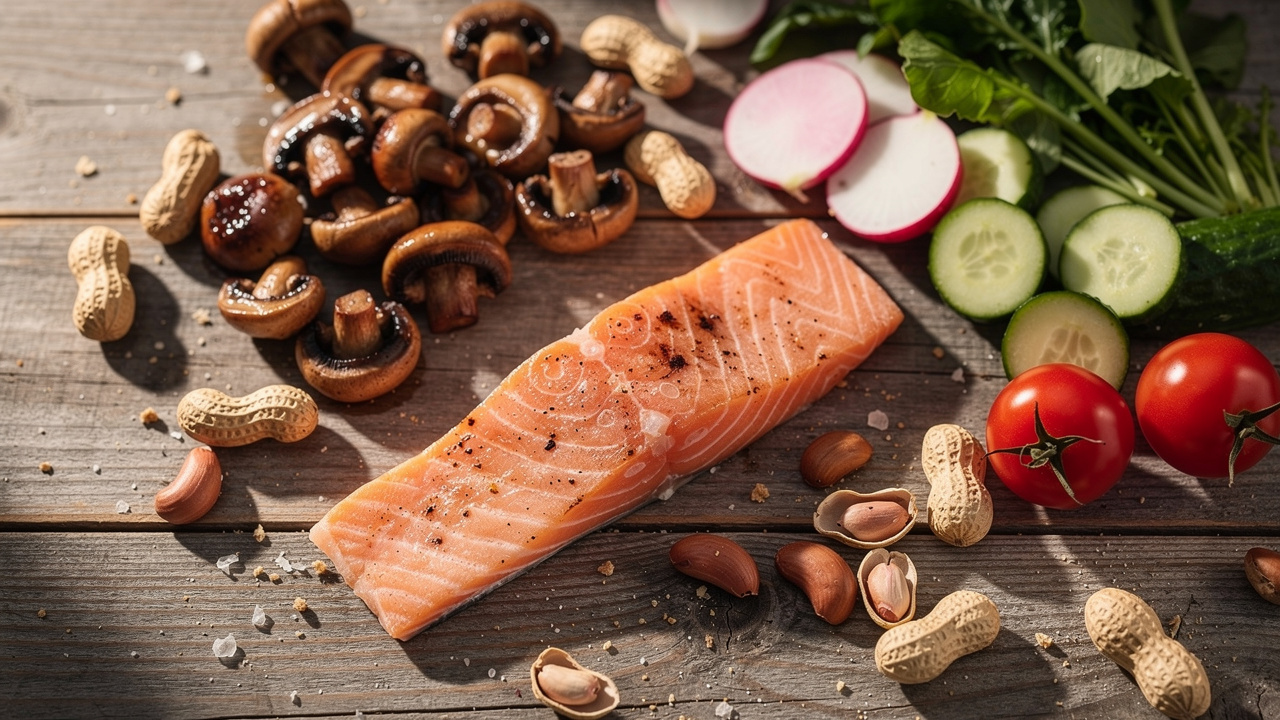
A solid diet does contribute to NAD+ production. Foods rich in niacin, such as poultry, fish like salmon, peanuts, and mushrooms, provide building blocks that feed the same salvage pathways used by supplements. For basic health, this foundation matters a great deal. The challenge is that clinical trials that raise NAD+ markers use doses far higher than what most people can realistically obtain from food alone. Supplements allow for the precise, repeatable dosing needed to reach those therapeutic levels while still keeping food quality as the base.
Is NAD+ IV Therapy Worth The Extra Cost Compared To Oral Supplements?
For most people focused on long-term longevity and daily performance, my answer is no. IV NAD+ sessions often cost two hundred to five hundred dollars or more per infusion and require hours in a chair, yet the infused NAD+ Nasal Spray is still broken down and rebuilt through the same salvage pathways used after oral precursor intake. Some individuals do report rapid subjective benefits after IV sessions, and there may be special cases where that makes sense. For routine use, however, high-quality oral, physician-formulated supplements provide very similar intracellular support at a far lower financial and time cost.
Should I Take NR Or NMN For NAD+ Boosting?
Both NR and NMN are effective precursors that raise NAD+-related biomarkers in humans. NR has slightly more published data in some areas, while NMN sits one step closer to NAD+ in the salvage pathway, which some researchers like from a theoretical standpoint. In practice, individual response can vary. I focus more on the quality of the formulation, the presence of third-party testing, and alignment with current research than on the name alone. Synchronicity Health’s physician-designed approach selects and combines precursors based on that evidence, which is why I am comfortable using these stacks for my own patients.


Leave a comment
All comments are moderated before being published.
This site is protected by hCaptcha and the hCaptcha Privacy Policy and Terms of Service apply.