

Introduction
It is 3 PM, the inbox is full, and your brain feels like it is moving through wet cement. The right word will not come, small tasks feel heavy, and another coffee barely makes a dent. That frustrating slump is more than just being tired. It is a sign that the brain’s energy systems are not keeping up with the demands of the day.
As Yale‑trained physicians working with high‑performing professionals and biohackers, we see this pattern over and over. Behind brain fog we often find the same roots: neuroinflammation, sluggish mitochondria, falling NAD+ levels, micronutrient gaps, and disrupted gut health. When we created Yale MD's Top 5 Supplements for Brain Fog & Focus in 2026, we did not look for trendy powders. We focused on what improves brain energy and cellular health in human data.
In this article, we share five supplement categories we use as a foundation for patients and for Synchronicity Health products. They support mitochondrial function, raise NAD+, calm inflammation, and improve nutrient delivery to the brain. We will also walk through how to build a safe personal stack, what to avoid on supplement labels, and the lifestyle moves that make these compounds work better.
Key Takeaways
-
Brain fog has clear biological roots. Low cellular energy, chronic inflammation, nutrient gaps, and gut issues all change the chemistry of attention, memory, and focus. When you address those levers, clarity tends to return in a steady way instead of in short, jittery bursts.
-
The five categories in Yale MD's Top 5 Supplements for Brain Fog & Focus in 2026 work together. NAD+ precursors support mitochondria, omega‑3 fats stabilize brain cell membranes, vitamin D and K guard brain tissue and vessels, probiotics act through the gut‑brain axis, and select amino acids fine‑tune neurotransmitters.
-
Quality and structure matter. Third‑party testing, physician‑level formulation, and bioavailable forms often decide whether a supplement makes a difference. A structured plan such as Synchronicity Health’s Sync Stack helps combine these tools in a safe, practical way that fits real life.
What Is Brain Fog And Why Does It Happen?
When patients describe brain fog, they rarely mean “a little sleepy.” They talk about mental fatigue, trouble finding words, poor concentration, short‑term memory slips, and slower processing speed. Many say they feel “less sharp,” or like there is a thin cloud between them and the world.
Several themes usually sit underneath:
-
Mitochondrial slowdown and NAD+ loss. The brain is about two percent of body weight yet uses roughly one fifth of the body’s energy. When mitochondria cannot keep up and NAD+ levels fall with age, attention and mental endurance drop.
-
Neuroinflammation. Low‑grade inflammation in brain tissue disrupts how neurons communicate and alters neurotransmitter levels. Modern diets low in omega‑3s and rich in sugar and industrial oils push this in the wrong direction.
-
Gut‑brain disruption. A damaged microbiome and “leaky gut” send inflammatory signals to the brain via the vagus nerve and immune messengers. At the same time, nutrient absorption falls.
-
Lifestyle stressors. Poor sleep, constant stress, prolonged sitting, and ultra‑processed food accelerate all of these processes.
Because several systems go off track at once, a single stimulant rarely helps for long. Clearing brain fog usually needs a plan that restores cellular energy, calms inflammation, closes nutrient gaps, and repairs the gut‑brain link.
Supplement #1 NAD+ Precursors And Cellular Energy Optimizers
The Science Behind NAD+ And Brain Function
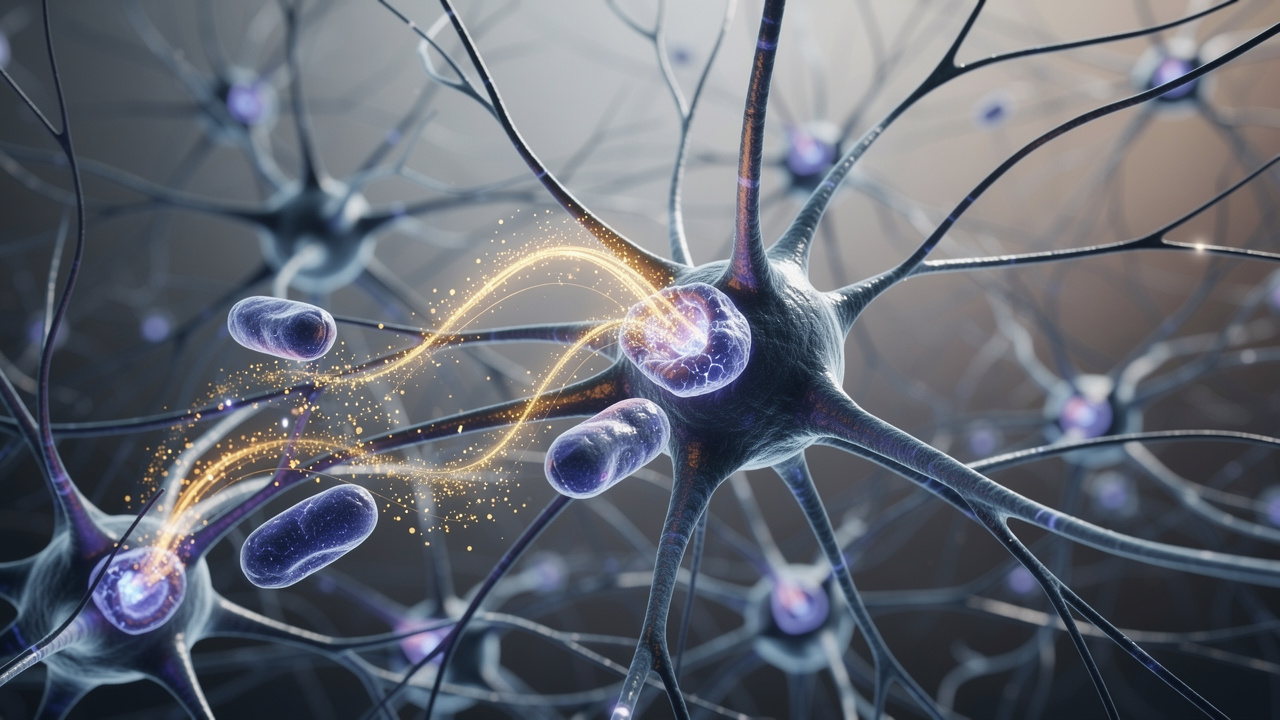
NAD+ (nicotinamide adenine dinucleotide) is a central molecule in brain energy metabolism. It acts as a cofactor in the reactions that let mitochondria turn food into usable cellular energy. Every thought, memory, and decision depends on those reactions running well.
As we age, NAD+ levels fall steadily, often dropping by half by midlife. That drop tracks with the years when many professionals start to notice fatigue, slower thinking, and more afternoon crashes. Lower NAD+ also weakens DNA repair and reduces activation of sirtuins, a family of proteins involved in cellular stress resistance and anti-aging.
Animal and early human work suggests that raising NAD+ with precursors such as nicotinamide riboside (NR) or nicotinamide mononucleotide (NMN) can:
-
Improve mitochondrial function
-
Support synaptic plasticity
-
Improve markers tied to cognition and resilience
People who support NAD+ often describe steadier mental energy and better ability to sustain long focus blocks. It does not feel like a stimulant buzz; it feels more like the brain is running on clean fuel again.
David Sinclair, PhD, has written that “NAD+ is one of the most important molecules in the body” because of its role in energy production and cellular repair.
Synchronicity Health's Yale MD‑Formulated NAD+ Support
At Synchronicity Health, we built our NAD+ precursor line to bring clinic‑level mitochondrial care into daily home routines. Many high performers come to us after trying costly NAD+ IV sessions. Those can help, but they are time‑consuming and expensive. We wanted a science‑based path that fits a normal week and a normal budget.
Our Yale MD team selects specific NAD+ precursors and supportive cofactors in doses that match human data. We focus on:
-
Forms with strong bioavailability and consistent absorption
-
Evidence‑informed dosing instead of marketing claims
-
Third‑party testing for identity, potency, heavy metals, and contaminants
The Sync Stack system uses NAD+ optimization as the base layer. From there, people add targeted support such as omega‑3s, vitamin D and K, probiotics, and amino acids. This stackable design lets you build from core cellular energy out to mood, memory, and performance without guesswork.
For many clients, daily NAD+ support inside this structure brings clearer thinking, stronger focus across long workdays, and better mental stamina in both the office and the gym. It is the anchor of Yale MD's Top 5 Supplements for Brain Fog & Focus in 2026.
Supplement #2 Omega‑3 Fatty Acids For Neuroinflammation And Brain Cell Health

The human brain is rich in fat by dry weight, and a large share of that fat is omega‑3 molecules, especially DHA. These fats help form neuronal membranes and synapses. When omega‑3 levels are adequate, membranes stay fluid, and receptors and transporters signal efficiently.
Omega‑3s also modulate inflammation. Many people live with low‑grade inflammation that affects brain tissue and is linked with brain fog and long‑term cognitive decline. EPA and DHA can be converted into compounds that help bring inflammatory processes back toward balance. People who increase intake often report less mental haze and more stable mood.
There is a tight link between heart health and brain health. Omega‑3s support healthy blood lipids and vascular function, which means better cerebral blood flow and a steadier supply of oxygen and glucose to active brain regions.
When choosing an omega‑3 supplement, we usually suggest:
-
At least 1–2 grams of combined EPA + DHA per day
-
Purified, molecularly distilled oil to reduce toxins such as mercury
-
Third‑party testing for purity and potency
-
A triglyceride form (often better absorbed than ethyl esters)
-
Storage in a cool place, often the refrigerator, to reduce rancidity
Taken daily for several months, high‑quality omega‑3s are woven into brain cell membranes. Over that period, many people notice smoother focus, better memory, and stronger response to other fat‑soluble nutrients.
Supplement #3 Vitamin D With Vitamin K: The Cognitive Protection Duo

Vitamin D3 is widely known for bone health, yet in neurology we think of it as a neurosteroid hormone. Receptors sit throughout the brain, and vitamin D influences hundreds of genes related to inflammation control, calcium balance, and neural growth. Low vitamin D status is very common and linked with poorer attention, slower processing, and higher risk of cognitive decline.
Vitamin D3 helps:
-
Reduce oxidative stress and inflammatory signaling
-
Support neuroplasticity, the brain’s ability to form and remodel connections
-
Regulate calcium inside neurons, where excess can be toxic
Vitamin K2 (especially the MK‑7 form) is the quiet partner. It activates proteins that guide calcium into bones and away from soft tissues like blood vessel walls. In the brain, that means less unwanted calcification of arteries and better long‑term blood flow. Higher blood levels of both vitamin D and K are associated with better memory and lower dementia risk.
For most adults, many clinicians suggest:
-
2,000–5,000 IU of vitamin D3 daily
-
100–200 mcg of vitamin K2 (MK‑7)
Because they are fat‑soluble, take them with a meal that contains healthy fats, such as olive oil, eggs, or salmon. We also advise checking vitamin D blood levels, with many experts aiming for around 50–80 ng/mL.
From a Yale MD standpoint, optimizing vitamin D and K is a foundation step that often comes before complex nootropic stacks.
Clinicians often remind patients that “what is good for the heart is good for the brain,” and vitamin D plus K2 sits squarely in that overlap.
Supplement #4 Probiotics And The Gut‑Brain Axis
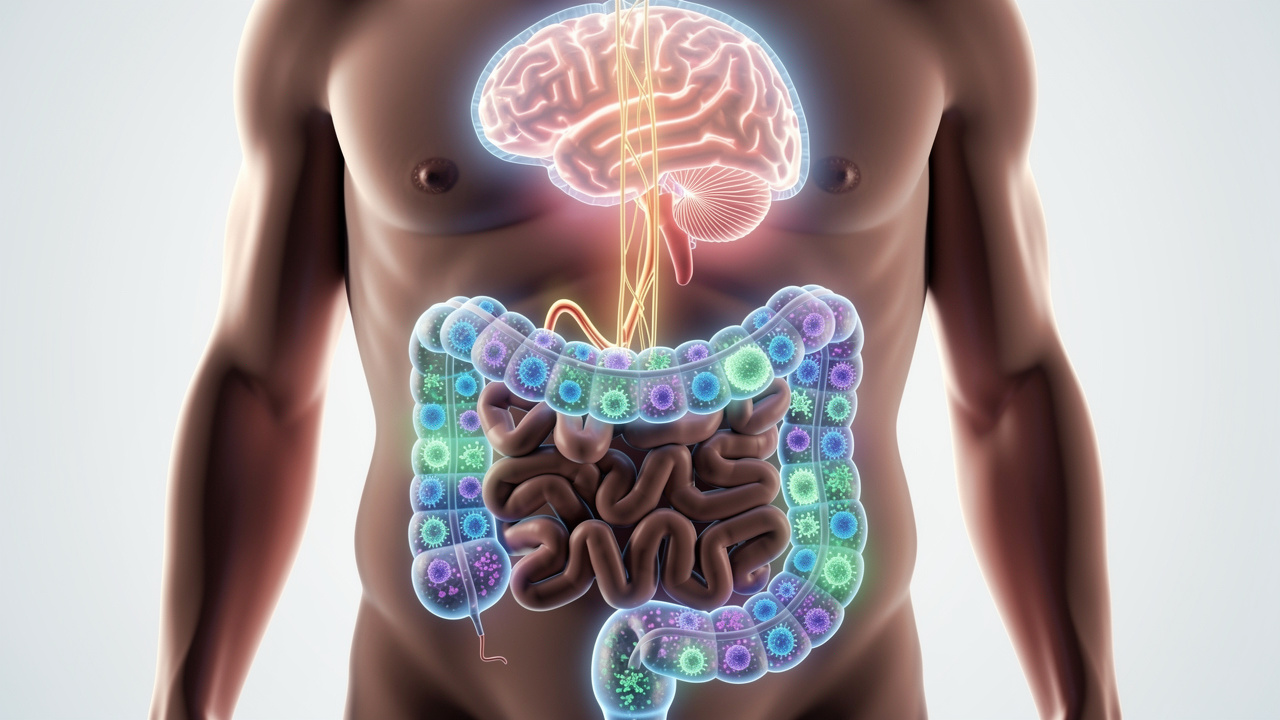
Research over the last decade has made it clear that the gut and brain are in constant conversation. This gut‑brain axis involves the vagus nerve, immune signals, hormones, and even microbial metabolites. When the gut microbiome is healthy, this conversation supports clear thinking and stable mood. When it is disturbed, brain fog is common.
About 90% of the body’s serotonin is produced in the gut. Intestinal bacteria also help make and modify other signaling molecules that affect anxiety, motivation, and cognitive flexibility. When we see gut dysbiosis—an imbalance between helpful and harmful microbes—several brain‑related issues often follow.
Dysbiosis can:
-
Increase intestinal permeability (“leaky gut”)
-
Let bacterial fragments slip into the bloodstream
-
Trigger systemic inflammation, including in brain tissue
-
Reduce absorption of key vitamins, minerals, and fats
Probiotics add beneficial strains back into the system. Strains such as Lactobacillus helveticus, Bifidobacterium longum, and Lactobacillus rhamnosus have early data linking them to better mood and stress handling. We usually look for multi‑strain products in the range of 10–50 billion CFU per day. Prebiotics (fibers that feed good bacteria) or synbiotics (a mix of both) can add another layer of support.
As many gut‑brain clinicians like to say, “what happens in the gut does not stay in the gut.”
A healthier gut also helps other parts of Yale MD's Top 5 Supplements for Brain Fog & Focus in 2026 work better. When the gut lining is intact, absorption of omega‑3s, vitamins, and amino acids improves, so more of each capsule reaches the brain.
Supplement #5 Amino Acids And Nootropic Compounds: L‑Theanine, L‑Tyrosine, And Choline

L‑Theanine: Calm Focus Without Sedation
L‑theanine is an amino acid from tea leaves known for promoting relaxed focus. Brain‑wave studies show increases in alpha activity, which is linked with calm alertness rather than drowsiness.
Mechanistically, L‑theanine:
-
Gently raises calming neurotransmitters such as GABA and serotonin
-
Supports dopamine
-
Tempers glutamate activity, reducing overstimulation
When combined with caffeine in roughly a 2:1 ratio of L‑theanine to caffeine, many people experience smooth, clear energy without jitters or crash. Typical doses are 200–400 mg, taken when sharper focus is needed. Effects usually begin within 30–60 minutes.
L‑Tyrosine: Neurotransmitter Support Under Stress
L‑tyrosine is a building block for dopamine, norepinephrine, and epinephrine. These catecholamine neurotransmitters support motivation, alertness, and the ability to handle complex tasks. Under intense stress, cold exposure, or sleep loss, catecholamine stores can fall, leading to slower thinking and reduced focus.
Studies show that supplemental L‑tyrosine can help maintain cognitive performance during:
-
Sleep deprivation
-
Multitasking challenges
-
Exposure to cold or other stressors
Because of this, we view L‑tyrosine as a targeted tool for demanding days rather than a daily base supplement. Typical dosing is 500–2,000 mg, often on an empty stomach. People with thyroid disease or on MAOI medications should review this with a clinician first.
Choline As Citicoline Or Alpha‑GPC: Memory And Acetylcholine Production
Choline is an essential nutrient the brain uses to produce acetylcholine, sometimes called the learning neurotransmitter. Acetylcholine is central for memory, attention, and the ability to shift between tasks. Choline also supports neuronal cell membranes.
Two forms stand out:
-
Citicoline (CDP‑choline): Provides choline plus cytidine, which can convert to uridine for membrane building.
-
Alpha‑GPC: A highly bioavailable form that delivers choline efficiently into the brain.
Typical doses are 300–600 mg per day. People often notice better recall, easier word‑finding, and improved mental stamina during study or heavy planning work. As with other supplements, we look for brands with clean excipients and testing data to confirm dose and purity.
How To Build Your Personalized Brain Fog Protocol
Many people buy brain supplements one by one with no plan, ending up with a shelf of half‑used bottles. We prefer an intentional stacking method that lines up with biology and daily life.
At Synchronicity Health, we call this the Sync Stack approach. It has three layers:
-
Foundation: NAD+ precursors and omega‑3 fatty acids to support cellular energy and neuronal structure.
-
Protection: Vitamin D with K2 plus a high‑quality probiotic to support brain tissue, blood vessels, and nutrient absorption.
-
Performance: Targeted amino acids and nootropics such as L‑theanine, L‑tyrosine, and choline for focus, motivation, and memory.
Common starting points:
-
Low drive and fatigue: Begin with NAD+ precursors; add L‑tyrosine on demanding days.
-
Anxiety and scattered focus: Start with L‑theanine and a probiotic to calm the nervous system and reduce inflammatory signaling.
-
Memory concerns: Focus on omega‑3s and choline (citicoline or Alpha‑GPC).
-
Brain fog plus joint aches or metabolic issues: Combine omega‑3s, vitamin D with K2, and NAD+ Nasal Spray support first.
Across all layers, introduce one new supplement at a time and give it several weeks. Most people see the clearest gains between 4–12 weeks of steady use.
What To Avoid In Brain Supplements
The wrong products can waste money or cause harm. Red flags we warn people about:
-
Proprietary blends that list ingredients without amounts, making it impossible to judge dosing or interactions.
-
Miracle claims that promise prescription‑level effects with zero side effects. Any compound that changes brain chemistry will have tradeoffs.
-
Megadoses of vitamins or herbs that can throw off other nutrients or strain the liver and kidneys.
Caffeine is another common trap. Many “focus” products are expensive caffeine with a light sprinkle of other ingredients. If a supplement feels very strong on day one and then fades with a crash, it likely leans heavily on caffeine rather than real nootropics.
Lack of third‑party testing is a serious concern. Without independent checks, there is more risk of contamination or mislabeled doses. Synchronicity Health sends every batch to external labs and makes results available. Whatever brand you choose, look for similar transparency and review ingredients for unnecessary fillers or allergens.
Lifestyle Strategies That Amplify Supplement Benefits
Supplements can move the needle, but as brain researchers who've been studying the brain for 15 years consistently emphasize, they work best on top of solid daily habits.
Sleep is the first place we look. During 7–9 hours of nightly sleep, the brain clears metabolic waste and consolidates memories. Chronic short sleep will blunt even the best supplement stack.
Sleep researcher Matthew Walker, PhD, writes that “sleep is the single most effective thing we can do to reset our brain and body each day.”
Nutrition comes next. Patterns like the Mediterranean or MIND style of eating—rich in leafy greens, berries, olive oil, nuts, eggs, and fatty fish—supply omega‑3 fats, polyphenols, B vitamins, and minerals that the brain needs. Staying well hydrated also matters; even mild dehydration can slow processing speed.
Movement supports brain health by increasing blood flow and releasing brain‑derived neurotrophic factor (BDNF), which supports neuroplasticity. Aim for at least 150 minutes per week of moderate cardio plus two strength sessions if your clinician agrees it is safe.
Stress management is the fourth pillar. Chronic high cortisol can damage the hippocampus, a key memory center. Simple daily practices such as 10 minutes of breath work, meditation, or a quiet walk outside can reduce stress load. Some people also do well with gentle time‑restricted eating, which may support mitochondrial function when used carefully.
Finally, regular time away from screens and deliberate mental training—learning a language, playing an instrument, or doing puzzles—gives the brain both recovery and challenge. When these habits line up with a smart supplement plan, gains in focus and clarity tend to be deeper and more stable.
Conclusion
Brain fog, mental fatigue, and slipping focus are not just signs of age or a busy schedule. When we look beneath the surface, we usually find patterns that can be changed: low NAD+, mitochondrial strain, inflammation, nutrient gaps, and gut imbalance. The five categories in Yale MD's Top 5 Supplements for Brain Fog & Focus in 2026 target those roots in a clear, layered way.
NAD+ precursors support cellular energy, omega‑3s stabilize brain cell membranes, vitamin D with K2 guards brain tissue and vessels, probiotics rebuild the gut‑brain link, and targeted amino acids sharpen day‑to‑day performance. The focus shifts from chasing stimulation to building better cellular function, where long‑term gains in focus, memory, and mental stamina actually arise.
Synchronicity Health brings Yale MD experience, pharmaceutical‑grade manufacturing, and thorough testing into an at‑home system through the Sync Stack framework. Paired with better sleep, nutrition, movement, and stress care, a thoughtful 90‑day plan can help the brain feel sharper, steadier, and more capable than it has in years.
FAQs
Question 1: How Long Does It Take To See Results From Brain Fog Supplements?
Timing varies, but some patterns are common. Fast‑acting amino acids such as L‑theanine often work within 30–60 minutes for calm focus. NAD+ precursors and omega‑3s usually need 2–4 weeks for steadier energy and clearer thinking. Vitamin D correction and gut repair with probiotics often take 8–12 weeks, with gains that build over time.
Question 2: Can I Take All Five Supplement Categories Together Safely?
For most healthy adults, these categories can be combined safely at standard doses. We still suggest starting with one or two foundation pieces, such as NAD+ precursors and omega‑3s, then adding others slowly so you can see what each one does. People on medications or with medical conditions should review plans with a clinician. Synchronicity Health designed the Sync Stack framework so these supplements work together in a coordinated and safe way.
Question 3: Are Brain Supplements Regulated By The FDA?
Dietary supplements are regulated under different rules than prescription drugs and are not pre‑approved by the Food and Drug Administration. Companies are responsible for making safe products and accurate labels, but there is less direct oversight before products reach shelves. That is why third‑party testing from groups such as NSF or USP is so important. At Synchronicity Health, we follow pharmaceutical‑grade standards and use independent labs to verify identity, purity, and potency for every batch.
Question 4: What Is The Difference Between Generic Supplements And Physician‑Formulated Options Like Synchronicity Health?
Generic supplements are often built around cost and trends, with limited attention to absorption, synergy, or real‑world dosing. Physician‑formulated lines draw on clinical training and research review to choose forms and amounts that match human data and patient needs. At Synchronicity Health, Yale‑trained physicians design stacks around bioavailable ingredients, clean excipients, and precise dosing rather than marketing buzz, with third‑party testing to back up label claims.
Question 5: Can Lifestyle Changes Alone Fix Brain Fog Without Supplements?
Strong lifestyle habits—good sleep, nutrient‑dense food, regular exercise, and stress management—are the base for any clear mind and can relieve a lot of brain fog on their own. At the same time, modern food supply issues, high stress, and age‑related drops in NAD+ often leave gaps that lifestyle alone does not fully close. Thoughtful supplementation can fill those gaps and amplify the benefits of good habits. In our practice, the best results come from combining both approaches in a steady, realistic plan.


Leave a comment
All comments are moderated before being published.
This site is protected by hCaptcha and the hCaptcha Privacy Policy and Terms of Service apply.