
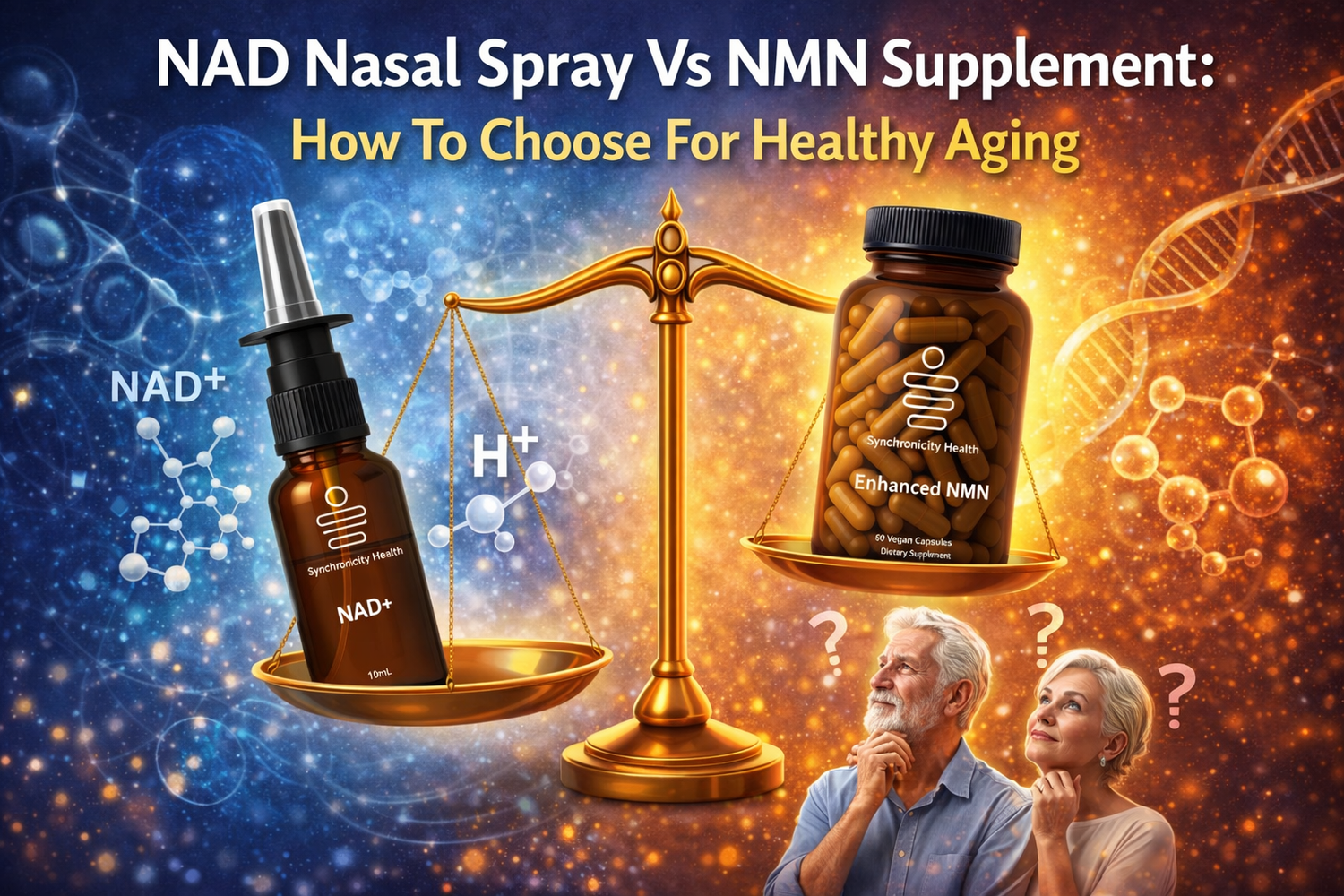
If you’ve been researching longevity, energy, or cognitive performance, you’ve probably run into the debate of NAD vs NMN. Both are tied to one of the most important molecules in your body for aging and metabolism: NAD⁺ (nicotinamide adenine dinucleotide).
NAD⁺ powers your cells, repairs DNA, and supports brain and mitochondrial function. The problem: NAD⁺ levels drop steeply with age, stress, poor sleep, and metabolic strain. That decline is linked to fatigue, slower recovery, weight gain, cognitive changes, and a higher risk of age-related disease.
That’s where NAD vs NMN supplements come in. NMN (nicotinamide mononucleotide) is a precursor your body converts into NAD⁺. NAD⁺ supplements aim to supply the molecule directly, often through non-oral delivery.
This guide breaks down:
-
How NAD⁺ and NMN work
-
Key differences in absorption, delivery, and effects
-
What research suggests about each
-
How to decide between NAD vs NMN for your specific goals
You’ll also find references to learn more about NAD and NMN, along with a deeper dive into NMN in this article: "What Is NMN (Nicotinamide Mononucleotide)".
How Aging Affects Your Cells And NAD⁺ Levels

Aging isn’t just about wrinkles or gray hair. At the cellular level, it’s strongly tied to declining NAD⁺.
"The goal is to die young as late as possible." — Ashley Montagu
NAD⁺ is a coenzyme present in every cell. It:
-
Transfers electrons in metabolic reactions, allowing your mitochondria to make ATP (cellular energy)
-
Fuels enzymes that repair DNA and maintain genomic stability
-
Powers sirtuins, a family of proteins involved in longevity, inflammation control, and cellular stress resistance
-
Helps regulate circadian rhythm, sleep–wake cycles, and metabolic timing
-
Supports immune function and cellular cleanup processes
Studies suggest that by middle age, NAD⁺ levels can fall to about half of youthful levels. This drop is driven by:
-
Increased consumption of NAD⁺ by DNA repair and inflammatory pathways
-
Reduced production of NAD⁺ precursors
-
Chronic stress, poor sleep, high-sugar diets, and inactivity
Low NAD⁺ is associated with:
-
Reduced mitochondrial energy output and fatigue
-
Impaired DNA repair and faster cellular aging
-
Insulin resistance and metabolic disorders
-
Neurodegenerative changes and cognitive decline
-
Cardiovascular and endothelial dysfunction
Boosting NAD⁺—whether via NAD vs NMN—aims to restore this coenzyme to more youthful ranges and support healthier aging at the cellular level.
What Is NAD⁺?
Nicotinamide adenine dinucleotide (NAD⁺) is a coenzyme that exists mainly in two forms: NAD⁺ (oxidized) and NADH (reduced). The NAD⁺ form is especially important for longevity and repair pathways.
Key roles of NAD⁺ include:
-
Energy production
-
Central to glycolysis, the TCA cycle, and oxidative phosphorylation
-
Essential for ATP generation inside mitochondria
-
-
DNA repair and genomic stability
-
Required for PARP enzymes that fix DNA damage
-
Helps maintain integrity of your genetic material over time
-
-
Sirtuin activation
-
SIRT1–SIRT7 depend on NAD⁺ to regulate gene expression, stress resistance, and metabolic efficiency
-
These pathways are strongly linked to lifespan and healthspan in animal models
-
-
Neuroprotection and cognitive health
-
Supports neuron energy metabolism
-
Involved in neurotransmitter balance and neuronal resilience
-
-
Circadian rhythm regulation
-
Interacts with clock genes that control sleep timing, hormone release, and metabolism
-
Because NAD⁺ itself is a fairly large molecule, it doesn’t absorb well when swallowed in traditional form. That’s why many NAD vs NMN strategies rely on:
-
Alternate delivery for NAD⁺ (IV, injections, nasal spray, or liposomal forms)
-
Precursors like NMN that are efficiently absorbed and then converted inside cells
For more on NAD⁺ itself, see the ingredient overview: NAD.
What Is NMN And How Does It Boost NAD⁺?
Nicotinamide mononucleotide (NMN) is a nucleotide made from vitamin B3 (nicotinamide) and a sugar phosphate. It sits one step upstream of NAD⁺ in the main biosynthetic pathway.
Your body makes NMN primarily through an enzyme called NAMPT (nicotinamide phosphoribosyltransferase). NAMPT exists:
-
Inside cells (iNAMPT), where it directly supports NAD⁺ synthesis
-
Outside cells (eNAMPT), circulating in blood and other fluids, helping coordinate whole-body NAD⁺ production
Adipose (fat) tissue appears to play a major role, releasing NMN-rich extracellular vesicles that help supply other tissues.
NMN can also come from food (broccoli, cabbage, cucumbers, edamame, avocado), but those amounts are small and unlikely to shift NAD⁺ meaningfully by diet alone. That’s why many longevity enthusiasts look at NAD vs NMN supplementation.
How NMN Is Absorbed

Several discoveries have made NMN especially interesting:
-
Oral NMN is rapidly absorbed in animal studies, with blood levels rising within minutes
-
A transporter called Slc12a8 can move NMN directly into cells, especially in the small intestine
-
NMN can also convert to nicotinamide riboside (NR), cross the cell membrane, and then convert back to NMN and on to NAD⁺
Once inside cells, NMN is quickly converted to NAD⁺, replenishing the pool needed for energy production, repair, and signaling.
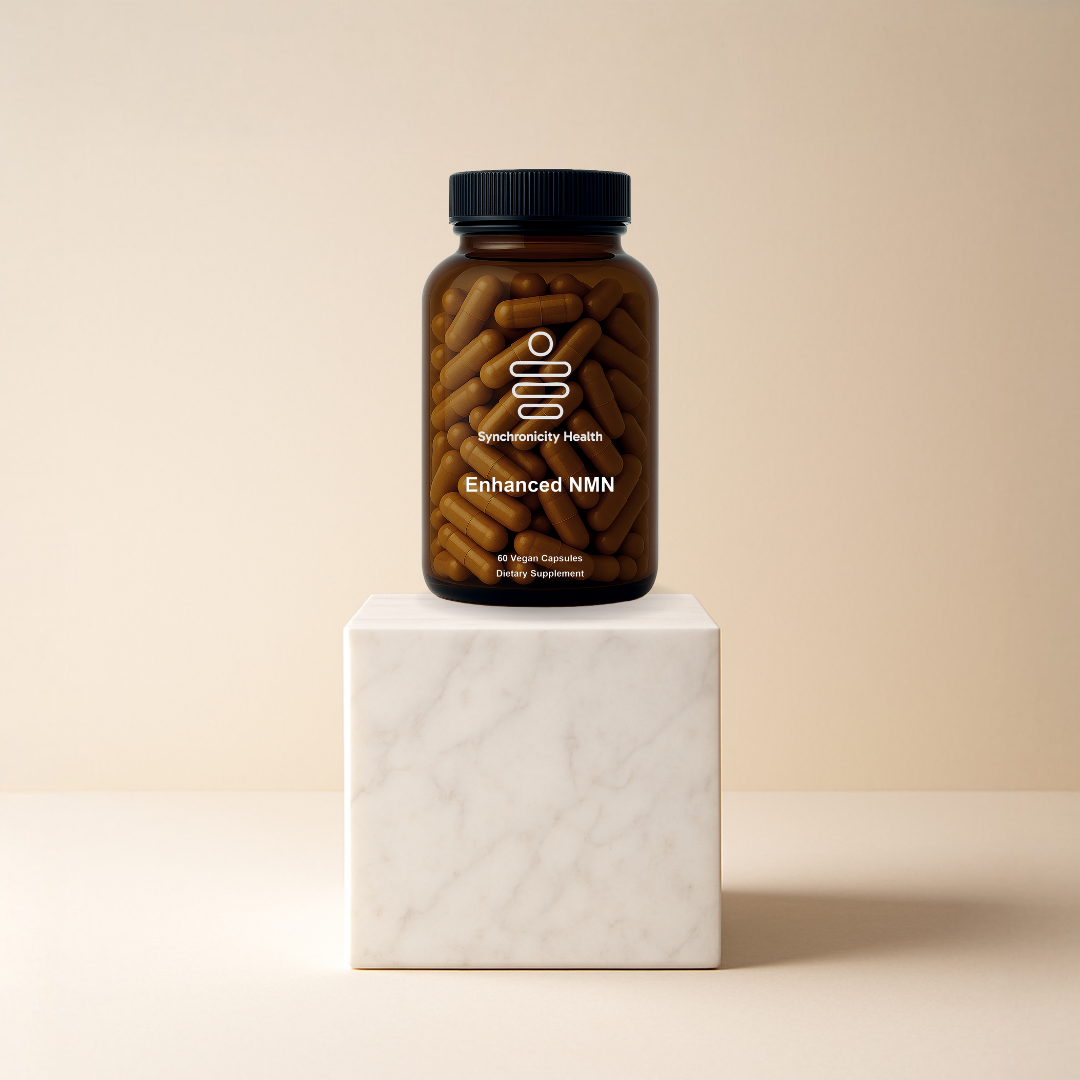
For more background on NMN as a supplement, see the ingredient page for NMN and the explainer article "What Is NMN (Nicotinamide Mononucleotide)".
NAD Vs NMN: Key Differences At A Glance
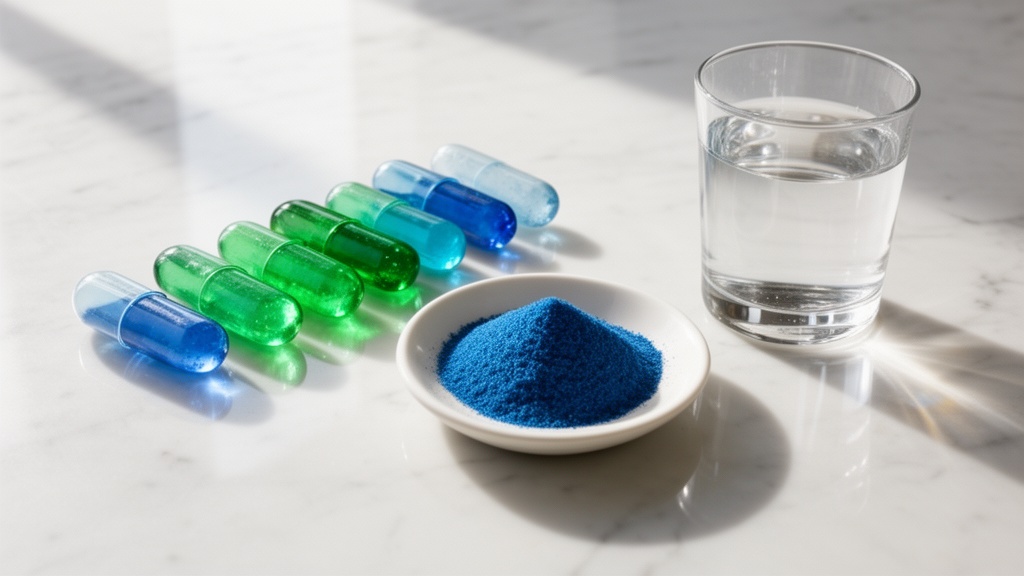
Although the goal of NAD vs NMN supplementation is the same—higher NAD⁺—the route, experience, and use cases differ.
|
Category |
NMN |
NAD⁺ (Direct) |
|---|---|---|
|
What it is |
A precursor that your body converts into NAD⁺ |
The NAD⁺ coenzyme itself |
|
Main role |
Feeds NAD⁺ biosynthesis pathways |
Immediately participates in cellular reactions once delivered |
|
Typical delivery |
Oral capsules, powders, sublingual, liposomal |
IV infusions, self-injections, nasal sprays, liposomal, select oral forms |
|
Oral absorption |
Generally high; designed for oral use |
Standard oral forms have low absorption; advanced forms or non-oral routes preferred |
|
Onset of effect |
Gradual, with systemic NAD⁺ increases over time |
Faster, especially with IV or nasal delivery |
|
Best fit for |
Whole-body metabolic health, longevity, physical performance |
Cognitive support, acute energy and focus, targeted neurological or intensive protocols |
|
Convenience |
Easy daily supplement, at-home routine |
May require clinics (IV) or more specialized products |
For many users, NMN is a daily, long-term NAD⁺ support tool. NAD⁺ is often used when someone wants faster or more focused effects—especially for brain function, intensive recovery protocols, or structured clinical programs.
Shared Benefits Of Raising NAD⁺ (With Either NAD Or NMN)

Because NMN works primarily by increasing NAD⁺, NAD vs NMN share most downstream benefits. Differences usually relate to timing and delivery rather than end targets.
Common areas of interest include:
-
Energy and mitochondrial efficiency
-
Higher NAD⁺ supports ATP production, which may help with daily energy, resilience under stress, and reduced fatigue
-
-
Metabolic health and weight management
-
Animal studies show improved insulin sensitivity, better glucose control, and resistance to age-associated weight gain when NAD⁺ is restored
-
Many people explore NMN or NAD⁺ support alongside nutrition and training programs
-
-
Cellular repair and longevity pathways
-
By fueling sirtuins and DNA repair enzymes, NAD⁺ helps cells respond to oxidative and metabolic stress
-
This is a core reason NAD vs NMN appears so often in discussions of healthspan and biological age
-
-
Brain health and cognitive function
-
NAD⁺ is essential for neuron metabolism and mitochondrial function in the brain
-
Raising NAD⁺ may help support memory, focus, and resilience against neurodegenerative processes in preclinical models
-
-
Cardiovascular and endothelial function
-
Studies in animals show improved blood vessel flexibility, better blood flow, and protection of heart tissue under stress
-
These effects are relevant for endurance athletes and long-term cardiovascular health
-
-
Sleep and circadian rhythm
-
NAD⁺ interacts with circadian clock machinery, influencing sleep quality, hormone timing, and metabolism across the 24‑hour cycle
-
Some people use NAD vs NMN specifically with sleep and circadian support in mind
-
-
Muscle, recovery, and physical performance
-
Restored NAD⁺ in animal models improves muscle function, endurance, and recovery
-
This is why many athletes and lifters are drawn to NMN-based stacks
-
What The Research Says About NAD Vs NMN
The scientific picture is still emerging, but several themes are consistent across NAD vs NMN studies.
NMN Research Highlights
Most of the strongest data for NMN comes from mouse models:
-
Metabolic health
-
Oral NMN has been shown to improve insulin sensitivity, insulin secretion, and glucose tolerance
-
It can counteract diet-induced obesity and age-associated weight gain
-
-
Energy and activity
-
NMN-fed older mice often show higher physical activity, better mitochondrial metabolism, and gene expression patterns that resemble younger animals
-
-
Cardiovascular support
-
NMN can protect the heart from ischemia–reperfusion injury in animal studies, suggesting support under stress and improved resilience
-
-
Muscle and mobility
-
Aging mice given NMN demonstrate stronger skeletal muscle function and better endurance
-
-
Brain and cognition
-
In Alzheimer’s disease mouse models, NMN slowed cognitive decline, supported neuron survival, improved mitochondrial function in the brain, and helped maintain the blood–brain barrier
-
-
Inflammation and “inflammaging”
-
NMN appears to lower inflammatory signaling in fat tissue and other organs in several models
-
Long-term animal data (up to one year of daily NMN) indicates good tolerability, with rapid absorption and stability in solution. Early human studies have generally reported good safety and promising metabolic effects, but larger, longer trials are still in progress.
NAD⁺ Research Highlights
NAD⁺ research spans basic science, animal models, and emerging human data:
-
Neuroprotection and cognition
-
In preclinical studies, boosting NAD⁺ in the brain can protect neurons, reduce oxidative stress, and improve cognitive performance in models of neurodegenerative disease
-
Early human experiences with NAD⁺ IV and nasal delivery often focus on mental clarity, focus, and mood, though high-quality controlled trials are still limited
-
-
Addiction and recovery protocols
-
NAD⁺ infusions have been used in some clinical settings to support individuals during substance withdrawal protocols, with reported reductions in fatigue and cognitive fog. Rigorous clinical data is still developing.
-
-
Systemic cellular health
-
Like NMN, direct NAD⁺ administration supports mitochondrial function, DNA repair, and sirtuin activity across multiple tissues in animal models
-
In both NAD vs NMN, the science is promising but not final. Most of the dramatic effects you may see discussed online come from animal or small pilot human studies, not decades-long human trials. For that reason, NAD⁺-focused supplements are best viewed as advanced tools within a broader health strategy, not as stand-alone approaches.
How To Choose Between NAD Vs NMN For Your Goals
Which is “better” in the NAD vs NMN debate depends on what you want to improve, how intensive you want your protocol to be, and how you prefer to take supplements.
For Metabolic Health And Longevity
If your priorities include:
-
Blood sugar balance
-
Weight management or body composition
-
Cardiovascular support
-
Overall healthspan and aging well
then NMN is often the first candidate.
Reasons:
-
Highly suited to daily oral use
-
Builds NAD⁺ gradually across multiple tissues
-
Strong preclinical data for metabolic and age-related endpoints
Many people in this group pair NMN with lifestyle pillars (diet, resistance training, cardio, sleep) and sometimes combine it with compounds like resveratrol or quercetin.
For Brain Function And Mental Performance
If you’re a busy professional, student, or knowledge worker focusing on:
-
Mental clarity and sustained focus
-
Memory and processing speed
-
Resilience under cognitive load
direct NAD⁺ tends to be the preferred option, especially via:
-
IV infusions in clinical settings
-
Nasal sprays for rapid delivery to the brain
-
High-quality liposomal products
These routes avoid much of the digestive breakdown and supply NAD⁺ more directly to circulation and, potentially, brain tissue. For some, a daily NMN routine plus periodic NAD⁺ sessions offers a balanced approach.
For Athletic Performance And Recovery
Athletes and fitness enthusiasts looking at NAD vs NMN usually care about:
-
Power output and endurance
-
Recovery between sessions
-
Muscle maintenance with age
For most, NMN is the foundation because it:
-
Supports systemic NAD⁺ and mitochondrial function
-
Is easy to take consistently over months and years
Some athletes may add targeted NAD⁺ protocols (for example, a short NAD⁺ series during heavy training blocks or after intense travel) under medical supervision.
For Sleep And Circadian Support
If your main concern is:
-
Difficulty sleeping or poor-quality sleep
-
Jet lag or shift work
-
Aligning daily energy with your circadian rhythm
both NAD vs NMN can be relevant, because NAD⁺ interacts with core clock genes.
-
NMN can help normalize NAD⁺ levels over time, which may support more regular circadian signaling
-
NAD⁺ nasal sprays or IV protocols are sometimes timed earlier in the day to support alertness and leave evenings clear for wind-down
Sleep benefits are indirect and should be layered on top of sleep hygiene (light exposure, timing of food and caffeine, consistent sleep schedule).
Dosing, Delivery Methods, And Stacking Considerations
Nothing here is medical advice, and individual needs vary widely. Always discuss NAD vs NMN dosing with a qualified clinician, especially if you have health conditions or take prescription medications.
Common NMN Approaches
Human studies and real-world protocols often use:
-
Typical daily range: ~250–600 mg per day
-
Higher-end protocols: Up to ~1,000 mg per day in divided doses in some research settings
Forms include:
-
Capsules and powders taken with or without food
-
Sublingual powders or tablets held under the tongue for faster entry into circulation
-
Liposomal NMN designed to protect the molecule through the GI tract
Start on the lower side and adjust based on how you feel in consultation with your clinician.
Common NAD⁺ Approaches
Because of limited oral bioavailability, NAD⁺ is often delivered through:
-
IV infusions
-
Administered in clinics over 1–4 hours
-
Used in structured programs for cognitive support, fatigue, or intensive recovery protocols
-
-
Self-injections (subcutaneous)
-
Done at home under medical guidance
-
Slower but sustained release into circulation
-
-
Nasal sprays
-
Rapid absorption through the nasal mucosa
-
Often chosen by people seeking cognitive and energy support without IV visits
-
Example: some users prefer NAD⁺ nasal products such as Synchronicity Health’s NAD to deliver NAD⁺ conveniently and directly
-
-
Liposomal NAD⁺
-
Oral liquids or capsules wrapped in lipid spheres to improve survival through digestion and uptake
-
Stacking NAD Vs NMN
Some advanced users combine:
-
Daily NMN for whole-body NAD⁺ support
-
Periodic NAD⁺ IV or nasal spray for focused cognitive or intensive applications
Others add complementary nutrients such as:
-
B‑vitamins (for methylation and NAD⁺ pathways)
-
TMG (trimethylglycine) to support methyl donors when using high doses of NAD⁺ precursors
-
Polyphenols (e.g., resveratrol) that may influence sirtuin activity
Any stack should be planned with a knowledgeable healthcare provider.
Side Effects, Safety, And Who Should Be Cautious

Typical Side Effects
In available animal and early human data, both NMN and NAD⁺ have shown a favorable safety profile. When side effects occur, they are usually mild and may include:
-
Nausea or stomach discomfort
-
Loose stools or mild GI upset (more common with higher NMN doses)
-
Headaches
-
Flushing or a sensation of warmth (sometimes with higher NAD⁺ doses or fast IV rates)
Slowing IV infusion rates, lowering doses, or taking supplements with food can often reduce these effects, under supervision.
Long-Term Safety
-
Long-term animal studies (up to one year) have not shown major safety concerns with NMN at tested doses
-
Human data on long-term daily use of NMN or frequent NAD⁺ protocols is still limited, but early reports are generally reassuring
Because NAD vs NMN interventions act on fundamental cellular processes, it’s wise to:
-
Use the minimum effective dose for your goals
-
Periodically re-evaluate with your clinician
-
Monitor labs and clinical markers when using high doses or long-term protocols
Who Should Seek Extra Medical Guidance
Extra caution is warranted if you:
-
Are pregnant or breastfeeding
-
Have active cancer or a history of certain cancers
-
Have significant liver, kidney, or cardiovascular disease
-
Take medications for diabetes, blood pressure, or autoimmune conditions
A healthcare professional familiar with NAD⁺ biology can help decide whether NAD vs NMN makes sense in your situation and how to structure a safe protocol.
Where NAD Vs NMN Fits In A Complete Anti-Aging Plan
Even the smartest NAD vs NMN strategy cannot compensate for poor basics. NAD⁺-focused supplements work best when paired with:
-
Consistent sleep and circadian rhythm habits
-
A nutrient-dense diet with adequate protein and controlled refined sugar intake
-
Strength training and regular physical activity
-
Stress management practices and appropriate recovery
"We do not stop exercising because we grow old; we grow old because we stop exercising." — Kenneth H. Cooper
Within that foundation:
-
NMN can act as a daily support for metabolism, longevity pathways, and physical performance
-
NAD⁺ can be layered in for cognitive support, demanding periods, or structured recovery protocols
Think of NAD⁺-related supplements as advanced tools for people who already respect the fundamentals and want to go further with healthy aging, performance, or resilience.
Bottom Line: NAD Vs NMN – Which Should You Choose?
When you look past the marketing claims, NAD vs NMN is less about a winner and more about matching the right tool to the right goal.
-
Choose NMN if you want a convenient, daily supplement focused on long-term metabolic health, cellular aging, and whole-body energy.
-
Choose direct NAD⁺ (IV, injection, nasal spray, or advanced formulations) if your focus is cognitive performance, intensive protocols, or situations where faster effects matter.
-
Consider combining both under medical guidance if you want broad, systemic NAD⁺ support with targeted boosts when needed.
Whichever route you take, work with a qualified healthcare provider, build on strong lifestyle habits, and view NAD⁺ support as one part of a thoughtful, long-term strategy for aging well.

Leave a comment
All comments are moderated before being published.
This site is protected by hCaptcha and the hCaptcha Privacy Policy and Terms of Service apply.