

For health enthusiasts focused on performance and longevity, NMN and NAD nasal spray has become an appealing alternative to capsules and IV drips. By pairing a key NAD+ precursor (NMN) with direct NAD+ delivery in a convenient intranasal format, these products aim to support cellular energy, cognitive function, and healthy aging with better efficiency than standard pills.
Interest is also rising in complementary intranasal formulas such as Synchronicity Health's glutathione nasal spray, NAC sprays, and melatonin sprays. Together, these options form a modern toolkit for people who want targeted support for mitochondria, detoxification, sleep quality, and brain performance.
Before adding NMN and NAD nasal spray to a daily routine, it helps to understand what NAD+ actually does, how NMN feeds into this system, and why the route of administration can make such a difference.
NAD+ 101: The Coenzyme Behind Energy And Aging
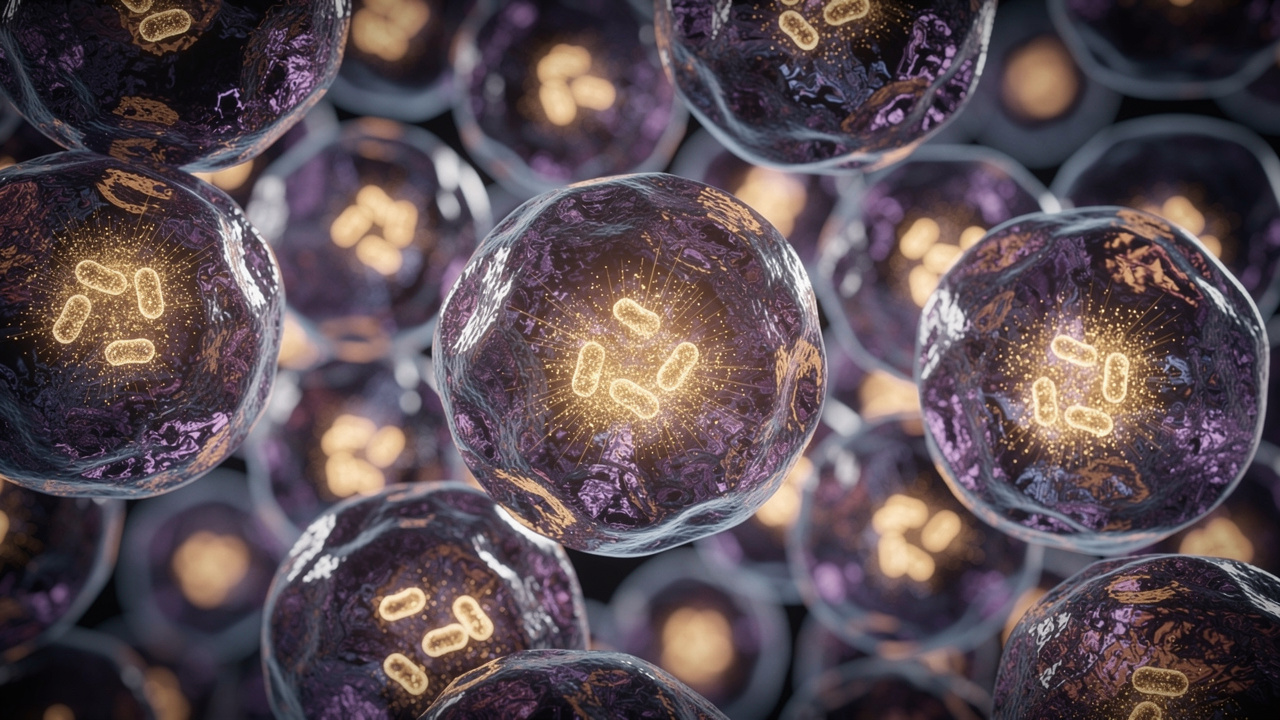
Nicotinamide adenine dinucleotide (NAD+) is a coenzyme present in every cell in the body. It switches back and forth between oxidized (NAD+) and reduced (NADH) forms, shuttling electrons inside mitochondria so your cells can convert food into ATP, the body’s energy currency.
Beyond energy production, NAD+ supports several major processes linked to aging and resilience:
-
Mitochondrial function – fuels the electron transport chain to keep ATP production running.
-
DNA repair – serves as a substrate for PARP enzymes that detect and repair DNA damage.
-
Cell stress responses – activates sirtuin proteins that regulate inflammation, metabolism, and cellular cleanup.
-
Circadian rhythm – interacts with clock genes that coordinate day–night cycles in metabolism and cellular repair.
A 2018 review in Cell Metabolism described NAD+ as “a central regulator of cellular metabolism and signaling,” highlighting how widely it influences cellular health.
Research shows that NAD+ levels tend to decline with age, sometimes dropping by more than 50% between youth and middle age. Lower NAD+ has been associated with:
-
Reduced energy and exercise capacity
-
Slower recovery from stressors
-
Impaired metabolic health
-
Accumulating DNA damage and cellular dysfunction
This is why many longevity strategies focus on raising or maintaining NAD+ levels—either by supplying NAD+ directly or by giving precursors that the body converts into NAD+.
How NMN Supports NAD+ Levels
Nicotinamide mononucleotide (NMN) is one of the main building blocks your cells use to make NAD+. It sits only one step away in the NAD+ synthesis pathway, which is why NMN supplements are often described as direct NAD+ precursors.
When you consume NMN, enzymes inside cells convert it to NAD+, expanding the available NAD+ pool. Animal research and early human studies suggest NMN supplementation may:
-
Increase tissue NAD+ levels
-
Support mitochondrial function and physical endurance
-
Improve markers of metabolic health
-
Support vascular and neuronal function
By combining NMN with direct NAD+ delivery in an NMN and NAD nasal spray, manufacturers are aiming to:
-
Provide an immediate increase in available NAD+
-
Supply ongoing precursor support to sustain levels over time
How well this works in practice depends heavily on delivery method—how much of each dose actually reaches the bloodstream and, in some cases, the brain. Human data are still limited, so personal experimentation should be cautious and guided by a knowledgeable clinician.
Why Delivery Method Matters For NMN And NAD
The Bioavailability Challenge
Bioavailability describes how much of a substance reaches circulation in its active form. With NAD+ and its precursors, this is a key concern.
Oral NAD+ faces several obstacles:
-
NAD+ is a relatively large, fragile molecule.
-
Stomach acid and digestive enzymes can degrade it.
-
Any surviving NAD+ passes through the liver first, where additional breakdown occurs (first-pass metabolism).
Estimates for oral NAD+ bioavailability often fall in the 2–10% range. In other words, most of the dose may never reach systemic circulation intact.
Oral NMN appears to fare better, with estimated bioavailability around 20–40%, but it still faces digestive and liver metabolism, and it must be converted to NAD+ inside cells.
These limitations have pushed interest toward alternative routes like sublingual, transdermal, intravenous (IV), and, increasingly, NMN and NAD nasal spray.
How Nasal Delivery Works
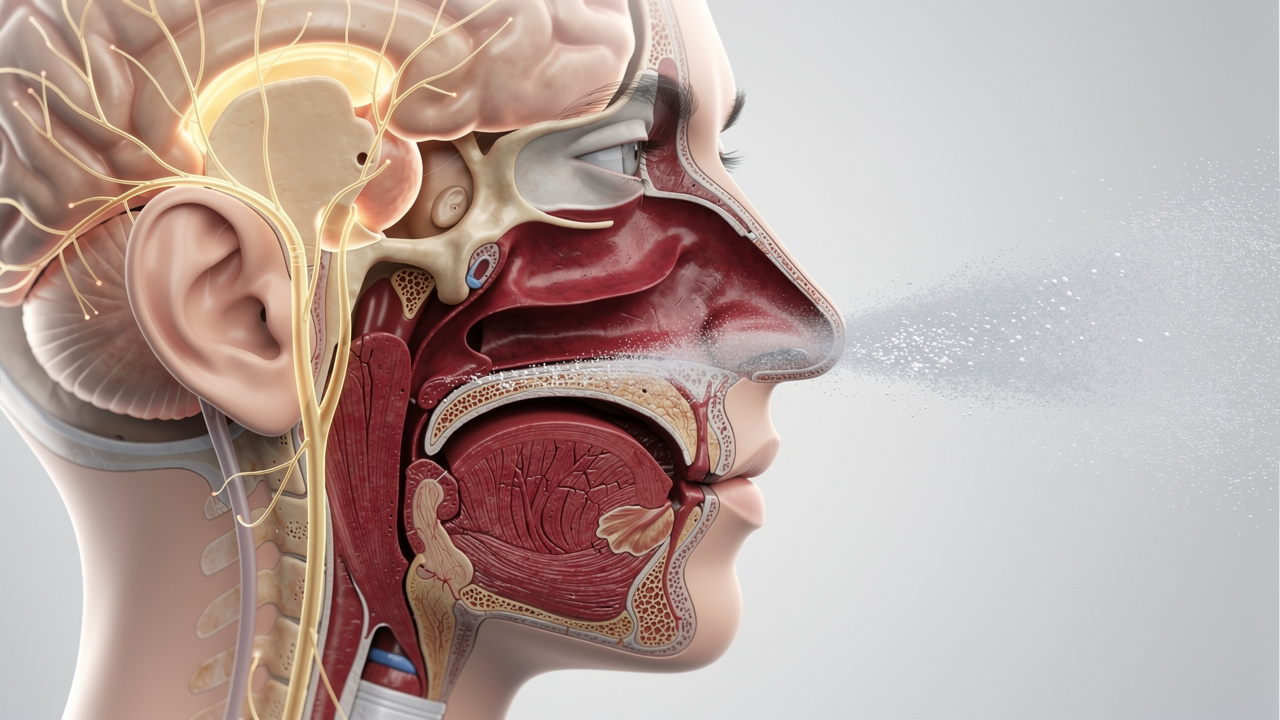
Intranasal delivery takes advantage of the anatomy of the nasal cavity:
-
Rich blood supply (systemic absorption)
-
The nasal mucosa is thin and packed with capillaries.
-
When a spray is atomized into a fine mist, small droplets can be absorbed directly into the bloodstream.
-
This bypasses the digestive tract and first-pass liver metabolism, giving substantially higher bioavailability than oral dosing—often estimated around 15–25%.
-
-
Nose‑to‑brain pathways
-
The upper nasal cavity houses the olfactory epithelium and branches of the trigeminal nerve.
-
Molecules that reach this area can travel along these nerves toward the brain, partially sidestepping the blood–brain barrier.
-
For nootropic or neuroprotective goals, this direct access is a significant advantage.
-
Because NMN and NAD nasal spray can reach both the bloodstream and, potentially, the central nervous system more efficiently, many users report faster onset—often within 15–30 minutes—compared with the 1–3 hours common for oral capsules.
Benefits People Look For In NMN And NAD Nasal Spray
Research on intranasal NMN and NAD+ in humans is still developing, and these products are sold as dietary supplements rather than drugs—similar to emerging peptides like Selank that show promise for cognitive benefits but require more clinical validation. That said, based on the biology of NAD+ and user reports, people commonly seek the following outcomes from NMN and NAD nasal spray. Results vary, and none of these effects can be guaranteed.
1. Improved Cellular Energy And Metabolism

By supporting NAD+ levels, NMN and NAD nasal formulas may help:
-
Reduce feelings of fatigue
-
Support exercise capacity and endurance
-
Maintain a more efficient metabolic rate
Because nasal delivery reaches circulation quickly, some users reserve NMN and NAD nasal spray for times when they need a noticeable boost in the short term (before a workout, demanding work session, or travel). Controlled trials will be needed to clarify who benefits most and at what doses.
2. Cognitive Function And Mental Clarity
The nose‑to‑brain pathway makes intranasal delivery especially interesting for brain health:
-
NAD+ is involved in neurotransmitter production and neuronal energy metabolism.
-
Users often describe less “brain fog,” better concentration, and smoother multitasking.
-
Some combine NMN and NAD nasal spray with targeted work blocks or study sessions for sharper focus.
Evidence here is mostly based on mechanisms and self-report, so it is wise to track your own response and avoid using higher amounts than needed.
3. Healthy Aging, DNA Repair, And Cellular Resilience
Because NAD+ is a substrate for DNA repair enzymes and sirtuins, supporting its levels may help:
-
Maintain genomic stability
-
Support cellular cleanup and stress responses
-
Promote more youthful cellular function over the long term
While this area is promising, most anti-aging data so far come from animal and preclinical studies, so expectations should remain realistic and grounded in the current evidence.
4. Performance, Recovery, And Stress Resilience
Athletes and high performers sometimes use NMN and NAD nasal spray around intense training or competition to:
-
Support mitochondrial output during exertion
-
Aid recovery from physical and cognitive stress
-
Complement structured training, sleep, and nutrition plans
Again, these effects should be seen as supportive, not as a substitute for fundamentals like sleep, diet, and smart programming. For many, keeping a simple log of use, exercise, and perceived recovery can help make decisions more data-driven.
How NMN And NAD Nasal Spray Compares To Other Delivery Methods
No single delivery method is “best” for everyone. Each has trade-offs in speed, intensity, cost, and convenience. The table below summarizes typical expectations based on current knowledge:
|
Delivery Method |
Estimated Bioavailability* |
Onset Time |
Duration Of Effect (Approx.) |
Invasiveness |
Often Chosen For |
|---|---|---|---|---|---|
|
Oral NAD+ Capsules/Powder |
~2–10% |
1–3 hours |
2–4 hours |
Very low |
General wellness, lowest cost, easiest routine |
|
Oral NMN Capsules/Powder |
~20–40% |
1–3 hours |
4–6 hours |
Very low |
Long-term NAD+ support with good convenience |
|
Sublingual Tablets/Powder |
~10–20% |
15–45 minutes |
2–6 hours |
Low |
Faster effects than oral without nasal use |
|
NMN And NAD Nasal Spray |
~15–25% |
15–30 minutes |
4–8 hours |
Low |
Rapid, portable support for brain and energy |
|
Intravenous (IV) NAD+ Infusions |
Up to 100% |
5–15 minutes |
24–72 hours |
High (clinical only) |
Intensive protocols, supervised therapeutic use |
*Estimates vary by formulation and individual physiology.
NMN and NAD nasal spray sits in a middle ground: far more efficient and faster-acting than standard oral NAD+ capsules, but less intense and far more convenient than IV infusions. For many people, that makes it a practical choice for everyday performance and longevity support.
Many clinicians view nasal and sublingual options as “step-up” strategies—more targeted than pills, but far easier to live with than regular IV appointments.
Stacking NMN And NAD Nasal Spray With Other Intranasal Formulas

Many biohackers and wellness-focused users do not stop at NMN and NAD nasal spray. They often build a broader intranasal “stack” to address oxidative stress, respiratory health, and sleep.
Antioxidant Support With Glutathione
Glutathione is one of the body’s primary antioxidants, involved in detoxification and protection against oxidative damage. Some users pair NMN and NAD nasal spray with Synchronicity Health's glutathione nasal spray to support:
-
Cellular defenses against free radicals
-
Recovery from heavy training or stressful periods
-
Liver and detox pathways
Because NAD+ is central to energy production and glutathione nasal spray supports antioxidant status, using them in the same overall regimen may provide more complete support for mitochondrial health.
Respiratory And Immune Support With NAC
N‑acetylcysteine (NAC) is a precursor to glutathione and is often used to thin mucus and support respiratory health. An intranasal option such as the nac nasal spray offered by Synchronicity Health may be considered by people who want to:
-
Support clear breathing
-
Back up antioxidant defenses
-
Pair respiratory support with the energy and focus benefits they seek from NMN and NAD nasal spray
As always, dosing and combinations should be reviewed with a healthcare professional, especially for those with lung conditions or who are using prescription medications.
Sleep And Circadian Rhythm Support With Melatonin
Sleep is when much of the body’s repair work takes place, including processes influenced by NAD+ and sirtuins. Some users round out their routine with Synchronicity Health's melatonin nasal spray to help:
-
Support faster sleep onset
-
Improve sleep quality and consistency
-
Align circadian rhythms that interact with daily NAD+ cycles
When combined thoughtfully, NMN and NAD nasal spray during the day and melatonin nasal spray at night can support both daytime performance and nightly restoration.
Safety, Side Effects, And Precautions
For most healthy adults, NMN and NAD nasal spray appears reasonably well-tolerated, but side effects and individual sensitivity are still possible—especially as long-term clinical data are limited.
Possible Side Effects
Reported or plausible effects include:
-
Local nasal symptoms – dryness, mild burning, congestion, or irritation in the nasal passages
-
Headache – possibly from changes in cellular energy metabolism or local vasodilation
-
Dizziness or lightheadedness – especially if used in higher amounts or on an empty stomach
-
Nausea – occasionally reported with rising NAD+ levels from any route
These effects are usually mild and transient, but any persistent or severe reaction is a reason to stop use and consult a clinician.
Allergies And Interactions
People with a history of sensitivity to other nasal formulas should proceed carefully, particularly if they have reacted to products like glutathione nasal spray, melatonin nasal spray, or nac nasal spray.
The National Center for Complementary and Integrative Health cautions that dietary supplements can cause side effects and interact with medications, even when they are sold without a prescription.
Speak with a healthcare provider before using NMN and NAD nasal spray if you:
-
Take medications that affect blood pressure, heart rhythm, or blood sugar
-
Have autoimmune disease or are on immunomodulating drugs
-
Have chronic respiratory or sinus conditions
-
Are pregnant, trying to conceive, or breastfeeding
-
Are younger than 18
Regulatory Notes
Most NMN and NAD nasal products on the market are sold as dietary supplements. That means:
These statements have not been evaluated by the Food and Drug Administration. These products are not intended to diagnose, treat, cure, or prevent any disease or health condition.
They should not replace medical care, prescribed treatment, or core lifestyle practices like nutrition, exercise, stress management, and sleep.
How To Choose A High-Quality NMN And NAD Nasal Spray
Not all NMN and NAD nasal spray products are created equal. When comparing options, consider the following criteria:
-
Clear Labeling And Ingredient Forms
-
Is the label transparent about how many milligrams of NAD+ and NMN you get per spray and per bottle?
-
Are any other active ingredients listed and justified (e.g., antioxidants, stabilizers)?
-
-
Purity And Third‑Party Testing
-
Look for brands that provide certificates of analysis for potency and contaminants (heavy metals, microbiome, residual solvents).
-
Products such as glutathione nasal spray from reputable companies often publish this information—NAD+ and NMN sprays should meet similar standards.
-
-
Formulation For Nasal Comfort
-
Check that the product is isotonic or close to it and within a nasal-friendly pH range.
-
Avoid unnecessary fragrances or irritants.
-
-
Dosing Flexibility
-
A good NMN and NAD nasal spray provides a clear dosing schedule and allows for gradual titration (for example, 1–2 sprays once or twice daily).
-
Labels should include guidance on maximum daily use.
-
-
Brand Reputation And Reviews
-
Favor manufacturers with a track record in nutraceuticals or nasal products.
-
Read reviews for comments about efficacy, side effects, and customer support—not just flavor or packaging.
-
Taking a moment to check these factors can make it easier to choose a product that fits your goals and comfort level.
Practical Usage Tips And A Sample Daily Routine
Everyone’s response to NMN and NAD nasal spray is different, but a few general principles can help you use it more thoughtfully.
General Guidelines
-
Start low and go slow. Begin with the lowest suggested daily dose and increase only if you tolerate it well and feel you need more.
-
Use earlier in the day. Because NAD+ supports energy and alertness, most people prefer to use NMN and NAD nasal spray in the morning or early afternoon.
-
Follow label spacing. Allow enough time between sprays or doses as recommended on the product label.
-
Avoid spraying into clogged nostrils. If you are congested from allergies or a cold, absorption may be inconsistent.
-
Keep the device clean. Wipe the nozzle and follow any cleaning instructions on the label to reduce the chance of irritation or contamination.
Example “Performance And Recovery” Day
This is a general illustration, not medical advice. Always follow your product’s instructions and your provider’s guidance.
-
Morning (before work or training)
-
1–2 sprays of NMN and NAD nasal spray for energy and focus.
-
Optional: 1–2 sprays of nac nasal spray if supporting respiratory health is a priority.
-
-
Midday (after lunch or pre‑afternoon session)
-
Optional second dose of NMN and NAD nasal spray if the label permits and you tolerate it well.
-
Some users add glutathione nasal spray at this time to support antioxidant defenses during a busy or physically demanding day.
-
-
Evening (wind‑down period)
-
Avoid using NMN and NAD nasal spray too close to bedtime if it makes you feel more alert.
-
About 30–60 minutes before sleep, consider melatonin nasal spray to support a smoother transition into sleep and align circadian rhythms.
-
Another option is to reserve NMN and NAD nasal spray for high-demand days—big presentations, competitions, travel—and rely on oral NAD+ precursors for everyday baseline support.
Future Directions In NMN And NAD Nasal Spray Research
The science of intranasal NAD+ and NMN is still at an early stage, but several areas of research are moving forward:
-
Better pharmacokinetic data. More human trials are needed to map exactly how NMN and NAD nasal spray affects NAD+ levels in blood and brain over time, and how this compares to oral and IV routes.
-
Refined formulations. Researchers are exploring droplet size, excipients, and stabilizers that can improve comfort and consistency of absorption without irritating the nasal lining.
-
Combination approaches. There is growing interest in thoughtful stacking—pairing NAD+ support with antioxidants like glutathione nasal spray or sleep support from melatonin nasal spray—while still keeping each product’s dosing clear and evidence-based.
-
Long-term safety profiles. Large, longer-duration studies will be important to understand how daily intranasal use affects nasal tissues, systemic NAD+ regulation, and overall outcomes in aging and metabolic health.
As this evidence accumulates—often discussed in forums like the Biohacker's Podcast—recommendations for NMN and NAD nasal spray will become more precise and better matched to specific goals.
Conclusion: Using NMN And NAD Nasal Spray Thoughtfully
For people who care about energy, focus, and healthy aging, NMN and NAD nasal spray offers a practical middle path between slow, low‑bioavailability capsules and intensive IV infusions. By delivering both a direct NAD+ source and its NMN precursor through the nasal route, it can support cellular metabolism and brain function with faster onset and higher efficiency than standard oral supplements.
At the same time, it is important to remember that NMN and NAD nasal spray is a supplement, not a replacement for sleep, nutrition, movement, and medical care. It often works best as part of a broader strategy that may also include options like glutathione nasal spray for antioxidant support and melatonin nasal spray for circadian alignment.
Used with informed expectations and professional guidance, NMN and NAD nasal spray can be a valuable tool for those seeking to support performance while investing in long-term cellular health.


Leave a comment
All comments are moderated before being published.
This site is protected by hCaptcha and the hCaptcha Privacy Policy and Terms of Service apply.