
Introduction
Long before HRV trackers, smart rings, and NAD drips, healers in China were brewing a glossy red fungus they called the mushroom of immortality. For more than two thousand years, reishi mushroom tea was poured for emperors and the sickest patients, valued for calm energy and long life. Today that same fungus usually shows up as reishi powder that stirs into coffee, smoothies, and nighttime lattes.
Modern research now gives this legend a lab report. Studies on reishi show effects on immune cells, inflammation pathways, sleep, and markers linked to aging. It is not magic, and it is not a drug, but the data lines up with much of its traditional use, especially for immune modulation, stress resilience, and recovery.
“With reishi, you are not chasing a jolt; you are building a steadier base for resilience.” — Common perspective among integrative clinicians
At the same time, functional mushrooms have moved from herbal shops to performance labs and biohacking circles. People who once relied only on stimulants, nootropics, or expensive IV therapy clinics are now adding reishi powder to their stacks for a calmer, deeper base of health. The key is using a product that is potent, clean, and grounded in real science rather than clever marketing.
Synchronicity Health focuses exactly on that standard. Physician‑formulated supplements backed by a Yale‑trained MD, pharmaceutical‑grade manufacturing, and strict third‑party testing bring reishi together with tools like NAD⁺ nasal sprays that are designed to approach IV‑like bioavailability without clinic time or cost. By the end of this guide, the goal is simple: understand how reishi powder works, what the research really shows, how to choose a high quality product, and how to fold it into a smart stack for immunity, stress, sleep, longevity, and performance.
Key Takeaways
-
Gentle adaptogen for stress. Reishi powder works as a soft adaptogen, helping the body respond to stress instead of overreacting. Many people feel calmer and more even without feeling sedated, which fits high‑pressure workdays and late‑night recovery.
-
Immune modulation instead of simple stimulation. Reishi mushroom modulates the immune system. It helps T cells, macrophages, and natural killer cells respond more intelligently based on what the body needs, instead of just pushing activity higher.
-
Sleep and recovery support. Regular use of reishi powder often aligns with deeper sleep and better recovery. Research links it with less fatigue and improved mood in stressed or ill groups, which can pay off as stronger workouts, sharper focus, and steadier energy.
-
Cellular health and aging pathways. At a cellular level, reishi supports antioxidant defenses, mitochondrial function, and healthy inflammatory signaling. These pathways are tied to aging, helping protect tissues from wear and tear over time. Stacking reishi with NAD⁺ boosters, as Synchronicity Health does, supports cell energy and resilience from several angles at once.
-
Typical research‑based dosing. Most clinical research uses amounts that match roughly 500–3,000 mg of extract per day. Actual needs depend on extract strength, body size, and goals, so starting low and adjusting slowly makes sense.
-
Quality matters more than label dose. The best reishi powder comes from the fruiting body of the mushroom, uses dual extraction with hot water and alcohol, carries organic certification, and shows third‑party lab tests for active compounds and contaminants. People on medications or with medical conditions should review this supplement with a clinician before starting.
What Is Reishi Powder? Understanding Ganoderma Lucidum
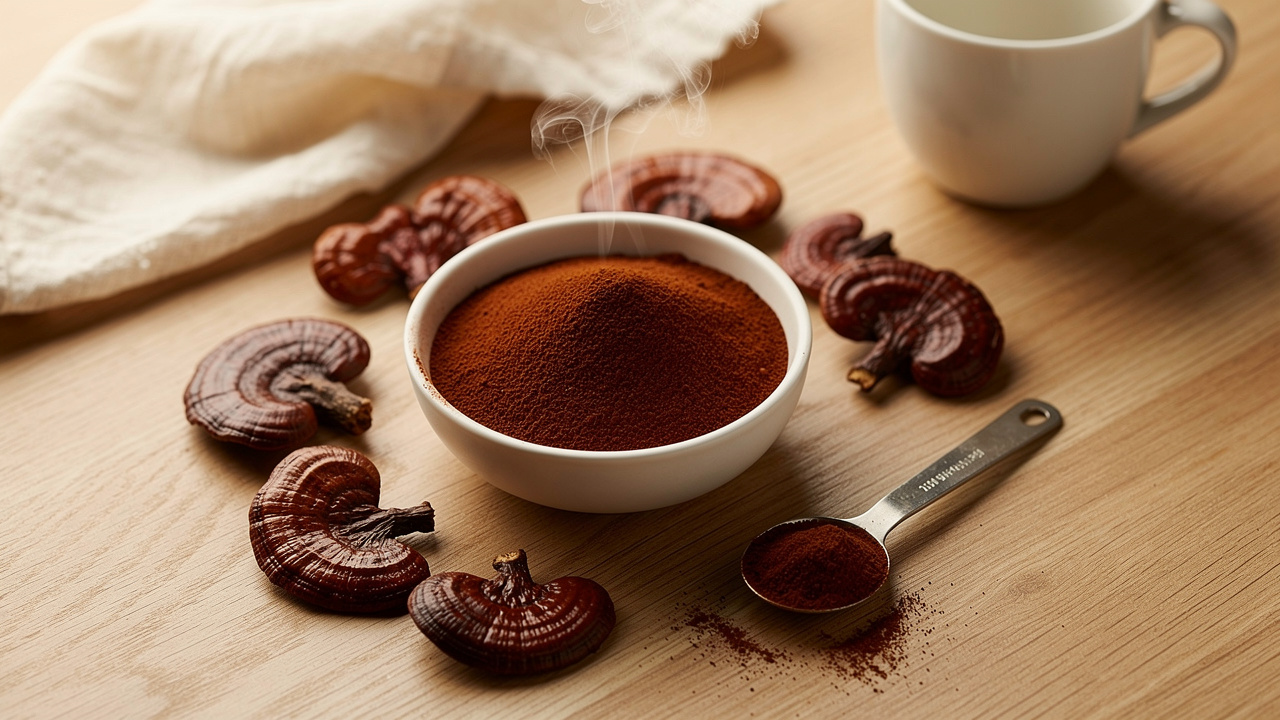
Reishi mushroom carries the scientific name Ganoderma lucidum and is known as lingzhi in Chinese medicine texts. It grows on hardwood trees in warm, humid regions across East Asia and now on carefully managed farms in other parts of the world. In classical medical writings from China and Japan, it appears as a symbol of long life and was so prized that it was often reserved for nobility.
If someone picks a mature reishi from a log, it looks beautiful but it does not eat like a gourmet mushroom. The texture is woody and dense, and the flavor is intensely bitter. That is why people rarely eat reishi as food. Instead, growers dry the fruiting body, grind it, and use water or alcohol extraction to pull out useful compounds before it becomes a powder or extract.
Reishi powder is usually made from the dried fruiting body that has been extracted and then spray‑dried into a concentrated form. This powder can be:
-
Taken straight by spoon and followed with water or tea
-
Packed into capsules for precise, no‑taste dosing
-
Stirred into drinks or recipes like coffee, smoothies, or soups
Capsules focus on convenience and exact dose, while liquid extracts can be highly concentrated and fast acting. Powder sits in the middle as the most flexible form, since it can be measured precisely and blended into almost any routine.
Performance‑minded users often prefer reishi powder because it allows fine‑tuning. A person can adjust half a gram at a time, split doses through the day, and combine reishi with coffee, protein shakes, or bedtime tonics without swallowing a handful of pills. Synchronicity Health leans into this approach with powders and blends that start from high‑grade, carefully tested fruiting bodies, then match them with other adaptogens or NAD⁺ support to fit specific goals.
The Science Behind Reishi: Key Bioactive Compounds
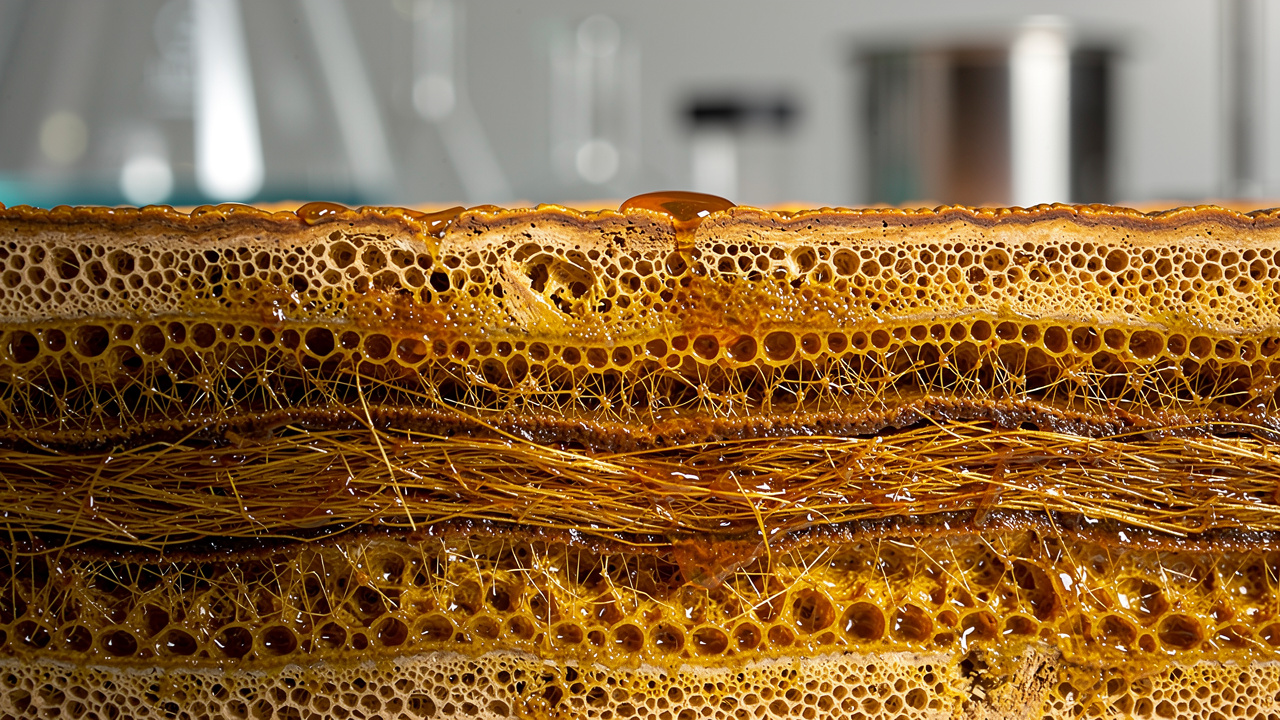
Reishi is not one single chemical. It is a dense mix of complex carbohydrates, terpenes, proteins, and other molecules that act on different parts of human biology. Researchers group the most important compounds in reishi mushroom into three main families that show up again and again in study results.
Together, these compounds shape how the immune system behaves, how cells handle oxidative stress, and how tissues respond to inflammation. Understanding them in simple terms makes it easier to see why the same powder can help with immunity, stress, and aging all at once.
“Think of reishi as a multi‑ingredient formula that nature built into a single mushroom.” — Common explanation from herbal practitioners
Polysaccharides and Beta-Glucans
Polysaccharides are long chains of sugar molecules, and beta‑glucans are a special type of polysaccharide that reishi carries in high amounts. These chains do not act like table sugar in the body, because they are not used for quick energy. Instead, they interact with receptors on the surface of immune cells, almost like keys that tap on a control panel.
When beta‑glucans from reishi powder touch these receptors, they can change how white blood cells behave and what genes they express. Studies show changes in T lymphocytes, macrophages, and natural killer cells, all of which patrol for infections and abnormal cells. The important point is balance, since the immune response can rise when needed and calm down when the threat passes.
Researchers often use the word modulation for this pattern. Rather than just pushing immune activity higher and higher, reishi seems to guide the system toward a more appropriate response. For long‑term use, that is generally safer than constant stimulation, especially for people who want steady resilience without burning out their defenses.
Triterpenoids and Ganoderic Acids
Triterpenoids are another major family of compounds in reishi, and more than four hundred different triterpenoids have been identified in this mushroom. Many of them are grouped under the name ganoderic acids, and they give reishi its strong bitter taste. That bitterness is often a clue that a reishi product is rich in these bioactive molecules.
These compounds interact with many pathways tied to inflammation, allergy, and cardiovascular function. Some ganoderic acids reduce histamine release, which can calm allergic responses and support easier breathing. Others influence enzymes tied to blood pressure, cholesterol production, and how the liver processes toxins, which links reishi powder with heart and liver support in modern research.
Triterpenoids also show interesting effects in cancer models, including cell‑cycle arrest and programmed death of cancer cells in test tubes. Because many of them dissolve better in alcohol than in water, high quality products use both hot water and alcohol extraction to pull out these bitter compounds. That is why dual‑extracted powders tend to deliver stronger results than plain ground mushroom.
Peptidoglycans and Additional Compounds
Peptidoglycans are structures made from sugars and amino acids that form part of the mushroom cell wall. In reishi, they also appear to influence immune activity, adding another layer to its modulatory effects. These molecules may support communication between different branches of the immune system, especially in the gut.
Reishi powder also carries ergosterol, which is a natural precursor for vitamin D, along with various antioxidant molecules. Some extracts show activity related to enzymes such as superoxide dismutase and catalase, which help neutralize free radicals. Nucleosides and nucleotides found in reishi feed into cellular energy pathways and may support mitochondrial health.
Because these compounds act together rather than in isolation, whole‑spectrum extracts generally work better than single isolated molecules. Dual extraction with hot water and alcohol is the best way to capture both water‑soluble polysaccharides and alcohol‑soluble triterpenoids along with these supporting compounds. Synchronicity Health builds its reishi‑based formulas on that full‑spectrum idea, aiming for broad, coordinated effects instead of chasing one molecule at a time.
Top 10 Evidence-Based Reishi Powder Benefits
Reishi mushroom has a long record in traditional medicine, but modern interest comes from a growing body of lab, animal, and human research. Many of these studies are small or focused on people with specific health issues, yet patterns show up often enough to give reishi powder a solid scientific base. The following ten benefits cover what is best supported to date, where the evidence is strongest, and how each point matters for real‑life performance and longevity.
1. Immune System Modulation and Enhancement
Immune support is the best‑studied area for reishi. Beta‑glucans and other polysaccharides in reishi powder bind to receptors on white blood cells and change how those cells behave. Researchers see shifts in gene expression, more active natural killer cells, and better‑coordinated T cell responses in both lab and clinical settings.
A review from 2016 found that reishi supplements improved white blood cell activity in cancer patients who were going through treatment. For healthy people, that kind of modulation likely shows up as fewer seasonal infections and faster bounce back when illness hits. For athletes, frequent travelers, and busy professionals, reishi powder can act as a daily base layer that keeps defenses ready without overstimulating them. Synchronicity Health pairs reishi with other immune‑focused compounds to build that kind of steady resilience.
2. Anti-Cancer Properties and Oncology Support
Reishi is not a stand‑in for chemotherapy or radiation, and it should never replace those treatments. That said, it has been used alongside standard care in Japan and China for more than thirty years, especially for cancers of the lung, breast, and digestive tract. In test tube and animal studies, reishi extracts and spore oil can trigger apoptosis in cancer cells and slow the formation of new blood vessels that feed tumors.
Human data is more modest but still notable. The 2016 review mentioned earlier reported better quality of life, stronger immune markers, and less fatigue in patients who used reishi with conventional care. Many oncologists in Asia allow or even encourage this kind of use, though careful medical supervision is essential. For anyone considering reishi powder during cancer treatment, conversation with a treating physician is non‑negotiable, and products need to come from clean, well‑tested sources.
3. Stress Reduction and Adaptogenic Support

Reishi is widely described as an adaptogen, meaning it helps the body adapt to physical and mental stress. Rather than sedating the brain, it seems to smooth how the hypothalamic‑pituitary‑adrenal (HPA) axis responds to stressful events. That can show up as fewer spikes in cortisol, less anxiety, and a steadier mood across the day.
A recent study in cancer patients found that reishi products reduced feelings of anxiety and emotional distress along with fatigue. Many healthy users report something similar, often describing reishi as a mushroom that takes the edge off without affecting focus. For executives, entrepreneurs, and high performers who run from meeting to workout to family time, this kind of calm focus is far more useful than heavy sedatives. Stacking reishi with NAD⁺ nasal sprays from Synchronicity Health can support both stress resilience and the cellular energy needed to stay sharp.
4. Sleep Quality Optimization and Recovery

Unlike melatonin, reishi does not knock people out or shift the clock in a big way. Instead, it seems to support the parts of the nervous system that promote relaxation and healthy sleep architecture. Some animal work points to gentle support of GABA pathways, which help the brain downshift at night.
People who use reishi powder in the evening often report falling asleep more easily and waking up feeling more restored. That can translate into more time in deep and rapid eye movement sleep, the stages linked with physical repair and memory consolidation. When combined with good sleep habits and co‑nutrients such as magnesium or L‑theanine, reishi becomes a cornerstone of a recovery stack. Athletes who use it often notice better muscle repair and less soreness after hard training or games.
5. Anti-Aging and Longevity Support
The mushroom of immortality nickname fits well with modern aging science. Reishi powder touches many pathways that biologists watch when they study lifespan and healthspan. Antioxidant effects help limit oxidative stress, which can damage DNA, proteins, and cell membranes over time. Triterpenoids and polysaccharides also calm chronic low‑grade inflammation, another driver of aging.
Early research hints at support for mitochondrial function and possibly for telomere stability, though those areas need more human trials. Reishi may also support autophagy, a form of cellular housekeeping that clears damaged parts before they build up. For longevity‑focused users, this makes reishi a smart base in a daily stack that also includes NAD⁺ boosters, fasting protocols, resistance training, and sleep tracking. Synchronicity Health designs stacks with this multi‑pathway view of healthy aging.
6. Cardiovascular Health and Blood Pressure Support
Traditional doctors in Asia often used reishi for people with heart complaints or high blood pressure, and modern data explains why. Triterpenoids in reishi powder may influence enzymes that regulate blood pressure and support better production of nitric oxide, which relaxes blood vessels. Some studies show modest reductions in systolic and diastolic pressures, especially in people with elevated readings.
Reishi also appears to influence cholesterol and triglycerides. Animal studies and small human trials report lower total cholesterol and triglycerides with higher HDL, the so‑called good cholesterol. Results are mixed in healthy volunteers, so responses seem to vary by person, dose, and extract quality. Because reishi can thin the blood slightly and may lower pressure, anyone already on heart or blood pressure drugs should add it only under medical guidance.
7. Cognitive Function and Neuroprotection
Reishi is not a classic stimulator of focus like caffeine or some nootropics. Its brain effects are more indirect yet still important for clear thinking. By reducing stress and smoothing the sleep cycle, reishi powder sets the stage for better attention, memory, and creativity during the day. Less background inflammation also helps the brain function at a higher level.
Some lab studies suggest that compounds in reishi may support neurotrophic factors and protect nerve cells from oxidative damage. That has sparked interest in its potential role in long‑term brain health and in slowing age‑related decline, although human data is still early. Many people pair reishi with Lion’s Mane, which focuses more directly on nerve growth factors, and with Cordyceps for clean energy. Synchronicity Health uses this combined approach in its Forage Adaptogenic Mushroom Blend, designed for people who need sharp minds without harsh stimulants.
8. Liver Function and Detoxification Support
In older medical systems, reishi was a standard tool for liver support, used in hepatitis and other liver diseases. Animal work backs this up, showing less liver damage and better enzyme patterns when reishi extracts are given during toxin exposure. The mushroom appears to support glutathione production and several liver enzymes that process both internal waste and external chemicals.
However, there have also been rare case reports linking reishi products with liver injury in humans. It is hard to know whether the mushroom itself or contaminants were to blame in those cases, but they remind users to take quality and dose seriously. People with known liver disease should talk with their specialists before starting any reishi powder. For healthy users, periodic liver enzyme checks make sense when using high doses for long periods, and third‑party tested products, such as those from Synchronicity Health, help lower risk from hidden toxins.
9. Blood Sugar Regulation and Metabolic Health
Several animal studies show that reishi extracts can lower fasting glucose, improve insulin sensitivity, and slow the absorption of carbohydrates by blocking enzymes in the gut. These findings point to possible support for people at risk of diabetes or metabolic syndrome. Some small human studies suggest benefit, while a 2016 trial in people with type 2 diabetes found no significant change in hemoglobin A1c levels.
This mixed picture suggests that reishi powder may help some people more than others and that extract quality and dose matter a lot. It is better viewed as a supportive tool alongside diet, movement, and sleep, not as a stand‑alone fix. Anyone on blood sugar medication should monitor readings more closely when adding reishi, since there is at least a chance of lower glucose. In a broader metabolic stack, reishi pairs well with nutrients like chromium and botanicals such as berberine.
10. Athletic Performance and Exercise Recovery
For athletes and dedicated gym‑goers, reishi offers a quieter kind of performance help. A recent review highlighted research showing that reishi polysaccharides can reduce post‑exercise fatigue and soreness. Possible mechanisms include faster clearance of lactate, lower inflammation in muscle tissue, and better overnight recovery thanks to deeper sleep.
Some endurance athletes report that reishi powder helps them maintain a steady pace and recover faster between hard sessions. When stacked with Cordyceps, which supports oxygen use and ATP production, the combination can support both output and repair. Soccer player Alicia Williams, for example, has spoken about using a daily mushroom blend with reishi to feel fresher after matches. Synchronicity Health bakes this kind of thinking into its Forage Adaptogenic Mushroom Blend, which supports training blocks without relying on pain pills or heavy stimulants.
How to Choose High-Quality Reishi Powder: What to Look For
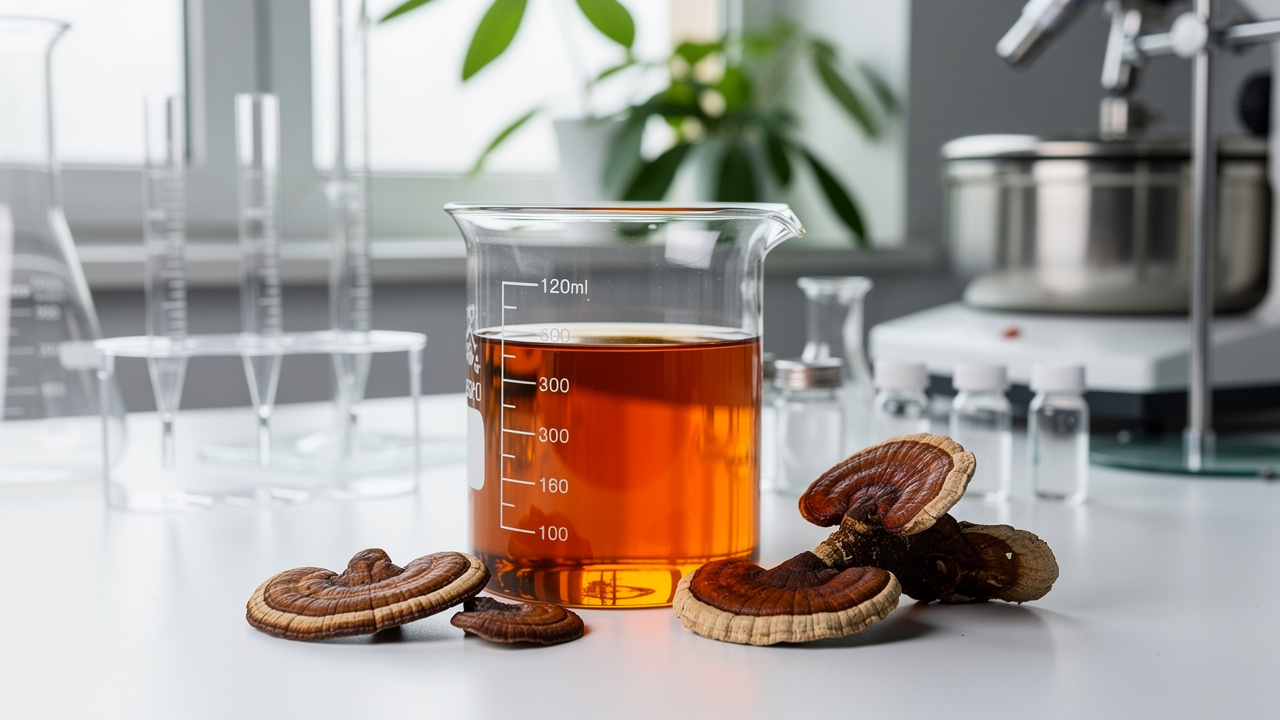
Not all reishi powders deliver the same impact, even if the labels look similar. Differences in which part of the mushroom is used, how it is extracted, and how it is tested can change the levels of active compounds by a wide margin. Since mushrooms also absorb whatever is in their environment, from heavy metals to pesticides, quality control is a safety issue as well as a performance one.
“With medicinal mushrooms, you are buying the growing conditions as much as the species.” — Common saying among mycologists
By understanding a few key markers, it becomes much easier to pick a product that actually matches the studies and not just the marketing story. Synchronicity Health builds its reishi line around these markers, so its powders and blends line up with what clinicians and serious users expect.
Fruiting Body vs. Mycelium on Grain
The fruiting body is the visible part of the reishi mushroom that grows from the wood and forms the classic red cap. This is the part used in almost all traditional formulas and in most modern research, because it carries high levels of beta‑glucans and triterpenoids. Mycelium, in contrast, is the root‑like network that grows through wood or grain before a mushroom appears.
Many low‑cost products grow mycelium on rice or oats, then grind the mix and sell it as mushroom powder. That often means a high percentage of starch and far fewer active compounds. Labels that clearly say fruiting body give more confidence, especially when paired with stated beta‑glucan levels. Synchronicity Health uses only fruiting bodies for its reishi‑based powders and confirms composition with outside labs, which is one reason these products cost more than grain‑based options.
Extraction Methods and Bioavailability
Simply drying and grinding reishi into a raw powder leaves much of its value locked inside tough cell walls made of chitin. Humans do not digest chitin well, so extraction becomes vital for real bioavailability. Hot water extraction pulls out polysaccharides and beta‑glucans, while alcohol extraction pulls out triterpenoids and other fat‑soluble compounds.
Dual‑extracted products use both methods so that the final reishi powder carries a broad range of active molecules. Labels often include a ratio such as 10:1, meaning ten parts raw mushroom were used for one part extract. The higher the ratio, the more concentrated the extract, as long as proper methods were used. Synchronicity Health relies on dual extraction for its reishi, which allows lower daily gram amounts with stronger physiological effects.
Third-Party Testing and Certifications
Because supplements do not go through the same pre‑market checks as drugs, third‑party testing is the main way to add real oversight. Serious brands send reishi powder batches to independent labs to screen for heavy metals such as lead, arsenic, and cadmium, as well as for microbes like bacteria and mold. They also measure active compounds, especially beta‑glucans and sometimes triterpenoids, to verify that the product matches the label.
Some companies also test for pesticide residues and common allergens. Customers can usually request or download a Certificate of Analysis, which shows these results in clear numbers. Lack of any testing data or refusal to share it is a red flag. Synchronicity Health posts or provides detailed lab reports and maintains standards such as Good Manufacturing Practices, organic sourcing when possible, and non‑GMO ingredients.
Sourcing and Origin Transparency
Most reishi is still grown in Asia, often on hardwood logs in clean mountain areas. Some is wild‑harvested, while much is cultivated under controlled conditions, which helps with consistency and purity. Because mushrooms draw in whatever is in their soil, water, and air, farms need to follow strict organic methods and avoid polluted regions.
Good brands state where their reishi comes from and sometimes even which farms they work with. This kind of transparency makes it easier to trust that the reishi powder in a daily stack is helping rather than adding hidden toxins.
Optimal Reishi Powder Dosage: Evidence-Based Guidelines
There is no single perfect dose of reishi that fits everyone, because products vary in strength and people differ in body size, health status, and goals. Most clinical work uses ranges that match between one and nine grams of dried mushroom per day or smaller amounts of concentrated extract. For practical use, that usually lands between 500 and 3,000 mg of extract daily for most healthy adults.
A thoughtful plan is to start low, stay steady for several weeks, and make adjustments based on sleep, stress, digestion, and lab markers if available. Synchronicity Health bases its dosing guidance on the same research that informs physician practice, then tests blends to see how real users respond.
Standard Dosage Ranges by Extract Type
Approximate daily amounts often look like this:
|
Form |
Typical Strength |
Common Daily Range (Adults) |
|---|---|---|
|
Raw reishi powder |
Non‑extracted |
5–10 g |
|
Hot‑water extract (e.g., 10:1) |
Concentrated polysaccharides |
500–1,500 mg |
|
Dual‑extracted powder |
Water + alcohol extract |
500–1,000 mg for general support |
|
Liquid tincture |
Varies by brand |
~1–2 ml, 1–3× per day |
Raw reishi powder that has not been extracted tends to be less potent per gram, so people often use larger amounts, yet bioavailability is still limited by chitin in the cell walls. Extracted powders are more concentrated. Dual‑extracted powders, which pull both water‑ and alcohol‑soluble compounds, can be effective between 500 and 1,000 mg daily for general health.
Synchronicity Health typically recommends a band of 500–3,000 mg of extract across the day, adjusting for individual response. More is not always better, since many botanical compounds follow a curve where moderate doses work best.
Dosing Strategies for Specific Goals
Different goals often call for different timing and amounts:
-
Immune support:
1–2 g of dual‑extracted reishi powder daily, often for several months during higher‑risk seasons or travel. -
Sleep support:
1–2 g in the evening, about 1–2 hours before bed, ideally with a small amount of fat (such as nut butter) to help absorption of fat‑soluble compounds. -
Stress management:
Split dosing works well. Half the daily amount in the morning can smooth the workday, while the other half in the evening supports unwinding without alcohol or strong sedatives. -
Athletic recovery:
Around 2–3 g after training or with a nighttime shake, often combined with protein and carbohydrates for muscle repair. -
Oncology and intensive protocols:
Some clinical protocols use higher doses such as 3–5 g under medical supervision. This should always be guided by a clinician familiar with both oncology and herbal medicine.
Longevity‑focused users typically fold 1–2 g into a larger stack that includes NAD⁺ boosters and other healthy aging tools.
Individual Factors Affecting Dosage
Personal biology shapes how reishi powder feels and how much is useful. Larger bodies often need higher doses than smaller ones, and older adults may benefit from the upper half of usual ranges if digestion and liver function are solid. People with chronic conditions, on multiple medications, or with sensitive digestion may need to start at very low doses, even a few hundred milligrams, and climb slowly.
Keeping a simple log of sleep quality, energy, mood, and digestion for two to four weeks can reveal whether a chosen dose is helping. Any signs of side effects, odd lab changes, or interactions with medications are reasons to pause and talk with a clinician. With that level of attention, most people can find a personal sweet spot that supports goals without stressing the system.
How to Use Reishi Powder: Practical Preparation Methods
Reishi powder is famous for two things. The benefits can be wide‑ranging, and the taste can be very bitter. The good news is that bitterness does not have to be a problem when the powder is mixed wisely. With a few tricks, reishi can slide into drinks and recipes that people actually look forward to.
The best method is the one that fits daily life. Some prefer a quick scoop in morning coffee. Others enjoy a slow evening ritual drink that doubles as a sleep primer. The ideas below help cover both ends of the day.
Beverages and Drinks
Many people first meet reishi powder through mushroom coffee. The roasted flavor of coffee pairs well with the earthy bitterness of reishi, and a scoop stirred into brewed coffee or added to grounds before brewing works well. This method fits busy mornings and lets users pair reishi with other add‑ons such as collagen or MCT oil.
Other popular drink ideas include:
-
Hot chocolate or cacao drinks – Dark chocolate is naturally bitter and blends with reishi almost seamlessly. A simple mix with cacao powder, reishi, coconut or oat milk, a pinch of cinnamon, and a touch of honey can feel like dessert while helping the nervous system unwind.
-
Spiced teas and chai – Ginger, cardamom, and cloves have strong flavors that cover reishi’s bitterness. Stirring powder into chai or other spiced teas is a reliable approach.
-
Smoothies and protein shakes – Fruits and flavored protein powders (vanilla or chocolate) hide reishi well, especially with bananas or berries in the blend.
-
Golden milk‑style lattes – Turmeric, ginger, and black pepper in warm milk with reishi powder bring anti‑inflammatory spices together with the mushroom in one cup.
Some people even stir reishi powder into bone broth or vegetable broth, where its umami notes feel at home and the drink doubles as a light snack.
Foods and Recipes
For those who prefer to eat rather than drink supplements, reishi powder can slide into several foods:
-
Hot oatmeal or other porridge with cinnamon, nuts, and maple syrup
-
Soups and stews, especially miso soup or other brothy dishes
-
Homemade energy balls made from dates, nuts, cacao, and coconut oil
-
Salad dressings with sesame and ginger
-
Nut butters spread on toast
-
Dark chocolate bars or bark with a modest amount of powder mixed in
These options turn each bite into a functional snack for work or travel without adding much preparation time.
Tips for Masking Bitterness
Certain flavor partners make reishi far more pleasant:
-
Strong, naturally bitter foods such as coffee and cacao blend best with reishi.
-
Sweet or creamy additions (coconut milk, cream, nut butters) soften sharp notes.
-
Natural sweeteners like honey, maple syrup, or dates help balance flavor when used in moderation.
-
Warming spices such as cinnamon, nutmeg, ginger, and cardamom add complexity and distract the tongue.
It is also wise to start with small amounts of reishi powder and build up as taste buds adapt, since many people find the flavor less intense after a few weeks of steady use.
Reishi Powder Safety: Side Effects and Precautions
Most healthy adults tolerate reishi powder well, especially when using moderate doses from high quality sources. Still, this mushroom is pharmacologically active, and that means both benefits and risks. Knowing the common and rare side effects helps people respond quickly if something feels off.
It is also important to remember that this article offers general information, not personal medical advice. Anyone with a medical diagnosis or on prescription drugs should bring reishi plans to a healthcare professional before starting.
“Natural does not always mean harmless; dose and context still matter.” — Standard reminder in integrative medicine
Common Side Effects
The most frequent complaints with reishi powder involve digestion. Some people notice:
-
Stomach upset or nausea
-
Loose stools or mild cramping
-
A sense of fullness if doses are large
A study in women with fibromyalgia reported these kinds of gastrointestinal issues in part of the group, usually early in supplementation.
Another cluster of symptoms looks more like a mild allergy. Dryness of the mouth, throat, or nasal passages can arise in sensitive individuals and may be accompanied by itchiness or a light rash. Occasional users report dizziness or headaches, which usually fade when the dose drops or the product stops. Very rarely, nosebleeds or dark stools appear, likely tied to the blood‑thinning action of reishi.
Starting low, taking powder with food, staying hydrated, and choosing clean, tested products all lower the odds of these problems. Any symptom that persists or worsens is a sign to stop and check in with a clinician.
Serious Safety Concerns
The main serious concern with reishi is potential liver toxicity, which has appeared in a few case reports. In those cases, people taking reishi supplements developed elevated liver enzymes and in some instances signs of hepatitis. Often they were taking other herbs or medications at the same time, so it is hard to assign full blame to reishi, but the pattern is enough to warrant caution.
At the same time, an older controlled study in healthy adults found no harm to liver or kidney markers after four weeks of reishi extract. The risk seems higher with very high doses, long use, and possibly with products that contain contaminants. People who choose to use reishi powder for months at a time may want baseline and follow‑up liver blood tests, especially if they also drink alcohol or use other hepatotoxic drugs.
Reishi may also raise bleeding risk and lower blood pressure, which can be dangerous for some groups.
Who Should Avoid Reishi
Certain groups are better off skipping reishi mushroom altogether unless a specialist gives clear approval:
-
Pregnant and breastfeeding women (limited safety data)
-
People with diagnosed bleeding disorders or very low platelet counts
-
Individuals with low baseline blood pressure
-
Those with autoimmune diseases such as lupus, rheumatoid arthritis, or multiple sclerosis
-
Anyone with known liver or kidney disease
-
Children, due to lack of research
-
People scheduled for surgery (usually advised to stop reishi at least two weeks before)
-
Organ transplant recipients or others on strong immunosuppressant drugs
For these groups, reishi should only be considered if the medical team directly recommends it.
Drug and Supplement Interactions to Consider
Because reishi powder acts on blood clotting, immune activity, blood pressure, and blood sugar, it can interact with many common medications and supplements. These interactions are not always dangerous, but they can change how drugs work or increase side effect risks. This is one of the biggest reasons to involve a healthcare professional when adding reishi to an existing treatment plan.
Understanding the main categories of concern helps guide smart questions during those conversations and supports safer long‑term use.
Medications That May Interact
Key drug classes to review with a clinician include:
-
Blood thinners and antiplatelet drugs
Reishi may reduce platelet clumping and slow clot formation. When combined with warfarin, heparin, clopidogrel, or even daily aspirin, the chance of bruising, nosebleeds, and internal bleeding can rise. People on warfarin who still choose to use reishi should have closer monitoring of clotting tests. -
Blood pressure medications
If reishi powder nudges pressure downward while a beta blocker, ACE inhibitor, calcium channel blocker, or diuretic is doing the same, the result can be dizziness, weakness, or fainting. Regular home blood pressure checks are wise in this situation. -
Diabetes medications
Reishi can sometimes lower blood sugar. Insulin, metformin, sulfonylureas, and other agents may then push glucose too low, especially in someone who also changes diet or exercise. Extra monitoring at the start is important. -
Immune‑suppressing drugs
Medications such as corticosteroids, cyclosporine, and tacrolimus could in theory be less effective if reishi stimulates immune activity. This is particularly serious for transplant recipients. -
Chemotherapy and oncology drugs
People on chemotherapy should only add reishi after direct discussion with their oncologist. Some cancer centers use it, and others prefer to avoid potential changes in drug metabolism or immune response.
Supplements That May Interact
Several common supplements share overlapping effects with reishi and can add to risk when taken together:
-
Blood‑thinning supplements – Ginkgo, garlic, ginger, turmeric at high doses, fish oil, and vitamin E can increase bleeding tendency when combined with reishi powder. People who use more than one of these agents may need to lower doses and watch for easy bruising or frequent nosebleeds.
-
Blood pressure–lowering supplements – CoQ10, hawthorn, omega‑3 fatty acids, and magnesium can add up with reishi and prescription drugs to produce lightheadedness or fainting.
-
Other adaptogens and mushrooms – Ashwagandha, rhodiola, holy basil, Cordyceps, and Lion’s Mane generally combine well with reishi, which is why blends such as Synchronicity Health’s Forage line use them together in careful ratios.
-
Strong stimulants – High doses of caffeine or aggressive pre‑workout products do not have a known direct interaction but may dull reishi’s calming feel if taken at the same time.
A simple rule is to introduce one new supplement at a time and watch for two or three weeks before adding another, so that any new symptom has a clear potential cause.
Reishi Powder Vs Other Forms: Comparing Consumption Methods
Reishi comes in several formats, and each fits different lifestyles and preferences. Powder is popular with people who like custom stacks, while capsules and tinctures appeal to those who want simplicity. Whole dried mushrooms and teas stay closest to tradition but demand more time and effort.
Understanding the trade‑offs helps match the form to the person rather than the other way around. That way, reishi becomes a steady part of daily life instead of another supplement that sits in a cupboard.
Reishi Powder Pros and Cons
Pros:
-
Flexible dosing, adjustable by fractions of a gram
-
Easy to mix into drinks, smoothies, soups, and recipes
-
Often the best cost per effective gram
-
Can be combined with fats for better absorption of fat‑soluble compounds
Cons:
-
Strong bitter taste for people not used to it
-
Requires mixing and measuring
-
Less convenient during travel unless pre‑portioned
Capsules and Tablets
Capsules offer the cleanest, fastest way to take reishi with no flavor issues at all. They come in fixed doses, so there is no need to measure, and a few capsules can ride along in a pocket or bag for later. Many busy professionals and frequent travelers prefer this form for that reason.
On the other hand, capsules make it harder to fine‑tune dosing, because each one has a set amount of extract. They must also dissolve in the digestive tract before absorption can begin, which may be slower than powder stirred into a drink. Some capsules contain fillers, flow agents, or gelatin shells that not everyone wants. Capsule‑based reishi is often more expensive per gram than reishi powder as well.
Liquid Extracts and Tinctures
Liquid extracts and tinctures pack a lot of reishi into a small volume. Droppers make it easy to adjust dose and to take the extract directly in the mouth or in a small splash of water. When held briefly under the tongue, some users report faster effects, which makes this format attractive for targeted evening relaxation.
The flavor of concentrated liquid reishi can be very intense, often more so than powder. Many tinctures also use alcohol as a solvent, which some people avoid for personal, health, or religious reasons. Cost per serving tends to run higher than both powder and capsules. Liquids are also less flexible for cooking or baking compared with dry powder.
Whole Dried Mushrooms and Teas
Whole dried reishi slices or chunks look beautiful and fit well into slow, ritual tea making. Simmering the slices for an hour or two extracts many water‑soluble compounds and connects users with the way this mushroom was used for centuries. Some people enjoy the mindful process as part of their wellness practice.
From a practical angle, this form is the hardest to manage. Long simmer times are not realistic for most daily schedules, and it is almost impossible to know exactly how many milligrams of active compounds end up in each cup. Without alcohol extraction, triterpenoids may remain locked in the tough tissue as well. For these reasons, powders and extracts are usually a better match for modern routines, with whole mushrooms reserved for occasional traditional use.
Maximizing Results: Reishi Powder Stacking Strategies
Reishi powder is powerful on its own, yet its real strength often appears when it is combined thoughtfully with other nutrients and compounds. Smart stacking lets different tools cover different parts of the same goal, such as immune resilience, stress control, or healthy aging. This is the same mindset that guides Synchronicity Health, where reishi sits beside NAD⁺ boosters, other mushrooms, and targeted micronutrients.
The key is to stack with intention instead of throwing everything together. The examples below outline clear combinations for specific aims and show where Synchronicity Health products can fit into a broader personal protocol.
Stacking for Immune Resilience
For year‑round immune strength, reishi works well with several allies. One proven partner is Turkey Tail mushroom, which brings its own powerful beta‑glucans and compounds that support gut‑associated immune tissue. Vitamin D3 belongs in almost every immune plan, since it directly influences how immune genes switch on and off, and zinc plays a central role in white blood cell function and the integrity of barrier tissues.
A solid daily protocol often uses:
-
1–2 g of reishi extract
-
1–2 g of Turkey Tail
-
4,000–5,000 IU of vitamin D3 (adjusted based on lab work)
-
15–30 mg of zinc with food
Synchronicity Health includes reishi and other immune‑focused mushrooms in blends that already balance these components, which makes it easier to follow such a plan through busy seasons without juggling many separate jars.
Stacking for Stress, Sleep, and Longevity
Reishi also fits smoothly into stacks built for stress control, deep sleep, and long‑term cellular health.
-
Daytime stress resilience:
Many users mix reishi powder with ashwagandha or rhodiola. Reishi steadies the immune and inflammatory side of the stress response, while those herbs work more directly on the HPA axis. When combined with magnesium glycinate and omega‑3 fats, this stack supports calm focus during work without dulling mental performance. -
Evening sleep and recovery:
Reishi taken 1–2 hours before bed pairs well with L‑theanine, magnesium, and a small amount of glycine or collagen. Together they calm the nervous system, relax muscles, and feed tissues for repair. People who track sleep stages on wearables often report more deep sleep after building this kind of routine for a few weeks. -
Longevity and high‑performance aging:
For long‑term cell support, reishi belongs beside NAD⁺‑boosting strategies. NAD⁺ nasal sprays from Synchronicity Health deliver fast, high‑level support for cellular energy production without the time and cost of IV therapy clinics. Reishi then supports mitochondrial resilience, keeps inflammation in check, and supports immune surveillance for damaged cells. Adding a high quality multinutrient, regular strength training, and habits such as time‑restricted eating turns this combination into a strong, physician‑guided protocol for people who take performance and healthspan seriously.
Conclusion
Reishi mushroom earned its mushroom of immortality title long before anyone could name beta‑glucans or triterpenoids. Modern science has not turned that legend into a miracle cure, yet it has confirmed that reishi powder touches many systems that matter for daily performance and long‑term health. Immune modulation, calmer stress responses, deeper sleep, antioxidant support, and better recovery all trace back to the compounds in this one fungus.
At the same time, not every reishi product deserves a place in a serious stack. Using the fruiting body instead of mycelium on grain, applying dual extraction, and demanding third‑party testing for both purity and active compounds separates research‑grade powders from the rest. Dosing within studied ranges and respecting possible side effects and interactions turns this from a gamble into an informed choice.
Synchronicity Health builds on these principles with physician‑formulated, pharmaceutical‑grade products that combine reishi with other high‑impact tools such as NAD⁺ nasal sprays and adaptogenic blends. That design lets health‑conscious adults gain many of the benefits once reserved for long, expensive IV sessions in clinics, but with far more convenience and control. With the information in this guide, reishi powder can move from a vague buzzword to a clear, evidence‑based part of a personalized plan for longevity, resilience, and performance.
FAQs
Can I Take Reishi Powder Every Day?
Most healthy adults can take reishi powder daily, as long as the dose is reasonable and the product is high quality. Many of the benefits described in studies, such as immune modulation and support for sleep, show up only after weeks of steady use. Daily intake between 500 and 1,500 mg of dual‑extracted powder is common for general wellness. People using higher amounts or with medical conditions should check in with a clinician and may benefit from periodic breaks and lab monitoring.
How Long Does It Take to Feel the Effects of Reishi Powder?
Some effects appear quickly, while others build slowly. Many users notice calmer mood or easier sleep within one to two weeks, especially when they take reishi powder in the evening as part of a wind‑down routine. Immune‑related changes, aging‑related effects, and shifts in cholesterol or inflammatory markers usually take longer, often several months of consistent use. Tracking sleep, energy, and how often illnesses occur can help reveal changes that are easy to miss day by day.
Is Reishi Powder Safe to Combine With Coffee or Other Stimulants?
For most people, reishi powder mixes safely with moderate amounts of coffee or tea. Mushroom coffee blends that pair reishi with coffee are very popular because they may smooth jitters and provide a more stable sense of focus. People who are very sensitive to stimulants can still notice that strong caffeine partly cancels the calm feeling from reishi. A simple approach is to keep stimulants to the first half of the day and use reishi with little or no caffeine in the afternoon or evening.
How Do I Know If My Reishi Supplement Is Working?
Clear signs include better sleep, smoother mood, and improved recovery after hard days or workouts. Some people also notice that they catch fewer colds or that mild illnesses pass more quickly. For those who like data, periodic blood work can show helpful trends in vitamin D levels, inflammatory markers, lipids, and liver enzymes when reishi is part of a broader protocol. If nothing changes after two or three months of faithful use, it may be time to review dose, extract quality, and other lifestyle factors with a knowledgeable practitioner.
Why Choose Synchronicity Health for Reishi and Longevity Stacks?
Synchronicity Health combines clinical experience with advanced supplement design. Its reishi products use fruiting body mushrooms, dual extraction, and strict third‑party testing to match what the research supports. The company also offers NAD⁺ nasal sprays and Sync Stack combinations that aim for IV‑like bioavailability without the time and cost of clinic‑based drips. For health‑conscious adults who value science, transparency, and measurable results, this kind of integrated, physician‑guided approach provides a clear path to building a reishi‑centered protocol with confidence.


Leave a comment
All comments are moderated before being published.
This site is protected by hCaptcha and the hCaptcha Privacy Policy and Terms of Service apply.