

Introduction
Think of methylated B12 as the ignition key for your cells. When that key turns smoothly, energy, focus, mood, and recovery all feel sharp. When it sticks, even high performers can feel like they are running on half power.
Many adults have “normal” B12 blood tests yet still feel tired, foggy, and off their game. That happens because standard tests do not always reflect what is happening inside cells or inside the methylation cycle. The form of B12 also matters. Synthetic cyanocobalamin is cheap and common, but the body has to convert it before it works. Methylcobalamin, often called methylated B12, is already active and ready for your nervous system and methylation pathways.
Now add another layer. Standard pills depend on stomach acid, intrinsic factor, and a healthy gut for absorption. In real life, stress, age, medications, and genetic factors often lower absorption. Nasal spray changes that equation by sending methylated B12 straight through the nasal mucosa into the bloodstream, reaching levels that start to rival injections, without needles or clinic visits.
This guide walks through why methylated B12 matters so much, how the methylation cycle controls energy and gene expression, why MTHFR gene variants change the rules, and why a methylated B12 nasal spray can be a smart move for biohackers, athletes, professionals, and anyone serious about longevity. Along the way, it highlights how Synchronicity Health’s physician-formulated Methyl B-12 Nasal Spray fits into a complete performance and anti-aging protocol.
Key Takeaways
Before diving into the details, it helps to see the big picture of methylated B12 and nasal delivery.
-
Methylcobalamin, often called methylated B12, is the active form your body can use right away. It does not need conversion steps, which is important if metabolism or genetics slow those steps. This is why many performance-focused people choose it over cyanocobalamin.
-
The methylation cycle controls gene expression, neurotransmitter production, detox pathways, and cellular energy. Methylated B12 sits in the middle of this web and helps keep these reactions moving. Poor methylation often shows up as fatigue, mood swings, and slower recovery.
-
Nasal spray delivery bypasses stomach and gut barriers and moves B12 directly into the bloodstream. That means high absorption without needles, office visits, or IV clinic costs. It fits well into tight schedules and travel routines.
-
MTHFR gene changes are common and reduce the body’s ability to activate folate. For those people, methylated B12 and methylfolate offer a more direct path into the methylation cycle. Synchronicity Health’s physician-formulated nasal spray uses this science to aim for IV-like impact with at-home convenience.
“Small molecules can have outsized effects. A single methyl group can change how a gene behaves.”
— Common teaching in nutritional biochemistry
What Is Methylated B12 And Why Does The Form Matter?
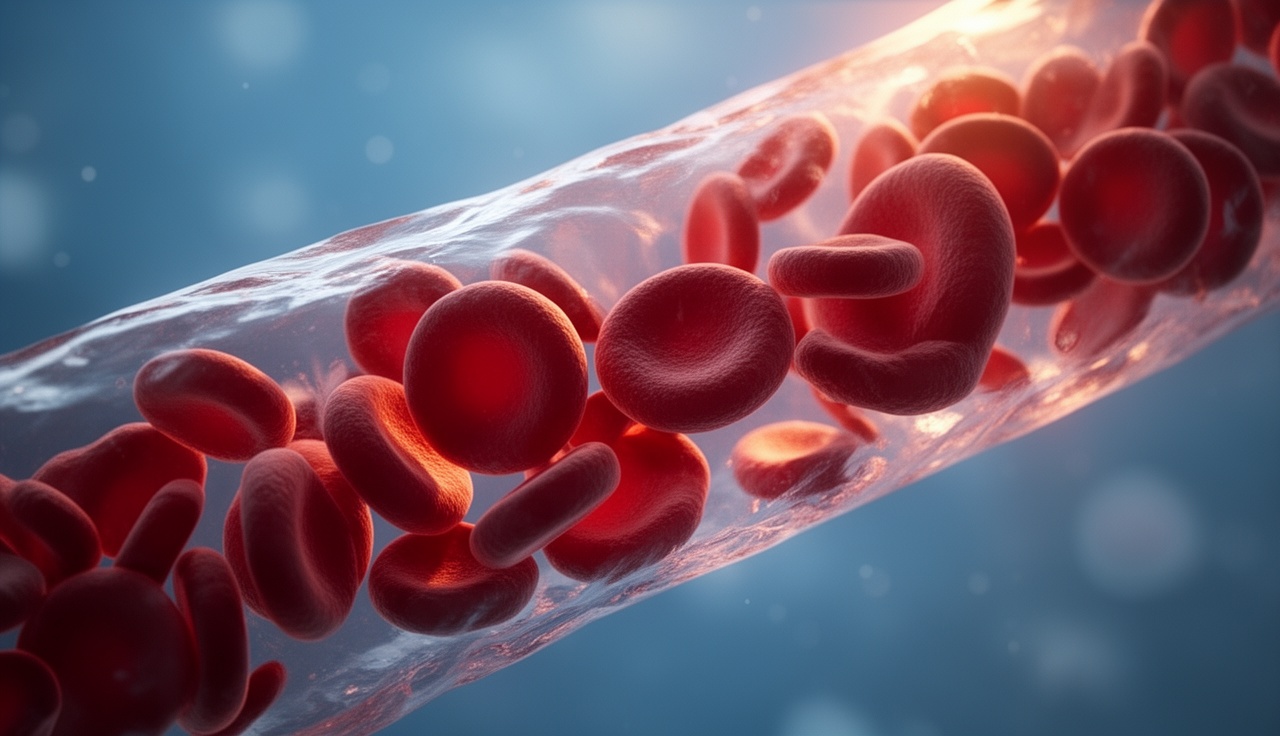
Vitamin B12, or cobalamin, is a water-soluble vitamin that the body needs for three core tasks: it supports healthy nerves, it helps build red blood cells, and it participates in DNA synthesis. Because humans cannot make B12, it has to come from animal foods or supplements, which is one reason deficiency is common in vegans, older adults, and people with gut issues.
“Vitamin B12” is not just one molecule. It is a family of related forms that share a core cobalt structure but carry different side groups. Those side groups change how the vitamin behaves in the body. The main forms used in supplements and clinics are cyanocobalamin, hydroxocobalamin, adenosylcobalamin, and methylcobalamin.
Cyanocobalamin is synthetic and very stable, which is why it shows up in many low-cost multivitamins and fortified foods. Research examining the efficacy of supplementation with methylcobalamin and cyancobalamin in maintaining serum levels has demonstrated meaningful differences in how the body processes these forms. The body has to strip off the cyanide part and then convert it into active forms. That conversion uses enzymes and energy and does not happen well in everyone. Hydroxocobalamin is a natural form often used in injections and tends to stay in the blood longer, but it still needs conversion into active coenzyme forms inside cells.
Adenosylcobalamin and methylcobalamin are the two active coenzyme forms. Adenosylcobalamin mainly works inside mitochondria, where it helps break down certain fats and amino acids for ATP production. Methylcobalamin works in the cytoplasm, where it donates methyl groups in the methylation cycle and supports the nervous system.
When people talk about methylated B12, they almost always mean methylcobalamin. It already carries a methyl group, so it can plug straight into the enzyme methionine synthase without extra preparation. For someone with genetic variants, aging cells, or sluggish metabolism, skipping those conversion steps can make a meaningful difference. This is why serious biohackers, athletes, and longevity fans often insist on methylated forms rather than standard cyanocobalamin.
The Methylation Cycle: Your Body's Master Control System

Methylation sounds abstract, but at its core it is a simple chemical action. A tiny group of atoms called a methyl group, made of one carbon and three hydrogens, attaches to another molecule. This small change often acts like an on or off switch. It can change how a gene behaves, how a neurotransmitter functions, or how a toxin gets processed.
The methylation cycle is the network of reactions that make and recycle these methyl groups. It runs in every cell, all the time. One of the central players is S-adenosylmethionine (SAMe). The body builds SAMe from the amino acid methionine. SAMe then donates its methyl group to many targets, from DNA bases to hormones. After it donates, SAMe turns into S-adenosylhomocysteine and then into homocysteine.
At that point, homocysteine sits at a metabolic fork:
-
One option converts it back to methionine so the methylation cycle can keep turning and more SAMe can form. That step depends on methylated B12 and active folate.
-
The other option sends homocysteine into the transsulfuration pathway, where it turns into cysteine and then glutathione, the body’s major antioxidant.
Folate and B12 share duties in this network. Folate, in its active 5-MTHF form, carries methyl groups. It passes a methyl group to cobalamin to form methylcobalamin. That methylated B12 then hands the group to homocysteine, which becomes methionine again. If either vitamin is low, the handoff slows and homocysteine rises.
The ripple effects reach far. Methylation status influences DNA expression patterns (epigenetics), serotonin, dopamine, and norepinephrine production, detox steps in the liver, and how cells manage oxidative stress. When methylation runs smoothly, energy, cognition, and recovery feel steady. When it bogs down, people often notice fatigue, brain fog, low mood, and higher cardiovascular risk over time.
“Biochemistry is software. If methylation stalls, the program lags.”
— Common analogy used by functional medicine clinicians
How Methylated B12 Powers The Methylation Cycle
At the center of this network sits one enzyme, methionine synthase. It performs a single reaction, but that reaction holds the cycle together. Methionine synthase takes homocysteine and turns it back into methionine. To do that, it needs two helpers: methylcobalamin and 5-MTHF.
Here is the basic flow:
-
Active folate, 5-MTHF, donates a methyl group to cobalamin and creates methylcobalamin.
-
Methionine synthase uses that methylated B12 to pass the methyl group to homocysteine.
-
Homocysteine becomes methionine.
-
Methionine then forms SAMe, the universal methyl donor, and the cycle continues.
If methylated B12 is missing or too low, this enzyme slows down. Homocysteine starts to pile up. Methionine and SAMe levels drop. With less SAMe, DNA methylation, neurotransmitter production, and detox reactions all suffer. This is why people can have “normal” serum B12 but still show high homocysteine or methylmalonic acid and feel unwell.
When methyl B12 supplementation is present in good amounts, that conversion step runs more smoothly. Homocysteine stays in a healthy range, SAMe supply stays steady, and downstream processes have the methyl groups they need. Methylated B12 and methylfolate work best as a duo. Both active forms need to show up together if the methylation cycle is going to run at a high level.
The MTHFR Gene Mutation: Why Methylated B12 Is Non-Negotiable For Millions
The MTHFR gene gives instructions for making the enzyme methylenetetrahydrofolate reductase. This enzyme is responsible for the final step that turns folate into its active form, 5-MTHF. That active folate is exactly what passes methyl groups to B12 in the methylation cycle.
Common variants in this gene, mainly C677T and A1298C, change how well the enzyme works. Many people carry one copy of a variant. Some carry two copies. In the homozygous state for C677T, enzyme activity can fall to around one third of normal. That means the body has far less active folate to feed into methylation.
When MTHFR function drops, the whole system feels it. Less 5-MTHF means less methyl supply for B12, less methionine regeneration, and lower SAMe production. Homocysteine tends to rise. Neurotransmitter balance can shift. Some people notice anxiety, low mood, or trouble focusing. Others see higher homocysteine on lab work despite a decent diet.
Standard folic acid and cyanocobalamin do not solve this well for many MTHFR carriers. Folic acid still needs to pass through the MTHFR enzyme to turn into 5-MTHF. Cyanocobalamin still has to convert into methylcobalamin inside cells. When the system is already under strain, that extra work can be a poor match.
Pre-methylated forms offer a way around these genetic bottlenecks. Methylcobalamin arrives already activated. Methylfolate arrives as 5-MTHF, the same form the body makes when MTHFR works at full speed. For people with MTHFR variants, this combination feeds the methylation cycle with ready-to-use cofactors instead of asking a struggling enzyme to do more.
Many biohackers and longevity fans now run basic genetic panels, see MTHFR results, and shift their supplement strategy. Synchronicity Health designs its methylated B12 nasal spray with these realities in mind, using active methylcobalamin so the methylation cycle has direct support regardless of MTHFR status.
Homocysteine Regulation: The Cardiovascular And Neurological Imperative
Homocysteine is a normal intermediate in the methionine cycle, but only when it stays in a narrow range. When the body recycles it efficiently back to methionine or moves it into glutathione production, it does its job quietly. When recycling slows, homocysteine builds up and becomes a problem.
High homocysteine, called hyperhomocysteinemia, damages the inner lining of blood vessels. It raises oxidative stress and inflammation inside arteries. Over time, this can promote plaque build-up, stiffening of arteries, and blood clot formation. Many studies link high homocysteine with higher risk of heart attack and stroke.
The nervous system also feels the impact. Elevated homocysteine is linked with neurotoxicity. It has been associated with cognitive decline, dementia, and Alzheimer’s disease in observational research. In some people, high homocysteine shows up as memory lapses, slower thinking, or neuropathy, even before major disease appears.
Standard serum B12 tests can miss these problems. A person may sit in the low-normal range on a lab report while their cells still struggle. Two better clues are methylmalonic acid (MMA) and homocysteine. High levels of either can signal functional B12 deficiency, even when serum B12 looks “fine.”
Methylcobalamin feeds directly into the main homocysteine clearance route, the remethylation pathway. Active folate and B6 support the network from different angles. P-5-P, the active form of vitamin B6, helps shift homocysteine down the transsulfuration route toward glutathione. A well-designed protocol often combines methylated B12, methylfolate, and P-5-P so both main homocysteine pathways stay open.
DNA Methylation And Epigenetics: How B Vitamins Control Gene Expression
Epigenetics describes changes in gene activity that do not alter the DNA code itself. One of the main epigenetic marks is DNA methylation. This happens when a methyl group attaches to a cytosine base, usually where cytosine sits next to guanine in the DNA sequence. These spots are known as CpG sites.
When a gene’s promoter region becomes heavily methylated, that gene tends to quiet down. When that region has little methylation, the gene is more likely to switch on. This pattern is not random. It guides development, telling cells in each tissue which genes to express and which to silence. It also helps keep harmful or unstable DNA elements from causing damage.
Over a lifetime, DNA methylation patterns shift. Some changes follow normal aging. Others reflect diet, toxins, stress, sleep, and exercise. In cancer, for example, tumor-suppressor genes often show too much methylation and shut off, while other regions lose methylation and become unstable. In aging brains, shifts in methylation can influence inflammation, plasticity, and resilience.
Every methyl mark on DNA comes from SAMe. That means the methylation cycle feeds directly into epigenetics. When SAMe supply is strong and homocysteine stays in check, DNA methyltransferase enzymes have the methyl groups they need. When SAMe falls because B12 or folate levels are low, methyl groups become scarce, and the epigenetic pattern can drift in less favorable ways.
Folate and B12 sit at the center of this system. They support one-carbon metabolism, the set of reactions that move single carbon units, like methyl groups, around the cell. Folate provides the carbon. Methylated B12 helps transfer it to homocysteine, renewing methionine and SAMe. Without enough of either vitamin, the pool of methyl groups shrinks and DNA methylation suffers.
For people who care about longevity, this is more than theory. Epigenetic clocks, which estimate biological age based on DNA methylation patterns, are becoming popular in advanced clinics and labs. Although many factors affect those clocks, B vitamin status is one lever that directly touches the machinery. Supporting methylation with methylated B12 and active folate provides the raw material for healthier gene expression patterns over time.
“Genes load the gun; environment pulls the trigger.”
— A common saying in epigenetics, highlighting the power of lifestyle and nutrients
The Landmark B-PROOF Study: B Vitamins Alter The Epigenome
One of the strongest human data sets on B vitamins and DNA methylation comes from the B-PROOF trial. Researchers enrolled older adults, ages 65 to 75, who had mildly high homocysteine levels, a sign that their methylation system might be under strain. Participants were randomly placed in a supplement group or a placebo group.
The supplement group took 400 micrograms of folic acid and 500 micrograms of B vitamin benefits each day for two years. The placebo group took an inactive pill. Blood samples were taken at the start and end of the study. From those samples, scientists isolated DNA from white blood cells and measured methylation across more than 430,000 locations using a high-density array.
The results were striking. In the B vitamin group, 162 individual DNA sites showed clear changes in methylation after two years. The placebo group showed changes at only 14 sites, a more than tenfold difference. When the researchers looked at regions of DNA rather than single sites, they found six zones where methylation shifted in a meaningful way between the groups.
Some of these regions sat near genes tied to cancer biology, such as DIRAS3 and ARMC8, and near NODAL, a gene important in early development. The study also found links between folate levels and methylation in HOX genes, which help set up the body plan early in life but also influence cell identity later on. Serum B12 levels related to methylation in over 400 regions, while folate related to more than 170, and homocysteine related to 11 regions.
This work showed that even in older adults, long-term B vitamin intake can reshape parts of the epigenome. For anyone focused on longevity and age-related disease, that is powerful information. It suggests that steady intake of methyl donors such as B12 and folate can play a real role in guiding gene expression as the years pass.
Why Nasal Spray Delivery Is Superior To Pills And Injections
Standard B12 pills follow a long, fragile path. They must dissolve in the stomach, mix with enough acid, bind to a protein called intrinsic factor, and then reach specific cells in the last part of the small intestine. Only then does B12 cross into the bloodstream. Any weak link at any step can cut absorption sharply.
Many adults have low stomach acid from age, stress, or acid-blocking medications. Intrinsic factor production often falls after age 50. Gut issues such as celiac disease, Crohn’s disease, SIBO, and even mild inflammation can reduce absorption further. Metformin, a common diabetes drug, also lowers B12 absorption in the gut. For someone with several of these factors, a standard pill may deliver only a small fraction of its label dose.
Injections bypass all of that by putting B12 directly into muscle or under the skin. Absorption approaches 100 percent, which is why doctors use shots for severe deficiency or pernicious anemia. But injections require office visits or self-injection training. They can be painful, carry small infection risks, and become expensive over time, especially at private IV therapy clinics.
The nose offers a third path. The inner surface of the nasal cavity is rich in blood vessels and covered by a thin mucosal layer. When a fine mist of methylated B12 lands on that surface, the molecules can cross directly into the bloodstream. This route avoids the stomach, intrinsic factor, and the intestine altogether.
Medical teams already use intranasal B12 sprays in some countries to maintain levels in people with pernicious anemia. Studies show that regular intranasal use can normalize methylmalonic acid and homocysteine, which are more sensitive markers of B12 status than serum B12 alone. Absorption rates often approach those of injections without needles.
For busy professionals, athletes on the road, and biohackers who value both results and convenience, a methylated B12 nasal spray supplements fits more easily into daily life than a standing injection appointment. It also sidesteps the absorption problems that limit many oral supplements, especially in older adults and in people with chronic gut or medication issues.
The Synchronicity Health Difference: Physician-Formulated Excellence
Synchronicity Health takes this nasal route and pairs it with a strict medical and quality focus. The Methyl B-12 Nasal Spray uses methylcobalamin, the neurologically active form that the nervous system and methylation cycle call for. The formula is designed by a Yale-trained MD who focuses on metabolic health and longevity, so dosing and delivery reflect current research rather than guesswork.
Every batch is made in-house instead of being sent to a contract manufacturer. That allows tight control over ingredients, processing conditions, and stability. Production follows Good Manufacturing Practices (GMP), the same standard applied to pharmaceutical products. Finished sprays go through testing for potency and for contaminants such as heavy metals and microbes. Independent third-party labs confirm that the label matches the contents.
The nasal formula considers pH and osmolarity so that it is comfortable to use and well suited for nasal tissue. It aims to support both maintenance use and more intensive support when needed. Because Synchronicity Health sells directly, customers access physician-level formulations without a membership fee, clinic markup, or telehealth gateway. For many people, that means IV-like bioavailability at a cost closer to a high-quality oral supplement.
The Comprehensive Health Benefits Of Methylated B12

When methylated B12 status reaches an optimal range, the benefits tend to show up across several body systems. The nervous system often stands out first. Methylcobalamin helps build and maintain the myelin sheath that wraps nerves. Good myelin allows signals to travel faster and more reliably. Many people notice clearer thinking, better focus, and less “pins and needles” type numbness when they correct low B12.
Energy also shifts. While B12 does not provide calories, it participates in several steps that turn food into ATP. Adenosylcobalamin works inside mitochondria to process certain fats and amino acids. Methylcobalamin supports red blood cell production and oxygen transport. When these pieces run well, mitochondrial health more smoothly, and daily tasks feel easier.
Cardiovascular health gains support through homocysteine control. As discussed earlier, high homocysteine stresses blood vessels and links to higher heart and stroke risk. Methylated B12, especially when combined with methylfolate and active B6, helps recycle homocysteine and maintain healthier levels. That supports more flexible arteries and better blood flow over time.
stress and mood balance and mental health tie closely to methylation. The body needs adequate methyl groups to synthesize and break down neurotransmitters such as serotonin, dopamine, and norepinephrine. Methylcobalamin provides part of that supply. Many users report steadier mood, less irritability, and better stress tolerance after consistent methylated B12 intake, especially when earlier levels were low.
Sleep health and circadian rhythm may also improve. B12 influences melatonin production and timing signals in the brain. Some studies suggest that B12 intake can support more regular sleep-wake cycles, especially in older adults. In practice, many people use methylated B12 in the morning and a melatonin nasal spray at night to align energy and sleep.
Detoxification in the liver relies on methylation as well. Phase II detox pathways use methyl groups to process hormones and toxins for excretion. B12 status helps determine how well that system works. Better methylation can support lower detoxification and smoother hormone clearance, which in turn supports mood, skin, and general resilience.
For athletes and active people, methylated B12 supports red blood cell production, nerve firing, and mitochondrial function. That combination supports endurance, power output, and recovery. For immune health, B12 plays a part in white blood cell production and function, helping the body respond more effectively to challenges.
In short, methylated B12 supports:
-
Brain and nerve health (myelin, neurotransmitters, focus)
-
Energy production (mitochondria and red blood cells)
-
Cardiovascular health (homocysteine management)
-
Mood and stress resilience
-
Sleep quality and circadian rhythm
-
Detox and hormone balance
-
Athletic performance and recovery
Across all these areas, the common thread is not that B12 acts as a stimulant, but that it allows core systems to work closer to how they were designed. For many high performers, that quiet background support is exactly what they want from a daily methylated B12 nasal spray.
For High-Performing Professionals: Combating Burnout And Brain Fog
Modern professionals often live in a constant state of cognitive demand. Meetings, messages, decisions, and deadlines all draw on the same mental hardware. When B12 status drops, that hardware can feel sluggish. People often notice that they brain fog more often, or feel tired by midafternoon even after a full night of sleep.
Methylated B12 supports the brain’s wiring through myelin maintenance and supports the brain’s chemistry through neurotransmitter balance. That combination can translate into clearer thinking, better memory recall, and steadier mood under stress. It also supports stress resilience by helping the nervous system reset after high-cortisol moments, instead of staying in a wired-but-tired state.
A nasal spray format suits tight workdays. Two quick sprays in the morning take only seconds and do not interfere with fasting windows or coffee routines. Professionals do not need to schedule a clinic visit, stop by an IV therapy center, or manage injection supplies. Synchronicity Health’s Methyl B-12 Nasal Spray slides into a brief morning ritual and supports the kind of focus that demanding roles require.
For Athletes And Fitness Enthusiasts: Performance And Recovery Optimization

Athletes push both muscles and nervous systems harder than average. That raises demand for red blood cells, mitochondrial capacity, and precise nerve signaling. B12 sits in all three areas. Low B12 can reduce endurance, slow reaction time, and increase soreness, even when training and nutrition look solid on paper.
Methylated B12 helps support hemoglobin production so working muscles receive more oxygen. It supports mitochondrial enzymes that feed the Krebs cycle, which is where ATP forms for both steady aerobic work and bursts of power. It also supports nerve conduction, which affects coordination, form, and the ability to recruit muscle fibers quickly.
Recovery is another key point. Training creates controlled damage that the body must repair. DNA synthesis, antioxidant production, and immune function all draw on methylation and B12-dependent pathways. Correcting low B12 can shorten the time it takes to bounce back from hard sessions and may help athletes maintain a higher training volume safely.
Plant-based athletes face special risk here because plant foods supply almost no natural B12. A methylated B12 nasal spray gives them a direct, high-absorption option that does not rely on the gut and does not add more pills to an already full supplement stack. Many combine Synchronicity Health’s Methyl B-12 Nasal Spray with its NAD+ nasal spray for a combined effect on both methylation and mitochondrial NAD+ levels.
For Biohackers And Longevity Enthusiasts: Cellular Optimization And Epigenetic Control
biohacking techniques and longevity fans often think in terms of pathways and markers rather than single symptoms. For that crowd, methylated B12 sits at the intersection of methylation efficiency, homocysteine control, and epigenetic steering. Homocysteine becomes more than a lab number; it becomes a real-time readout of how well their methylation cycle runs.
By using methylated B12 along with methylfolate, these practitioners aim to support SAMe levels and healthier anti-aging benefits. They watch how this affects longevity supplements markers, cognitive performance, sleep data, and recovery metrics. B12 is one link in a larger chain that might also include NAD+ boosters for energy, melatonin for deep sleep, and glutathione support.
Synchronicity Health’s Sync Stack approach speaks directly to this mindset. A morning pairing of Methyl B-12 Nasal Spray with NAD nasal spray for energy supports both methylation and mitochondrial redox status. An evening melatonin nasal spray helps you fall asleep faster and nighttime antioxidant defense. Together, these pieces touch energy production, detox, neuroprotection, and epigenetic patterns in a coordinated way.
Who Needs Methylated B12: Risk Factors For Deficiency
Some people assume B12 deficiency is rare or only affects strict vegans. In reality, many groups have higher risk. Key factors include:
-
Age: After about age 50, stomach acid and intrinsic factor often decline. That means even people who eat meat daily may absorb far less B12 than they think.
-
Diet patterns: Vegetarians and especially vegans have very limited natural B12 intake because plants do not provide meaningful amounts. Fortified foods often use cyanocobalamin, which still needs conversion. People who eat little animal protein for any reason, including dieting or food preferences, can slide into low B12 over time.
-
Digestive health: Conditions such as celiac disease, Crohn’s disease, inflammatory bowel disease, SIBO, and a history of gastric or bariatric surgery all interfere with B12 absorption. Infection with H. pylori can damage stomach cells that make intrinsic factor. Even chronic heartburn treatment with proton pump inhibitors or H2 blockers can reduce stomach acid enough to cut B12 uptake.
-
Medications and lifestyle: Metformin, used for blood sugar control, is well known to lower B12 levels over time. Some chemotherapy and autoimmune drugs also interact with folate and B12 metabolism. Chronic stress and high alcohol intake can further drain methyl donors or damage gut lining, which compounds the problem.
-
Genetics and subtle symptoms: People with genetic variants that affect methylation or B12 handling, such as MTHFR changes, may show normal serum B12 but have high methylmalonic acid or homocysteine, signs that tissues are not getting what they need. Symptoms such as fatigue, brain fog, low mood, numbness or tingling in hands and feet, poor memory, and weakness are all red flags.
For anyone in these groups, waiting for clear deficiency on a standard blood test may not be wise. Many health optimizers choose proactive methylated B12 support to keep methylation, homocysteine, and nervous system function in a better range rather than reacting later.
How To Use Methylated B12 Nasal Spray For Optimal Results
Using a methylated B12 nasal spray is simple, but a few details help get the most from it. Most adults do well with a standard protocol of two sprays per day, often taken as one spray in each nostril. Synchronicity Health’s Methyl B-12 Nasal Spray is designed around that pattern for maintenance and performance support.
Morning tends to be the best time. Taking the spray after waking pairs well with coffee or a light breakfast and supports daytime focus and energy. Some people prefer to use it just before work or a workout. Because it does not depend on digestion, timing with meals is flexible.
Proper technique makes a difference:
-
Gently blow the nose if it feels congested.
-
Hold the bottle upright and insert the tip just into a nostril.
-
Aim slightly outward toward the outer eye rather than straight up.
-
Press the pump while breathing in gently through the nose.
-
Repeat on the other side if using two sprays.
For those correcting clear deficiency or high homocysteine under medical care, a practitioner may suggest higher-frequency dosing for a set period before dropping back to a maintenance amount. Because B12 is water soluble and has a strong safety record, long-term daily use is common in practice.
Stacking can deepen the effect. Combining methylated B12 with methylfolate and P-5-P covers more of the methylation network. Pairing it with NAD+ nasal spray in the morning and melatonin nasal spray at night covers energy and recovery. Watching changes in energy, mood, focus, and optional lab markers such as homocysteine over several weeks provides feedback on how well the protocol fits.
Store the spray at room temperature away from direct light and heat. Keep the cap on between uses so the nozzle stays clean and the liquid stays stable.
Methylated B12 Nasal Spray Vs. Other Delivery Methods: A Comprehensive Comparison
Different B12 delivery methods fit different needs. To choose wisely, it helps to compare supplement bioavailability, convenience, cost, and invasiveness side by side. Below is a simplified overview.
|
Delivery Method |
Typical Bioavailability |
Convenience Level |
Cost Over Time |
Notes |
|---|---|---|---|---|
|
Standard oral tablets |
Often low, sometimes under 5% in at-risk groups |
Easy, once per day |
Low |
Heavily dependent on stomach acid and intrinsic factor |
|
Sublingual tablets or drops |
Higher than standard oral but still variable |
Moderate |
Low to moderate |
Some absorbs under the tongue, some still swallowed |
|
Nasal spray |
High, near injection range in studies |
Very high |
Moderate |
Bypasses gut, no needles, fast use at home |
|
Intramuscular injections |
Very high, near complete |
Low |
High |
Require visits or self-injection, discomfort, clinic or supply costs |
|
IV therapy |
Very high |
Very low |
Very high |
Often used in clinics along with other nutrients, time intensive |
|
Transdermal patches |
Variable, data limited |
Moderate |
Moderate |
Absorption depends on skin thickness and placement |
Standard oral tablets work decently for people with perfect digestion and no medication issues, but that group shrinks with age. Sublingual forms help, yet much of the dose still ends up in the gut. Injections and IVs bypass all barriers but demand time, money, and tolerance for needles.
Methylated B12 nasal sprays occupy a sweet spot. They deliver high bioavailability similar to injections, but they fit into home routines, do not require a prescription in many settings, and cost far less than recurring IV sessions. Synchronicity Health focuses on that space by offering pharmaceutical-grade nasal sprays that match the needs of high performers who want clinical results without clinic overhead.
In rare cases of severe deficiency with neurological symptoms, doctors may still start with injections to refill stores quickly. Once levels come up, many patients and clinicians shift to intranasal maintenance, which is easier to sustain over years.
The Sync Stack: Combining Methylated B12 With NAD+ And Melatonin For Comprehensive Optimization
No single nutrient covers every angle of performance and longevity. That is why many advanced users think in terms of “stacks,” or combinations of agents that support different parts of the same system. Synchronicity Health builds this idea into its Sync Stack concept.
Methylated B12 sits in the methylation and homocysteine lane. It helps maintain gene expression, neurotransmitter balance, and detox capacity. NAD+ sits in the cellular energy lane. NAD+ drives many reactions in mitochondria and supports sirtuins, which are proteins linked with healthy aging pathways. When you support both methylation and NAD+, you address both control wiring and energy production.
A morning stack that pairs Synchronicity Health’s Methyl B-12 Nasal Spray with its NAD+ nasal spray gives cells both methyl groups and NAD+ support at the start of the day. Many users report better focus, stronger workouts, and more steady energy when they use this pairing compared with either alone.
At night, melatonin adds a third pillar. Besides guiding sleep timing, melatonin acts as a strong antioxidant, especially in mitochondria. Deep sleep is when the brain clears waste and tissues repair. A melatonin nasal spray with theanine can support fast onset of sleep and higher-quality rest, which then supports better methylation and NAD+ function the next day.
A simple daily protocol might look like this:
-
On waking, use methylated B12 and NAD+ nasal sprays.
-
During the day, focus on nutrient-dense food, movement, and stress management.
-
Before bed, use melatonin spray and protect a dark, quiet best sleep supplements window.
Over weeks, this Sync Stack approach touches energy, detox, epigenetics, and recovery in a coordinated, physician-designed way.
“Stacking is about nudging multiple pathways in the same direction, not pushing one lever as hard as possible.”
— Common principle in biohacking communities
Because all three sprays come from the same in-house, physician-guided process, their dosing and quality standards align, which matters to users who want clinical structure rather than scattered products.
Potential Side Effects And Safety Considerations
Vitamin B12 is water soluble, so the body excretes extra amounts through urine rather than storing them to toxic levels. For this reason, major health agencies have not set a firm upper intake limit for B12. Clinical studies using doses in the thousands of micrograms per day show a strong safety record. A randomized, placebo-controlled trial of methyl B12 for children with autism examined safety parameters across extended use periods and found excellent tolerability profiles.
Most people tolerate methylated B12 nasal sprays very well. A small number notice mild nasal irritation, a runny nose, or a brief metallic taste during the first few uses. These effects usually fade as the nasal tissue adapts. Because methylcobalamin does not contain the cyanide group found in cyanocobalamin, there is no need to clear that compound from the body.
Drug interactions are rare and mostly relate to absorption rather than dangerous reactions. Metformin, acid-blocking drugs, and certain chemotherapy agents can reduce B12 availability, which makes supplementation more important, not less. People on complex medication plans should still discuss any new supplement with their healthcare provider.
Two special groups need extra care. People with a rare condition called Leber’s hereditary optic neuropathy may react poorly to high-dose B12 and should avoid self-directed high intake. Anyone with a known allergy to cobalamin compounds should of course avoid B12 products. Pregnant and nursing women often use B12 safely, but they should review dosing with a clinician who knows their case.
Using pharmaceutical-grade, tested products such as those from Synchronicity Health lowers the chance of contamination-related issues. Poor-quality nasal products can carry risks from microbes or unstable preservatives, so quality control matters.
Frequently Asked Questions About Methylated B12 Nasal Spray
What's The Difference Between Methylcobalamin And Cyanocobalamin?
Methylcobalamin already carries a methyl group and is the form your body uses directly in the methylation cycle and in nervous tissue. Cyanocobalamin carries a cyanide group that must be removed before the vitamin can convert into active forms. That conversion uses enzymes and energy and may be less efficient in people with genetic variants or low metabolic capacity. Methylcobalamin matches the forms found in food and tends to support neurological function and homocysteine control more directly.
How Long Does It Take To Notice Benefits From Methylated B12?
B12 nasal spray benefits time varies from person to person. Many people feel changes in energy or mental clarity within three to five days of daily methylated B12 use, especially if their baseline levels were low. Others notice more gradual improvement over one to two weeks as red blood cells and nervous tissue start to respond. Factors such as homocysteine level, folate status, and sleep quality can also influence how fast the benefits show up.
Can I Take Too Much Methylated B12?
Because B12 is water soluble, the body flushes extra amounts through urine rather than storing them to dangerous levels. Studies using doses from 1,000 to 5,000 micrograms per day have shown very few serious side effects in adults. People sometimes see bright yellow urine with B complex products, but that color mostly comes from riboflavin, not B12, and is not harmful. The main exception is for individuals with Leber’s hereditary optic neuropathy, who should avoid high-dose B12 unless a specialist is directly managing their case. For everyone else, following product directions and professional guidance keeps intake in a safe range.
Do I Need To Take Methylfolate With Methylated B12?
Folate and B12 work together in the same methylation network. Folate, in its 5-MTHF form, donates the methyl group that B12 passes to homocysteine. Methionine synthase, the enzyme that runs this step, needs both active folate and methylcobalamin present to work well. Taking B12 alone may help, but in some cases it can hide an underlying folate problem on simple lab tests. Many practitioners support both nutrients together, especially in people with MTHFR variants. Synchronicity Health’s Sync Stack concept reflects this by promoting comprehensive methylation and energy support rather than a single nutrient in isolation.
Is Nasal Spray Absorption As Good As Injections?
Intranasal B12 sprays reach high blood levels that often come close to those from injections. Clinical use of intranasal B12 in people with pernicious anemia has shown that regular use can normalize methylmalonic acid and homocysteine, which are sensitive markers of tissue B12 status. An ongoing trial of methyl B12 continues to evaluate optimal dosing and administration protocols for various clinical applications. For many people, this means they can avoid needles while still reaching therapeutic levels. In very severe deficiency, a doctor may start with injections and then move to nasal spray for maintenance. For long-term optimization in otherwise healthy people, nasal delivery offers a strong balance of absorption and convenience.
Will This Work If I Have MTHFR Gene Mutations?
Yes, methylated B12 is often a better choice for people with MTHFR variants. Those variants slow the activation of folate but do not block the use of methylcobalamin itself. By providing B12 in its methylated form, you give methionine synthase the exact cofactor it needs without asking the body to convert cyanocobalamin first. For best results, many practitioners combine methylcobalamin with methylfolate, which bypasses the MTHFR bottleneck on the folate side as well. Genetic testing can confirm your status, but many people with MTHFR changes report notable benefits when they switch to methylated forms.
Can Vegetarians And Vegans Rely On This For B12?
Vegetarians and vegans are prime candidates for methylated B12 support because plant foods do not provide reliable B12. Fortified plant milks and cereals help some, but they often use cyanocobalamin and may not deliver enough for high performance or athletic training. A methylated B12 nasal spray offers a direct route into the bloodstream that does not depend on digestive health or intrinsic factor. Many plant-based athletes and professionals use daily intranasal B12 as their primary source and track homocysteine or methylmalonic acid on periodic blood work to confirm status over time.
Conclusion
Methylated B12 sits at the crossroads of energy, cognition, cardiovascular health, and gene expression. As methylcobalamin, it feeds the methylation cycle, helps regulate homocysteine, supports myelin and neurotransmitter balance, and supplies methyl groups that shape DNA methylation patterns over a lifetime. For people who care about how they feel now and how they age over the long term, that combination carries real weight.
Form and delivery both matter. Methylcobalamin offers a ready-to-use option that bypasses conversion steps required by cyanocobalamin, which is especially valuable for older adults, people with MTHFR variants, and anyone with stressed metabolism. Nasal delivery then sidesteps the weak links of digestion and provides absorption that can rival injections without the cost, time, and discomfort of clinic-based therapy.
Research such as the B-PROOF trial shows that steady B vitamin intake can change DNA methylation patterns in older adults, touching genes tied to cancer biology and development. Clinical use of intranasal B12 shows that this route can correct functional deficiency markers. Together, these data support what many high performers already feel in practice when they add methylated B12 in an effective form.
Synchronicity Health’s Methyl B-12 Nasal Spray brings these threads together with physician-formulated dosing, in-house manufacturing, GMP standards, and third-party testing. Combined with the NAD+ and melatonin nasal sprays in the Sync Stack, it offers a practical, science-based way to support methylation, mitochondrial function, and recovery from home.
Advanced longevity tools are no longer limited to IV lounges and boutique clinics. With the right protocol, a few seconds each day can support the chemistry that drives focus, stamina, and healthy aging. For many serious health optimizers, making methylated B12 nasal spray a daily habit becomes one of the quiet foundations of their performance and longevity plan.


Leave a comment
All comments are moderated before being published.
This site is protected by hCaptcha and the hCaptcha Privacy Policy and Terms of Service apply.