

Introduction
Why do some supplements feel like flipping on a light switch, while others seem like expensive sugar pills? Most of us focus on the milligrams printed on the label, but the real story is how much of that dose actually reaches the bloodstream in an active form. That concept is supplement bioavailability.
If a capsule lists 500 milligrams but only 50 milligrams survive digestion and reach circulation, your body is working with 10% of what you paid for. Over the past few years, products that highlight bioavailability have grown steadily, because people care less about marketing claims and more about results they can feel and measure.
The big gap between labels and lived experience rarely comes from “bad” ingredients. It usually comes from weak delivery methods that sacrifice most of the dose to stomach acid, digestive enzymes, and the liver.
As we head into 2026, the key question is shifting from “What should I take?” to “How is this getting into my body?” That shift matters for biohackers, longevity enthusiasts, busy professionals, athletes, and anyone who has compared regular supplements with IV therapy.
“It’s not what you eat; it’s what you absorb that counts.”
In this guide, we look at how different delivery methods change real‑world results, why nasal sprays open a new level of bioavailability, and how we at Synchronicity Health build our products around this science.
Key Takeaways
-
Bioavailability beats dose on the label. Two supplements with the same ingredient and dose can feel completely different if one absorbs well and the other does not. When people say supplements “never work” for them, poor absorption is often the missing piece.
-
Standard oral delivery wastes a lot of each dose. Stomach acid, digestive enzymes, and first‑pass metabolism in the liver can cut absorption of many nutrients down to 10–30%, and some fall below 1% without special technology.
-
Advanced delivery systems change that math. Methods such as microencapsulation, chelated minerals, lipid-based carriers, hydrogels, and precision fermentation protect fragile compounds and help more of each milligram reach the bloodstream.
-
Nasal sprays bypass the gut. They tap into the rich blood supply of the nasal mucosa, often reaching absorption in the 40–70% range for suitable compounds—far closer to IV therapy than regular pills, without needles or clinic visits.
-
Smart supplement choices start with three questions: What form of the ingredient is used, what delivery method carries it, and what evidence supports its absorption?
What Is Supplement Bioavailability And Why Does It Matter?
Supplement bioavailability is the share of a dose that reaches the bloodstream unchanged and usable. The basic path for an oral supplement looks like this:
-
You swallow a pill, powder, or liquid.
-
It passes through the stomach and intestines.
-
Some of it crosses the gut wall into circulation.
-
The liver processes part of what arrives.
-
Whatever survives moves on to tissues and cells.
For many ingredients, that survival rate is surprisingly low:
-
Standard curcumin powders: often below 1% oral bioavailability.
-
Magnesium oxide: around 4% absorption in some studies.
By contrast, better forms plus better delivery can flip the outcome:
-
Chelated magnesium (such as magnesium bisglycinate) can reach several times higher absorption than magnesium oxide.
-
In practice, 150 mg of a well‑absorbed form can give your body more usable magnesium than 500 mg of a cheap form.
For anyone tracking labs, recovery, sleep scores, or performance metrics, bioavailability often separates supplements that move the numbers from ones that never make a dent. In 2026, “more milligrams” without an absorption story is no longer convincing.
The Fatal Flaws Of Traditional Oral Supplement Delivery
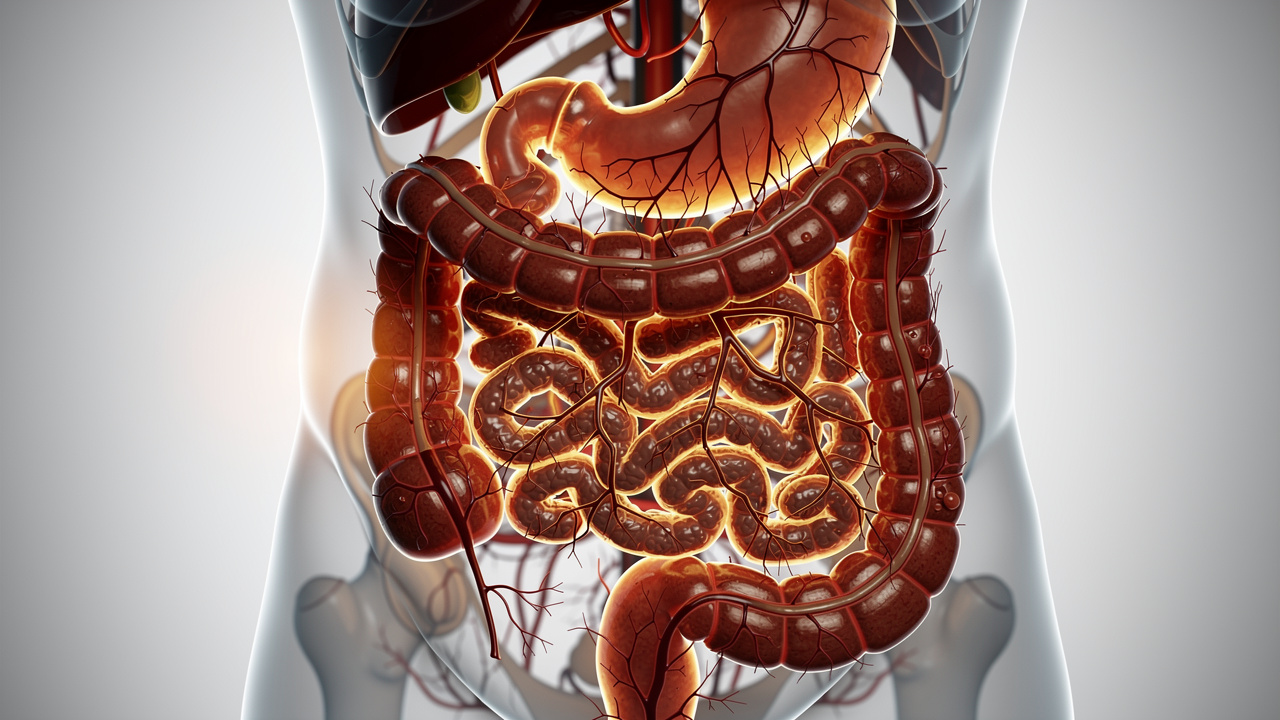
Most supplements still rely on the oldest method there is: swallow and hope. The problem is that the digestive system is a tough gatekeeper:
-
Stomach acid (pH ~1.5–3.5) can break down fragile molecules.
-
Digestive enzymes chop compounds into smaller pieces that may no longer act as intended.
-
The liver performs heavy first‑pass metabolism, clearing a big slice of what survives the gut.
Along the way, a lot can go wrong:
-
Fat‑soluble vitamins (A, D, E, K) need dietary fat in the same meal; taken on an empty stomach, much of the dose passes through unused.
-
Vitamin K2 can degrade when exposed to light, oxygen, or reactive minerals in the same capsule.
-
Many probiotics die in stomach acid before they ever reach the intestine.
Then there is individual biology. Gut health, stomach acid levels, medications, and even what you ate that day all change absorption. Two people can swallow the same pill and end up with very different blood levels.
When you add everything together, a lot of standard oral supplements deliver only a fraction of the promised dose. That is why so many bottles end up as expensive bathroom decorations.
Advanced Delivery Technologies Raising Supplement Efficacy In 2026

The supplement industry is steadily shifting from “which ingredient?” to “how do we get this into the body intact?” That question has led to a wave of delivery technologies that improve stability and absorption—long before we even talk about nasal sprays.
Protective Technologies – Microencapsulation And Chelation
Microencapsulation wraps ingredients in a protective coating to guard them from light, oxygen, moisture, and reactive neighbors:
-
Vitamin K2 MK‑7 can break down when mixed with minerals like calcium or magnesium or exposed to light. Double‑layer microencapsulation systems (such as K2Vital Delta) place K2 in a tiny “shell” that helps more of it stay intact until absorption.
-
Choline, which easily absorbs moisture and can react with other ingredients, can be stabilized the same way, improving compatibility inside complex formulas.
Chelation uses another strategy: binding minerals to amino acids or organic acids so the body treats them more like food:
-
Magnesium bisglycinate, for example, often shows around three times the absorption of magnesium oxide in testing.
-
The result is smaller doses, fewer digestive issues, and better symptom relief or lab changes for the same printed dose.
Lipid-Based Delivery Systems – Mimicking Natural Absorption
The body is very efficient at absorbing fats, so researchers started hiding tricky nutrients inside fat-friendly carriers:
-
Marine phospholipid platforms (such as PL+ Technology) form tiny self‑emulsifying droplets around omega‑3s like EPA and DHA. In clinical work, this approach produced 10x higher blood levels over 12 hours and about 4x higher peak levels versus standard fish oil at the same dose.
-
Micellar technology creates microscopic spheres that carry fat‑soluble compounds (curcumin, CoQ10) in a water‑compatible form, giving them a better shot at crossing the gut wall.
-
Liposomal delivery wraps nutrients in a double‑layer shell similar to a cell membrane, helping them merge with human cells more easily.
These lipid systems now appear in liquids, shots, powders, and gummies, giving formulators multiple ways to raise bioavailability without massive capsules.
Plant-Based And Fermentation Innovations
Not every advanced method relies on synthetic carriers, as research on Functional Foods Enriched With bioactive compounds demonstrates the potential of plant-based and fermentation approaches. Plant fibers and fermentation are opening new options:
-
Hydrogel matrices based on fenugreek fiber (like FenuMat) suspend sensitive compounds such as berberine, resveratrol, or curcumin in a gel‑like network. This protects them, smooths their release, and hides harsh tastes. Because absorption climbs, formulas that once needed 1,500 mg of actives can sometimes match effects with ~250 mg.
-
Precision‑fermented chondroitin sulfate offers a non‑animal source with high purity and consistent structure. Studies have shown up to 45% higher bioavailability than standard bovine chondroitin, allowing effective daily doses around 600 mg instead of 1,200 mg.
These approaches support cleaner labels, better consistency, and improved absorption at the same time.
Nasal Spray Delivery – The Game-Changing Alternative To Oral Supplements
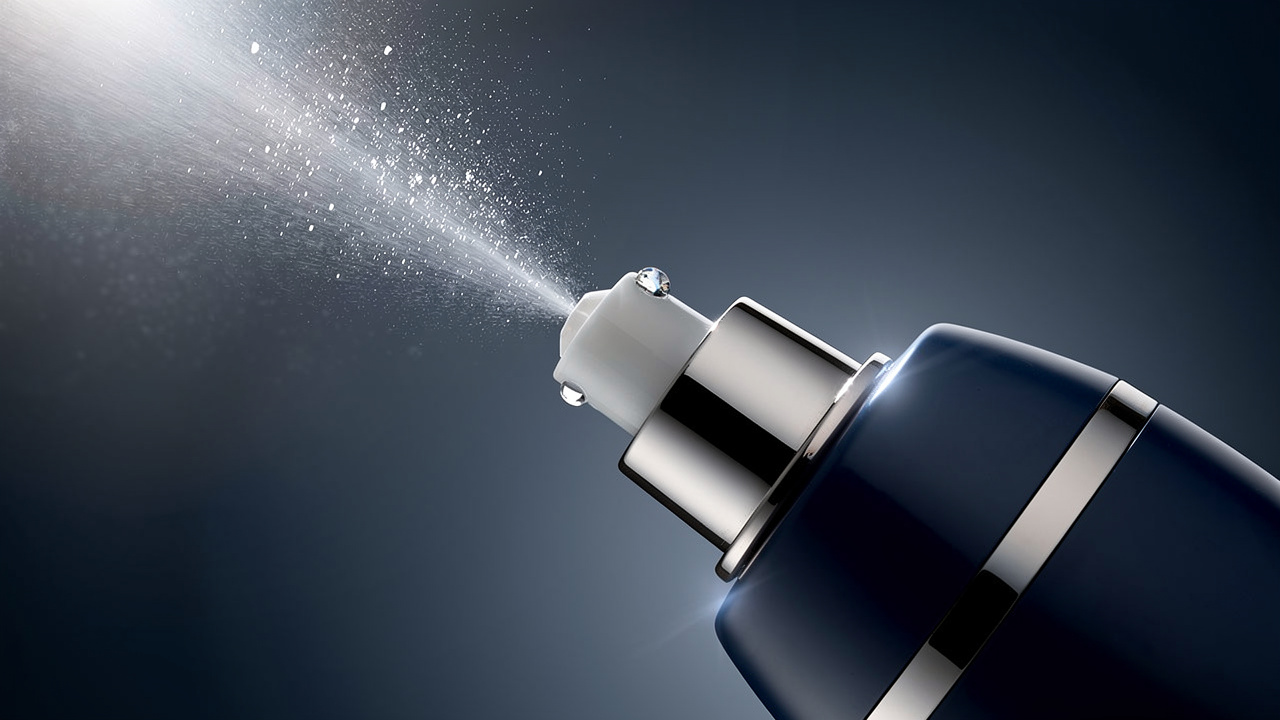
All of the methods above still depend on the digestive system, which is variable and often unforgiving. Nasal delivery takes a different route.
Inside the nose, a thin layer of mucosa lines the passages and is packed with tiny blood vessels. When a fine mist lands on this surface, small, well‑formulated molecules can:
-
Cross quickly into the local capillaries
-
Enter systemic circulation within minutes
-
Bypass stomach acid, digestive enzymes, and first‑pass liver metabolism
That direct path changes both speed and efficiency:
-
Oral supplements often take 45–90 minutes before noticeable effects and lose a large share of the dose.
-
Suitable compounds delivered nasally can reach 40–70% absorption, with effects often felt in 15–30 minutes.
The nose also connects more directly to the brain through neural pathways, which is why some medications use this route for central nervous system effects. That makes nasal delivery especially attractive for:
-
Cognition and focus
-
Compounds that do poorly in the gut, such as NAD+ precursors, glutathione, and certain small peptides
“Route of administration can completely change a drug’s profile.”
Applied to nutrients, the same principle holds.
From a lifestyle perspective, nasal sprays are simple: no scheduling around meals, no giant capsules, and no clinic time for IV drips. The key is careful formulation—particle size, pH, and osmolality must match what nasal tissues can handle comfortably.
At Synchronicity Health, we design our nasal sprays to pharmaceutical‑grade specifications so the nose becomes a reliable entry point, not another variable.
Why We Chose Nasal Delivery – The Synchronicity Health Difference
When we created Synchronicity Health, we started with a blunt observation: most people are not missing ingredients; they are missing reliable delivery into their cells.
Our approach is built on a simple idea: the delivery method decides whether a supplement succeeds or fails. That belief led us to focus on nasal sprays as our primary platform.
Key principles behind our products:
-
Clinical leadership: Our formulations are led by a Yale‑trained physician who works at the intersection of clinical science and performance. Every ingredient is paired with the route that makes the most physiological sense.
-
Pharmaceutical‑grade manufacturing: We control particle size, pH, purity, and stability for consistent behavior from the first to the last spray.
-
Sync Stacks: We design stacks of compounds that work together through the nasal route—such as NAD+ precursors with supportive nutrients for cellular energy, glutathione for antioxidant support, and anandamide‑focused blends for calm focus and mood.
-
Independent testing: Third‑party labs verify potency and check for contaminants. Where possible, we also look at how our delivery methods affect blood levels.
Compared with IV therapy clinics that charge $200–$500 per NAD+ session, our nasal approach offers IV‑style convenience and high bioavailability at a fraction of the cost, without appointments or needles—a shift mirrored in pharmaceutical research as From injections to pills: oral and alternative delivery methods transform drug development.
We see our sprays as the missing bridge between weak oral products and high‑impact but time‑intensive IV protocols.
The Bioavailability Advantage – Real-World Benefits You Will Actually Feel

Bioavailability can sound like a technical term, but its effects show up in daily life. When more of each dose reaches your cells, the difference is easy to notice.
-
Smoother energy from NAD+ support
When NAD+ precursors reach cells efficiently, mitochondria have the raw material they need for ATP production. People often report steadier energy, fewer afternoon crashes, and less dependence on caffeine. NAD+-related pathways that repair cellular damage also get better support, which matters for long‑term aging. -
Sharper thinking and focus
Cognitive formulas that truly reach the brain can support quicker recall, better task‑switching, and more time spent “in the zone.” Nasal routes, with their direct access to central pathways, are well suited for focus and mood ingredients, which is why we rely on them at Synchronicity Health. -
Stronger recovery and resilience
When antioxidants and anti‑inflammatory compounds arrive in meaningful amounts, they can support detox systems and help clear reactive species more effectively. For athletes and high‑stress professionals, this often means less soreness, better sleep, and greater readiness for the next session. -
Deeper longevity support
Many promising longevity strategies—NAD+ modulation, mitochondrial support, cellular cleanup—depend on reaching specific thresholds inside cells. Low‑bioavailability pills rarely hit those targets. Higher‑absorption delivery lets these strategies make a real impact on lab markers and, over time, how someone ages.
High bioavailability does not just improve lab numbers; it shortens the gap between taking a supplement and feeling a change.
Bioavailability Across Key Supplement Categories – What Works And What Does Not
Not every supplement category faces the same absorption challenges. Understanding the patterns helps you design a smarter stack.
-
Vitamins
-
Water‑soluble (vitamin C, most B vitamins): generally absorb well, though there is still person‑to‑person variation.
-
Fat‑soluble (A, D, E, K): depend heavily on being taken with dietary fat. Vitamin D3 usually performs better than D2, and pairing D3 with K2 can support calcium balance. Methylated folate and B12 often help people with genetic variants that slow conversion.
-
-
Minerals
-
Oxide and carbonate forms are cheap but often poorly absorbed and more likely to cause gut discomfort.
-
Chelated forms (bisglycinate, citrate, malate) generally absorb better. For example, chelated magnesium often shows several‑fold higher uptake than magnesium oxide.
-
Large doses of one mineral can block another (e.g., calcium vs. iron, zinc vs. copper), so timing matters.
-
-
Omega‑3 fatty acids
-
Triglyceride and phospholipid‑bound forms (as in krill oil or marine phospholipid platforms) typically absorb better than ethyl‑ester concentrates, especially with food.
-
Self‑emulsifying systems can improve absorption and reduce fishy aftertaste.
-
-
Antioxidants (curcumin, quercetin, resveratrol)
-
Standard powders often deliver very little to circulation.
-
Liposomal, micellar, or hydrogel formats are far more promising here and worth seeking out.
-
-
Amino acids and peptides
-
Single amino acids usually absorb well, especially on an empty stomach.
-
Longer bioactive peptides are easily broken down in the gut, which is why nasal, sublingual, or transdermal options are often explored for these.
-
-
NAD+ precursors
-
NAD+ itself does not cross cell membranes easily when taken orally.
-
Strategies focus on precursors like nicotinamide riboside (NR) or nicotinamide mononucleotide (NMN), but even these lose some potency in the gut.
-
Nasal delivery offers a promising way to move them into circulation and toward the brain with less loss, so we center our NAD+ support there.
-
-
Probiotics
-
Many organisms die in stomach acid.
-
Designed‑release capsules (such as DRcaps) and capsule‑in‑capsule systems (like Duocap) can protect strains until they reach the intestine, raising the number of live organisms by many times compared with basic capsules.
-
Across all categories, the key question is not just “What am I taking?” but “What form and delivery method give this nutrient a real chance to work?”
The 2026 Supplement Era – Emerging Populations And Personalization Demands
By 2026, awareness of bioavailability has spread far beyond scientists and early adopters. Several fast‑growing groups are making absorption a non‑negotiable concern:
-
People using GLP‑1 medications for weight management often eat less and absorb nutrients differently. With lower intake, every capsule has to count.
-
Older adults tend to produce less stomach acid and fewer digestive enzymes, which can lower absorption of B vitamins, minerals, and protein.
-
Women going through perimenopause, pregnancy, or postpartum recovery may need more iron, B vitamins, and magnesium; low‑absorption forms can leave them stuck despite “doing everything right.”
-
Athletes and high‑performers burn through nutrients faster and have short recovery windows, so they benefit from rapid, predictable uptake.
-
Longevity and biohacking communities want not just safety but measurable improvements in mitochondrial function, biomarkers, and cognitive performance.
Many of these people also suffer from supplement fatigue—they are tired of swallowing 15–20 pills a day. High‑bioavailability options such as nasal sprays allow them to simplify their routines while increasing impact.
How To Evaluate Supplement Bioavailability – A Practical Guide For Consumers
You do not need advanced training to make smarter choices. A few checks go a long way:
-
Look for delivery details.
Serious brands explain how they handle absorption—mentioning methods such as liposomal delivery, micelles, chelated minerals, nasal sprays, microencapsulation, or designed‑release capsules. -
Check for data, not just buzzwords.
Claims about better bioavailability should be backed by pharmacokinetic studies, human trials, or at least comparative numbers. Vague phrases about a “next‑generation system” without figures are mostly marketing. -
Confirm third‑party testing.
Seals from USP, NSF, or similar groups show that contents match the label and are screened for contaminants. Publishing certificates of analysis for each batch is an even better sign. -
Read the ingredient forms, not just names.
“Magnesium as magnesium bisglycinate” means something very different from “magnesium (as oxide).” The same goes for cyanocobalamin vs. methylcobalamin, or triglyceride vs. ethyl‑ester omega‑3s. -
Watch for transparency.
Brands that explain their delivery choices, dosing logic, and testing practices are usually the ones thinking hardest about absorption. -
Consider who designed the formula.
Products developed with MDs, PhDs, or registered dietitians are more likely to prioritize bioavailability even when it raises manufacturing costs.
“What gets measured gets managed.”
That saying applies perfectly here: once you start looking for delivery and absorption details, your stack tends to improve quickly.
At Synchronicity Health, our Yale‑trained physician keeps absorption at the center of every decision, from ingredient selection to the choice of nasal vs. oral routes.
The Future Of Supplement Delivery – What Comes Next After 2026
The focus on delivery is not going away. As more people track sleep, heart‑rate variability, labs, and cognitive performance, weak products have less room to hide.
Changes already on the horizon include:
-
More personalization: Genetic data and microbiome analysis will make it easier to match people with specific forms and delivery methods.
-
Smarter release systems: Capsules and particles that open only in certain gut regions or in response to pH and enzyme cues will spread.
-
Expanded alternative routes: Alongside nasal sprays, sublingual and transdermal methods will be applied to more categories, especially peptides and compounds targeting the brain.
-
Better brain access: Researchers are exploring carriers that cross the blood‑brain barrier more efficiently, which could improve cognitive and neurological support.
-
Lower environmental impact: As absorption improves, effective doses can shrink, reducing material use and excipients.
At Synchronicity Health, we see the future of supplementation not as a race to invent endless new molecules, but as a push to deliver proven compounds in ways that fit human physiology.
Conclusion
A supplement is only as good as the amount that reaches your cells. You can buy the purest ingredient at the highest printed dose, but if digestion and the liver clear most of it, the impact will always fall short. Bioavailability is not a side metric; it is the starting point for real efficacy.
We now know that standard oral delivery has built‑in ceilings. Advanced systems—microencapsulation, chelated minerals, lipid carriers, hydrogels, designed‑release capsules—can raise that ceiling for many ingredients. For high‑value compounds such as NAD+ precursors, glutathione, and certain peptides, nasal delivery goes further by sidestepping the gut entirely and reaching absorption levels closer to IV therapy.
By 2026, informed consumers are done with guesswork. The money lost on low‑bioavailability products dwarfs the modest premium for formulas that actually absorb. That is why we built Synchronicity Health around physician‑designed nasal sprays that deliver pharmaceutical‑grade performance at home.
If you care about longevity, performance, energy, or cognitive sharpness, bioavailability is the foundation. Take a fresh look at your current stack: are you paying for grams on a label, or for nutrients that truly reach your cells? Our mission at Synchronicity Health is to solve the delivery problem so you can focus on how you feel and what your data shows—not on wondering whether your supplements are working.
FAQs
What Percentage Of Oral Supplements Is Actually Absorbed By The Body?
Absorption from oral supplements varies widely—from about 5% on the low end to around 50% for better‑behaved nutrients. For example:
-
Standard curcumin powders can sit below 1%.
-
Magnesium oxide often hovers around 4%.
-
Fat‑soluble vitamins like vitamin D3 can get closer to 50% when taken with a fatty meal.
Gut health, timing with food, other supplements, and medications all change the final number. Advanced delivery systems and nasal sprays often move suitable compounds into the 40–70% range, which is why form and route matter more than raw dosage.
Is Nasal Spray Supplement Delivery Safe For Long-Term Daily Use?
Nasal delivery has been used in medicine for decades for hormones, allergy treatments, and emergency drugs, giving a long safety track record when products are well made. The keys are:
-
Formulas with pH and osmolality that match nasal tissues
-
Particles that are small and smooth enough for comfortable contact
-
Strict purity and stability testing
At Synchronicity Health, we follow pharmaceutical manufacturing standards for our nasal sprays and perform independent testing for contaminants. The nasal mucosa is built to handle daily exposure to airborne particles, so a well‑designed spray used as directed fits within that natural capacity. As with any supplement, follow the label and talk with a healthcare professional if you have specific medical conditions.
How Quickly Can I Expect To Feel Results From High-Bioavailability Supplements?
Timing depends on both the delivery method and the goal of the ingredient:
-
Nasal sprays: Often felt within 15–30 minutes for focus, calm, or perceived energy because the compounds reach the bloodstream quickly.
-
Cellular support (like NAD+): Deeper changes in mitochondrial function and repair pathways tend to show up over days to weeks of consistent use.
-
Low‑bioavailability pills: May take 4–8 weeks to show any effect, and sometimes never do.
Baseline nutrient status, sleep, stress, and overall health all influence how fast you respond, but well‑absorbed products usually produce clearer and more reliable changes.
Can I Combine Nasal Spray Supplements With My Current Oral Supplements?
In most cases, yes. Nasal and oral supplements use different entry points into the body and can complement each other:
-
Reserve nasal delivery for compounds that struggle in the gut (NAD+ precursors, glutathione, some peptides).
-
Keep well‑absorbed basics—many vitamins and minerals—in oral form, using good ingredient choices and meal timing.
This approach raises impact where it matters most without overcomplicating your routine. If you take prescription medications or have a complex stack, review everything with a healthcare provider. At Synchronicity Health, we design our sprays with stacking in mind so they fit cleanly into broader protocols.
Are High-Bioavailability Supplements Worth The Higher Price?
It helps to think in terms of cost per absorbed milligram, not just cost per bottle.
-
A $15 supplement with 10% absorption means that for every gram on the label, only 0.1 g reaches your body. The real cost is $150 per absorbed gram.
-
A $40 product with 60% absorption delivers 0.6 g of every labeled gram, or about $66 per absorbed gram.
The second option looks pricier on the shelf but delivers far more usable nutrition. On top of that, effective high‑bioavailability products can often replace several weaker ones and reduce the need for expensive IV sessions (such as NAD+ infusions costing $200–$500 per visit).
At Synchronicity Health, we design for results first. When supplements create clear benefits in energy, longevity markers, and quality of life, the investment tends to feel well spent.


Leave a comment
All comments are moderated before being published.
This site is protected by hCaptcha and the hCaptcha Privacy Policy and Terms of Service apply.