
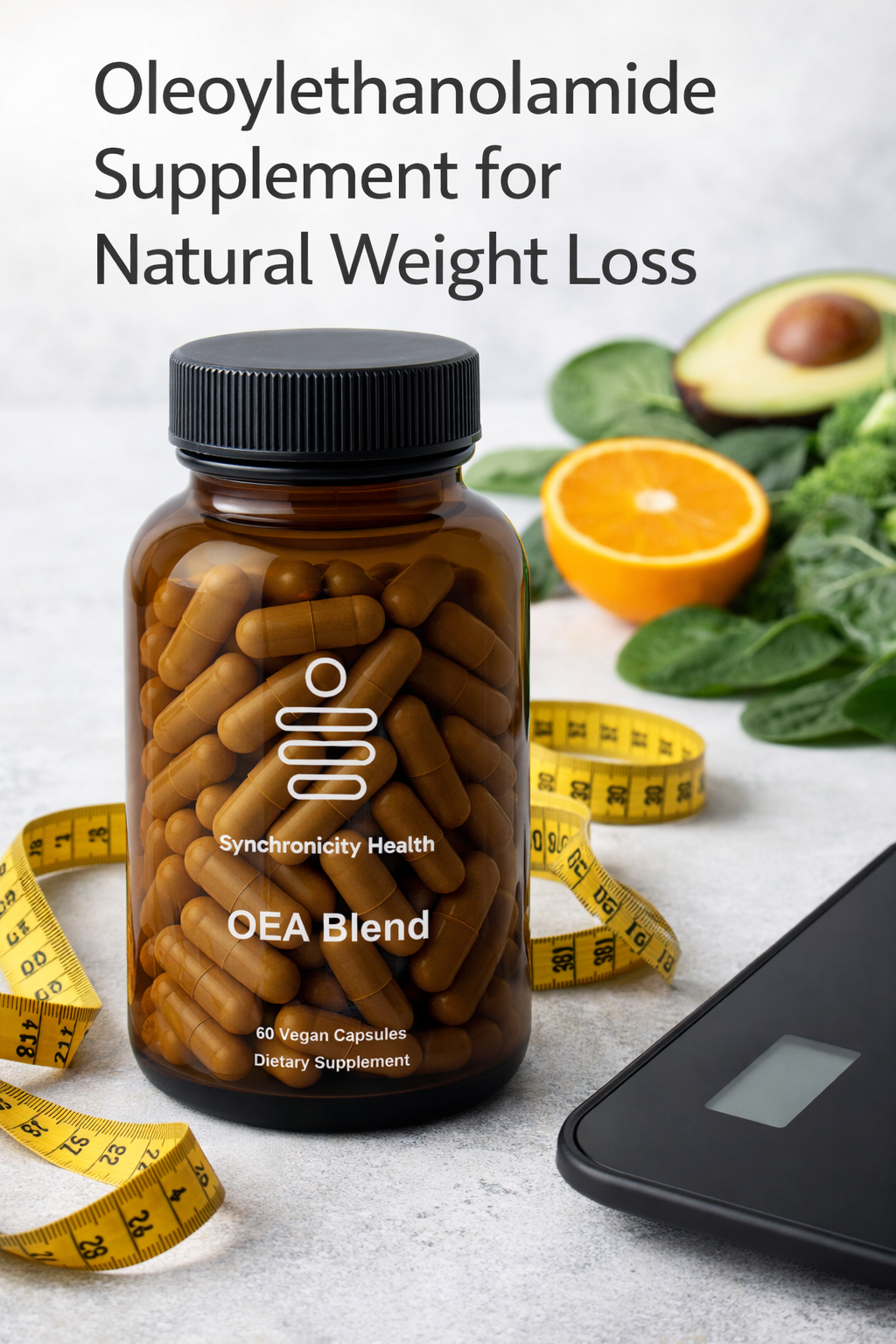
The Ultimate Guide To Oleoylethanolamide Supplement For Natural Weight Loss And Appetite Control
If you want better appetite control, easier fat loss, and steadier energy without stimulants, an oleoylethanolamide supplement (often shortened to OEA) deserves your attention.
OEA is a signaling molecule your body already makes in the small intestine after you eat fat. It tells your brain, “You’re full,” ramps up fat burning, and calms low-grade inflammation. Supplemental OEA simply raises those native levels in a more precise, consistent way.
Whether you’re a biohacker focused on longevity, a busy professional who needs energy without caffeine overload, an athlete dialing in body composition, or someone pairing NAD+ IV therapy with other metabolic tools, understanding how an oleoylethanolamide supplement works will help you decide if it belongs in your stack.
This guide covers:
-
What OEA is and how it differs from classic endocannabinoids
-
How an oleoylethanolamide supplement affects appetite, fat loss, and energy
-
Metabolic and anti-inflammatory benefits backed by clinical research
-
How to dose and time OEA for best results
-
How it compares to other weight loss strategies
-
Safety, side effects, and who should be cautious
You’ll also find direct links to Synchronicity Health’s OEA product and a deeper scientific explainer if you want to go further.
What Is Oleoylethanolamide (OEA)?
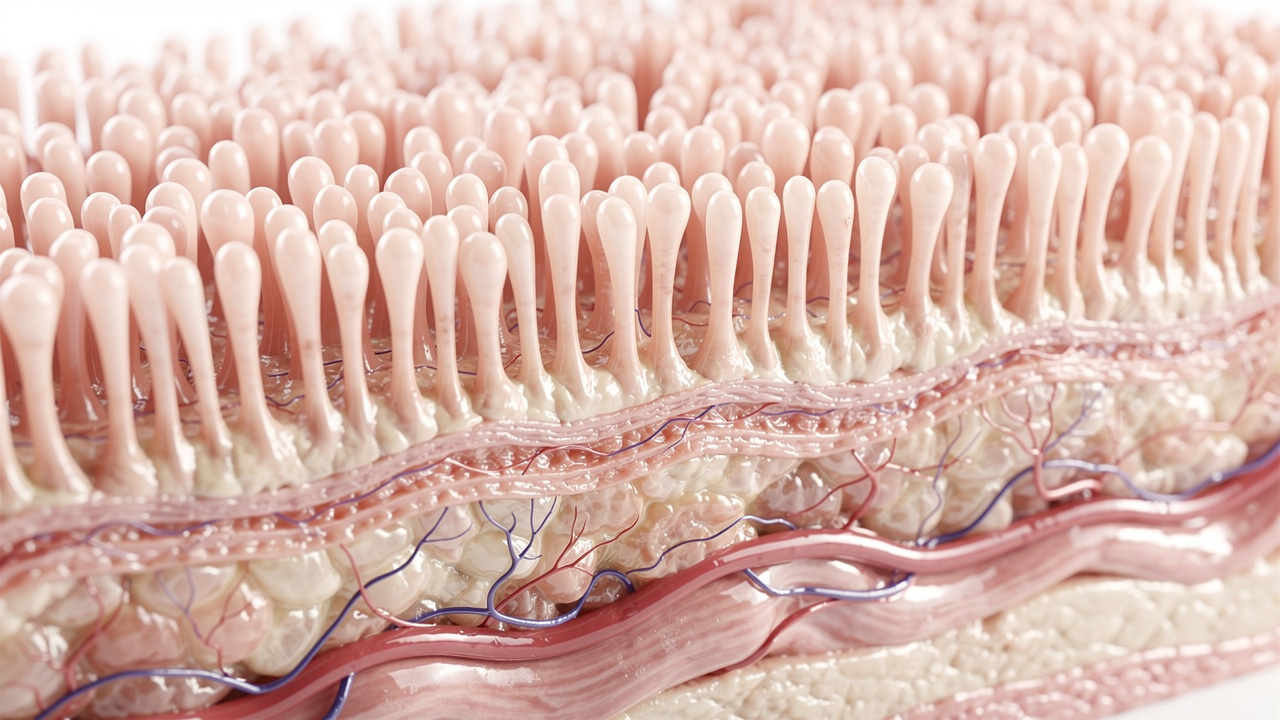
Oleoylethanolamide is an endogenous fatty acid amide—a bioactive lipid your body makes from oleic acid (the main fat in olive oil). It belongs to the N‑acylethanolamine family, which also includes the well-known endocannabinoid anandamide.
Key points about OEA:
-
Where it’s made: Primarily in the cells lining the small intestine, but also in adipose tissue and the nervous system.
-
When it’s made: Your gut produces OEA in response to dietary fat, especially monounsaturated fats.
-
What it does: Signals satiety, promotes fat burning, modulates inflammation, and supports metabolic balance.
Although OEA is structurally similar to some endocannabinoids, it does not activate CB1 or CB2 cannabinoid receptors. That means an oleoylethanolamide supplement has no psychoactive effects and does not trigger the typical “munchies” associated with CB1 activation.
Food Sources Vs. Supplementation
Small amounts of OEA occur naturally in foods such as:
-
Oats
-
Nuts
-
Cocoa powder
However, food levels are extremely low—typically less than 2 μg per gram—far below the doses used in human clinical research. If you want the metabolic and appetite effects documented in studies, you need an oleoylethanolamide supplement rather than relying on food alone.
How An Oleoylethanolamide Supplement Works
An oleoylethanolamide supplement engages several key pathways tied to energy balance, appetite, and inflammation. The most important are:
PPAR-α: Turning On Fat-Burning Programs
OEA is a potent activator of Peroxisome Proliferator-Activated Receptor alpha (PPAR‑α), a nuclear receptor that works like a master switch for fat metabolism.
When OEA binds PPAR‑α, it:
-
Increases expression of genes involved in fatty acid transport and oxidation
-
Encourages the body to rely more on stored fat for fuel
-
Can raise energy expenditure by improving mitochondrial activity
-
Helps lower triglycerides by clearing them from the bloodstream
This PPAR‑α activity is also a major route through which an oleoylethanolamide supplement reduces inflammatory signaling at the gene-expression level.
Satiety Signaling And The Gut–Brain Axis

OEA is one of the gut’s most important satiety messengers. It links what happens in your intestine to control centers in the brain.
An oleoylethanolamide supplement:
-
Activates vagus nerve fibers in the gut that send “I’m full” messages to the hypothalamus
-
Delays meal initiation, so you naturally push back your next meal
-
Reduces meal size by making you feel satisfied sooner
-
Stimulates release of GLP‑1 (glucagon-like peptide‑1) via GPR119, improving insulin secretion, slowing gastric emptying, and extending fullness
Because this signaling is grounded in your natural satiety system—not stimulants—you get appetite control that feels steady and sustainable rather than wired or jittery.
Endocannabinoidome Modulation Without Intoxication
Although OEA does not bind CB1 or CB2, it is an important player in the broader “endocannabinoidome”:
-
It can lower intestinal levels of anandamide and 2‑AG, endocannabinoids that, when elevated, are linked with increased appetite and metabolic disruption.
-
By nudging the broader signaling network rather than hammering CB1, OEA helps regulate appetite and inflammation without psychoactive effects.
Other Receptors: GPR119 And TRPV1
An oleoylethanolamide supplement in addition to a berberine supplement also interacts with:
-
GPR119: Increases GLP‑1 release and supports healthy insulin secretion
-
TRPV1 channels: Involved in sensory signaling and may contribute to appetite regulation and pain modulation
The result is a coordinated effect: better satiety, improved fat utilization, and a more favorable inflammatory and oxidative profile.
Key Benefits Of An Oleoylethanolamide Supplement
1. Appetite And Craving Control
For many people, appetite regulation is the limiting factor in weight loss—not willpower. OEA directly addresses this by:
-
Reducing hunger between meals
-
Helping you feel satisfied with smaller portions
-
Making it easier to stick to time-restricted eating or lower-calorie plans
-
Supporting steadier blood sugar and fewer reactive “crash and binge” cycles
A common saying in obesity medicine is, “Hunger, not knowledge, is what derails most weight-loss efforts.”
Clinical trials using daily OEA doses around 250 mg have reported significant reductions in subjective appetite ratings and lower overall food intake compared with placebo.
2. Fat Loss And Improved Body Composition

A well-formulated oleoylethanolamide supplement supports favorable changes in body composition:
-
Lower body weight and BMI: Randomized controlled trials in overweight and obese adults show greater decreases in weight and BMI with OEA vs. placebo.
-
Smaller waist circumference: OEA is particularly effective at trimming abdominal fat, a key marker of metabolic risk.
-
Reduced fat mass and body fat percentage: Meta-analytic data show that fat loss, rather than muscle loss, is the main contributor to weight changes.
-
Preserved lean mass: Studies generally find no significant reduction in fat-free mass, which is critical for metabolic health, athletic performance, and long-term weight maintenance.
For athletes and lifters, that means an oleoylethanolamide supplement can assist with recomposition—cutting fat while preserving strength and lean tissue—when paired with adequate protein and resistance training.
3. Metabolic Health: Blood Sugar, Insulin, And Triglycerides
Beyond appetite and weight, OEA supports core markers of metabolic health:
-
Lower fasting blood glucose
-
Reduced fasting insulin levels
-
Improved HOMA‑IR, indicating better insulin sensitivity
-
Significant reductions in triglycerides
Mechanisms include:
-
Better GLP‑1 signaling and insulin secretion
-
Increased fatty acid oxidation in muscle, which supports glucose uptake
-
Less fat accumulation in the liver and improved insulin signaling
Current human data show modest or no consistent changes in total cholesterol, LDL, or HDL, while triglyceride reductions are more reliable.
4. Inflammation, Oxidative Stress, And Longevity
Obesity and metabolic dysfunction are strongly tied to chronic, low-grade inflammation and oxidative stress. An oleoylethanolamide supplement addresses both:
-
Inflammatory markers: Clinical trials have documented decreases in TNF‑α and C‑reactive protein (CRP) after 8+ weeks of supplementation, particularly at lower daily doses (< 250 mg).
-
NF‑κB pathway: OEA dampens activity of NF‑κB, a central regulator of inflammatory gene expression.
-
Oxidative stress: Supplementation can raise Total Antioxidant Capacity (TAC) and lower malondialdehyde (MDA), a marker of lipid peroxidation and cellular damage.
For biohackers and longevity-focused users, this anti-inflammatory and antioxidant profile is a major reason to consider an oleoylethanolamide supplement as part of a broader healthy-aging strategy.
5. Gut Microbiome, Liver, And Mitochondrial Health
Preclinical work suggests that OEA has far-reaching effects on systems that matter for long-term metabolic resilience:
-
Gut microbiome: OEA increases levels of Akkermansia muciniphila in animal models, a bacterium linked with better insulin sensitivity, lower inflammation, and stronger gut barrier function.
-
Liver health: In diet-induced obesity models, OEA reduces fat accumulation in the liver and decreases hepatic inflammatory markers.
-
Mitochondrial function: By activating PPAR‑α, an oleoylethanolamide supplement supports mitochondrial oxidative capacity and may promote mitochondrial biogenesis—key themes in both performance and longevity circles.
If you already invest in NAD+ IV therapy or precursors to support cellular energy, OEA’s mitochondrial and liver benefits make it a logical companion.
6. Stimulant-Free Energy And Focus
Unlike many weight loss products, an oleoylethanolamide supplement is not a stimulant. Yet many users report:
-
More stable daytime energy
-
Fewer afternoon crashes
-
Easier adherence to fasting or lower-calorie windows
-
Less mental distraction from constant hunger
That makes OEA particularly appealing for busy professionals who need clear focus and predictable energy without relying on more caffeine or harsh thermogenics.
How To Use An Oleoylethanolamide Supplement
Evidence-Based Dosage Range
Human studies have used daily doses from 125 mg to 600 mg. A few practical guidelines:
-
Common effective dose: ~250 mg per day, often given as 125 mg twice daily
-
Weight and appetite effects: Tend to be clearer at ≥ 250 mg per day
-
Inflammation and oxidative stress: Meaningful changes have been seen even at < 250 mg per day
Always start at the lower end of the range to assess tolerance, then adjust in consultation with your healthcare provider.
Timing For Best Results

To mimic your body’s natural OEA rhythm:
-
Take an oleoylethanolamide supplement about 30 minutes before meals, especially lunch and/or dinner.
-
Pair it with meals that include some healthy fat, which aligns with how your intestine naturally produces OEA.
Consistency matters. Most clinical trials showing significant changes in appetite, weight, and metabolic markers lasted 8–12 weeks.
Stacking OEA With Your Existing Routine
An oleoylethanolamide supplement works well alongside:
-
Time-restricted eating or intermittent fasting: Makes fasting windows more comfortable by lowering hunger signals.
-
High-protein, whole-food diets: Improves satiety and supports fat loss while preserving lean mass.
-
Resistance training and aerobic exercise: Brings better fat utilization to the metabolic adaptations that exercise already provides.
-
NAD+ IV therapy or precursors: Complements cellular energy support by improving mitochondrial fat oxidation and inflammatory balance.
To see how Synchronicity Health formulates OEA specifically, review the product details here: Oleoylethanolamide.
For a much deeper scientific dive into mechanisms and research, you can also read this extended guide: oleoylethanolamide.
Oleoylethanolamide Supplement Vs. Other Weight Loss Approaches
An oleoylethanolamide supplement is not a magic bullet, but it fills an important gap between lifestyle changes and more aggressive interventions.
Compared With Calorie Restriction Alone
-
Calorie restriction works—but hunger makes adherence hard.
-
OEA helps by reducing appetite and cravings, so you can maintain a modest calorie deficit with far less mental effort.
Compared With Stimulant-Based Fat Burners
-
Stimulant products rely on raising heart rate and stress hormones.
-
An oleoylethanolamide supplement works through satiety and fat metabolism pathways, not adrenal stimulation.
-
This is better suited to long-term use, sleep quality, and people sensitive to caffeine or other stimulants.
Compared With GLP‑1 Drugs
-
GLP‑1 agonists (such as semaglutide) are prescription medications with strong effects but also significant cost and side-effect profiles.
-
OEA supports GLP‑1 release via GPR119 but at a physiological level, with a much gentler side-effect profile.
-
It can be an option for people who are not candidates for drugs or want a more conservative starting point.
Compared With Bariatric Surgery
-
Bariatric surgery can deliver large and rapid weight loss but involves anesthesia, recovery time, and permanent anatomical changes.
-
An oleoylethanolamide supplement is non-invasive and better suited as a first-line strategy or maintenance tool, not a replacement for surgery in extreme cases.
Safety, Side Effects, And Precautions
Current human data indicate that an oleoylethanolamide supplement is generally well tolerated at doses used in clinical trials.
Commonly Reported Side Effects
Most reported side effects are mild and transient, such as:
-
Nausea
-
Bloating or gas
-
Loose stools or mild diarrhea
These often improve as your body adapts. Starting with a lower dose and taking OEA with food can help.
Drug Interactions And Special Situations
Use caution and consult a healthcare professional if you:
-
Take blood thinners, diabetes medications, or antidepressants
-
Have liver or kidney disease
-
Are pregnant, trying to conceive, or breastfeeding (data are limited)
-
Have a history of allergic reactions to supplements
Because OEA is metabolized partly in the liver and kidneys and affects appetite and blood sugar, medical supervision is important in these situations.
If you experience rash, hives, breathing difficulty, or any severe symptom, discontinue use and seek medical care immediately.
Important: This guide is for educational purposes only and is not medical advice. Always work with a qualified healthcare provider before adding an oleoylethanolamide supplement to your regimen, especially if you use prescription medications or have chronic health conditions.
Who Should Consider An Oleoylethanolamide Supplement?
An oleoylethanolamide supplement may be especially appealing if you:
-
Are a biohacker or longevity enthusiast looking to refine body composition, support mitochondrial function, and reduce chronic inflammation.
-
Are a busy professional who wants better appetite control, fewer cravings, and stable energy without more caffeine.
-
Train regularly or compete in sports and want help with fat loss while maintaining performance and lean mass.
-
Use IV NAD+ or other cellular health therapies and want complementary support for fat metabolism, inflammation, and liver health.
-
Have hit a plateau with diet and exercise and need an evidence-based way to make adherence easier.
In all cases, OEA should sit on top of—not replace—foundations like quality nutrition, sleep, movement, and stress management.
The Bottom Line On Oleoylethanolamide Supplements
An oleoylethanolamide supplement amplifies a signal your body already uses to manage appetite, fat burning, and inflammation. By activating PPAR‑α, boosting satiety messages from gut to brain, and supporting healthier metabolic signaling, OEA can:
-
Make calorie control and fasting more sustainable
-
Support fat loss with preservation of lean mass
-
Improve key markers like triglycerides, fasting glucose, insulin, and CRP
-
Contribute to better gut, liver, and mitochondrial health
If you’re serious about performance, body composition, or long-term metabolic resilience, OEA is a compelling addition to consider—especially when combined with smart nutrition, training, and recovery.
To explore a clinically aligned formulation and see if it fits your goals, start with Synchronicity Health’s Oleoylethanolamide, and refer to this in-depth article on oleoylethanolamide for further scientific detail.


Leave a comment
All comments are moderated before being published.
This site is protected by hCaptcha and the hCaptcha Privacy Policy and Terms of Service apply.