
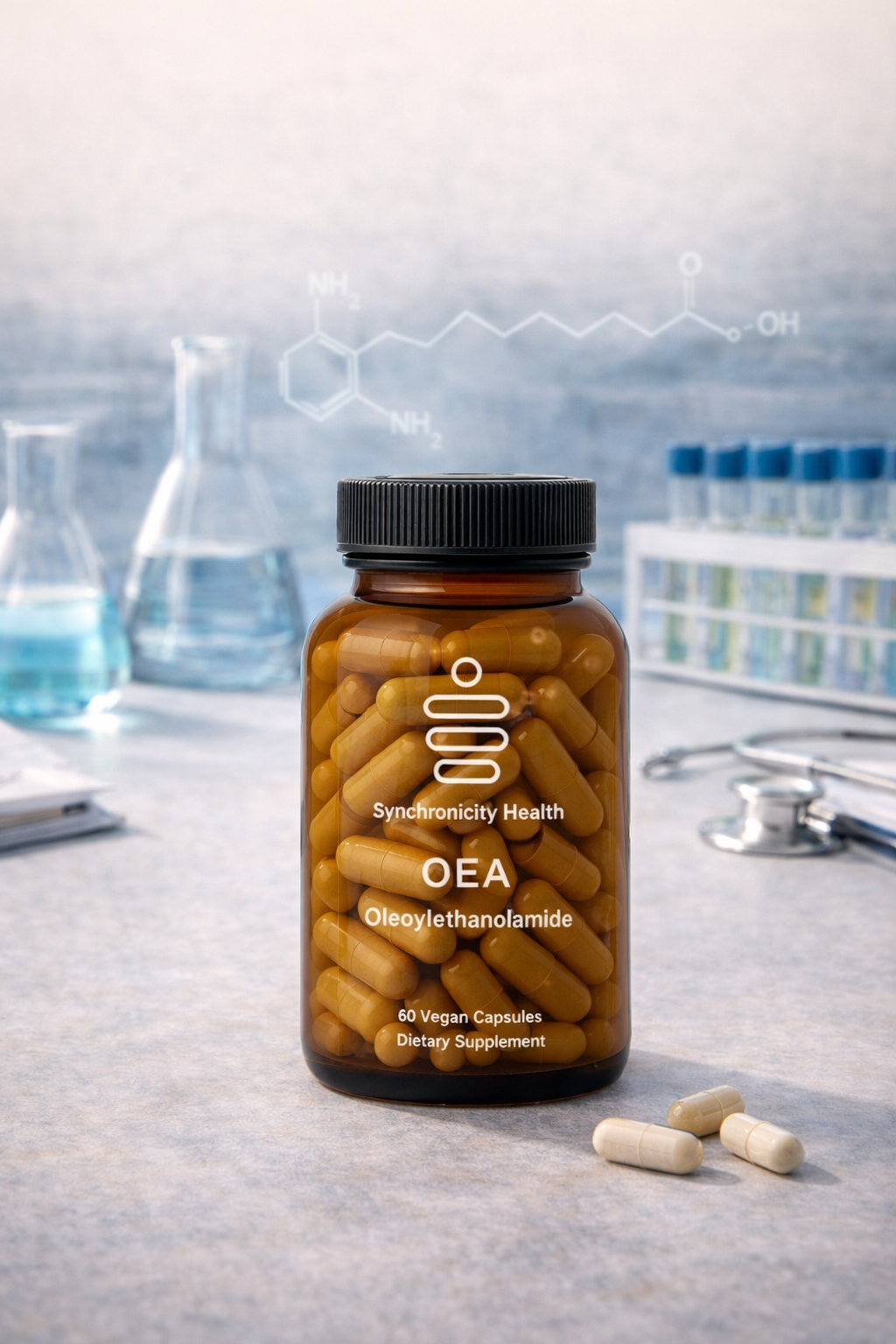
Oleoylethanolamide (OEA) has gone from obscure lipid messenger to one of the most studied non-stimulant compounds for appetite, metabolism, and inflammation. An OEA supplement gives you a concentrated form of this molecule your body already makes, at doses that are difficult to reach from food alone.
For health enthusiasts, biohackers, athletes, and busy professionals, an OEA supplement offers a data-backed way to support satiety, metabolic health, and long-term wellness without relying on stimulants or harsh diet drugs. This guide walks through what OEA is, how it works, what the human data shows, and how to use an OEA supplement in a thoughtful, science-aligned way.
What Is Oleoylethanolamide (OEA)?
OEA is an endogenous fatty acid amide—a signaling lipid your body synthesizes from oleic acid (the primary monounsaturated fat in olive oil) and ethanolamine. It belongs to the expanded endocannabinoid system, often called the endocannabinoidome (eCBome).
Key points about OEA:
-
It is produced mainly in the small intestine, but also in adipose tissue, neurons, and astrocytes.
-
It is structurally similar to classic endocannabinoids (like anandamide and 2‑AG) but does not activate CB1 or CB2 receptors, so it has no psychoactive effects.
-
It is best known for regulating appetite, fat metabolism, and inflammatory signaling.
You can find small amounts of OEA in foods such as oatmeal, nuts, and cocoa powder, but typical concentrations are under 2 micrograms per gram. That’s far below the doses (in the hundreds of milligrams) used in research, which is why an OEA supplement is the practical approach for most people who want to study its effects in themselves.
How An OEA Supplement Works In The Body
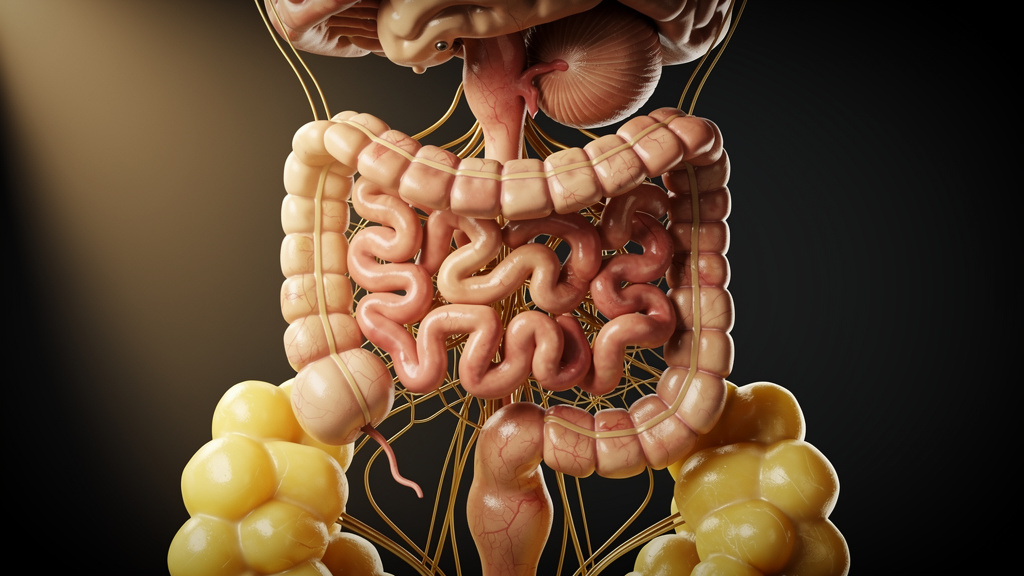
An OEA supplement works by amplifying signaling pathways your body already uses to control appetite, burn fat, and manage inflammation. Its effects are mainly driven by three receptor systems and their downstream impact on the gut–brain axis, metabolism, and immune function.
A quick overview of the main targets:
|
Target |
Where It Acts |
Key Role For OEA |
|---|---|---|
|
PPAR‑α |
Liver, muscle, fat tissue, some brain areas |
Increases fat burning and steadies inflammatory signaling |
|
GPR119 |
Pancreatic beta cells, intestinal L‑cells |
Supports GLP‑1 release and fullness-related hormone signals |
|
TRPV1 |
Sensory neurons, gut |
Helps regulate appetite cues and energy expenditure |
PPAR-α: Turning On Fat Burning And Calming Inflammation
The best-characterized target of OEA is Peroxisome Proliferator-Activated Receptor Alpha (PPAR‑α), a nuclear receptor that sits inside cells and directly regulates gene expression.
When you take an OEA supplement and OEA levels rise:
-
Fatty acid oxidation increases
OEA activates PPAR‑α, which switches on genes that move fatty acids into mitochondria and break them down for energy (beta-oxidation). -
Fat storage programs quiet down
The same signaling suppresses genes involved in creating and storing new fat (lipogenesis). -
Lipid profiles can improve
PPAR‑α activity is linked with healthier cholesterol and triglyceride patterns in preclinical research. -
Inflammatory pathways are downregulated
PPAR‑α interferes with NF‑κB, a transcription factor that drives many inflammatory cytokines. This helps explain OEA’s anti-inflammatory profile in animal and human studies.
In short, PPAR‑α activation by an OEA supplement nudges your metabolism toward burning more fat and sending fewer pro-inflammatory signals.
GPR119, TRPV1, And Satiety Signaling
OEA also interacts with two other important receptors:
-
GPR119
Found in pancreatic beta cells and intestinal L‑cells, GPR119 activation can promote the release of GLP‑1, an incretin hormone that:-
Supports insulin secretion in response to glucose
-
Slows gastric emptying
-
Supports feelings of fullness
-
-
TRPV1 (the “capsaicin receptor”)
TRPV1 channels sense heat and pain. In the gut, their activation contributes to signaling pathways that fine-tune appetite and energy expenditure.
By activating GPR119 and TRPV1, an OEA supplement reinforces the same satiety circuits your body uses after a fat-containing meal, helping you feel full sooner and with less food.
Shifting The Endocannabinoidome Toward Balance
Within the broader eCBome, OEA appears to counterbalance pathways that promote overeating and fat storage:
-
Preclinical studies suggest OEA reduces intestinal levels of 2‑AG, a potent CB1 agonist associated with increased appetite and adiposity.
-
Lower 2‑AG levels may blunt “munchies-style” signaling and support a more favorable metabolic state.
Instead of acting as a cannabinoid itself, an OEA supplement subtly reshapes the environment in which endocannabinoids operate, favoring satiety and metabolic balance.
Evidence-Based Benefits Of OEA Supplementation
Research on OEA spans molecular biology, animal models, and a controlled human clinical trial. While much of the data is preclinical, there is a consistent picture of how an OEA supplement may support health.
Appetite Regulation And Weight Management

OEA is one of the body’s core satiety factors:
-
After a fat-containing meal, intestinal cells release OEA.
-
OEA activates sensory fibers of the vagus nerve.
-
Signals travel to the brainstem, which interprets them as “enough food.”
In animal models, OEA administration:
-
Delays the start of the next meal
-
Reduces meal size
-
Lowers total daily food intake
-
Limits both overall body fat and liver fat accumulation
In a randomized, double‑blind, placebo‑controlled trial in obese adults, an OEA supplement at 250 mg/day for 8 weeks:
-
Significantly reduced appetite scores
-
Led to meaningful reductions in body weight compared with placebo
For people who tend to overeat or struggle with portion control, an OEA supplement offers a non-stimulant way to strengthen natural fullness cues and support weight management.
Metabolic Health, Lipids, And Liver Support
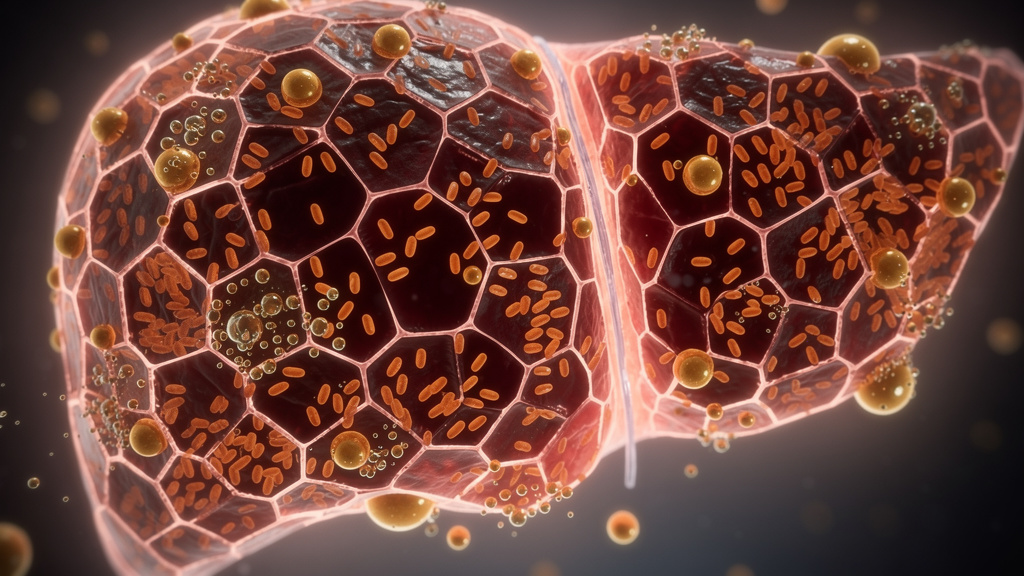
Preclinical work suggests broad metabolic benefits:
-
Improved liver mitochondrial function
OEA increased oxidative capacity and fat burning in liver mitochondria in diet‑induced obese mice. -
Less hepatic fat accumulation
Supplemented animals showed reduced liver fat, a key risk factor for metabolic dysfunction. -
Anti-atherosclerotic effects
In mouse models, OEA helped protect the endothelium (blood vessel lining) and inhibited early plaque formation.
While we need more human data, these findings indicate that an OEA supplement could be especially interesting to people concerned about:
-
Liver health and non-alcoholic fatty liver
-
Triglycerides and cholesterol balance
-
Long-term cardiovascular risk
Always consider OEA as part of a broader nutrition and lifestyle approach, not as a stand-alone fix.
“Let food be thy medicine and medicine be thy food.”
— Hippocrates
That sentiment still applies: supplements like OEA can support metabolic health, but the foundation is how you eat, move, and live.
Inflammation, Oxidative Stress, And Immune Balance
Obesity and metabolic syndrome are tightly linked to chronic, low-grade inflammation. Here, OEA’s PPAR‑α activity becomes important.
In the 8‑week human trial in obese individuals:
-
250 mg/day of an OEA supplement significantly decreased:
-
TNF‑α (Tumor Necrosis Factor‑alpha)
-
IL‑6 (Interleukin‑6)
-
These cytokines are key drivers of metabolic inflammation. While that study did not show significant changes in high-sensitivity CRP or oxidative stress markers (MDA and total antioxidant status) over 8 weeks, other research points to additional benefits:
-
In vitro and animal models show OEA:
-
Reduces expression of inflammatory mediators (e.g., COX‑2, iNOS)
-
Lowers adhesion molecules like VCAM‑1 and ICAM‑1 that participate in vascular inflammation
-
Helps protect plasma lipids and paraoxonase 1 from oxidation
-
Taken together, an OEA supplement appears to support a more balanced inflammatory environment, especially relevant if you’re exploring anti-inflammatory approaches to metabolic health.
Brain, Mood, And Neuroprotection
OEA and PPAR‑α are also expressed in the brain, where they participate in neuroimmune and metabolic regulation.
In animal studies, OEA has been shown to:
-
Reduce neuroinflammation and depressive-like behavior induced by alcohol or LPS
-
Provide neuroprotection in experimental models of Parkinsonism
-
Support certain aspects of learning and memory
These findings are preliminary and not yet backed by large human trials, but they suggest that an OEA supplement may be of interest to those focused on long-term brain health and mood stability, particularly when combined with foundational habits like sleep quality, movement, and nutrient-dense nutrition.
Gut Microbiome And Gut Barrier Function

One of the more intriguing findings around OEA is its impact on the gut microbiome:
-
In diet‑induced obese mice, OEA administration increased the abundance of Akkermansia muciniphila, a bacterium associated with:
-
Leaner body composition
-
Better glucose control
-
Stronger gut barrier integrity
-
A. muciniphila lives in the mucus layer of the gut and appears to help maintain the intestinal barrier, potentially reducing endotoxin leakage and systemic inflammation.
By shifting the microbiome in this direction, an OEA supplement may indirectly support metabolic health and gut resilience—an important consideration for anyone thinking systemically about weight, immunity, and energy.
Human Research On OEA Supplements
The most informative clinical trial to date is an 8‑week, randomized, double‑blind, placebo‑controlled study in obese adults.
Study snapshot:
-
Participants: 56–60 healthy obese individuals completed the trial
-
Design: OEA vs. placebo, with both groups following standard lifestyle advice
-
Dose:
-
125 mg OEA capsule 30 minutes before lunch
-
125 mg OEA capsule 30 minutes before dinner
-
Total daily dose: 250 mg
-
-
Results in the OEA group:
-
Reduced appetite and caloric intake
-
Decreased body weight
-
Significant reductions in serum IL‑6 and TNF‑α
-
No significant changes in hs‑CRP, MDA, or total antioxidant status
-
Importantly, participants taking the OEA supplement reported no adverse effects during the 8 weeks.
The researchers noted some limitations—such as relatively short duration and OEA purity of about 85%—but still concluded that OEA could be a useful complementary agent for appetite and inflammation in obese individuals.
How To Use An OEA Supplement
Evidence-Informed Dosage
Based on the human trial and typical product labeling, common approaches include:
-
Standard studied dose:
-
250 mg/day, split as:
-
125 mg 30 minutes before lunch
-
125 mg 30 minutes before dinner
-
-
-
General supplemental range:
-
125–300 mg/day is often seen in commercially available OEA supplement products.
-
Starting at the lower end (e.g., 125–250 mg/day) and observing appetite, digestion, and overall response for several weeks is a sensible strategy.
Timing And Stacking With Daily Habits
To align with how your body naturally uses OEA:
-
Take your OEA supplement before meals, especially your largest meals of the day.
-
Allow ~30 minutes between the capsule and eating to let OEA reach the small intestine and engage satiety pathways.
-
Combine with:
-
Protein- and fiber-rich meals to amplify fullness
-
Regular physical activity to take advantage of increased fat oxidation
-
Consistent sleep and circadian rhythm habits, which support PPAR‑α and metabolic signaling
-
Some people also pair an OEA supplement with other science-backed nutrients for brain or metabolic support, though stacking should always be discussed with a healthcare professional if you take medications or have medical conditions.
Who Might Consider An OEA Supplement?
An OEA supplement may be of particular interest to:
-
Health optimization enthusiasts and biohackers
Exploring non-stimulant compounds that act on well-characterized molecular targets. -
Busy professionals
Looking to tame late-night snacking or grazing without feeling wired. -
Wellness-focused individuals targeting longevity
Interested in supporting metabolic flexibility, healthy body composition, and lower inflammatory tone. -
Athletes and fitness enthusiasts
Who want to manage body fat while keeping stimulants and appetite suppressants to a minimum. -
People refining sleep and circadian health
Since metabolic regulation and nighttime eating patterns heavily influence sleep architecture.
An OEA supplement is not a replacement for nutrition, movement, or medical care, but it can be a thoughtful tool layered onto a solid foundation.
“Eat food, not too much, mostly plants.”
— Michael Pollan
That rule of thumb pairs well with targeted supplementation: dial in food first, then add tools like OEA where they make sense.
Safety, Side Effects, And Precautions
So far, OEA has shown a favorable safety profile, but long-term, large-scale human studies are still limited.
What We Know
-
In the 8‑week clinical trial at 250 mg/day, the OEA supplement group reported no side effects or adverse events.
-
Because OEA is an endogenous molecule, the body is already familiar with its structure and pathways.
Potential Side Effects
Most reported issues are mild and uncommon, but can include:
-
Temporary gastrointestinal discomfort (bloating, mild nausea, or loose stools)
-
Subtle changes in appetite that feel stronger than expected at first
If symptoms persist or feel concerning, pausing the OEA supplement and speaking with a healthcare provider is recommended.
Who Should Be Especially Cautious
-
Pregnant or breastfeeding individuals
There is not enough safety data; work closely with your clinician. -
People on prescription medications
Especially those affecting lipids, blood pressure, mood, or blood sugar. OEA’s metabolic and inflammatory effects may interact with these pathways. -
Individuals with serious medical conditions
Such as advanced liver disease, kidney disease, or cardiovascular disease, who should seek medical guidance before adding any new supplement.
As with any bioactive compound, an OEA supplement is best used under the guidance of a qualified healthcare professional who understands your medical history and current regimen.
How OEA Compares To Other Weight Management Supplements
When you compare an OEA supplement to common weight-control products, several differences stand out.
Versus stimulant-based formulas (e.g., high-dose caffeine, synephrine):
-
OEA:
-
Works primarily through PPAR‑α, GPR119, TRPV1, and gut–brain signaling
-
Does not stimulate the central nervous system
-
Is less likely to cause jitteriness, rapid heart rate, or sleep disruption
-
Versus fiber-based fullness products:
-
Fiber increases fullness by adding bulk and slowing gastric emptying.
-
An OEA supplement amplifies signaling pathways (vagal, hormonal, nuclear receptor) that control appetite and fat metabolism.
-
They can be complementary: fiber influences physical volume; OEA shapes biochemical satiety signals.
Versus GLP‑1 agonist medications (e.g., semaglutide):
-
GLP‑1 agonists are prescription drugs with powerful clinical effects and known side-effect profiles.
-
OEA is a dietary ingredient that modulates some overlapping pathways (e.g., via GPR119 and GLP‑1 release) but at a different magnitude and regulatory status.
-
An OEA supplement should not be considered a replacement for medical treatment, but some may explore it as a more modest, lifestyle-oriented tool.
For many, the appeal of an OEA supplement lies in its non-stimulant mechanism and the way it integrates with, rather than overrides, existing metabolic pathways.
Choosing A High-Quality OEA Supplement
Because purity and manufacturing practices vary, selecting a reputable OEA supplement matters.
Look for:
-
Clear labeling of OEA content per serving
-
High purity (ideally ≥95%), given that the clinical study used ~85% purity and still saw benefits
-
Third-party testing for identity, potency, and contaminants
-
Transparent sourcing and manufacturing standards
Synchronicity Health’s OEA Supplement is specifically formulated for those who want a research-aligned dose in a clean, modern format. For a deeper scientific dive into mechanisms and study data, see the dedicated OEA science page.
If you are targeting inflammatory balance as well as appetite and metabolism, you may also want to explore Synchronicity’s broader anti-inflammatory collection with your practitioner to design a coordinated protocol.
Putting It All Together
An OEA supplement concentrates a signal your body already uses to regulate appetite, fat metabolism, and inflammation. By engaging PPAR‑α, GPR119, TRPV1, and the endocannabinoidome, OEA:
-
Strengthens natural satiety signals
-
Encourages fat burning over fat storage
-
Helps calm metabolic inflammation
-
Interacts with the gut microbiome and mitochondrial function
-
Shows early promise for brain and cardiovascular health
The existing human data—though still limited—supports the idea that a daily OEA supplement at around 250 mg can reduce appetite, support weight loss, and lower key inflammatory cytokines in obese adults, with a favorable short-term safety profile.
Used thoughtfully, in collaboration with a knowledgeable healthcare provider and alongside core habits like nutrition, movement, sleep, and stress management, an OEA supplement can be a valuable tool for people serious about long-term metabolic and overall health.



1 comment
LE GAL Sylvie
Très satisfaite. Votre guide est très bien et compréhensible pour l’utilisateur lambda.
Cordialement.
Leave a comment
All comments are moderated before being published.
This site is protected by hCaptcha and the hCaptcha Privacy Policy and Terms of Service apply.