

The Ultimate Guide To Glutathione Nasal Spray
A glutathione nasal spray has become a favorite tool among health enthusiasts, clinicians, and biohackers who want stronger antioxidant support, sharper cognition, and better recovery without pills or IVs. By delivering glutathione through the nose instead of the gut, a glutathione nasal spray aims to raise levels of this key antioxidant where it matters most: in your cells, your respiratory tract, and potentially even your brain.
This guide explains what glutathione is, how a glutathione nasal spray works, what the current research shows, who might benefit, and how to use it safely alongside other tools such as NAC nasal spray, NAD nasal spray, melatonin nasal spray, theanine nasal spray GABA blends, kanna nasal spray theanine, and energy support vitamin B12 formulations.
This article is educational and not medical advice. Always speak with a qualified healthcare professional before starting or changing any supplement, including a glutathione nasal spray.
What Is Glutathione And Why It Matters

Glutathione is a small tripeptide made from three amino acids: cysteine, glutamate, and glycine, functioning as what research describes as a master antioxidant with roles extending to skin health and cellular protection. Your cells produce it continuously, and for good reason:
-
It acts as a “master” antioxidant, neutralizing reactive oxygen species (ROS) before they damage lipids, proteins, and DNA.
-
It supports detoxification by binding and escorting toxins, heavy metals, and metabolic waste out of the body.
-
It helps regulate cell growth and programmed cell death, which keeps tissues functioning properly.
“Glutathione is the mother of all antioxidants, the master detoxifier and maestro of the immune system.”
— Mark Hyman, MD
Inside cells, glutathione exists mainly in two forms:
-
Reduced glutathione (GSH): the active, protective form
-
Oxidized glutathione (GSSG): the “used” form after neutralizing free radicals
The ratio of GSH to GSSG is a sensitive marker of oxidative stress. Lower GSH or a lower GSH:GSSG ratio has been linked with:
-
Neurodegenerative conditions such as Parkinson’s and Alzheimer’s disease
-
Chronic inflammatory respiratory disorders
-
Immune dysregulation and increased susceptibility to illness
-
Faster biological aging and slower recovery from stressors
Glutathione levels tend to decline with age, chronic stress, poor diet, lack of sleep, and exposure to environmental toxins. That is why interest in targeted delivery, including glutathione nasal spray formulations, has increased so much.
Why Choose A Glutathione Nasal Spray?
Traditional glutathione supplements face real limitations:
-
Oral glutathione is largely broken down in the digestive tract, which means poor bioavailability.
-
Intravenous (IV) glutathione avoids the gut but requires clinic visits, needles, and higher cost.
A glutathione nasal spray was developed as a middle ground: non-invasive, convenient, and designed to bypass digestion.
Intranasal Delivery Pathways
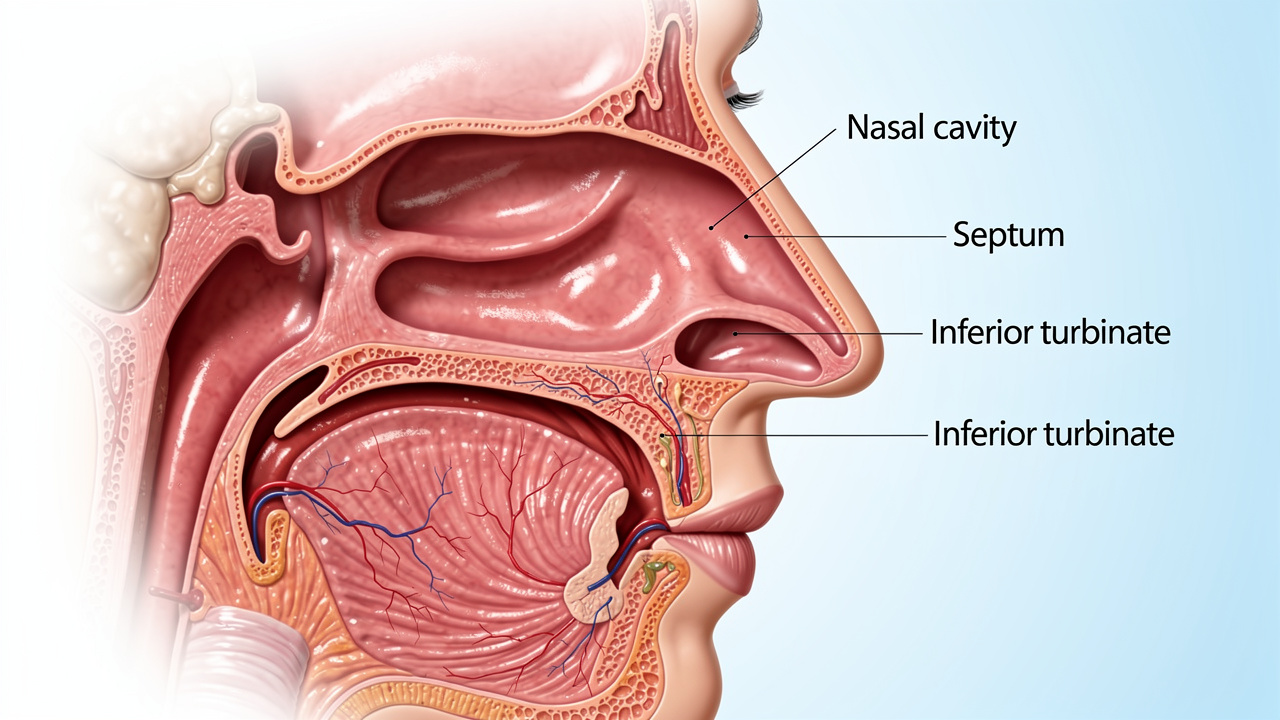
When you use a glutathione nasal spray, the liquid reaches highly vascular mucosal surfaces in the nasal cavity. From there, several routes are possible:
-
Systemic Absorption
Glutathione crosses the nasal mucosa into the bloodstream, where it can support antioxidant defenses throughout the body. -
Nose-To-Brain Pathways
-
Intraneuronal: absorption along the olfactory and trigeminal nerves with slower transport into the brain over hours to days.
-
Extraneuronal: faster diffusion across the olfactory region and mucosal surface into nearby brain tissue.
-
Because glutathione is small (~307 Da) and water-soluble, it appears well suited to these routes without the need for aggressive penetration enhancers, similar to advances in inhaled nanoparticle delivery systems that leverage molecular properties for enhanced bioavailability.
Why This Matters For You
For people focused on brain health, detoxification, or upper airway support, a glutathione nasal spray offers:
-
Potential access to central nervous system structures that oral products struggle to reach
-
Direct contact with nasal and sinus tissues involved in allergies, chronic sinusitis, and respiratory infections
-
A practical option that fits into a daily wellness routine at home
How Glutathione Nasal Spray Works In Your Body
Once absorbed, a glutathione nasal spray supports multiple systems at once:
-
Antioxidant defense: replenishes reduced glutathione (GSH), helping neutralize ROS and regenerate other antioxidants such as vitamin C and E.
-
Detoxification: supports liver and cellular detox pathways that process environmental chemicals, medications, and metabolic byproducts.
-
Immune modulation: influences white blood cell function and inflammatory signaling, which may help maintain balanced immune responses.
-
Mitochondrial function: protects mitochondria from oxidative damage, supporting energy production and resilience under stress.
Many users pair a glutathione nasal spray with other targeted sprays for additional effects:
-
NAD nasal spray or Enhanced NMN for energy metabolism and cellular repair
-
NAC nasal spray to support glutathione production and respiratory health
-
Energy support vitamin B12 sprays for methylation and red blood cell function
-
Theanine nasal spray GABA blends or kanna nasal spray theanine for calm focus and stress relief
-
Melatonin nasal spray for circadian rhythm alignment and nightly repair
Used thoughtfully, a glutathione nasal spray can be part of a broader, science-informed wellness strategy.
What The Research Actually Shows
Clinical data on intranasal glutathione is still limited, but several lines of evidence are worth understanding if you are considering a glutathione nasal spray.
Brain And Neurological Health

-
In a small imaging study using proton magnetic resonance spectroscopy (¹H-MRS), individuals with Parkinson’s disease who received intranasal reduced glutathione showed increased brain glutathione levels 20–45 minutes after a dose.
-
Two randomized, double-blind trials in Parkinson’s disease tested daily doses of 300 mg and 600 mg of intranasal glutathione over three months.
-
Both trials found the therapy to be safe and well tolerated.
-
Symptom scores improved slightly in treated groups, but the placebo group also improved significantly, making it hard to show a clear advantage.
-
Brain glutathione increases at 300 mg/day were minimal, and the 600 mg/day dose produced only a small, non-significant rise.
-
Conclusion: a glutathione nasal spray can raise brain glutathione in some people, but the best dose, schedule, and long-term impact on neurodegenerative diseases remain uncertain.
Chronic Sinusitis, Allergies, And Respiratory Health
People with chronic sinusitis and allergic inflammation often show lower glutathione in nasal tissues. In surveys of real-world users of intranasal glutathione:
-
About 52% of those with sinusitis/allergies reported improved symptoms.
-
Around 48% noticed fewer sinus infections.
In a pediatric study using 600 mg/day of glutathione via nasal aerosol, children with chronic middle ear inflammation experienced:
-
Higher glutathione levels in nasal mucosa
-
Statistically significant improvements in nasal obstruction, runny nose, and ear fullness
These findings support the rationale for using a glutathione nasal spray in respiratory and sinus-focused protocols, sometimes alongside NAC nasal spray or other respiratory supports.
Multiple Chemical Sensitivity (MCS) And Detox Support
In a survey of people using intranasal glutathione for various reasons:
-
Multiple Chemical Sensitivity (MCS) was the most common indication (over 40% of respondents).
-
Approximately 62% of all users attributed specific health benefits to the therapy.
-
Frequently cited benefits included improved disease symptoms, a better sense of well-being, more energy, and fewer sinus infections.
While surveys are subjective and not the same as controlled trials, they suggest many people with detox support or MCS perceive benefits from a glutathione nasal spray.
Cognitive Aging And Alzheimer’s Disease
Glutathione levels are consistently lower in brain regions affected by Alzheimer’s disease and mild cognitive impairment (MCI). Imaging and postmortem studies have shown:
-
Reduced glutathione in the hippocampus and frontal cortex
-
An association between lower glutathione, worse cognitive scores, and higher amyloid plaque load
-
Greater oxidative stress and lower glutathione in people carrying the APOE4 gene variant
Intranasal glutathione has not yet been formally tested in Alzheimer’s disease, so any claims here are speculative. However, these findings explain why a glutathione nasal spray is of interest for long-term brain health strategies.
Potential Benefits Of Glutathione Nasal Spray
Based on mechanistic science, early clinical data, and patient-reported outcomes, people use a glutathione nasal spray for a range of goals.
1. Antioxidant And Cellular Defense
A glutathione nasal spray:
-
Helps maintain a favorable GSH:GSSG ratio
-
Protects lipids, proteins, and DNA from oxidative stress
-
Supports healthier aging at the cellular level
This is particularly appealing for longevity-minded users, athletes exposed to high training loads, and professionals under heavy cognitive stress.
2. Detoxification And Immune Support
A glutathione nasal spray may:
-
Support liver phase II detoxification processes
-
Assist with removal of certain environmental pollutants and heavy metals
-
Help regulate immune activity and inflammatory responses
People dealing with high toxin exposure, MCS, or recurrent illness often explore glutathione nasal spray as one part of a more comprehensive plan.
3. Respiratory And Sinus Health
Because the spray contacts nasal and sinus tissues directly, users commonly report:
-
Clearer nasal passages
-
Fewer or less severe sinus infections
-
Greater comfort during allergy seasons
Here, a glutathione nasal spray is sometimes layered with NAC nasal spray or other upper-airway supports.
4. Energy, Focus, And Cognitive Performance
By defending mitochondria and supporting cellular metabolism, a glutathione nasal spray can complement tools used for mental and physical performance:
-
NAD nasal spray or NAD booster: for energy production and cellular repair
-
Energy support vitamin B12 sprays: for methylation and red blood cell function
-
Theanine nasal spray GABA: for calm, focused alertness
Biohackers and busy professionals often experiment with such stacks for sustained energy and mental clarity.
5. Mood, Sleep, And Stress Response
Oxidative stress, poor sleep, and mood changes often move together. Many people pair a glutathione nasal spray with:
-
Melatonin nasal spray for sleep support and nightly antioxidant activity
-
Kanna nasal spray theanine for mood balance and emotional resilience
-
Theanine nasal spray GABA combinations for a calmer nervous system
While research here is early, these combinations are popular among users looking to support both brain chemistry and redox balance.
6. Skin, Recovery, And Physical Performance
By controlling oxidative stress and supporting detoxification, a glutathione nasal spray may:
-
Help maintain a brighter, more even complexion
-
Support collagen integrity indirectly through reduced oxidative burden
-
Aid recovery from intense training or demanding schedules
Athletes and fitness enthusiasts sometimes include glutathione nasal spray in recovery protocols along with protein, hydration, and sleep strategies.
Who Might Consider Glutathione Nasal Spray?
People who commonly explore a glutathione nasal spray include:
-
Health optimization enthusiasts and biohackers looking to support mitochondrial function, brain health, and resilience.
-
Busy professionals and students seeking sustained focus and energy, often alongside NAD nasal spray or vitamin B12 sprays.
-
Wellness-focused individuals with anti-aging and cognitive protection on their radar.
-
Athletes and active individuals who want better recovery and less oxidative strain from training.
-
People with respiratory or sinus issues, allergies, or MCS looking for targeted antioxidant and detox support.
A glutathione nasal spray is not a cure or a replacement for medical treatment, but it can be a meaningful adjunct for many of these groups when guided by a clinician.
How To Use Glutathione Nasal Spray Step-By-Step

Correct technique matters if you want to get the most from a glutathione nasal spray. The same principles apply to related products like NAC nasal spray, NAD nasal spray, theanine nasal spray GABA blends, and melatonin nasal spray.
A common clinical rule of thumb is “start low and go slow,” especially with potent antioxidant or neuroactive sprays.
-
Clarify Your Goal
Know why you are using a glutathione nasal spray: brain health, detox support, sinus comfort, recovery, or a broader wellness plan. This makes it easier to track results. -
Consult A Healthcare Professional
This is especially important if you have chronic illness, take medications, are pregnant or breastfeeding, or are stacking with an NAD booster, energy support vitamin B12, kanna nasal spray theanine, or other strong antioxidants. -
Prepare For Application
-
Wash and dry your hands.
-
Gently blow your nose to clear mucus.
-
Sit or stand upright with your head in a neutral position.
-
-
Shake The Bottle
Mix the contents thoroughly before each use so the glutathione is evenly dispersed. -
Administer The Spray
-
Hold the glutathione nasal spray bottle upright.
-
Insert the nozzle into one nostril while lightly pressing the other closed.
-
Aim slightly outward (toward the ear) rather than straight up.
-
Press down to deliver the recommended number of sprays while breathing in gently.
-
-
Repeat As Directed
If instructed, repeat in the other nostril. Do not exceed label directions or practitioner guidance. -
Aftercare
-
Avoid blowing your nose immediately afterward, to allow absorption.
-
Store the glutathione nasal spray in a cool, dry place away from direct light, following label instructions.
-
-
Track Your Response
Monitor changes in energy, cognition, sinus comfort, mood, and sleep over several weeks. Adjust frequency only under professional guidance.
Safety, Side Effects, And Interactions
Most users and clinical studies report that a glutathione nasal spray is well tolerated when used as directed, but side effects can occur.
Common Side Effects
In surveys and trials, the most frequent issues included:
-
Mild irritation or burning sensation in the nose or sinuses
-
Temporary dryness, sneezing, or post-nasal drip
-
Occasional headaches
-
Rarely, small nosebleeds
People with Multiple Chemical Sensitivity (MCS) reported these symptoms about twice as often as other users.
Rare But Important Considerations
-
In one Parkinson’s trial using 600 mg/day intranasal glutathione, a participant developed cardiomyopathy with an increased heart rate that resolved after stopping treatment. Investigators considered a possible link to reductive stress—a situation where excessive antioxidant dosing may paradoxically stress certain cells.
-
This highlights the importance of avoiding very high doses of a glutathione nasal spray, especially when combined with other potent antioxidants, unless closely supervised by a knowledgeable professional.
Interactions With Other Nasal Sprays
Combining glutathione nasal spray with other formulations like melatonin nasal spray, NAC nasal spray, NAD nasal spray, kanna nasal spray theanine, or theanine nasal spray GABA can be helpful, but also increases complexity.
General guidelines:
-
Introduce one product at a time and watch for changes.
-
Space different nasal sprays at least 15–30 minutes apart unless your clinician advises otherwise.
-
If you notice worsening congestion, persistent irritation, dizziness, nausea, or unusual fatigue, pause use and check in with your provider.
Glutathione Nasal Spray Vs Other Delivery Methods
There is no single “best” way to increase glutathione; each method has trade-offs.
|
Method |
Advantages |
Limitations |
|---|---|---|
|
Glutathione nasal spray |
Bypasses digestion, non-invasive, potential nose-to-brain delivery, convenient for daily use |
May cause nasal irritation, data on ideal dosing and long-term effects are still limited |
|
Oral glutathione |
Widely available, simple to take, can be combined with other nutrients |
Poor absorption, significant breakdown in the gut |
|
IV glutathione |
Direct access to bloodstream, high short-term levels |
Invasive, requires medical setting, higher cost |
|
Precursor support (e.g., NAC) |
Supports the body’s own glutathione production |
Depends on intact synthesis pathways and adequate cofactors |
For many people, a glutathione nasal spray offers a strong balance of practicality and potential effectiveness, especially when oral products have disappointed and IV therapy is not realistic.
Choosing A Quality Glutathione Nasal Spray
If you decide to try a glutathione nasal spray, product quality matters.
-
Ingredient Clarity And Purity
-
Look for clearly labeled reduced glutathione with no unnecessary fillers or harsh preservatives.
-
Consider whether the formula stacks glutathione with other components such as NAC or calming ingredients. Some prefer a pure glutathione nasal spray; others are interested in more complex blends.
-
-
Evidence-Informed Brand
-
Choose companies that explain their sourcing, stability testing, and rationale for dosing.
-
When possible, look for third-party testing or references to clinical data.
-
-
Dosing And Delivery System
-
A metered spray device helps deliver consistent amounts of glutathione nasal spray per actuation.
-
Follow label instructions; more is not always better, especially with strong antioxidants.
-
-
Compatibility With Your Stack
-
If you already use glutathione nasal spray, melatonin nasal spray, NAD nasal spray, NAC nasal spray, kanna nasal spray theanine, or energy support vitamin B12, review the entire regimen with a practitioner to avoid excessive overlap.
-
Synchronicity Health’s glutathione nasal spray is an example of a targeted intranasal formulation designed for users who want convenient antioxidant support in a modern format.
Lifestyle Strategies To Support Glutathione

A glutathione nasal spray works best when your daily habits support redox balance rather than fight it.
-
Nutrient-Dense Diet
-
Emphasize sulfur-rich foods (eggs, garlic, onions), leafy greens, and colorful fruits and vegetables.
-
Minimize ultra-processed foods and excessive sugar that increase oxidative stress.
-
-
Hydration
-
Adequate water intake helps your body move toxins out efficiently.
-
Herbal teas with antioxidant properties can complement glutathione’s effects.
-
-
Regular Movement
-
Moderate exercise has been shown to raise endogenous glutathione over time.
-
Combine aerobic, strength, and mobility work for broad benefits.
-
-
Quality Sleep
-
Deep sleep is when many repair and detox processes peak.
-
Some people use melatonin nasal spray to support circadian rhythm, which may indirectly support glutathione dynamics.
-
-
Stress Management
-
Chronic psychological stress can deplete antioxidants.
-
Mindfulness, breathwork, and, in some cases, theanine- or kanna-based nasal sprays can support a calmer baseline.
-
Layering these habits with a glutathione nasal spray, NAC nasal spray, NAD nasal spray, theanine nasal spray GABA, or kanna nasal spray theanine gives your body multiple complementary inputs.
Frequently Asked Questions About Glutathione Nasal Spray
What is a glutathione nasal spray, in simple terms?
A glutathione nasal spray is a liquid form of reduced glutathione delivered into the nostrils with a spray device. It is designed to bypass digestion and support antioxidant, detox, immune, and mitochondrial functions more directly than many oral products. Healthcare professionals may pair it with NAC nasal spray, NAD nasal spray, and melatonin nasal spray in personalized protocols.
Can I combine glutathione nasal spray with other nasal sprays?
Yes, many people layer a glutathione nasal spray with NAC nasal spray for respiratory support, theanine nasal spray GABA for relaxation, NAD nasal spray as an NAD booster, or energy support vitamin B12 for additional metabolic support. Space them out, start slowly, and always check with a practitioner.
Who tends to benefit the most?
Individuals interested in detoxification, immune balance, sinus and respiratory comfort, cognitive performance, or healthy aging often explore glutathione nasal spray. It is also common in protocols built by clinicians working with people who have MCS, chronic sinusitis, or neurodegenerative conditions.
What side effects should I watch for?
Most side effects are local and mild: nasal irritation, dryness, sneezing, or headaches. If you experience persistent discomfort, nosebleeds, dizziness, or unusual symptoms—especially if stacking with strong antioxidants, kanna nasal spray theanine, or melatonin nasal spray—stop the spray and consult your provider.
How often should I use a glutathione nasal spray?
Protocols vary widely. Some people use it once daily; others use it several times per day for a defined period. There is no universal schedule, and research has not yet established an ideal dosing pattern, so professional guidance is important.
Final Thoughts: Is Glutathione Nasal Spray Right For You?
A glutathione nasal spray offers a practical, science-informed way to support one of the body’s most important antioxidants without relying on IV drips or poorly absorbed oral capsules. For many, it becomes a central piece of a wellness stack that might also include NAC nasal spray, NAD nasal spray or an NAD booster, melatonin nasal spray, theanine nasal spray GABA, kanna nasal spray theanine, and energy support vitamin B12.
Whether you are focused on longevity, mental performance, respiratory health, or recovery from demanding training and work schedules, glutathione nasal spray can be worth discussing with your healthcare professional. With realistic expectations, careful dosing, and supportive lifestyle habits, it may become a valuable tool in your evidence-based wellness routine.


Leave a comment
All comments are moderated before being published.
This site is protected by hCaptcha and the hCaptcha Privacy Policy and Terms of Service apply.