

Mushroom Coffee Vs Regular Coffee: Top Health Benefits Uncovered
Mushroom coffee vs regular coffee is more than a taste preference. For high performers, athletes, and longevity-focused professionals, it’s a question of what kind of energy and what kind of health benefits you want from your daily cup.
Regular coffee delivers a fast caffeine surge and a strong flavor. Mushroom coffee blends functional mushroom extracts (like Lion’s Mane, Reishi, Chaga, and Cordyceps) with coffee to create a gentler, more targeted effect on the brain, immune system, stress response, and endurance.
This guide from Synchronicity Health breaks down how each option affects performance, recovery, and long-term health so you can choose the brew that fits your goals.

Featured in this article
ForageLion's Mane, Cordyceps, Reishi and more for focus, energy, and daily balance.
Shop ForageThird-party tested ingredients. Vegan capsules.
Defining The Brews: What Are You Actually Drinking?
Regular Coffee
Regular coffee is made from roasted beans of the Coffea plant. For most people, it’s mainly about caffeine and antioxidants.
Key points:
- 100% coffee beans: no added functional ingredients
- Caffeine-forward: the FDA lists 113 to 247 mg of caffeine in a 12 oz cup of regular brewed coffee, depending on bean and brew
- Primary effect: caffeine blocks adenosine (a “sleepy” neurotransmitter), increasing alertness, focus, and reaction time
- Antioxidants: coffee is a major dietary source of chlorogenic acids and other compounds that help counter oxidative stress
For decades, regular coffee has been linked with lower risk of several chronic conditions in observational studies, but its main day-to-day impact is rapid mental stimulation.
Mushroom Coffee
Mushroom coffee is not coffee with chunks of shiitake or portobello floating on top. It’s typically:
- Ground coffee + concentrated mushroom extracts (often a 1:1 or similar ratio)
- Or mushroom powders/extracts added to any brewed coffee
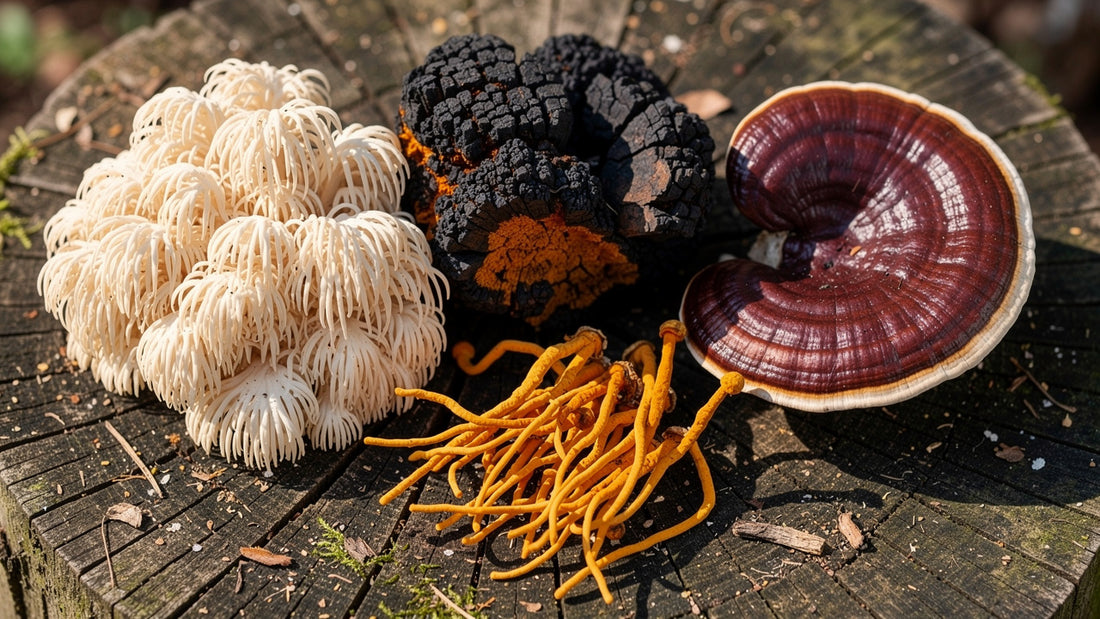
Common functional mushrooms:
- Lion’s Mane: nootropic support for memory, focus, and nerve health
- Chaga: high in antioxidants and immune-supporting compounds
- Reishi: calming, stress-modulating, and immune-balancing
- Cordyceps: linked to endurance, oxygen use, and ATP production
Two main formats:
- Pre-made blends: coffee grounds mixed with mushroom extracts, brewed like standard coffee
- Liquid extracts / tinctures: concentrated mushroom extracts added to brewed coffee
The core difference in the mushroom coffee vs regular coffee comparison: mushroom coffee delivers less caffeine with added adaptogens, plant compounds that can help the body respond more evenly to physical and emotional stress.
Caffeine And Energy Curve: Jolt Vs Steady Focus

Regular Coffee: High-Octane Surge
Regular coffee delivers:
- Fast onset: noticeable alertness within 15 to 30 minutes
- Higher dose: about 113 to 247 mg of caffeine in a 12 oz cup of brewed coffee, per the FDA
- Steep curve: sharp rise in energy followed by a mid-day dip or “crash”
Pros for high performers:
- Excellent for short bursts of intense focus
- Helpful before workouts, presentations, or long drives
Trade-offs:
- Jitters, anxiousness, and heart palpitations in sensitive people
- Sleep disruption if consumed in the afternoon or evening
- Tendency to stack cups through the day, increasing dependence
Caffeine should sharpen your day, not carry it for you.
Mushroom Coffee: Smooth, Jitter-Free Energy
Most mushroom coffee blends contain about half the caffeine of an equivalent cup of regular coffee, thanks to the dilution with mushroom extracts.
What that means in practice:
- Gentler onset: you feel more awake, but not “wired”
- Flatter curve: energy feels steady for several hours, with less of a crash
- Support from adaptogens: Reishi, Cordyceps, and others may help modulate cortisol and stress signaling
For biohackers and busy professionals, mushroom coffee often feels like clean focus and calm productivity rather than a big stimulant spike.
Caffeine itself raises cortisol, and the rise shrinks but does not disappear in daily coffee drinkers. Our guide to cortisol triggering foods covers that study and other foods that affect cortisol.
Health Benefits: Mushroom Coffee Vs Regular Coffee
Regular Coffee: Evidence-Backed Advantages
Regular coffee has been heavily studied. In moderation (about 2 to 4 cups per day for most adults), it’s associated with:
- Improved alertness and reaction time
- Improved physical performance in endurance exercise
- Rich antioxidant intake, which helps reduce oxidative stress
However, in the mushroom coffee vs regular coffee debate, regular coffee’s benefits are tightly tied to caffeine and general antioxidants, not targeted support for specific systems like cognition, immunity, or stress regulation.
Mushroom Coffee: Functional Support Beyond Caffeine

Mushroom coffee builds on the baseline benefits of coffee and adds focused support from medicinal mushrooms. Early research and traditional use point toward several areas of interest.
1. Cognitive Performance (Lion’s Mane)
Lion’s Mane contains compounds (such as hericenones and erinacines) that may:
- Encourage nerve growth factor (NGF) production
- Support neuronal health and plasticity
- Help maintain memory, focus, and mental clarity
For knowledge workers and biohackers, mushroom coffee with Lion’s Mane is often used as a daily nootropic alternative to extra espresso shots.
2. Stress, Mood, And Sleep (Reishi)
Reishi, sometimes called the “calming mushroom,” is known for:
- Supporting a balanced stress response
- Helping regulate cortisol over time
- Promoting a sense of calm without sedation
In mushroom coffee vs regular coffee, this is a clear differentiator: regular coffee can worsen jitters and nervousness in some people, while Reishi-containing blends are designed to support relaxation alongside focus.
3. Immune Support And A Healthy Inflammatory Response (Reishi, Chaga)
Reishi and Chaga are rich in polysaccharides, beta-glucans, and polyphenols that:
- Support immune cell activity
- Help modulate inflammatory pathways
- Provide extra antioxidant protection beyond what coffee alone offers
For busy people, from parents to executives, this immune support is a key reason to consider mushroom coffee vs regular coffee.
4. Physical Stamina And Recovery (Cordyceps)
Cordyceps is popular in athletic circles because it may:
- Support ATP production (the body’s cellular energy currency)
- Improve oxygen use during exertion
- Reduce perceived fatigue
Many athletes and fitness enthusiasts use mushroom coffee with Cordyceps as a pre-workout drink that supports endurance without an excessive caffeine hit.
5. Gut Health And Acidity
Compared to regular coffee, mushroom coffee is typically:
- Less acidic, which can be easier on the stomach
- Supportive of the gut microbiome, since mushrooms provide fiber and prebiotic compounds (in full-spectrum powders)
If regular coffee causes acid reflux, cramps, or “coffee stomach,” mushroom coffee is often the better choice.
Mushroom cocoa drinks swap the coffee base for cacao or cocoa; our guide to cacao vs cocoa explains the difference between the two.
If lion's mane is the mushroom you care about most, our guide to lion's mane coffee covers what the research measured, caffeine per cup and how to make it.
Taste, Texture, And Digestive Comfort
Taste Profile
Regular Coffee
- Bold, bitter, and often acidic
- Flavor varies widely: fruity, floral, nutty, chocolatey, or smoky depending on origin and roast
- For purists, nothing replaces the intensity of a perfectly pulled espresso or dark roast
Mushroom Coffee
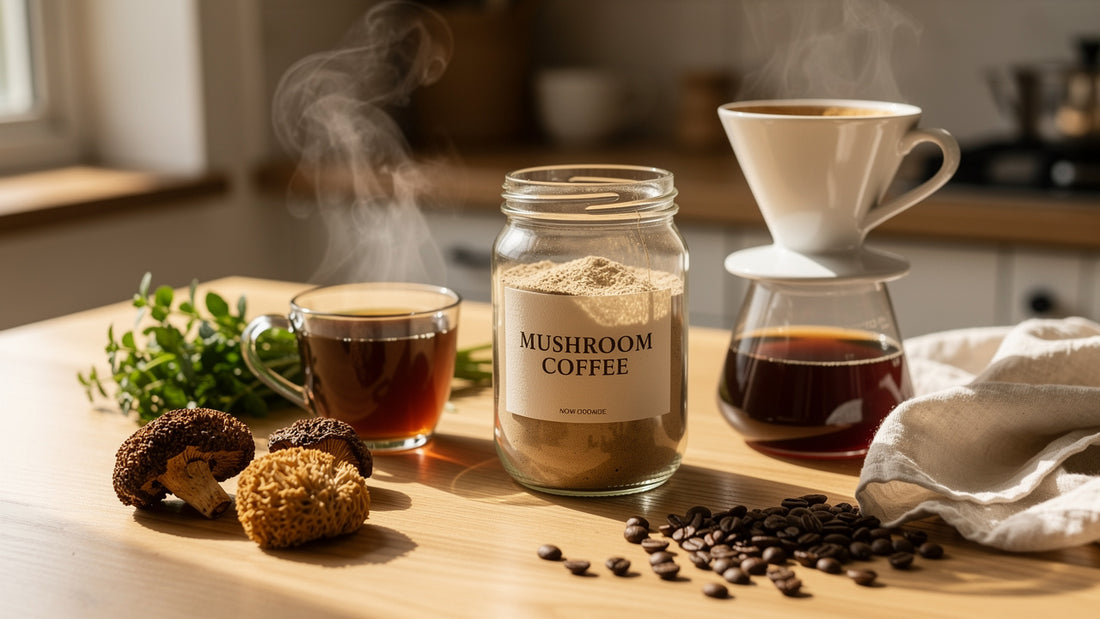
- Typically smoother and milder
- Earthy undertone from the mushroom extracts
- Lower acidity, which many find more gentle first thing in the morning
Most well-formulated blends taste mostly like coffee, with a subtle earthy depth rather than a “mushroom soup” note.
Texture
- Regular brewed coffee is usually clear, unless prepared as espresso or with added milk
- Some mushroom coffee powders (especially instant types without fillers) can be slightly gritty or silty, as natural components may not fully dissolve
Stirring well and adding a creamer with some fat (like coconut milk or half-and-half) usually creates a smoother mouthfeel.
Digestive Impact
- Regular coffee: higher acidity can aggravate GERD, gastritis, or general sensitivity. It may also stimulate bowel movements in a way some people like and others do not.
- Mushroom coffee: often feels gentler, though mushroom extracts themselves can cause mild digestive changes in some people during the first week.
If your gut is a priority, this can be an important factor in the mushroom coffee vs regular coffee decision.
If your blend contains reishi, our reishi tea guide covers how reishi is prepared and what is known about its liver safety.
Culinary mushrooms have their own research too; our guide to shiitake mushroom benefits covers what trials in healthy adults measured.
Risks, Side Effects, And Who Should Be Careful
Regular Coffee: Common Concerns
- Jitters and anxiety in caffeine-sensitive individuals
- Heart palpitations or elevated heart rate at higher intakes
- Sleep disruption, especially when used after 2 to 3 p.m.
- Caffeine dependence and withdrawal (headaches, fatigue, irritability)
- Stomach irritation due to acidity
Those with uncontrolled hypertension, arrhythmias, or significant anxiety should discuss caffeine intake with a clinician.
Mushroom Coffee: Specific Considerations
Mushroom coffee is generally well tolerated, but it’s not risk-free.
Potential issues:
- Allergies or sensitivity to fungi: can cause skin, respiratory, or GI symptoms
-
Medication interactions
- Reishi and other mushrooms may interact with blood thinners and immunosuppressants
- Always talk with your healthcare provider if you’re on chronic medication
-
Kidney concerns with Chaga
- Chaga is high in oxalates, which can increase kidney stone risk in susceptible people
-
Digestive changes
- Some experience gas, loose stools, or mild upset when they first introduce mushroom extracts
As with any supplement-type ingredient, quality matters. Look for:
- Clear labeling of mushroom species and extract type
- Third-party testing for heavy metals, pesticides, and microbial contaminants
- Transparent sourcing and manufacturing standards
If you’re pregnant, breastfeeding, immunocompromised, or have a complex medical history, medical guidance is recommended before committing to daily mushroom coffee.
Cost, Availability, And Sourcing
Cost
-
Regular coffee
- Widely available at every price point
- Even high-end specialty beans are usually less expensive per serving than functional mushroom blends
-
Mushroom coffee
- Priced as a premium wellness product
- Often costs at least 2x per serving compared with similar-quality regular coffee
- Additional cost reflects mushroom cultivation, extraction, and testing
Availability
- Regular coffee: found everywhere, grocery stores, gas stations, cafes, airports, online.
- Mushroom coffee: mostly in health food stores, specialty online retailers, and direct from brands; still less common in standard coffee shops.
Sustainability And Ethics
Many mushroom species used in mushroom coffee can be:
- Grown in controlled indoor environments
- Cultivated on agricultural byproducts, reducing land use
- Produced with relatively low water and chemical inputs
Conventional coffee farming, by contrast, can be intensive and has historically contributed to deforestation and challenging labor conditions in some regions. Ethically sourced, shade-grown, and fair-trade coffee options help offset this, but they require deliberate selection.
For environmentally conscious buyers, sourcing details can tip the scales in the mushroom coffee vs regular coffee decision.
Matching The Brew To Your Goals

If You’re A Biohacker Or Performance Enthusiast
You may prefer mushroom coffee if you:
- Want steady focus without jitters or a hard crash
- Stack it with nootropics and are already near your personal caffeine limit
- Care about long-term brain health, immune resilience, and recovery
A common pattern:
- Mushroom coffee with Lion’s Mane and Cordyceps in the morning
- Optional regular coffee shot around intense cognitive or physical demands
If You’re A Busy Professional (35 to 55) Feeling Energy Decline
Consider mushroom coffee if you:
- Notice that regular coffee leaves you tired or edgy by mid-afternoon
- Have creeping sleep issues that get worse with more caffeine
- Are starting to focus more on longevity, blood pressure, and stress resilience
You might also:
- Keep one regular coffee early in the day for familiarity and satisfaction
- Swap later cups for mushroom-based blends to protect sleep and reduce overstimulation
If You’re An Athlete Or Fitness-Focused
Both brews have a role:
-
Pre-workout boost
- Regular coffee: maximal stimulant effect before a hard session or race
- Mushroom coffee with Cordyceps: smoother boost with potential support for oxygen use and endurance
-
Recovery and off days
- Mushroom coffee can offer gentle energy, immune support, and lower stress without overdriving the nervous system
If You’re Sensitive To Caffeine, Acid, Or Jitters
Mushroom coffee is usually the better first choice because it:
- Contains less caffeine per serving
- Is generally less acidic
- Often includes Reishi or similar mushrooms that support a calmer state
A helpful rule of thumb: if your coffee is costing you sleep, it’s time to change the coffee, not just your alarm clock.
If you want the mushrooms without the coffee, our Mushroom Cacao is a mushroom hot chocolate made with lion's mane, cordyceps and high theobromine cocoa.
Mushroom Coffee vs Regular Coffee vs Mushroom Cacao
If the goal is less caffeine, there is a third option: a mushroom cacao drink, which swaps the coffee base for cocoa. Here is how the three compare:
|
Regular coffee |
Mushroom coffee |
Mushroom Cacao |
|
|---|---|---|---|
|
Base |
Roasted coffee beans |
Coffee blended with mushroom extracts |
Cocoa, cacao and a high theobromine cocoa extract |
|
Caffeine |
About 113 to 247 mg in a 12 oz cup (FDA) |
Usually less than regular coffee; check the label |
A little, from cocoa and cacao; the mushrooms add none |
|
Main lift |
Caffeine, fast and strong |
Caffeine, in a smaller amount |
Theobromine, cocoa's gentler and longer lasting stimulant |
|
Mushrooms |
None |
Varies by brand |
500 mg each of lion's mane and cordyceps 8:1 fruiting body extracts |
|
Sugar and calories |
None black |
Varies by brand |
0 g sugar and 15 calories per serving |
For healthy adults, the FDA says 400 mg of caffeine a day is an amount not generally linked with negative effects. Our Mushroom Cacao suits people cutting back on coffee, or as an afternoon swap; see mushroom hot chocolate and theobromine vs caffeine for more.
How To Experiment Safely
If you’re deciding between mushroom coffee vs regular coffee, or planning to combine them, use a structured approach:
-
Clarify your goal
- Sharper focus? Better workouts? Less tension? Improved sleep?
-
Adjust one variable at a time
- Week 1: Replace your second coffee with mushroom coffee
- Week 2: Shift your first coffee earlier or reduce its size if sleep is an issue
-
Track your response
- Energy curve across the day
- Focus, mood, and stress tolerance
- Sleep quality (time to fall asleep, night awakenings, morning alertness)
-
Fine-tune dosage
- Many high performers land at 1 cup regular + 1 cup mushroom coffee per day
- Others move entirely to mushroom coffee once they see stable performance with fewer side effects
Remember: both are tools. The right ratio depends on your physiology, medical history, and performance demands.
Frequently Asked Questions
Is mushroom coffee better than regular coffee?
Neither is better for everyone. Regular coffee gives a stronger caffeine lift; mushroom coffee usually has less caffeine plus mushroom extracts, which many people find smoother.
Does mushroom coffee have caffeine?
Yes, unless it is made without coffee. Most blends have less than a regular cup because part of each serving is mushroom extract. The label is the only way to know the amount.
Can I drink mushroom coffee every day?
Most healthy adults can, as long as total caffeine from all drinks stays within about 400 mg a day. If you are sensitive to caffeine, have it earlier in the day.
What is a lower caffeine alternative to mushroom coffee?
A mushroom cacao drink, such as our Mushroom Cacao, uses cocoa instead of coffee, so the lift comes mostly from theobromine rather than caffeine.
Which mushrooms are in mushroom coffee?
Lion's mane, cordyceps, chaga and reishi are the most common. Check that the label names each mushroom, the part used and the amount per serving.
Sources
- Drake C, et al. Caffeine effects on sleep taken 0, 3, or 6 hours before going to bed. J Clin Sleep Med. 2013. PubMed 24235903
- Guest NS, et al. International society of sports nutrition position stand: caffeine and exercise performance. J Int Soc Sports Nutr. 2021. PubMed 33388079
- Szućko-Kociuba I, et al. Neurotrophic and Neuroprotective Effects of Hericium erinaceus. Int J Mol Sci. 2023. PubMed 37958943
- Das G, et al. Cordyceps spp.: A Review on Its Immune-Stimulatory and Other Biological Potentials. Front Pharmacol. 2021. PubMed 33628175
- Kwon O, et al. Chaga mushroom-induced oxalate nephropathy that clinically manifested as nephrotic syndrome: A case report. Medicine (Baltimore). 2022. PubMed 35451393
- U.S. Food and Drug Administration. Spilling the Beans: How Much Caffeine is Too Much? Content current as of August 28, 2024. fda.gov
Featured in this article
ForageLion's Mane, Cordyceps, Reishi and more for focus, energy, and daily balance.
Shop ForageThird-party tested ingredients. Vegan capsules.
Bottom Line: Choosing Between Mushroom Coffee And Regular Coffee
When you weigh mushroom coffee vs regular coffee, you’re really choosing between:
- A fast, high-caffeine stimulant (regular coffee) with strong evidence for performance and antioxidant benefits, but with higher risk of jitters, acid irritation, and sleep disruption.
- A lower-caffeine, functionally targeted brew (mushroom coffee) that trades intensity for smoother energy, potential cognitive support, stress modulation, immune benefits, and often better digestive tolerance. Cacao is a great lower-caffeine option that contains more theobromine than caffeine.
For many people focused on longevity, brain health, and consistent performance, mushroom coffee becomes the daily foundation, and if you're still weighing whether you should switch to mushroom coffee, UCLA Health's clinical perspective offers a useful reference point, while regular coffee is reserved for moments when a stronger push is worth the trade-offs.
At Synchronicity Health, the recommendation is simple:
- If you tolerate caffeine well and love the ritual, keep regular coffee in your toolkit, but be honest about its impact on your sleep, mood, and blood pressure.
- If you want steadier energy, a calmer mood, and added support for cognition, immunity, and endurance, experiment with mushroom coffee, either as a replacement for some cups or as your primary brew.
Your daily coffee can be more than a habit. With the right choice, and the right dose, it can become a precise part of your performance and longevity strategy.


Leave a comment
All comments are moderated before being published.
This site is protected by hCaptcha and the hCaptcha Privacy Policy and Terms of Service apply.