
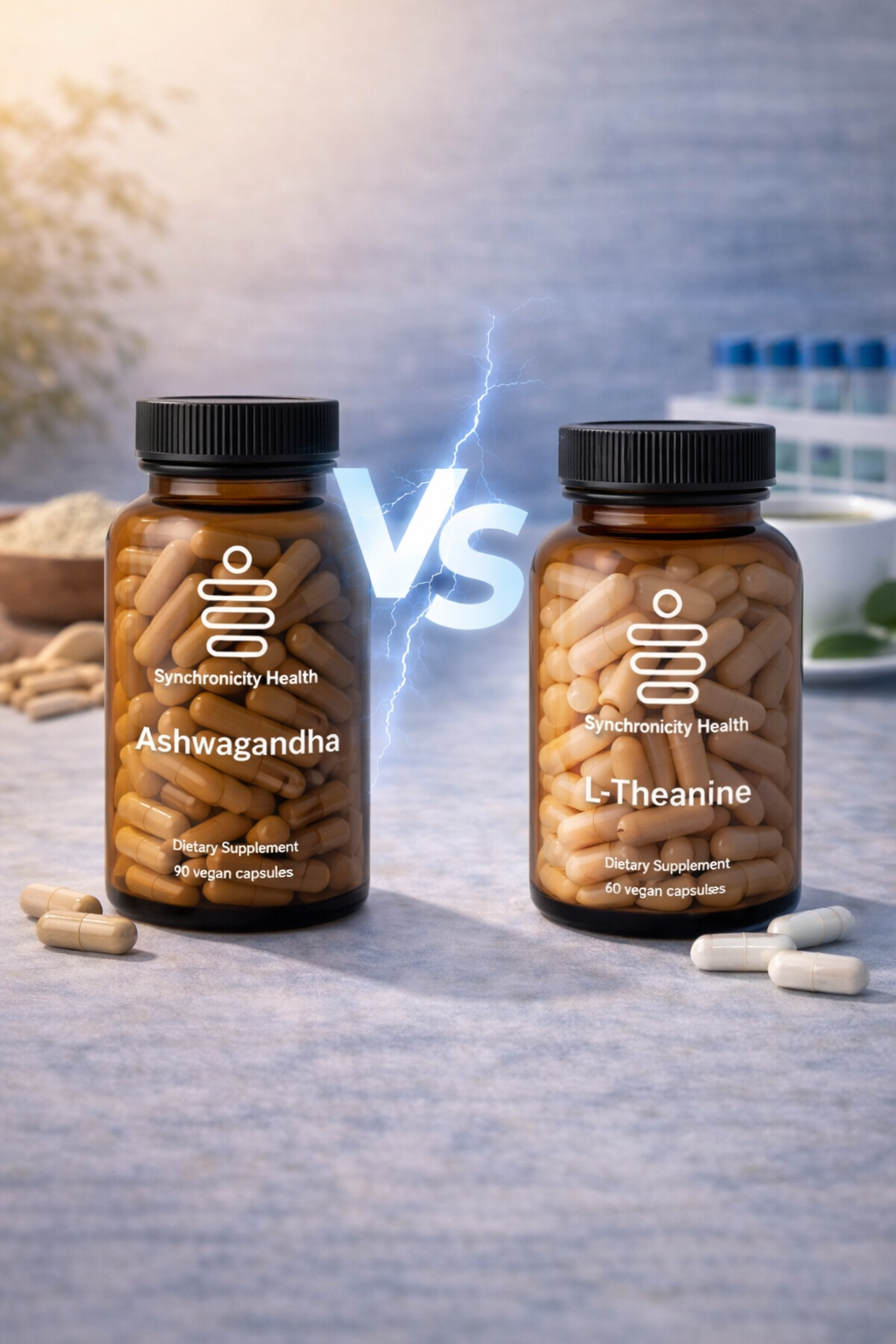
Feeling wired, tired, or stuck in a constant fight-or-flight mode? Many high performers, athletes, and health enthusiasts reach a point where caffeine, willpower, and productivity hacks are no longer enough. That’s where targeted stress-support supplements come in—and two of the most talked about are Ashwagandha and L-Theanine.
"It’s not stress that kills us; it is our reaction to it." — Hans Selye, MD
If you’re comparing ashwagandha vs l-theanine to dial in stress, focus, sleep, or recovery, you’re asking the right question. These compounds work very differently in the body, and choosing the right one (or using them together) can make your routine far more effective.
Below, we’ll break down how each works, who they’re best for, how to dose them, when to combine them, and how to source high-quality options like Ashwagandha and L-Theanine from reputable, third-party tested products.
Ashwagandha Vs L-Theanine: Quick Comparison
Before diving into mechanisms and research, here’s a high-level look at ashwagandha vs l-theanine:
|
Feature |
Ashwagandha |
L-Theanine |
|---|---|---|
|
What It Is |
Adaptogenic herb (Withania somnifera) |
Amino acid found in tea leaves |
|
Primary Role |
Builds long-term stress resilience |
Provides fast calm and focused alertness |
|
Onset |
Gradual (weeks) |
Rapid (30–60 minutes; even faster with nasal delivery) |
|
Best For |
Chronic stress, burnout, sleep, recovery |
Performance under pressure, racing thoughts, acute anxiety |
|
Typical Daily Dose |
300–600 mg root extract |
100–400 mg (oral); lower doses via nasal spray |
|
Main Pathways |
HPA axis, cortisol, GABA, antioxidant effects |
Alpha brain waves, GABA, serotonin, dopamine |
In short:
-
Ashwagandha = foundational support for chronic stress and system-wide balance.
-
L-Theanine = in-the-moment calm and focus, without sedation.
What Is Ashwagandha?
Origin And Role As An Adaptogen
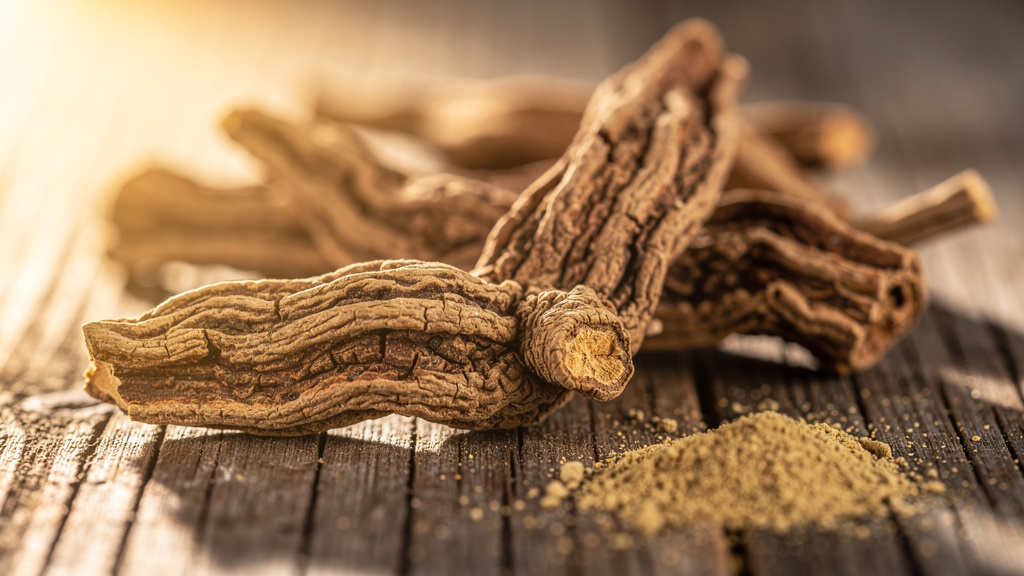
Ashwagandha (Withania somnifera) is a small shrub used for centuries in Ayurvedic medicine as a rasayana or rejuvenating tonic. The root is the primary part used in modern supplements.
As an adaptogen, Ashwagandha helps the body adapt to ongoing physical and psychological stressors. Rather than just masking symptoms, it works on the stress-response network itself, supporting long-term resilience and more stable energy.
Today, you’ll often see Ashwagandha included in comprehensive stress and performance formulas, such as adaptogenic blends like Ashwagandha combined with functional mushrooms for broader support.
How Ashwagandha Works For Stress
When you look at ashwagandha vs l-theanine, Ashwagandha plays the “slow and steady” role:
-
HPA axis modulation:
The hypothalamic–pituitary–adrenal (HPA) axis controls cortisol, the primary stress hormone. Chronic stress keeps this system stuck “on.” Multiple trials show Ashwagandha can help bring cortisol closer to a healthier range and reduce perceived stress over 4–8 weeks. -
GABA and calming effects:
Ashwagandha appears to support GABAergic signaling—GABA is the brain’s main inhibitory neurotransmitter, associated with a calmer mental state and fewer stress-driven spikes. -
Antioxidant and anti-inflammatory support:
Chronic stress increases oxidative stress and inflammation. Ashwagandha contains withanolides and other compounds that help protect neurons and support brain health over time. -
Sleep and recovery:
By easing stress and physical tension, Ashwagandha often improves sleep quality, which then feeds into better daytime energy, focus, and training recovery.
For health optimization enthusiasts, Ashwagandha is especially compelling when you’re dealing with long-standing stress, not just situational anxiety.
What Is L-Theanine?
Source And Brain-Active Properties
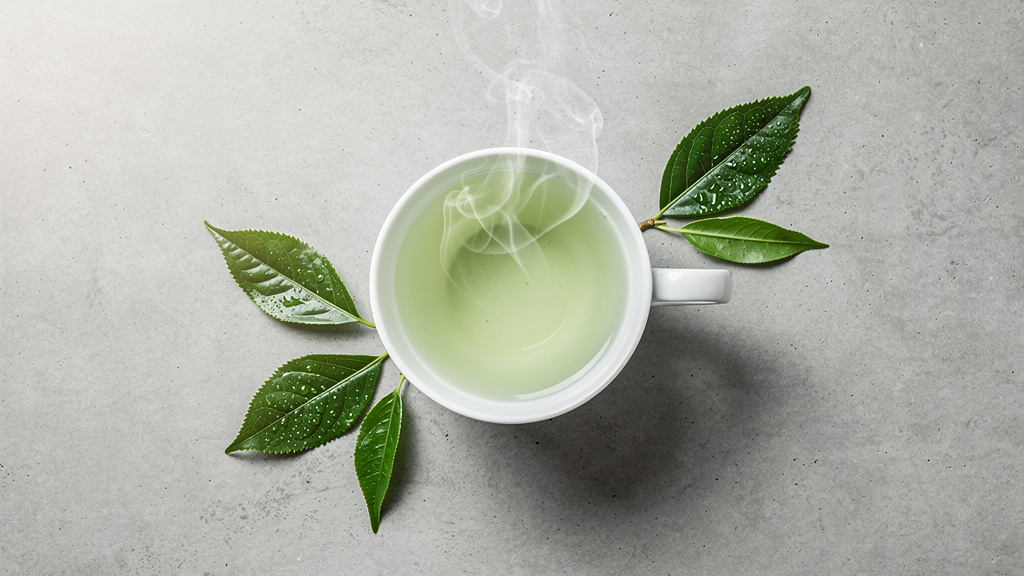
L-Theanine is a non-protein amino acid found mainly in green and black tea (Camellia sinensis). It’s a key reason tea can feel both calming and focusing at the same time, even though it contains caffeine.
Unlike many relaxing compounds, L-Theanine does not sedate. Instead, it promotes a state often described as calm alertness, which is why biohackers, students, and professionals use it for focus-heavy work.
In supplement form, L-Theanine is available as capsules, powders, and more advanced delivery systems like L-Theanine nasal sprays, which are designed for rapid absorption and noticeable brain effects.
How L-Theanine Supports Calm Focus
In the ashwagandha vs l-theanine comparison, L-Theanine is the faster, more targeted option:
-
Alpha brain wave activation:
EEG studies show L-Theanine increases alpha brain waves—associated with relaxed alertness, meditation-like states, and creative thinking. -
Neurotransmitter balance:
L-Theanine supports levels of:-
GABA – calming, reduces neuronal overactivity
-
Serotonin – mood, emotional balance
-
Dopamine – motivation, reward, focus
This combination helps reduce anxious thoughts while supporting mood and cognitive performance.
-
-
Physiological calming:
L-Theanine can blunt stress-induced rises in heart rate and blood pressure, which you may feel as less “edge” during stressful events. -
Caffeine pairing:
Many people stack L-Theanine with caffeine to reduce jitters and crashes while maintaining sharp focus and smoother mental energy.
Because it acts quickly, L-Theanine is ideal for high-stakes situations—presentations, intense work sprints, social events, or pre-competition nerves.
Ashwagandha Vs L-Theanine: Which Is Better For Your Goal?
There’s no universal winner in **ashwagandha vs l-theanine**. The right choice depends on your primary objective.
For Chronic Stress And Burnout
Choose **Ashwagandha** if you:
-
Wake up tired and feel drained despite adequate sleep
-
Feel “on edge” most of the day, not just in specific moments
-
Experience muscle tension, low motivation, or a sense of burnout
-
Want to support hormonal balance, immune function, and recovery over time
Ashwagandha’s gradual effect on cortisol and the HPA axis makes it well-suited for long-term stress patterns.
For Focused Performance Under Pressure
Choose **L-Theanine** if you:
-
Need to perform mentally under deadlines or during long work blocks
-
Experience racing thoughts or mental chatter that blocks deep work
-
Want a smoother, cleaner focus when you take caffeine
-
Need something you can take as needed before a stressful event
Here, L-Theanine stands out by calming the nervous system within an hour—or even faster with targeted delivery options like a Theanine nasal spray.
For Sleep And Nighttime Calm
Both can help, but in different ways:
-
Ashwagandha:
-
Better for people whose sleep is disrupted by long-term stress and elevated evening cortisol
-
Can improve overall sleep quality after several weeks of use
-
-
L-Theanine:
-
Helpful for quieting a busy mind before bed
-
Works well on nights when you feel wired and can’t “switch off”
-
A common approach: Ashwagandha taken daily, with L-Theanine added on particularly restless evenings.
For Athletes And Recovery

If you’re an athlete or serious fitness enthusiast:
-
Ashwagandha may support:
-
Recovery from high training loads
-
Sleep quality and muscle repair
-
Perceived exertion and resilience across a training cycle
-
-
L-Theanine may support:
-
Pre-competition calm and focus
-
Reduced performance anxiety
-
Clear thinking during tactical or complex sports
-
Many athletes find ashwagandha vs l-theanine is not an either/or decision—they use Ashwagandha as a base and L-Theanine as needed.
For Longevity And Brain Health Enthusiasts
-
Ashwagandha: Long-term stress reduction, antioxidant activity, and support for brain structure and function appeal to those focused on healthy aging.
-
L-Theanine: Alpha wave activity, mood support, and cognitive performance under stress are valuable for maintaining mental sharpness over time.
Can You Take Ashwagandha And L-Theanine Together?
Yes—combining them is not only common but often strategic.
When you look at ashwagandha vs l-theanine as a stack rather than competitors, you get:
-
Ashwagandha as the foundational support for your stress system
-
L-Theanine as the situational support for specific stress spikes or focus demands
They act on different but compatible pathways, and there are no well-documented negative interactions between the two in healthy adults.
Ashwagandha can also pair well with other adaptogens and functional mushrooms such as Lion’s Mane. For example, an adaptogenic blend that includes Ashwagandha and mushrooms—like a Forage Blend—can support cognitive function, stress resilience, and recovery in a more comprehensive way.
If you’re new to both, a smart approach is:
-
Start with one (often Ashwagandha) for 2–4 weeks—for example, a daily Ashwagandha-containing blend such as Synchronicity Health’s Forage Blend.
-
Once you know how you respond, introduce L-Theanine for targeted use during stressful days or evenings, possibly through a fast-acting option like a Theanine Nasal Spray.
Always discuss combinations with your clinician if you take prescription medications or have medical conditions.
Dosage, Timing, And How To Start
Ashwagandha Dosing And Timing
-
Common clinical range:
-
300–600 mg per day of a standardized root extract
-
-
Timing options:
-
Morning with food for daytime stress support
-
Evening for those who primarily want better sleep and nighttime relaxation
-
-
Onset:
-
Benefits typically build over 2–8 weeks of consistent daily use
-
Practical tip:
-
Start at the lower end of the range, track how you feel for 1–2 weeks (energy, sleep, mood), and only then consider moving upward within the studied range if needed.
L-Theanine Dosing And Timing
-
Oral supplements:
-
100–200 mg for mild stress or focus
-
Up to 400 mg per day in divided doses is common in research
-
-
Nasal or fast-delivery forms:
-
Products like a Theanine Nasal Spray can work at lower doses due to rapid absorption; always follow the product’s specific guidance.
-
-
Timing:
-
30–60 minutes before a stressful event or intense work session
-
30–90 minutes before bed for racing thoughts
-
The FDA considers daily intakes below 1,200 mg of L-Theanine to be generally safe for healthy adults, though most people need far less.
Side Effects, Safety, And Who Should Avoid Each
When comparing ashwagandha vs l-theanine, both have solid safety profiles for short-term use in healthy adults, but there are important caveats.
Ashwagandha Safety Profile
Common, usually mild effects:
-
Digestive upset (nausea, loose stools, stomach discomfort)
-
Drowsiness in some users
Less common but more serious concerns (usually at high doses or in sensitive individuals):
-
Rare reports of liver injury have appeared in the medical literature, so monitoring is wise, especially if you have pre-existing liver issues.
Who should avoid or be cautious:
-
Pregnant or breastfeeding individuals (insufficient safety data)
-
People with hormone-sensitive prostate cancer
-
Those on medications for:
-
High blood pressure
-
Diabetes or blood sugar regulation
-
Thyroid disorders
-
Immune suppression (e.g., steroids)
-
Sedatives or other CNS depressants
-
If you take prescription medications or have chronic health conditions, talk with a healthcare professional before adding Ashwagandha.
L-Theanine Safety Profile
Possible mild side effects:
-
Nausea
-
Headache
-
Metallic taste in the mouth (uncommon)
Who should be cautious:
-
Pregnant or breastfeeding individuals (limited data)
-
People taking:
-
Blood pressure medications (L-Theanine can slightly lower blood pressure)
-
Certain heart medications
-
If you combine L-Theanine with other calming agents or sedatives, monitor how you feel and consult your clinician.
Shared Best Practices
-
Do not use supplements as a replacement for treatment of serious anxiety, depression, or other mental health conditions.
-
If you notice yellowing of the skin/eyes, dark urine, or unusual fatigue while taking Ashwagandha or any supplement, stop and seek medical support.
-
Introduce one new supplement at a time so you can pinpoint how your body responds.
Quality Matters: How To Choose Ashwagandha And L-Theanine
The difference between high- and low-quality supplements can be significant—especially with herbs and amino acids where purity and dosing matter.
Look for:
-
Third-party testing:
Independent lab testing for purity, potency, and contaminants (heavy metals, microbes, pesticides). -
Standardized extracts:
For Ashwagandha, this means a defined percentage of active compounds (such as withanolides). -
Transparent labeling:
Clear doses of each ingredient, no hidden proprietary blends that obscure what you’re actually taking. -
Evidence-informed formulas:
Doses that align with research, not just trace amounts sprinkled in for marketing. -
Clean excipients:
Minimal fillers, no unnecessary artificial colors or flavors when possible.
This is why we recommend using Synchronicity Health’s high potency, high purity, third-party tested supplements backed by a Yale MD. You can try our Forage Blend with Ashwagandha or our Theanine Nasal Spray for rapid, targeted L-Theanine delivery.
Both are designed for people who care about rigorous quality and want supplements that match the level of intention they bring to their training, work, and long-term health.
Putting It All Together
When you compare ashwagandha vs l-theanine, you’re really comparing two different strategies for managing stress and performance:
-
Ashwagandha supports long-term stress resilience, better sleep, recovery, and whole-body balance—especially useful if you’re dealing with ongoing overload or burnout.
-
L-Theanine delivers fast calm and focus, helping you perform under pressure, quiet a racing mind, and smooth out the effects of stimulants.
For many high performers, the most effective plan is not Ashwagandha or L-Theanine, but a smart combination of the two—layered on top of fundamentals like:
-
Consistent, high-quality sleep
-
Regular movement and strength training
-
Nutrient-dense food and adequate hydration
-
Stress management practices such as breathwork, meditation, or therapy
Used thoughtfully and in partnership with healthy habits, these supplements can be powerful tools in a broader strategy for mental clarity, physical performance, and long-term health.


Leave a comment
All comments are moderated before being published.
This site is protected by hCaptcha and the hCaptcha Privacy Policy and Terms of Service apply.