
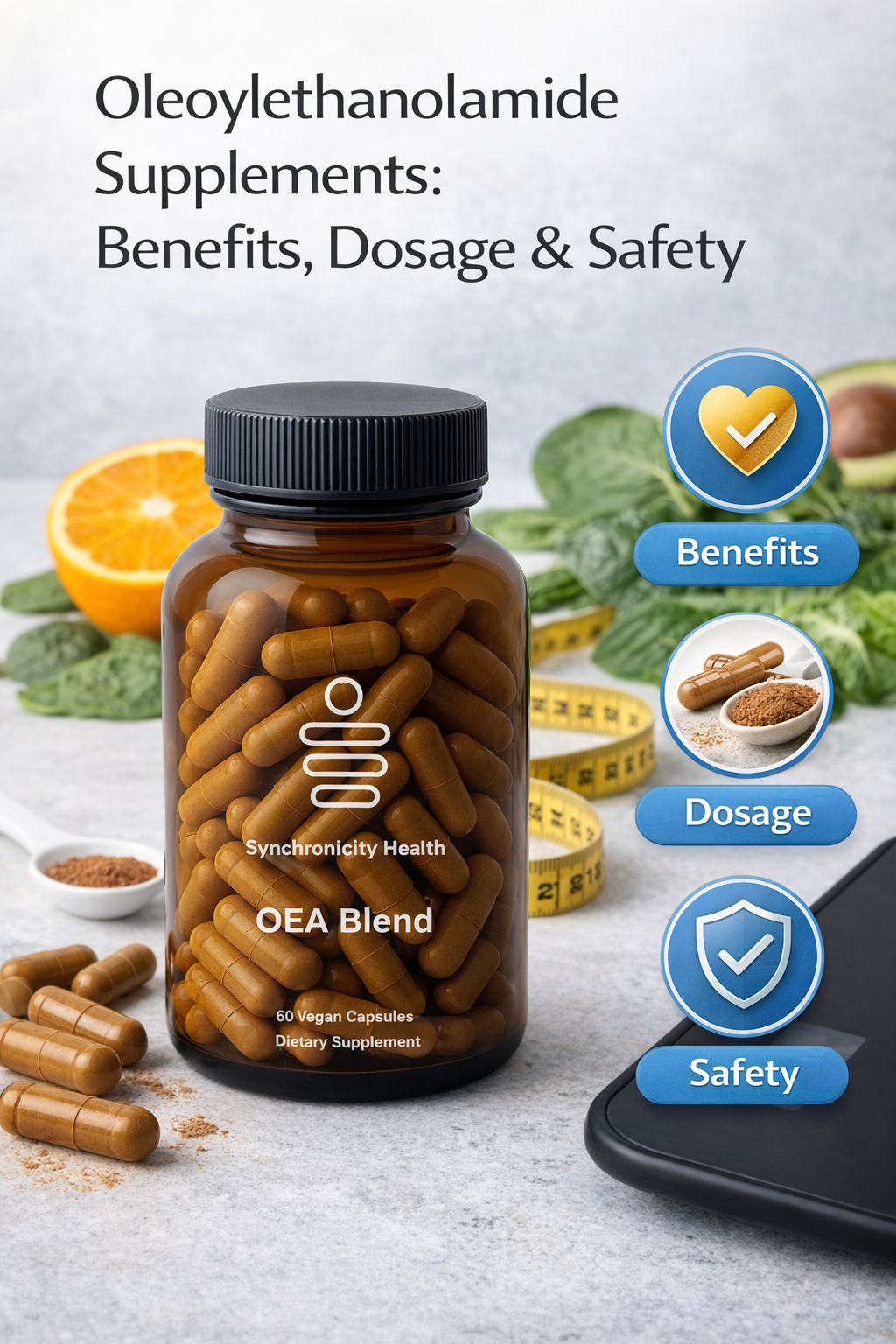
Introduction To Oleoylethanolamide Supplements
Oleoylethanolamide supplements (often shortened to OEA supplements) are increasingly popular among people who care about performance, longevity, and body composition. Originally studied as a naturally occurring lipid made from oleic acid (the main fat in olive oil), OEA has moved from obscure research papers into the supplement stacks of biohackers, athletes, and health-conscious professionals.
What sets oleoylethanolamide supplements apart is their combination of appetite control, fat‑loss support, and metabolic benefits without relying on stimulants. For people already investing in NAD⁺ IV infusions, high‑end lab work, or precision nutrition, OEA can be a useful tool to round out a weight and health strategy—when it’s used correctly and sourced from the right brands.
This guide from Synchronicity Health walks through how OEA works, what clinical research actually shows, how to choose high‑quality oleoylethanolamide supplements, and how to fit them into a performance‑focused routine.
"You can’t out‑supplement a poor diet or a sedentary week."
Use OEA as a support tool, not as a substitute for nutrition, training, and sleep.
What Is Oleoylethanolamide (OEA)?
Oleoylethanolamide (OEA) is an endogenous fatty acid amide—your body makes it from oleic acid. It belongs to the N‑acylethanolamine family, which also includes the endocannabinoid anandamide.
There are three key points that matter for anyone considering oleoylethanolamide supplements:
-
Endogenous Production
OEA is produced mainly in the small intestine after fat‑containing meals, but also in fat tissue and the nervous system. -
Not A Cannabinoid
Although structurally related to endocannabinoids, OEA does not activate CB1 or CB2 receptors, so it does not have the psychoactive effects associated with cannabinoids. -
Diet Alone Isn’t Enough
Tiny amounts of OEA occur in foods like oats, nuts, and cocoa powder, but concentrations are under ~2 µg per gram—far below the doses used in human trials. That’s why oleoylethanolamide supplements are used if you want clinically relevant levels.
How Oleoylethanolamide Supplements Work In The Body
OEA influences appetite, fat metabolism, inflammation, and blood sugar through several well‑characterized pathways. Understanding these makes it easier to decide whether oleoylethanolamide supplements fit your goals.
1. PPAR‑α: Turning Up Fat Burning
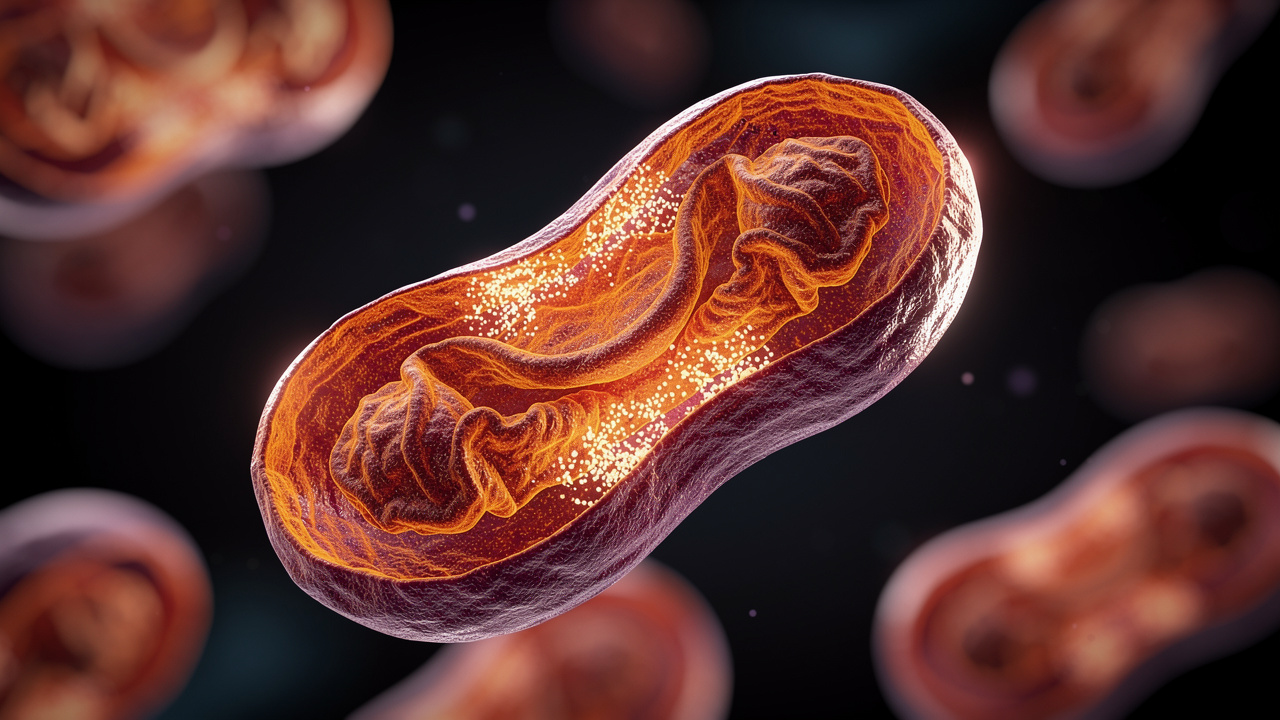
OEA is a high‑affinity activator of peroxisome proliferator‑activated receptor‑α (PPAR‑α), a nuclear receptor that controls genes involved in lipid metabolism and energy balance.
When OEA binds to PPAR‑α, research shows it can:
-
Increase fatty acid oxidation (“fat burning”) in the liver, muscle, and fat tissue
-
Support lipolysis, breaking down stored triglycerides into fatty acids for fuel
-
Raise energy expenditure by supporting mitochondrial function and biogenesis
-
Downregulate pro‑inflammatory genes and enzymes such as IL‑6 and COX‑2
This PPAR‑α activation is the backbone of how oleoylethanolamide supplements support body composition and cardiometabolic health.
2. Gut–Brain Satiety Signaling

OEA is also a powerful satiety signal. After a fat‑containing meal, OEA produced in the small intestine activates sensory fibers of the vagus nerve, which connects the gut to the brain.
Signals travel to the hypothalamus, a key brain region regulating hunger. This results in:
-
Delayed initiation of the next meal
-
Smaller meal size
-
Longer intervals between meals
These effects are supported by changes in neurotransmitters and hormones linked to fullness, including dopamine, oxytocin, histamine, and GLP‑1. For people who struggle with constant snacking or late‑night grazing, this is where oleoylethanolamide supplements can make a meaningful difference.
3. GLP‑1, GPR119, TRPV1, And Glucose Regulation
In addition to PPAR‑α and vagus signaling, OEA interacts with several other targets:
-
GLP‑1 Secretion
OEA can stimulate gut L‑cells to release glucagon‑like peptide‑1 (GLP‑1), which:-
Enhances insulin release after meals
-
Slows gastric emptying
-
Promotes satiety
-
-
GPR119 Activation
OEA activates GPR119, a receptor involved in energy balance and incretin release, further supporting glucose control and appetite regulation. -
TRPV1 Activation
OEA can activate TRPV1 (the same receptor capsaicin acts on), which plays roles in pain perception, thermogenesis, and energy metabolism.
Together, these mechanisms help explain why oleoylethanolamide supplements show consistent effects on body weight, fat mass, inflammation, and metabolic markers in human trials.
Evidence-Based Benefits Of Oleoylethanolamide Supplements
A recent systematic review and meta‑analysis pooling data from multiple randomized clinical trials gives a clearer picture of how OEA performs in humans.
Summary: Across 10 randomized trials in people with obesity, metabolic disorders, or related conditions, oleoylethanolamide supplements improved body composition, key metabolic markers, and inflammatory status compared with placebo.
Weight Management And Body Composition
Across studies, daily OEA supplementation produced measurable improvements in:
-
Body Weight – Significant reductions compared with placebo
-
Body Mass Index (BMI) – Greater drops, especially with interventions of 8 weeks or longer
-
Fat Mass And Body Fat Percentage – Decreases in total fat while preserving lean mass
-
Waist Circumference – Reduction in abdominal fat, a major cardiometabolic risk factor
Notably, the reductions in fat mass did not come with loss of fat‑free mass, suggesting that oleoylethanolamide supplements favor fat loss while preserving muscle—important for athletes and anyone concerned about metabolic rate.
Metabolic Health, Insulin Sensitivity, And Lipids
For people tracking glucose, insulin, and lipids, OEA has shown a multi‑layered impact:
-
Fasting Blood Glucose (FBG)
-
Significant decreases, especially at doses ≥250 mg/day
-
Stronger effects in people with obesity or insulin resistance
-
-
Insulin And HOMA‑IR
-
Lower fasting insulin
-
Improved HOMA‑IR (a measure of insulin resistance)
-
-
Hemoglobin A1c (HbA1c)
-
No consistent changes yet, likely due to short study durations (often ≤12 weeks)
-
-
Lipid Profile
-
Triglycerides (TG): Significant reductions
-
Total cholesterol, LDL‑C, HDL‑C: No consistent changes so far
-
If you’re stacking oleoylethanolamide supplements with metformin, GLP‑1 agonists, or NAD⁺ IV programs for metabolic health, this profile is compelling: more fat used as fuel, improved fasting markers, and lower triglycerides without stimulant dependence.
Inflammation, Oxidative Stress, And Cardiovascular Risk
Obesity and metabolic dysfunction are tightly linked to low‑grade systemic inflammation and oxidative stress. OEA appears to influence both:
-
Inflammatory Markers
-
Significant reductions in C‑reactive protein (CRP)
-
Lower TNF‑α (a pro‑inflammatory cytokine)
-
Some individual trials report decreased IL‑6, though results are less consistent overall
-
-
Oxidative Stress
-
Lower malondialdehyde (MDA), a marker of lipid peroxidation
-
Higher total antioxidant capacity (TAC)
-
These effects likely stem from PPAR‑α activation, NF‑κB modulation, and upregulation of antioxidant enzymes like SOD and catalase. Together with triglyceride reductions, these changes support healthier vascular function and overall cardiometabolic resilience.
Cognitive, Mood, And Energy Benefits: Where OEA Fits
Compared with its weight and metabolic effects, cognitive and mood data on OEA alone are more preliminary, though nutraceutical approaches for autism and related neurodevelopmental conditions continue to explore compounds like OEA for their broader neurological potential. However, oleoylethanolamide supplements are often combined with other compounds that target the brain, stress, and energy levels. Popular combinations include:
-
Cordyceps Mushroom
-
Traditionally used for endurance and oxygen utilization
-
Frequently paired with OEA in “energy and weight” formulas to support training volume and daily stamina
-
-
Lion’s Mane Mushroom
-
Associated with nerve growth factor (NGF) support and cognitive health
-
Combined with OEA in some mushroom cocoa or capsule blends aimed at focus plus appetite control
-
-
L‑Theanine
-
An amino acid from tea that promotes calm alertness
-
Often stacked with oleoylethanolamide supplements for stress eating, productivity, and smooth focus
-
-
Kanna (Sceletium Tortuosum)
-
A mood‑support herb sometimes used in nasal spray form
-
When paired with OEA, may help reduce stress‑driven snacking and support emotional balance
-
-
Sleep‑Focused Blends
-
OEA combined with sleep nutrients (e.g., magnesium, glycine, low‑dose melatonin)
-
Designed for people whose weight challenges are tightly linked to poor sleep and circadian disruption
-
These stacks make oleoylethanolamide supplements especially attractive to busy professionals, founders, shift workers, and athletes trying to control appetite while keeping cognition and mood steady.
Who Should Consider Oleoylethanolamide Supplements?
Oleoylethanolamide supplements are not magic, but they can be a strong tool for specific profiles when paired with sound nutrition, training, and sleep. Examples include:
-
Biohackers And Longevity Enthusiasts
-
Tracking body composition, inflammatory markers, and glucose/insulin
-
Already using NAD⁺ IV therapy, red light, or wearables and seeking additional metabolic support
-
-
Busy Professionals And Entrepreneurs
-
Struggle with grazing, late‑night snacking, or stress eating
-
Want better appetite control and energy without stimulants
-
-
Athletes And Fitness Enthusiasts
-
Cutting fat while preserving muscle and performance
-
Interested in stacks that combine OEA with cordyceps, lion’s mane, or theanine
-
-
People With Central Adiposity And Metabolic Red Flags
-
Elevated waist circumference, triglycerides, fasting glucose, or CRP
-
Working with a clinician on structured weight and cardiometabolic interventions
-
If you have a complex medical history, are pregnant or breastfeeding, or take multiple medications, oleoylethanolamide supplements should be considered only under professional guidance.
How To Choose High-Quality Oleoylethanolamide Supplements
For a compound as targeted as OEA, product quality and formulation matter. Here’s what to look for.
1. Dose And Form Of OEA
-
Look for clear labeling of OEA content per serving (not just “proprietary blend”).
-
Research‑backed doses typically fall between 125–600 mg/day, with ~250 mg/day common in weight and metabolic trials.
-
Prefer standardized OEA rather than generic “olive oil extract” or vague lipid blends.
2. Supporting Ingredients
Many oleoylethanolamide supplements are blended with additional compounds to extend their benefits:
-
Energy And Performance Blends: OEA + cordyceps, B‑vitamins, electrolytes
-
Focus And Stress Control: OEA + lion’s mane, theanine
-
Mood Support: OEA + kanna (capsule or nasal spray formats)
-
Metabolic Cocoa Powders: OEA + mushroom cocoa with lion’s mane and cordyceps
-
Night Formulations: OEA + sleep nutrients (magnesium, glycine, low‑dose melatonin)
Choose based on your main objective—fat loss, productivity, training, or sleep—rather than stacking everything at once.
3. Testing, Purity, And Brand Transparency
For the Synchronicity Health audience—who already demand lab data from NAD⁺ clinics and peptide providers—the same standards should apply here:
-
Third‑Party Testing
-
Certificates of Analysis (CoAs) for identity, potency, heavy metals, and microbial contaminants
-
-
Manufacturing Quality
-
Produced in cGMP‑compliant facilities
-
-
Clear Labeling
-
No hidden proprietary blends for core active ingredients
-
Disclosed capsule excipients and allergens
-
4. Delivery Form
Common options you’ll see:
-
Capsules/Softgels: Most research‑backed and convenient form for precise dosing
-
Powders And Cocoa Blends: Good for habit stacking (morning drink or pre‑work block)
-
Nasal Sprays (OEA + Kanna): Faster onset for mood and stress modulation, usually used as an adjunct rather than the primary way to dose OEA
Popular Oleoylethanolamide Supplement Formats And Stacks

Instead of fixating on brand names, it helps to think in terms of categories of oleoylethanolamide supplements and how they fit specific goals.
1. Pure OEA Capsules
-
Best For: People who want to start with a clean, research‑style intervention
-
Typical Profile:
-
125–250 mg OEA per day
-
No added stimulants or herbs
-
-
Use Case:
-
Baseline fat‑loss and metabolic support, easy to combine with existing regimens (NAD⁺ therapy, fasting, GLP‑1 agonists)
-
2. OEA + Cordyceps “Energy & Cut” Formulas
-
Best For: Athletes and active professionals cutting body fat while maintaining output
-
Typical Profile:
-
OEA + cordyceps mushroom extract
-
Possible additions: electrolytes, B‑vitamins
-
-
Intended Effects:
-
Appetite control, support for mitochondrial energy production, improved training capacity
-
3. OEA + Lion’s Mane + Theanine “Focus & Appetite” Stacks
-
Best For: Knowledge workers, students, and founders managing both focus and food intake
-
Typical Profile:
-
OEA for satiety and metabolic support
-
Lion’s mane for cognitive support
-
Theanine for calm focus and reduced stress eating
-
4. OEA + Kanna Nasal Spray Combinations
-
Best For: Individuals whose overeating is strongly driven by stress and mood swings
-
Typical Approach:
-
Oral OEA capsule plus kanna nasal spray as needed
-
-
Intended Effects:
-
Appetite control from OEA
-
Fast‑acting mood support from kanna
-
5. OEA-Infused Mushroom Cocoa Or Sleep Capsules
-
Metabolic Cocoa Blends:
-
OEA + cocoa + lion’s mane + cordyceps
-
Morning or afternoon drink for cognitive support, gentle energy, and appetite control
-
-
Sleep‑Focused Capsules:
-
OEA + sleep nutrients
-
For people whose weight challenges stem from poor sleep quality, late‑night grazing, or circadian disruption
-
Dosage, Timing, And Safety Guidelines
Research gives a practical range for dosing oleoylethanolamide supplements, but individualization with a qualified clinician is ideal—especially if you have health conditions or take medications.
Evidence-Informed Dosing
|
Goal |
OEA Dose Used In Studies* |
Typical Duration Studied |
|---|---|---|
|
Inflammation / Oxidative Stress |
125–250 mg/day |
8–12 weeks |
|
Weight, BMI, Waist Reduction |
250 mg/day or higher |
≥8 weeks |
|
Fasting Glucose Support |
250–600 mg/day |
8–12 weeks |
*Approximate ranges from human randomized trials and meta‑analyses, not medical prescriptions.
Common practice patterns:
-
Total Daily Dose: 125–250 mg/day is the most common research range
-
Split Dosing: Often taken as two 125 mg doses, 30–60 minutes before the two largest meals
-
Duration: Many of the strongest effects on BMI, waist circumference, and CRP appear after 8 weeks or more of consistent use
Timing And Stacking
-
Before Meals
-
Taking OEA 30–60 minutes before eating aligns with its gut–brain satiety mechanism
-
-
Morning Vs. Evening
-
Morning and midday dosing are common for appetite and energy support
-
Nighttime dosing is usually reserved for sleep‑specific blends that combine OEA with sleep aids
-
If you stack oleoylethanolamide supplements with other agents:
-
With Stimulants (e.g., Caffeine)
-
Be mindful of combined appetite suppression and potential under‑eating for athletes
-
-
With GLP‑1 Agonists
-
Appetite reduction may be strong; coordinate with your clinician to avoid excessive calorie restriction
-
-
With Mood Or Sleep Agents (Kanna, Melatonin, Sedating Herbs)
-
Start with lower doses and track next‑day alertness and performance
-
Safety And Side Effects
Across trials, OEA has been generally well‑tolerated, but a few points matter:
-
Common, Usually Mild Effects
-
Occasional gastrointestinal discomfort, nausea, or loose stools
-
Rare mild headaches or dizziness
-
-
Unknowns
-
Limited long‑term (multi‑year) safety data
-
Most clinical trials have been conducted in a single country, so cross‑population data are still developing
-
-
Higher Caution Advised For:
-
Pregnancy or breastfeeding
-
Significant gastrointestinal disease
-
Complex metabolic or cardiovascular conditions
-
People on multiple medications (especially for glucose control, blood pressure, or clotting)
-
As with any bioactive compound, discuss oleoylethanolamide supplements with a qualified healthcare professional who understands your full regimen—especially if you are layering OEA on top of NAD⁺ therapy, peptides, or prescription metabolic agents.
Integrating Oleoylethanolamide Supplements Into A Performance-Focused Routine
For many Synchronicity Health readers, the question isn’t whether OEA works, but how to integrate it with an existing high‑end health strategy. Below is a sample structure (not a prescription) to discuss with your clinician.
Example Daily Structure:
-
Morning
-
125 mg OEA 30–60 minutes before the first substantial meal
-
Optional: mushroom cocoa blend with lion’s mane + cordyceps for focus and training prep
-
-
Midday / Early Afternoon
-
125 mg OEA before the main meal if appetite and portion control are priorities
-
Optional: theanine or lion’s mane if work requires deep focus
-
-
Evening
-
If sleep is an issue: consider a separate OEA‑containing sleep formula, or avoid OEA at night and focus on sleep nutrients alone
-
Avoid stacking too many sedating compounds if you’re already using medications or strong sleep aids
-
-
Weekly And Monthly
-
Track body weight, waist circumference, subjective appetite, meal frequency, and performance metrics
-
For biohackers and longevity clients: trend labs such as fasting glucose, insulin, HOMA‑IR, triglycerides, and CRP over 8–12 weeks with clinician oversight
-
"What gets measured gets managed."
Treat your OEA protocol like any other performance tool: track, review, and adjust with your care team.
The key is consistency and measurement: oleoylethanolamide supplements tend to show their full effect when used regularly and evaluated over at least two months.
Final Thoughts
Oleoylethanolamide supplements occupy an interesting space: they are grounded in mechanistic science (PPAR‑α activation, GLP‑1, vagus signaling), backed by human trials for weight and metabolic health, and yet remain relatively underused compared with more aggressive pharmaceuticals and stimulant‑based fat burners.
For people who care about performance, longevity, and metabolic resilience—and are already investing in strategies like NAD⁺ IV therapy, structured training, and lab‑guided nutrition—OEA can be a valuable addition.
Choose clearly labeled, third‑party tested products, match the formula to your primary goal (fat loss, focus, energy, or sleep), and work with a knowledgeable clinician to dial in dosing and duration. When approached this way, oleoylethanolamide supplements can provide steady, research‑backed support for appetite control, body composition, and long‑term cardiometabolic health.


Leave a comment
All comments are moderated before being published.
This site is protected by hCaptcha and the hCaptcha Privacy Policy and Terms of Service apply.