
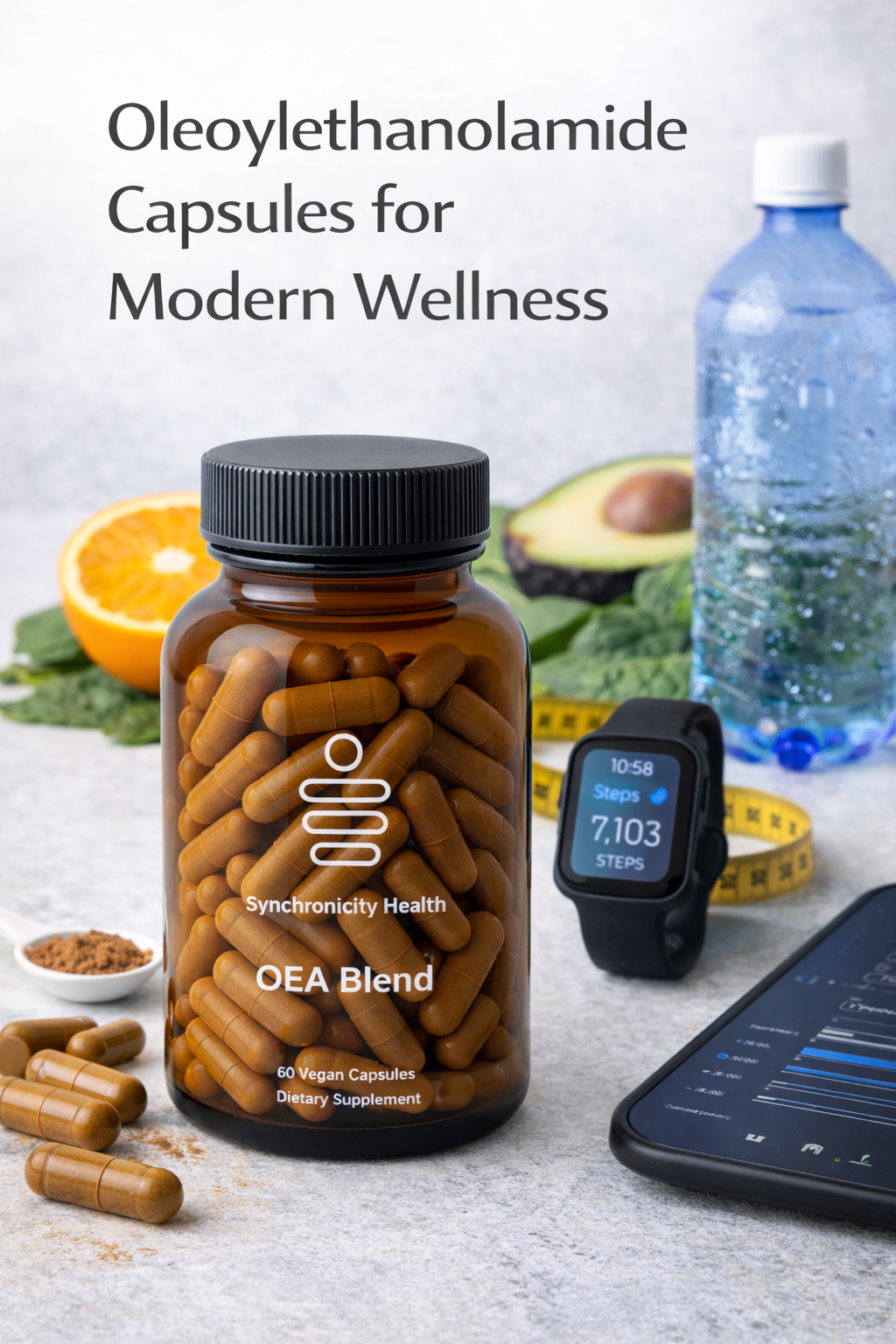
How Oleoylethanolamide Capsules Fit Into A Modern Wellness Routine
Oleoylethanolamide capsules give you a way to work with one of the body’s own appetite‑ and energy‑regulating signals. Oleoylethanolamide (OEA) is a lipid your small intestine makes after you eat fat‑rich foods. In capsule form, it has drawn interest from biohackers, athletes, busy professionals, and people using NAD+ IV therapy who want steadier weight control, clean energy, and metabolic support without stimulants.
Clinical trials show that OEA can help reduce appetite, support fat loss, improve markers of inflammation and oxidative stress, and support healthier blood sugar and triglyceride levels. When you combine oleoylethanolamide capsules with smart nutrition, consistent training, and targeted supplements like medicinal mushrooms, you build a strong foundation for long‑term performance and longevity.
You can get OEA in stand‑alone products such as Synchronicity Health’s OEA supplement, or as part of broader wellness stacks.
What Is Oleoylethanolamide?
OEA is an endogenous fatty acid amide—meaning your body produces it naturally. It is made primarily in:
-
Cells lining the small intestine
-
Adipose (fat) tissue
-
Certain neurons and glial cells in the brain
The process starts with oleic acid (the monounsaturated fat found in olive oil and many whole foods). In intestinal cells, oleic acid is converted to a precursor molecule (N‑oleoyl‑phosphatidylethanolamine), which is then converted into OEA. Levels of OEA rise after meals—especially when dietary fat is present—sending a built‑in “you’ve had enough” signal to the brain.
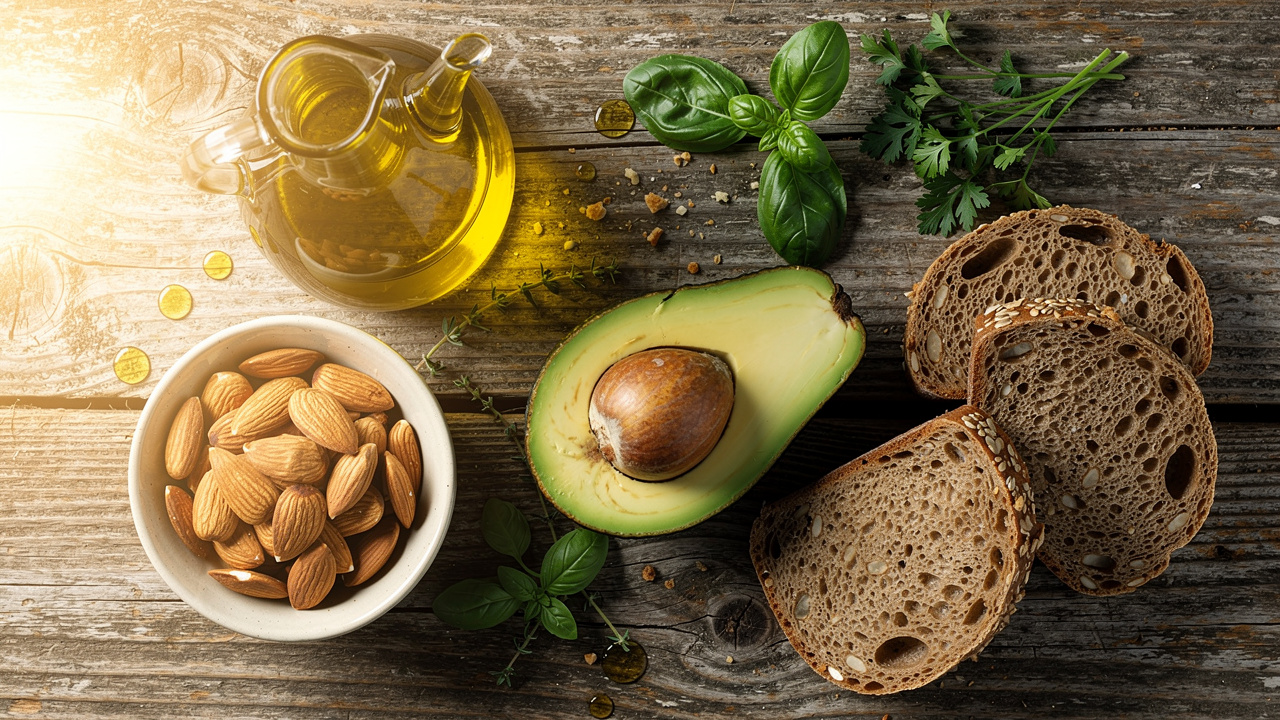
You can find trace amounts of OEA in foods like oatmeal, nuts, and cocoa powder, but the amounts are very low—far below what has been used in clinical studies. That is why oleoylethanolamide capsules have become the preferred way to match research‑grade dosing.
“Food first, supplements second” is a phrase many nutrition professionals use, yet OEA is a good example where diet alone usually cannot reach the doses studied in clinical trials.
How Oleoylethanolamide Capsules Work In Your Body
Oleoylethanolamide capsules work through several well‑studied pathways. The most important involve:
1. Activation Of PPAR-α
OEA is a high‑affinity activator of peroxisome proliferator‑activated receptor alpha (PPAR‑α), a nuclear receptor that helps regulate:
-
Fatty acid uptake and oxidation (“fat burning”)
-
Lipid transport and breakdown
-
Genes involved in energy balance
By activating PPAR‑α in the liver, muscle, and fat tissue, oleoylethanolamide capsules help shift the body toward burning more fat for fuel, supporting both weight management and steady energy. This receptor‑level action is one reason OEA has attracted interest from researchers studying metabolic health.
2. Appetite And Satiety Signaling
OEA does not directly bind to classic cannabinoid receptors (CB1, CB2), but it influences appetite through other receptors and nerve pathways:
-
GPR119: Activation in intestinal L‑cells promotes release of GLP‑1, an incretin hormone that supports insulin secretion and satiety.
-
TRPV1: Activation of this receptor on sensory nerves in the gut contributes to fullness signals.
-
Vagus Nerve Signaling: OEA activates sensory fibers that project to the hypothalamus, delaying meal initiation, reducing meal size, and extending the time between meals.
The result: oleoylethanolamide capsules and berberine can make appetite control feel more natural, so you can eat less without feeling overly deprived.
Researchers often describe OEA as a “lipid messenger” that links fat intake with appetite control and meal timing in both animal and human studies.
3. Anti-Inflammatory And Antioxidant Effects
Through PPAR‑α and related pathways, OEA has been shown to:
-
Decrease inflammatory signaling via NF‑κB
-
Lower pro‑inflammatory cytokines such as TNF‑α and, in some trials, IL‑6
-
Increase antioxidant defenses (superoxide dismutase, catalase, total antioxidant capacity)
-
Reduce markers of lipid peroxidation such as malondialdehyde (MDA)
For longevity‑focused users, this combination—less inflammation and more antioxidant capacity—is especially appealing.
4. Effects On Mitochondria And Gut Microbiome
Preclinical studies suggest that OEA may:
-
Improve mitochondrial oxidative capacity in the liver
-
Reduce oxidative stress within mitochondria
-
Shift the gut microbiome toward more Akkermansia muciniphila, a bacterium linked to better metabolic health and gut barrier integrity
While these findings still need more human data, they help explain why oleoylethanolamide capsules appear to support broad metabolic function.
Evidence-Based Benefits Of Oleoylethanolamide Capsules
Multiple randomized controlled trials and meta‑analyses have examined OEA in doses typically between 125–600 mg per day. Here’s what the data suggest.
Weight Management And Body Composition

Supplementation with oleoylethanolamide capsules has been associated with:
-
Reduced body weight and BMI compared with placebo
-
Decreases in waist circumference (visceral fat indicator)
-
Lower total fat mass and body fat percentage
-
No significant loss of fat‑free mass (lean tissue preservation)
In one often‑cited 8‑week trial, adults with obesity taking 250 mg/day of OEA (two 125 mg capsules, often taken before lunch and dinner) experienced meaningful reductions in weight, BMI, waist size, and fat mass, along with lower appetite scores.
For biohackers tracking body composition or athletes making weight classes, this more “fat‑focused” effect—without loss of muscle—makes oleoylethanolamide capsules a practical tool.
Appetite Control And Craving Management
Because OEA is produced in response to dietary fat and signals through satiety pathways, people commonly report:
-
Reduced drive for large meals
-
Fewer late‑night or stress‑related snacking episodes
-
Easier adherence to calorie goals or time‑restricted eating
Unlike stimulants, oleoylethanolamide capsules do not work by driving up heart rate or central nervous system activation. Instead, they mimic and reinforce the body’s own satiety signals.
“There is no magic pill for body composition. Supplements can nudge physiology and behavior, but nutrition, movement, and sleep still do most of the work.” — Common reminder among clinical dietitians
Inflammation And Oxidative Stress
Meta‑analyses of clinical trials show that OEA can:
-
Lower C‑reactive protein (CRP)
-
Reduce TNF‑α levels
-
Improve total antioxidant capacity
-
Reduce MDA, a marker of oxidative damage
Interestingly, some analyses suggest that doses under about 250 mg/day may be more effective for inflammation and oxidative stress, while 250 mg/day and above may provide stronger effects on weight and glycemic control.
Glycemic Control And Triglycerides
For cardiometabolic health, oleoylethanolamide capsules have been linked with:
-
Reduced fasting blood glucose
-
Lower fasting insulin
-
Improved HOMA‑IR (insulin resistance index)
-
Decreases in serum triglycerides
Effects on total cholesterol, LDL, and HDL appear more modest, but the triglyceride response alone is meaningful for cardiovascular risk. For people pairing OEA with NAD+ IV therapy, strength training, or low‑carb nutrition, this can add another layer of metabolic support.
Energy, Mood, And Cognitive Support
Through increased fat oxidation and mitochondrial support, oleoylethanolamide capsules often feel like a “clean energy” aid:
-
More stable energy across the day
-
Less post‑meal sluggishness
-
Fewer “afternoon crash” episodes
Because OEA interacts with pathways that intersect the endocannabinoid system and inflammatory signaling in the brain, early data and user reports also suggest:
-
Better mood stability
-
Less “food‑driven” irritability
-
Clearer thinking when combined with solid sleep, hydration, and nutrition
These effects are still being studied, so they should be viewed as supportive rather than as treatment for any mental health condition.
Pairing OEA With Medicinal Mushrooms And Targeted Stacks

Oleoylethanolamide capsules work well as the metabolic foundation in more comprehensive stacks. Medicinal mushrooms are a natural fit for people focused on resilience, cognition, and immune health. When combined thoughtfully, they can support both how you feel day to day and the lab markers you track over time.
Cordyceps For Endurance And Oxygen Use
Cordyceps has a long history of use for stamina and physical output. When paired with oleoylethanolamide capsules, many active users aim for:
-
Greater reliance on fat as fuel during longer sessions
-
Higher perceived endurance without stimulants
-
Better recovery from demanding training blocks
People who train early in the morning or during fasting windows often find this combination especially comfortable.
Lion’s Mane For Cognitive Support
Lion’s mane is known for its support of nerve growth factors and cognitive performance. Combining lion’s mane with oleoylethanolamide capsules can support:
-
Focus and mental clarity while in a calorie deficit
-
Better adherence to nutrition plans due to improved executive function
-
Reduced “brain fog” sometimes linked to blood sugar swings
Reishi Blends For Stress And Sleep Support
Reishi mushrooms are widely used for immune support and a calmer stress response. Products such as a Reishi Mushroom blend can complement oleoylethanolamide capsules by:
-
Supporting more restful sleep, which is essential for fat loss and metabolic repair
-
Helping manage psychological stress that often derails diet adherence
-
Providing additional immune and antioxidant support
For users building a daily stack, combining OEA with cordyceps, lion’s mane, and a reishi mushroom blend from Synchronicity Health can create a well‑rounded base for performance and longevity.
“Stacking” supplements works best when each ingredient has a clear role, rather than overlapping effects that just add cost — a point often emphasized by experienced coaches and practitioners.
How To Use Oleoylethanolamide Capsules In Your Routine

Before changing your supplement plan, it’s wise to discuss OEA with a qualified healthcare professional, especially if you take medications or have chronic conditions.
Typical Dosing From Human Studies
Human trials have used doses between 125 mg and 600 mg per day, with:
-
250 mg/day (two 125 mg capsules) being the most common protocol
-
Study durations ranging from a few days up to 8–12 weeks
A practical approach many people follow (always confirm with your clinician) is:
-
For appetite and weight control:
-
125–250 mg, 30 minutes before lunch and/or dinner
-
-
For inflammation/oxidative stress focus:
-
Some evidence suggests that doses slightly below 250 mg/day may be enough
-
-
For first‑time use:
-
Start at the lower end of the range for one to two weeks to see how your body responds.
-
Timing Strategies For Different Goals
-
Busy Professionals:
-
Take oleoylethanolamide capsules before your largest meal to soften appetite and reduce energy dips that cut into afternoon productivity.
-
-
Athletes And Lifters:
-
Pair a dose before a pre‑training meal or shake to improve comfort and reduce the urge to overeat later in the day.
-
-
Biohackers And Longevity Enthusiasts:
-
Combine OEA with time‑restricted eating, daily movement, and NAD+‑supporting protocols to address several aging‑related pathways at once.
-
In all cases, start at the lower end of the range to gauge your response before considering higher doses.
“What gets measured gets improved” is a helpful principle here—track appetite, energy, sleep, and body composition while you experiment with OEA so you can make data‑based decisions.
Safety, Side Effects, And Who Should Be Cautious
Across randomized controlled trials, oleoylethanolamide capsules have been generally well tolerated. Reported side effects, when they occur, tend to be mild:
-
Occasional gastrointestinal discomfort (nausea, bloating, loose stools)
-
Mild headaches in a small subset of users
There are limited long‑term data beyond a few months, so a conservative, monitored approach makes sense. You should talk with a healthcare professional before using oleoylethanolamide capsules if you:
-
Are pregnant, nursing, or planning pregnancy
-
Take prescription medications for blood sugar, lipids, or blood pressure
-
Have active liver, kidney, or significant gastrointestinal disease
-
Have a history of serious mood disorders or eating disorders
-
Are under 18 years of age
If you combine OEA with other supplements such as cordyceps, lion’s mane, or reishi products, keep your provider informed so they can watch for interactions and adjust dosing if needed.
“First, do no harm” is a core principle in clinical medicine and applies just as much to supplement planning as to prescriptions.
How To Choose High-Quality Oleoylethanolamide Capsules
Not all supplements are created equal. When evaluating products, look for:
-
Clear OEA Dose Per Capsule
-
The label should specify the milligrams of OEA, not just a “proprietary blend.”
-
-
Minimal Excipients
-
Favor formulas with as few fillers, artificial colors, or added sugars as possible.
-
-
Third-Party Testing
-
Independent testing for identity, purity, and heavy metals is a must for serious users.
-
-
Evidence-Based Formulation
-
Doses in the range used in human research (often 125–250 mg per serving)
-
Formulas that fit your broader stack rather than duplicating ingredients
-
-
Reputable Manufacturing
-
cGMP‑compliant facilities and transparent sourcing information
-
If you want a focused, research‑aligned OEA product as the core of your metabolic stack, dedicated formulations like Synchronicity Health’s OEA supplement give you a straightforward way to match clinically studied intake levels.
You can use the quick checklist below while comparing products:
|
Factor |
What To Look For |
|---|---|
|
Dose |
125–250 mg of OEA per serving, clearly stated on the label |
|
Purity |
Third‑party test results for identity, contaminants, and heavy metals |
|
Additives |
Short ingredient list without unnecessary fillers, artificial colors, or sugars |
|
Manufacturer |
cGMP certification and transparent contact information |
“Quality is remembered long after price is forgotten” is a saying that applies strongly to supplements—cutting corners on testing and manufacturing can cost far more in the long run.
Are Oleoylethanolamide Capsules Right For You?
Oleoylethanolamide capsules are not a magic fix, but they align well with the goals of:
-
Biohackers fine‑tuning appetite, body composition, and metabolic markers
-
Athletes and fitness enthusiasts seeking cleaner energy and better fat utilization
-
Busy professionals who want better control around meals without stimulants
-
Longevity‑focused individuals stacking NAD+ support, strength training, and anti‑inflammatory strategies
When you pair oleoylethanolamide capsules with sound nutrition, consistent movement, stress management, and targeted additions like cordyceps, lion’s mane, and reishi blends, you create a strong framework for long‑term wellness and performance.
As with any serious protocol, start with data: talk to your clinician, review your current markers, and decide where OEA fits into your broader plan. A simple decision process might look like:
-
Clarify your primary goal (appetite control, weight management, cardiometabolic support, or clean energy).
-
Check your current supplement stack to avoid unnecessary overlap.
-
Review relevant lab work with a professional.
-
Choose a high‑quality OEA product and track your response for at least 4–8 weeks.
Used thoughtfully, oleoylethanolamide capsules can become a reliable anchor in a results‑focused wellness routine.
This article is for informational purposes only and is not a substitute for personalized medical advice, diagnosis, or treatment.


Leave a comment
All comments are moderated before being published.
This site is protected by hCaptcha and the hCaptcha Privacy Policy and Terms of Service apply.