
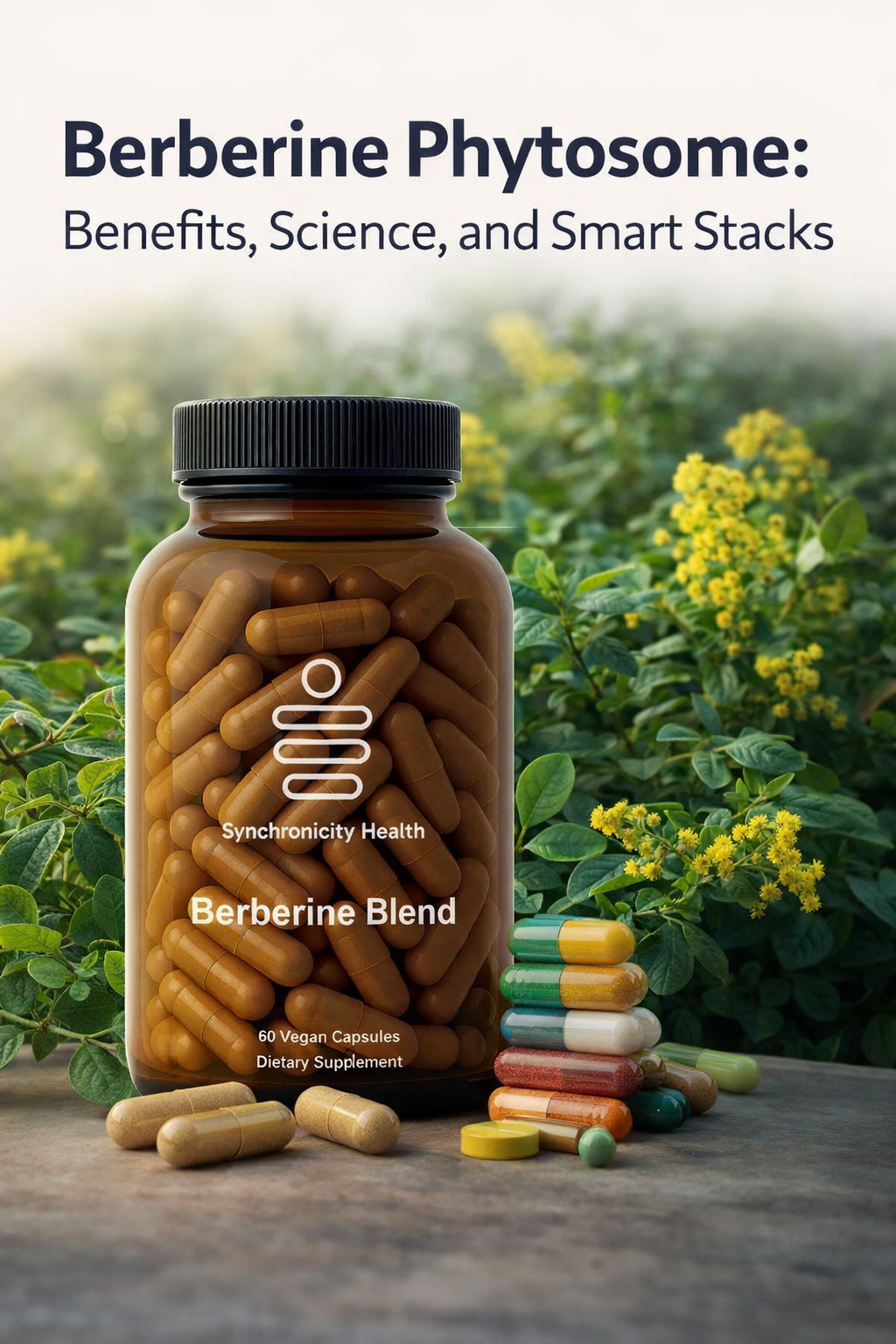
Berberine Phytosome: Science, Benefits, and Stacks for High-Performance Health
Berberine phytosome has become a favorite among biohackers, longevity enthusiasts, and performance-focused professionals who want metabolic and cognitive support without stimulants. It takes the well‑researched botanical berberine and pairs it with a delivery system that dramatically improves absorption, making the same dose far more effective and typically easier on the gut.
This guide breaks down what berberine phytosome is, how it works, what the clinical data show, how it compares to standard berberine, and how to stack it intelligently with other Synchronicity Health formulas for metabolism, brain function, and cellular energy.
Why Standard Berberine Often Disappoints
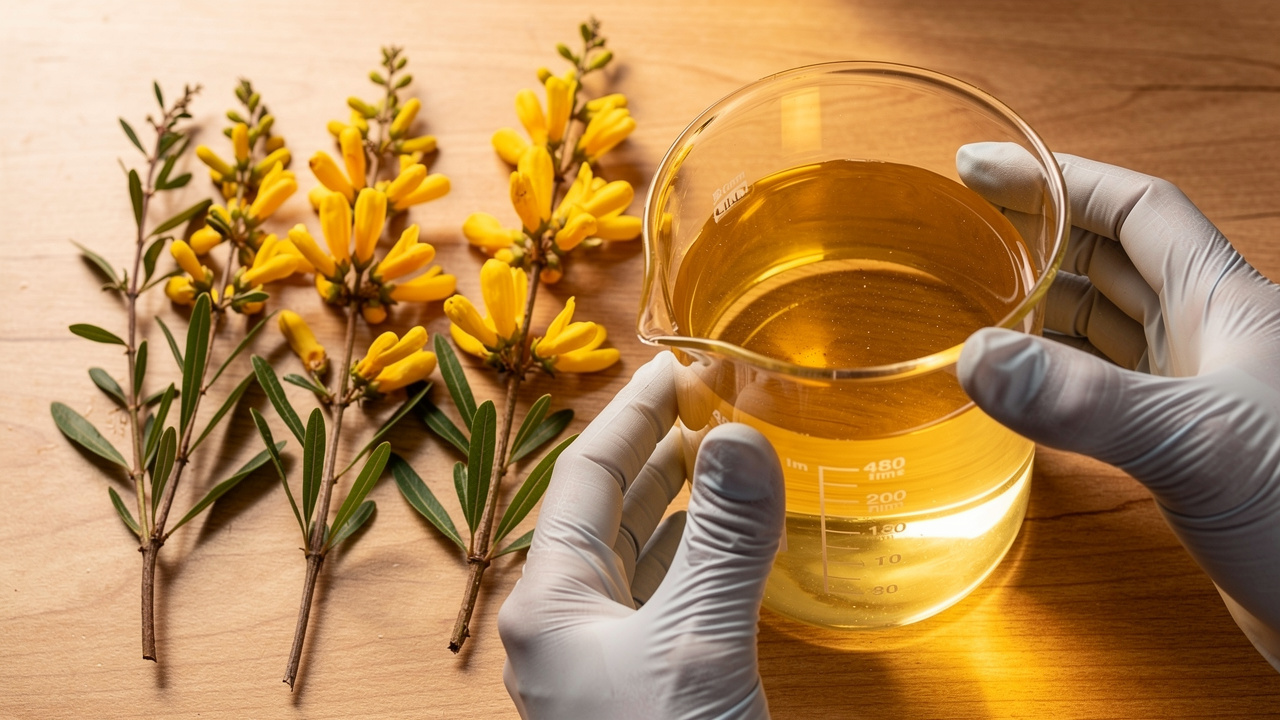
Berberine is an isoquinoline alkaloid extracted from plants such as Berberis aristata, Oregon grape, and goldenseal. For decades it was used as an anti‑diarrheal and anti‑dysentery agent thanks to its antimicrobial and gut anti‑secretory effects.
Modern research has shifted the spotlight to berberine’s metabolic and cardiovascular actions:
-
Improves insulin sensitivity and fasting glucose
-
Helps lower LDL cholesterol and triglycerides
-
Influences PCSK9, a protein that degrades LDL receptors
-
Activates AMPK, the “energy sensor” enzyme inside cells
The catch: standard berberine is absorbed very poorly when taken orally. It has:
-
Low solubility in the gut
-
Rapid metabolism and clearance
-
Efflux by P‑glycoprotein (P‑gp), which pumps it back into the intestine
To overcome this, you typically need doses around 1,000–1,500 mg of pure berberine daily. At that level, many people run into gastrointestinal side effects such as cramping, constipation, nausea, and diarrhea—exactly what you don’t want when aiming for long‑term metabolic support.
This is the problem berberine phytosome was designed to solve.
What Is Berberine Phytosome?
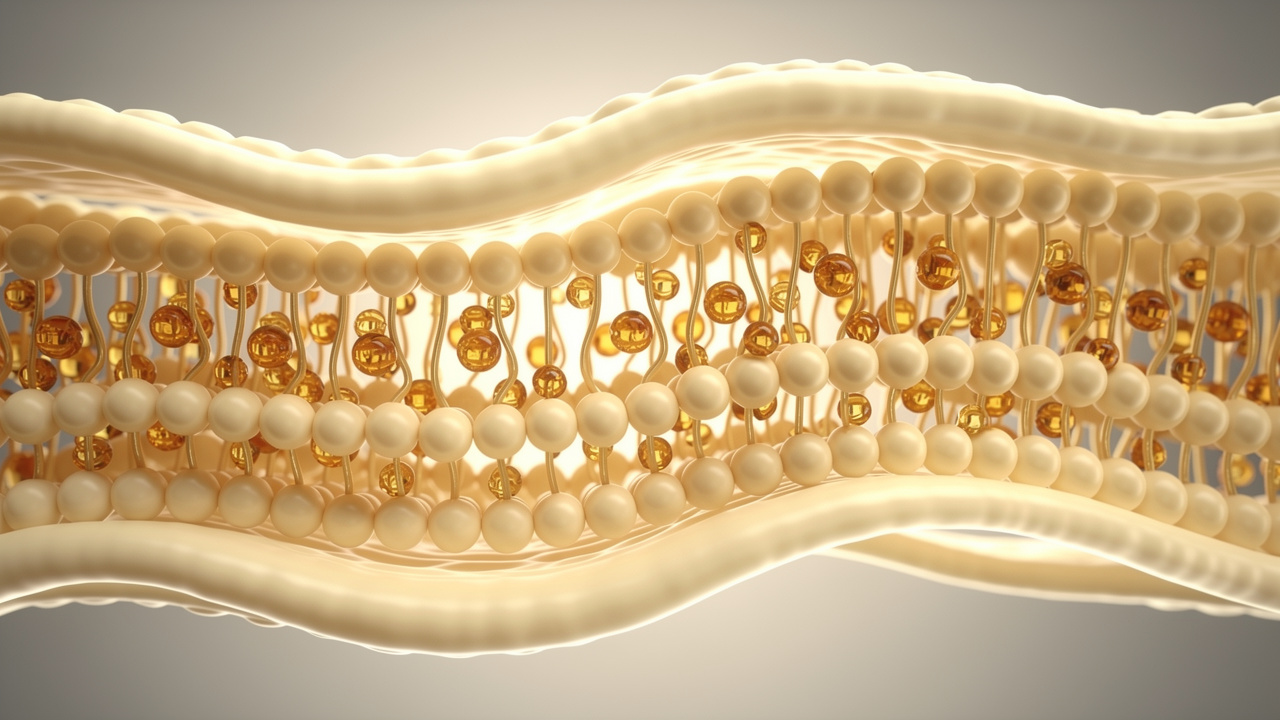
Berberine phytosome is a specific formulation that binds berberine to phospholipids and supportive food‑grade compounds to improve its absorption and tolerability.
A typical berberine phytosome complex (often branded as Berberine Phytosome® or Berbevis®) contains:
-
Berberine extract from Berberis aristata
-
Sunflower lecithin (phosphatidylcholine)
-
Pea protein
-
Grape seed oligomeric proanthocyanidins (OPCs)
Phytosomes are not simple mixtures. The berberine molecules form a true complex with phospholipids, creating a fat‑compatible particle that resembles cell membranes. This helps the compound slip through the gut wall and enter circulation far more effectively than standard berberine powder.
A human pharmacokinetic study in healthy volunteers found that berberine phytosome vs HCL increased berberine absorption by up to 10‑fold compared with an equivalent dose of ordinary berberine extract. Because of this, clinical trials often use a total of about 360 mg of actual berberine per day (within ~1,100 mg of the complex) and still see significant effects—with far fewer gut complaints.
How Berberine Phytosome Works in the Body
Berberine phytosome delivers berberine more reliably into the bloodstream, where it can act on multiple cellular pathways.
AMPK: The Metabolic “Master Switch”
Berberine strongly activates AMP‑activated protein kinase (AMPK), which senses cellular energy status and shifts the body toward better fuel handling:
-
Increases glucose uptake in muscle and fat cells by moving GLUT4 transporters to the cell surface
-
Decreases glucose production (gluconeogenesis) in the liver
-
Promotes fatty acid oxidation (“fat burning”) for energy
-
Reduces synthesis of new fatty acids and cholesterol
This AMPK activation is why berberine is often compared to metformin in research on blood sugar management.
Cholesterol, Triglycerides, and PCSK9
Berberine also improves lipid metabolism through several mechanisms distinct from statin drugs:
-
Upregulates LDL receptors on liver cells, pulling more LDL (“bad”) cholesterol out of circulation
-
Inhibits PCSK9, a protein that breaks down LDL receptors, so more of them stay active
-
Lowers triglycerides, which are closely tied to insulin resistance, obesity, and cardiovascular risk
These pathways help explain why berberine phytosome supports both metabolic and cardiovascular health in a single compound.
Gut Microbiome, Bitter Receptors, and GLP‑1
Berberine interacts with the gut in ways that extend beyond simple absorption:
-
Modulates the gut microbiome, encouraging a more favorable balance of bacteria
-
As a bitter compound, activates intestinal bitter taste receptors
-
This activation can increase secretion of berberine and GLP-1, an incretin hormone that:
-
Boosts insulin release
-
Slows gastric emptying
-
Promotes satiety
-
Even though berberine phytosome is absorbed more efficiently (and spends less “contact time” in the gut lumen), clinical outcomes indicate that both microbiome and systemic pathways still contribute to its benefits.
Anti-Inflammatory and Hormonal Effects
Berberine also:
-
Down‑regulates pro‑inflammatory cytokines involved in chronic low‑grade inflammation
-
Shows an anti‑androgenic trend, lowering free testosterone in women with conditions like berberine for PCOS
-
Supports endothelial function and nitric oxide signaling, relevant for cardiovascular health
These broader actions make berberine phytosome especially interesting for people managing complex metabolic‑hormonal patterns, not just blood sugar.
Clinical Evidence: Berberine Phytosome and PCOS

One of the strongest data sets for science-backed benefits of berberine for PCOS phytosome comes from a multicenter randomized clinical trial in women with polycystic ovary syndrome (PCOS).
Study design
-
130 women with PCOS and fertility issues
-
90‑day trial
-
Berberine group: 550 mg berberine phytosome twice daily (after breakfast and dinner)
-
Control group: standard dietary advice only
-
Both groups encouraged to reduce refined carbohydrates and stay active
Reproductive and hormonal outcomes
After 90 days:
-
Around 70% of women taking berberine phytosome regained regular menstrual cycles vs 16% in the control group
-
More than 60% of women in the berberine group showed normalization or marked improvement in ovarian anatomy on ultrasound; abnormalities persisted in over 70% of controls
-
Free testosterone dropped by 23.5% in the berberine group vs 3.8% in controls (a strong downward trend even though baseline levels were near normal)
Dermatological benefits
-
Acne prevalence in the berberine group fell from 56.9% to 25.5% (about half of participants saw clear improvement); the change in the control group was small and not statistically meaningful
-
Hirsutism (measured by the modified Ferriman‑Gallwey score) decreased by 14% in the berberine group, with no change in controls
Weight and metabolic markers
Both groups lost weight due to diet advice, but:
-
Berberine phytosome users lost an average of 5.2% of body weight vs 3.0% in the control group
-
Only the berberine group showed a significant improvement in Body Weight Score (BWS), reflecting less frustration and better confidence about managing weight
-
Liver enzymes and C‑reactive protein (CRP) trended downward in the berberine group and upward in controls, suggesting improved liver health and lower inflammation even in women with normal baseline lab values
Emotional wellbeing
Quality‑of‑life questionnaires revealed a significant improvement in emotional wellbeing scores only in the berberine group—likely reflecting better cycles, skin, weight, and perceived control.
Tolerability
Adverse events occurred in only ~6% of participants, and the rate and type (mild, transient GI discomfort or headache) were the same in both the berberine and control groups. No specific side effects were attributed to berberine phytosome, reinforcing its favorable GI profile compared with standard high‑dose berberine.
Key Health Benefits of Berberine Phytosome
Blood Sugar and Insulin Support
For people tracking fasting glucose, HbA1c, or continuous glucose monitor (CGM) data, berberine phytosome can help:
-
Improve insulin sensitivity
-
Lower fasting blood sugar and post‑meal spikes
-
Reduce hepatic glucose production via AMPK activation
Some studies on standard how long berberine takes find effects comparable to metformin for blood sugar control. The phytosome form can reach similar or better outcomes at a lower dose and with better tolerability.
Pairing berberine phytosome with berberine with Ceylon cinnamon is a common strategy: berberine acts at the cellular level while cinnamon helps blunt post‑prandial glucose excursions.
“Let food be thy medicine and medicine be thy food.” — attributed to Hippocrates
Cardiovascular and Liver Health
Through its actions on LDL receptors, PCSK9, and triglyceride metabolism, berberine phytosome supports:
-
Lower LDL cholesterol
-
Improved HDL/LDL balance
-
Reduced triglycerides
-
Better endothelial function
The downward trend in liver enzymes and CRP seen in PCOS trials points toward:
-
Support for non‑alcoholic fatty liver patterns
-
Lower low‑grade inflammation, which underpins cardiovascular and metabolic risk
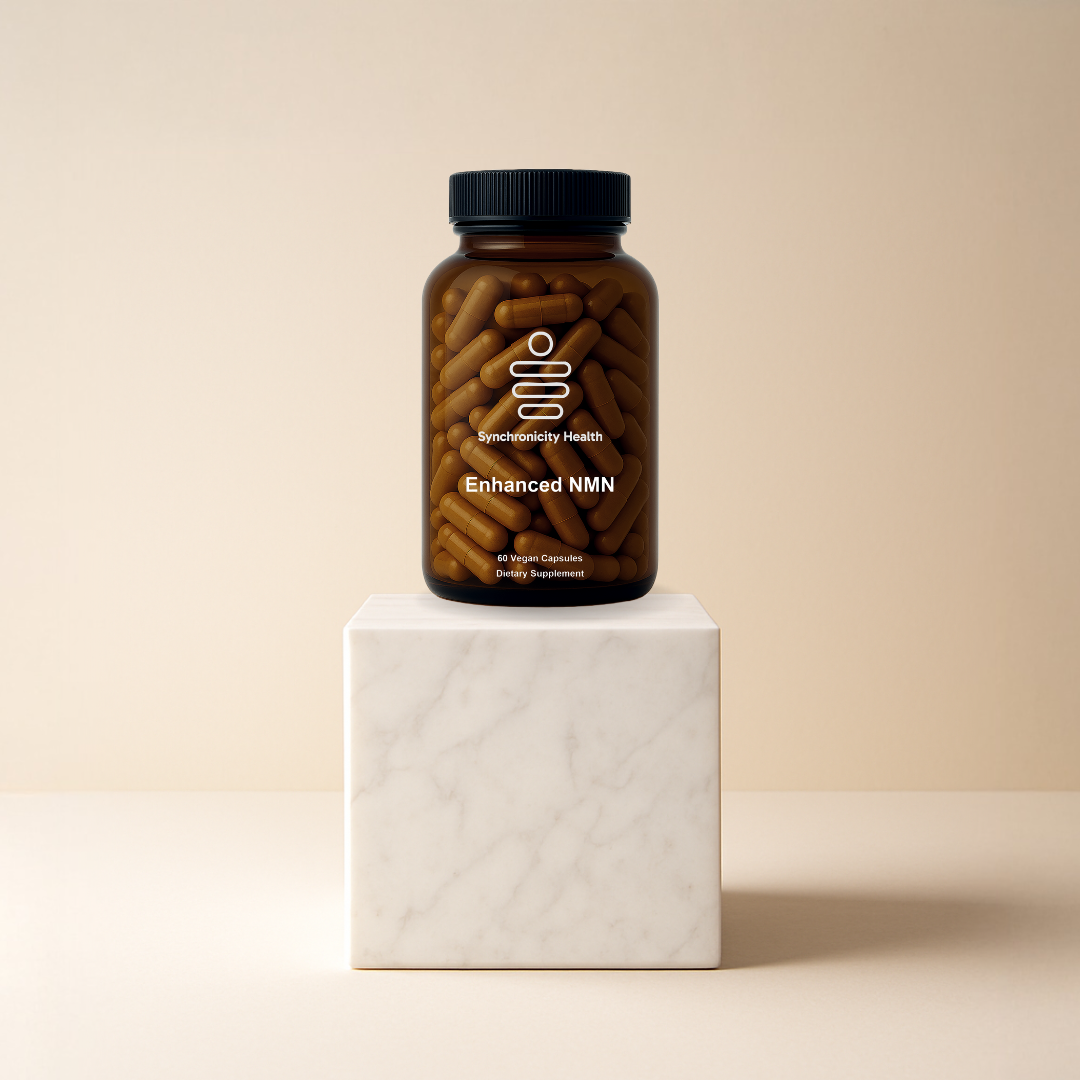
For people already using NAD‑centered protocols for cardiometabolic health, stacking berberine phytosome with NAD and glutathione such as Enhanced NMN and redox support like Glutathione Nasal Spray can address both mitochondrial energy and inflammatory balance.
Weight Management and Body Composition
By improving insulin sensitivity, GLP‑1 signaling, and fat oxidation—with Berberine phospholipid exerts a positive effect on the glycemic profile of overweight subjects—berberine phytosome may help:
-
Reduce visceral fat
-
Support caloric deficit efforts by improving satiety
-
Improve subjective control over weight (as seen in BWS scores)
For athletes or lifters, better insulin sensitivity also supports targeted carbohydrate intake around training while minimizing fat gain.
Gut Health and Microbiome Balance
Berberine has long been used for gastrointestinal infections because of its antimicrobial properties. In lower, controlled doses as berberine phytosome, it appears to:
-
Reduce problematic bacterial overgrowth
-
Favor beneficial strains like Bifidobacterium and Lactobacillus
-
Strengthen the gut barrier, which can decrease endotoxin leakage and systemic inflammation
For people already using adaptogenic mushrooms for health blends for gut‑immune support, stacking berberine phytosome with formulas such as Forage may provide complementary support for both the microbiome and stress resilience.
Brain Performance, Mood, and Energy
Better blood sugar control and inflammation management are foundational for cognitive performance supplements and stable mood. Berberine phytosome may additionally:
-
Support neuroplasticity and synaptic health through AMPK and mitochondrial effects
-
Reduce neuroinflammation, which is increasingly tied to brain fog and low mood
Synergistic pairings include:
-
Nootropic focus: Combining berberine phytosome with Clarity and lion’s mane or cordyceps‑rich mushroom cocoa can support attention, memory, and sustained mental energy without caffeine overload.
-
Mood and stress: Berberine’s modulation of neurotransmitter pathways makes it a logical partner for endocannabinoid‑focused formulas like Anandamide Supplement and mood‑supportive blends such as Bliss Mood Support.
For biohackers monitoring HRV and stress metrics, these stacks can support both emotional balance and nervous system resilience.
Berberine Phytosome vs Standard Berberine
For anyone deciding which form of berberine to use, the differences are significant.
|
Feature |
Standard Berberine |
Berberine Phytosome |
|---|---|---|
|
Oral bioavailability |
Very low |
Up to ~10× higher in human PK studies |
|
Typical daily dose |
1,000–1,500 mg pure berberine |
~360 mg berberine within ~1,100 mg complex |
|
GI side effects |
Common (bloating, diarrhea, cramping) |
Very low and similar to placebo in trials |
|
Patient adherence |
Often poor due to GI discomfort |
Much better; easier for long‑term use |
|
Clinical evidence |
Strong, but formulation often unspecified |
Human PK plus controlled trials on defined BP |
|
Use case |
Short‑term or for those who tolerate it |
Better choice for chronic, multi‑month use |
For longevity‑minded users, athletes, and professionals who need consistency—as demonstrated by ongoing research on the Treatment Benefits of Berberine—berberine phytosome provides a more predictable and sustainable approach.
How to Use Berberine Phytosome Safely
Evidence‑Based Dosing
The PCOS clinical trial used:
-
550 mg berberine phytosome twice daily
-
Taken after breakfast and dinner
-
Providing about 360 mg of berberine per day
For general metabolic support, many practitioners mirror that structure (divided doses with meals) and adjust based on body weight, lab markers, and tolerance.
A simple starting framework:
-
Begin with one capsule with a meal for about a week to assess tolerance.
-
Increase to twice daily with meals if well tolerated.
-
Keep a log of fasting glucose, energy, and digestion to spot trends.
Always follow product‑specific directions and consult your clinician, especially if you are on medication.
“What gets measured gets managed.” — Peter Drucker
Tracking a few key markers can make your response to berberine phytosome much clearer.
Safety, Interactions, and Who Should Avoid It
Berberine phytosome has an excellent safety profile in trials, but standard berberine cautions still apply:
-
Medication interactions
-
Diabetes medications (risk of hypoglycemia if combined)
-
Some blood pressure and cholesterol drugs
-
Certain immunosuppressants and post‑transplant medications
-
-
Pregnancy and breastfeeding
-
Berberine should not be used during pregnancy or while breastfeeding; it can raise bilirubin levels in infants, which may be harmful.
-
-
Low blood pressure or low fasting glucose
-
Use under medical supervision if you already run low on these measures.
-
Watch for mild, transient effects such as nausea, bloating, or changes in bowel habits when you first start. These usually settle as your body adapts; if they don’t, reduce the dose or stop and consult a professional.
Smart Stacks: Pairing Berberine Phytosome With Synchronicity Health Formulas
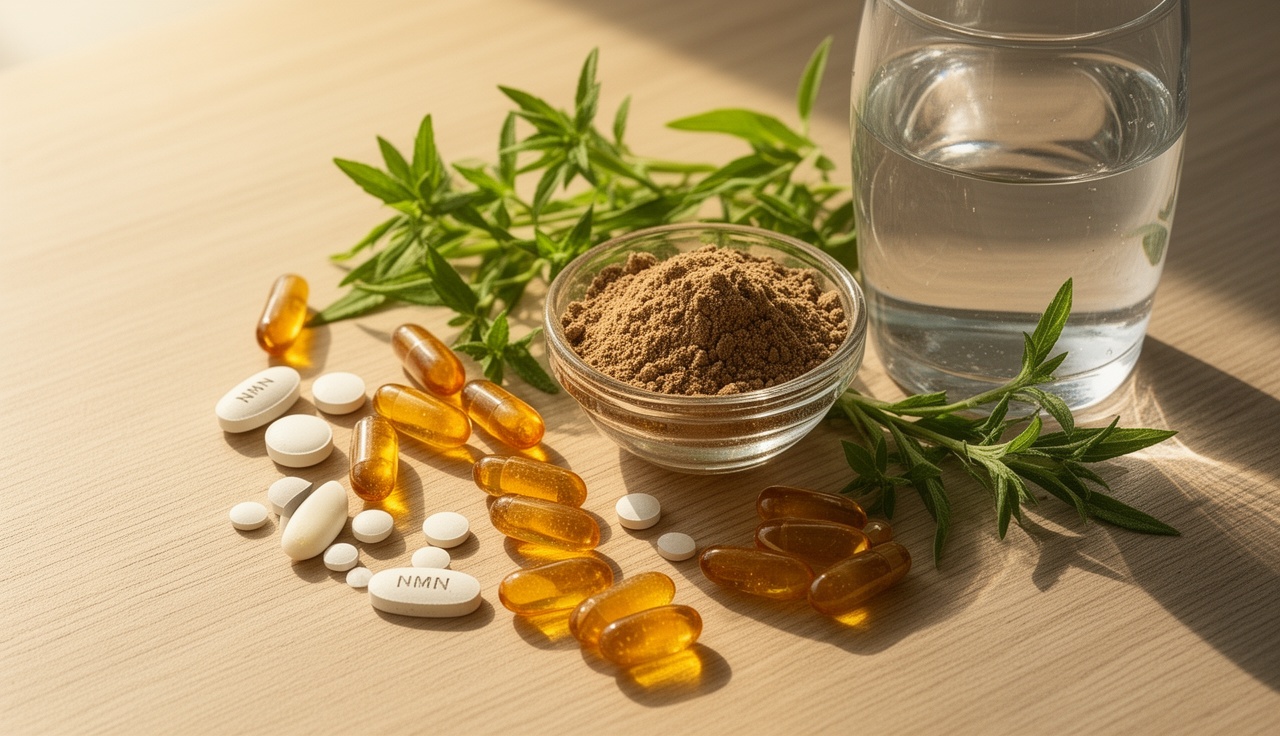
For those building a targeted protocol, berberine phytosome pairs well with other Synchronicity Health products.
Metabolism, Energy, and Cellular Aging
-
NAD+ axis
-
Combine berberine phytosome with Enhanced NMN for dual support of AMPK and NAD vs NMN.
-
Add glutathione nasal spray benefits to support redox balance and detox capacity—especially relevant for those shifting from IV NAD+ therapy to at‑home protocols.
-
-
Mitochondrial and ATP support
-
Pair with high‑quality B‑vitamin complexes or B12 formulas, plus cordyceps‑based blends, to support training, recovery, and steady daily output.
-
Gut, Immune, and Stress Resilience
-
Combine berberine phytosome with Forage to support:
-
Microbiome diversity
-
Gut barrier integrity
-
Stress resistance and immune modulation
-
-
For a gut‑brain angle, layering berberine phytosome with Anandamide Supplement helps support the endocannabinoid system, which influences mood, pain perception, and inflammatory tone.
Focus, Mood, and Cognitive Performance
-
For busy professionals seeking clean focus:
-
Stack berberine phytosome with Clarity, lion’s mane, and cordyceps‑containing mushroom cocoa for sustained mental performance.
-
-
For mood and emotional balance:
-
Use berberine phytosome alongside Bliss Mood Support and anandamide supplement benefits to address serotonin, GABA, and endocannabinoid pathways from multiple angles.
-
These combinations are examples, not prescriptions. Personalization—based on labs, symptoms, and goals—remains essential.
How to Choose a High-Quality Berberine Phytosome Supplement
When you evaluate a berberine phytosome product, look for:
-
Clear labeling
-
The term “berberine phytosome,” “phospholipid complex,” or a standardized branded ingredient (e.g., Berberine Phytosome® / Berbevis®)
-
Actual amount of berberine (not just total complex weight)
-
-
Clinical alignment
-
Doses in the range used in human studies (around 550 mg complex twice daily)
-
-
Third‑party testing
-
Certificates of analysis (COAs) for potency and purity
-
Screening for heavy metals, pesticides, and microbial contaminants
-
-
Thoughtful formulation
-
Minimal fillers
-
Complementary ingredients that support its mechanisms (e.g., Ceylon cinnamon) rather than overwhelming blends that dilute the berberine phytosome dose
-
For advanced users tracking lipids, glucose, and body composition, consider running labs before and after 8–12 weeks of consistent use to quantify your response.
The Bottom Line
Berberine phytosome takes an already well‑studied botanical and makes it far more effective and easier to live with day to day. By addressing berberine’s absorption and GI issues, it delivers meaningful support for:
-
Blood sugar and insulin sensitivity
-
Cholesterol, triglycerides, and liver health
-
Weight management and visceral fat
-
PCOS‑related symptoms, including cycles, acne, and hirsutism
-
Brain performance, mood, and long‑term cardiovascular resilience
For biohackers, athletes, and high‑output professionals—especially those already interested in longevity supplements, nootropics like Clarity, and mood‑supportive tools such as Bliss Mood Support or Forage—berberine phytosome is a strong cornerstone compound to build around.
Used thoughtfully, under informed medical guidance, it can help align metabolic, hormonal, and cognitive health with the long‑term performance you’re aiming for.


Leave a comment
All comments are moderated before being published.
This site is protected by hCaptcha and the hCaptcha Privacy Policy and Terms of Service apply.