

Berberine Phytosome Vs. Regular Berberine: What High-Performers Need To Know
If you care about metabolic health, longevity, and steady energy, you’ve probably heard of berberine. But once you start comparing berberine phytosome vs. regular berberine, the details get technical fast: absorption, dosing, side effects, and cost.
This guide breaks down the research in practical terms so you can decide which form fits your stack—whether you’re a biohacker, a busy professional, an athlete, or someone already investing in NAD+ IV therapy and advanced anti-aging strategies.
What Is Berberine? A Quick Primer
Berberine is a bright yellow plant alkaloid found in:
-
Barberry (Berberis vulgaris)
-
Oregon grape (Berberis aquifolium)
-
Indian barberry (Berberis aristata)
-
Goldenseal (Hydrastis canadensis)
-
Chinese goldthread (Coptis chinensis)
Traditional Chinese and Ayurvedic medicine used berberine-containing plants for:
-
Digestive infections and diarrhea
-
Gut and liver support
-
General “heat-clearing” and anti-inflammatory purposes
Modern research has shifted the focus toward metabolic and cardiovascular effects. Berberine:
-
Activates AMPK, often called the body’s metabolic master switch
-
Supports healthy blood sugar and insulin sensitivity
-
Helps maintain healthy cholesterol and triglyceride levels
-
May support body weight and visceral fat reduction
Because of these effects, many people view berberine as a “metformin-like” tool for metabolic and longevity protocols—without needing a prescription.
Most supplements use berberine hydrochloride (berberine HCl), the standard form. This is what we mean by regular berberine.
The Hidden Problem With Regular Berberine: Poor Absorption
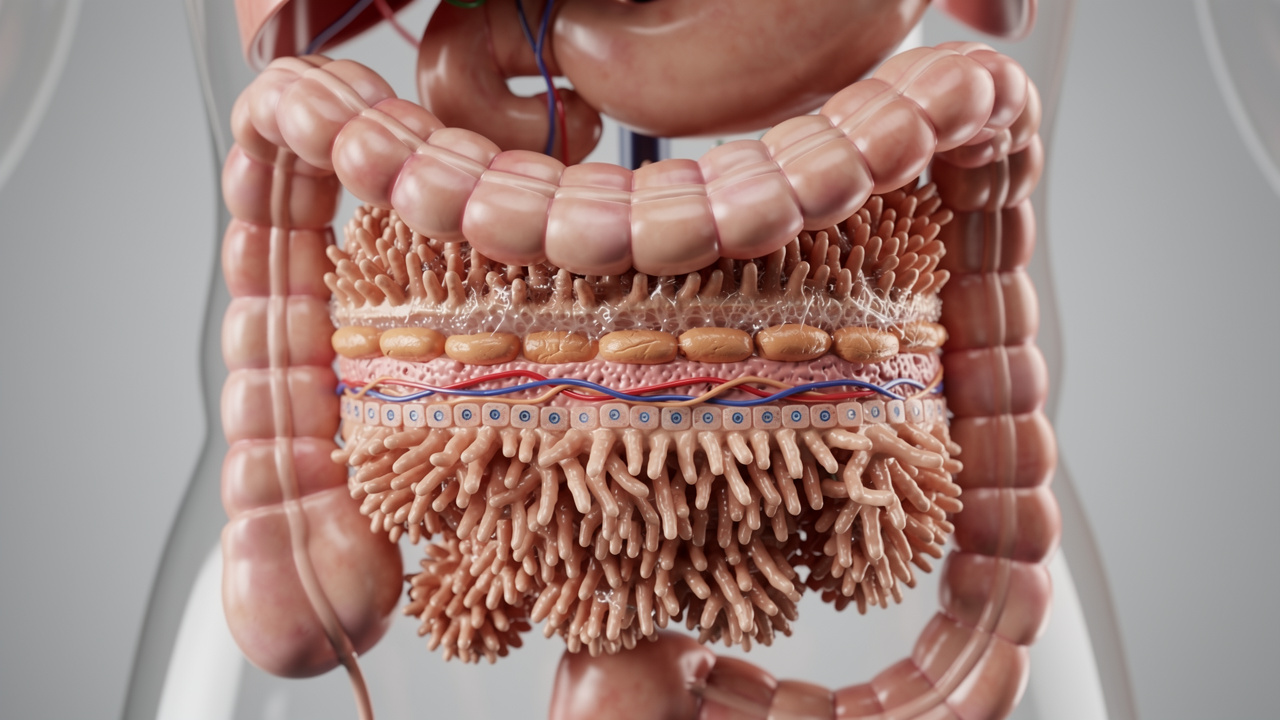
When you compare berberine phytosome vs. regular berberine, everything starts with one issue: bioavailability—how much of the compound actually reaches your bloodstream.
Why Regular Berberine Struggles
Standard berberine HCl has very low oral bioavailability (often estimated at under 1%). Three main barriers get in the way:
-
Low solubility
Berberine does not dissolve well in the watery environment of the gut, so a lot of the dose simply passes through unabsorbed. -
P-glycoprotein efflux (“pump out” effect)
Cells in the intestinal wall use P-glycoprotein as a defense system. Berberine is a known target, so even when it gets into the cells, this pump pushes it back into the gut lumen. -
First-pass metabolism in the liver
The small amount that gets through the gut goes straight to the liver, where enzymes rapidly break much of it down before it reaches the rest of the body.
What That Means In Practice
For regular berberine HCl:
-
Higher doses are common: often 1,000–1,500 mg per day split into 2–3 doses
-
GI side effects are more likely: bloating, cramping, diarrhea, or constipation are frequent complaints
-
Results can be erratic: two people taking the same dose can have very different blood levels and outcomes
These limitations are the main reason enhanced forms like berberine phytosome were created.
What Is Berberine Phytosome?

Berberine phytosome is a specialized form designed to address the absorption problem without changing the berberine molecule itself.
How Phytosome Technology Works
A phytosome is a molecular complex where a plant compound (here, berberine) is chemically bound to a phospholipid, usually phosphatidylcholine from sunflower or soy lecithin.
Key points:
-
The phospholipid “head” binds to berberine.
-
The “tail” is fat-loving and interacts easily with cell membranes.
-
The complex looks very “familiar” to the body because cell membranes are made from similar phospholipids.
This structure helps the berberine–phospholipid complex:
-
Dissolve better
-
Pass through intestinal cell membranes more efficiently
-
Evade some of the P-glycoprotein efflux
-
Partly sidestep intense first-pass metabolism
Some branded berberine phytosome products also include pea protein and grape seed extract as part of a solid dispersion matrix to further stabilize and support absorption.
How Much Better Is Absorption?

Human pharmacokinetic data show that berberine phytosome can reach 5–10 times higher blood levels than an equivalent dose of regular berberine HCl.
That is the core reason berberine phytosome vs. regular berberine is more than a small technical distinction—it directly changes how much you need to take and what you are likely to feel.
Berberine Phytosome Vs. Regular Berberine: Key Differences
At a glance, here is how berberine phytosome vs. regular berberine compare.
|
Feature |
Regular Berberine (HCl) |
Berberine Phytosome |
|---|---|---|
|
Bioavailability |
Very low |
5–10x higher in studies |
|
Typical Daily Dose |
1,000–1,500 mg |
~300–500 mg active berberine equivalent |
|
Onset And Consistency |
Slower, more variable |
More consistent blood levels |
|
GI Side Effects |
More common at higher doses |
Generally lower due to smaller doses |
|
Cost Per Bottle |
Lower |
Higher |
|
Cost Per Effective Dose |
Can be similar or higher long-term |
Often competitive, due to lower dosing |
|
Best Fit |
Budget-conscious, no GI sensitivity |
Performance-focused, results-driven users |
How Do They Work In The Body?
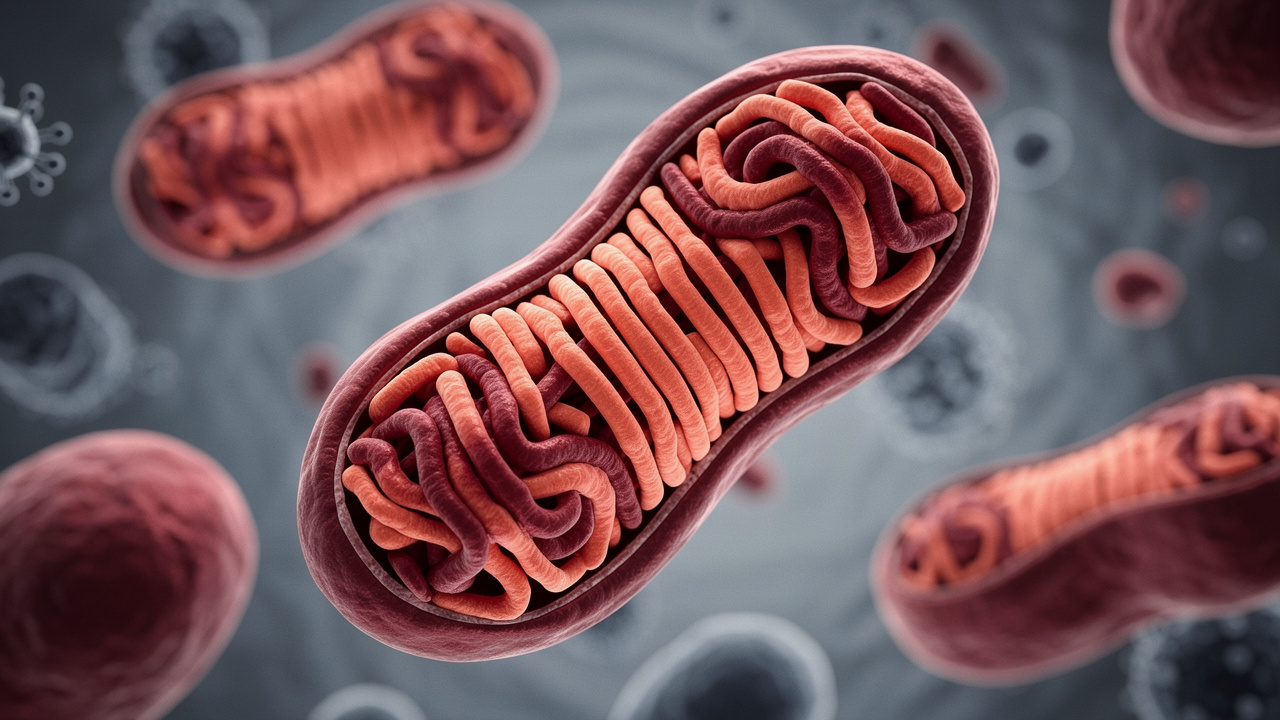
Both forms contain the same berberine molecule, so the mechanism of action is similar:
-
Activation of AMPK, improving cellular energy handling
-
Support for glucose uptake and reduced liver glucose production
-
Favorable shifts in cholesterol metabolism (more LDL receptors, less PCSK9 activity)
-
Modulation of gut microbiota and intestinal barrier function
Many researchers describe AMPK as “the cell’s energy sensor,” constantly reading the energy status of the cell and adjusting metabolism to match.
The difference is that berberine phytosome delivers more berberine into circulation per milligram swallowed. That means:
-
Lower doses can reach therapeutic blood levels
-
Plasma concentrations are more stable
-
Side effects related to “megadosing” raw berberine are less likely
For people stacking berberine with NAD+ IV therapy, mitochondrial support, or longevity protocols, this more predictable delivery is often the deciding factor.
Clinically Studied Benefits Of Berberine Phytosome
Regular berberine has hundreds of studies behind it. More recent trials have started to focus specifically on berberine phytosome, and the results matter when you’re comparing berberine phytosome vs. regular berberine.
Metabolic And Cardiovascular Health
In human and animal studies, berberine phytosome has been shown to:
-
Support healthy fasting blood glucose and A1c
-
Improve insulin sensitivity
-
Help maintain healthy triglyceride and LDL cholesterol levels
-
Support modest weight and waist circumference reductions
These effects mirror regular berberine but often show up at much lower doses.
Polycystic Ovary Syndrome (PCOS)
A multicenter clinical trial in women with PCOS used 550 mg of berberine phytosome twice daily (about 360 mg active berberine per day) for 90 days. Results included:
-
Restoration of regular menstrual cycles in around 70% of participants
-
Normalization of ovarian anatomy in over 60%
-
Improvements in acne and excess hair growth
-
Better emotional wellbeing scores
Importantly, the rate of GI side effects was low and similar to the control group, which contrasts with some PCOS trials using high-dose regular berberine.
Skin, Weight, And Quality Of Life
Because PCOS expresses on the skin and in body composition, the trial also reported:
-
Reduced acne severity
-
Reduced hirsutism (excess hair growth) scores
-
Greater perceived weight loss compared to diet alone
These findings suggest that when looking at berberine phytosome vs. regular berberine for hormone-related metabolic issues, the phytosome form can match or surpass the effects of high-dose regular berberine with better tolerability.
Who Should Consider Berberine Phytosome?

Berberine phytosome tends to be a better fit if you:
-
Prioritize results and consistency
You want measurable changes in bloodwork, body composition, or performance and prefer fewer variables. -
Have a sensitive gut
You’ve struggled with GI issues on regular berberine or other supplements and want a lower-dose option. -
Follow a serious longevity or performance protocol
You’re already investing in NAD+ IV infusions, peptide protocols, or structured supplement stacks and want pharmacokinetic data to match the rest of your approach. -
Prefer fewer capsules per day
Lower total milligrams make compliance easier with busy schedules.
Tip: If you are data-driven, plan to track at least fasting glucose, A1c, and a fasting lipid panel before and after a berberine phytosome trial so you can see whether it is pulling its weight in your stack.
Who Might Prefer Regular Berberine?
Regular berberine still has a place, especially if you:
-
Are highly cost-sensitive
You want the lowest price per capsule and can tolerate higher doses. -
Primarily target gut-related issues
Some practitioners still favor regular berberine for short-term support in certain digestive protocols. -
Do not experience GI problems at higher doses
If 1,000–1,500 mg per day feels fine for you, cost may matter more than advanced delivery.
That said, when you weigh berberine phytosome vs. regular berberine on a cost-per-effective-dose basis, the gap often narrows because you can use far less active berberine with the phytosome form.
Dosing Strategies: Regular Berberine Vs. Berberine Phytosome
Typical Dosing For Regular Berberine (HCl)
Common patterns in research and clinical practice:
-
Total daily dose: 1,000–1,500 mg
-
Pattern: 500 mg two or three times daily
-
Timing: With or just before meals to support post-meal glucose handling
Because of GI side effects, many people start at 500 mg per day and titrate up slowly.
Typical Dosing For Berberine Phytosome
With phytosome, you need to distinguish between:
-
The weight of the phytosome complex (often 400–550 mg per capsule)
-
The amount of active berberine within that complex (often ~120–200 mg)
Example from clinical data:
-
Dose: 550 mg berberine phytosome twice daily
-
Active berberine: ~180 mg per tablet
-
Total active berberine: ~360 mg per day
Despite the lower active dose, blood levels and clinical outcomes matched or exceeded what you would expect from much higher doses of regular berberine.
Stacking With Ceylon Cinnamon And Other Compounds
Many metabolic stacks combine berberine with Ceylon cinnamon and other botanicals. One example is berberine with Ceylon cinnamon from Synchronicity Health, which pairs berberine with a form of cinnamon often chosen for blood sugar support.
People focused on performance and longevity often combine berberine (regular or phytosome) with:
-
Intermittent fasting or time-restricted eating
-
Low-glycemic or low-carb dietary frameworks
-
NAD+ support (IV therapy, precursors like NR/NMN)
-
Exercise protocols that stress mitochondrial function
If you already run an intensive stack, berberine phytosome vs. regular berberine becomes a question of precision: you may prefer a form where the pharmacokinetics are better defined and easier to align with other interventions.
Safety, Side Effects, And Interactions
Both forms share a broadly similar safety profile when used appropriately, but the dose difference matters.
Common Side Effects
More often seen with regular berberine at high doses:
-
Bloating
-
Abdominal cramping
-
Diarrhea or constipation
-
Nausea
Because berberine phytosome works at much lower doses, many users report fewer digestive problems.
Important Precautions
You should speak with a qualified healthcare professional before starting any form of berberine if you:
-
Take blood sugar medications (metformin, insulin, sulfonylureas)
-
Take blood pressure medications
-
Take statins or drugs metabolized by CYP3A4, CYP2D6, or CYP2C9
-
Have liver disease or significant kidney issues
-
Are pregnant, may become pregnant, or are breastfeeding
Berberine can strengthen the effects of some drugs (especially blood sugar and blood pressure medications) and may alter how certain medications are processed in the liver.
How To Choose: A Practical Decision Framework
When you compare berberine phytosome vs. regular berberine, work through these questions:
-
What is your main goal?
-
Serious metabolic and longevity work, measurable lab changes, or complex conditions → berberine phytosome often makes more sense.
-
Mild support or short-term experimentation on a tight budget → regular berberine may be good enough.
-
-
How sensitive is your digestion?
-
History of GI issues with supplements → start with berberine phytosome or very low-dose regular berberine.
-
No significant digestive issues → regular berberine is an option, but watch for delayed side effects.
-
-
How important is dosing convenience?
-
If your supplement routine is already crowded, the lower-dose phytosome form may be easier to maintain.
-
-
How do you think about “cost”?
-
Price per bottle only favors regular berberine.
-
Price per effective outcome often favors berberine phytosome, because you may need fewer capsules and see more consistent results.
-
“What gets measured gets managed.” — Peter Drucker
Apply this to your stack: track your key metabolic markers before and after three months on either form so your decision is based on data, not guesswork.
Key Takeaways
-
Same molecule, different delivery: The core difference in berberine phytosome vs. regular berberine is not the berberine itself but how effectively it reaches your bloodstream.
-
Phytosome wins on bioavailability: Berberine phytosome can reach 5–10x higher blood levels than standard berberine HCl, at much lower doses.
-
Less can do more: Typical effective doses for berberine phytosome use around 300–500 mg active berberine per day, compared with 1,000–1,500 mg for regular berberine.
-
Tolerance matters: If GI side effects or inconsistent results have held you back from regular berberine, the phytosome form is worth serious consideration.
-
Match the form to your goals: For biohackers, longevity enthusiasts, athletes, and people already investing in advanced therapies like NAD+ infusions, berberine phytosome usually aligns better with a performance-oriented, data-driven approach. Regular berberine can still work well when cost is the primary concern and tolerance is good.
Always work with a healthcare professional to select the right form, dose, and timing for your specific health status, medications, and long-term goals.


Leave a comment
All comments are moderated before being published.
This site is protected by hCaptcha and the hCaptcha Privacy Policy and Terms of Service apply.