

Berberine has become a go-to compound for people serious about metabolic health, longevity, and high performance. As you start comparing supplements, one question comes up fast: berberine phytosome vs berberine HCL — which form actually works better in daily life, not just on the label?
Both deliver the same active molecule, but they behave very differently once they hit your digestive system. Absorption, dose, side effects, and cost all change depending on which form you choose.
This guide breaks down the science in clear terms so you can decide which berberine form fits your goals, your body, and your budget — without getting lost in jargon.
What Exactly Is Berberine?
Berberine is an isoquinoline alkaloid found in several plants, including barberry, goldenseal, Oregon grape, and Chinese goldthread. It has a long history in Traditional Chinese Medicine and Ayurveda, especially for gut and metabolic issues.
Modern research has widened that picture. Berberine has been studied for its ability to:
-
Support healthy blood sugar levels
-
Improve cholesterol and triglyceride profiles
-
Influence body weight and fat distribution
-
Support gut microbiome balance
-
Provide antioxidant and anti-inflammatory support
If you want a deeper dive into the compound itself, Synchronicity Health goes into more detail here: berberine.
The key point: berberine is powerful — but only if enough of it actually gets into your bloodstream. That’s where berberine phytosome vs berberine HCL becomes important.
"Let food be thy medicine and medicine be thy food." — Hippocrates
Berberine sits close to that food–medicine boundary, which is why the form and delivery system matter so much.
Berberine HCL: The Traditional Standard
What It Is
Berberine HCL (berberine hydrochloride) is the most common form on the market. It’s the berberine molecule bound to hydrochloride to make a stable, easy-to-capsule salt.
You’ll see it on many supplement labels in doses ranging from 500–1,500 mg per day, usually split into two or three servings with meals.
Strengths Of Berberine HCL
-
Extensive research: Most clinical trials over the last few decades used standard berberine or berberine HCL.
-
Broad benefits (at sufficient doses), including:
-
Blood sugar and insulin support
-
Lipid and triglyceride support
-
Weight and appetite support
-
Antimicrobial and gut-related effects
-
-
Affordable: Milligram for milligram, it’s generally less expensive than phytosome forms.
-
Widely available: Easy to find in pharmacies, health-food stores, and online retailers.
The Bioavailability Problem
Berberine HCL has poor oral absorption (low bioavailability). It doesn’t dissolve well in the watery environment of your gut, and only a small fraction crosses the intestinal wall into the bloodstream.
That leads to three issues:
-
High doses are required to see systemic effects (often 1,000–1,500 mg per day).
-
More GI side effects (bloating, constipation, cramps, nausea) because so much stays in the gut.
-
Inconsistent results between people due to variable absorption.
Berberine HCL still works, especially at higher doses, but you’re fighting its pharmacokinetics.
Berberine Phytosome: Designed For Better Absorption
What It Is
Berberine phytosome is a newer delivery system built specifically to address the absorption issues of standard berberine.
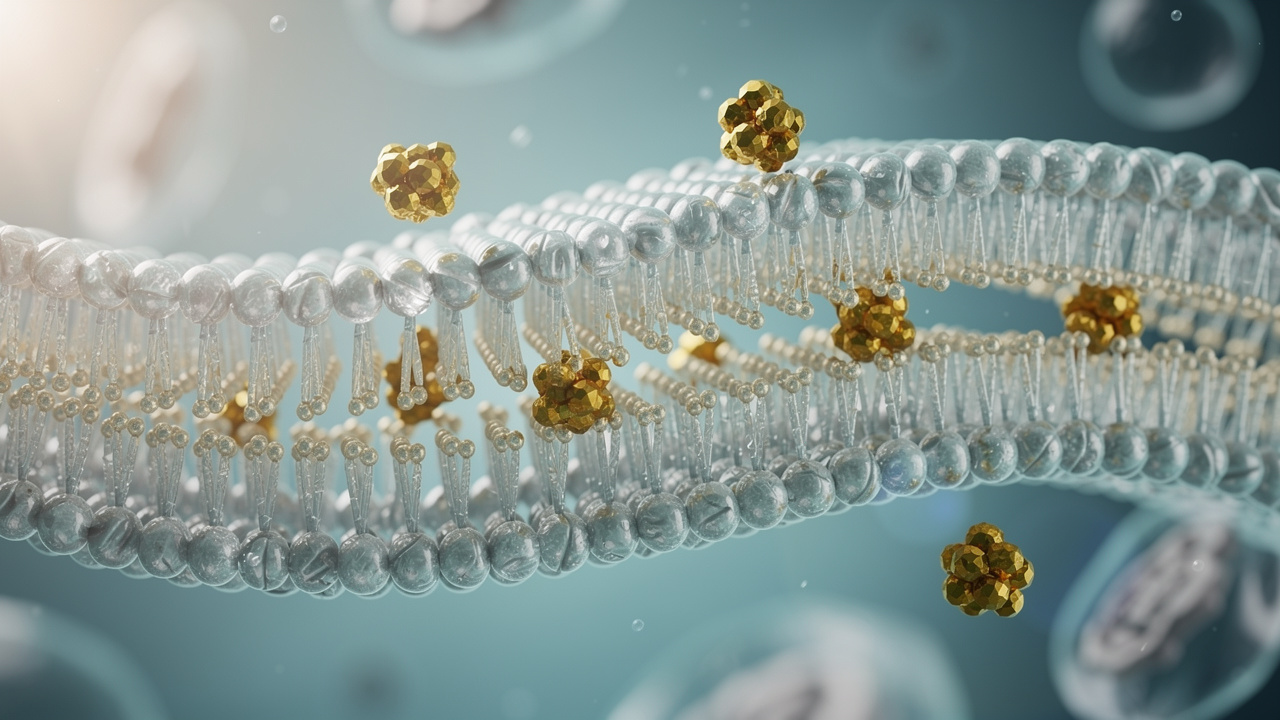
Instead of plain berberine HCL, berberine phytosome binds berberine to phospholipids (usually from sunflower lecithin) in a structured complex. Some clinically studied phytosome versions also add pea protein and grape seed proanthocyanidins to stabilize and support the complex.
Think of it as wrapping berberine inside a fat-friendly carrier that your body easily recognizes and absorbs.
Why It Absorbs Better
-
Phospholipids mimic your own cell membranes.
-
Your gut is very good at absorbing fats and phospholipids.
-
When the phytosome complex reaches the intestine, the body takes up the phospholipid shell — and the berberine comes along for the ride.
Clinical data on specific phytosome preparations show roughly 9.6–10× higher levels of berberine in the blood compared with standard berberine extract at the same dose. In practice, that means smaller doses can reach similar blood concentrations.
Practical Advantages
Because of that higher absorption, berberine phytosome allows:
-
Lower effective doses
Example: 550 mg of a phytosome complex (containing ~180 mg berberine) twice daily has shown clinical benefits that would normally require much higher standard HCL doses. -
Far fewer GI complaints
Less unabsorbed berberine sitting in the gut means fewer people reporting constipation, bloating, or stomach pain. -
More predictable results
The advanced delivery leads to steadier blood levels and more consistent effects from person to person.
For health optimization enthusiasts comparing berberine phytosome vs berberine HCL, this is the main reason many gravitate toward the phytosome form.
Berberine Phytosome Vs Berberine HCL: Side-By-Side
|
Feature |
Berberine HCL |
Berberine Phytosome |
|---|---|---|
|
Form |
Standard berberine salt |
Berberine–phospholipid complex |
|
Oral absorption |
Low |
High (around 9–10× higher in studies) |
|
Typical daily dose (supplemental) |
500–1,500 mg |
275–1,100 mg of complex (much less actual berberine) |
|
GI side effects |
More common at higher doses |
Markedly lower in clinical trials |
|
Research history |
Long history, many metabolic studies |
Fewer total studies, but strong data on advanced forms |
|
Cost per capsule |
Generally lower |
Higher |
|
Cost per effective absorbed mg |
Less favorable |
More favorable despite higher sticker price |
|
Best fit |
Budget-conscious, tolerant of higher doses |
Those wanting efficiency, comfort, and consistent results |
Both forms can move the needle. The difference is how much you need to take — and how you feel while taking it. A simple way to think about it: phytosome behaves like a concentrated berberine, where a smaller capsule can deliver more to your bloodstream.
How Berberine Works In Your Body
Regardless of whether you choose berberine phytosome or berberine HCL, the active molecule targets several core metabolism pathways.
1. AMPK Activation
Berberine activates AMPK (AMP-activated protein kinase), sometimes described as the cell’s energy sensor. When AMPK is active, cells:
-
Pull more glucose out of the blood
-
Burn more fatty acids for fuel
-
Produce less new fat and cholesterol
This is a big reason berberine is often compared to metformin in metabolic discussions.
2. Better Insulin Signaling
Berberine can:
-
Increase the number and function of insulin receptors
-
Improve how cells respond to insulin
The result: cells clear glucose from the bloodstream more effectively, which supports healthy blood sugar and insulin levels.
3. LDL And PCSK9 Effects
Berberine influences lipid metabolism by:
-
Supporting LDL receptor activity in the liver
-
Inhibiting PCSK9, an enzyme that breaks down LDL receptors
More LDL receptors = more LDL (“bad”) cholesterol pulled out of circulation.
4. Gut Microbiome Modulation
Even before absorption, berberine:
-
Suppresses certain pathogenic microbes
-
Encourages a more favorable microbial balance
This contributes to its gastrointestinal and metabolic benefits. Standard berberine HCL and phytosome both have these local gut effects, although the phytosome form goes on to deliver more systemic activity.
The better your absorption (which is where berberine phytosome vs berberine HCL diverge), the stronger and broader these systemic effects become.
Health Benefits: What The Research Shows
With adequate absorption, berberine supports several key areas relevant to high performers, athletes, and longevity-focused individuals. Most data come from small to mid-size human trials and preclinical work, so findings should be seen as supportive evidence rather than absolute guarantees.
Metabolic Health And Weight Management
-
Supports healthy fasting glucose and HbA1c (when already in the normal range)
-
Improves insulin sensitivity
-
Helps lower triglycerides and support a better LDL/HDL profile
-
May assist with modest weight and fat loss when combined with diet and activity
Cardiovascular Support
By improving lipids, supporting endothelial function, and reducing oxidative stress, berberine contributes to:
-
Healthier blood vessel function
-
More favorable cholesterol ratios
-
Reduced oxidative burden on cardiovascular tissues
Gut And Microbiome Health
-
Traditional use for diarrhea and GI infections
-
Modern data showing changes in gut microbial composition
-
Potential support for gut barrier integrity and lower gut-driven inflammation
Hormonal And PCOS Support
One of the standout clinical uses for phytosome berberine has been in women with Polycystic Ovary Syndrome (PCOS). In a 90-day trial using 550 mg of berberine phytosome twice daily, researchers observed:
-
Return of regular menstrual cycles in ~70% of participants
-
Normalization of ovarian appearance on ultrasound in over 60%
-
Improvements in acne and hirsutism
-
Better emotional wellbeing scores
These numbers come from a single trial and individual responses vary, but they highlight how an absorbed form of berberine can support both metabolic and hormonal markers in PCOS.
While standard berberine HCL can also support metabolic aspects of PCOS, the improved absorption of phytosome may help reach similar or better outcomes with lower doses and fewer side effects.
Dosing And Timing: Practical Guidelines

Always work with a qualified healthcare professional, especially if you have medical conditions or take medications. Berberine has drug-like effects, so guessing at doses is not a good idea. With that in mind, typical adult supplemental ranges are:
For Berberine HCL
-
Dose: Commonly 500–1,500 mg per day
-
Often split into 2–3 doses of 300–500 mg
-
-
Timing: With meals to help blunt post-meal glucose spikes and improve tolerance
-
Many people start at the lower end (around 300–500 mg once daily) and increase gradually to see how their stomach and energy respond.
For Berberine Phytosome
-
Dose: Often 275–1,100 mg of the phytosome complex per day
-
Clinical trials frequently use 550 mg twice daily
-
-
Timing: With meals, similar to HCL, though many find it more comfortable at any main meal due to better tolerability
-
Because less berberine is required, some people do well starting with 275–550 mg daily and adjusting based on goal and response.
Cycling Or Continuous Use?
Many people use berberine:
-
Continuously for ongoing metabolic support, or
-
In blocks (e.g., 8–12 weeks on, followed by a break), especially biohackers who like to rotate tools
Because berberine interacts with multiple metabolic pathways, long-term high-dose use should always be supervised by a practitioner who can monitor labs.
"What gets measured gets managed." — Peter Drucker
That idea applies here: tracking fasting glucose, HbA1c, lipids, and even body composition helps you and your clinician judge whether your berberine plan makes sense.
Side Effects, Interactions, And Safety
Common Side Effects
Most side effects are gastrointestinal and more common with high-dose berberine HCL:
-
Constipation or, less often, diarrhea
-
Bloating or gas
-
Abdominal discomfort or nausea
Berberine phytosome, at significantly lower doses, has shown excellent tolerability in human trials, with very few people reporting adverse effects.
Who Should Be Cautious?
Always speak with your clinician if you:
-
Take medications for diabetes or blood sugar (risk of additive effects)
-
Take blood pressure medications
-
Use anticoagulants or antiplatelet drugs
-
Take drugs metabolized through key liver enzymes (berberine can affect some CYP pathways)
-
Have liver disease or significant GI conditions
-
Are pregnant or breastfeeding (safety data are limited)
Berberine is a potent tool; treating it with the same respect you would give a pharmaceutical is wise. If you are on prescription drugs, always ask your prescriber before adding berberine.
How To Choose: Berberine Phytosome Vs Berberine HCL
Different people and goals call for different strategies. Here’s how to think through berberine phytosome vs berberine HCL.
Choose Berberine HCL If You:
-
Are budget-conscious and want the lowest cost per capsule
-
Tolerate supplements well and don’t usually get GI side effects
-
Are comfortable taking higher doses (1,000–1,500 mg per day)
-
Want the classic, extensively studied version used in many earlier trials
Choose Berberine Phytosome If You:
-
Want maximum systemic effect with the lowest practical dose
-
Have a sensitive digestive system
-
Care about predictable, steady results with fewer side effects
-
Plan to use berberine as a long-term strategy for metabolic or hormonal health
-
Identify as a biohacker, high performer, or athlete who values efficient, research-backed delivery systems
In other words, if you’re comparing berberine phytosome vs berberine HCL through the lens of “efficiency per milligram and comfort,” phytosome generally comes out ahead.
Hybrid Formulas: Using Both Forms Together
A growing number of products now combine the two:
-
Berberine HCL for gut-local effects and microbial modulation
-
Berberine phytosome for enhanced systemic delivery
This approach aims to cover both local GI actions and full-body metabolic effects within one product, which can be appealing if you want comprehensive support without building your own stack from scratch.
Synchronicity Health’s Approach To Berberine
Synchronicity Health focuses on making berberine more effective and better tolerated for real-world, daily use.
Their berberine HCL–based formula is paired with a lipid-focused absorption and utilization blend, including Ceylon cinnamon. This strategy echoes the logic behind phytosome technology: pairing berberine with fat-friendly components to help it cross into the bloodstream more efficiently.
You’ll see this approach in products such as:
-
Berberine With Ceylon Cinnamon, a berberine HCL blend that highlights absorption and metabolic support
-
Synchronicity Health’s Berberine Blend, which uses berberine HCL plus a lipid-based absorption support system to amplify effects
For someone weighing berberine phytosome vs berberine HCL, formulas like these show how HCL can be supported with smart co-ingredients, narrowing the gap between standard and advanced delivery systems.
How To Choose A Quality Berberine Supplement
Whichever side you land on in the berberine phytosome vs berberine HCL comparison, use these checkpoints:
-
Clear labeling
-
Form clearly listed: “berberine HCL,” “berberine phytosome,” or both
-
Standardization information when applicable
-
-
Clinically relevant dose
-
For HCL: avoid products with token doses far below 500 mg per day
-
For phytosome: look for doses in the range used in human studies (often 275–550 mg once or twice daily)
-
-
Third-party testing
-
Certificates of analysis for purity, potency, and contaminants
-
-
Thoughtful formulation
-
Supportive co-ingredients like Ceylon cinnamon, lipids, or other compounds with a clear mechanistic rationale
-
-
Transparent brand practices
-
Clear explanation of why they chose berberine phytosome vs berberine HCL (or both) and what outcomes they designed the product for
-
Final Thoughts: Matching The Form To Your Goals
Both berberine phytosome and berberine HCL can deliver meaningful benefits for blood sugar, lipids, body composition, and gut health. The real question is not whether berberine works, but how you want it delivered.
-
Choose berberine HCL if you want an affordable, classic form and are fine with higher doses.
-
Choose berberine phytosome if you prioritize absorption efficiency, tolerability, and consistent results from lower doses.
-
Consider hybrid or absorption-supported HCL formulas, like Synchronicity Health’s Berberine Blend, if you want a middle path that upgrades traditional berberine with modern delivery science.
Whichever you select, work with a qualified healthcare professional, start with conservative dosing, and track how you feel along with objective markers (glucose, lipids, body composition, performance). Used thoughtfully and with good supervision, berberine — in either form — can be a targeted, high-value part of your health strategy.


Leave a comment
All comments are moderated before being published.
This site is protected by hCaptcha and the hCaptcha Privacy Policy and Terms of Service apply.