

Berberine Vs. Ceylon Cinnamon: A Perfect Wellness Combo?
If you care about blood sugar, longevity, and clean energy more than short-term stimulants, the berberine vs. Ceylon cinnamon question is worth your attention.
Type 2 diabetes and prediabetes affect roughly 1 in 11 adults worldwide. Even if you’re not diabetic, chronically elevated glucose speeds up aging through glycation, mitochondrial stress, and vascular damage. For biohackers, athletes, and busy professionals, that can mean poorer recovery, brain fog, and reduced performance over time.
As many metabolic clinicians like to remind patients, "Small, steady improvements in glucose control often add up to big changes in long‑term health."
Two botanicals stand out in the metabolic-support conversation:
-
Berberine – a plant alkaloid with strong data on glucose control and lipids
-
Ceylon cinnamon – “true” cinnamon with a long clinical track record for blood sugar management
This guide breaks down berberine vs. Ceylon cinnamon—how each works, what the science actually shows, when to stack them, and how to use them safely alongside tools like NAD+ IV therapy and Synchronicity Health products such as glutathione nasal spray and adaptogenic mushrooms including reishi mushroom.
Meet The Contenders: What Are Berberine And Ceylon Cinnamon?
Berberine: The Metabolic Alkaloid
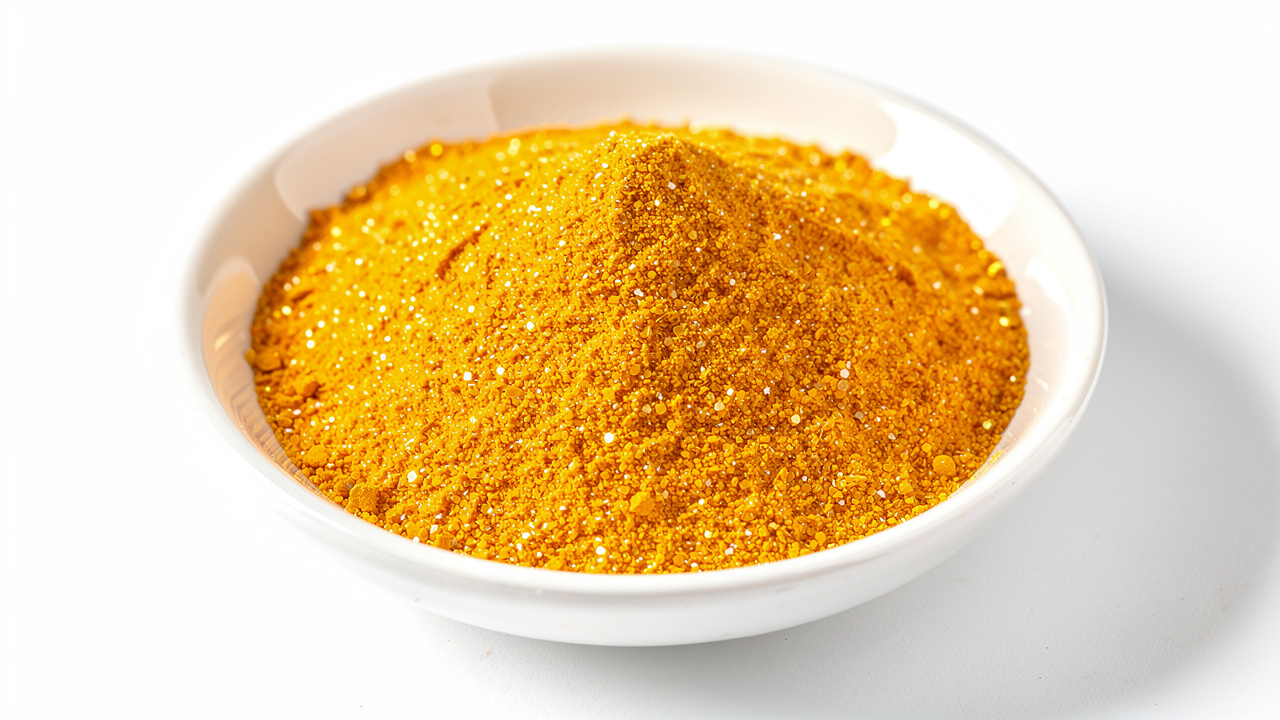
Berberine is a bright yellow isoquinoline alkaloid found in several plants, including:
-
Oregon grape (Berberis aquifolium)
-
Barberry (Berberis vulgaris)
-
Goldenseal (Hydrastis canadensis)
-
Coptis (Coptis chinensis, “Chinese goldthread”)
It has been used for centuries in Traditional Chinese Medicine and Ayurveda for:
-
Digestive upset and diarrhea
-
Gut infections
-
Inflammatory complaints
Modern research shifted the spotlight toward berberine’s effects on:
-
Blood sugar regulation
-
Lipid metabolism
-
Weight management and insulin resistance
Because berberine activates powerful energy-sensing pathways inside the cell, it has become popular among people already experimenting with NAD+ IV therapy, oral NAD+ boosters, and mitochondrial support stacks.
Ceylon Cinnamon: The “True” Cinnamon
“Cinnamon” on most spice racks is actually cassia cinnamon. The variety clinically favored for regular supplementation is Ceylon cinnamon (Cinnamomum verum), often called “true cinnamon.”
Key differences:
-
Origin: Primarily Sri Lanka
-
Taste: Lighter color, subtler, slightly sweet flavor
-
Safety: Much lower in coumarin, a compound that can stress the liver at high intake levels; this makes Ceylon cinnamon better suited for daily use
Historically, Ceylon cinnamon has been used for:
-
Digestive comfort
-
Circulatory support
-
Respiratory issues
-
Support for people with blood sugar concerns
Today, Ceylon cinnamon is one of the most researched botanicals for glucose control, making it a serious contender in the berberine vs. Ceylon cinnamon discussion.
Berberine Vs. Ceylon Cinnamon: How They Work In The Body
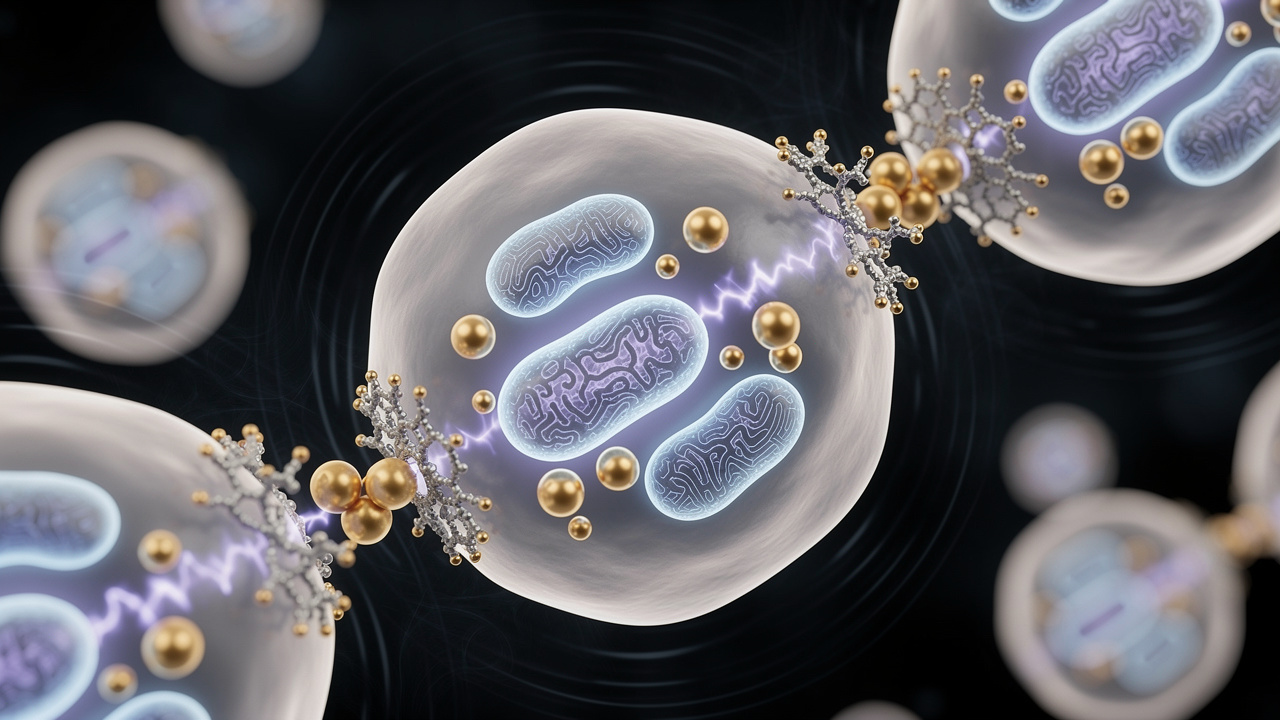
Although both support healthy blood sugar, they act through different primary mechanisms. That’s important for understanding when you might choose one, the other, or both.
How Ceylon Cinnamon Supports Glucose Regulation
Ceylon cinnamon appears to work through several complementary actions:
-
Slowing Carbohydrate Breakdown
Compounds in cinnamon inhibit digestive enzymes such as α-amylase and α-glucosidase, which break complex carbohydrates into glucose. By dialing down these enzymes, cinnamon can:-
Slow carbohydrate digestion
-
Reduce the rate of glucose absorption
-
Blunt post-meal blood sugar spikes
-
-
Improving Insulin Signaling
Research suggests cinnamon may:-
Increase the sensitivity of insulin receptors
-
Increase glucose uptake into cells
This means the body can often do more with the insulin it already produces, a key goal for insulin-resistant states.
-
-
Antioxidant And Anti-Inflammatory Effects
Ceylon cinnamon is rich in polyphenols with strong antioxidant properties. These compounds:-
Help neutralize free radicals
-
Reduce low-grade inflammation that impairs insulin signaling
-
May protect pancreatic beta-cells, which produce insulin
-
For steady glucose control and long-term safety, Ceylon cinnamon has one of the most established profiles in the botanical world.
How Berberine Regulates Metabolic Pathways
Berberine works on metabolism at a deeper cellular level. Its best-characterized action is activation of AMP-activated protein kinase (AMPK)—often nicknamed the cell’s energy “master switch.”
When AMPK activates, several beneficial changes follow:
-
Increased Glucose Uptake
AMPK activation drives more glucose transporters (such as GLUT4) to the cell surface, allowing cells—especially in muscle and fat tissue—to pull more glucose out of the bloodstream, even when insulin signaling is impaired. -
Reduced Liver Glucose Output
Berberine can reduce hepatic gluconeogenesis—the liver’s production of new glucose. This helps bring down fasting blood sugar, a central issue in prediabetes and type 2 diabetes. -
Increased Fatty Acid Oxidation
AMPK encourages cells to burn fatty acids for energy rather than store them. That supports better lipid profiles and may help with weight management over time. -
Gut Microbiome Modulation
Emerging data indicates berberine can shift the composition of gut bacteria, supporting a microbial profile linked to better metabolic health and reduced inflammation.
For longevity-focused users already interested in NAD metabolism, this is particularly interesting: AMPK activation intersects with pathways that influence mitochondrial function, sirtuins, and cellular repair. Stacks that include berberine, NAD boosters, and methylation support such as energy support vitamin B12 are built around this systems-level view of metabolism.
What The Science Says: Berberine Vs. Ceylon Cinnamon For Blood Sugar
Clinical Evidence For Ceylon Cinnamon
Ceylon cinnamon has a larger and more mature research record.
A 2024 meta-analysis pooled data from 16 randomized controlled trials with 1,020 participants who had type 2 diabetes. Study durations ranged from 40 days to 4 months.
Key findings:
-
Cinnamon supplementation significantly improved glucose metabolism
-
Participants generally showed better overall blood sugar regulation
-
Benefits were seen across multiple trials, not just a single small study
Given its:
-
Extensive clinical data
-
Favorable safety profile (when using Ceylon, not cassia)
-
Low cost and easy access
Ceylon cinnamon holds a strong position when comparing berberine vs. Ceylon cinnamon purely on the depth of evidence.
Clinical Evidence For Berberine
Berberine’s modern research base is newer but growing quickly.
A randomized, double-blind, placebo-controlled pilot trial in people with prediabetes found that berberine:
-
Produced significant improvements in fasting plasma glucose (FPG) versus placebo
-
Showed enough benefit that researchers suggested it could help slow progression from prediabetes to type 2 diabetes with further validation
Regulatory bodies have taken notice. As of 2024:
-
The European Food Safety Authority (EFSA) is formally reviewing standardized berberine extracts
-
The goal is to assess long-term safety and efficacy
-
While that opinion is pending, products containing naturally occurring berberine from plants like Oregon grape root remain permitted
Taken together, the data suggest:
-
Ceylon cinnamon currently has the more extensive, established clinical record
-
Berberine shows strong promise, especially for fasting glucose, but is still under active evaluation
Better Together: When Berberine And Ceylon Cinnamon Are Combined
The most interesting part of the berberine vs. Ceylon cinnamon comparison is that it doesn’t have to be “either/or.” One high-quality clinical trial looked directly at using both together.
The Combination Trial: Berberine + Cinnamon In Type 2 Diabetes
A parallel, double-blind, placebo-controlled, randomized clinical trial published in the European Journal of Nutrition tested a daily combination of:
-
1200 mg berberine
-
600 mg cinnamon
taken for 12 weeks in people with type 2 diabetes.
Compared with placebo, the combination group experienced statistically significant reductions in:
-
Fasting Blood Sugar (FBS) – P = 0.031
-
Hemoglobin A1c (HbA1c) – P = 0.013
-
Low-density lipoprotein cholesterol (LDL-C) – P = 0.039
There were no significant differences between groups for:
-
Total cholesterol
-
HDL (“good”) cholesterol
-
Triglycerides
That means the combo produced:
-
Better short-term glycemic control (FBS)
-
Better long-term glycemic control (HbA1c)
-
Targeted improvement in LDL-C, a key cardiovascular risk marker
For anyone stacking for longevity, performance, or diabetes risk reduction, this is compelling: the combined formula supported both glucose and a central cardiometabolic lipid marker in just 12 weeks.
Beyond Blood Sugar: Cardiometabolic, Brain, And Performance Angles
Cardiometabolic Health And LDL Cholesterol
Type 2 diabetes isn’t just about glucose; it’s about cardiometabolic risk:
-
High LDL-C
-
Hypertension
-
Endothelial dysfunction
-
Low-grade inflammation
The berberine–cinnamon trial’s drop in LDL-C without changes in HDL or triglycerides suggests a selective, beneficial effect on the “bad” cholesterol most strongly tied to atherosclerotic plaque.
For:
-
Longevity-focused users trying to keep arterial age low
-
Athletes with high carbohydrate intake
-
Busy professionals with borderline lipids and insulin resistance
a stack built around berberine vs. Ceylon cinnamon isn’t only about lower HbA1c—it can also support a more favorable cardiovascular profile when used under medical supervision.
Inflammation, Oxidative Stress, And Mitochondria
Both botanicals also:
-
Provide antioxidant support
-
Help reduce pro-inflammatory signaling
Berberine:
-
Helps lower pro-inflammatory cytokines
-
Can support mitochondrial efficiency indirectly through AMPK activation
Ceylon cinnamon:
-
Delivers polyphenols that quench free radicals
-
Supports a less inflammatory metabolic environment
For people already supporting redox balance with tools such as glutathione nasal spray and adaptogenic mushrooms like reishi mushroom or cordyceps, a berberine–Ceylon cinnamon stack can be another pillar in maintaining clean cellular energy.
Cognitive And Nervous System Support
Metabolic health and brain health are tightly linked. Insulin resistance and poor glucose control increase risk for:
-
Cognitive decline
-
Brain fog
-
Slower recovery from mental exertion
Preclinical and early human data suggest:
-
Berberine may offer neuroprotective effects and support healthy neurotransmitter balance
-
Cinnamon may improve insulin signaling in the brain, which is relevant because some researchers describe Alzheimer’s as “type 3 diabetes”
Stacking berberine vs. Ceylon cinnamon with brain-focused tools can be attractive for high performers. Think of combinations with:
-
Nootropic mushrooms like lions mane mushrooms
-
Adaptogenic blends featuring reishi mushroom
-
Calming supports such as a theanine nasal spray with GABA
Together, these can help support clear focus, stable energy, and recovery from intense cognitive demands.
Safety, Dosing, And Smart Stacking
Even with natural compounds, dosing and context matter—especially if you already use prescription medications or advanced therapies like NAD+ IV drips.
A common clinical reminder is, "Natural products can be powerful tools, but they still need the same respect and monitoring as medications."
Typical Doses Seen In Research
Berberine
-
Common supplement range: 500 mg, 2–3 times daily with meals
-
Clinical combo trial: 1200 mg/day total
-
Often cycled (e.g., 8–12 weeks on, then a break) to minimize digestive issues
Ceylon Cinnamon
-
Often used in the 1–6 g/day range of powdered bark or equivalent extract
-
The clinical combo trial used 600 mg/day of cinnamon (standardized supplement form)
-
For long-term use, verify that the product is Ceylon cinnamon, not cassia, to keep coumarin exposure low
Possible Side Effects And Interactions
Berberine
-
Common: Mild gastrointestinal discomfort, constipation, or loose stools at higher doses
-
Potential interactions:
-
Blood sugar–lowering medications (risk of hypoglycemia)
-
Some antibiotics and liver-metabolized drugs
-
Because EFSA is actively reviewing standardized berberine, it’s especially important to work with a practitioner if you have complex medical conditions.
Ceylon Cinnamon
-
Generally well tolerated at typical supplemental doses
-
High intakes of cassia cinnamon are linked to liver stress from coumarin; this is one reason Ceylon is preferred
-
Rarely, mouth irritation or allergic-type responses can occur
Stacking With Other Biohacks
If you’re already stacking supplements or treatments, keep these points in mind:
-
Combining berberine and Ceylon cinnamon with metformin, insulin, GLP‑1 agonists, or SGLT2 inhibitors can drop blood sugar more than intended
-
NAD+ IV therapies and high-dose NAD boosters can shift energy metabolism; adding berberine may intensify these shifts
-
Additional metabolic aids—like cordyceps for energy support, reishi mushroom blends, or glutathione nasal spray—should be coordinated with a clinician who understands your full protocol
If you’re using multiple agents that influence blood sugar, lipids, or mitochondrial function, medical oversight is a core part of responsible biohacking.
How To Choose High-Quality Berberine And Ceylon Cinnamon
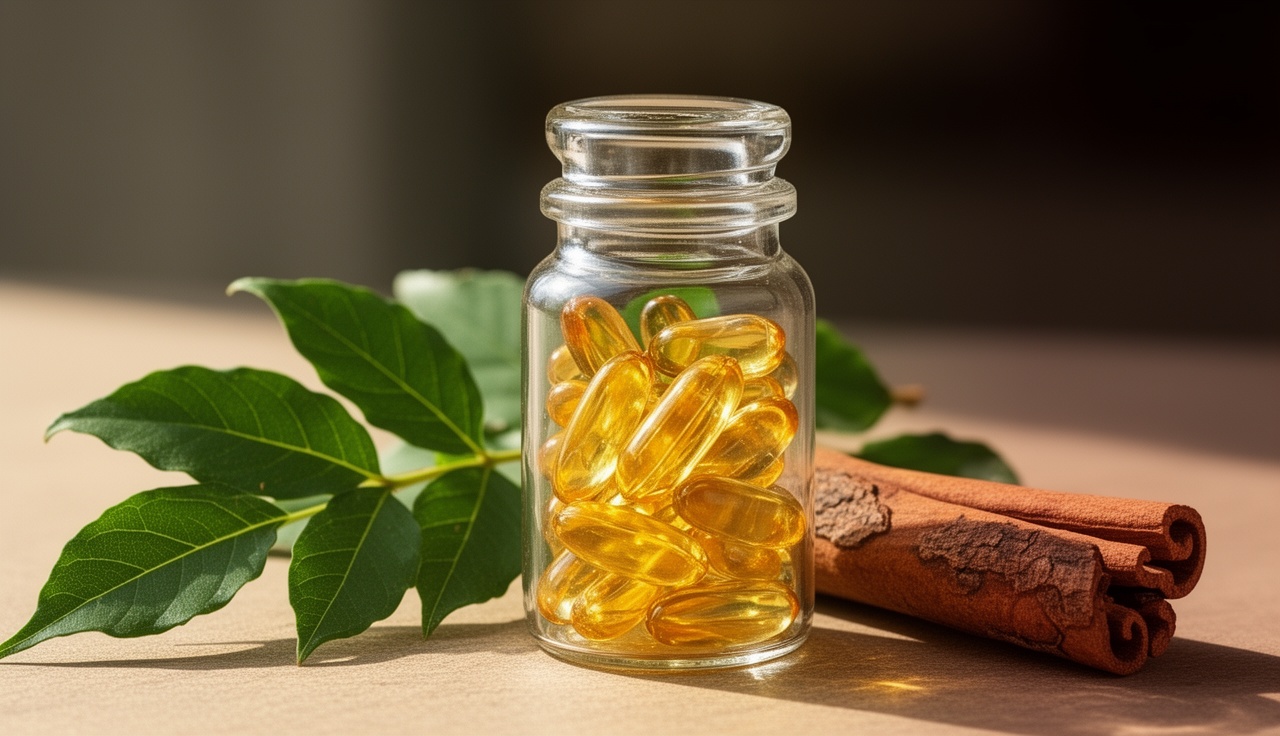
The quality gap between supplement brands can be wide. For something you plan to take daily, the details matter.
1. Source And Sustainability
-
Look for berberine sourced from plants with more sustainable profiles, such as Oregon grape, rather than vulnerable species like goldenseal
-
Verify that cinnamon is labeled Ceylon (Cinnamomum verum) or Cinnamomum zeylanicum; if a product just says “cinnamon” or contains cassia, it’s not what you want for regular use
Advanced blends—such as adaptogenic formulas built around reishi mushroom or lions mane mushrooms—often highlight their sourcing for the same reason.
2. Third-Party Testing And Transparency
Look for:
-
GMP (Good Manufacturing Practice) certification
-
Third-party lab testing for:
-
Identity (is it really berberine or Ceylon cinnamon?)
-
Potency (does it match the label?)
-
Contaminants (heavy metals, pesticides, solvents, microbes)
-
Reputable brands will often share Certificates of Analysis (COAs) on request or directly on their websites—for both stand-alone berberine/cinnamon and complex blends such as reishi mushroom.
3. Formulation And Bioavailability
Consider:
-
Standardized extracts (e.g., % berberine, % polyphenols) for predictable dosing
-
Capsule vs. powder vs. liquid delivery
-
Complementary ingredients that make sense for your goal, such as:
-
Cinnamon paired with chromium or magnesium for glucose support
-
Berberine in a metabolic stack with NAD boosters, energy support vitamin B12, or cordyceps mushroom for energy support
-
Approaches that can improve bioavailability are a plus, but they should be backed by data, not just marketing claims.
4. Packaging And Shelf Life
-
Amber or opaque bottles to protect sensitive compounds from light
-
Desiccants to manage moisture
-
Clearly printed expiration dates
These same basics apply to advanced formulas like NAD boosters and nasal sprays such as glutathione nasal spray or a theanine nasal spray with GABA, where ingredient stability directly affects real-world results.
Who Might Consider Berberine, Ceylon Cinnamon, Or Both?
Always talk with a qualified healthcare professional first, especially if you’re under treatment for any medical condition. That said, people often explore berberine vs. Ceylon cinnamon in these scenarios:
You might discuss Ceylon cinnamon with your clinician if you:
-
Have type 2 diabetes or prediabetes and want a well-studied botanical adjunct
-
Prefer food-like botanicals with long traditional use
-
Are seeking modest, steady support for post-meal glucose spikes
You might discuss berberine if you:
-
Have prediabetes or metabolic syndrome and want to target fasting blood sugar and lipids
-
Are already working with a practitioner familiar with advanced metabolic support (e.g., metformin off-label, NAD+ IV therapy, or complex stacks)
-
Are comfortable with a compound that is powerful but under active regulatory review
You might explore both together if you:
-
Already have medical supervision for type 2 diabetes or insulin resistance
-
Need support for both HbA1c and LDL-C
-
Are building a comprehensive performance and longevity stack that includes:
-
NAD boosters or NAD+ IV therapy
-
Energy support vitamin B12
-
Adaptogens such as cordyceps and reishi mushroom
-
Redox support like glutathione nasal spray
-
Again: these are adjuncts, not substitutes, for medical care, nutrition, and training.
Key Takeaways: Berberine Vs. Ceylon Cinnamon For Your Stack
To wrap up the berberine vs. Ceylon cinnamon debate:
-
Different Mechanisms, Overlapping Goals
-
Ceylon cinnamon slows carbohydrate breakdown, improves insulin signaling, and provides antioxidant support
-
Berberine activates AMPK, reduces liver glucose output, supports glucose uptake, and improves lipid parameters
-
-
Ceylon Cinnamon Currently Has The Stronger Evidence Base
-
A 2024 meta-analysis of 16 RCTs (1,020 participants) showed consistent improvements in glucose metabolism
-
Its safety and accessibility make it a strong first-line botanical for daily blood sugar support
-
-
Berberine Is Powerful But Still Under Formal Review
-
High-quality trials show meaningful improvements in fasting glucose
-
EFSA is evaluating standardized extracts, underscoring the need for medical guidance
-
-
The Combination Can Outperform Either Alone In Some Contexts
-
A 12-week RCT using 1200 mg berberine + 600 mg cinnamon lowered FBS, HbA1c, and LDL-C in people with type 2 diabetes
-
-
Best Use-Case: Integrated Into A Medically Guided Protocol
-
For biohackers, athletes, and longevity enthusiasts already using tools like NAD+ IV therapy, NAD boosters, mushrooms such as reishi mushroom, and glutathione nasal spray, a berberine–Ceylon cinnamon stack can be a high-impact addition—when used thoughtfully and supervised properly.
-
If you’re considering berberine vs. Ceylon cinnamon (or both) for your own health, start with data, not marketing buzz: review your labs, talk with a clinician who understands both conventional and integrative tools, and build a protocol that fits your biology rather than chasing one-size-fits-all approaches.


Leave a comment
All comments are moderated before being published.
This site is protected by hCaptcha and the hCaptcha Privacy Policy and Terms of Service apply.