

If you are adding a berberine supplement to your stack, you probably want to know one thing: how long until I see real results?
For many people, berberine is appealing because of its potential effects on blood sugar, cholesterol, body weight, gut health, and inflammation. But the timeline is different for each goal, and it depends on dose, consistency, and your starting point.
This guide breaks down:
-
How a berberine supplement works in your body
-
Realistic timelines for blood sugar, lipids, weight, gut health, and more
-
Dosing guidelines and how to take it
-
Safety, side effects, and drug interactions to know about
Throughout, remember: a berberine supplement is powerful enough to affect medication levels and lab markers. Always check in with a qualified healthcare professional before you start or change your dose.
As many practitioners remind their patients, "Supplements are helpers, not magic fixes—you still need the basics like food, movement, and sleep."
What Is Berberine And Why Do People Take It?
Berberine is a yellow plant alkaloid found in species like Oregon grape, barberry, goldenseal, and several traditional Eastern herbs. It has been used for centuries in Chinese and Ayurvedic medicine, primarily for digestive and metabolic issues.
Today, berberine is widely available as a dietary supplement, often in capsule form. Research on Berberine in metabolic and cardiovascular health continues to expand our understanding of its therapeutic potential. A berberine supplement such as berberine is typically used to support:
-
Blood sugar regulation and overall metabolic health
-
Cholesterol and triglycerides
-
Weight management and waist circumference
-
Gut function and microbiome balance
-
Inflammation reduction and cellular health
-
Hormonal balance in conditions like PCOS
Because berberine influences multiple metabolic pathways at once, many health-focused individuals, athletes, and biohackers look at it as a foundational metabolic support supplement.
How A Berberine Supplement Works In Your Body
Understanding the mechanism helps make sense of the timeline.
A berberine supplement appears to act through several well-studied pathways:
1. AMPK Activation (“Metabolic Master Switch”)
Berberine activates an enzyme called AMP-activated protein kinase (AMPK). Recent research shows that Metformin and berberine synergistically enhance AMPK activation, particularly through the AMPK–SREBP1–FASN signaling pathway in fatty liver conditions. AMPK helps cells sense low energy and respond by:
-
Increasing glucose uptake into cells
-
Encouraging the body to burn more stored fat
-
Reducing new fat and cholesterol production in the liver
This AMPK effect is one reason a berberine supplement is often compared to medications used for blood sugar control.
2. Improved Insulin Sensitivity And Glucose Handling
Berberine can:
-
Make cells more responsive to insulin
-
Reduce glucose production in the liver
-
Help lower fasting blood sugar and insulin levels over time
These changes tend to build gradually over weeks to months.
3. Lipid And Cholesterol Regulation
A berberine supplement may:
-
Decrease total cholesterol and LDL (“bad”) cholesterol
-
Lower triglycerides
-
Modestly increase HDL (“good”) cholesterol
Mechanisms include reduced cholesterol absorption from the gut and increased excretion through bile.
4. Microbiome Modulation And Gut Effects
Berberine has antimicrobial properties and can reshape the gut microbiome. Research suggests it may:
-
Support a healthier balance of intestinal bacteria
-
Improve gut barrier integrity
-
Support better outcomes in certain gastrointestinal infections (such as H. pylori when used with standard therapy)
These shifts may contribute to better digestion, metabolic health, and systemic inflammation control.
5. Anti-Inflammatory And Antioxidant Activity
Berberine influences signaling pathways involved in inflammation. Over time, this may support:
-
Lower levels of chronic, low-grade inflammation
-
Better cardiovascular resilience
-
Support for inflammation reduction strategies in general
Because many of these mechanisms relate to long-term cellular and metabolic adaptation, the full impact of a berberine supplement usually appears over weeks to months, not days.
What Affects How Fast A Berberine Supplement Works?
Not everyone responds on the same timeline. Key variables include:
-
Baseline health status
People with elevated blood sugar, high triglycerides, or insulin resistance often see more pronounced and faster changes than those starting with near-ideal numbers. -
Dose and frequency
Most research uses 0.9–1.5 grams per day, divided into 2–3 doses. Lower doses may still help but can take longer. -
Formulation and absorption
Berberine has relatively low natural bioavailability. Some formulas include absorption aids or pairing ingredients such as Ceylon cinnamon, as in berberine, which may support metabolic pathways alongside berberine. -
Diet, training, and sleep
A berberine supplement tends to work best when paired with consistent habits: lower refined carbohydrates, adequate protein, regular movement, resistance training, and good sleep. -
Medication use
If you take blood sugar, blood pressure, cholesterol, or immunosuppressant medications, doses may need to be adjusted, and your clinician may titrate berberine more slowly. -
Consistency over time
Skipping doses or stopping and starting makes it harder to see clear changes in blood work or symptoms.
Typical Timelines: When Does A Berberine Supplement Start Working?
The table below summarizes general ranges seen in studies and clinical practice. Individual timelines vary.
|
Goal / Marker |
Typical Timeline To Notice Change* |
|---|---|
|
Fasting blood sugar / insulin |
1–2 weeks for early shift; 8–12 weeks for full effect |
|
A1c (3-month blood sugar average) |
3 months or longer |
|
Triglycerides and cholesterol |
4–8 weeks |
|
Blood pressure (with meds) |
4–8 weeks |
|
Weight, BMI, waist circumference |
8–12+ weeks |
|
Gut comfort, bowel regularity |
1–4 weeks |
|
PCOS-related markers (cycles, androgens) |
3–6 months |
|
General energy, “metabolic steady” feel |
2–6 weeks |
*Based on published clinical trials and observational data; not guarantees.
Below is a closer look at each category.
Blood Sugar And Insulin: 1–12 Weeks
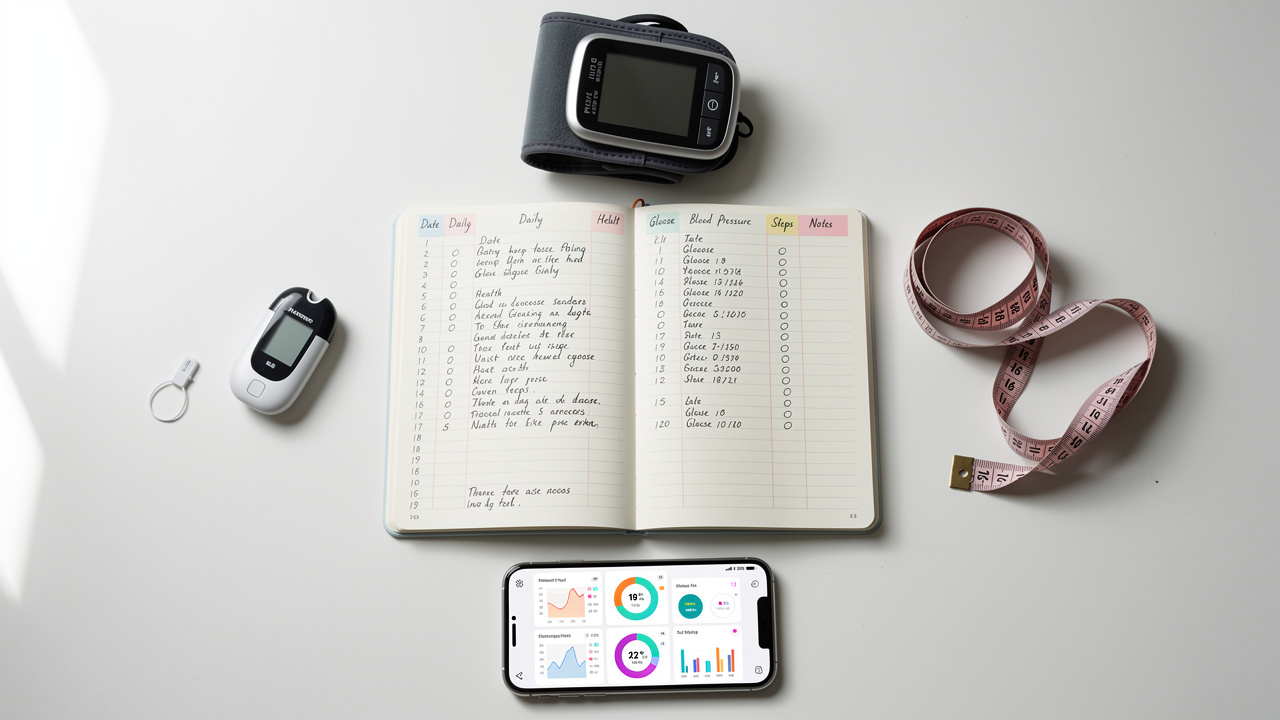
If you are using a berberine supplement with ceylon cinnamon primarily for blood sugar:
-
Some trials in people with type 2 diabetes using 500 mg three times daily report improvements in fasting blood glucose within 2 weeks.
-
A1c, which reflects your average over about 3 months, typically shows more substantial improvement after 12 weeks of consistent use.
You may notice:
-
Fewer post-meal crashes
-
More stable energy between meals
-
Improved continuous glucose monitor (CGM) patterns if you track data closely
For meaningful, trackable changes, plan on at least 8–12 weeks of a consistent berberine supplement at a clinically relevant dose.
Cholesterol, Triglycerides, And Blood Pressure: 4–8+ Weeks
For lipid and cardiovascular markers, a berberine supplement tends to work more gradually.
Cholesterol and triglycerides
-
Studies in people with high lipids show reductions in total cholesterol, LDL, and triglycerides over 4–8 weeks of daily use.
-
Effects appear particularly strong for triglycerides, especially in those with metabolic syndrome or type 2 diabetes.
Blood pressure
-
When added to medications like amlodipine, 0.9 g/day of berberine has lowered systolic and diastolic blood pressure more than the drug alone over several weeks.
If your goal is heart and vascular health support, retest your lipid panel and blood pressure after 8–12 weeks on a stable dose.
Weight, Body Composition, And “Nature’s Ozempic”: 8–12+ Weeks
A berberine supplement is often called “nature’s Ozempic,” though it does not work like GLP-1 agonist drugs. Instead, weight changes are more gradual and mostly linked to AMPK activation, improved insulin sensitivity, and better metabolic health.
Research suggests:
-
In people with BMI in the overweight range (25–29.9), 1 gram per day of berberine for at least 8 weeks has been associated with modest reductions in:
-
Body weight
-
BMI
-
Waist circumference
-
What to expect:
-
Any weight change is usually slow and steady, not dramatic.
-
The effect is strongest when the berberine supplement is combined with calorie control, higher protein intake, and regular training.
If weight management is your priority, commit to 8–12 weeks minimum, ideally alongside structured nutrition and exercise.
Gut Health, Microbiome, And Digestive Comfort: 1–4 Weeks
Because berberine has direct effects in the gut, some people notice changes relatively quickly:
-
Changes in bowel regularity
-
Less bloating or gas
-
Mild shifts in appetite
In clinical settings:
-
When used with standard therapies for H. pylori (a common ulcer-causing bacterium), berberine has contributed to improved treatment outcomes over a few weeks.
-
Animal and early human studies suggest berberine can shift the microbiome in a way that supports metabolic and liver health.
If you are using a berberine supplement as part of a gut protocol, evaluate changes over 2–4 weeks, and work closely with a practitioner if treating a diagnosed digestive condition.
PCOS, Hormones, And Menstrual Health: 3–6 Months
For individuals with polycystic ovary syndrome (PCOS), a berberine supplement may:
-
Improve blood sugar and insulin levels
-
Support healthier cholesterol and triglycerides
-
Reduce testosterone levels
-
Help move waist-to-hip ratio in a favorable direction
Hormonal systems adapt more slowly than blood sugar alone. In research, improvements in metabolic and androgen markers often appear over 3–6 months of consistent use.
If your goal is cycle regularity, acne reduction, or improved fertility markers, discuss a multi-month plan with your clinician that includes berberine plus nutrition, training, and sleep strategies.
Inflammation, Energy, And General Well-Being: 2–6 Weeks
Because inflammation and cellular stress influence energy, recovery, and resilience, some people report a more subtle but meaningful shift after starting a berberine supplement:
-
More stable daytime energy
-
Fewer afternoon crashes
-
Better workout recovery when combined with strength training and adequate protein
These effects often emerge after 2–6 weeks, especially when berberine is part of a broader plan for inflammation reduction, micronutrient repletion, and circadian-friendly sleep.
Recommended Dose And How To Take A Berberine Supplement
There is no single dose that fits everyone, but most human studies fall within a consistent range.
Typical dose range for adults
-
0.4–1.5 grams (400–1500 mg) per day, usually divided into 2–3 doses
-
Common protocols:
-
500 mg two times daily with meals, or
-
500 mg three times daily with meals
-
Timing tips
-
Take your berberine supplement with food and OEA to reduce the chance of stomach upset and to line up with post-meal glucose rises.
-
Spreading doses across meals (e.g., breakfast and dinner) can create more stable blood levels.
Duration of use in research
-
Many metabolic studies run for 8–12 weeks.
-
Some longer-term work has used berberine safely for up to 6 months, with limited data extending as far as 2 years.
Always personalize dose and duration with a healthcare professional, especially if you are on prescription medications or have chronic conditions.
A common clinical saying applies here: "Start low, go slow, and let your lab work guide the next step."
How To Get The Most From Your Berberine Supplement

To see measurable benefits within the timelines above, think of berberine as part of a protocol, not the entire plan.
1. Be Consistent For At Least 8–12 Weeks
Commit to a daily routine before judging whether a berberine supplement “works” for you. Sudden starts and stops make your data noisy.
2. Pair It With A Metabolic-Friendly Diet
-
Emphasize whole foods, especially vegetables, lean proteins, and healthy fats
-
Reduce refined sugars, sweetened drinks, and ultra-processed snacks
-
Consider earlier eating windows if that fits your lifestyle and medical status
3. Use Training Strategically
-
Resistance training 2–4 times per week improves insulin sensitivity and works synergistically with a berberine supplement.
-
Low-intensity movement (walking, light cycling) after meals further supports glucose control.
4. Track Objective Data
Depending on your goals, track:
-
Fasting glucose and, if relevant, home glucose monitoring
-
Blood lipids (total cholesterol, LDL, HDL, triglycerides)
-
A1c every 3 months if you have blood sugar issues
-
Waist circumference, body weight, and perhaps DEXA or other body composition measurements
5. Support Sleep And Circadian Rhythm
-
Aim for 7–9 hours of consistent sleep
-
Expose your eyes to morning light
-
Reduce late-night screens and large meals close to bedtime
These behaviors amplify the metabolic benefits you may get from a berberine supplement.
Safety, Side Effects, And Who Should Avoid Berberine
When used at typical doses for several months, a berberine supplement appears possibly safe for most adults. A comprehensive systematic review on Berberine Efficacy & Safety: evaluated its safety profile across multiple metabolic syndrome components. Still, there are important safety points.
Common side effects
Most are digestive and generally mild:
-
Diarrhea or loose stools
-
Constipation
-
Gas and bloating
-
Nausea or stomach discomfort
-
Abdominal cramping
-
Headache in some users
If symptoms are bothersome:
-
Try lowering the dose and building up slowly
-
Make sure you are taking berberine with food
-
Discuss persistent issues with your healthcare professional
Who should avoid or be very cautious
-
Pregnant individuals: Berberine can cross the placenta and has been associated with serious complications in newborns, including kernicterus (a form of brain damage).
-
Breastfeeding individuals: Berberine passes into breast milk and may harm infants.
-
Newborns and young infants: A berberine supplement is not appropriate; it can worsen jaundice and raise bilirubin to dangerous levels.
-
Children: There is not enough reliable data to recommend berberine for older children.
-
People with significant liver or kidney disease: Use only under close medical supervision.
Because research is still developing, berberine should always be used under guidance if you have complex medical conditions.
Drug Interactions To Know Before Taking A Berberine Supplement

Berberine interacts with many medications, often by changing how the liver processes them or by amplifying their effects. This is one reason medical supervision is non-negotiable for many people.
Medications that may interact include:
-
Diabetes medications
-
Insulin, metformin, sulfonylureas, and others
-
A berberine supplement can further lower blood sugar, increasing the risk of hypoglycemia.
-
Of note: taking berberine a couple of hours before metformin may increase metformin levels; taking them at the same time does not seem to have the same effect.
-
-
Blood pressure medications
-
Combining berberine with antihypertensives can drop blood pressure lower than intended, leading to dizziness or fainting.
-
-
Cholesterol and cardiovascular medications
-
Interactions with statins and other lipid-lowering drugs can occur; some data suggest combined use may be beneficial, but this must be supervised.
-
-
Immunosuppressants
-
Drugs like cyclosporine and tacrolimus may break down more slowly when combined with berberine, increasing blood levels and side effects—this is especially important for transplant recipients.
-
-
Blood thinners and antiplatelet drugs
-
Warfarin, aspirin, clopidogrel, and others may have stronger effects if combined with a berberine supplement, raising bleeding risk.
-
-
Sedatives and CNS depressants
-
Berberine may cause drowsiness and slowed breathing in some people, which can intensify the effects of sedatives, benzodiazepines, or certain sleep medications.
-
-
Medications processed by liver enzymes (CYP3A4, CYP2C9, CYP2D6)
-
Berberine can alter how quickly your liver metabolizes many drugs, including losartan, midazolam, dextromethorphan, and others.
-
If you take any prescription medication, discuss a berberine supplement with your physician or pharmacist before you start, and do not adjust or stop your prescriptions on your own.
How Long Should You Stay On A Berberine Supplement?
Duration depends on your goal, response, and medical context.
General guidance to discuss with your clinician:
-
Metabolic goals (blood sugar, lipids, weight)
-
Commit to at least 3 months before fully evaluating the effect.
-
Many people use a berberine supplement for 3–6 months, then reassess labs and symptoms.
-
-
PCOS and hormonal goals
-
A 3–6 month trial is common, given slower hormonal changes.
-
-
Gut or short-term protocols
-
For microbiome or gastrointestinal support, courses of 4–12 weeks are typical, often alongside other targeted therapies.
-
After an initial period, you and your clinician can decide whether to:
-
Continue at the same dose
-
Reduce or cycle your berberine supplement
-
Transition to other strategies if goals are met
Long-term, open-ended use should always be monitored with periodic lab work and symptom check-ins.
Frequently Asked Questions About Berberine Supplement Timelines
How Fast Will I Feel Something From A Berberine Supplement?
Some people notice mild digestive changes or a shift in appetite within days. For metabolism benefits like steadier energy, expect 2–6 weeks. For measurable changes in blood work, expect 8–12 weeks or longer.
Can A Berberine Supplement Work Without Diet And Exercise Changes?
You may still see some improvement in blood sugar or lipids, but the effect is usually smaller and slower. Most of the strong results in research come from pairing a berberine supplement with nutrition and movement changes.
Should I Take Berberine With Food Or On An Empty Stomach?
To reduce stomach upset and align with blood sugar rises, it is generally best to take your berberine supplement with meals, especially with your higher-carbohydrate meals.
Is Berberine Safe For Long-Term Use?
Studies up to 6 months and some up to 2 years suggest that berberine can be used safely in many adults, but data are still limited. Long-term use should always be guided and monitored by a healthcare professional, especially if you take medications.
Key Takeaways
-
A berberine supplement can start affecting blood sugar and digestion within 1–2 weeks, but most meaningful lab changes show up after 8–12 weeks.
-
Lipids, body composition, and hormonal changes (such as in PCOS) often require several months of continuous use.
-
Dose, consistency, lifestyle, and medications all influence how quickly you respond.
-
Side effects are mostly digestive and usually manageable, but serious drug interactions and special population risks (pregnancy, infants) mean medical guidance is essential.
If you are considering a berberine supplement such as berberine for metabolic health, weight management, or inflammation reduction, think in terms of months, not days. Pair it with smart nutrition, movement, and sleep, track your data, and work with a professional who can help you review your response and adjust your plan safely.


Leave a comment
All comments are moderated before being published.
This site is protected by hCaptcha and the hCaptcha Privacy Policy and Terms of Service apply.