
Introduction
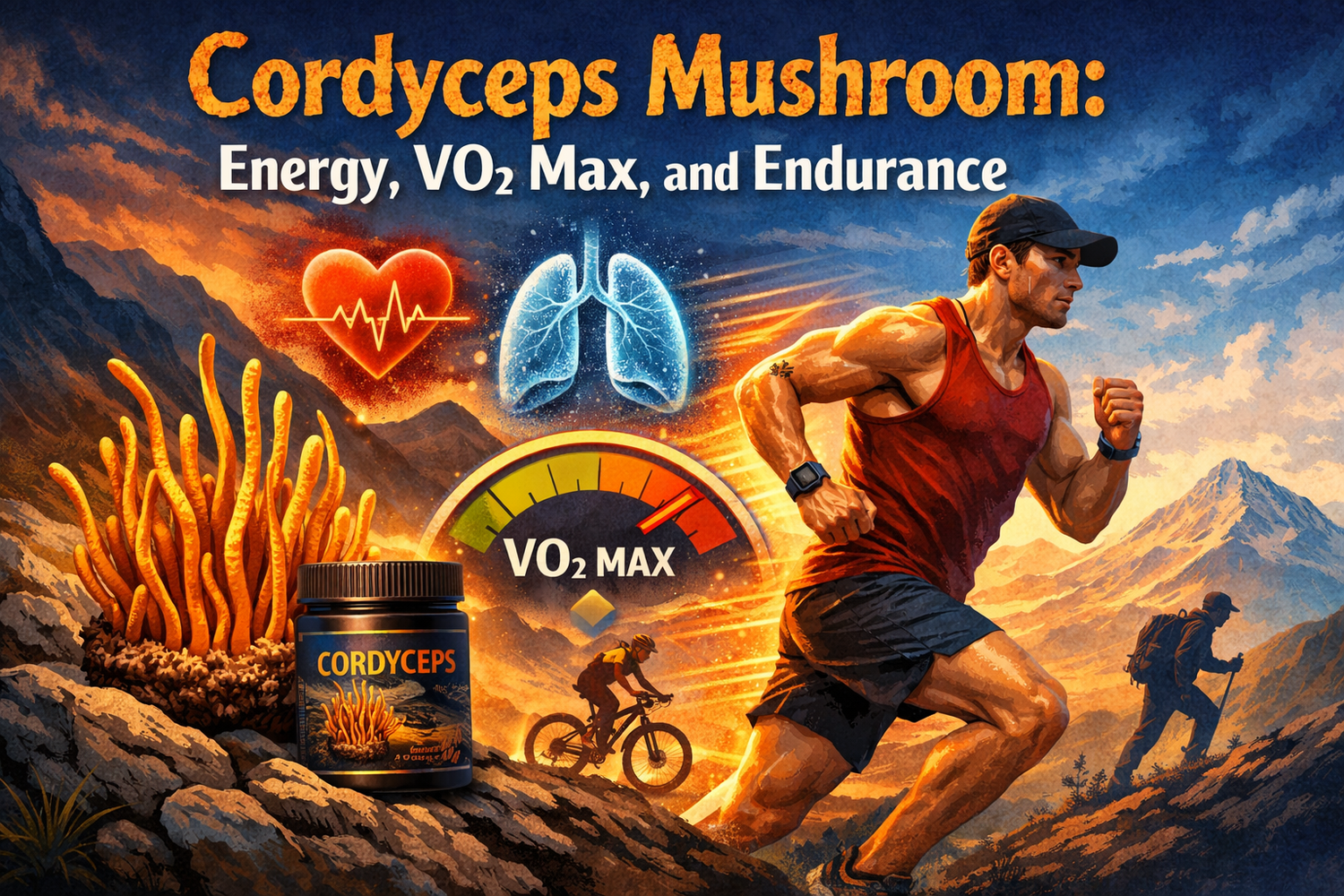
Performance science used to mean more gym time, more stimulants, and more pain. Now the focus has shifted toward smarter inputs that teach your cells to work better instead of just pushing harder. Few natural tools have drawn as much attention in this space as Cordyceps Mushroom, a strange high‑altitude fungus that seems to act like an oxygen and energy upgrade for the body.
For centuries, healers in Traditional Chinese Medicine used Cordyceps to fight fatigue, support the lungs and kidneys, and help people recover from illness—a practice now supported by research on Himalayan Mushrooms as a source of bioactive compounds with therapeutic potential. Today, athletes, biohackers, and busy professionals are turning to this same fungus as part of their stack of adaptogenic mushrooms, looking for clean energy, better VO2 Max, and deeper endurance. The story is no longer just folklore. Modern research now tracks how Cordyceps interacts with mitochondria, ATP production, and oxygen use.
This article walks through that science in clear, practical language. You will see how Cordyceps Mushroom affects cellular energy, how it may support VO2 Max, and what the data says about real‑world performance. You will also learn how different species and delivery methods change the results, and why advanced formats such as nasal sprays from brands like Synchronicity Health matter for bioavailability.
As many coaches like to remind their athletes, "Supplements can support performance, but training and recovery still do the heavy lifting."
By the end, you will know what Cordyceps is, what it can realistically do for energy and endurance, where the research is strong, and how to use it wisely as part of a well‑designed stack rather than as a magic fix.
Key Takeaways
-
Cordyceps Mushroom is an adaptogenic fungus from high‑altitude regions that has been used for centuries to fight fatigue and support stamina. Modern research now tracks its effects on ATP production, oxygen use, and aerobic capacity, which makes it appealing for both athletes and busy professionals.
-
Core compounds in Cordyceps such as cordycepin, adenosine, polysaccharides, and D‑mannitol work together on mitochondria, circulation, and immune balance. This mix may support cleaner, steadier energy instead of the spike‑and‑crash pattern seen with stimulants.
-
Studies suggest Cordyceps can improve cellular energy production and oxygen efficiency, which may support VO2 Max and endurance in people who are not already at an elite level. Results are stronger in animal and older adult studies than in trials on young, highly trained athletes, so expectations should stay realistic.
-
Bioavailability makes a big difference, because large molecules from adaptogenic mushrooms do not always cross the gut wall well. Advanced delivery methods such as nasal sprays, along with third‑party tested extracts, can turn a good ingredient into a reliable performance tool.
-
A daily intake in the range of three to six grams of Cordyceps extract appears in many clinical studies and traditional practice. Best results tend to come from consistent use, smart stacking with other performance nutrients, and high‑quality products such as the physician‑backed, nasal‑spray‑based formulas from Synchronicity Health.
What Is Cordyceps Mushroom
Cordyceps is a genus of parasitic fungi with more than 260 known species, many of which grow in the thin air of Himalayan and Tibetan plateaus. In nature, a Cordyceps spore lands on an insect larva, invades it, and gradually replaces the host tissue with fungal mycelium. From that mummified body, a thin, club‑shaped fruiting structure grows out of the soil, which is the part traditionally harvested.
The most famous species is now called Ophiocordyceps sinensis, once known as Cordyceps sinensis, often described as winter worm, summer grass in Traditional Chinese Medicine. It was valued as a tonic for the lungs and kidneys and used to support recovery, vitality, and endurance. Wild specimens grow between about eleven thousand and sixteen thousand feet, and harvesters once hiked for days to find them.
Demand rose far faster than nature could keep up. Over‑harvesting and limited habitat pushed wild Cordyceps into scarcity and sent prices to luxury levels. At the same time, mycologists learned to grow Cordyceps in controlled conditions. Two main cultivated forms now appear in supplements:
-
Cordyceps militaris, which grows bright orange fruiting bodies on grain or other substrates.
-
A fermented mycelial strain called Cs‑4, from Paecilomyces hepiali, grown in liquid culture.
Modern Cordyceps Mushroom products almost always come from these cultivated sources. They are far more sustainable, more consistent in their active compounds, and easier to test for purity. Within the family of adaptogenic mushrooms, Cordyceps stands out for its focus on energy, oxygen use, and stamina, making it a natural fit for anyone aiming to support both daily performance and long‑term resilience.
How Cordyceps Supports Cellular Energy And ATP Production
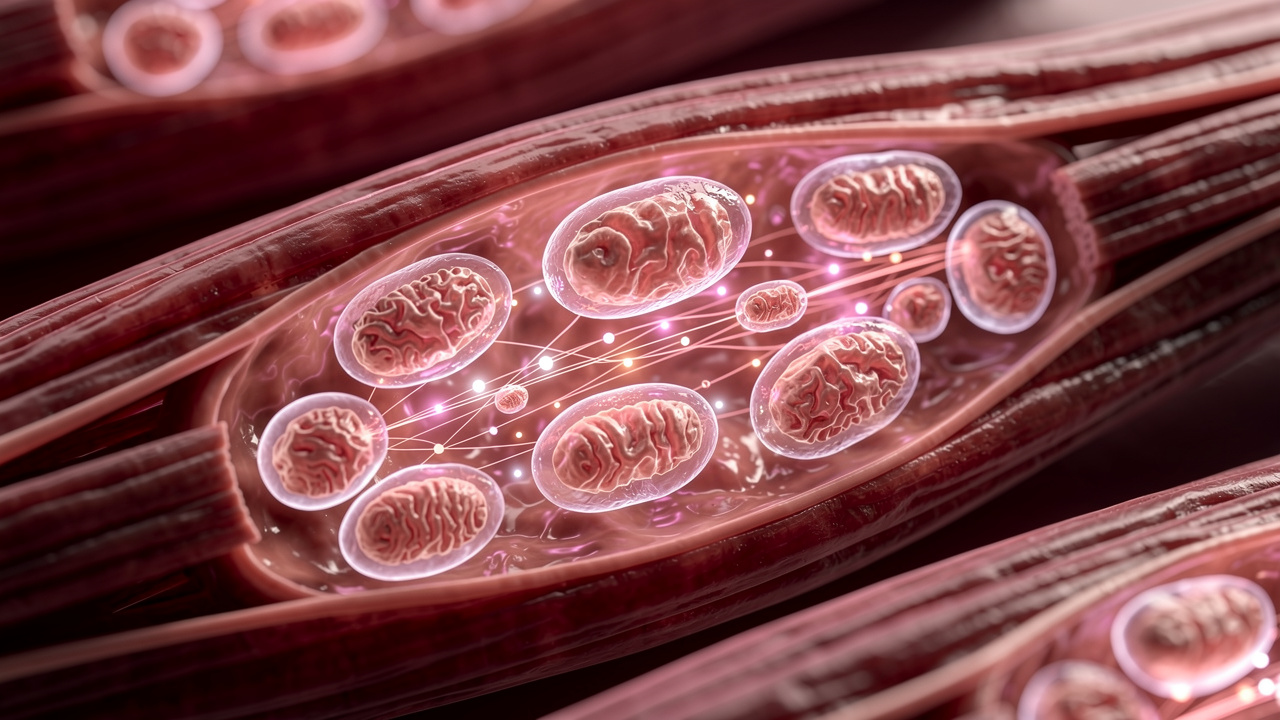
At the core of Cordyceps research is one simple idea: if cells can make and use more ATP, the body feels and performs better. ATP, or adenosine triphosphate, is the basic energy currency inside every cell. Mitochondria convert fuel and oxygen into ATP so muscles can contract, neurons can fire, and organs can keep up with demand.
Animal studies suggest Cordyceps Mushroom can raise the ratio of ATP to inorganic phosphate in tissues such as liver and muscle. That ratio gives researchers a snapshot of how much usable energy is on hand. When the ratio goes up, it means the mitochondria are doing a better job making ATP from the same amount of input, or wasting less along the way.
Several components seem to drive this effect:
-
Adenosine
-
A key nucleoside found in Cordyceps
-
Forms part of ATP itself
-
Acts as a signaling molecule on receptors throughout the body, including in the heart, brain, and kidneys
-
May support smoother energy signaling and flexible control of blood flow and oxygen delivery
-
-
Cordycepin (3′‑deoxyadenosine)
-
Especially high in Cordyceps militaris
-
Interacts with enzymes involved in energy pathways
-
May influence how cells respond to physical and oxidative stress
-
-
Polysaccharides and D‑mannitol (sometimes called cordycepic acid)
-
Support antioxidant defenses and fluid balance
-
Indirectly protect mitochondria under strain
-
In practical terms, this cellular picture lines up with what many users describe:
-
Fatigue fades more gradually rather than disappearing overnight.
-
Training feels a bit more sustainable.
-
Recovery between intervals or long days at work can feel smoother, without the wired feeling of caffeine and without a hard crash later.
For athletes, professionals, and anyone who wants steady output across a long day, that shift in ATP economics is the main appeal of Cordyceps Mushroom.
Cordyceps And VO2 Max For Improving Oxygen Utilization

VO2 Max is the maximum rate at which the body can use oxygen during intense exercise. It is considered one of the best single markers of aerobic fitness, because it reflects how well the lungs, heart, blood, and muscles work together under stress. A higher VO2 Max often means better endurance and faster performance at a given effort level.
Cordyceps Mushroom first became known in sports circles because of its effects on oxygen handling in early studies and traditional high‑altitude use. In animal experiments, Cordyceps increased survival and activity time in low‑oxygen environments. The fungus seemed to help tissues tolerate hypoxia, the state where oxygen is scarce, and maintain better acid‑base balance when effort was high.
Researchers think several mechanisms are at play:
-
By supporting ATP production and mitochondrial efficiency, Cordyceps may allow cells to get more work out of each unit of oxygen.
-
It may influence nitric oxide and adenosine pathways that control blood vessel tone, which can improve blood flow to working muscles.
-
Antioxidant activity can reduce damage from reactive oxygen species that spike during heavy breathing and intense effort.
Human trials are more mixed. Some studies on older adults or people with lower baseline fitness report modest gains in VO2 Max and time to exhaustion after weeks of Cordyceps use. Trials on young, well‑trained athletes often show little or no difference compared to placebo. One likely explanation is that elite athletes already operate near their personal ceiling, so small cellular improvements do not move the needle much on lab tests.
Dose, duration, and product quality also matter. Many negative studies used short plans, lower doses, or products with limited verification. For someone seeking VO2 Max gains, Cordyceps makes the most sense as one piece of a longer‑term plan. When paired with a solid training program, other mitochondrial nutrients, and a high‑bioavailability format such as a nasal spray from Synchronicity Health, it may help nudge oxygen use in the right direction, especially if starting from an average fitness base.
A common saying in sports science is, "You improve what you train and measure." Cordyceps fits as a helper for that process, not a replacement for hard sessions.
The Science Of Cordyceps For Endurance And Athletic Performance
Endurance is not only about how fast the heart can pump or how big the lungs are. It is also about how muscles handle repeated stress, clear byproducts, and recover between efforts. Cordyceps Mushroom has been studied on all of these fronts, starting with simple animal tests and moving into human trials.
In rodents, Cordyceps extracts often prolong forced swimming time, which is a standard way researchers measure anti‑fatigue effects. Treated animals stay active longer before giving up, and their tissues show higher ATP levels and lower markers of oxidative damage. These models also show better tolerance to lactic acid buildup and faster clearance of fatigue‑related metabolites.
Human data is more nuanced. Several controlled studies on cyclists and runners show that Cordyceps does not provide a dramatic performance jump for already trained athletes over a few weeks. However, some research in less trained or older subjects shows better exercise tolerance, improved ventilatory thresholds, and easier breathing at submaximal loads. That pattern fits the idea that Cordyceps offers the most help when the body has more capacity to improve.
Mechanistically, Cordyceps seems to support endurance in three main ways:
-
Energy Pathways – By improving ATP production and oxygen efficiency, it shifts energy supply toward a more aerobic, less stressful pattern.
-
Oxidative Stress – Its antioxidant compounds help neutralize free radicals generated during hard training, which can reduce muscle soreness and support faster recovery.
-
Inflammatory Balance – Mild anti‑inflammatory activity may ease micro‑damage in tissues and support rebuilding between sessions.
Experienced athletes and health optimizers often report subjective gains in how they feel, even when lab markers move only slightly. They describe easier breathing on hills, smoother energy on long runs, and less need for long naps after taxing days. Because the supplement market can be inconsistent, these gains are far more likely when using third‑party tested Cordyceps from a company that focuses on performance physiology, as Synchronicity Health does. In this context, Cordyceps is best viewed as a small but meaningful advantage that compounds across months of training, sleep, and smart recovery.
Key Bioactive Compounds In Cordyceps Including Cordycepin And Polysaccharides
The effects of Cordyceps Mushroom come from a network of bioactive molecules rather than a single magic ingredient. Understanding the main players makes it easier to compare products and connect lab findings to real benefits.
Key compounds include:
-
Cordycepin (3′‑deoxyadenosine)
-
One of the most studied molecules, especially in Cordyceps militaris
-
Structurally similar to adenosine
-
Interacts with enzymes and receptors involved in energy use, inflammation, and cell growth
-
Shows immune‑modulating and antioxidant actions in research settings
-
-
-
Central to ATP and mitochondrial energy exchange
-
Acts on receptors in the cardiovascular and nervous systems to guide blood flow, heart rhythm, and sleep pressure
-
Extra adenosine and related nucleosides from Cordyceps may support smoother regulation of these systems
-
-
Polysaccharides
-
Long chains of sugars that interact with immune cells
-
Can boost some responses when activity is low and calm things down when inflammation is excessive
-
Provide strong antioxidant effects, protecting lipids and proteins from free radical damage
-
-
Ergosterol and Beta‑Sitosterol
-
Ergosterol is a fungal sterol that can convert to vitamin D2 under ultraviolet light
-
Beta‑sitosterol is linked to healthy cholesterol balance and hormone support
-
-
D‑Mannitol
-
Contributes to fluid shifts and respiratory comfort
-
Matches traditional lung‑related use of Cordyceps
-
-
Free Fatty Acids (such as linoleic and oleic acid)
-
Act as both fuel and signaling agents
-
Support insulin sensitivity and overall metabolic health
-
Different species and strains carry these compounds in different ratios. Wild Ophiocordyceps sinensis has a broader but less concentrated nucleoside profile, while C. militaris is much richer in cordycepin. Cs‑4 mycelium tends to be higher in adenosine and polysaccharides. A full‑spectrum extract that preserves this natural mix may work better in real bodies than any single isolated molecule, which is why quality brands aim for comprehensive, standardized profiles rather than one‑dimensional concentrates.
Cordyceps Militaris Versus Cordyceps Sinensis Versus Cs 4 For Best Results

With so many Cordyceps Mushroom products on the market, it helps to know which form you are actually getting and what that means for performance. The three most common types are wild Ophiocordyceps sinensis, cultivated Cordyceps militaris, and the Cs‑4 mycelial strain.
-
Wild Ophiocordyceps sinensis
-
Traditional version harvested from insect larvae on the Tibetan Plateau
-
Long history in Traditional Chinese Medicine
-
Extremely expensive and hard to verify in modern markets
-
Often contaminated or adulterated
-
Heavy harvesting has put pressure on local habitats and communities
-
-
Cultivated Cordyceps militaris
-
Grown in controlled indoor farms
-
Produces bright orange fruiting bodies rich in cordycepin, nucleosides, and polysaccharides
-
Can be grown at scale, making it more affordable and sustainable
-
Easier to test for potency and purity
-
-
Cs‑4 Mycelial Products
-
Fermented mycelial culture originally isolated from O. sinensis
-
Used in Chinese clinical practice, especially for kidney and respiratory support
-
Typically high in adenosine and polysaccharides
-
Contains little to no cordycepin
-
A quick comparison:
|
Form |
Main Material |
Standout Compounds |
Practical Considerations |
|---|---|---|---|
|
Wild O. sinensis |
Wild fruiting body |
Broad nucleoside profile |
Scarce, costly, hard to verify, environmental cost |
|
Cultivated C. militaris |
Fruiting body |
High cordycepin, polysaccharides |
Consistent, testable, suited to performance use |
|
Cs‑4 |
Mycelium |
Adenosine, polysaccharides |
Well‑studied in clinics, low cordycepin |
For most performance and energy goals, cultivated C. militaris and well‑standardized Cs‑4 extracts are the most practical choices. They provide consistent levels of key compounds, avoid the sourcing issues of wild material, and support long‑term use. When choosing between them, look for brands that publish third‑party lab results, describe their strain and growth method clearly, and connect the form they use to the outcomes you care about.
The Role Of Bioavailability And Why Delivery Method Matters

A supplement only works if enough of it reaches the bloodstream in an active form. That is the basic idea of bioavailability, and it matters a lot for Cordyceps Mushroom, because many of its compounds are large, water‑soluble molecules that do not easily cross the gut barrier.
Traditional capsules and powders pass through the stomach and intestines, where acids and enzymes can break down sensitive compounds. Large polysaccharides may do more work in the gut immune system than in the rest of the body, which is helpful for some goals but not ideal if the main aim is VO2 Max or mitochondria in muscle. First‑pass metabolism in the liver can further reduce the fraction that enters circulation.
To work around these limits, newer delivery formats aim to place Cordyceps actives where they can be absorbed more directly:
-
Liposomal formulations surround compounds in tiny fat‑like bubbles that help them merge with cell membranes.
-
Enhanced‑absorption tablets combine extracts with specific lipids or plant agents that help them cross the intestinal wall.
-
Nasal sprays take an even more direct route.
The nasal cavity has a rich network of blood vessels and very thin barriers. When a Cordyceps‑based spray is applied there, active molecules can move into the bloodstream while bypassing the digestive tract and much of the liver. That route often leads to faster onset, higher peak levels, and more consistent responses.
Synchronicity Health focuses on this kind of advanced delivery. By putting physician‑designed Cordyceps blends into nasal spray formats and pairing them with other cellular energy nutrients, the brand aims to match the right molecule with the right route. Combined with rigorous third‑party testing, that approach gives performance‑focused users more confidence that what is on the label is actually reaching their cells in meaningful amounts.
Synergistic Sync Stacks With Cordyceps And Other Performance Compounds
Cordyceps Mushroom works well on its own, but many health optimization enthusiasts prefer to stack it with other ingredients that target related pathways. Synchronicity Health calls this Sync Stack thinking, which means building combinations where each part supports the others for a greater overall effect.
Common Sync Stack ideas include:
-
Cordyceps + NAD Plus Precursors (NMN or NR)
-
Cordyceps supports oxygen use and ATP production.
-
NAD plus boosters increase the pool of molecules that carry electrons through the mitochondrial chain.
-
Together they support both the “hardware” and “fuel lines” of cellular energy.
-
-
Cordyceps + Beta‑Alanine
-
Beta‑alanine raises muscle carnosine levels.
-
Higher carnosine helps buffer hydrogen ions that build up during intense exercise, delaying the burning sensation and fatigue.
-
Cordyceps supports oxygen handling and ATP, while beta‑alanine helps muscles tolerate byproducts of that work.
-
-
Cordyceps + Rhodiola Rosea
-
Rhodiola supports stress resilience, mood, and mental stamina.
-
Cordyceps focuses more on physical oxygen use and endurance.
-
People who need both cognitive and physical performance often report that this pair gives a smoother, more rounded effect than either alone.
-
-
Cordyceps + Coenzyme Q10 + L‑Carnitine
-
CoQ10 is part of the electron transport chain.
-
L‑carnitine helps shuttle fatty acids into mitochondria for fuel.
-
Cordyceps adds support for oxygen efficiency and antioxidant defense.
-
Synchronicity Health designs Sync Stacks along these lines, with physician input and nasal spray delivery, so users can match specific stacks to goals such as VO2 Max support, anti‑fatigue focus, or faster recovery.
Cordyceps For Energy Beyond Athletic Performance

The appeal of Cordyceps Mushroom goes far beyond the track or gym. As an adaptogen, it seems to help the body stay in a more balanced state during physical, mental, and emotional stress. For many people, that translates into cleaner daily energy and a steadier mood.
By supporting mitochondrial function and oxygen use, Cordyceps can assist mental stamina as well as physical output. Better blood flow and antioxidant defense in the brain may support focus and reduce the mental fog that often appears after long work sessions. Many knowledge workers use Cordyceps as part of their morning stack to avoid afternoon crashes without leaning on extra coffee.
Because Cordyceps works on ATP pathways rather than directly stimulating the central nervous system, it usually does not cause jitters, rapid heart rate, or rebound fatigue later in the day. That makes it attractive for people who are sensitive to caffeine or who want to protect their sleep. When combined with NAD+ optimization and circadian‑friendly habits, Cordyceps can support a more even energy curve from morning through evening.
For busy professionals, parents, and anyone trying to handle long lists of tasks, this kind of foundational support matters. It does not replace good food, movement, and sleep, but it can make all of those pillars easier to maintain, which in turn feeds into long‑term health and performance.
Dosage Timing And Best Practices For Cordyceps Supplementation
Most human studies and traditional guidelines place effective Cordyceps Mushroom intake in the range of three to six grams per day of extract or dried material. That range seems to balance benefits with a very low rate of side effects for most healthy adults. People with smaller bodies or lower activity can start near the lower end, while larger or more active users may explore the higher side under professional guidance.
Dose needs can differ based on form:
-
Fruiting body powders from Cordyceps militaris are often taken by the gram and can be mixed into drinks or placed in capsules.
-
Mycelial extracts such as Cs‑4 may be standardized to specific levels of polysaccharides or nucleosides, so the recommended daily amount can vary by brand.
-
Nasal sprays and other advanced formats from Synchronicity Health have their own per‑spray amount, designed to reach comparable blood levels with much smaller absolute doses because absorption is higher.
Helpful timing and usage guidelines:
-
Take Cordyceps in the morning or early afternoon for all‑day support.
-
For workouts, a dose about 60–90 minutes before training gives time for absorption and distribution.
-
Because Cordyceps is not a stimulant, taking it later in the day usually does not disturb sleep, though very sensitive individuals may still prefer earlier use.
-
Most studies run for several weeks to months, and effects seem to build over time as mitochondria and other systems adjust.
Some people like a short loading period with slightly higher intakes for one to two weeks, then move to a steady maintenance dose. Cycling on and off is not clearly required by the data, though short breaks can be used to reassess how much benefit you notice. Whatever pattern you choose, use third‑party tested products from brands that publish their data, so you know your dose is honest and repeatable.
Safety, Side Effects, And Precautions
Cordyceps Mushroom has a long record of use and is generally considered safe for most adults within the three to six gram daily range for up to a year. In clinical and traditional use, side effects tend to be mild and short‑lived when they occur.
The most common complaints are digestive and may include:
-
Loose stools
-
Constipation
-
Mild stomach discomfort
These often settle as the body adapts, especially if doses are started low and raised gradually. Taking Cordyceps with food can also reduce stomach‑related issues for some people.
Certain groups should be more cautious:
-
People with autoimmune conditions such as multiple sclerosis, lupus, or rheumatoid arthritis should only use it under close medical supervision, if at all.
-
Pregnant or breastfeeding women do not have enough safety data available, so most practitioners recommend avoiding use during these times.
-
Cordyceps may slow blood clotting slightly, which raises concern around surgeries or for those on blood‑thinning drugs. It is wise to stop use at least two weeks before a planned operation and to discuss it with a surgeon.
-
People taking anticoagulant or antiplatelet medications, as well as those on immunosuppressants after transplants, should speak with their healthcare team before adding Cordyceps.
-
There is some evidence that Cordyceps can influence testosterone levels, which might matter for people on hormone therapy.
Synchronicity Health addresses these points by grounding each formula in physician review, publishing clear safety notes, and using precise dosing in its nasal spray systems. Even with a good safety record, an honest conversation with your clinician remains an important step before starting any new performance supplement.
As sports nutrition texts often note, "No supplement is a substitute for medical advice or appropriate clinical care."
The Synchronicity Health Advantage With Physician Backed Third Party Tested Cordyceps
Many Cordyceps Mushroom products look similar on the surface, but there can be big differences in sourcing, testing, and delivery. Synchronicity Health was built for people who care about those details because they care about their performance data and long‑term health.
Every Synchronicity Health formula starts with a scientific review of the research on Cordyceps, NAD+, and related performance nutrients. Physicians and researchers work together to choose species, doses, and combinations that make sense for specific goals such as VO2 Max support, daily energy, or recovery. This clinical lens reduces guesswork and avoids trendy but untested blends.
Quality control is another pillar. All Cordyceps‑based products go through third‑party lab testing for potency, heavy metals, microbes, and common contaminants. That means the levels of cordycepin, adenosine, and polysaccharides claimed on the label match what is in the bottle or spray, and that the product is clean enough for long‑term use by serious athletes and professionals.
Synchronicity Health also leans into advanced delivery, especially nasal sprays, to raise bioavailability. This approach bypasses much of the digestive tract and first‑pass liver metabolism, so a smaller amount of Cordyceps and partner compounds can reach effective blood levels. The Sync Stack model then lets users combine these high‑absorption sprays into custom protocols for energy, VO2 Max, endurance, or recovery, with guidance rather than guesswork. For someone who values science, transparency, and real‑world results, these design choices offer a clear edge over generic powders and capsules.
Conclusion
Cordyceps Mushroom sits at an interesting intersection between ancient herbal practice and modern performance science. For generations, healers used it to support vitality, lung function, and stamina in harsh mountain environments. Today, researchers can connect those observations to concrete actions on ATP production, oxygen use, and mitochondrial health.
The evidence shows a clear pattern. In cells and animal models, Cordyceps improves energy status, reduces oxidative stress, and helps the body tolerate low oxygen. Human trials are more modest and mixed, especially in already elite athletes, yet they still point to real support for endurance, VO2 Max, and daily energy in people who have room to improve. The key themes are steady use, realistic expectations, and attention to product quality.
Bioavailability and stacking strategy shape how much benefit you feel. High‑quality, third‑party tested extracts delivered through advanced routes such as nasal sprays can make the difference between an interesting ingredient on paper and a noticeable shift in training and work output. Combined with other mitochondrial and adaptogenic tools, Cordyceps fits well inside a broader approach to cellular wellness rather than acting as a stand‑alone fix.
If you decide to bring Cordyceps into your routine, look for physician‑backed formulations such as those from Synchronicity Health, start with sensible doses, and give the process several weeks. Used in this thoughtful way, Cordyceps can help open a new level of steady energy, stronger endurance, and better long‑term performance that lines up with both tradition and modern science.
FAQs
Does Cordyceps Really Improve VO2 Max?
Research on VO2 Max and Cordyceps Mushroom is mixed but encouraging in certain groups. Animal studies and some human trials in older or less trained adults show improved oxygen use and longer time to exhaustion after steady supplementation. Trials in young, elite athletes often report little change, likely because these athletes already operate near their physiological ceiling. Mechanistically, Cordyceps supports mitochondrial efficiency, oxygen delivery, and tolerance to low‑oxygen states, all of which relate to VO2 Max. For real gains, consistent daily use, adequate dosing, and high‑bioavailability forms are more important than a short trial with low‑quality capsules.
How Long Does It Take For Cordyceps To Work For Energy?
Cordyceps is not a quick stimulant, so effects tend to build rather than hit all at once. Many people notice subtle changes in energy and fatigue within one to two weeks, such as fewer afternoon crashes or easier recovery after workouts. The deeper benefits linked to ATP production, mitochondrial health, and endurance usually show up over four to eight weeks of steady use. Using a well‑absorbed format, such as a nasal spray stack from Synchronicity Health, and staying within the three to six gram daily equivalent range tends to bring results faster and in a more reliable way.
What Is The Difference Between Cordyceps Militaris And Cordyceps Sinensis?
Ophiocordyceps sinensis, often called Cordyceps sinensis in older texts, is the traditional wild form that grows from insect larvae on high mountain soils. It has a long clinical history but is rare, expensive, and hard to verify in modern markets. Cordyceps militaris is a cultivated species that produces orange fruiting bodies rich in cordycepin and other active compounds. It can be grown indoors at scale, which makes it more affordable, sustainable, and easier to standardize. Both types show health benefits, and many modern performance products focus on cultivated C. militaris or Cs‑4 mycelium to offer reliable effects without the sourcing problems of wild material.
Can Cordyceps Replace Caffeine For Energy?
Cordyceps Mushroom works very differently from caffeine. Caffeine blocks adenosine receptors in the brain and directly stimulates the nervous system, which leads to quick alertness but can also cause jitters, higher heart rate, and later crashes. Cordyceps supports ATP production, oxygen use, and resilience to stress at the cellular level, which leads to smoother, slow‑building energy. For some people, daily Cordyceps reduces the need for high caffeine intake, or makes lower doses of caffeine feel more effective. It is best viewed as a foundation for steady energy rather than a full replacement for acute alertness when that is needed.
Is Cordyceps Safe To Take Daily?
Available research and traditional use suggest that daily Cordyceps in the range of three to six grams is safe for most healthy adults for periods up to a year. Side effects, when they appear, are usually mild digestive issues that fade with time or dose adjustment. Certain groups should be more cautious, including pregnant or breastfeeding women, people with autoimmune diseases, and those taking immunosuppressant or blood‑thinning medications. Because Cordyceps can influence testosterone, anyone on hormone therapy should discuss it with a clinician. Choosing third‑party tested products from brands such as Synchronicity Health adds an extra layer of safety by confirming purity and accurate dosing.
Does Bioavailability Matter With Cordyceps Supplements?
Bioavailability matters a great deal with Cordyceps, because many of its key compounds are large, water‑soluble molecules that do not easily cross the gut lining. Standard powders and capsules can still offer benefits, especially for gut and immune health, but they may not deliver optimal levels to muscles, lungs, and the brain. Advanced delivery systems such as nasal sprays, liposomal blends, or enhanced‑absorption tablets can raise the fraction that reaches the bloodstream and tissues that drive performance. Synchronicity Health focuses on nasal spray technology for this reason, pairing Cordyceps with other energy nutrients in formats that bypass much of the digestive barrier. Investing in higher bioavailability often turns the same dose into a far more effective tool for VO2 Max, endurance, and daily energy.


Leave a comment
All comments are moderated before being published.
This site is protected by hCaptcha and the hCaptcha Privacy Policy and Terms of Service apply.