

Low anandamide activity can show up as anxious days, restless nights, and a brain that never quite clicks into gear. For high performers, biohackers, and longevity-focused athletes, that is more than an annoyance—it slows progress.
The best anandamide supplement can help only if you understand how it works and how to dose it. This guide gives you a practical, research-informed roadmap for anandamide supplementation so you can raise mood, tame anxiety, and support cognition without relying on stimulants.
You’ll learn:
-
What anandamide is and how it fits into the endocannabinoid system (ECS)
-
How direct and indirect anandamide supplements work
-
Evidence-informed dosage ranges, including microdosing strategies
-
How CBD and other compounds interact with anandamide
-
Safety, side effects, and drug–supplement interactions
-
How to choose the best anandamide supplement for your goals
Whether you’re managing a demanding career, stacking NAD+ IVs with smart nutrients, or chasing better recovery from training, this is your structured playbook for dialing in anandamide support.
Anandamide 101: The “Bliss Molecule” And Your ECS
Anandamide (N-arachidonoylethanolamide, or AEA) is an endocannabinoid—your body makes it on demand from fatty acid precursors. Its name comes from ananda, Sanskrit for joy or bliss, which captures its key role in emotional balance.
When you take a well-designed anandamide supplement, you are essentially supporting the same signaling system your brain already uses to:
-
Regulate mood and stress responses
-
Shape anxiety and fear processing
-
Fine-tune focus, motivation, and reward
-
Modulate pain perception and inflammation
-
Influence appetite, sleep, and immune function
Anandamide acts mainly through two receptor types:
-
CB1 receptors in the brain and nervous system
-
CB2 receptors on immune cells and peripheral tissues
After anandamide does its job, the enzyme FAAH (fatty acid amide hydrolase) breaks it down in seconds to minutes. That rapid turnover keeps the system responsive but also means low production or high FAAH activity can leave you with chronically low anandamide signaling—a state sometimes described as clinical endocannabinoid deficiency.
For people with CECD-like patterns (persistent stress, heightened pain sensitivity, poor sleep), carefully structured anandamide supplementation may help restore balance.
CB1, CB2, And FAAH: How The System Is Wired
-
CB1 activation in regions like the prefrontal cortex, amygdala, and hippocampus calms overactive stress circuits, supports learning under pressure, and can make experience feel more enjoyable.
-
CB2 activation affects immune cells and peripheral nerves, shaping inflammation and pain signaling.
-
FAAH determines how long anandamide sticks around. High-activity FAAH variants break it down quickly, which may correlate with higher anxiety and lower stress resilience in some people.
Any anandamide product you take has to work within this framework: raise available AEA, slow its breakdown, or both—without overshooting and causing overstimulation.
How Anandamide Differs From CBD And THC
It’s helpful to distinguish three key cannabinoids:
-
THC – A plant-derived compound that binds strongly to CB1 and produces clear intoxication, altered perception, and impaired short-term memory at higher doses.
-
CBD – Does not strongly activate CB1 or CB2. Instead, it changes ECS tone indirectly, partly by inhibiting FAAH and influencing other receptors.
-
Anandamide – Your own endogenous CB1/CB2 ligand with fast turnover, subtler psychoactivity, and a natural role in moment-to-moment regulation.
A direct anandamide supplement aims to support this internal system without the intoxication people associate with THC and with a more targeted, receptor-mediated profile than CBD alone.
How Anandamide Supplements And Boosters Work
Not every product marketed as an “anandamide supplement” actually contains AEA. Broadly, there are two strategies:
-
Direct anandamide supplementation – delivering AEA itself
-
Indirect support – boosting your own anandamide through precursors and FAAH inhibition
Understanding which category your product falls into helps you pick the best anandamide supplement for your physiology and goals.
Direct Anandamide Supplementation (AEA In The Capsule)
Direct anandamide supplements contain synthetic or stabilized AEA. When you swallow them, you are adding more “bliss molecule” into circulation, where it can interact with CB1 and CB2 receptors.
The challenges:
-
AEA is fat-soluble and delicate, so oral absorption can be low.
-
FAAH breaks it down quickly, shortening its active window.
That is why more advanced anandamide supplementation strategies often use:
-
Nano-emulsified or liposomal delivery to improve absorption
-
MCT or other carrier oils to support brain uptake
-
Formulas designed for microgram–milligram dosing, rather than very high doses that risk CB1 overstimulation
Indirect Support: FAAH Inhibitors, Precursors, And Co-Factors
Many products support anandamide indirectly by either slowing its breakdown or providing raw materials:
-
FAAH inhibitors
-
CBD (cannabidiol)
-
Palmitoylethanolamide (PEA)
-
Cocoa flavanols (from dark chocolate/raw cacao)
-
Black pepper extract (piperine)
-
-
Precursors and co-factors
-
Omega-3 fatty acids for healthy endocannabinoid synthesis
-
Key micronutrients like magnesium and vitamin D
-
Nitric-oxide–supportive amino acids such as L-citrulline, which may improve blood flow and delivery of nutrients to the brain
-
One related fatty acid amide, OEA (oleoylethanolamide), has been studied for satiety and metabolic support and can be stacked thoughtfully with anandamide-focused formulas.
Adaptogenic herbs and mushrooms commonly added to these blends—ashwagandha, reishi, chaga, maca, astragalus, moringa—don’t directly raise AEA but support stress resilience, immune balance, and energy, creating a physiological context where your ECS can perform better.
CBD + Anandamide: A High-Value Combination
CBD is one of the most studied natural FAAH inhibitors. By slowing the enzyme that degrades AEA, CBD can:
-
Increase baseline anandamide levels
-
Prolong the effects of both endogenous AEA and any direct anandamide supplementation
-
Allow lower AEA doses to produce meaningful mood and pain benefits
For many people, the sweet spot is a stack that combines CBD with a low-dose anandamide product and lifestyle strategies that naturally support the ECS.
Proven Benefits Of Raising Anandamide Levels
Human and animal research on the endocannabinoid system points to several consistent themes. When anandamide signaling is balanced—not too low, not pushed excessively high—people tend to report:
-
Calmer baseline mood – Reduced reactivity to daily stress, fewer anxious spikes, and a more “even” emotional state.
-
Support for anxiety reduction – CB1 activation in the amygdala and prefrontal cortex can soften fear responses and worry loops.
-
Sharper focus and cognitive performance – By lowering background anxiety and improving stress resilience, anandamide supplements may help with sustained concentration, flow states, and decision-making.
-
Pain and inflammation relief – CB1 signaling in pain pathways and CB2 signaling on immune cells can modulate both pain perception and inflammatory cascades.
-
Better exercise experience and recovery – Anandamide contributes to the “runner’s high” and may help you tolerate intense efforts while supporting post-workout comfort.
-
Appetite and weight regulation – AEA participates in hunger and satiety signaling; keeping it balanced may help prevent both over- and undereating.
-
Sleep quality – By calming overactive stress circuits, anandamide can support more predictable sleep onset and depth.
For busy professionals, combining anandamide supplements with focused lifestyle changes is often a more sustainable path to all-day performance than escalating caffeine or sedatives.
Evidence-Based Anandamide Dosage Guide
There is no official RDA for anandamide, and clinical data are still emerging. Still, patterns from animal studies, pilot human data, and practitioner experience suggest useful starting points.
Nothing here replaces medical advice; treat it as a structured framework to discuss with your clinician.
Core Principles: Start Low, Go Slow, Stay Data-Driven
A conservative, performance-minded approach looks like this:
-
Begin with a low dose.
-
For most healthy adults, a common starting dose for anandamide supplements is 1–2 mg of AEA per day, taken with a meal that contains some fat.
-
-
Hold that dose for 5–7 days.
-
Track mood, anxiety, sleep, and focus using a simple daily log (more on tracking below).
-
-
Adjust gradually.
-
If you notice no meaningful change and no side effects, increase by 0.5–1 mg per day and hold again for a week.
-
Continue until you find the lowest dose that produces clear, repeatable benefits.
-
-
Respect upper limits.
-
For most people, 10–15 mg of AEA per day should be considered a cautious ceiling unless you are under direct supervision from a knowledgeable clinician.
-
A common clinical mantra is, “Start low and go slow.” It applies especially well to compounds that interact with the nervous system.
Sample Dosing Ranges By Goal
These ranges describe how people often experiment with anandamide supplementation. They are not formal medical recommendations.
|
Goal / Use Case |
Typical Total Daily AEA Range* |
Notes |
|---|---|---|
|
General mood support & stress resilience |
1–4 mg |
Often once daily or split into 2 doses |
|
Performance focus & deep-work sessions |
1–3 mg |
Preferably earlier in the day |
|
Support for mild anxiety |
2–6 mg |
Combine with breathing, meditation, or CBT tools |
|
Recovery & pain modulation |
3–8 mg |
May be paired with CBD and anti-inflammatory lifestyle habits |
|
Sleep support (with relaxing stack) |
1–3 mg |
Take in the evening, monitor for grogginess |
*Always adjust based on sensitivity, body weight, other medications, and guidance from your healthcare provider.
Microdosing Anandamide For Steady ECS Support
Anandamide microdosing uses tiny, regular doses instead of one larger daily dose. A typical pattern:
-
Dose: 0.5–1 mg AEA
-
Frequency: 2–3 times per day (morning, midday, early evening)
-
Goal: Maintain a constant, subtle ECS signal without receptor overactivation
People drawn to microdosing often report:
-
More stable mood across the entire day
-
Less “edge” during work or training blocks
-
Fewer side effects such as fatigue or heavy relaxation
Microdosing is especially attractive if you already use other CNS-active tools (like NAD+ IVs, nootropics, or low-dose psychedelics) and want to avoid stacking large peaks on top of each other.
Genetics, FAAH Activity, And Individual Variation
Your ideal anandamide dose depends strongly on how fast you break it down and how your ECS is wired.
-
FAAH polymorphisms: Some gene variants slow FAAH, producing naturally higher AEA levels and lower anxiety in some contexts. Others speed FAAH, making you a “fast burner” who might need higher or more frequent dosing.
-
Chronic stress and inflammation: Long-term stress, poor sleep, and inflammatory conditions can alter receptor density and ECS tone, changing how you respond.
-
Gut and liver function: Because AEA is fat-soluble, absorption and first-pass metabolism matter. GI issues or liver impairment can change effective dosing and call for medical oversight.
If you’ve done genetic testing, look for FAAH-related variants as one more data point. Even without testing, careful titration and tracking will clarify whether your ECS tends to be sensitive or slow to respond.
How To Track Your Response And Dial In Your Dose
Treat your anandamide supplementation like any serious performance protocol: measure, adjust, repeat.
Simple tracking framework (takes 2–3 minutes per day):
-
Dose log: Record AEA dose, timing, and whether you took it with food or other supplements.
-
Subjective metrics (0–10 scale):
-
Mood / overall well-being
-
Anxiety / internal “noise”
-
Focus / deep-work capacity
-
Pain or physical discomfort
-
Sleep quality the next morning
-
-
Objective signals (if you have tools):
-
HRV from a wearable
-
Resting heart rate
-
Training performance and recovery markers
-
Work output (e.g., hours of deep work, error rates)
-
As management thinker Peter Drucker is often quoted, “What gets measured gets managed.” Treat your ECS inputs with that same mindset.
Review trends weekly:
-
If benefits fade, consider a small upward adjustment or a switch to microdosing.
-
If anxiety, restlessness, or sleep disruptions appear, step the dose down or pause and reassess.
Side Effects, Interactions, And Safety
Well-formulated anandamide supplements are generally well tolerated at low doses, but pushing the system too hard—or combining them with incompatible medications—can backfire.
Common Mild Side Effects
Most side effects are dose-related and ease as you refine your intake:
-
Nausea or mild gastrointestinal discomfort
-
Fatigue or “heaviness,” especially at higher doses
-
Headache
-
Subtle shifts in appetite
Taking anandamide supplements with food, starting at the low end of the range, and increasing gradually usually reduces these reactions.
High-Dose Risks: Anxiety, Overstimulation, And Appetite Shifts
More is not always better. High-dose anandamide supplementation can overstimulate CB1 receptors, especially in sensitive individuals. Potential outcomes include:
-
Heightened anxiety or restlessness
-
Racing thoughts or “wired but tired” feelings
-
Occasional panic-like episodes in those with a history of anxiety disorders
-
Stronger cravings or noticeable weight changes, as appetite signaling is affected
To stay on the safe side:
-
Avoid rapid jumps in dose.
-
Treat 10–15 mg AEA per day as an approximate upper boundary unless a clinician tells you otherwise.
-
If you hit any strong negative effects, cut the dose in half or stop and consult a professional.
Medication Interactions To Consider
Anandamide interacts with many of the same systems as psychiatric and cardiovascular drugs. Combining anandamide supplementation with medications should always be supervised.
Potential interaction points include:
-
SSRIs and other antidepressants – Both SSRIs and AEA can influence serotonin signaling. In theory, excessive serotonin activity is a concern if several agents are combined.
-
Anti-anxiety medications and sedatives – Benzodiazepines, sleep meds, and alcohol also relax the nervous system. Layering high AEA doses on top can produce unwanted drowsiness or cognitive dulling.
-
Blood thinners and CYP450-metabolized drugs – The same liver enzyme systems that break down certain medications may also handle endocannabinoid-related compounds, affecting blood levels of both.
If you’re on prescriptions—especially for mood, blood pressure, clotting, or seizures—treat anandamide supplements as something to clear proactively with your prescribing clinician.
Who Should Get Medical Clearance First?
You should speak with a healthcare professional before starting anandamide supplementation if you:
-
Are pregnant or breastfeeding
-
Have a history of bipolar disorder, psychosis, or severe depression
-
Live with significant liver, kidney, or cardiovascular disease
-
Have autoimmune or inflammatory conditions requiring immunosuppressive drugs
-
Are on complex medication regimens, including psychiatric medications or blood thinners
For these groups, professional oversight is nonnegotiable.
Natural Ways To Support Anandamide (With Or Without Supplements)

You can raise or sustain anandamide levels through daily habits, which can either complement or, in some cases, replace low-dose anandamide supplements.
Food Sources And Nutrients That Support AEA
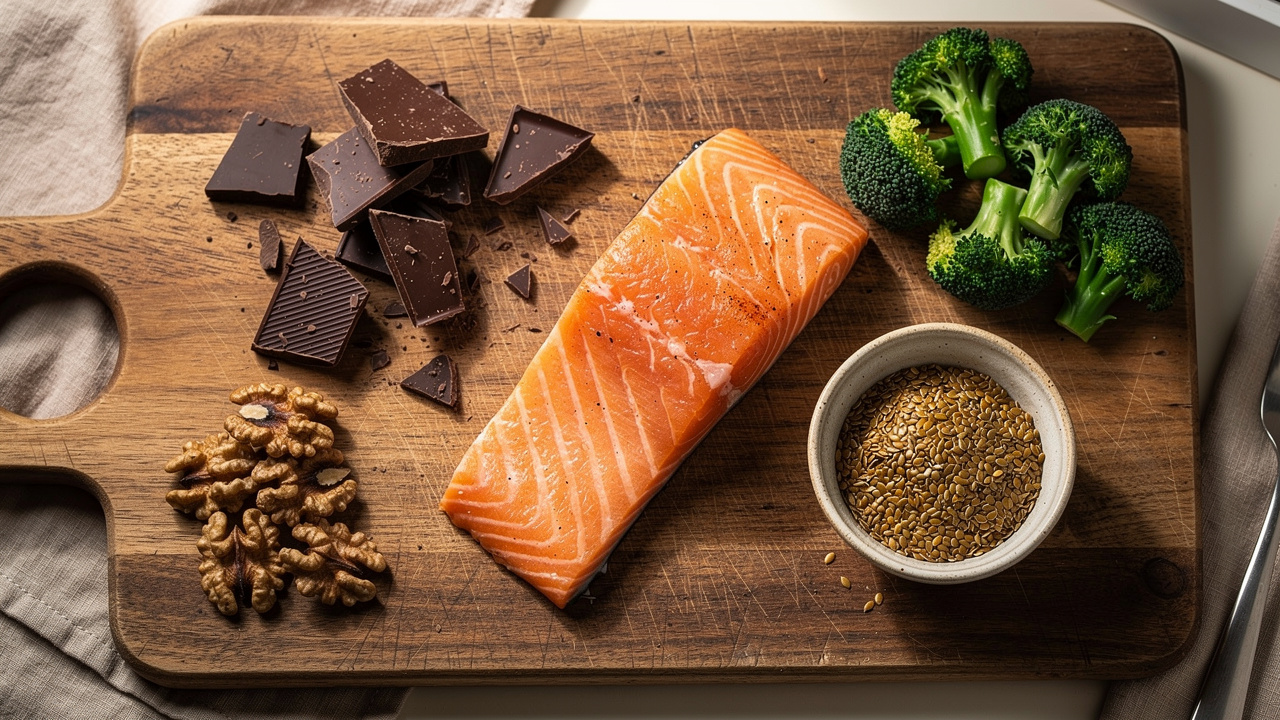
Certain foods either contain anandamide-like compounds or support its production and lifespan:
-
Dark chocolate and raw cacao – Rich in N-acylethanolamines that resemble AEA and compounds that slow its breakdown.
-
Black truffles – Contain measurable anandamide, though they’re not a practical daily source for most people.
-
Omega-3–rich foods – Salmon, mackerel, sardines, flaxseed, chia seeds, and walnuts provide fatty acids used to build endocannabinoids.
-
Kaempferol-containing foods – Apples, onions, broccoli, grapes, and green tea include a flavonoid that can inhibit FAAH.
-
Phospholipid-rich foods – Eggs and soy lecithin support cell membrane integrity and endocannabinoid synthesis.
A nutrient-dense diet based on these foods can help keep your baseline ECS tone higher, so you may need less anandamide supplementation to feel a difference.
Exercise, Meditation, And Mind–Body Practices

Several lifestyle inputs reliably raise anandamide or improve ECS balance:
-
Moderate to intense aerobic exercise – “Runner’s high” is strongly linked to increased anandamide; 20–45 minutes of sustained effort can be enough.
-
Yoga, meditation, and breathwork – These practices reduce stress hormones and may influence endocannabinoid signaling, contributing to calmer mood and better sleep.
-
Massage, acupuncture, and bodywork – Can stimulate neuromodulators, including endocannabinoids, while lowering pain and tension.
-
Sleep and light hygiene – Consistent sleep schedules and daylight exposure help keep ECS, circadian rhythms, and stress systems aligned.
If you’re stacking NAD+ therapy, red light, cold exposure, or other recovery tools, adding ECS-supportive habits creates a comprehensive performance foundation that anandamide supplements can then fine-tune.
How To Choose The Best Anandamide Supplement
With the basics and dosage concepts in place, the next step is choosing the best anandamide supplement for your stack. Think of this the same way you would evaluate a NAD+ product or nootropic formula: details matter.
Ingredient Quality And Sourcing
High standards pay off, especially for something as biologically active as anandamide.
Look for:
-
Clean, transparent ingredient lists – No unnecessary fillers, artificial colors, or preservatives.
-
Organic and non-GMO inputs where possible, particularly for botanical blends.
-
Thoughtful formulation – Direct AEA, well-chosen ECS-supportive ingredients, or both, instead of a random collection of herbs.
Whether you opt for direct anandamide or an “anandamide-boosting” blend, ingredient quality sets the ceiling on what the product can do.
Delivery Form And Bioavailability
Because AEA is fat-soluble and sensitive, delivery technology significantly affects real-world dosing:
-
Nano-emulsified or liposomal liquids/capsules
-
Increase solubility and absorption
-
Support efficient crossing of the blood–brain barrier
-
-
Oil-based tinctures with MCT
-
Combine convenience with decent absorption and easy titration
-
-
Capsules with phospholipids or other absorption aids
-
Support gradual release and more stable blood levels
-
Choosing a formulation that absorbs well means you can achieve the same effect from a lower anandamide supplement dose, which is better for safety and cost.
Third-Party Testing And Manufacturing Standards
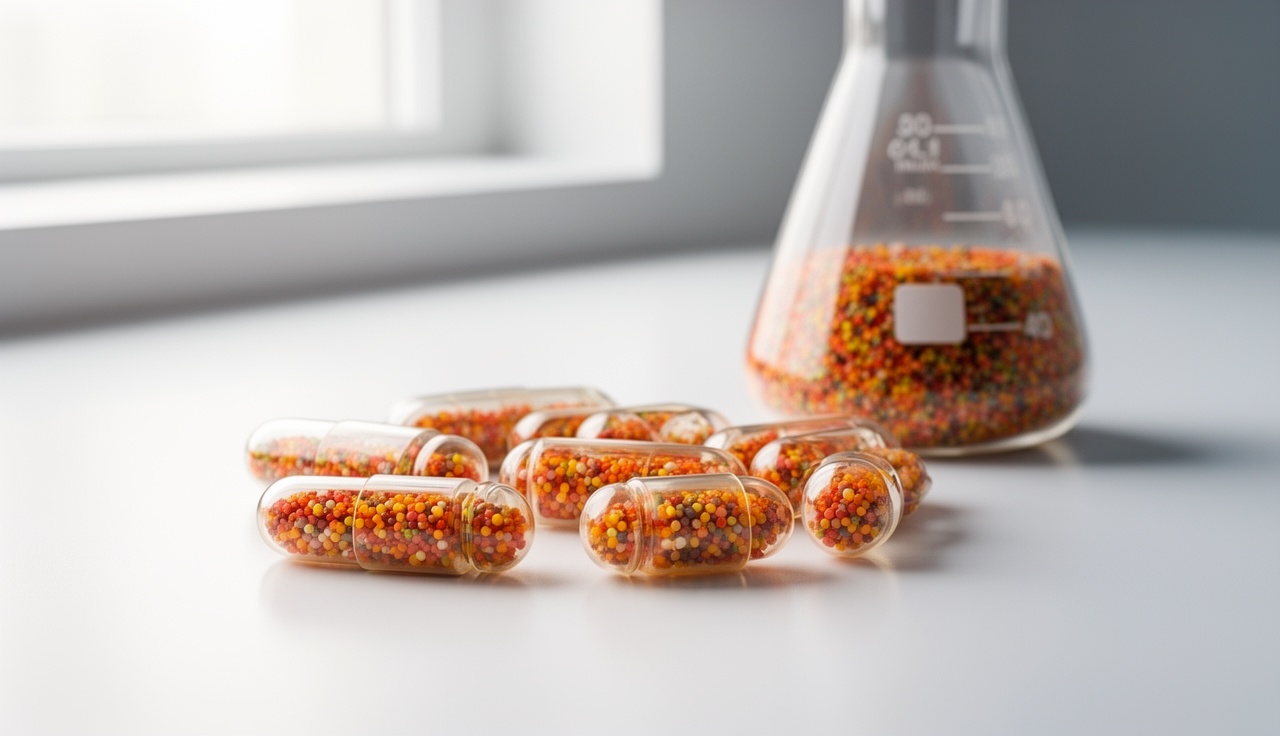
Independent testing is nonnegotiable when you are tuning something as sensitive as ECS signaling.
A quality-focused brand will provide:
-
Third-party lab reports (Certificates of Analysis) verifying that:
-
Actual AEA content matches the label
-
Levels of heavy metals, pesticides, and microbes are below safe thresholds
-
-
GMP-compliant manufacturing to keep batch-to-batch variation low.
For anyone trying to dial in precise anandamide dosage, this consistency is essential. Without it, you’re changing more than one variable at a time and your tracking data become much harder to interpret.
Ingredient Transparency And Dosing Guidance
Finally, the best anandamide supplement brands are forthright about:
-
Exact anandamide concentration per serving
-
All excipients and supporting ingredients
-
Suggested starting doses and titration steps
-
How to stack anandamide supplements with CBD or other FAAH modulators safely
Clear labeling makes it possible to build a structured, evidence-informed protocol rather than guessing.
Putting It All Together
When you approach anandamide supplementation with the same rigor you bring to training, NAD+ support, or nootropic experiments, it becomes a powerful tool for:
-
Smoother mood and lower day-to-day anxiety
-
Better focus and creative output without extra stimulants
-
More comfortable recovery and stress resilience
The process is straightforward:
-
Learn how anandamide and the ECS work.
-
Choose the best anandamide supplement you can find—clean ingredients, strong testing, and clear labeling.
-
Start with low, consistent doses, track your response, and adjust gradually.
-
Combine supplements with proven lifestyle levers like exercise, nutrient-dense food, and mind–body practices.
-
Work with a clinician if you have complex health conditions or take prescription medications.
Done this way, anandamide supplementation becomes a precise tool for building calmer focus, better emotional balance, and sharper cognitive performance—exactly what high performers and longevity enthusiasts are after.

Leave a comment
All comments are moderated before being published.
This site is protected by hCaptcha and the hCaptcha Privacy Policy and Terms of Service apply.