

NAD+ is one of the most important molecules in your body, yet most people have never heard of it. This tiny coenzyme is present in every cell and touches nearly every aspect of how you feel and function—from energy and focus to recovery, sleep, and long-term healthspan.
As NAD+ levels fall with age, so does the efficiency of your cellular machinery. Mitochondria slow down, DNA repair becomes less efficient, inflammation creeps up, and tissues lose much of their capacity to regenerate. For the health-optimization community, this has turned NAD+ into a central focus for anyone serious about performance and anti-aging.
Synchronicity Health was created for that exact audience. Our NAD+ booster is formulated for people who care about clear science, clean ingredients, and measurable benefits—developed with guidance from a Yale-trained MD and built on the latest research in cellular metabolism and aging biology.
Below, you’ll learn what NAD+ is, how it shapes the aging process, the most effective ways to support it, and how a modern NAD+ booster can fit into a comprehensive strategy for energy, focus, recovery, and long-term cellular health.
“The idea is to die young as late as possible.”
— Often quoted in longevity circles
What Is NAD+ And How Does It Work?
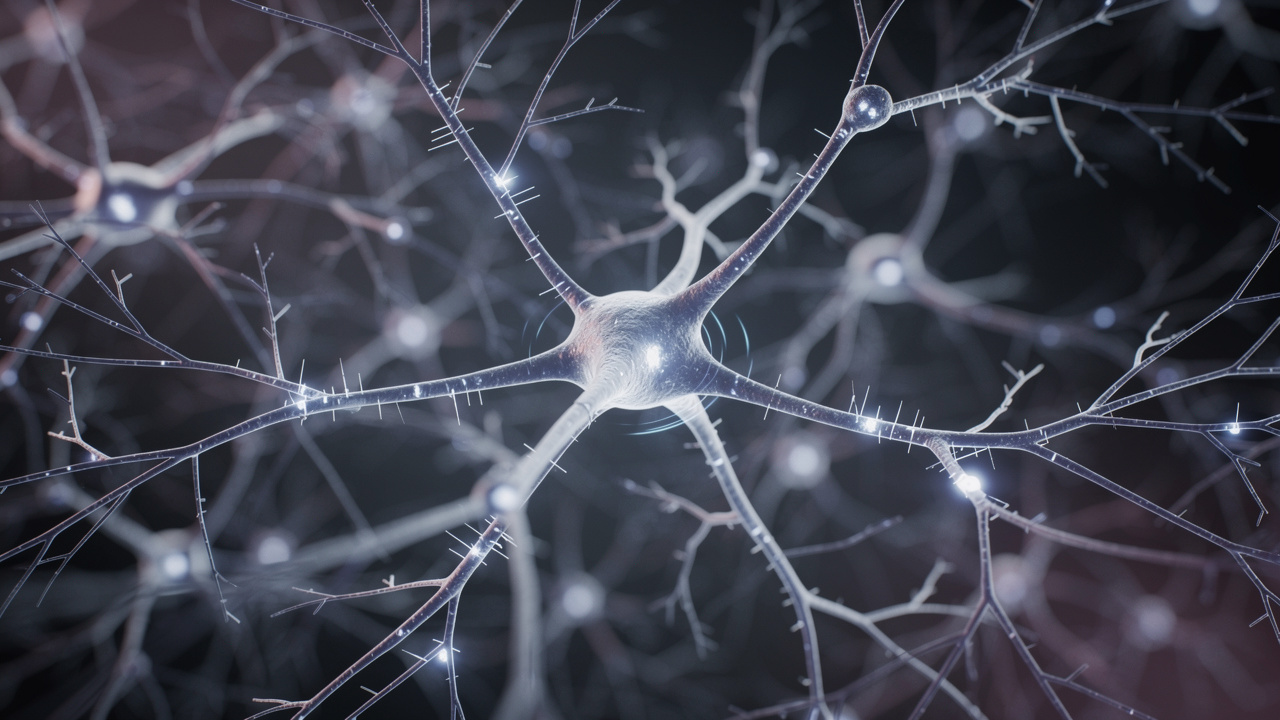
NAD+ (nicotinamide adenine dinucleotide) is a coenzyme made from vitamin B3 that exists in two main forms:
-
NAD+ – the oxidized form
-
NADH – the reduced, electron-carrying form
You can think of NAD+ as both a battery connector and a control switch:
-
Energy Metabolism (Redox Role)
-
NAD+ accepts electrons from nutrients as they are broken down.
-
It becomes NADH, which donates those electrons to the mitochondrial electron transport chain.
-
That electron flow powers the generation of ATP, the main energy currency of the cell.
Without adequate NAD+, your mitochondria simply cannot produce ATP efficiently, and you feel that as fatigue, sluggishness, and reduced performance.
-
-
Cellular Signaling And Repair (Non-Redox Role)
NAD+ is also consumed (not just recycled) by several enzyme families that control:-
DNA repair – via PARPs (poly ADP-ribose polymerases)
-
Gene expression and aging – via sirtuins (NAD+-dependent deacetylases)
-
Immune signaling and inflammation – via CD38 and related enzymes
-
Calcium signaling and cell communication – via molecules like cyclic ADP-ribose
-
These enzymes literally burn through NAD+ to repair DNA breaks, adjust which genes are active, manage stress responses, and coordinate immune activity. That is why maintaining healthy NAD+ levels is so central to both day-to-day performance and long-term resilience.
How NAD+ Supports Energy, Brain Function, And Performance
NAD+ touches every major system in the body. The table below summarizes how it works behind the scenes and what you may notice when levels are higher and more youthful.
|
System / Goal |
How NAD+ Contributes |
What You May Notice |
|---|---|---|
|
Cellular & Physical Energy |
Fuels mitochondrial ATP production |
More steady energy, fewer crashes, better stamina |
|
Brain & Cognition |
Supports neuronal metabolism, neuroplasticity, DNA repair |
Sharper focus, clearer thinking, better recall |
|
Cardiometabolic Health |
Aids vascular function, glucose and fat metabolism |
Healthier blood pressure patterns, better cardio output |
|
Immune Balance |
Modulates immune cell activity and inflammatory signaling |
More balanced inflammatory responses over time |
|
Muscle & Recovery |
Supports mitochondrial function and stem cell activity |
Faster bounce-back from training, better endurance |
|
Sleep & Circadian Rhythm |
Interacts with clock genes and sirtuins in the brain |
More consistent sleep-wake cycles, better sleep depth |
Cellular Energy And Day-To-Day Vitality
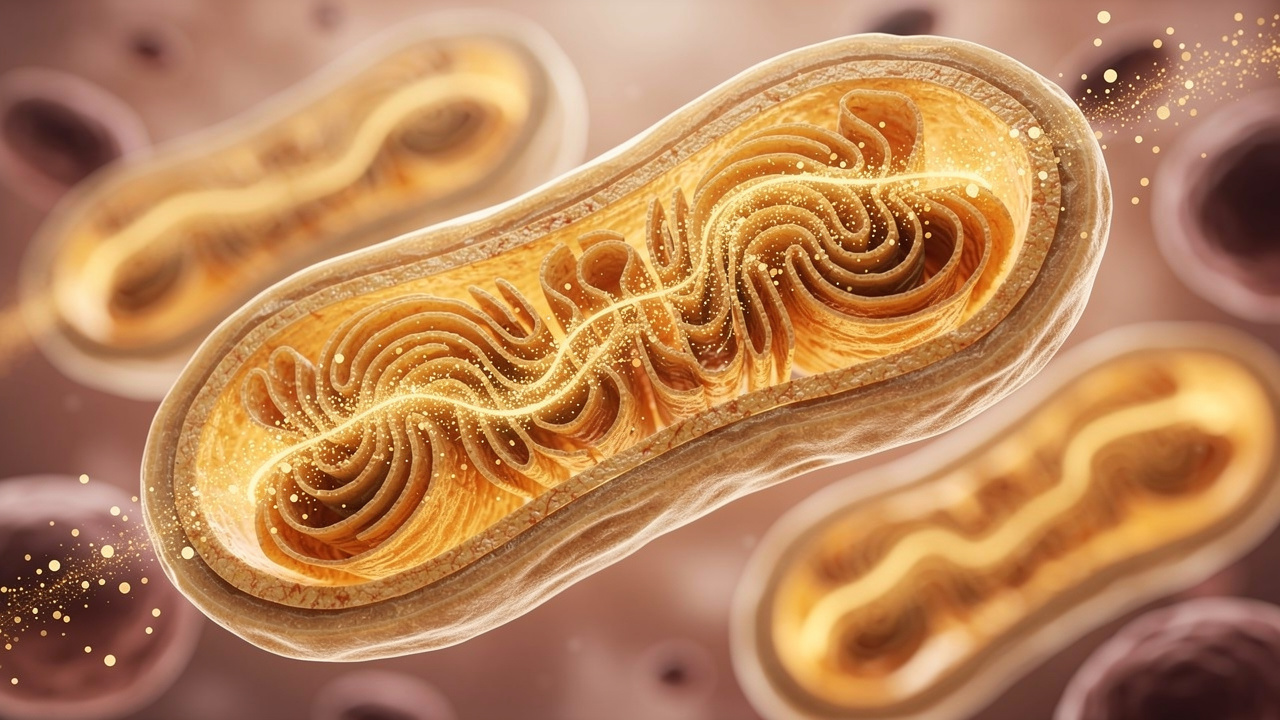
NAD+ sits at the heart of glycolysis, the citric acid cycle, and oxidative phosphorylation—three pillars of how your cells turn food into ATP.
-
When NAD+ is abundant, mitochondria can run at full capacity.
-
When NAD+ is low, ATP production slows, and cells start to rely more on less efficient pathways.
For busy professionals and parents, that translates directly into how you feel at 3 p.m.—either clear and productive, or drained and fighting brain fog. Supporting NAD+ is about improving the efficiency of energy generation rather than stimulating the nervous system the way caffeine does.
“Supporting NAD+ is about improving the efficiency of energy generation rather than stimulating the nervous system the way caffeine does.”
Cognitive Function, Focus, And Mood
Your brain is one of the most energy-hungry organs in the body, and neurons depend heavily on mitochondrial function and NAD+-dependent repair systems. Research suggests:
-
NAD+-dependent sirtuins help maintain genomic stability in neurons and shape patterns of gene expression linked to stress resistance and plasticity.
-
PARP enzymes use NAD+ to repair DNA damage that accumulates over time, especially in high-demand tissues like the brain.
-
NAD+ participates in pathways that help regulate neurotransmitter balance and protect against oxidative stress.
Supporting NAD+ can therefore translate into:
-
More consistent mental clarity
-
Better working memory and recall
-
Less “brain fog” during intense workdays or under chronic stress
Athletic Performance, Recovery, And Metabolic Health
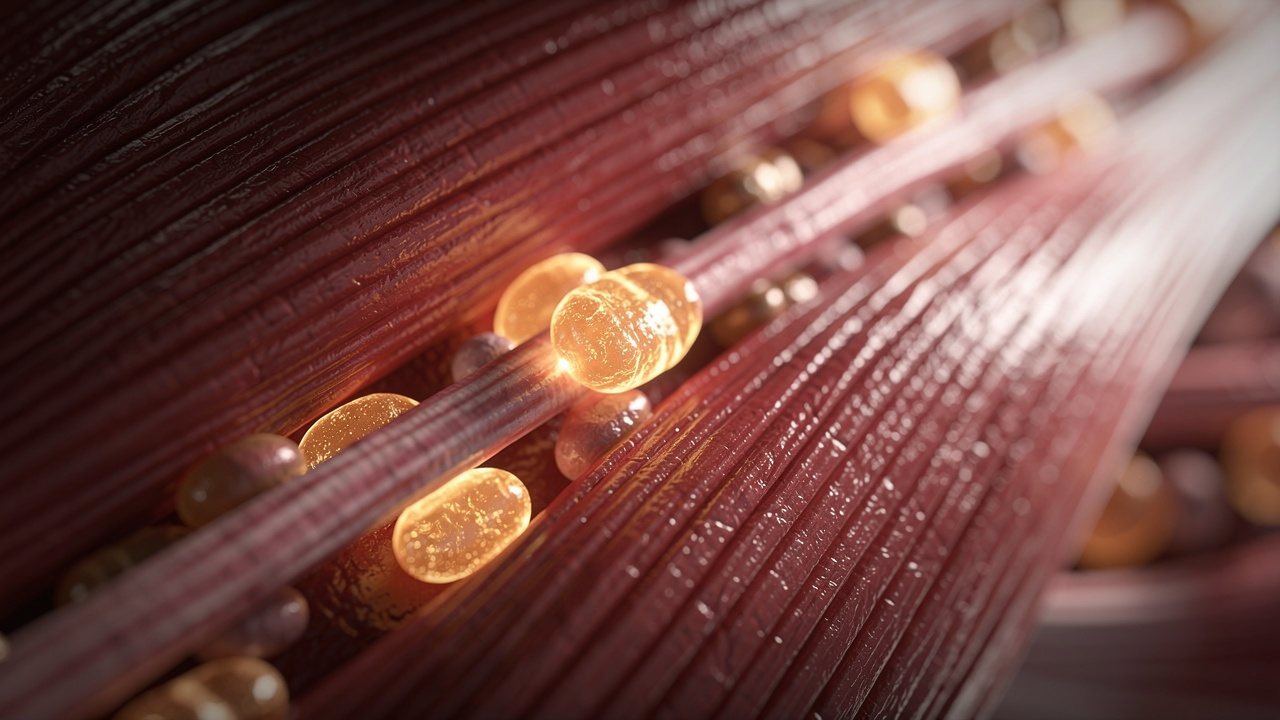
For athletes and fitness enthusiasts, NAD+ plays a role at several levels:
-
Mitochondrial performance – Higher NAD+ helps mitochondria generate ATP more efficiently during both aerobic and high-intensity efforts.
-
Muscle stem cells – Preclinical data suggests that restoring NAD+ can rejuvenate muscle stem cell function, aiding repair after hard training.
-
Metabolic flexibility – NAD+-dependent enzymes help cells switch between burning carbohydrates and fats more smoothly.
Early human studies using NAD+ precursors show encouraging effects on:
-
Exercise capacity and muscle energetics
-
Insulin sensitivity and glucose control
-
Vascular function during and after exertion
For athletes, this can mean better endurance, stronger training blocks, and faster recovery between sessions.
NAD+, Aging, And Cellular Repair
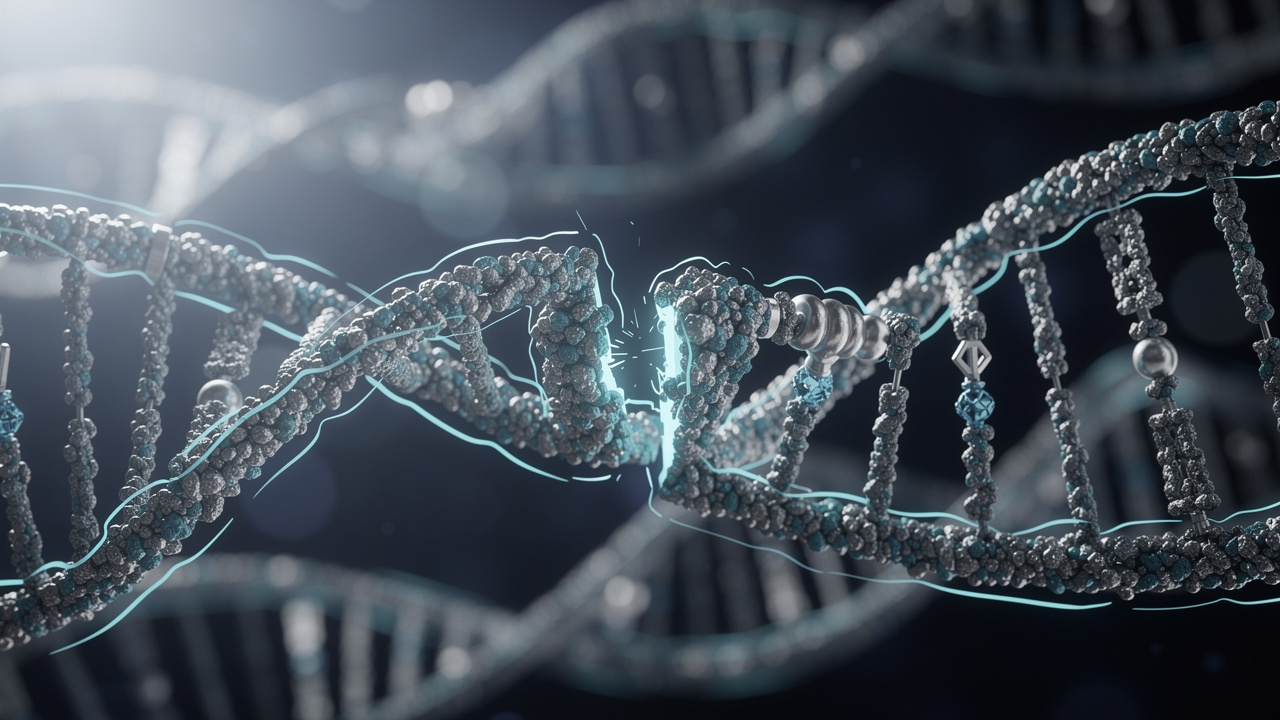
One of the most consistent findings in aging research is that NAD+ levels decline with age in many tissues, including skin, brain, liver, muscle, and blood. That decline tracks closely with several of the hallmarks of aging described in the scientific literature.
Here is how NAD+ ties into key hallmarks:
-
Genomic Instability
-
DNA is constantly damaged by UV light, toxins, and normal metabolism.
-
PARPs and sirtuins need NAD+ to repair that damage.
-
When NAD+ is low, more mutations and breaks accumulate over time.
-
-
Epigenetic Changes And Gene Expression
-
Sirtuins (SIRT1, SIRT6, and others) use NAD+ to adjust which genes are turned on or off.
-
These enzymes help maintain a more “youthful” epigenetic pattern.
-
Falling NAD+ disrupts this regulation and contributes to age-related shifts in gene expression.
-
-
Mitochondrial Dysfunction
-
NAD+ is required for mitochondrial ATP production.
-
Sirtuins that depend on NAD+ also regulate mitochondrial biogenesis and mitophagy (clearance of damaged mitochondria).
-
Lower NAD+ means less energy, more oxidative stress, and a buildup of dysfunctional mitochondria, with research showing how NAD+ reverses Alzheimer's neurological deficits through mitochondrial and cellular repair mechanisms.
-
-
Cellular Senescence And Inflammaging
-
When cells are too damaged to divide, they become senescent—metabolically active but dysfunctional.
-
Senescent cells secrete inflammatory molecules (the SASP) that damage nearby tissues.
-
Low NAD+ encourages senescence; restoring NAD+ has been shown in models to reduce senescent cell burden.
-
-
Loss Of Proteostasis (Protein Quality Control)
-
NAD+-dependent SIRT1 helps activate autophagy, the intracellular “cleanup” system.
-
When NAD+ declines, misfolded proteins and advanced glycation end products (AGEs) accumulate, stiffening tissues and impairing function.
-
“NAD+ sits at the crossroads of energy, repair, inflammation, and resilience.”
NAD+ And Skin Health
Skin is a clear, visible example of these mechanisms at work:
-
UV light creates DNA damage that must be repaired by NAD+-dependent PARP1 and sirtuins.
-
As NAD+ drops, fibroblasts (collagen-producing cells) lose function and more cells become senescent.
-
Sirtuins normally help suppress enzymes like MMP-1 that degrade collagen and support genes involved in new collagen synthesis.
By supporting NAD+ levels, you are giving your skin cells more of what they need for:
-
More efficient DNA repair after UV exposure
-
Better protection of collagen and elastin
-
Healthier barrier function and resilience
NAD+ And Circadian Rhythm
NAD+ is also closely linked to your internal clock:
-
Its levels naturally oscillate over 24 hours.
-
NAD+-dependent sirtuins interact with clock genes in the brain and peripheral tissues.
When NAD+ levels are healthy and rhythmic, it supports:
-
More stable sleep-wake cycles
-
Better alignment between metabolism, hormone release, and daily behaviors
-
Deeper, more restorative sleep when combined with good sleep hygiene
For people who push long hours, travel frequently, or train intensely, that circadian support can be just as important as the immediate energy benefits.
Why NAD+ Levels Decline With Age
The age-related fall in NAD+ is not due to a single defect. It comes from both increased consumption and reduced recycling:
-
Increased Demand And Consumption
-
More DNA damage with age activates PARPs, which consume large amounts of NAD+ to repair breaks.
-
Chronic, low-grade inflammation ("inflammaging") increases expression of CD38, a major NAD+ consumer in immune and inflammatory cells.
-
These enzymes siphon off NAD+ faster than it can be replenished, leaving less available for sirtuins and mitochondrial metabolism.
-
-
Reduced Recycling Capacity
-
Most NAD+ in adults is maintained through a salvage pathway that recycles nicotinamide back into NAD+.
-
The rate-limiting enzyme in this pathway is NAMPT (nicotinamide phosphoribosyltransferase).
-
NAMPT levels and activity tend to decline with age, so recycling cannot keep up with increased demand.
-
-
Lifestyle And Environmental Stressors
Factors that can pressure NAD+ metabolism include:-
Poor sleep and circadian disruption
-
Sedentary behavior
-
Excessive refined carbohydrates and constant snacking
-
Smoking, high alcohol intake, and chronic psychological stress
-
High lifetime UV exposure
-
All of these can accelerate DNA damage, oxidative stress, and inflammatory signaling—further straining NAD+ supplies.
Evidence For Restoring NAD+ Levels
Because NAD+ is so central, scientists have studied what happens when its levels are restored in aging cells, animals, and humans.
Findings From Preclinical Research
In animal models, restoring NAD+ toward youthful levels has been associated with:
-
Improved vascular function and reduced oxidative stress
-
Better insulin sensitivity and protection from diet-induced metabolic dysfunction
-
Improved muscle strength, endurance, and mitochondrial ATP production
-
Better regenerative capacity in organs like the heart, liver, and kidneys after injury
-
Benefits in models of neurodegeneration, including better cognition and nerve regeneration
-
Support for retinal health and age-related fertility in female animals
While animal data cannot be directly translated to humans, it provides a strong mechanistic foundation.
Emerging Human Data
Human trials using NAD+ precursors such as NR (nicotinamide riboside) and NMN (nicotinamide mononucleotide) show that:
-
Oral precursors can reliably raise NAD+ levels in blood and tissues.
-
Middle-aged and older adults may experience favorable trends in:
-
Systolic blood pressure and measures of arterial stiffness
-
Markers of systemic inflammation
-
Indices of mitochondrial function, especially in individuals with cardiovascular challenges
-
These early findings align with what we see in cellular and animal studies: maintaining healthier NAD+ levels appears to support multiple aspects of cardiometabolic and mitochondrial health.
Ways To Support Healthy NAD+ Levels
For most people, the best approach combines smart lifestyle practices with a well-designed NAD+ booster.
Lifestyle Habits That Support NAD+
Several evidence-based habits are known to support NAD+ metabolism:
-
Exercise
-
Both resistance and endurance training increase NAD+ demand and can upregulate pathways that sustain NAD+ in muscle.
-
-
Time-Restricted Eating Or Intermittent Fasting
-
Periods without food increase the NAD+/NADH ratio and activate sirtuins, mimicking some aspects of calorie restriction.
-
-
High-Quality Sleep And Circadian Alignment
-
Consistent bed and wake times, morning daylight exposure, and reduced late-night blue light help maintain natural NAD+ oscillations and clock gene function.
-
-
Metabolic Balance
-
Emphasizing whole foods, fiber, and healthy fats while avoiding constant snacking and sugar spikes reduces oxidative stress and excessive PARP activation.
-
-
Reducing Toxins And Excess UV Exposure
-
Smoking, heavy alcohol intake, and high UV exposure all increase DNA damage and NAD+ consumption.
-
These habits are powerful on their own, but many people want additional support—especially under heavy workloads or as they move into their 40s and beyond. That’s where targeted supplementation comes in.
“What you do every day matters more than what you do once in a while.”
Supplementing With NAD+ Precursors
Direct oral NAD+ is unstable and poorly absorbed, so most research and products focus on precursors that your cells convert into NAD+. These are all forms of vitamin B3, including:
-
Nicotinamide Riboside (NR)
-
Nicotinamide Mononucleotide (NMN)
-
Nicotinic Acid (Niacin)
-
Nicotinamide (Nam)
These precursors feed into the salvage pathways that rebuild NAD+ inside cells. Multiple trials show that NR and NMN can raise NAD+ levels safely in humans.
However, there is a key nuance:
-
If NAD+ is being overconsumed by PARPs and CD38, or
-
If recycling via NAMPT is impaired,
then simply providing more precursor may not be the most efficient long-term strategy. This insight has led to more advanced, multi-target NAD+ booster designs.
A Smarter NAD+ Booster: The Synchronicity Health Approach
Many NAD+ supplements focus on one thing: delivering a single precursor. Synchronicity Health was founded on a more comprehensive view of NAD+ biology. Our formulation strategy is built around supporting the entire NAD+ network.
Targeting Multiple Steps In The NAD+ Pathway
An advanced NAD+ booster aims to:
-
Provide A High-Quality Precursor
-
Supply the raw material your cells need to synthesize NAD+ efficiently.
-
-
Support The Salvage Pathway (NAMPT Activity)
-
Include co-factors and botanicals selected to support the recycling of nicotinamide back into NAD+.
-
-
Reduce Excessive Consumption
-
Incorporate ingredients that help maintain healthy inflammatory signaling and oxidative balance, easing the load on CD38 and DNA repair systems.
-
-
Support Mitochondrial Health
-
Pair NAD+ support with nutrients known to assist mitochondrial function and redox balance for more comprehensive cellular support.
-
Synchronicity Health’s NAD+ booster was crafted around these principles, with each ingredient chosen for its mechanistic rationale and human safety data.
Designed With Medical Expertise
Our NAD+ formula is backed by the guidance of a Yale MD with extensive experience in aging biology and metabolic health. That perspective helps make sure that:
-
Doses are aligned with current research and real-world tolerability
-
Ingredients are selected for meaningful synergy with NAD+ pathways
-
The product is suitable for long-term use in a broad range of adults
Quality, Purity, And Transparency
Because NAD+ boosters are often used daily, quality control is non-negotiable. Synchronicity Health’s NAD+ booster is:
-
Manufactured in facilities that follow strict quality standards
-
Third-party tested for identity, purity, and potency
-
Free from unnecessary fillers and common contaminants
-
Labeled transparently so you know exactly what you are taking
Who Our NAD+ Booster Is For
Our NAD+ booster is designed for people who are serious about long-term performance and healthspan, including:
-
Health Optimization Enthusiasts And Biohackers
-
Looking for deeply researched tools to support cellular aging pathways.
-
-
Busy Professionals And Entrepreneurs
-
Wanting more steady energy, focus, and resilience under long workdays.
-
-
Athletes And Fitness Enthusiasts
-
Aiming to support mitochondrial function, training capacity, and recovery.
-
-
Wellness-Focused Individuals Interested In Longevity
-
Seeking to maintain skin health, cardiovascular function, and cognitive sharpness as they age.
-
-
People Focused On Sleep And Circadian Health
-
Wanting to support the cellular clockwork that underlies deep, restorative sleep.
-
How To Take An NAD+ Booster
Because products differ, always follow the specific label instructions. As general guidance for an NAD+ precursor-based booster:
-
Timing
-
Many people prefer to take NAD+ support in the morning or early afternoon to align with natural circadian patterns and daytime energy needs.
-
-
With Or Without Food
-
Some tolerate NAD+ precursors well on an empty stomach; others do better taking them with a meal. Starting with food can reduce any mild stomach discomfort.
-
-
Consistency Matters
-
NAD+ is part of ongoing cellular processes, so benefits tend to build over weeks. Think in terms of months of use, not single doses.
-
-
Stacking With Other Habits
-
The best results come when an NAD+ booster is combined with exercise, good sleep hygiene, nutrient-dense nutrition, and stress management.
-
Most users report that the first changes they notice are more stable energy, clearer thinking, and better tolerance for busy days. Deeper shifts—such as exercise capacity, body composition changes, and skin quality—tend to evolve more gradually.
Safety, Side Effects, And Who Should Be Cautious
NAD+ precursors like NR and NMN have shown good safety profiles in human trials at commonly used doses. However, as with any supplement, individual responses vary.
Possible Mild Effects
-
Temporary digestive discomfort (bloating, nausea) in sensitive individuals
-
For niacin-containing formulas, a warm “flush” sensation from vasodilation
Who Should Talk To A Clinician First
You should discuss NAD+ supplementation with your healthcare provider if you:
-
Are pregnant, breastfeeding, or planning pregnancy
-
Have a history of liver disease, kidney disease, gout, or active cancer
-
Take chemotherapy, immunosuppressive drugs, anticoagulants, or multiple prescription medications
-
Have a complex medical history or are under the care of a specialist
Your clinician can help determine whether an NAD+ booster fits safely into your overall plan and whether any lab monitoring makes sense for you.
Frequently Asked Questions About NAD+
Is A NAD+ Supplement The Same As IV NAD+ Therapy?
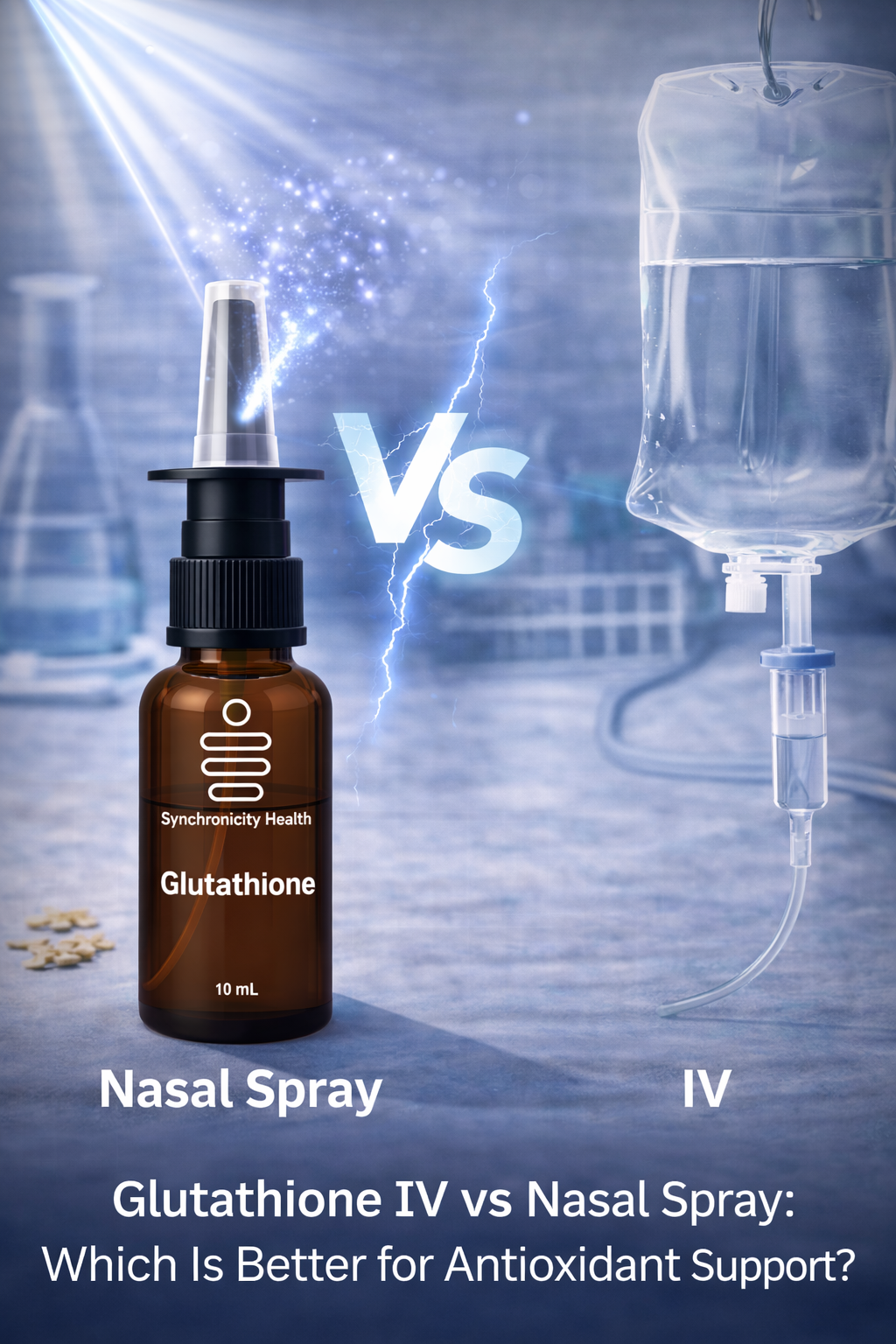
No. IV NAD+ typically delivers NAD+ or related compounds directly into the bloodstream in a supervised setting. Oral NAD+ boosters rely on precursors that your cells convert into NAD+.
Both strategies aim to support NAD+ levels, but:
-
IV approaches offer rapid, high-dose exposure and are generally used intermittently.
-
Oral NAD+ boosters are designed for consistent, daily support and are more practical for long-term use.
Will A NAD+ Booster Feel Like Caffeine Or A Stimulant?
NAD+ does not stimulate your nervous system the way caffeine or amphetamines do. Instead, a NAD+ booster supports the cellular machinery that produces ATP.
Many people notice:
-
Steadier energy without jitters
-
Less of a crash later in the day
-
Better mental endurance under stress
If you are highly sensitive to supplements, starting with a lower dose and gradually increasing is reasonable.
How Long Should I Take An NAD+ Booster?
NAD+ is involved in ongoing cellular processes, and levels tend to decline again when support is removed. For most people, NAD+ support is a long-term strategy, similar to maintaining exercise and nutrition habits.
You might:
-
Use a daily dose consistently for several months
-
Periodically reassess how you feel, your goals, and any lab markers with your clinician
-
Adjust your regimen based on training cycles, workload, or aging-related goals
Do Younger Adults Need NAD+ Support?
NAD+ levels are generally higher in younger adults, but they can still be stressed by:
-
Intense training loads
-
Chronic sleep disruption
-
High psychological stress
-
Exposure to toxins or poor diet
A well-designed NAD+ booster may be helpful in those scenarios. However, the largest benefits are usually seen in people in midlife and beyond, where NAD+ decline is more pronounced.
Start Supporting Your Future Self With Synchronicity Health
NAD+ sits at the crossroads of energy, repair, inflammation, and resilience. Supporting this central coenzyme is one of the most direct ways to care for your cells now while also investing in your long-term healthspan.
Synchronicity Health’s NAD+ booster was built for people who want clear science, physician-guided formulation, and uncompromising quality. Whether your priority is sharper focus, steadier energy, better recovery, healthier skin, or long-term longevity support, strengthening your NAD+ network is a powerful place to start.
To learn more about our NAD+ booster, detailed ingredient choices, and testing standards, visit Synchronicity Health online or connect with one of our knowledgeable team members. Make a deliberate choice to support your cellular health now—and give your future self the strongest foundation possible.


Leave a comment
All comments are moderated before being published.
This site is protected by hCaptcha and the hCaptcha Privacy Policy and Terms of Service apply.