
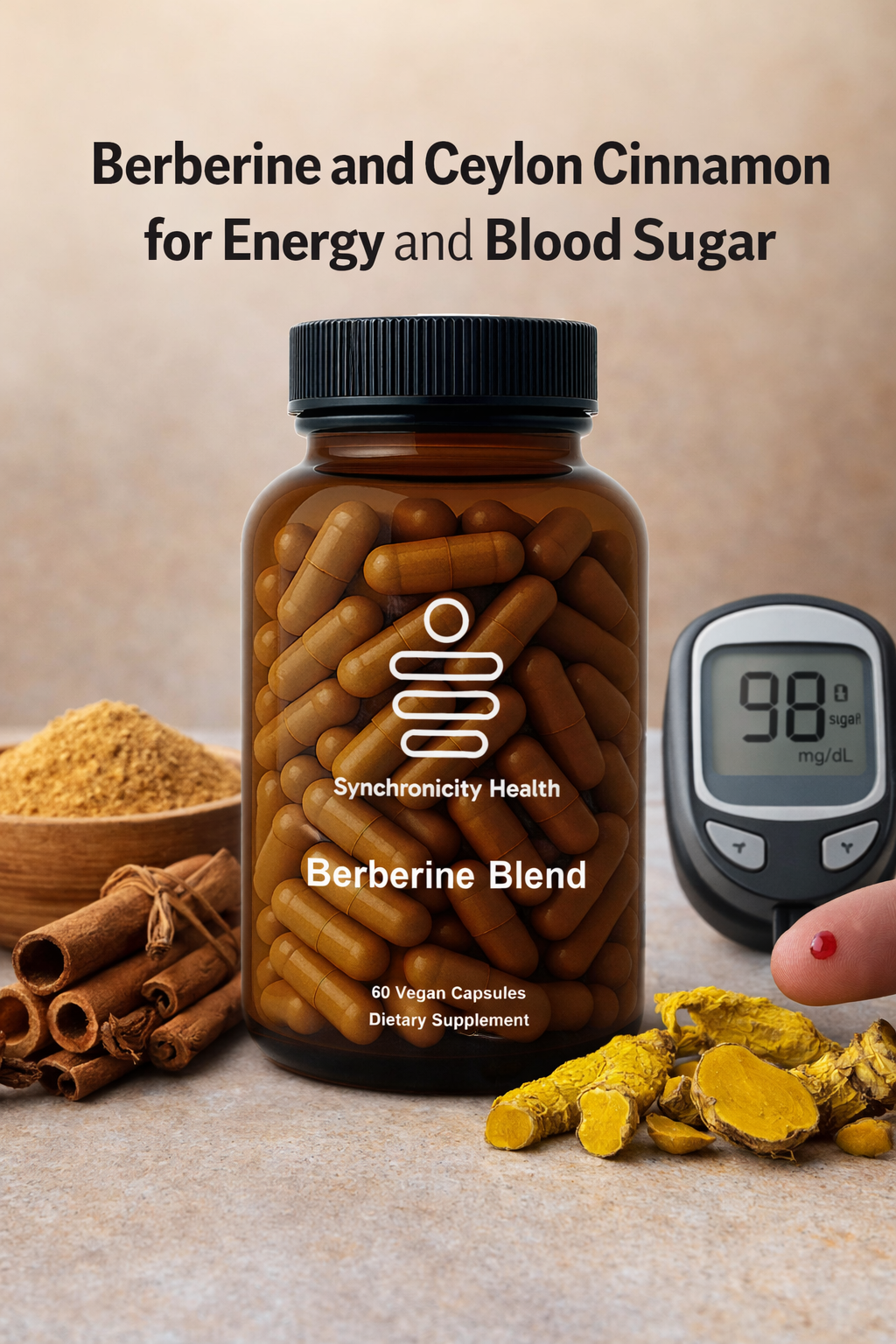
Why High-Performers Are Pairing Berberine And Ceylon Cinnamon
Berberine and Ceylon cinnamon have become a favorite stack for biohackers, longevity enthusiasts, athletes, and busy professionals who want stable energy, sharp focus, and better blood sugar control without stimulants. When used together, berberine and Ceylon cinnamon support glucose balance, lipid health, and metabolic efficiency in ways that appeal to both performance-focused and health-conscious users.
For people who already care about NAD+ IV therapy, fasting, and strength training, this combination fits naturally into a broader longevity plan. Below, you’ll see how berberine and Ceylon cinnamon work, what the science says, how to use them, and how to choose a supplement that matches the quality standards you expect.
As many metabolic clinicians like to say, “Stable blood sugar quietly supports almost every other system you care about—brain, heart, and long-term healthspan.”
What Exactly Are Berberine And Ceylon Cinnamon?
Berberine In Brief
Berberine is an isoquinoline alkaloid extracted from several plants, including Berberis species such as barberry and tree turmeric. It has been used for centuries in Chinese and Ayurvedic medicine for digestive issues, infections, and broad metabolic support.
Modern research focuses on berberine’s effects on:
-
Glucose metabolism
-
Lipid profiles
-
Weight management
-
Cardiovascular function
-
Gut microbiome balance
What to know about berberine includes understanding its growing popularity among health-conscious consumers, and at Synchronicity Health, berberine is a centerpiece of our metabolic support philosophy, including in formulations such as clarity, which are designed for users who care about both performance and long-term healthspan.
Ceylon Cinnamon Vs. Cassia: Why It Matters
“Cinnamon” in most grocery stores is usually Cassia, not Ceylon. Cassia is inexpensive but carries higher levels of coumarin, a compound that may stress the liver at high intakes.
Ceylon cinnamon (Cinnamomum verum), often called true cinnamon, is:
-
Lower in coumarin
-
Milder and more delicate in flavor
-
Better suited for long-term supplemental use
For a daily supplement, you want Ceylon cinnamon paired with berberine, not generic “cinnamon” or Cassia powder. Cassia used occasionally in food is rarely a concern, but for concentrated capsules, Ceylon is usually the smarter choice.
How Berberine And Ceylon Cinnamon Support Blood Sugar And Metabolic Health

Role of Fenugreek, Cinnamon, and other traditional botanicals has been extensively documented in metabolic research, and berberine and Ceylon cinnamon tackle blood sugar control from different but complementary directions. Together, they create a broad metabolic effect that is especially appealing for people managing insulin resistance, those on high-carb refeeds, or anyone who wants steadier energy.
Stable blood sugar helps:
-
Keep hunger and cravings more predictable
-
Support clear thinking and consistent focus
-
Reduce stress on blood vessels and other tissues over time
Key Mechanisms Of Berberine
Berberine supports blood sugar and metabolism through several pathways:
-
AMPK activation
Berberine activates AMP-activated protein kinase (AMPK), often called the body’s “metabolic switch.” When AMPK turns on, cells increase glucose uptake and burn more fat for energy, while dialing down energy-intensive processes like new fat and cholesterol synthesis. -
Reduced liver glucose output
Berberine downregulates enzymes involved in gluconeogenesis, the process by which the liver produces new glucose. Less hepatic glucose output means lower fasting blood sugar. -
Improved insulin signaling
By supporting insulin receptor activity and downstream signaling, berberine helps cells respond better to insulin, so more glucose moves from the bloodstream into muscle and other tissues. -
Gut microbiome modulation
Berberine reshapes the balance of gut bacteria, which in turn influences inflammation, insulin sensitivity, and lipid metabolism. For many users, this gut-level activity is a core part of its effect.
Key Mechanisms Of Ceylon Cinnamon
Ceylon cinnamon brings a different set of tools to the same metabolic problem:
-
Insulin-mimetic effects
Polyphenols and cinnamaldehyde in Ceylon cinnamon can act in an insulin-like way at the cellular level, helping shuttle glucose into cells more effectively. -
Slower carbohydrate breakdown
Ceylon cinnamon inhibits certain digestive enzymes, slowing the conversion of starches into glucose. This blunts post-meal blood sugar spikes and smooths out energy curves. -
Lower postprandial glucose
By combining better insulin signaling with slower carb digestion, Ceylon cinnamon helps reduce the blood sugar surge after meals, which is especially relevant for people tracking CGM data.
Why The Combination Works So Well
When you use berberine and Ceylon cinnamon together:
-
Berberine lowers liver glucose output and raises insulin sensitivity.
-
Ceylon cinnamon slows carb digestion and supports insulin-like activity.
The result is a multi-angle approach to:
-
Lower fasting blood sugar
-
Reduce post-meal spikes
-
Improve overall glycemic control
-
Promote steadier, non-jittery energy throughout the day
For high-output professionals and athletes, that usually means fewer afternoon crashes and better cognitive consistency across long work blocks or training sessions.
Many CGM users describe the effect this way: “The peaks are lower, the drops are softer, and the whole glucose curve looks calmer.”
Clinical Research On Berberine And Ceylon Cinnamon
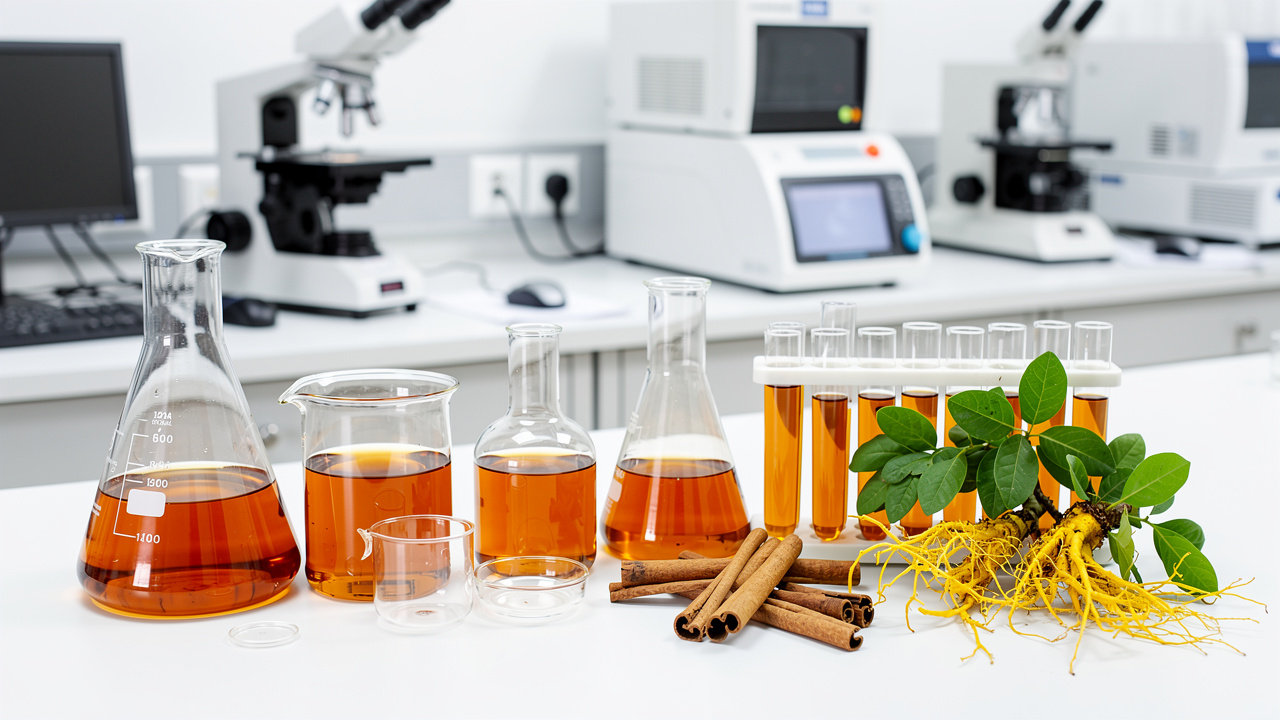
The efficacy and safety of berberine in combination with cinnamon supplementation has been studied in people with type 2 diabetes through a randomized, double-blind, placebo-controlled trial that looked directly at berberine and cinnamon taken together over 12 weeks.
Study Snapshot
-
Design: Parallel, double-blind, placebo-controlled
-
Duration: 12 weeks
-
Dose: 1,200 mg berberine + 600 mg cinnamon per day, divided across meals
Main Outcomes
Compared with placebo, the group receiving berberine and cinnamon showed:
-
Lower fasting blood sugar (FBS)
FBS dropped significantly, indicating better baseline glucose control. -
Reduced HbA1c
Hemoglobin A1c, which reflects average blood sugar over 2–3 months, also declined. This is one of the most meaningful markers for long-term glycemic management. -
Reduced LDL cholesterol (LDL-C)
LDL-C, often called “bad cholesterol,” fell significantly. This points to added cardiovascular support beyond blood sugar effects.
The same trial did not show major changes in total cholesterol, HDL, or triglycerides, suggesting the combination at that dose specifically targeted FBS, HbA1c, and LDL-C rather than the full lipid panel.
As with any single study, these findings are a starting point, not the final word—but they line up with what many clinicians see when they track labs over several months.
What Users Commonly Report
Beyond clinical markers, people who use berberine and Ceylon cinnamon often describe:
-
More stable energy when taken with meals
-
Reduced sugar and carb cravings
-
Easier adherence to lower-carb or time-restricted eating plans
-
Less “post-pasta coma” or afternoon crash
-
Better tolerance for occasional higher-carb meals
These real-world experiences line up with the lab data on glucose control and AMPK activation, but they should still be backed up with objective markers such as fasting glucose, HbA1c, or CGM data when possible.
Standard Berberine Vs. Dihydroberberine: Which Is Better?
As the popularity of berberine and Ceylon cinnamon grows, more supplements now feature dihydroberberine (DHB), a metabolite of berberine marketed as a high-absorption form. DHB is converted back to berberine in the body, which is why some formulators like it.
What Dihydroberberine Claims To Offer
Dihydroberberine is often promoted as:
-
Up to five times more bioavailable than standard berberine HCl
-
Easier on the digestive system
-
Effective at lower doses
The logic: if more berberine reaches the bloodstream, you may need less to get a similar effect.
The Bioavailability Vs. Efficacy Debate
Higher absorption does not always mean better results for every goal:
-
Gut microbiome interaction
Some of berberine’s benefits may come from its action in the gut, not just from what reaches the blood. If dihydroberberine is absorbed quickly in the upper GI tract, it may interact less with gut flora, possibly changing its impact on metabolism. -
Cholesterol-lowering activity
Research suggests dihydroberberine is less active at LDL receptors than standard berberine. So, while DHB may shine for certain metabolic goals, standard berberine may still be preferable specifically for LDL-C reduction. -
Different goals, different forms
-
If your main focus is gut-health-driven metabolic support, standard berberine might be the better fit.
-
If you want higher blood levels with smaller doses and are sensitive to GI side effects, dihydroberberine can be attractive.
-
For now, most published human data still centers on standard berberine HCl, so many practitioners stick with that form when they want to mirror research doses more closely.
Quick Comparison
|
Feature |
Standard Berberine HCl |
Dihydroberberine (DHB) |
|---|---|---|
|
Oral absorption |
Lower |
Higher |
|
Gut microbiome interaction |
More pronounced |
Possibly less |
|
LDL receptor activity |
Stronger |
Weaker in some research |
|
Typical dose (per day) |
900–1,500 mg |
Often 100–300 mg |
|
GI side effects |
More likely at higher doses |
Often fewer, depending on user |
Whichever form you choose, pairing it with Ceylon cinnamon keeps the focus on the overall effect of berberine and Ceylon cinnamon together, not just the absorption profile of one ingredient.
Benefits Of Berberine And Ceylon Cinnamon Beyond Blood Sugar
Lipid And Cardiovascular Support
Berberine and Ceylon cinnamon support heart health through several mechanisms:
-
Lower LDL-C (seen in clinical trials)
-
Better endothelial function (healthier blood vessels)
-
Potential reductions in triglycerides and improved lipid particle quality in some users
-
Antioxidant activity that helps protect vascular tissue from oxidative damage
For people stacking berberine and Ceylon cinnamon with statins or other lipid-lowering strategies, this can bring another layer of support—always under medical supervision.
A common saying in cardiometabolic medicine: “What improves glucose control often helps your arteries at the same time.”
Weight Management, Body Composition, And Energy
By activating AMPK and improving insulin sensitivity, berberine and Ceylon cinnamon can help:
-
Reduce appetite and sugar cravings
-
Support fat oxidation during fasting or caloric deficit
-
Cut down the “slump” that leads to mindless snacking
-
Provide smoother, more sustained daily energy without caffeine
Many users pair berberine and Ceylon cinnamon with:
-
Intermittent fasting or time-restricted eating
-
Resistance training and zone 2 cardio
-
NAD+ IV therapy or oral precursors
Together, these strategies can support mitochondrial function, fat loss, and recovery.
Gut, Immune, And Antioxidant Support
Berberine’s interaction with the gut microbiome and Ceylon cinnamon’s polyphenols combine to:
-
Shift gut bacteria toward a more favorable balance
-
Reduce low-grade inflammation that undermines metabolic health
-
Neutralize free radicals and lower oxidative stress
-
Indirectly support immune function by creating a lower-stress internal environment
This is especially interesting for longevity enthusiasts who view metabolic control, inflammation, and immune resilience as deeply connected.
Brain, Mood, And Focus
Stable blood sugar is strongly tied to stable mood, cognitive clarity, and productivity:
-
Fewer glucose crashes = fewer mood swings
-
Better insulin sensitivity = more predictable mental energy
-
Antioxidant and anti-inflammatory effects may support long-term brain health
Many Synchronicity Health users stack berberine and Ceylon cinnamon with mood and endocannabinoid-support products such as bliss mood support when they want both metabolic stability and emotional balance across demanding days.
How To Use Berberine And Ceylon Cinnamon

The ideal way to use berberine and Ceylon cinnamon depends on your body weight, medical history, and goals. Work with a qualified healthcare professional before starting or changing any regimen.
Suggested Dose Ranges
Research and clinical experience commonly use the following ranges for adults:
Berberine
-
Standard range: 500 mg, 2–3 times daily
-
Total daily: 1,000–1,500 mg
-
Timing: With or shortly before meals to help with postprandial glucose
Ceylon Cinnamon
-
Standard range: 1,000–2,000 mg (1–2 g) daily
-
Timing: With meals or spread across the day
The 12-week clinical trial that combined berberine and Ceylon cinnamon used:
-
1,200 mg berberine per day
-
600 mg cinnamon per day
This gives a practical benchmark, although real-world users may do slightly higher cinnamon doses, especially from food.
Timing And Stacking For Performance-Oriented Users
For biohackers, athletes, and busy professionals, this pattern works well:
-
Breakfast or first meal:
-
Berberine + Ceylon cinnamon to flatten the first glucose spike of the day
-
Fits well with people coming off a morning fast
-
-
Largest carb meal (often dinner or pre-training):
-
Another berberine dose plus Ceylon cinnamon to support glucose disposal and reduce post-meal crashes
-
-
With NAD+ therapies:
-
Some longevity-focused users combine berberine and Ceylon cinnamon with NAD+ IV or oral precursors, viewing this as a way to support both cellular energy and metabolic control. This is an advanced stack and should always be coordinated with a clinician.
-
If you are prone to low blood sugar, be cautious about high berberine doses paired with very low-carb meals or long fasts; monitor how you feel and adjust under professional guidance.
Who Should Be Cautious Or Avoid This Stack
Berberine and Ceylon cinnamon are not for everyone. Extra caution is recommended if you:
-
Take diabetes medications, insulin, or GLP-1 agonists
-
Take blood thinners or anticoagulants
-
Have liver or kidney disease
-
Are pregnant or breastfeeding
-
Are under 18
In these cases, use berberine and Ceylon cinnamon only under direct medical supervision, or avoid them entirely if your clinician advises against it. This list is not complete, so review your full medication and health history with your provider.
Safety, Side Effects, And Interactions
Most healthy adults tolerate berberine and Ceylon cinnamon well at standard doses, but side effects and interactions can occur.
As toxicology experts often remind us, “The dose makes the poison”—even helpful compounds can cause problems at the wrong dose or in the wrong context.
Common Side Effects Of Berberine
-
Digestive discomfort (bloating, gas, constipation, or diarrhea)
-
Nausea if taken on an empty stomach
-
Headache in some users
Starting with a lower dose and taking berberine with meals often reduces GI issues. Many people also notice that digestive side effects, if they appear, tend to fade after the first week or two.
Because berberine lowers blood sugar, combining it with other glucose-lowering drugs can increase the risk of hypoglycemia. Anyone already on diabetes medication should monitor closely with their clinician.
Berberine can also affect liver enzymes involved in drug metabolism (such as CYP450), which means it may change blood levels of certain medications.
Possible Side Effects Of Ceylon Cinnamon
Ceylon cinnamon is generally gentler than Cassia, but at high doses some users may experience:
-
Allergic reactions (rash, itching, swelling, or irritation in the mouth)
-
Interactions with blood thinners, increasing bleeding risk
Ceylon cinnamon has much lower coumarin content than Cassia, but extremely high doses over long periods still warrant caution, especially in people with existing liver conditions.
Reports From High-Dose Or Specialized Formulas
User reports from certain berberine and Ceylon cinnamon products, especially those containing dihydroberberine, have occasionally described:
-
Noticeable changes in body odor
-
Very dark, orange-tinted urine
-
Increased trips to the bathroom
These effects usually resolve after stopping the supplement, but any unusual symptom—especially changes in urine color or pain—should prompt a conversation with a healthcare provider.
Standard Safety Disclaimer
-
Talk with a healthcare professional before starting berberine and Ceylon cinnamon, especially if you have a medical condition or take prescription medications.
-
Dietary supplements are not evaluated by the Food and Drug Administration for the diagnosis, treatment, cure, or prevention of disease.
How To Choose A High-Quality Berberine And Ceylon Cinnamon Supplement
For health-conscious consumers, quality matters as much as the formula itself. When evaluating berberine and Ceylon cinnamon products, look for these features:
Ingredient Quality
-
Ceylon cinnamon (Cinnamomum verum) clearly stated on the label
-
Transparent berberine form (standard berberine HCl or dihydroberberine)
-
No hidden blends where doses are obscured in “proprietary formulas”
Clean, Trustworthy Formulation
-
Vegan or plant-based capsules
-
Free from common allergens like gluten and soy
-
No unnecessary artificial colors, flavors, or fillers
Many higher-end brands position berberine and Ceylon cinnamon as part of a clean, performance-focused stack rather than a generic “blood sugar” pill.
Manufacturing And Testing
-
Manufactured in cGMP-certified facilities in the United States
-
Third-party lab testing for purity and potency
-
Clear batch or lot numbers for traceability
Synchronicity Health products, including formulations like clarity that feature berberine and Ceylon cinnamon, are crafted for users who want scientific rigor, quality manufacturing, and transparent labeling.
For mood and emotional resilience, some users pair metabolic support with targeted formulas such as bliss mood support, creating a stack that covers both physiology and day-to-day mental performance.
Frequently Asked Questions About Berberine And Ceylon Cinnamon
What Are The Main Benefits Of Combining Berberine And Ceylon Cinnamon?
When used together, berberine and Ceylon cinnamon can:
-
Lower fasting blood sugar
-
Reduce post-meal spikes
-
Improve long-term markers like HbA1c
-
Support healthier LDL cholesterol levels
-
Reduce cravings and support weight-management efforts
-
Promote steadier energy and focus throughout the day
This makes the berberine and Ceylon cinnamon combination especially appealing to biohackers, athletes, and busy professionals who want better metabolic control without stimulants.
How Should I Dose Berberine And Ceylon Cinnamon?
A common starting point for adults is:
-
Berberine: 500 mg, 2–3 times daily with meals (1,000–1,500 mg total)
-
Ceylon cinnamon: 1–2 grams per day, taken with meals or through both food and supplements
Your clinician may adjust these doses based on lab work, medications, and response.
How Long Does It Take To See Results?
-
Some people notice steadier energy and reduced cravings within 1–2 weeks.
-
Changes in fasting blood sugar and CGM patterns often appear over 2–4 weeks.
-
Meaningful shifts in HbA1c usually require at least 8–12 weeks of consistent use, similar to the clinical trial timelines.
Can I Take Berberine And Ceylon Cinnamon With Other Medications?
Possibly—but only with medical supervision. Berberine can interact with:
-
Diabetes medications and insulin
-
Certain blood pressure drugs
-
Medications processed by liver enzymes such as CYP3A4
Ceylon cinnamon can interact with blood thinners. Always talk with your healthcare professional before stacking berberine and Ceylon cinnamon with prescription drugs.
Who Should Avoid Berberine And Ceylon Cinnamon?
Avoid or use only under close supervision if you:
-
Are pregnant or breastfeeding
-
Have significant liver or kidney disease
-
Are taking multiple prescription medications with narrow dosing windows
-
Are under 18
Your healthcare team should make the final call.
Can Berberine And Ceylon Cinnamon Support Mood Or Cognitive Performance?
Indirectly, yes. By keeping blood sugar more stable, berberine and Ceylon cinnamon help reduce energy swings that can affect mood, focus, and productivity. Many users report feeling calmer, clearer, and more stable across the day.
Some people stack this combo with mood-focused products like bliss mood support for an additional lift in emotional balance and stress resilience.
The Bottom Line On Berberine And Ceylon Cinnamon
For performance-driven, health-focused individuals, berberine and Ceylon cinnamon offer a researched, non-stimulant way to support:
-
Blood sugar control
-
Cardiometabolic health
-
Energy stability
-
Weight management
-
Long-term longevity goals
The data from clinical trials, combined with real-world feedback from biohackers and athletes, supports the idea that berberine and Ceylon cinnamon work better together than either ingredient alone.
If you’re considering adding this stack to your routine:
-
Discuss it with your healthcare professional, especially if you use prescription medications.
-
Choose a product that clearly labels Ceylon cinnamon, uses a transparent berberine form, and is produced in cGMP-certified, third-party-tested facilities, such as clarity.
-
Track your response—energy, cravings, CGM data, and lab work—to see how this combination fits into your larger longevity and performance strategy.
A guiding principle from sports nutrition: “Supplements are multipliers, not substitutes, for sleep, nutrition, and training.”
Used thoughtfully, berberine and Ceylon cinnamon can be a powerful addition to a broader plan that includes smart nutrition, resistance training, sleep, stress management, and—where appropriate—advanced tools like NAD+ therapies.


Leave a comment
All comments are moderated before being published.
This site is protected by hCaptcha and the hCaptcha Privacy Policy and Terms of Service apply.