
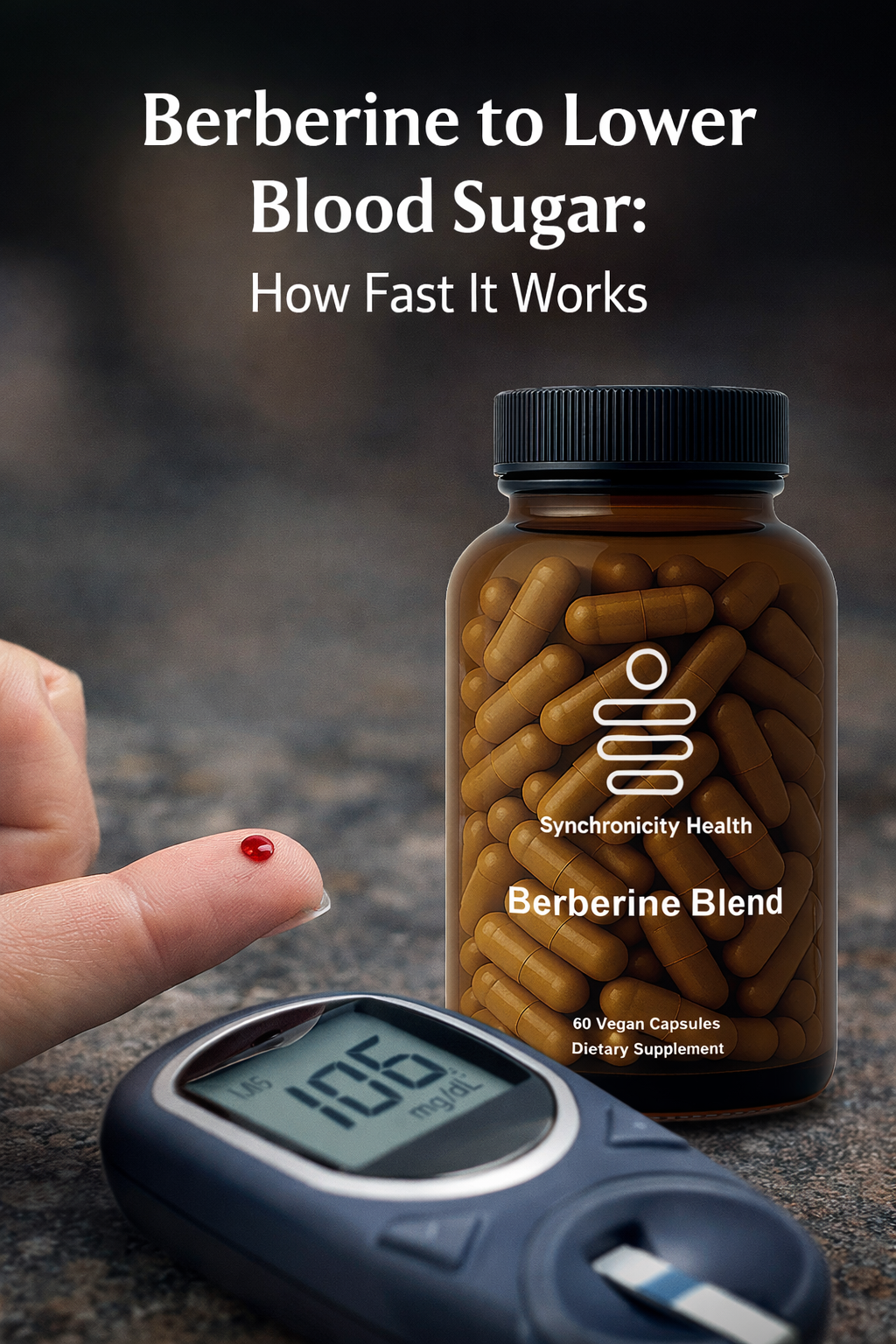
If you are thinking about using berberine to lower blood sugar, you probably want a clear answer to one thing: how fast will this actually work?
Based on human trials, most people see measurable improvements in blood sugar within 1 week, more substantial changes by 4–5 weeks, and full impact on long-term markers like HbA1c at around 12 weeks of consistent use.
This guide walks through the timeline, the underlying mechanisms, and how to structure a 12‑week experiment with berberine to lower blood sugar in a way that fits a performance-focused lifestyle.
What Is Berberine And Why Does It Matter For Metabolic Health?
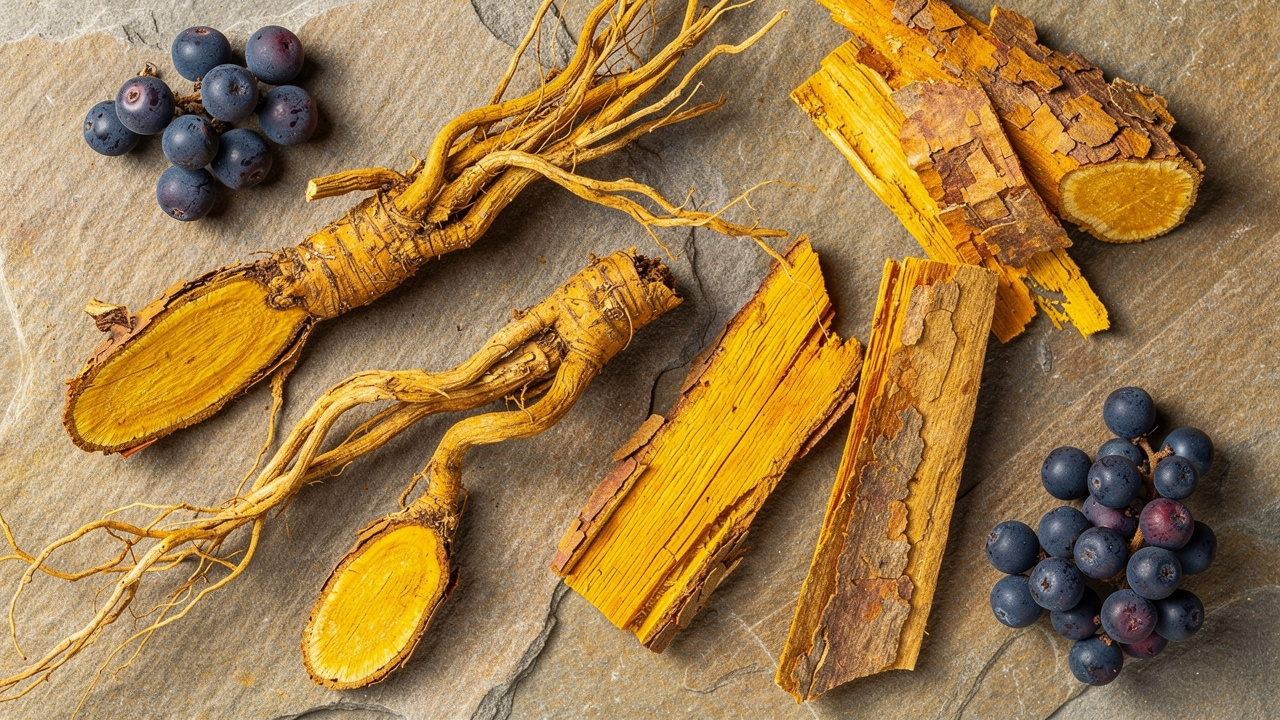
Berberine is a yellow plant alkaloid (C₂₀H₁₉NO₅) extracted from herbs such as goldenseal, Oregon grape, European barberry, tree turmeric, and Coptis chinensis. In traditional Chinese medicine, it was used mainly for gastrointestinal infections.
Modern research shifted the focus, with studies like Berberine and Its Study demonstrating its potential as a powerful metabolic compound. At doses of 500 mg, three times per day, berberine acts as a powerful oral compound for:
-
Lowering fasting and post-meal glucose
-
Improving insulin sensitivity
-
Improving triglycerides and LDL cholesterol
Most supplements use berberine hydrochloride (HCl) in capsule form. In the US, it is sold as a dietary supplement rather than a prescription drug.
For biohackers, longevity enthusiasts, and high performers, berberine offers a non-stimulant way to support energy, body composition, and cardiometabolic markers by improving metabolic efficiency at the cellular level.
How Long Does It Take For Berberine To Lower Blood Sugar?
The Short Answer
Across multiple human trials, a consistent pattern appears:
-
Within 3–7 days – First measurable drop in fasting and post-meal glucose
-
Weeks 2–5 – Larger reductions in fasting glucose and better post-meal control
-
Weeks 8–12 – Maximum change in hemoglobin A1c and insulin resistance markers
If you are using berberine to lower blood sugar, expect some effect in the first week, but plan on a full 8–12 weeks to see the complete metabolic picture.
Week-By-Week Timeline (Based On Clinical Data)
Days 3–7: Early Response
-
Liver output of glucose starts to fall
-
Many users see modest drops in fasting glucose and postprandial (post-meal) readings
-
Subjective changes: slightly steadier energy, fewer “post-lunch crashes”
Weeks 2–4: Noticeable Blood Sugar Changes
In clinical trials:
-
Fasting blood glucose and post-meal glucose continued to decline over the first 2–3 weeks
-
In people with poorly controlled type 2 diabetes, fasting glucose dropped from about 9.6 mmol/L to 7.8 mmol/L (≈ 173 to 140 mg/dL) in the first week, then stabilized lower over time
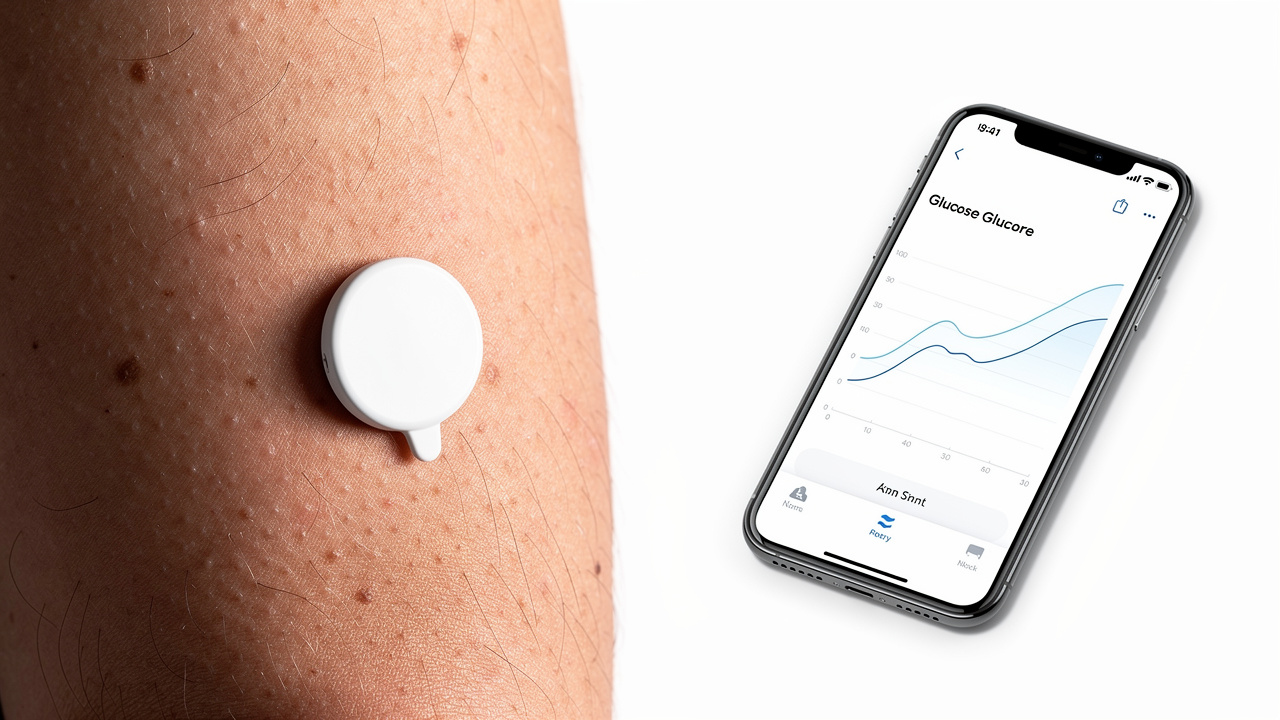
For someone using berberine to lower blood sugar with a CGM (continuous glucose monitor) or finger-stick monitoring, this is often when graphs start to flatten and post-meal spikes look tamer.
Weeks 4–5: Fasting Glucose Nears Its New Baseline
Several studies suggest that around week 5:
-
Fasting blood glucose reaches much of its maximum improvement
-
One trial saw average fasting glucose drop by roughly 3.7 mmol/L (about 67 mg/dL) from baseline over this window
Weeks 8–12: A1c And Insulin Resistance Shift
Because HbA1c reflects about 3 months of glucose exposure, A1c changes lag behind day-to-day readings:
-
In a three‑month trial in newly diagnosed type 2 diabetics taking berberine 500 mg three times daily:
-
A1c dropped from 9.5% to 7.5%
-
Fasting glucose fell from 10.6 mmol/L to 6.9 mmol/L
-
Post-meal glucose fell from 19.8 mmol/L to 11.1 mmol/L
-
In another three‑month study adding berberine to existing therapies:
-
A1c fell from 8.1% to 7.3%
-
Insulin resistance (HOMA‑IR) dropped by 44.7%
-
Fasting insulin fell by 28.1%
Takeaway: If you are serious about using berberine to lower blood sugar as part of a performance or longevity protocol, you should commit to at least 8–12 weeks of consistent dosing before you fully judge its effect.
How Berberine To Lower Blood Sugar Actually Works
Berberine does not rely on a single pathway, and research including A Berberine Derivative for metabolic applications has explored its multi-targeted mechanisms of action. It acts at multiple points involved in glucose and lipid metabolism.
1. AMPK Activation: The Cell’s Energy Sensor
Berberine activates AMP‑activated protein kinase (AMPK), an enzyme often called the body’s metabolic “master switch.”
When AMPK switches on, cells:
-
Increase glucose uptake
-
Burn more fat for energy
-
Reduce new fat and cholesterol synthesis
This AMPK signal is one reason berberine to lower blood sugar behaves in ways that partially resemble exercise and metformin.
2. Improved Insulin Sensitivity And Glucose Uptake
Berberine has a consistent insulin-sensitizing effect:
-
Improves how muscle, liver, and fat cells respond to insulin
-
Promotes movement of glucose transporters (like GLUT4) to cell membranes
-
In one trial, HOMA‑IR fell by 44.7%, indicating a strong improvement in insulin resistance
For someone with chronically high insulin and drifting fasting glucose, better insulin sensitivity is a core reason to consider berberine to lower blood sugar.
3. Reduced Liver Glucose Output
The liver can release glucose even when you are not eating, which drives:
-
Elevated fasting glucose
-
“Dawn phenomenon” — higher morning readings despite no food overnight
Berberine reduces unnecessary hepatic glucose production, which:
-
Lowers fasting glucose
-
Helps blunt that morning surge many people see on their CGM
4. Slower Carbohydrate Breakdown And Absorption
Evidence suggests berberine may act as an alpha‑glucosidase inhibitor, meaning it:
-
Slows the breakdown of complex carbs into simple sugars in the intestine
-
Reduces the speed and size of post-meal glucose spikes
This gut action contributes to its glucose benefits, but also explains some of the common digestive side effects (gas, bloating) early on.
5. Gut Microbiome Modulation
Emerging research indicates berberine:
-
Shifts the composition of gut bacteria
-
May reduce endotoxin load and low-grade inflammation
-
Potentially influences insulin signaling and metabolic health indirectly
For longevity and performance, this microbiome effect may be part of why a berberine protocol can feel different from simply adding another blood sugar drug.
Factors That Change How Fast Berberine Works For You
The timelines above are averages. Your response to berberine to lower blood sugar can be faster or slower depending on several variables.
1. Baseline Metabolic Status
-
Higher starting glucose or A1c → often see larger and quicker changes
-
Mildly elevated glucose → improvements may be more subtle but still meaningful over 8–12 weeks
2. Dose And Dosing Frequency
Most research uses:
-
500 mg three times daily (1.5 g/day) with meals
-
Some people do well on 300 mg three times daily (900 mg/day) if they are sensitive
Because berberine has a relatively short half‑life of several hours, splitting the dose across the day is key for stable support.
3. Diet Quality
Berberine cannot overcome a constant stream of refined carbs and ultra-processed food.
You will get more from berberine to lower blood sugar if you:
-
Center meals around protein and fiber
-
Reduce added sugars and liquid calories
-
Keep ultra-processed snacks for rare occasions
As many clinicians tell their patients, “No supplement can fix a chronically high-sugar diet.”
This does not require a strict diet, but your food choices strongly influence your results.
4. Activity And Muscle Mass

Exercise and muscle are powerful glucose sinks. Even light movement stacks well with berberine:
-
A 10–20 minute walk after meals can improve postprandial control
-
Resistance training increases glucose uptake into muscle
Researchers often say, “Exercise is medicine,” because even modest, regular movement has measurable effects on blood sugar and insulin sensitivity.
Because berberine and exercise both activate AMPK, they tend to reinforce each other.
5. Sleep, Stress, And Cortisol
Poor sleep and chronic stress raise cortisol, which can:
-
Push fasting glucose higher
-
Flatten your response to berberine
If you are tracking metrics, you will often see better outcomes from berberine to lower blood sugar and oea to reduce appetite once sleep quality and stress management are reasonably under control.
6. Medications And Health Conditions
-
Existing diabetes drugs, steroids, or hormonal therapies can change how your body responds
-
Liver or kidney issues may affect how berberine is processed
Always review berberine with your healthcare professional if you are on medication or have chronic conditions.
How To Take Berberine For Blood Sugar Control
Recommended Dose From Clinical Trials
Most studies showing strong glucose and lipid improvements used:
-
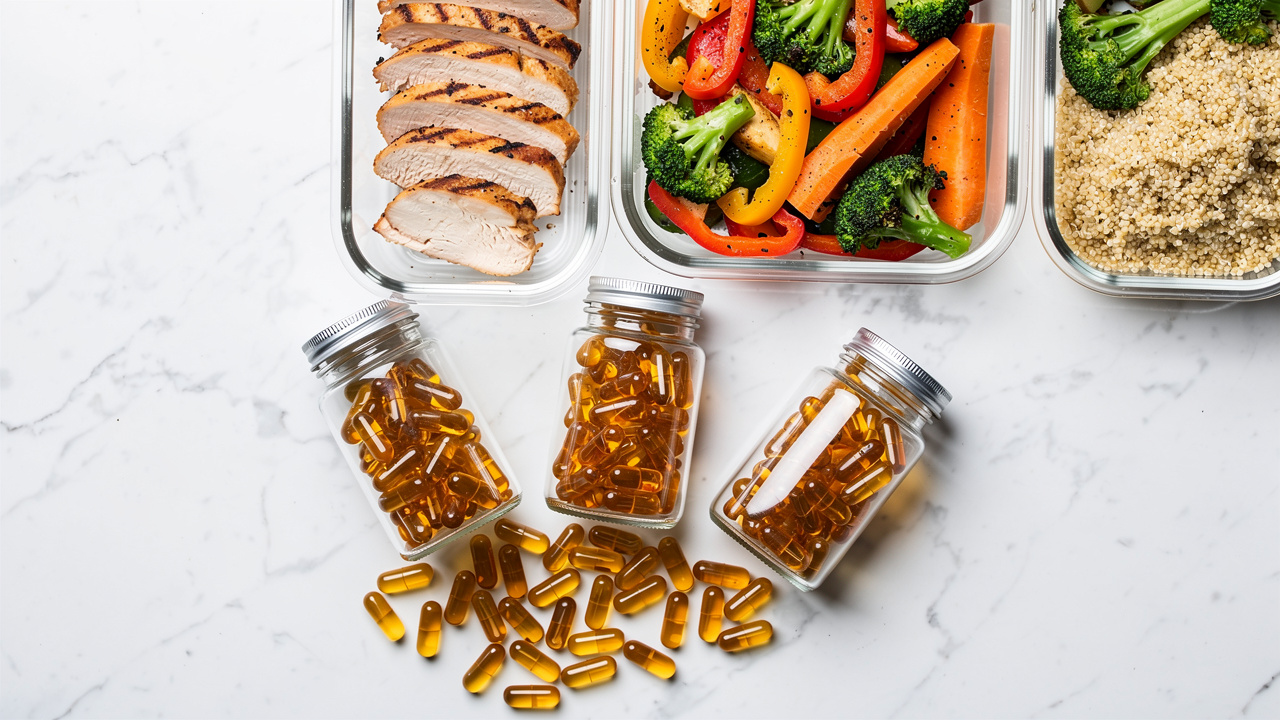
500 mg of berberine, three times per day (1.5 g total)
-
Taken at the beginning of major meals: breakfast, lunch, and dinner
For those sensitive to digestive effects:
-
Start with 500 mg once daily with dinner
-
After 3–7 days, move to 500 mg twice daily
-
Then build toward 500 mg three times daily, or 300 mg three times daily if you prefer a gentler dose
Why An Evening Dose Matters
If you are specifically using berberine to lower blood sugar and calm nighttime spikes, timing matters:
-
Taking berberine before the evening meal:
-
Blunts the post‑dinner glucose surge
-
May reduce nocturnal awakenings from blood sugar swings
-
Can lead to more stable morning readings (the “dawn phenomenon” often improves)
-
Because berberine’s effects last several hours, including an evening dose helps keep your glucose profile supported across the full 24‑hour cycle.
Practical Daily Protocol (Example)
-
Breakfast – 500 mg berberine with first bites of food
-
Lunch – 500 mg berberine with meal
-
Dinner – 500 mg berberine 15–30 minutes before or with the evening meal
If GI symptoms appear, drop back to 300 mg per dose or reduce frequency temporarily, then slowly increase as tolerated.
Berberine Versus Metformin And GLP‑1 Medications
When people consider berberine to lower blood sugar, they often want to know how it compares with mainstream drugs.
Berberine vs. Metformin
In a head‑to‑head study over three months in newly diagnosed type 2 diabetics:
-
Berberine 500 mg three times daily produced:
-
A1c reduction from 9.5% to 7.5%
-
Fasting and post-meal glucose reductions
-
These changes were comparable to metformin at the same dosing schedule.
Key points:
-
Both improve insulin sensitivity and activate AMPK
-
Berberine tends to offer stronger lipid improvements (lower triglycerides and total cholesterol)
-
Both can cause GI side effects, especially when used together
Berberine vs. GLP‑1 Agonists
Berberine is different from GLP‑1 drugs:
-
GLP‑1s act strongly on appetite and gastric emptying
-
Berberine acts more on cellular energy sensing, insulin sensitivity, liver output, and gut enzymes
Some individuals use berberine to lower blood sugar when they want metabolic support without appetite-suppressing injections or when they are cycling off GLP-1 therapy and want help keeping metrics stable. This should always be structured with guidance from a clinician.
Safety, Side Effects, And Who Should Avoid Berberine
Common Side Effects
Most side effects are gastrointestinal, especially in the first 2–4 weeks:
-
Diarrhea
-
Constipation
-
Gas and bloating
-
Abdominal discomfort
-
Occasional nausea or headache
These effects are often dose-related and tend to improve as your system adapts. Taking berberine with food and ramping up slowly usually helps.
Medication Interactions
Berberine can interact with several drug classes:
-
Diabetes medications (metformin, insulin, sulfonylureas, etc.)
-
Combined use can increase risk of hypoglycemia
-
-
Drugs metabolized by liver enzymes
-
Berberine may increase or decrease their levels
-
-
Anti‑rejection medications after organ transplant
-
Blood thinners and antiplatelet agents
-
Possible increased bleeding risk
-
If you are on prescription medications, you must review berberine to lower blood sugar with your clinician first and monitor closely.
High‑Risk Groups: When Berberine Is Not Appropriate
Berberine should not be used by:
-
Pregnant individuals
-
People who are breastfeeding
-
Newborns and infants
-
Children, unless specifically directed by a pediatric specialist
Berberine can cross the placenta and pass into breast milk, and exposure in newborns has been linked to kernicterus, a rare type of brain injury tied to high bilirubin.
Liver And Kidney Safety
In clinical studies lasting about 13 weeks:
-
No significant changes were seen in markers of liver or kidney damage (ALT, γ‑GT, creatinine)
-
Berberine was generally well tolerated when monitored appropriately
That said, anyone with existing liver or kidney disease should only use berberine under medical supervision.
Beyond Blood Sugar: Extra Benefits That Often Show Up
Many people start berberine to lower blood sugar but stay on it for the wider metabolic effects.
Lipids And Cardiovascular Health
Trials show that berberine can:
-
Lower triglycerides
-
Lower total cholesterol and LDL (“bad”) cholesterol
-
Sometimes improve HDL (“good”) cholesterol
Some evidence suggests its effect on triglycerides and total cholesterol can rival standard lipid medications in certain settings, especially when combined with statins under medical supervision.
Weight And Body Composition
Several studies using 1 gram per day found:
-
Reductions in body weight, BMI, and waist circumference in overweight individuals
-
Decreases in waist circumference and waist-to-hip ratio even without major scale changes
By improving insulin sensitivity and activating AMPK, berberine may help shift fat distribution away from the visceral (abdominal) area that is strongly linked with metabolic risk.
Gut Microbiome And Inflammation
Berberine has long been used for gut infections, and newer data suggest it can:
-
Shift the gut microbiome toward a more favorable composition
-
Reduce low-grade inflammation
-
Indirectly support glucose control and cardiometabolic health
For high performers focused on longevity, these downstream effects add to the case for a well-designed berberine protocol.
Why Many High Performers Choose Synchronicity Health’s Berberine Blend
Not all berberine supplements are formulated the same way. At Synchronicity Health, the Berberine Blend was designed to support metabolic performance, absorption, and real-world consistency.
Key features:
-
Clinically relevant berberine dose for those using berberine to lower blood sugar
-
Ceylon cinnamon – supports healthy glucose responses and adds an extra layer of post‑meal control
-
Bitter melon extract – traditionally used for insulin sensitivity and glucose regulation
-
Chromium picolinate – supports insulin action and carbohydrate metabolism
To further support absorption and bioavailability, the formula includes an Organic Absorption & Utilization Blend featuring:
-
Sunflower lecithin
-
Ginger extract
-
Black pepper extract
This combination is designed so more of the berberine in each serving is absorbed and put to work instead of simply passing through your system.
If you want a done‑for‑you formula that covers these bases, Synchronicity Health’s Berberine Blend brings these ingredients together in a single product.
A 12‑Week Experiment: How To Test Berberine To Lower Blood Sugar
If you are serious about objective data, treat berberine like any other protocol experiment.
As Peter Drucker famously wrote, “What gets measured gets managed.”
Step 1: Baseline Your Metrics
Before your first dose, record:
-
Fasting glucose for at least 3–7 mornings
-
Post‑meal glucose at 60–120 minutes after your largest carb meal
-
If available: HbA1c, fasting insulin, lipid panel, waist circumference, and body weight
This gives you a clear “before” picture.
Step 2: Build Up To A Therapeutic Dose
Week 1:
-
500 mg berberine with dinner only
Week 2:
-
500 mg with lunch and dinner
Week 3 And Beyond:
-
500 mg with breakfast, lunch, and dinner
-
Or 300 mg three times daily if GI sensitivity remains an issue
Always coordinate changes with your clinician if you are on glucose-lowering medications.
Step 3: Track Subjective And Objective Changes
Across the 12 weeks, track:
-
Fasting glucose (3–4 times per week)
-
Occasional post‑meal readings
-
Energy stability, cravings, evening “crashes,” and sleep quality
At 8–12 weeks, repeat:
-
HbA1c
-
Fasting insulin (if possible)
-
Lipid panel
-
Waist measurement and body weight
This lets you clearly see how berberine to lower blood sugar is performing for your specific physiology.
Step 4: Decide How Berberine Fits Your Long-Term Strategy
Based on your data and how you feel, decide with your clinician whether to:
-
Continue at the same dose
-
Adjust the dose or timing
-
Combine with other strategies (diet, exercise, time-restricted eating, etc.)
-
Cycle off and recheck markers later
FAQs
When Is The Best Time To Take Berberine For Blood Sugar Control?
For most people, the best approach is to divide the total daily dose across meals:
-
Take berberine near the start of each major meal
-
Always include an evening dose to help manage post‑dinner spikes and support more stable overnight and morning readings
If you can only take it once or twice per day, prioritize taking it with or before your largest carb-heavy meals, especially dinner.
How Does Berberine Help With Blood Sugar?
Berberine to lower blood sugar works through several coordinated actions:
-
Activates AMPK, increasing cellular energy efficiency
-
Improves insulin sensitivity, so cells respond better to insulin
-
Reduces liver glucose output, which helps lower fasting glucose
-
Slows carbohydrate breakdown and absorption in the intestine
-
Modulates the gut microbiome and may reduce low-grade inflammation
Together, these effects support steadier glucose levels and healthier long-term metabolic markers.
What Makes Synchronicity Health’s Berberine Different From Other Supplements?
Synchronicity Health’s Berberine Blend goes beyond plain berberine by pairing it with:
-
Ceylon cinnamon, bitter melon extract, and chromium picolinate for layered blood sugar support
-
An Organic Absorption & Utilization Blend with sunflower lecithin, ginger extract, and black pepper extract, designed to help your body absorb and use the berberine effectively
This gives high performers a structured way to use berberine to lower blood sugar as part of a broader performance and longevity strategy.
Always consult with your healthcare provider before starting any new supplement regimen, especially if you have diabetes, prediabetes, cardiovascular disease, or are taking prescription medications. Berberine may change how medications work and can increase the risk of low blood sugar when combined with other glucose-lowering drugs.
These statements have not been evaluated by the Food and Drug Administration. This product is not intended to diagnose, treat, cure, or prevent any disease.


Leave a comment
All comments are moderated before being published.
This site is protected by hCaptcha and the hCaptcha Privacy Policy and Terms of Service apply.